
1. NFC is mainly used for mobile payments, while UWB and Bluetooth are key for smart home integration and object tracking.
2. The Galaxy S26 lacks UWB, which is present in the S26+ and S26 Ultra, affecting features like precise locating and digital car or door keys.
3. The Galaxy S26 is equipped with Bluetooth 5.4, potentially limiting its smart object locating capabilities compared to upcoming devices with newer standards.
4. The device features a high-quality build, a bright and accurate OLED display, and solid performance, but has moderate battery life and slower charging compared to competitors.
5. The Galaxy S26 is a refined flagship with incremental upgrades, emphasizing display quality and overall user experience over radical innovations.
Short-range wireless technologies including NFC, UWB, and Bluetooth
These technologies are mainly used for quick and easy data transfer as well as for locating devices in close proximity. NFC is most commonly used for mobile payments, while UWB and Bluetooth also have respective roles in smart home systems and in tracking things like objects or tags. UWB is integrated into models like the S26+ and S26 Ultra, but unfortunately the Galaxy S26 lacks this feature, which limits its ability to precisely locate items or serve as access points to smart locks or car keys. Its functions extend beyond just tracking, assisting in contactless unlocking and vehicle access systems.
Role of Bluetooth in Smart Ecosystems
Bluetooth, especially starting from the 6.0 version, is becoming more competitive with UWB for locating smart objects if it gets enough updates. Despite that, Samsung set it back a little by opting for the older Bluetooth 5.4 in the Galaxy S26, instead of the latest iteration. Fans hope that future models like the Galaxy S27 will feature more advance Bluetooth versions, thus closing the gap with UWB on smart device findability and connectivity. Bluetooth also supports many features in smart homes, like controlling lights, locks, and appliances, providing an essential connectivity backbone across many connected gadgets.
Overview of the Galaxy S26
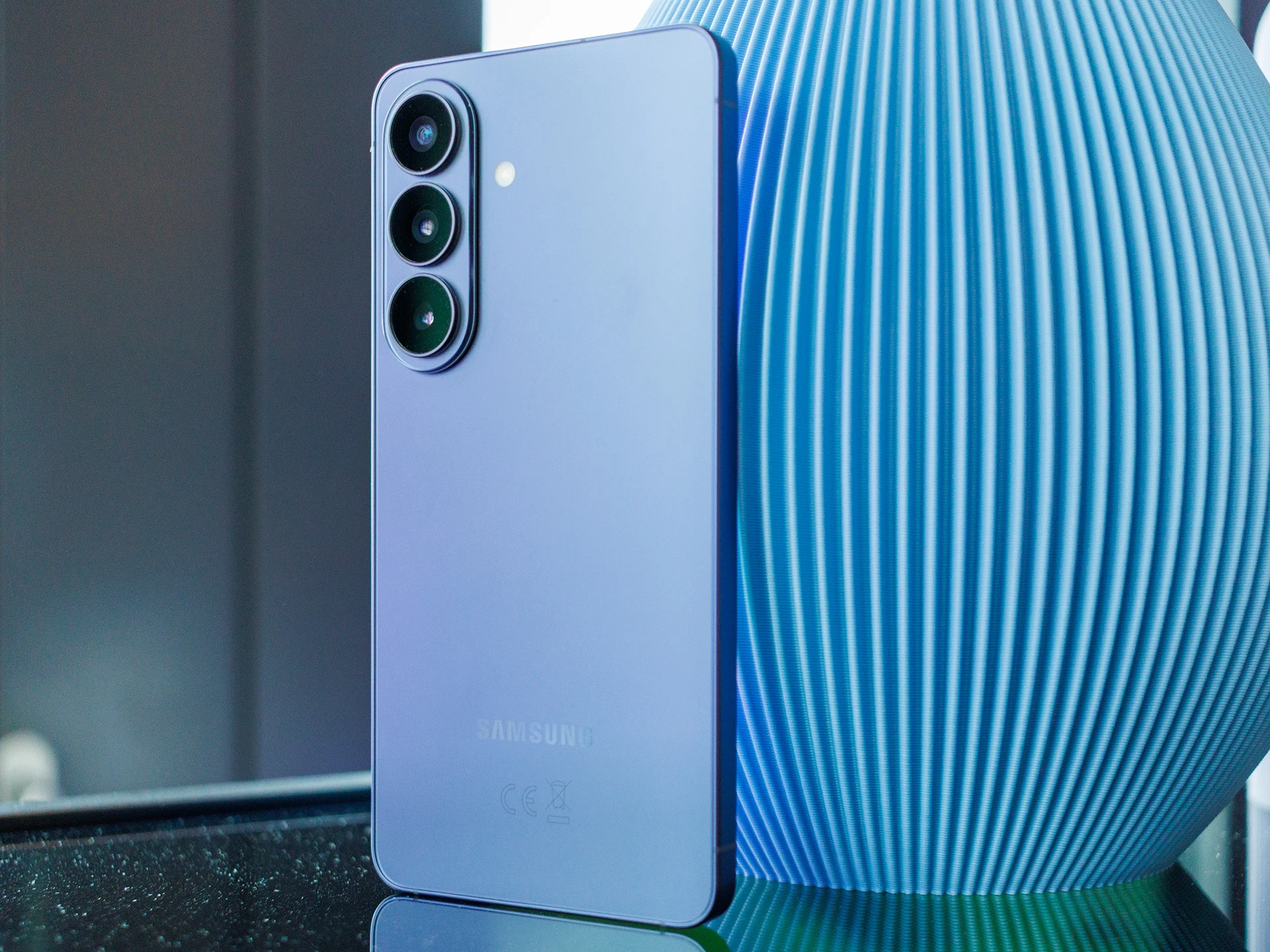
The Galaxy S26 presents itself as a compact luxury smartphone that stands out because of its performance, display, and battery. Powered by the Exynos 2600 chipset, it has a 6.3-inch OLED screen which is bright, evenly lit, and calibrated for accurate colors. The device is built with high-quality materials and feels very premium in hand, making it a top-tier choice for those looking for a sleek, reliable device. The display’s brightness and color precision make it suited for everyday use, whether indoors or outside in sunlight.
Pros and Cons of the Galaxy S26
- Fast, dependable operation with good network reception
- Long-term support with updates expected for seven years
- Battery capacity of 4,300 mAh, delivering decent daily usage
However, it has its limitations. Charging speeds are only 25 watts, which is somewhat slow considering current standards, leading to longer recharge times. The phone’s battery life is only moderately improved over previous models, and it underperforms under sustained high performance, with noticeable throttling of its processor. The camera system remains similar to previous generations without notable upgrades in hardware or features. Overall, the Galaxy S26 isn’t a complete overhaul but rather a smarter, slightly refined version of a flagship, excelling mostly in its display, usability, and overall build quality.
Leave a Reply