
Key Takeaways
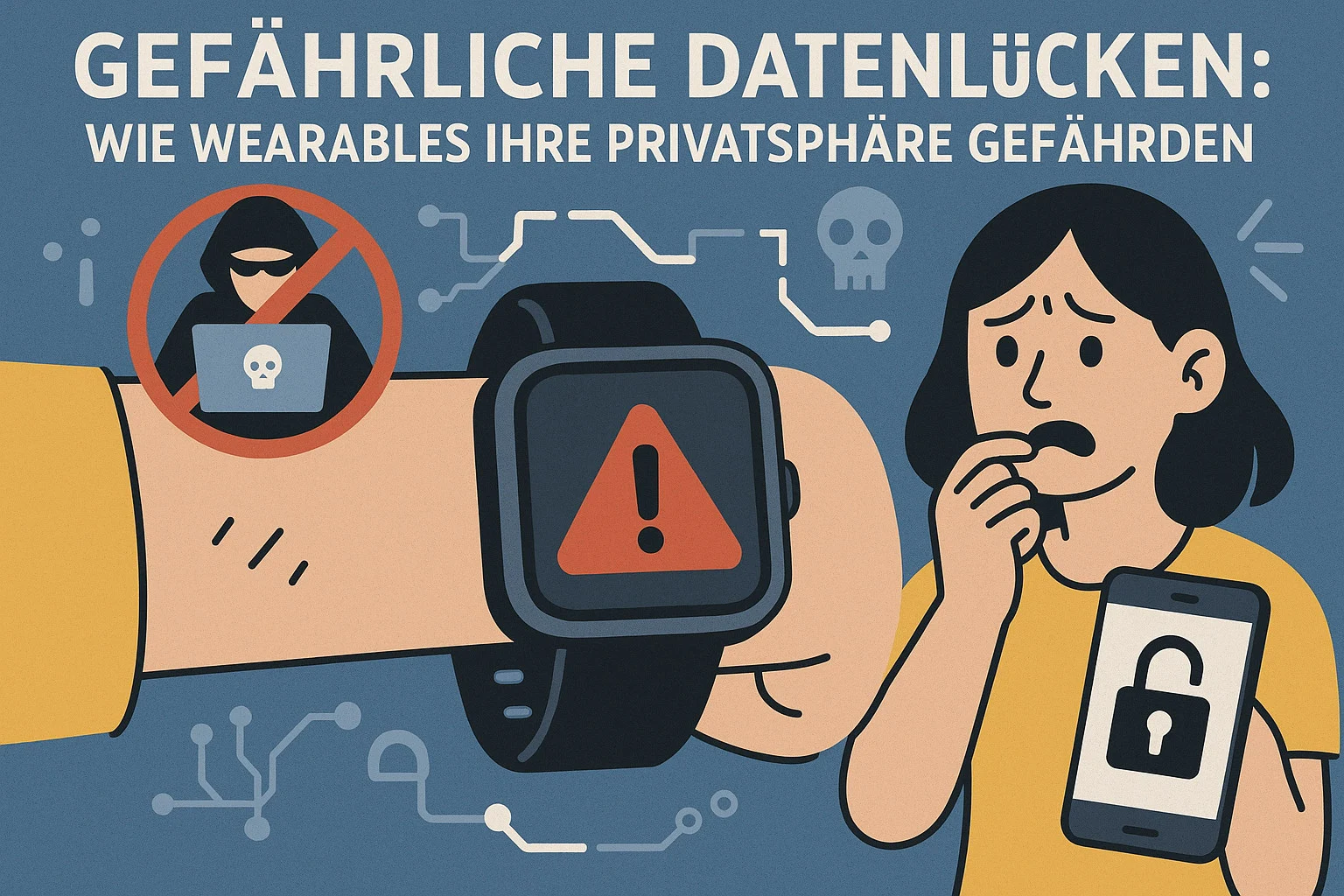
1. Modern wearables collect sensitive personal information, raising significant privacy concerns.
2. A study assessed 17 wearable brands based on 24 privacy criteria, revealing many have confusing policies and insufficient protection against data leaks.
3. The “Privacy Risk Score” ranges from 33 (lowest risk) to 60 (highest risk), indicating varying levels of data protection among brands.
4. Leading brands like Google and Apple score well for clear policies and strong security, while brands like Huawei and Xiaomi show major privacy shortcomings.
5. Consumers should prioritize data protection when choosing wearables and regularly check how their data is managed.
Modern wearables gather various types of personal information, like sleep habits, heart rate, physical activity, and menstrual cycle data. While this information can enhance health tracking, it also brings up significant privacy issues.
Privacy Assessment of Wearable Brands
A research published in npj Digital Medicine assessed 17 popular wearable brands including Apple, Google, Fitbit, Huawei, and Xiaomi, evaluating them against 24 specific criteria. These criteria include how transparent the privacy policies are, how much control users have, and how companies respond to security breaches. The findings indicate that many brands have confusing privacy policies and often lack clear details on data sharing practices. Additionally, the methods to protect against data leaks are generally insufficient, and users have few chances to manage or delete their data.
Risk Scores for Data Protection
The evaluation assigned a “Privacy Risk Score” to the 17 wearable brands, with scores ranging from 33 (indicating the lowest risk) to 60 (indicating the highest risk).
Leading the pack in terms of data protection are Google (33), Apple (35), Oura (38), Polar (38), Withings (39), and Garmin (41). These brands are noted for their clear policies, transparent controls over data, and solid security measures. Users of these brands can feel confident about the safeguarding of their personal information.
In the middle tier, brands like Fitbit (43), Ultrahuman (44), Samsung (47), Fossil (48), Coros (50), Whoop (50), Wahoo (52), and Suunto (53) are seen to have medium risks regarding data protection. While these companies have some measures in place, they often fall short on transparency and user control. It is advisable for users to carefully scrutinize the specific data protection policies of these brands.
Concerns for Bottom-Ranked Brands
On the lower end, Huawei (58), Wyze (60), and Xiaomi (60) show considerable shortcomings in data protection. Despite being significant players in the market, these brands lack clarity about data collection, provide limited user control options, and have inadequate protection systems. The study highlights a high data protection risk associated with these companies, urging users to be especially cautious and thoroughly assess their own data protection choices.
The research emphasizes that when selecting a wearable device, data protection should be as crucial as features and pricing. Consumers are encouraged to routinely verify how their data is handled and what rights they possess, as this is essential for making informed choices about how to safeguard their privacy.
Source:
Link

Leave a Reply