
Key Takeaways
1. Unique Gameplay Approach: Eldegarde offers a different take on the extraction genre by incorporating fantasy elements with classes like Paladin, Rogue, and Wizard, moving away from traditional firearms.
2. PvE-Only Mode Addition: The introduction of a PvE-only mode caters to players who prefer exploring and battling bosses without the threat of PvP, stabilizing the player community.
3. Mixed Player Reviews: The game currently holds a “Mostly Positive” rating at 70%, but recent feedback for version 1.0 has dipped to 53%, with long-time players liking the “Lodge” system and newcomers criticizing combat and UI.
4. Technical Demands: Built on Unreal Engine, Eldegarde has modern graphics but is resource-intensive, requiring manual adjustments for stable performance, especially on mid-range systems and Steam Deck.
5. Monetization Concerns: While the game is free to play, players have expressed dissatisfaction with the costs of supporter packs and cosmetic items, raising questions about its monetization strategy.
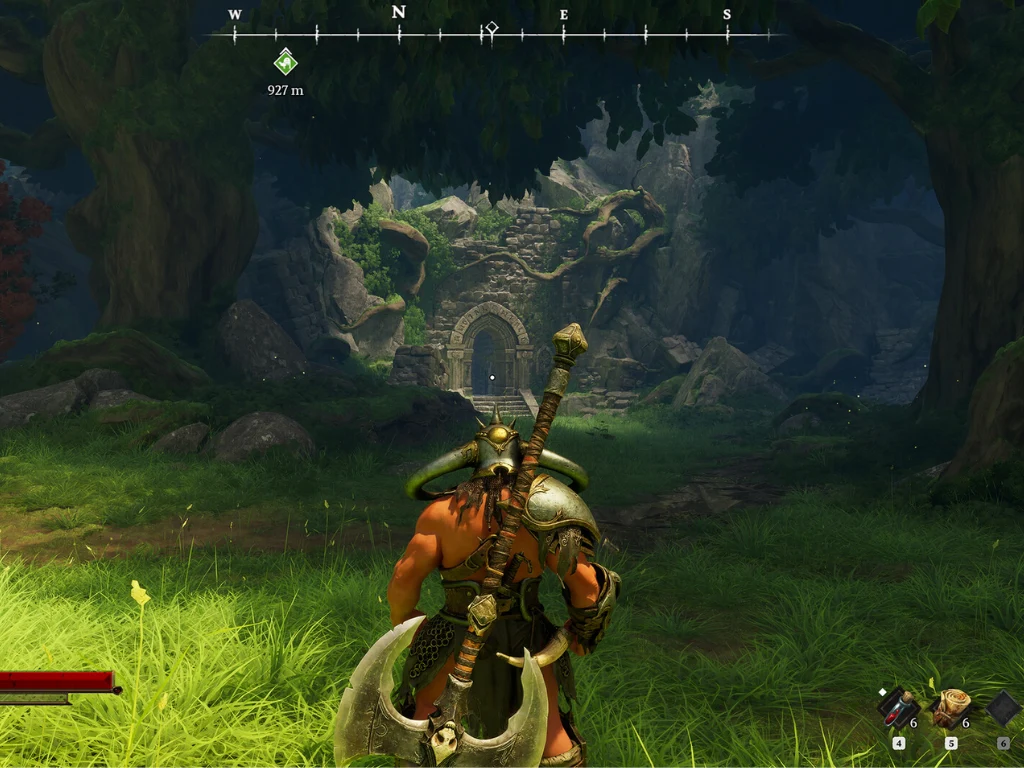
The extraction genre is really gaining traction these days. Many gamers are familiar with the shooting mechanics of titles like Tarkov or the newer games such as Arc Raiders. However, Notorious Studios is taking a different approach, believing that players might enjoy trading in their rifles for broadswords and magical spells. Eldegarde, which spent the past year in early access under the name Legacy: Steel & Sorcery, officially launched its version 1.0 on January 21, 2026. Led by Chris Kaleiki, a veteran from Blizzard, the team has worked for eleven months to find a balance between “hardcore PvPvE” and a more laid-back “mini-MMO” atmosphere.
Simple Gameplay Mechanics
The gameplay is quite simple: you choose one of six classic classes, including the Paladin, Rogue, or Wizard, and enter one of five distinct zones to hunt monsters, gather loot, and hopefully escape before another player gets you. A significant addition in the 1.0 release is a PvE-only mode, which the developers added after noticing that a large part of their player base just wanted to explore the world and battle bosses like Mor’thog the Cruel without the fear of being “ganked” by others. This was a clever decision that seems to have helped stabilize the player community, which saw a peak of 689 concurrent users within 24 hours of the update going live.
Mixed Reviews and Player Feedback
Currently, the reviews stand at a “Mostly Positive” 70%, but recent feedback on version 1.0 shows a more mixed sentiment at 53%. Long-time players appreciate the depth of the “Lodge” system, where you can create functional furniture like forges and beds for rested XP. However, newcomers have pointed out that the combat can feel somewhat “stiff,” and the user interface is a bit of a cluttered mess. There’s also some dissatisfaction regarding monetization; while gameplay is free, the costs of “God Tier” supporter packs and cosmetic items have raised some eyebrows among players.
Technical Aspects and Performance
Built on Unreal Engine, the game features modern enhancements like DLSS and Frame Generation. However, it can be quite resource-intensive, often requiring players to manually adjust settings to achieve stable frame rates on mid-range systems. For those using Steam Deck, it’s a “Some Assembly Required” scenario. The game is playable, but players may struggle with the default controls and often need to pull up the virtual keyboard just to navigate basic UI elements. It’s evident that this is a passion project from a team with AAA backgrounds, but the long-term sustainability of its community will depend on how quickly they can improve movement animations.
Source:
Link
Leave a Reply