
Key Takeaways
1. The Antennagate controversy prompted Steve Jobs to hold an emergency press conference to address user concerns about the iPhone 4’s antenna issues.
2. Apple responded by offering free bumper cases and releasing a firmware update (iOS 4.0.1) to help mitigate the antenna problem.
3. The update adjusted only about 20 bytes of code, recalibrating how signal strength bars were displayed on the iPhone 4.
4. Prior to the update, the iPhone 4 inaccurately displayed signal strength, making weak signals appear more severe when the antenna was touched.
5. The changes improved the accuracy of signal strength representation, leading to a decrease in user complaints and enhancing the overall user experience.
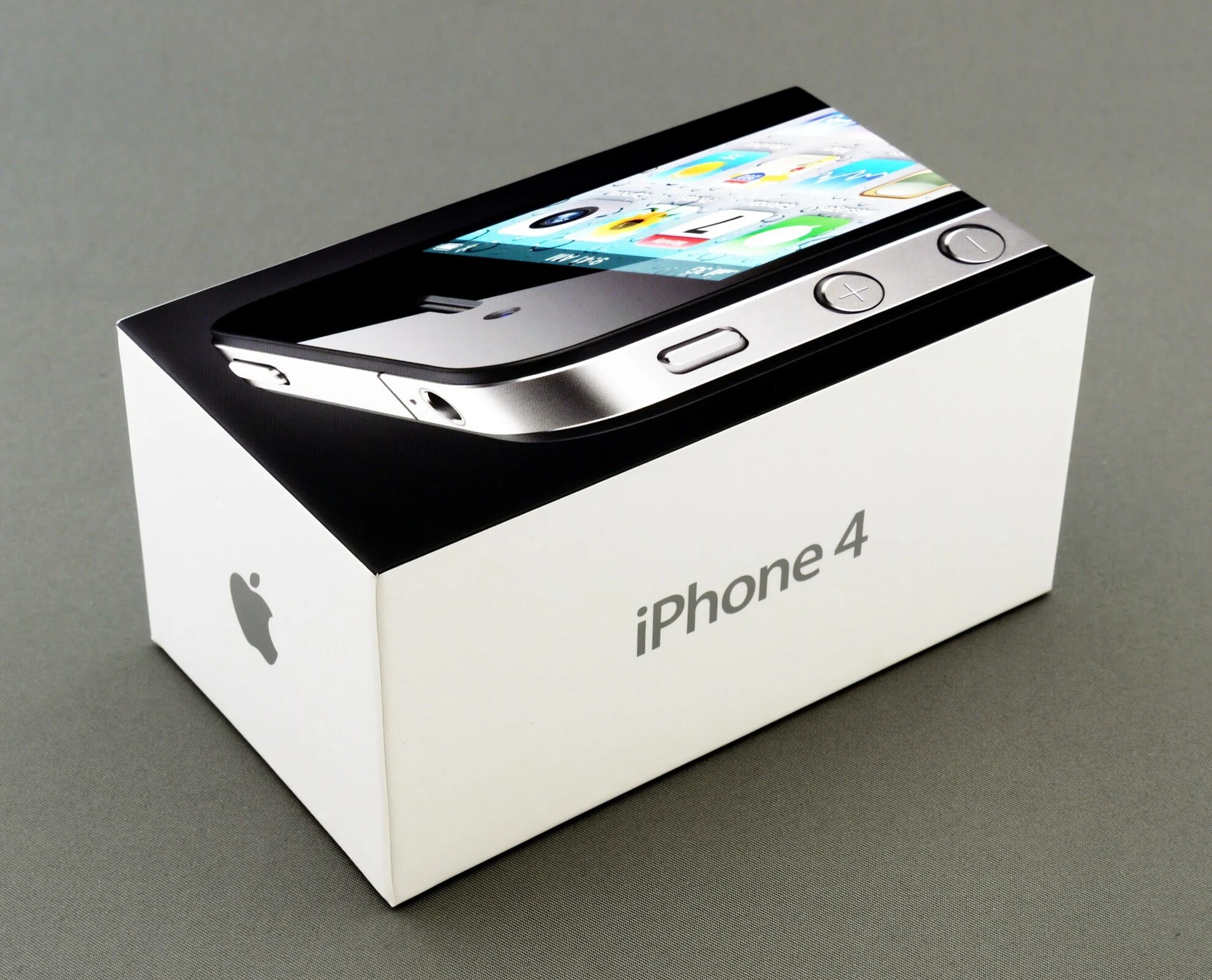
The Apple iPhone 4 was at the center of one of its largest controversies known as Antennagate. This problem was so significant that Steve Jobs, Apple’s co-founder, held an emergency press conference to explain that users were improperly holding the iPhone 4.
Apple’s Response to the Controversy
To remedy this situation, Apple provided customers with a complimentary bumper case, which was intended to stop users from inadvertently touching the antenna that was built into the phone’s frame. Additionally, the company rolled out a firmware update to version iOS 4.0.1, aimed at fixing the antenna issue. While the update did not completely eliminate the problem, it did lead to a noticeable decrease in Antennagate-related complaints from users.
Code Adjustments and Their Effects
Sam Henri Gold has scrutinized the changes made in the code, revealing that Apple needed to modify only about 20 bytes to help reduce the Antennagate issue. Before this update, the iPhone 4 would show five bars even when the signal was relatively weak. However, if the signal strength decreased even slightly, the display would drop to two or three bars. This made the signal loss, when the antenna was touched, seem more severe than it truly was.
With the introduction of iOS 4.0.1, Apple recalibrated the 20 parameters that dictate how many bars appear at different signal strengths, aligning them with the recommendations from US carrier AT&T. As a result, a signal strength that used to show five bars now displayed only two bars, giving users a much clearer picture of their signal quality before they even touched the antenna, thus making the signal loss appear less severe.
Conclusion
In conclusion, the adjustments made by Apple helped change the perception of the iPhone 4’s antenna issues, creating a more accurate representation of signal strength. This change ultimately led to a decrease in user complaints and improved the overall experience for iPhone 4 users.
Source:
Link
Leave a Reply