
Key Takeaways
1. The iPhone 17 series will be revealed on September 9, replacing the iPhone 16 Plus with the new iPhone 17 Air.
2. The iPhone 17 Air will be about 30% thinner than the iPhone 16 Plus, measuring approximately 0.22 inches in thickness and featuring a 6.6-inch screen.
3. The iPhone 17 series will have four variants, with the base model slightly smaller than the iPhone 17 Pro.
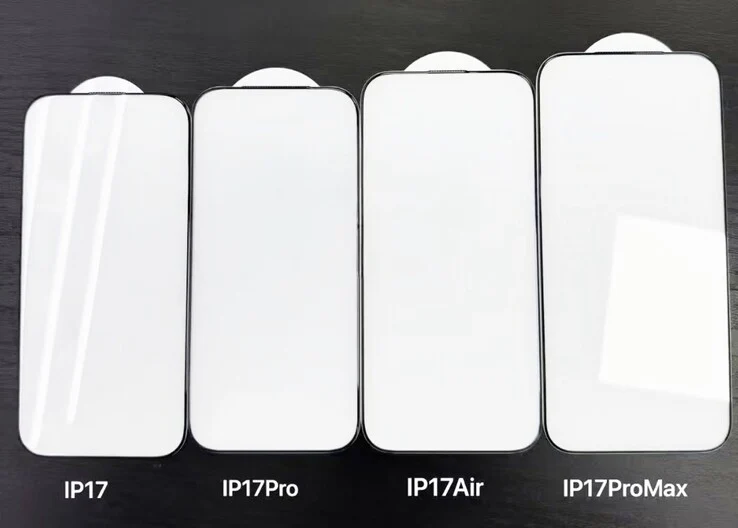
4. A photo shows the size differences among the four iPhone 17 models, with the iPhone 17 Air positioned between the Pro models.
5. The iPhone 17 Pro and Pro Max will feature a new antenna design located around a larger camera module for improved reception and signal strength.
The Apple iPhone 17 series is set to be formally revealed on Tuesday, September 9. In comparison to the iPhone 16 series, one model will be entirely replaced. The iPhone 16 Plus is not expected to have a direct successor. Instead, Apple plans to launch the ultra-slim iPhone 17 Air.
Design Changes
With a thickness of about 0.22 inches, this model may be nearly 30 percent thinner than the iPhone 16 Plus. Additionally, it sports a screen size of 6.6 inches, making it slightly more compact than the 6.7-inch iPhone 16 Plus. The screen dimensions for the other models appear to stay the same, meaning the iPhone 17 series should offer four different variants:
Size Comparisons
A photo shared by MajinBuOfficial supposedly displays screen protectors for all four iPhone 17 models lined up together, showing the size differences of Apple’s new phones. For example, the image shows that the iPhone 17 Air is positioned almost precisely between the iPhone 17 Pro and the iPhone 17 Pro Max in terms of size, while the base model is just a bit smaller than the iPhone 17 Pro. Nonetheless, the base version is probably going to have slightly thicker bezels around the screen.
New Antenna Design
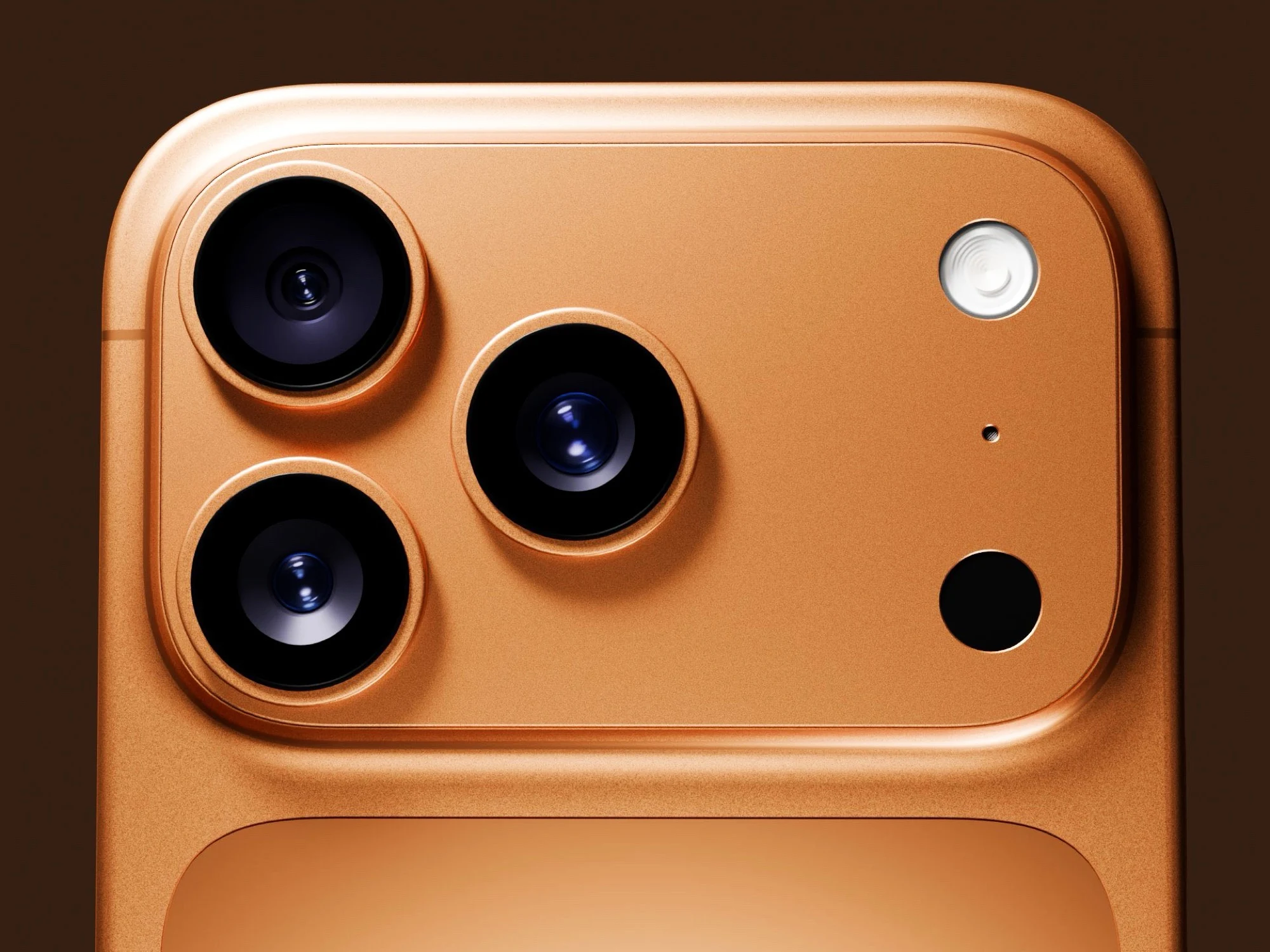
Furthermore, the leaker suggests that the iPhone 17 Pro and Pro Max will come with a completely new antenna layout. Rather than embedding the antennas for the 5G modem and WiFi 7 chip into the metal casing, they are located around the notably larger camera module. This change could enhance reception and signal strength, particularly since users are less likely to obstruct the antennas with their hands.
Source:
Link
Leave a Reply