
Key Takeaways
1. Honor’s Watch GS 5 will start preorders on January 19 in China, with uncertain availability in other regions.
2. Detailed specifications and pricing for the Watch GS 5 are not yet available, but it weighs 0.92 oz and is 0.39 inches thick.
3. The smartwatch offers a battery life of up to 23 days, likely in a power-saving mode.
4. It features health monitoring aimed at evaluating cardiovascular risks and includes a unique measurement of the heart’s deceleration capacity.
5. The smartwatch’s health features may not be medically certified in Europe or elsewhere, and its functionality is still unclear compared to typical fitness metrics.
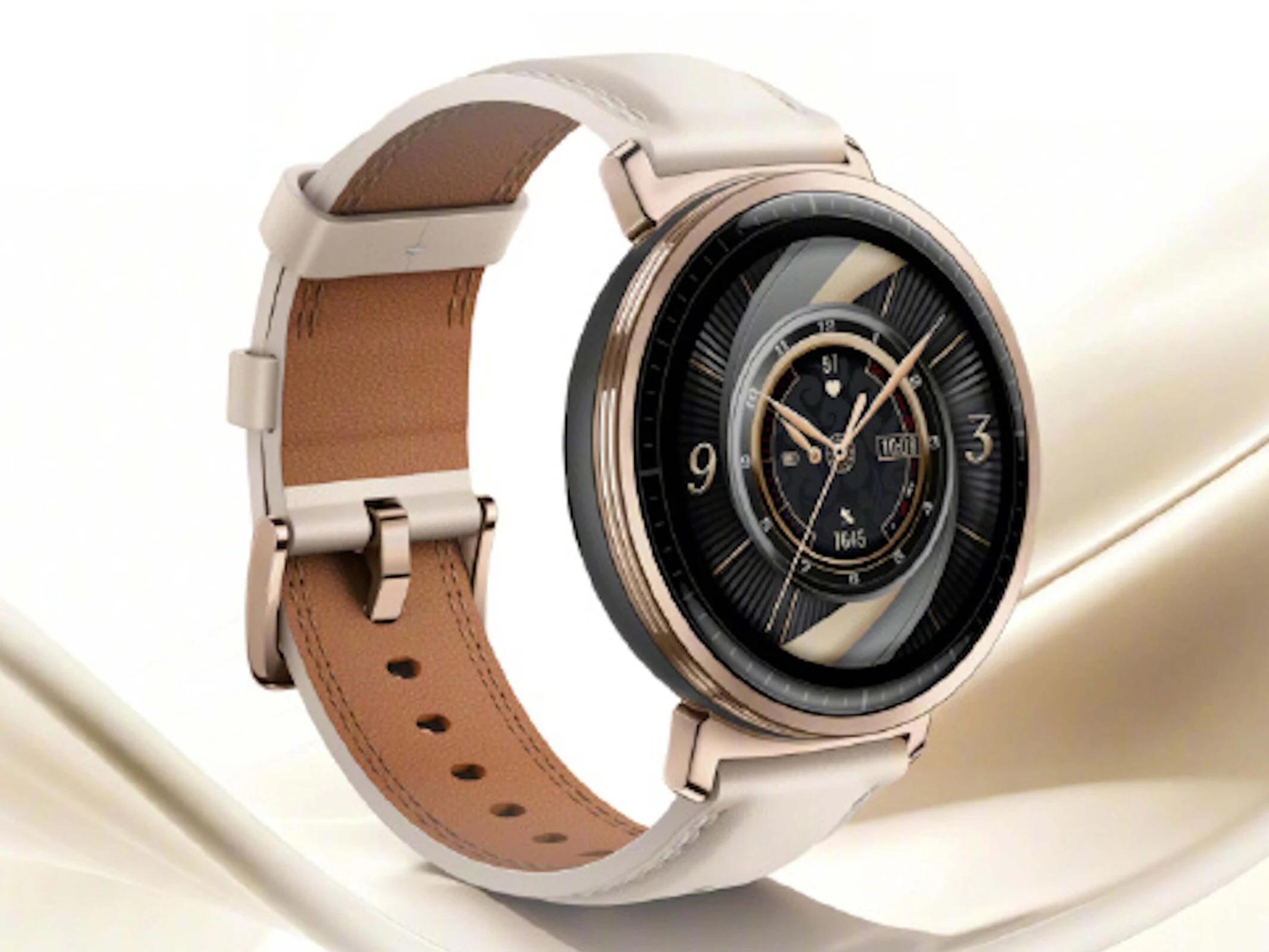
Honor has unveiled its latest smartwatch, the Watch GS 5. Preorders will begin on January 19, specifically for the Chinese market. It’s still uncertain if or when this smartwatch will be available in other regions. However, a release in Europe seems possible since Honor sells its other smartwatches there. Additionally, we have previously reviewed some of Honor’s wearable devices.
Technical Details Still Under Wraps
As of now, detailed specifications or pricing for the Watch GS 5 have not been disclosed. Honor has instead shared some enticing features along with a few images. The smartwatch reportedly weighs only 0.92 oz and has a thickness of 0.39 inches. It boasts an impressive battery life of up to 23 days, likely achievable in a very restrictive power-saving mode.
Health Monitoring Features
Honor claims that this smartwatch aims to evaluate cardiovascular risks and provide warnings for potential cardiac arrest. The exact functionality of this feature and its potential for medical certification in Europe and elsewhere is still uncertain. While other smartwatches evaluate cardiovascular risks, they typically focus more on fitness metrics.
One of the key features being highlighted by Honor is the measurement of the heart’s deceleration capacity. In simple terms, this measures the heart’s ability to slow its rate, a metric that, to our knowledge, is not tracked by major brands like Apple or Garmin. Although deceleration capacity is recognized in medicine, it hasn’t become a common practice in everyday clinical assessments, unlike heart rate monitoring or ECG analysis, for instance.
Source:
Link
Leave a Reply