
Key Takeaways
1. The Exynos 2600 will debut with the Galaxy S26 series next year, primarily in South Korea.
2. The Galaxy S26 Ultra will exclusively feature the Snapdragon 8 Elite Gen 5, while the Exynos 2600 may be used in the Galaxy S26 and S26 Plus/Pro.
3. Limited distribution of the Exynos 2600 is influenced by existing contracts with Qualcomm and yield issues in production.
4. The Exynos 2600 will be manufactured using Samsung’s SF2 node, marking it as one of the first semiconductors in the two nm-class category.
5. Early benchmarks show the Exynos 2600 has better multi-core performance than the Snapdragon 8 Elite Gen 5 but falls short in single-core performance.
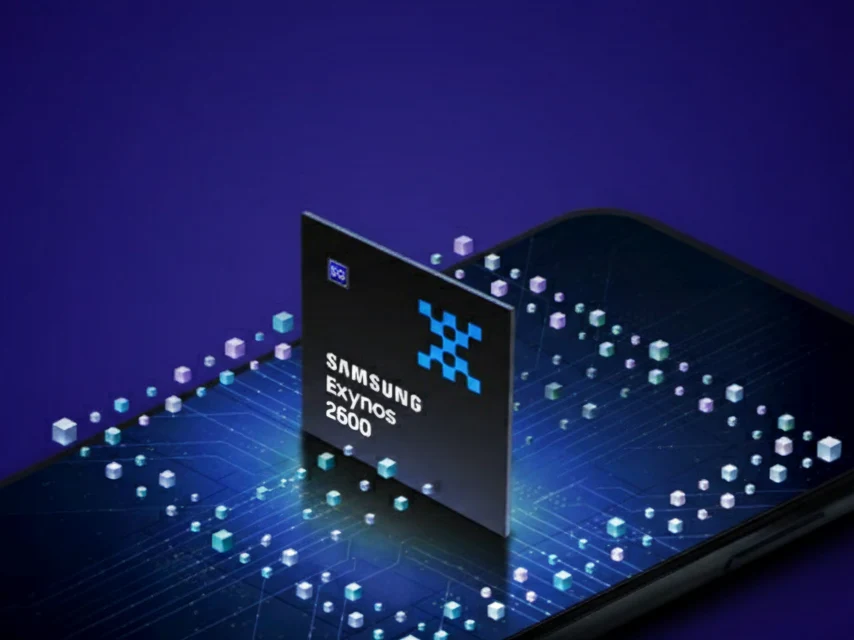
With Samsung’s official acknowledgment of the Exynos 2600, it has essentially confirmed that this chip will debut alongside the Galaxy S26 series next year. Traditionally, devices with Exynos processors have been released in Europe, Asia, and South Korea, whereas markets like the US, China, and Japan have relied on Snapdragon chips. However, a recent report from DigiTimes indicates that this might change slightly this time around.
Limited Distribution of Exynos 2600
This time, only South Korea will receive the Galaxy S26 phones that are equipped with the Exynos 2600. According to Samsung’s own documentation, the Galaxy S26 Ultra is set to feature a Snapdragon 8 Elite Gen 5 in all its variants, which leaves the Galaxy S26 and the Galaxy S26 Plus/Pro as possible options for the Exynos chip. Some factors contributing to this decision include existing contracts with Qualcomm and, importantly, yield issues. While companies usually keep yield figures private, recent reports suggest that the SF2 node is achieving around 60%, which is just sufficient for mass production viability.
Manufacturing Insights on Exynos 2600
To remind, the Exynos 2600 will be produced using Samsung’s SF2 node, making it one of the first semiconductors in the two nm-class category to be released. In theory, this should give it an edge over the Snapdragon 8 Elite Gen 5, which is made with TSMC’s N3P process, due to its node advantages. Early Geekbench benchmark results indicate that the Exynos 2600 has better multi-core performance than Qualcomm’s flagship chip, although it still lags behind in single-core performance metrics.
Leave a Reply