Key Takeaways
1. In 2021, Samsung downplayed concerns about ear infections linked to the Galaxy Buds Pro and required customers seeking replacements to sign non-disclosure agreements.
2. By 2023, Samsung acknowledged the issue related to nickel allergies but continued to sell the Galaxy Buds Pro without refunds or visible allergy warnings.
3. A health hazard was reported in 2023 when a swollen battery in the Galaxy Ring caused severe pressure on a user’s finger, requiring emergency medical assistance for removal.
4. Samsung claimed the battery swelling in the Galaxy Ring was due to a crack in the internal moulding and stated there is no wider safety risk despite the incident.
5. Samsung has no plans to improve designs or implement safety measures for battery swelling, indicating a lack of prioritization for customer health and safety.
History seems to be repeating itself once again. Back in 2021, we highlighted a significant issue with ear infections linked to the Samsung Galaxy Buds Pro. When we raised concerns, Samsung played down the severity of the situation. They suggested that impacted customers should reach out directly, but those seeking replacements were required to sign a non-disclosure agreement.
Samsung’s Quiet Admission
Fast forward to 2023, and Samsung has finally acknowledged the problem by creating a support page that mentions potential issues caused by a nickel allergy, which aligns with our earlier observations. Despite this, sales of the Galaxy Buds Pro continued unabated, customers didn’t receive refunds, and there’s still no allergy warning visible on the product page. In September, Daniel from the YouTube channel Zone of Tech shared troubling news about a health hazard tied to the Samsung Galaxy Ring.
A Risky Design
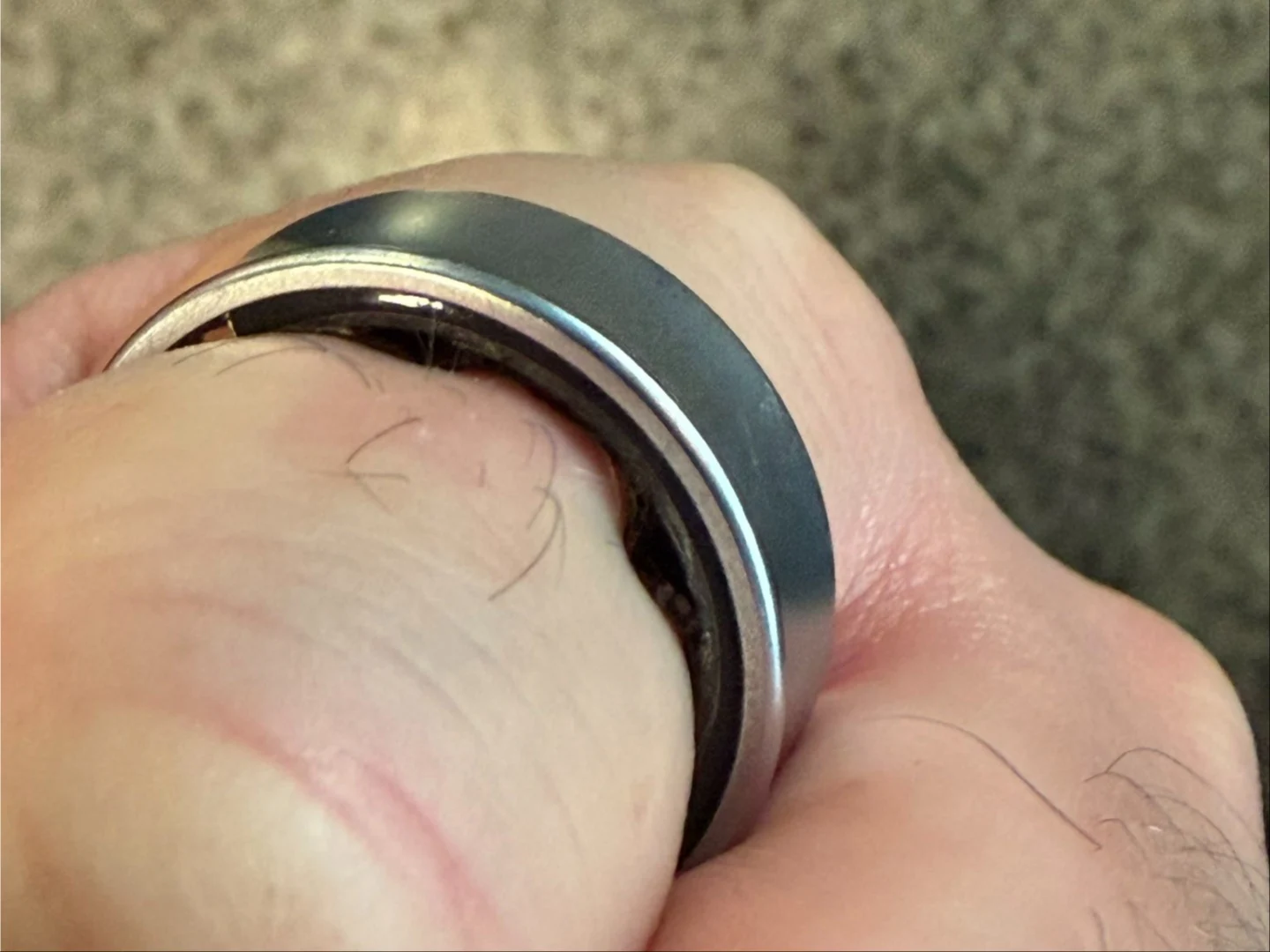
Daniel experienced a swollen battery in his Galaxy Ring, which caused intense pressure on his finger, making it impossible to remove. He ultimately had to go to an emergency room to get the ring off. The swelling of batteries can lead to fires, indicating that this incident could have escalated dangerously. Three months later, Samsung reached out to Zone of Tech with this statement:
“Customer safety is our top priority. Samsung has communicated regularly with Daniel during our investigation. After an internal review and an examination by an independent agency, it was determined that the swelling of Daniel’s Galaxy Ring was due to a crack in the internal moulding, and that there is no wider safety risk with the product’s batteries. The Galaxy Ring is designed for daily use, emphasizing durability. Users can find customer care guides on our website: samsung.com/uk/support.”
No Changes Ahead
According to their findings, both internal and external reviews confirmed that the battery swelling was a result of damage in the inner housing. Samsung insists there are no significant safety hazards. For the company, it seems the issue is settled, with no plans to enhance design or implement measures to avoid similar occurrences in the future.
It’s well-known that batteries inherently have a risk of swelling. However, in devices like smartphones or smartwatches, this risk doesn’t pose as immediate a threat as it does with a smart ring. To prevent issues, an open design like that of the Evie Ring could allow for easier removal if swelling occurs. Alternatively, an early warning system could alert users to battery swelling. Yet, history indicates that Samsung may not prioritize the health and well-being of its customers.