Category: Wearables

  • Garmin Launching Three New Wearables in 2026

    Garmin Launching Three New Wearables in 2026

    Key Takeaway

    1. Garmin’s CIRQA wearable is designed to measure and analyze physical, physiological, and emotional health metrics, with a possible launch in mid-2026.
    2. The Fenix 9 smartwatch is expected to be released in late 2026, possibly around August to October.
    3. A third potential device featuring muscle oxygen saturation sensors, indicated by a trademark for Garmin’s “Muscle Battery,” may also launch in 2026, but is less certain.

    Garmin has recently filed a new trademark that reveals another upcoming wearable device called the CIRQA. This discovery was made in a database, showing that the device might come out sometime in 2026. The trademark was filed in February 2026 with the number 99670310, and it’s believed to be one of three new devices expected to launch this year or next.

    Product Details and Expectations

    The Garmin’s CIRQA trademark confirms that this device is meant for tracking the body’s physical and physiological data. It can measure recovery from stress levels, alertness, and overall performance. Leaks from earlier this year suggest this wrist-like device will probably aim to compete with other high-end fitness trackers like the Whoop 5.0, which costs around $239. Though Garmin hasn’t officially announced when it will be released, some Reddit sources hint at a possible launch around May or June 2026.

    Upcoming Garmin Smartwatches

    In addition to the CIRQA, Garmin’s new Fenix 9 smartwatch is expected to arrive in 2026. During an investor call, the company’s CEO Clifton Pemble mentioned that Garmin expects a stronger second half this year due to new product releases. Fans are hopeful this means the Fenix 8’s successor will be launched sometime during late summer or early fall, perhaps August, September, or October, based on previous release patterns.

    Other Possible Wearables and Features

    The third device rumored for 2026 features a special muscle oxygen saturation sensor. This gadget is connected to a trademark application called Garmin Muscle Battery, which suggests it might need dedicated hardware. However, since this trademark is still pending, it’s less certain to hit the market soon compared to the first two devices. Still, the upcoming year seems to be packed with innovative Garmin wearables and tech improvements for fitness lovers everywhere.
  • Amazfit Helio Strap Update Enhances Sleep Tracking Features

    Amazfit Helio Strap Update Enhances Sleep Tracking Features

    Key Takeaway

    1. The firmware update improves sleep tracking accuracy and optimizes Pickleball Mode metrics.
    2. Some users report issues with sleep detection, especially during still periods like naps.
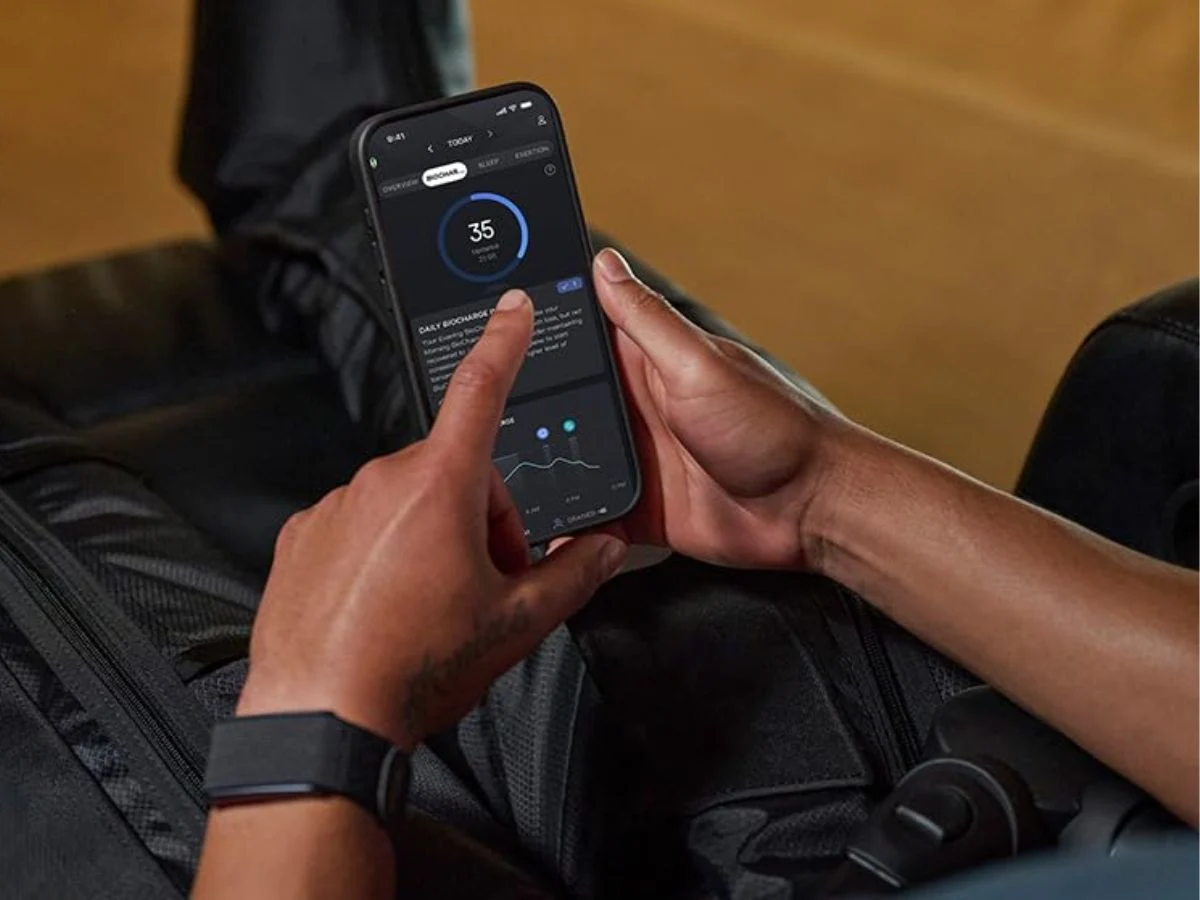
    3. Post-update, HRV measurements may lower below 20 ms and BioCharge scores tend to decrease.
    4. The update also addresses minor bugs and enhances overall system stability.

    New Firmware Update for the Amazfit Helio Strap

    So, a fresh update is finally coming for the Amazfit Helio Strap. The new firmware version 3.13.0.1 is launching just about a month after the previous one, 3.11.0.1, which was aimed to sharpen the sleep recognition feature of the device. Many users are excited because this update promises better sleep detection and overall improvements.

    Improved Sleep Tracking and Additional Modes

    The official notes for this firmware state that there are possible improvements to how accurately it detects sleep, making tracking more reliable. But, dont get your hopes too high, some peoples report that naps still can be missed or misinterpreted especially when they are just sitting still for a while. Besides sleep, there’s also an update for the Pickleball Mode, adding more stats like Forehand and Backhand Stroke Count, which is a pretty cool feature for sport lovers.

    Reported Issues and System Stability

    After installing the update, some users have found that the HRV, or heart rate variability measurement, can fall below 20 ms. it seems like BioCharge scores are also generally getting lower, which some might see as a downside. Nevertheless, Amazfit claims that they have fixed some small bugs and enhanced the system stability, so overall, the updates should make the device more reliable.

    Rolling Out & Availability

    Firmware version 3.13.0.1 isn’t available to everyone all at once. Its being rolled out gradually across different regions, and it might take some time before you see it in your country. When it does arrive, you can update your Helio Strap through the Zepp app on your phone, making the process simple and quick.

    Sources
  • Apple Develops Four Smart Glasses Designs Focusing on AI Wearables

    Apple Develops Four Smart Glasses Designs Focusing on AI Wearables

    Key Takeaway

    1. Apple is developing AI-powered smart glasses designed for everyday use, with a likely market launch in 2027.
    2. The glasses will be tightly integrated with the iPhone and feature cameras, microphones, and sensors for environmental data capture.
    3. Unlike traditional AR glasses, they are not expected to project content into the user’s view but will rely heavily on the iPhone for functionality.
    4. Apple plans to use premium materials like acetate, positioning the glasses as a fashionable accessory and possibly targeting a higher price point.

    Apple’s New Smart Glasses Development

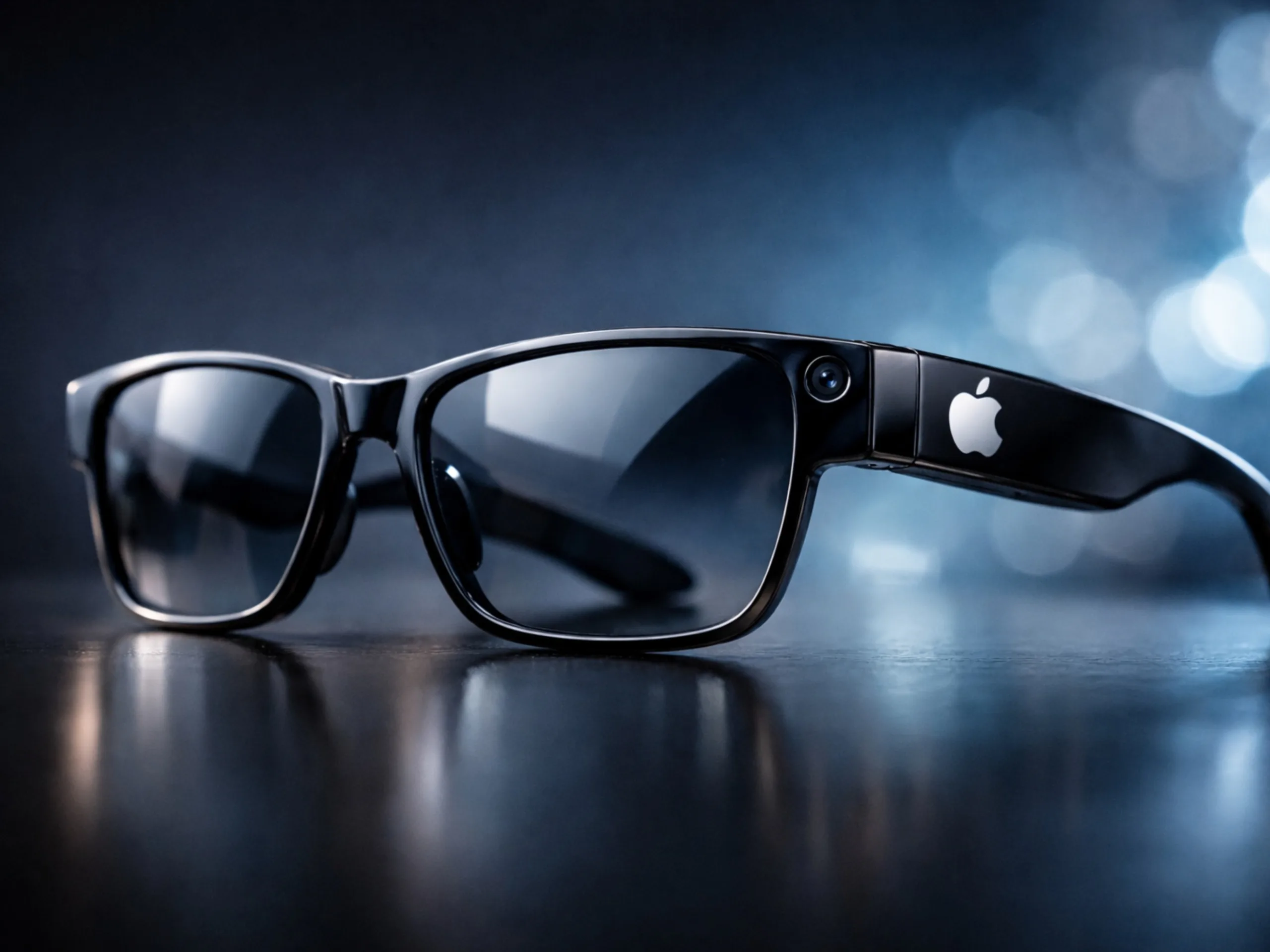
    Apple is working on a new pair of smart glasses, and it seems they’ve been testing several differnt design options lately. Based on a report from Bloomberg, which also got coverage from 9to5Mac, looks like Apple focusing on a specific kind of wearable. Instead of making complicated augmented reality glasses, they appear to be aiming for something more simple and AI-powered that could be used daily, and works well with the iPhone. Four different versions are currently in testing stages.

    Potential Launch Timeline and Market Strategy

    The release of these smart glasses might happen in late 2026 or early 2027, with the official market release expected sometime during 2027. These smart gadgets seem to fit into a bigger goal of creating AI-centered wearables. In addition, Mark Gurman mentions other Apple products like AirPods or camera pendants that might feature similar visual AI capabilities, hinting at a broader trend toward AI integration.

    Technical Features and Functionalities

    To understand how they work, the smart glasses are expected to include cameras, microphones, and various sensors to see and hear the environment around them. This data could then be utilized by AI to assist users, such as asking questions about nearby objects, filming photos or videos, playing music, or showing notifications from the iPhone. Nevertheless, unlike regular AR glasses, these don’t seem to project information directly into the user’s vision, making them more accessory-based, heavily relying on the iPhone itself. For example, the current iPhone 17 Pro costs approximately $1,345 according to Amazon.

    Material Choice and Fashion Appeal

    What makes these glasses even more interesting is the choice of materials. Instead of conventional plastic, Apple might use acetate material for their frames. Acetate is a high-end material made from natural raw elements like wood or cotton, known for its durability and stylish appearance. This suggests Apple may aim to position these smart glasses not just as a tech gadget but also as a fashionable accessory. But this added elegance could also mean a higher price point for the consumer.

    Sources
  • Garmin May Launch New Muscle-Tracking Feature Soon

    Garmin May Launch New Muscle-Tracking Feature Soon

    Key Takeaway

    1. Garmin’s upcoming “Muscle Battery” feature aims to analyze muscle oxygen saturation and sports performance metrics using specialized algorithms.
    2. It likely requires dedicated hardware, such as a near-infrared spectroscopy (NIRS) sensor, which would be separate from current Garmin wearables.
    3. The feature might be integrated into existing devices as a display function but may necessitate new hardware placed directly on muscles.
    4. Garmin has shown interest in muscle-related metrics through surveys and concept ideas like Neuromuscular Readiness Score and Muscle maps.

    Garmin’s New Muscle Battery Feature Might Be Coming Soon

    So there is this new thing that Garmin was working on called Muscle Battery, and it sounds pretty cool kinda like a health tech upgrade. It was just recently spotted in a trademark registration filed at the USPTO, somewhere around mid-February 2026, with serial number 99661177. What it is supposed to do, is kinda like a software that captures, processes, and analyzes muscle oxygen saturation, or sometimes related to sports performance, using some special algorithms, according to the official description.

    What We Know About The Technology

    Now, this Garmin Muscle Battery is meant to be sold as part of personal electronic gadgets, like fitness trackers, smartwatches, and devices for health monitoring. It probably will need a particular hardware to work, such as a near-infrared spectroscopy sensor, better known as NIRS, to measure oxygen saturation in muscles (SmO2). As of now, there’s no Garmin wearable device with such a sensor, hinting that this might be a new product line entirely.

    Hardware and Implementation

    Plus, the sensor has to be placed directly onto the muscle group you’re trying to measure, which makes it a bit tricky for watches—probably not gonna fit on a regular Garmin smartwatch. Though you could see the data on a watch screen, the sensor itself will likely need to be attached directly to your muscles, maybe through a specialized strap or patch. And it’s probably not gonna be part of the upcoming CIRQA smart band after leaks earlier this year, since that was basically a wrist-worn thing, not designed for direct muscle contact.

    Garmin’s Moving Toward Muscle Metrics

    Interestingly, there are other signs Garmin is looking into muscle-related data for fitness. During a recent survey about strength training, they mentioned different “concept ideas,” like a Neuromuscular Readiness Score, a muscle recovery map, and something called Acute Strength Load. All these concepts suggest Garmin is seriously interested in personalized muscle metrics, but it’s still just in the idea stage for now.

    Future Prospects and Uncertainties

    It’s not clear yet if or when Garmin will officially release a wearable with this Muscle Battery feature. The trademark is still pending, so we’re in the wait-and-see phase. Overall, it seems Garmin is exploring some pretty advanced health tech that could potentially revolutionize how we track muscular health and performance someday soon.

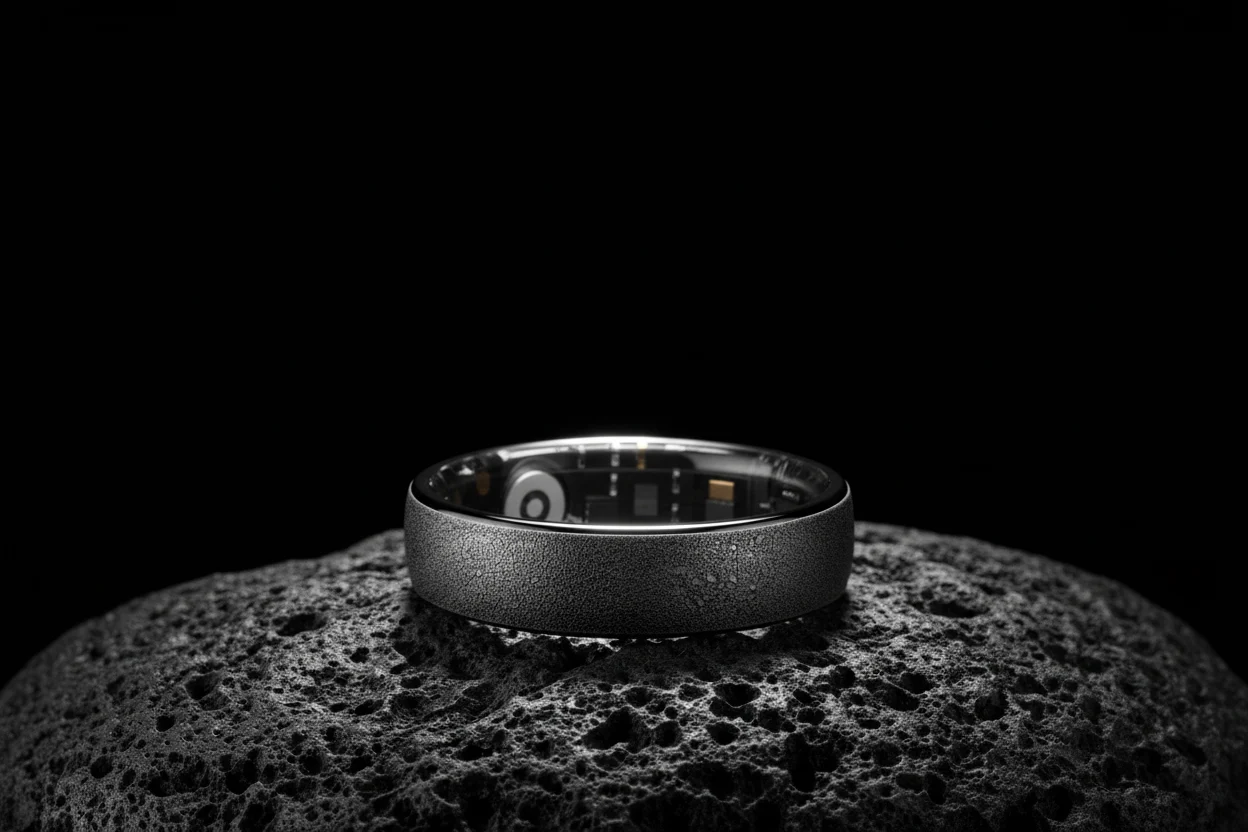
  • Smalth Titanium Lava Smart Ring Launches with Volcanic Texture and Discount

    Smalth Titanium Lava Smart Ring Launches with Volcanic Texture and Discount

    Key Takeaway

    1. The Titanium Lava smart ring features a unique lava-inspired exterior texture and is lightweight, durable, and comfortable for long-term wear.
    2. It offers comprehensive health tracking, including heart rate, SpO₂, and in-depth sleep metrics, with a battery life of up to 7 days.
    3. The ring includes gesture control functionality, is waterproof up to 10 ATM, and supports activity tracking without requiring a subscription.

    Introduction of The Titanium Lava

    Smalth, a well known manufacturer of wearable devices, has recently expanded their tech lineup by unveiling the titanium lava ring. This new addition is part of their existing titanium smart ring series which already includes the regular Titanium and Titanium Pro. Notably, the titanium lava features an exterior pattern inspired by lava flows, giving it a distinctive look. The ring is made from a titanium alloy that promises to withstand everyday usage without much trouble, feeling lightweight and comfortable for those who wear it long-term.

    Design and Build

    The titanium Lava weight only 2.7 grammes and measures 7.6 mm wide with a 2.3 mm thick. It’s engineered for easy handling and long-term comfort. Smalth claims its materials and design ensures durability while remaining lightweight enough to wear all day. The textured lava-like surface also adds an aesthetic appeal, setting it apart from more plain designs.

    Health and Activity Monitoring

    This smart ring maintains the same core health monitoring features found in its siblings. Users can monitor heart rate and blood oxygen saturation (SpO₂) 24/7. Additional features include sleep tracking that provides detailed insights like sleep cycles, stages, scores, and overall sleep time. It is capable of tracking various activities, including running, cycling, walking, climbing, and even golf, making it versatile for health enthusiasts.

    Battery Life and Functionality

    The battery life matches the previous models, offering approximately 7 days of use on a single charge. The provided case extends this to up to 60 days when not in active use. Unique to the Lava model, it features gesture control allowing users to take pictures with a finger snap. Users can view all their health data through a companion app, which unfortunately does not require a subscription. There’s also an offline storage feature, so data can be stored without needing constant internet connection. Additionally, the ring is waterproof up to 10 atmospheres, allowing it to be used during swimming.


    Sources

  • Casio GBX-H5600 Leak Reveals Pricing and May Release Date

    Casio GBX-H5600 Leak Reveals Pricing and May Release Date

    Key Takeaway

    1. The Casio G-Shock GBX-H5600 is expected to launch as early as May with a price of approximately $275.
    2. It combines features from both the surf-focused G-Lide and fitness-oriented G-Squad series, including tide graph, water sport layout, and fitness metrics like heart rate.
    3. The watch will feature a high-resolution MIP display, solar charging, Bluetooth connectivity, and two variants with translucent resin elements.
    4. Casio is moving towards using MIP displays in recent models, indicating a broader design and functionality direction.
    5. Official details are not confirmed, but consistent leaks suggest the release is imminent.

    Upcoming Casio G-Shock GBX-H5600: New Info Revealed

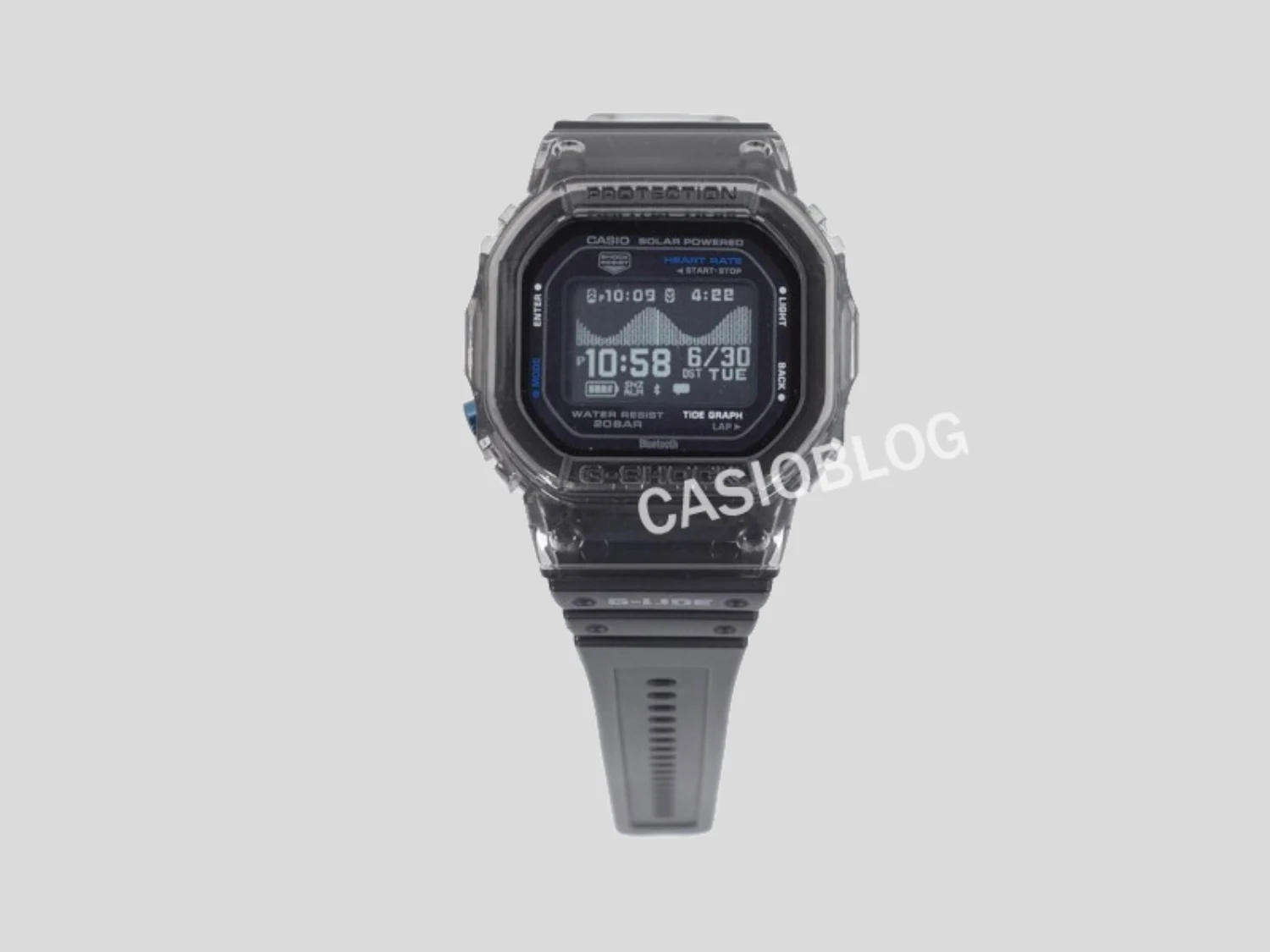
    Casio’s new G-Shock model, the GBX-H5600, has been spotted again after first appearing back in February 2026. Now, there is some new info about its price and expected release, making fans more excited. According to Japanese sources, it could be available as early as May, with a price tag of around ¥44,000, roughly equivalent to $275.

    Design & Specifications

    The previous leaks and certification listings already gave us a good idea about what the watch will be like. It looks to be a mix of features from Casio’s surf-specific G-Lide series and their fitness-oriented G-Squad models. It includes elements from both categories, creating a versatile watch for different water sports and fitness activities.

    Hardware Features & Variants

    More details confirm what was previously speculated about the hardware. The GBX-H5600 is expected to include a high-quality MIP display, solar charging capabilities, and Bluetooth connectivity. It will also feature an optical heart-rate sensor, as shown by the sensor hardware in leaked renders. When launched, two versions are expected: GBX-H5600-1 in black, and GBX-H5600-2 in blue, each with translucent resin parts and the G-Lide branding.

    Display & Functions

    The rectangular screen will provide tide graph functions and a layout optimized for water sports activities. Additional health-related features like heart-rate monitoring and fitness metrics make it similar to models such as the DW-H5600, which already includes activity tracking, sleep analysis, and cardio data. This shows Casio’s focus to include more health features in their watches.

    Market & Release Outlook

    Casio is clearly moving toward using MIP displays in their recent watches. Following models like the GMW-BZ5000 and GW-BX5600, the GBX-H5600 will continue this trend, ensuring better visibility and battery life. Although official details from Casio are still missing regarding the exact release date or price, the consistent leaks and certification data strongly suggest that the watch is nearly ready for launch.

    Stay Tuned for More Details

    While we await an official statement, you can start looking at similar models like the Casio GBX100S-1. The accurate information and leaks all point to a soon-to-be-released, feature-rich G-Shock watch that will appeal to both water sport enthusiasts and fitness buffs alike.

    Sources
  • Garmin Smartwatch Users Report Major Issues and Criticisms

    Garmin Smartwatch Users Report Major Issues and Criticisms

    Key Takeaway

    1. Major issues with heart rate tracking and elevation data have been reported for Garmin Forerunner models with firmware 27.09.
    2. The problems, affecting multiple users since January, impact workout accuracy and training guidance.
    3. There is concern over Garmin’s handling of these known issues, with some users urging them to address and communicate more effectively.

    What Users Are Saying About Garmin’s Latest Issues

    Many consumers are voicing their disappointment in Garmin on platforms like Reddit and other online forums. The main concern revolves around how the company managing these bugs, especially since the problems seems to have been lingering for a while without proper resolution. Some users report that the issues with models like Forerunner 255, 265, 955, and 965, especially with the latest software version 27.09, are quite serious and ongoing.

    A Closer Look at Heart Rate Problems

    One user on Reddit shared a long post, explaining that the heart rate readings are way off. This is a big problem since real-time heart rate data is crucial for athletes focused on endurance training. It help them monitor effort during workouts, making sure they stay within target zones. When the data is wrong, it makes training plans less effective because athletes might push too hard or too little. Unlike routes, which can be fixed after the fact, heart rate info needs to be accurate during the activity, or it becomes unreliable. The trust in device’s functionality takes a hit when heart rate data cannot be depended upon.

    Elevation Data Glitches and User Feedback

    Additional complaints point to elevation tracking bugs. Users report that exercises performed on flat grounds are mistakenly recorded as climbs. This seems to be connected to the firmware update and has been a problem since early this year. While some owners haven’t encountered these problems, others are frustrated, and it raises questions about how widespread the issues really are. The community feedback is mixed, with both happy and annoyed users. The best advice for anyone affected is to reach out directly with their concerns to Garmin, to help push for a quicker fix and more transparency.

    Implications for Garmin’s Customer Support

    It’s clear that the company needs to step up its game when it comes to software updates and problem resolution. Not addressing known issues creates a classic case of broken trust, especially for serious athletes relying on precise data. Users should be proactive and report their problems; this can help Garmin take notice and work toward a fix. Transparency and quick support response are key to maintaining loyalty, especially when issues are widespread and repeatedly confirmed by multiple users. Both the company and consumers have a role in resolving these technical difficulties.

  • Casio GW-BX5600 Watch with Negative MIP Display First Hands-On Photos

    Casio GW-BX5600 Watch with Negative MIP Display First Hands-On Photos

    Key Takeaway

    1. The Casio G-Shock GW-BX5600CBG-2 features a new MIP LCD display for enhanced contrast and visual clarity.
    2. It emphasizes sustainability with a case and bezel made from bio-based resins and a strap made from recycled fishing nets.
    3. The watch includes modern functionalities such as Tough Solar power, Multi-Band 6 radio-controlled timekeeping, and Bluetooth connectivity.
    4. It retains the durability and water resistance characteristic of G-Shock models, with a 20-bar water resistance rating.

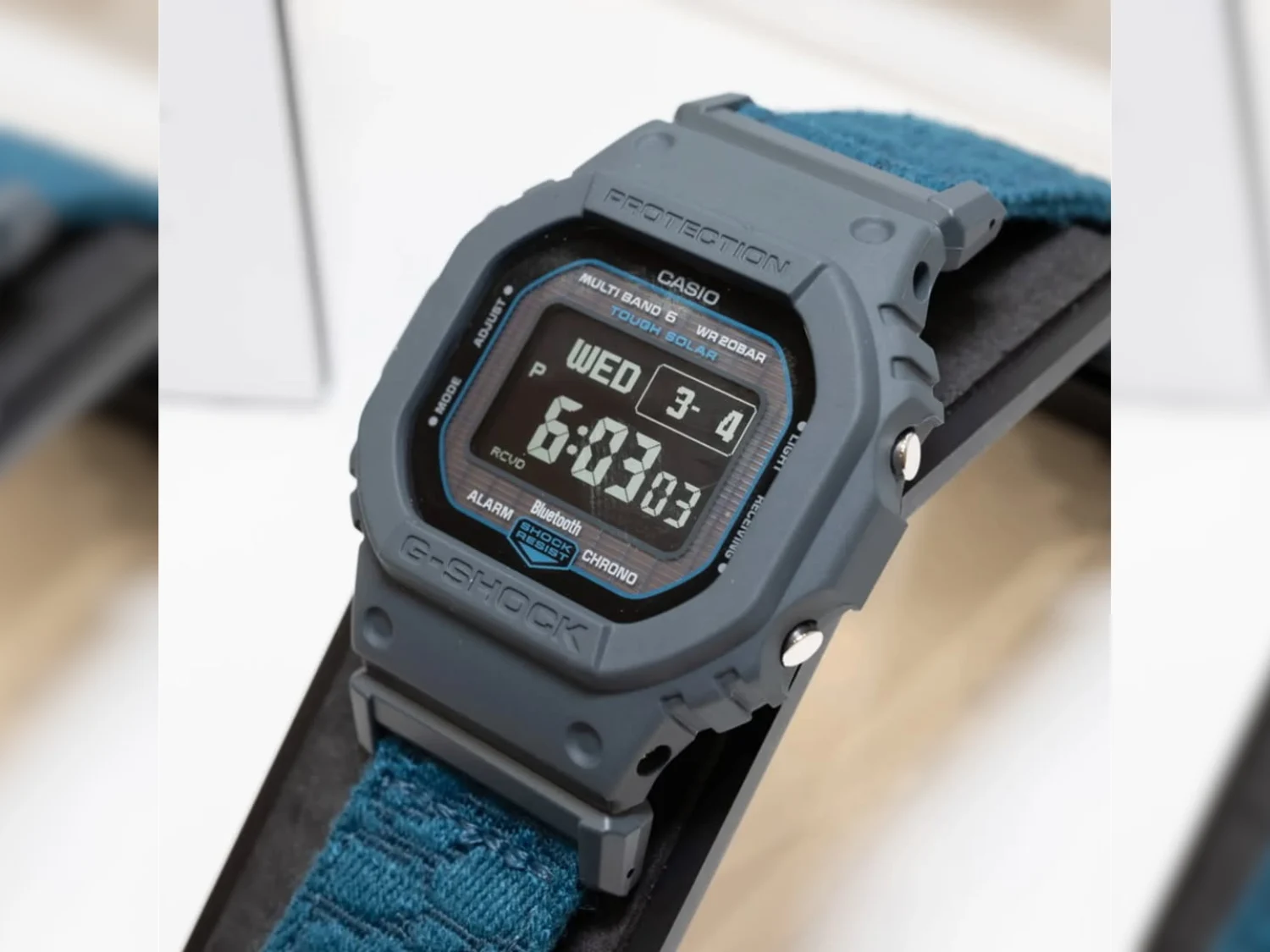
    First real-world images of the Casio G-Shock GW-BX5600CBG-2 surfaced online via @geesgshock which shows a fresh look for this popular line of watches.

    New Edition with Eco-Friendly Materials

    The latest addition to the GW-BX5600 family, the GW-BX5600CBG-2, replaces the traditional LCD with a MIP display. Its design prominently focus on sustainability, emphasized by the “Untangle It” project, meaning the case and bezel made of bio-based resins. The strap more unique than usual, made out of a cloth cross-band crafted from recycled fishing nets. This fabric seems to have a navy or teal tone, with a geometric pattern that resembles ocean ripples, making it standout from standard resin straps commonly found on 5600 models. This eco-friendly aspect becomes a significant selling point for this model, especially combined with the improved display technology.

    Enhanced Display and Functional Features

    Talking about the MIP display, it promises improved contrast over older STN or TN panels, making for a clearer, more vibrant viewing experience. The GW-BX5600CBG-2 is powered by module 3578 and boasts features like Tough Solar, Multi-Band 6 radio-controlled timekeeping, and Bluetooth connectivity for smartphone syncing. The Casio Watches app allows switching between “Standard” and “Classic” font styles, giving users some customization options for how they view the digital readout. Such tech features elevate this watch beyond mere aesthetics, into a practical accessory for daily life.

    Design, Dimensions, and Durability

    The case measures 49.1 mm by 44.1 mm, with a thickness of 13.4 mm, placing it comfortably in the typical G-Shock size range. Despite the new display tech and eco-friendly strap, the watch retains the classic G-Shock robust build, including a water resistance rating of 20 bars, suitable for swimming and snorkeling. Overall, it combines innovative materials with proven durability—the perfect blend for today’s environmentally conscious consumers with an active lifestyle.


    Sources

  • New Casio G-Shock GWR-B3000 GravityMaster Watch Unveiled Before Launch

    New Casio G-Shock GWR-B3000 GravityMaster Watch Unveiled Before Launch

    Key Takeaway

    1. The new G-Shock Gravitymaster series features a broader lineup with multiple variants, suggesting a wider release.
    2. Design updates include a new case structure with visible screws, an angular appearance, and a hybrid analog display with world time functionality.
    3. The build appears more industrial and durable, with ribbed straps and reinforced lugs, potentially incorporating more metal elements instead of solely carbon.

    New Leak of Casio G-Shock Gravitymaster Series

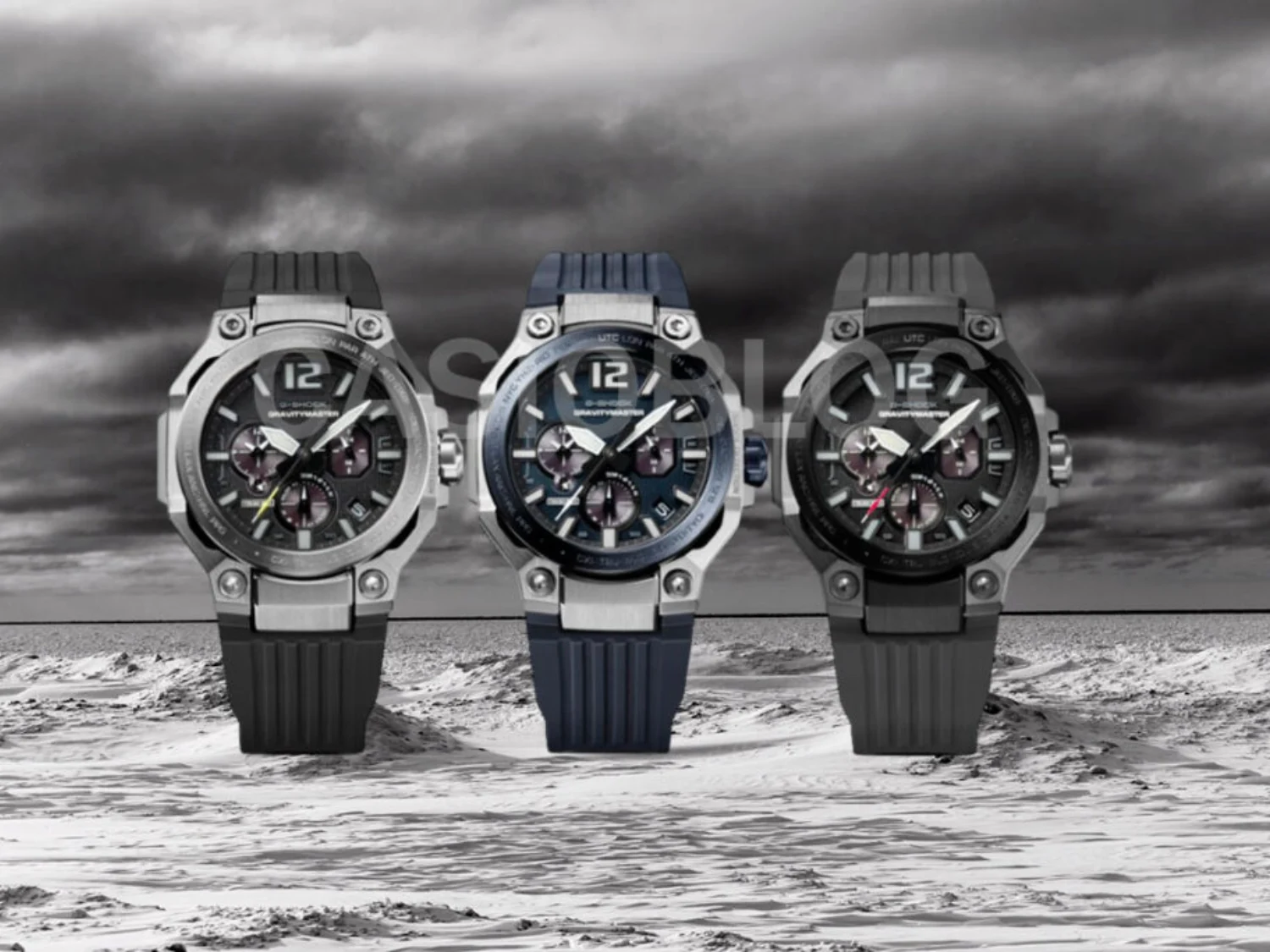
    Recent images reveal the upcoming casio G-Shock Gravitymaster series, hinting at a broad lineup with multiple variations. Although nothing has been officially announced yet, these leaks show detailed design elements and potential features that excite fans of rugged watches. The images seem to confirm previous rumors about GWR-B3000 models that might soon hit the markets.

    Design and Build Features

    The leaked watches, including references like GWR-B3000-1A, GWR-B3000-2A, and GWR-B3000B-8A, all showcase a fresh case design. You’ll notice visible screws on the bezel and a more angular shape, quite different from the earlier Gravitymaster models. The layout seems to be hybrid, mixing traditional analog with multiple sub-dials, giving it a high-tech look. The bezel sports city codes, indicating the watch will support world time features. Pushers look partly recessed into the case which possibly makes them resistant against impacts and rough handling.

    Straps and Durability

    The straps have a ribbed texture which might offer better grip and comfort, additionally reinforced lugs suggest durability for everyday use. The whole design appears more industrial and robust overall, aiming at users who need resilience over lightweight comfort. However, these changes do not seem to affect the current functionality, as there’s no clear evidence of new complications or features beyond what existing models present.

    Material and Technological Evolution

    The Gravitymaster series has long been celebrated for its toughness, especially with a focus on aviation needs. Earlier models like the GWR-B1000 heavily used carbon fiber for strength and lightness. From these leaks, it looks like the new variants might incorporate more metal components, possibly deviating from the carbon-only construction. Still, without official confirmation, all this should be regarded as speculation, though the reliable source hints at interesting developments ahead.


    Sources

  • Snap selects Qualcomm for 2026 AR glasses technology

    Snap selects Qualcomm for 2026 AR glasses technology

    Key Takeaway

    1. Snap’s Specs will use Qualcomm Snapdragon XR chips for future models, enhancing on-device computing and AI capabilities.
    2. The partnership signals a focused push toward launching consumer AR glasses later in 2026.
    3. Snap is restructuring to position Specs as a standalone AR platform, aiming for more user-centric and private experiences.
    4. The collaboration builds on an existing relationship, with Qualcomm chips already powering previous Spectacles generations.

    Snap joins forces with Qualcomm for upcoming AR glasses

    Snap has expanded its partnership with Qualcomm, planning to bring out its standalone augmented reality glasses later in 2026. The company announced on April 10, 2026, that their XR subsidiary, Specs Inc., will use Qualcomm’s Snapdragon XR system-on-chip platforms in future versions of Specs.

    Strategic Collaboration Details

    The partnership between Specs Inc. and Qualcomm Technologies is a multi-year plan, aiming to integrate Qualcomm’s Snapdragon XR chips into the on-device computing of upcoming Specs devices. This collaboration is not new, as Qualcomm chips have already powered previous Spectacles. The new deal mainly extends an existing relationship, focusing on AI, graphics, and multiuser digital experiences. This helps Snap to stay aligned with current tech trends and improve the specs of their upcoming AR glasses.

    Consumer Launch and Future Plans

    Snap has confirmed that Specs will be available to consumers later this year. An earlier statement from June 2025 indicated a release window in 2026 for their lighter, more consumer-oriented device. These new specs are designed as transparent smart glasses aiming to overlay digital content into the real world instead of relying on typical phone screens. This approach emphasizes immersion and seamless integration with daily life, positioning Snap to attract mainstream users.

    Restructuring and Strategic Vision

    Despite challenges earlier this year, Snap is continuing to push forward with its AR project. On January 28, 2026, Snap formally set up Specs Inc. as a separate, wholly owned subsidiary. This move allows better focus and partnerships, paving the way for a smoother public launch of Specs later this year. This restructuring is meant to give the company more operational flexibility in developing their AR ecosystem.

    Goals for the Specs Platform

    Snap’s ultimate goal is to make Specs a standalone AR platform, not just an experimental gadget. The glasses are intended to recognize what users see and hear, support natural voice and gesture controls, and process more data locally for faster operation and better privacy. This strategic aim positions Snap to compete more directly with other tech giants like Meta, Google, Samsung, and Apple, all of whom are investing in wearable AR technology.