Category: Wearables

  • Save Money and Boost Training with New Pixel Smartwatch Feature

    Save Money and Boost Training with New Pixel Smartwatch Feature

    Key Takeaways

    1. Wear OS 6 update for Pixel Watch introduces new features and tweaks.
    2. The update adds optical heart rate tracking capabilities to the Pixel Watch 2.
    3. The watch can now transmit heart rate data to other devices, functioning as an external monitor.
    4. This feature may reduce the need for users to buy separate heart rate monitors.
    5. It allows users to avoid using built-in heart rate sensors on gym equipment, improving workout comfort.


    We just talked about the Wear OS 6 update for the Pixel Watch, which brings a bunch of new features and some tweaks. However, Google hasn’t focused on all the new capabilities equally. Interestingly, this update adds a feature typically found in more expensive smartwatches to the Google Pixel Watch 2. This feature is related to optical heart rate tracking.

    Heart Rate Measurement Capabilities

    This isn’t directly about how accurate the heart rate readings are, but more about how the data collected by the optical sensors is used. As stated in a piece by Zakwan Oebit, the Google Pixel Watch 2 can now transmit heart rate data to another device. In this way, the Pixel Watch acts like an external heart rate monitor.

    Potential Benefits for Users

    While this feature might not matter to everyone, it could save some users money in certain cases. For instance, it means you might not need to buy a separate heart rate monitor. Additionally, this may help users avoid using the built-in heart rate measuring on gym equipment like treadmills, where you often need to grip electrodes, which can disrupt your running posture.

    Facebook

    Source:
    Link


  • picoRing: Rechargeable Ring Mouse Lasts Over a Month on One Charge

    picoRing: Rechargeable Ring Mouse Lasts Over a Month on One Charge

    Key Takeaways

    1. The picoRing is a new wireless mouse designed for wearable tech, offering precise interactions for AR and VR devices.
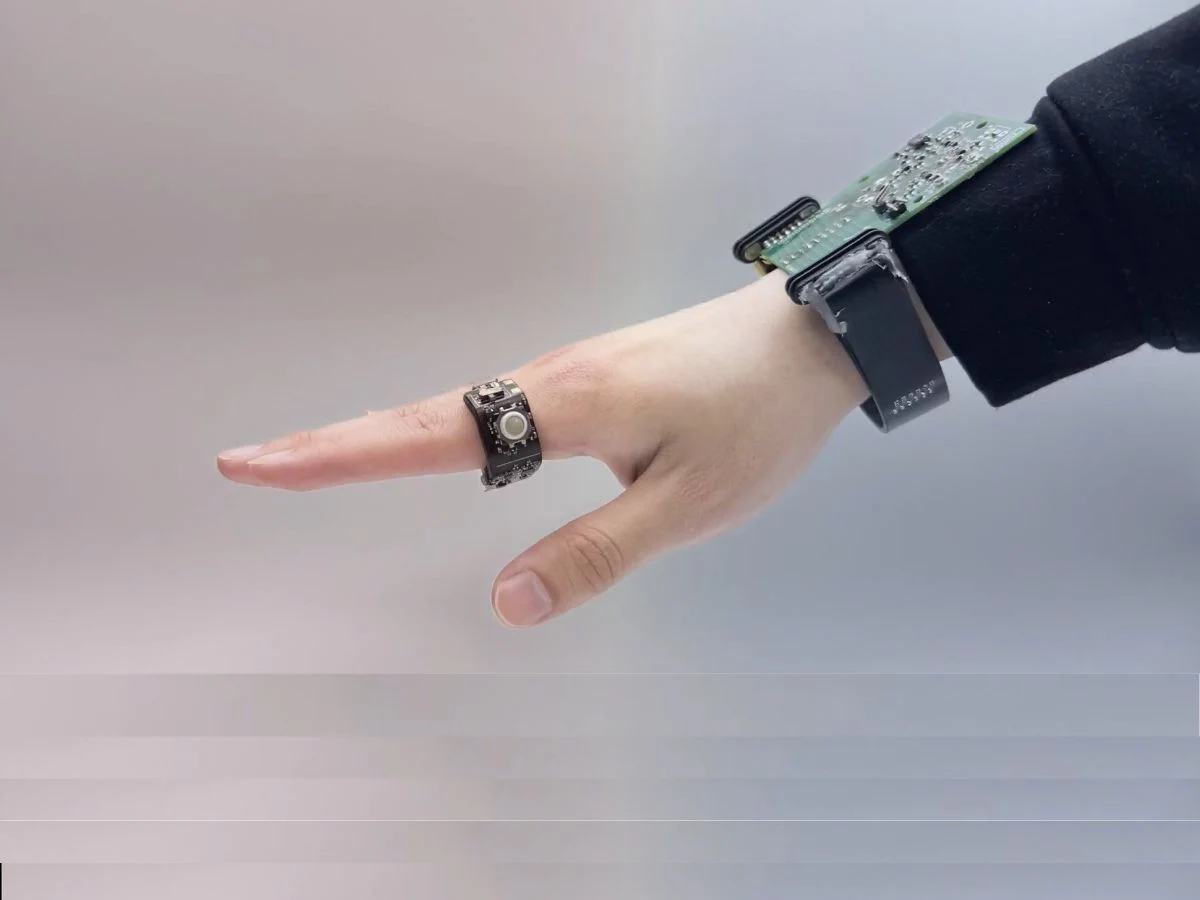
    2. It features a two-component system: a lightweight ring and a wristband that acts as a signal relay, significantly improving battery life.
    3. The ring operates with ultra-low power consumption (30-500 microwatts), allowing for 600 to 1,000 hours of use on a single charge.
    4. Communication uses semi-passive inductive telemetry, enabling the ring to transmit data by altering its frequency response.
    5. The picoRing is still in prototype phase, with potential future enhancements for health monitoring and improved functionality in wireless environments.


    A group of researchers, mainly from the University of Tokyo, has created a new wireless mouse called picoRing that uses ultra-low power and a ring design. This innovative device aims to provide precise and dependable pointing interactions for wearable technologies like augmented reality (AR) glasses and virtual reality (VR) headsets, all while boasting an impressive battery longevity.

    Battery Life Breakthrough

    Previous smart rings faced challenges with their battery life, usually only lasting between 1 and 10 hours due to the high energy demands of wireless communication systems like Bluetooth Low Energy (BLE). To tackle this issue, the scientists implemented a two-component system: a lightweight ring (only 5 grams) worn on the finger and a wristband that acts as a signal relay. This clever configuration enables the ring to function at an energy consumption of only 30-500 microwatts.

    Communication Technology

    The communication between the ring and wristband relies on semi-passive inductive telemetry (semi-PIT). The wristband creates and maintains a weak inductive field, while the ring transmits sensor data back to the wristband by simply altering its unique frequency response based on inputs from the thumb and index finger. The researchers assert that this arrangement allows the picoRing to last for approximately 600 hours (with 8 hours of active use daily) to 1,000 hours (with 4 hours of active use daily) on a single charge, utilizing a 27 mAh battery. This amounts to over a month of use with regular daily activities.

    Future Potential

    Though still in the prototype phase, the picoRing mouse has significant possibilities, particularly in AR/VR settings where conventional mice can be cumbersome. Its functionality might also be enhanced with health monitoring sensors. The research team is currently focused on expanding its input features and improving comfort and dependability in environments with significant wireless interference.

    Source:
    Link


  • Tank M4 Smartwatch: Affordable Garmin Fenix Rival with Maps & More

    Tank M4 Smartwatch: Affordable Garmin Fenix Rival with Maps & More

    Key Takeaways

    1. The Kospet Tank M4 smartwatch is available for pre-order at $180, with a regular retail price of $210.
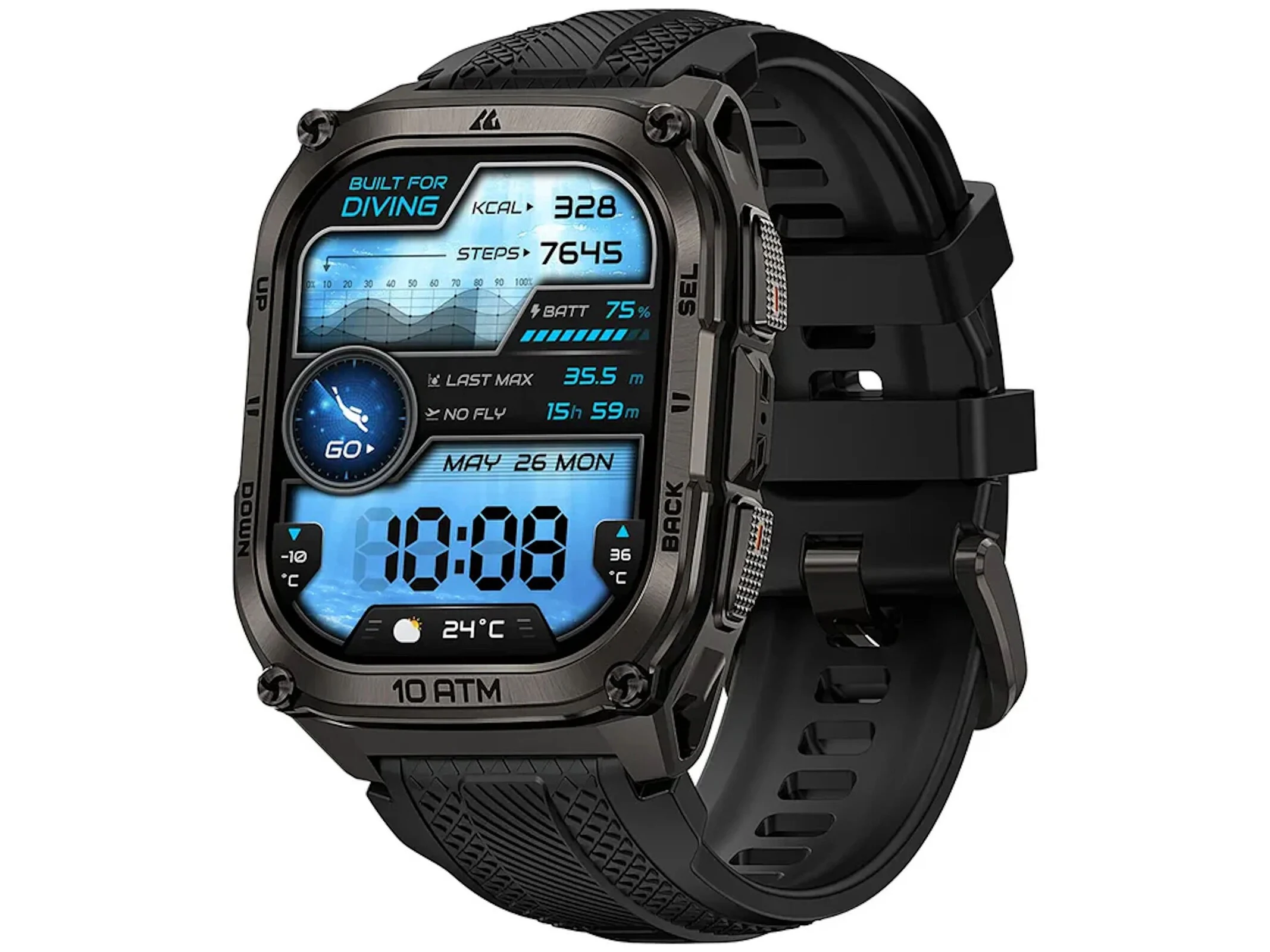
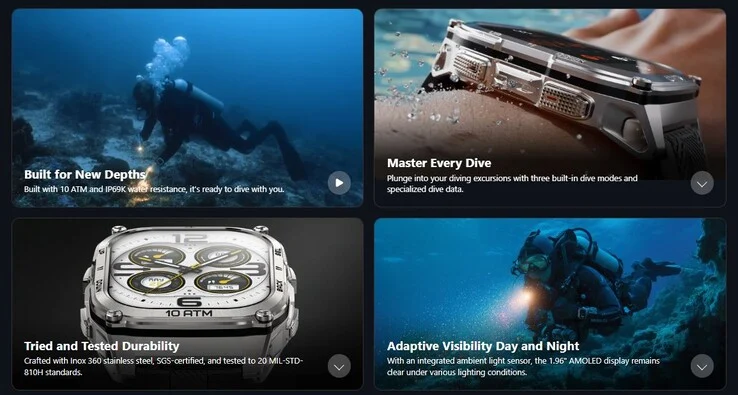
    2. It features water resistance up to 10 ATM and has diving capabilities, though its reliability for critical situations is uncertain.
    3. The smartwatch includes a 1.96-inch AMOLED display with a resolution of 410 x 502 and peak brightness of 1,000 cd/m².
    4. It has a GNSS module for distance tracking and navigation, along with 32 GB internal storage for saving maps and routes.
    5. Battery life lasts up to 15 days and includes features like an optical heart rate sensor, sleep monitoring, and a walkie-talkie option.


    Kospet has launched a new smartwatch, the Tank M4, which is now available for pre-order. This model boasts a variety of features and is priced at $180, while the regular retail price is set at $210. It may serve as an affordable option compared to Garmin Fenix devices, but it remains uncertain if the M4 will truly meet the expectations set by Kospet.

    Water Resistance Features

    Kospet claims that the watch can withstand water pressure up to 10 ATM and includes diving capabilities. This means it can provide crucial information regarding decompression stops, for instance. However, whether one should rely on the Kospet Tank M4 for life-critical situations or even health-related monitoring is still an open question.

    Display and Performance

    The smartwatch is equipped with a 1.96-inch AMOLED display, featuring a resolution of 410 x 502 and a peak brightness of 1,000 cd/m². It also has a GNSS module that not only tracks distance during runs but also offers navigation. Users can save maps on its 32 GB internal storage and import routes as needed. Additionally, it has an optical heart rate sensor and includes standard smartwatch features like sleep monitoring. The battery can last up to 15 days. There’s even a walkie-talkie option available.

    Source:
    Link


  • Casio G-Shock GM-2110D Full-Metal Watch Launching by 2025

    Casio G-Shock GM-2110D Full-Metal Watch Launching by 2025

    Key Takeaways

    1. Casio is expanding the GM-2110D series with a new navy model, the GM-2110D-2B, priced at $265 in the U.S. and ¥60,500 in Japan.
    2. A limited-edition model, the GM-2110BP-5AJR, featuring a brown or beige dial, is rumored to be released in 2025.
    3. The GM-2110D series retains the classic GA-2100 design with a durable octagonal stainless-steel bezel and a slim profile of 11.8 mm.
    4. Key features include a combination of digital and analog timekeeping, world time for 48 cities, a stopwatch, countdown timer, alarms, and 20 bar water resistance.
    5. The G-Shock community is actively following updates and anticipates more announcements regarding new models and features.


    Casio is expanding its well-liked metal G-Shock collection, the GM-2110D series, with a fresh color option and a limited-edition release planned for 2025. The GM-2110D-2B (currently priced at $265 on Amazon) features a navy dial and a full-metal build. In Japan, it’s available for about ¥60,500 (around $397) and can be purchased through major retailers such as Amazon, Rakuten, and Yahoo Shopping.

    Exciting Rumors About New Variant

    According to recent leaks from Great G-Shock World, Casio is preparing to unveil a new model this year – the GM-2110BP-5AJR – which is said to have a brown or beige dial. Reports indicate that this model is marked as non-discountable in databases, hinting at its exclusivity. Like earlier models, the new watches are anticipated to feature dials in unique colors.

    Key Features of the GM-2110D Series

    The GM-2110D series showcases the classic GA-2100 design, featuring a sturdy octagonal stainless-steel bezel that has been carefully forged and polished for both texture and durability. These watches are relatively slim for G-Shock, measuring just 11.8 mm in thickness. They offer a combination of digital and analog timekeeping, world time for 48 cities, a 1/100-second stopwatch, countdown timer, five daily alarms, and bright double LED lights. Water resistance is rated at 20 bar, and the band boasts a refined finish with metal links.

    Keeping an Eye on Updates

    With constant news from various G-Shock blogs and social media platforms, the community is eagerly awaiting more announcements. The upcoming GM-2110BP-5AJR is expected to provide the same high-quality experience at a competitive price for a stainless-steel watch.

    Great G-Shock World.

    Source:
    Link


  • Google Pixel Watch 4 Gets High Repairability Score from iFixit

    Google Pixel Watch 4 Gets High Repairability Score from iFixit

    Key Takeaways

    1. The Google Pixel Watch 4 features improved repairability, using screws and gasket seals instead of adhesive for its casing.
    2. The design includes concealed screws and o-rings that maintain water resistance while ensuring the back panel is securely fastened.
    3. The battery is also secured with screws, making replacement easier compared to other smartwatches that use adhesive.
    4. The Pixel Watch 4 received a high repairability score of 9 out of 10 from iFixit, a significant improvement over most smartwatches.
    5. Current Pixel Watch users may not find enough reasons to upgrade, as the new model does not offer significantly different hardware.


    The Google Pixel Watch 4 has been introduced as a refreshed smartwatch that brings only slight upgrades compared to its earlier model. While the enhancements may not appear revolutionary at first glance, the company has put a strong focus on how easy it is to repair the device, and iFixit has verified these assertions.

    Unique Design Features

    iFixit discovered that, unlike many smartwatches available today, the Google Pixel Watch 4 utilizes gasket seals and screws instead of adhesive to secure its casing. This design choice marks a notable step forward in repairability. However, this non-standard approach might raise doubts about the sturdiness of the chassis, making it possibly prone to disassembling by itself.

    Enhanced Protection Measures

    Nevertheless, iFixit pointed out that the screws activate a set of hinged arms that firmly secure the back panel. To maintain water resistance, Google cleverly concealed these screws beneath the band lugs and included special o-rings to keep the interior of the smartwatch sealed tight.

    Battery and Component Accessibility

    Another fascinating aspect of the Google Pixel Watch 4’s design is that even its battery is secured with screws. In contrast, most other smartwatches rely heavily on adhesive, which complicates battery replacement, even if the device can be taken apart easily.

    Regarding other internal parts, the trend continues, and iFixit notes that everything within the watch seems to be crafted with the idea of replaceability. This focus on repairability earned the Google Pixel Watch 4 a commendable score of 9 out of 10 on iFixit’s repairability scale, which is quite rare for smartwatches—most others assessed by the team received scores around 3 or 4.

    Considerations for Current Pixel Watch Users

    Though this impressive repairability rating may not be sufficient reason for existing Pixel Watch 3 (41 mm currently priced at $199.99 on Amazon) or 2 users to make the switch, it’s worth noting that the new smartwatch does not feature significantly different hardware. Nonetheless, this is a positive development, and if Google continues with this design philosophy, future smartwatches with enhanced hardware could prove to be more appealing than the current model.

    Source:
    Link


  • Apple Vision Pro’s Killer App: Live NBA Games in 3D Courtside

    Apple Vision Pro’s Killer App: Live NBA Games in 3D Courtside

    Key Takeaways

    1. Apple has partnered with Spectrum SportsNet to stream live Los Angeles Lakers NBA games during the 2025-26 season on its Vision Pro headset.
    2. The games will offer immersive 3D views, filmed using advanced URSA Cine Immersive Live cameras, enhancing the viewing experience beyond traditional media.
    3. Viewers will have access to full game replays and highlights through the Spectrum SportsNet and NBA apps in select regions.
    4. The Vision Pro headset combines augmented and virtual reality for an interactive experience, but it faces challenges like high cost and limited app selection.
    5. Live sports may drive adoption of the Vision Pro, though it remains uncertain if NBA games will become a key selling point for the device.


    Apple might have finally found the first major use for its Vision Pro. The American tech company has made a deal with Spectrum SportsNet to stream several live Los Angeles Lakers NBA games during the 2025-26 season.

    Streaming Details

    As per an official release from Apple, the specific games to be streamed will be revealed later this year, with the initial broadcasts set for early 2026 via Spectrum SportsNet’s new app designed for Vision Pro.

    Apple ensures that the Vision Pro will give viewers a feeling of being right in the action, providing immersive 3D views of sports that traditional media can’t match. The games will be filmed using the cutting-edge URSA Cine Immersive Live camera from Blackmagic Design.

    Game Replays and Highlights

    In addition, Apple will offer full game replays and highlights in selected countries and regions through the Spectrum SportsNet and NBA apps.

    Vision Pro users can also look forward to enjoying “intimate documentaries and groundbreaking sports performances, music, travel and more.” For those who wish to access even more NBA content on their Vision Pro, there’s the option to get the NBA League Pass for live player stats, game insights, and more.

    Vision Pro Features

    The Vision Pro is Apple’s first spatial computing headset, blending augmented reality (AR) and virtual reality (VR) for an interactive experience with digital content.

    However, the hardware faces challenges such as a high price tag of $3,499, a limited selection of apps, and the need for an external battery pack. Yet, live sports could be one of the few content types that might encourage more people to adopt this relatively new technology. It’s still unclear if live NBA games will become the “killer app” that Apple needs to make Vision Pro a household name.

    Source:
    Link


  • Immo Air 3: New Sony Micro-OLED AR Glasses Released

    Immo Air 3: New Sony Micro-OLED AR Glasses Released

    Key Takeaways

    1. The Immo Air 3 AR headset is available for $899 through a Kickstarter crowdfunding campaign, but there are financial risks involved.
    2. It features a 36-degree field of view, 1080p resolution, 600 nits brightness, and a refresh rate of 120Hz, with performance improving in dim light.
    3. Powered by a Snapdragon XR SoC, it allows users to arrange up to three virtual screens for multitasking and includes a built-in 16MP camera.
    4. The headset is controlled via a smart ring and features touch controls, microphones, and speakers for voice commands and AI interaction.
    5. Battery life is up to 1.5 hours during video playback, with a 660mAh battery that may require frequent recharging, potentially manageable with power banks.


    The new AR headset called the Air 3 is being offered by the manufacturer Immo at a special lower price through a crowdfunding campaign on Kickstarter. Backers can secure a device for $899. But it’s important to note that this isn’t a simple buy; there’s a financial risk involved that could lead to receiving a subpar product or, in the worst case, nothing. The expected delivery date is set for December 2025.

    Features and Display

    The Immo Air 3 is designed to project images right into the user’s view, making it distinct from traditional VR headsets or Apple’s Vision Pro, where the outside world is typically blocked out. This headset boasts a field of view measuring 36 degrees, alongside a Sony micro-OLED display. It offers a resolution of 1080p and brightness rated at 600 nits. Users need to keep in mind that how well they see the display will depend greatly on the surrounding light, with performance likely improving in dimmer settings. The manufacturer claims that the sRGB color space is completely covered, and the refresh rate is an impressive 120Hz.

    Performance and Usability

    These AR glasses come packed with a Snapdragon XR SoC featuring eight cores. Users can arrange up to three virtual screens, which could help replicate the experience of working with multiple monitors even when away from a desk. For instance, one could write while also streaming a video. There’s also a built-in 16MP camera that can record videos from the user’s point of view.

    The AR headset can be controlled using a smart ring that is part of the package. Touch surfaces are available on the headset itself, and there are microphones and speakers for voice commands and interaction with AI assistants. Finally, the manufacturer claims a battery life of up to 1.5 hours during video playback. However, the 660mAh battery may need frequent recharging during intensive use, although using power banks could be a viable solution in those scenarios.

    Conclusion

    In summary, the Immo Air 3 presents an enticing option for those interested in augmented reality experiences, but potential backers should carefully consider the risks involved with crowdfunding. With its unique features and capabilities, it aims to enhance productivity and entertainment, but users must be prepared for the possibility of challenges along the way.


  • New Casio Full-Metal Watches Now Available – Popular Model Sells Out

    New Casio Full-Metal Watches Now Available – Popular Model Sells Out

    Key Takeaways

    1. Casio has launched new full-metal flagship watches in sleek black, including the GMW-B5000BT, GM-B2100BT, and GMC-B2100BT models.
    2. The GMW-B5000BT-1JF features a black digital display, solar charging, Bluetooth capability, and is sold out on the first day of release.
    3. The GM-B2100BT-1AJF offers an octagonal CasiOak design with an analog-digital hybrid interface and smartphone connectivity.
    4. The GMC-B2100BT-1AJF is a full-metal chronograph with a detailed dial, retaining Bluetooth and solar features.
    5. Prices range from ¥88,000 to ¥107,800, and the watches are produced in Yamagata, Japan, with shock resistance features.


    Casio has just launched its latest full-metal flagship watches in a sleek black tone, which were announced a few days ago. These models are available for purchase in Japan; however, the GMW-B5000BT is currently sold out. The collection includes both the classic square and the octagonal “CasiOak” designs. More specifically, it features the GMW-B5000BT-1JF, GM-B2100BT-1AJF, and GMC-B2100BT-1AJF, all equipped with full stainless steel cases and bracelets, with silver and black accents, along with their signature shock and water resistance rated up to 200 meters.

    Features of GMW-B5000BT-1JF

    The GMW-B5000BT-1JF showcases an all-black digital display housed in a traditional square case. It boasts a mirrored and ion-plated silver bezel, reminiscent of the original “DW-5000C,” but adds modern features such as solar charging, Bluetooth capability, and radio synchronization. As previously noted, this model has already been sold out on Casio’s Japanese website on the very first day of its release, indicating a strong demand for these square full-metal models.

    The GM-B2100 Series

    The GM-B2100BT-1AJF presents the octagonal all-metal CasiOak design, maintaining the same black-on-silver aesthetic. This model offers an analog-digital hybrid interface, solar power, and Bluetooth features, with smartphone connectivity. It is still available for purchase online, along with the more sophisticated GMC-B2100BT-1AJF. This latter model marks the introduction of a full-metal chronograph within the CasiOak family, featuring a detailed and layered dial while retaining its metallic construction, Bluetooth, and solar capabilities.

    Each timepiece is produced in Yamagata, Japan, utilizing resin-based cushioning within multi-part metal cases to ensure shock resistance. Both the square and octagonal designs feature a dimpled finish on the bracelet and employ a screw back to maintain airtightness and structural integrity. Prices vary from ¥88,000 for the GMW-B5000BT-1JF and GM-B2100BT-1AJF to ¥107,800 for the GMC-B2100BT-1AJF.

    Source:
    Link


  • Samsung Galaxy XR Leaks: Sharper and Lighter than Vision Pro

    Samsung Galaxy XR Leaks: Sharper and Lighter than Vision Pro

    Key Takeaways

    1. Samsung’s headset, known as ‘Project Moohan’ or likely Galaxy XR, operates on Google’s Android XR platform and is designed to compete with Apple’s Vision Pro.

    2. The Galaxy XR features advanced specifications, including 4K micro-OLED displays with a total of 29 million pixels, surpassing the Vision Pro, and is powered by the Snapdragon XR2+ Gen 2 SoC.

    3. It includes six cameras for hand and gesture tracking, a depth sensor, and four eye-tracking cameras for monitoring user movement and gaze direction.

    4. The design incorporates an LED activity indicator, side-facing speakers, and a touchpad, with functionality supported by hand gestures and voice commands, along with two controllers.

    5. The headset will have an external battery pack providing approximately two hours of regular use, weighs 545 grams, and is expected to be unveiled later this year.


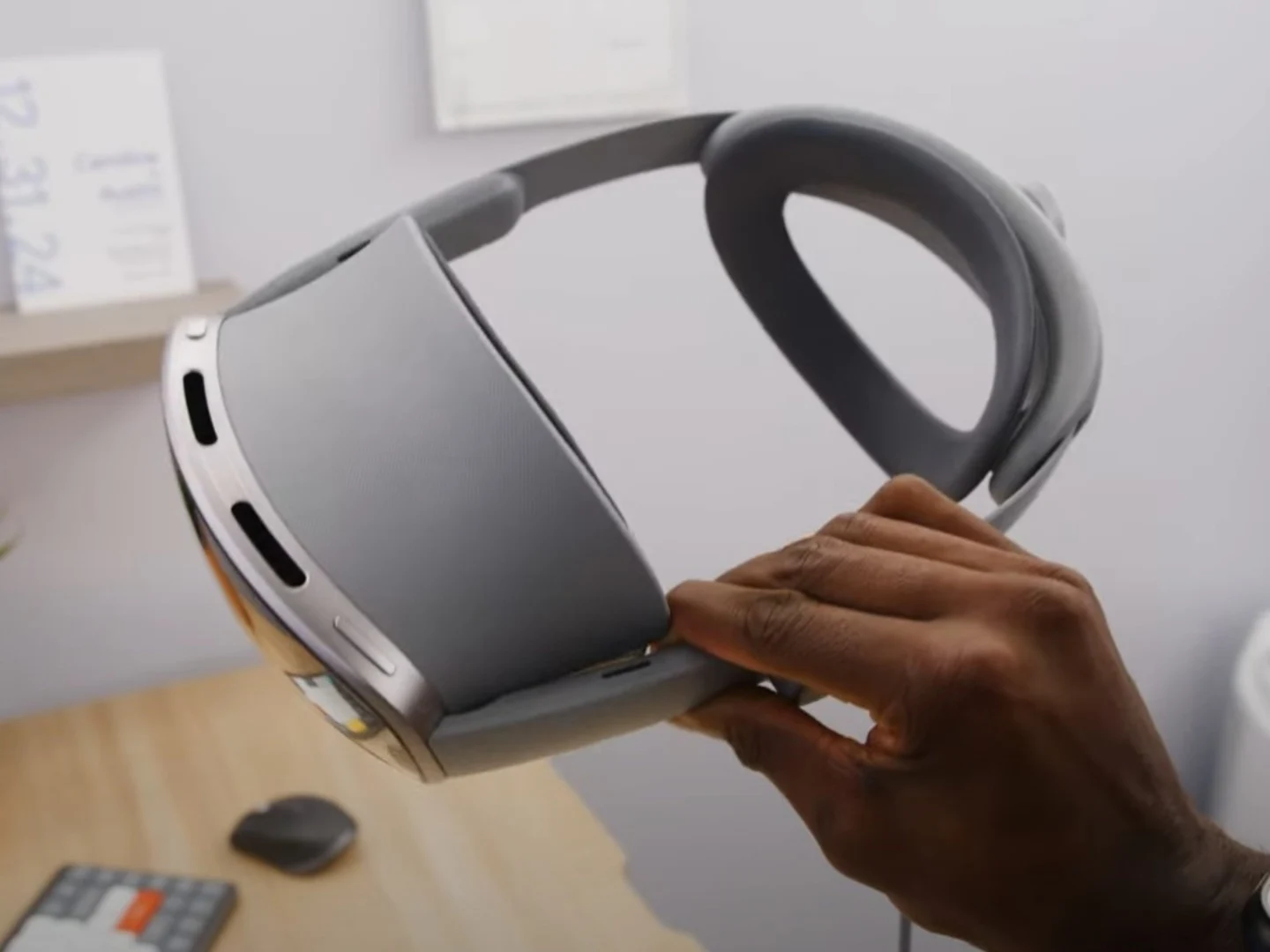
    For some time, Samsung has been developing its own take on Apple’s Vision Pro headset. Known internally as ‘Project Moohan’ and likely to be named Galaxy XR, this headset will operate on Google’s Android XR platform. While the company has previously released images of the headset and MKBHD’s January video showcased a hands-on experience, a wealth of new information, including official renders, has recently come to light.

    Understanding XR Technology

    XR, or eXtended Reality, combines AR, VR, and MR, similar to Apple’s approach with its Vision Pro. Although Samsung’s design takes some cues from Apple’s high-end headset, it is driven by the Snapdragon XR2+ Gen 2 SoC and utilizes the Android XR OS. Samsung and Google have collaborated to create this platform, and according to MKBHD’s initial impressions, it performs quite efficiently. The video also highlighted that the headset will feature Gemini integration and offer various spatial applications tailored for the platform.

    Specifications and Features

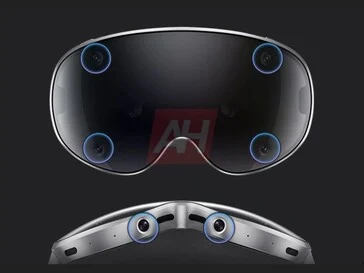
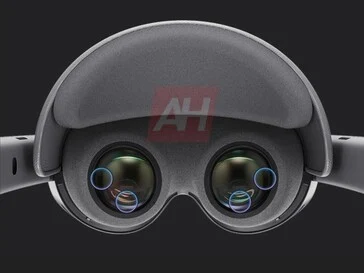
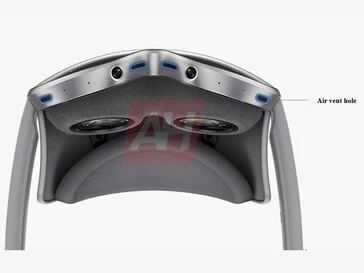
    According to renders and new insights shared by Android Headlines, Project Moohan or Galaxy XR will boast 4K micro-OLED displays, capable of being pushed by the Snapdragon XR2+ Gen 2, achieving a pixel density of 4,032 PPI. This equates to a total of 29 million pixels, surpassing the Vision Pro’s 23 million pixels. The refresh rate remains unspecified. It will include six cameras (four positioned at the front and two at the bottom) for hand and gesture tracking, alongside a depth sensor located around the forehead area. Additionally, two cameras on the front will serve as world-facing cameras, while four eye-tracking cameras will monitor user movement and gaze direction.

    Design and Usability

    Unlike the Vision Pro, which features an external display showing the user’s eyes, Samsung’s headset will have an LED light indicating its activity status. Speakers are located on both sides facing the user, and a touchpad is situated on the right side. The Galaxy XR is reportedly equipped with two controllers, although many functions can be executed through hand gestures and voice commands.

    Samsung has opted for an external battery pack. As seen in MKBHD’s video, it connects via USB Type-C, allowing for the use of larger-capacity battery banks beyond just the one provided by Samsung. The headset is expected to provide around two hours of regular use and up to 2.5 hours during video playback. Furthermore, the Galaxy XR is anticipated to weigh 545 grams, making it lighter than the Vision Pro. The design lacks a top head strap, but its reduced weight should help keep the headset stable.

    Samsung is anticipated to unveil the headset sometime this year, although the exact date remains uncertain.

    Source:
    Link



  • Dreamie Sleep Assistant: Touchscreen & RGB Light for Better Sleep

    Dreamie Sleep Assistant: Touchscreen & RGB Light for Better Sleep

    Key Takeaways

    1. Dreamie is designed to help users fall asleep by playing music, podcasts, or white noise and features a dimmable light.
    2. The touchscreen has a flicker-free display with low brightness options and shows the time in red during sleep mode to minimize blue light exposure.
    3. Dreamie will track sleep after a software update in early 2026, but accuracy is uncertain due to its microphone and environmental sensors.
    4. It has Bluetooth connectivity for audio streaming to headphones, and allows users to set different alarm times for each day.
    5. Dreamie is currently funded on Kickstarter at a promotional price of $269, with an estimated retail price of $349 and an expected delivery date of November 2025.


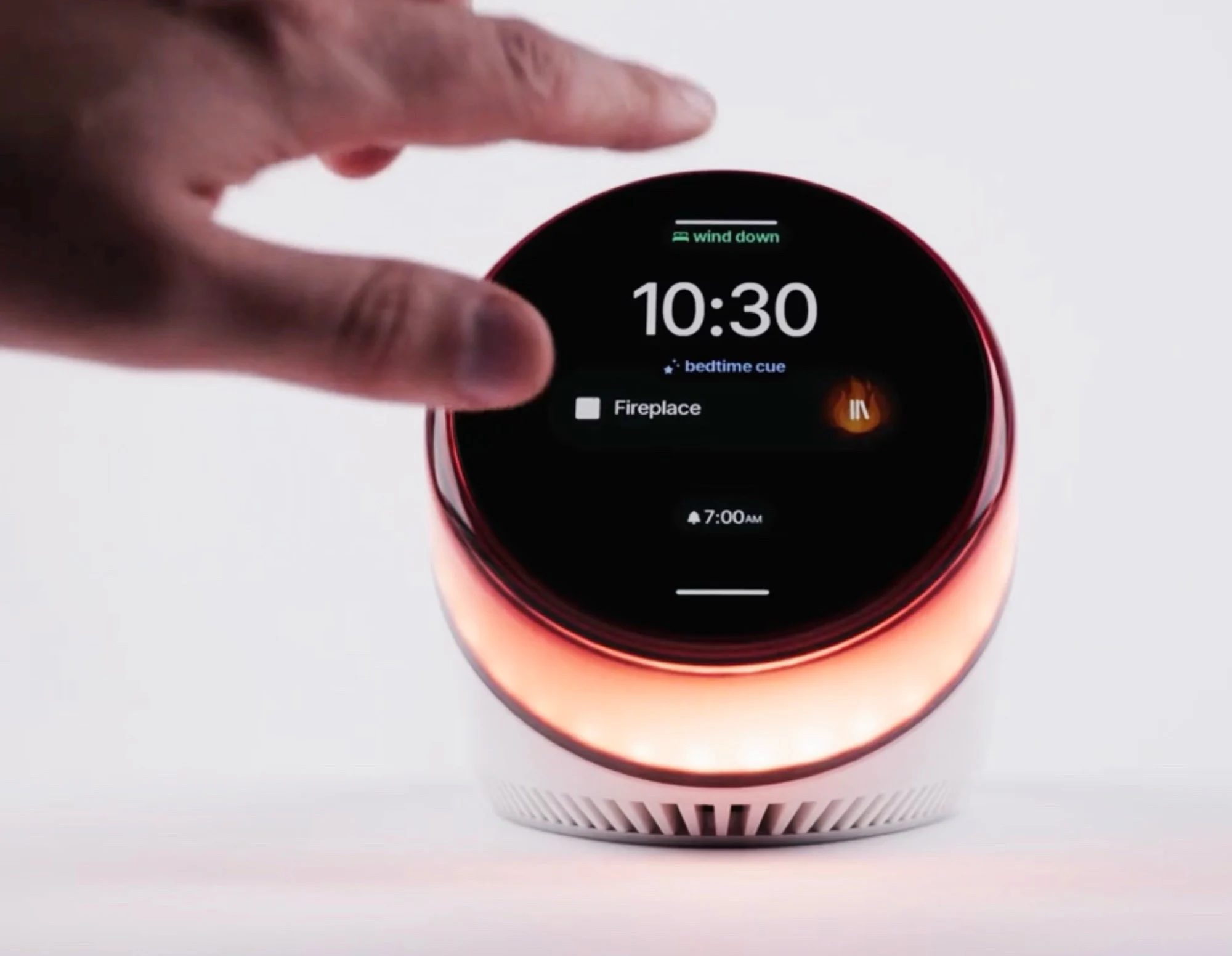
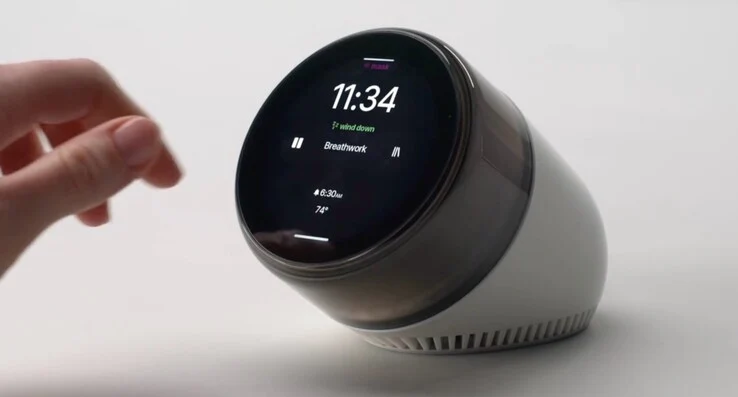
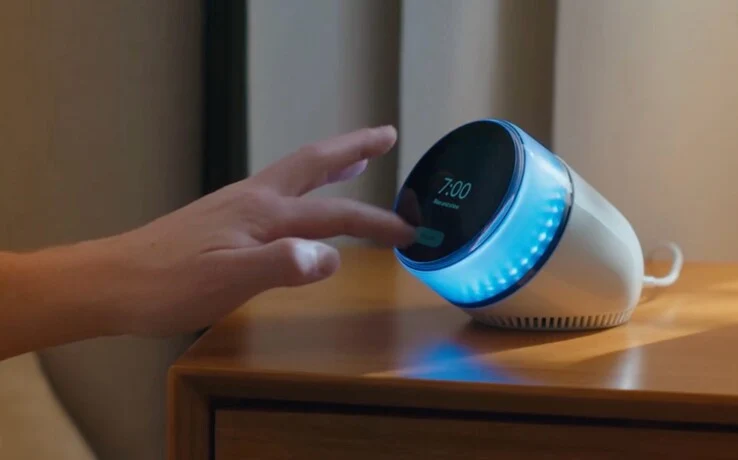
    Smartwatches, such as the Apple Watch, and smart rings like the Oura Ring 4, are capable of monitoring sleep, but they don’t really help when it comes to actually falling asleep. This is exactly where Dreamie comes into play. This device can play music, podcasts, or white noise with just a button press and gradually dims its built-in, indirect light.

    Touchscreen Features

    The touchscreen features a flicker-free display that can be adjusted to a very low brightness level. When in sleep mode, it shows the time in red to prevent blue light from interfering with sleep. Dreamie is anticipated to track the user’s sleep after a software update set for early 2026. It utilizes a microphone, so it remains unclear how precise the sleep tracking will be. Additionally, sensors evaluate light, temperature, and humidity to understand if the environment is conducive to sleep.

    Connectivity and User Experience

    With a built-in Bluetooth chip, audio content like podcasts can be sent to Bluetooth headphones, ensuring that others in the same room aren’t disturbed. Dreamie offers the flexibility to set different alarm times for each day of the week. Its operation is meant to be very user-friendly: alongside the touchscreen, a section of the casing is also touch-sensitive. The area surrounding the display acts as a volume control dial, while the top section allows you to change the brightness of the lights with a simple swipe.

    Funding and Pricing Details

    Currently, the Dreamie sleep assistant is being funded on Kickstarter, where it is offered in a “Super Early Bird” deal for $269. The estimated retail price is expected to increase to $349. Note that these prices do not cover shipping, import taxes, or customs fees. The expected delivery date is November 2025. As is common with Kickstarter projects, there are potential risks, such as late deliveries or products not matching their descriptions.

    Source:
    Link