Category: Video / Photo

  • New 4K Projector with RGB Laser and 3,300 ISO Lumens Discounts

    New 4K Projector with RGB Laser and 3,300 ISO Lumens Discounts

    Key Takeaways

    1. AWOL will launch a new 4K laser projector on Kickstarter starting February 10, with significant discounts for early backers.
    2. Backers can potentially save up to $2,500 by pledging $50, bringing the projected cost down to $1,999.
    3. The projector features 3,300 ISO lumens, an Ultra Short Throw (UST) design, and can create a 100-inch image from just 19 inches away.
    4. It has a low input lag of 1ms and supports VRR and ALLM, making it suitable for gamers.
    5. Alternatives like the Wemax Nova Pro are available for those seeking different options.


    We have mentioned AWOL, the manufacturer, several times in the past, and not all of it has been good. At the CES event, they showcased new projectors that will be funded through crowdfunding starting on February 10 on Kickstarter. AWOL is offering some significant discounts for the first day, although they have not revealed the exact pricing yet. Still, those interested in backing the project can potentially save up to $2,500 by pledging $50, which is said to bring the cost of the 4K projector down to $1,999. It’s crucial for backers to be aware of the shipping details and to think about the financial risks associated with crowdfunding ventures.

    Technical Specs Overview

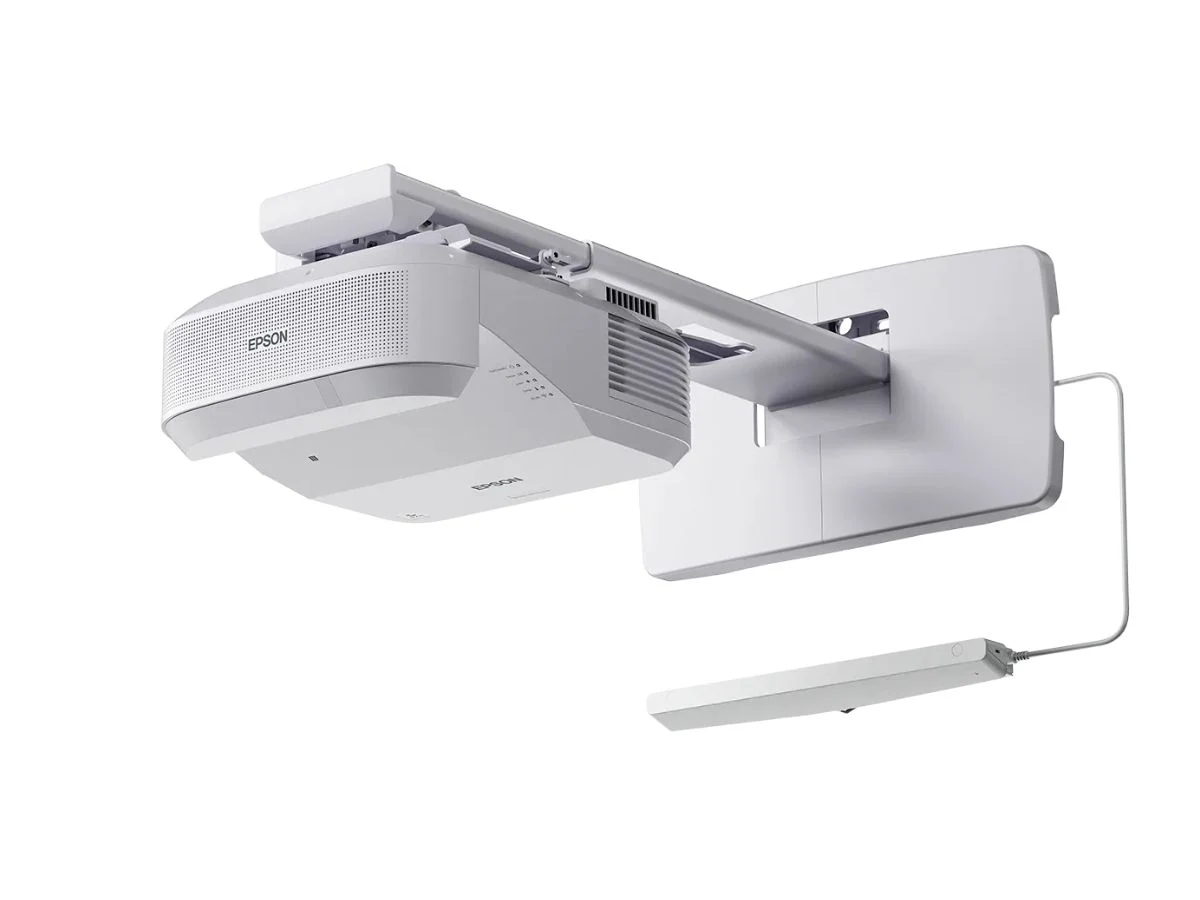
    Moving on to the technical aspect, the Kickstarter page has already shared some key specifications. This 4K laser projector is said to deliver 3,300 ISO lumens. Additionally, the images provided show that it is a UST (Ultra Short Throw) projector, meaning it can be placed quite near to the wall or screen. From a distance of around 19 inches, it can already create a 100-inch image. AWOL claims that the input lag is impressively low at just 1ms, and it supports features like VRR and ALLM, which are essential for gamers. The projector also boasts an RGB laser configuration, promising bright and vivid colors. 3D playback is in development too, but users will need to have 3D glasses for that feature.

    Source:
    Link


  • New DJI Osmo Pocket 4 Pro Leak Hints at Global Release

    New DJI Osmo Pocket 4 Pro Leak Hints at Global Release

    Key Takeaways

    1. DJI has not officially announced the Osmo Pocket 4, despite its FCC certification six months ago.
    2. The Osmo Pocket 4 Pro is expected to launch in spring, following the Osmo Pocket 4 release.
    3. The design of the Osmo Pocket 4 Pro remains undisclosed, with images withheld until June 2026.
    4. The Osmo Pocket 4 Pro will feature a 1,545 mAh battery, an upgrade from the Osmo Pocket 3’s 1,300 mAh battery, but the same as the Osmo Pocket 4.
    5. The FCC certification indicates a worldwide launch for the Osmo Pocket 4 Pro is likely.


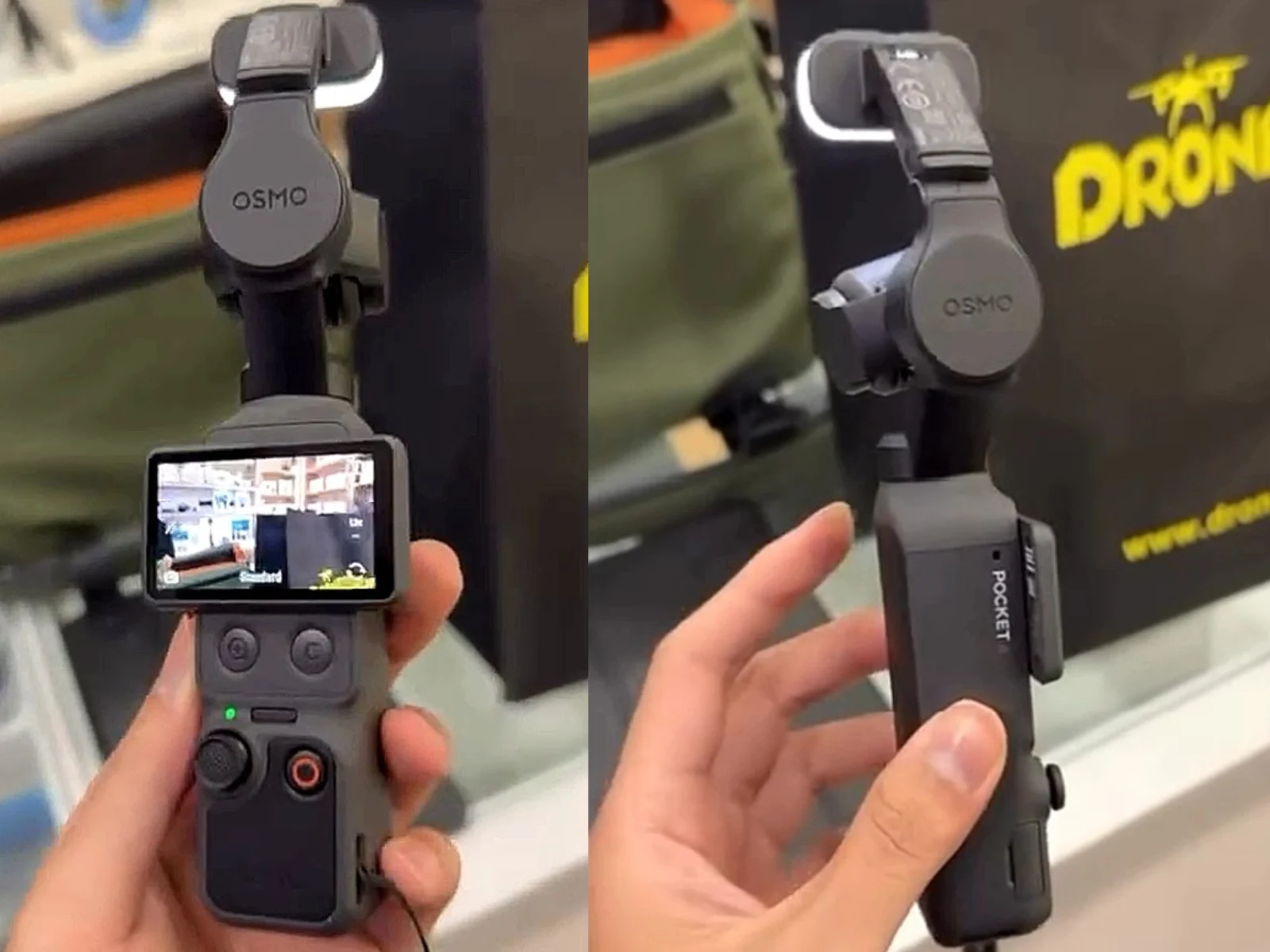
    For context, the Osmo Pocket 4 hasn’t been announced by DJI yet, even tho it got FCC certification nearly six months ago. So, the introduction of the Osmo Pocket 4 Pro doesn’t mean DJI will be launching this new vlogging camera any time soon. Right now, DJI is anticipated to launch the Osmo Pocket 4 Pro in the spring, following the Osmo Pocket 4 release.

    Details About The Osmo Pocket 4 Pro

    The FCC hasn’t disclosed the design of the Osmo Pocket 4 Pro yet. Instead, they have decided to withhold any images until the end of June 2026. In the meantime, it has been confirmed by the FCC that the Osmo Pocket 4 Pro will use a battery with a capacity of 1,545 mAh (7.7 V). This is a significant improvement from the 1,300 mAh battery found in the Osmo Pocket 3, although it is equal to the battery in the Osmo Pocket 4. Regardless, the FCC’s certification pretty much guarantees that DJI will launch the Osmo Pocket 4 Pro worldwide.

    Conclusion

    The information from the FCC via The New Camera suggests that excitement is building for the release of the Osmo Pocket 4 Pro, but we still have to wait for more details about its design and features.

    Source:
    Link


  • Vivo Enters Vlogging Camera Market with Exciting New Offerings

    Vivo Enters Vlogging Camera Market with Exciting New Offerings

    Key Takeaways

    1. Vivo is developing a new vlogging camera, aiming to expand beyond smartphones.
    2. The project started in late 2025, with a release expected later this year.
    3. The camera is designed to compete with DJI’s Pocket series and other upcoming models.
    4. Specific details about the camera’s specifications and pricing are currently unknown.
    5. The vlogging camera may incorporate Zeiss technology and features a modular design.


    After consistently showcasing its excellence in smartphone camera capabilities, a recent report indicates that Vivo is set to extend its expertise into a different product category.

    New Vlogging Camera in Development

    As per a report from the Chinese outlet Jieman News, Vivo has announced that it has initiated the creation of a vlogging camera. This project reportedly started in late 2025, with expectations for the product to become available later this year.

    Competing in the Market

    The upcoming vlogging camera is said to aim at competing with DJI’s (Osmo) Pocket series of handheld gimbal cameras. Unfortunately, specific details about Vivo’s camera are currently lacking, making it hard to determine its specifications and pricing. Nevertheless, it wouldn’t be surprising if it incorporates Zeiss technology.

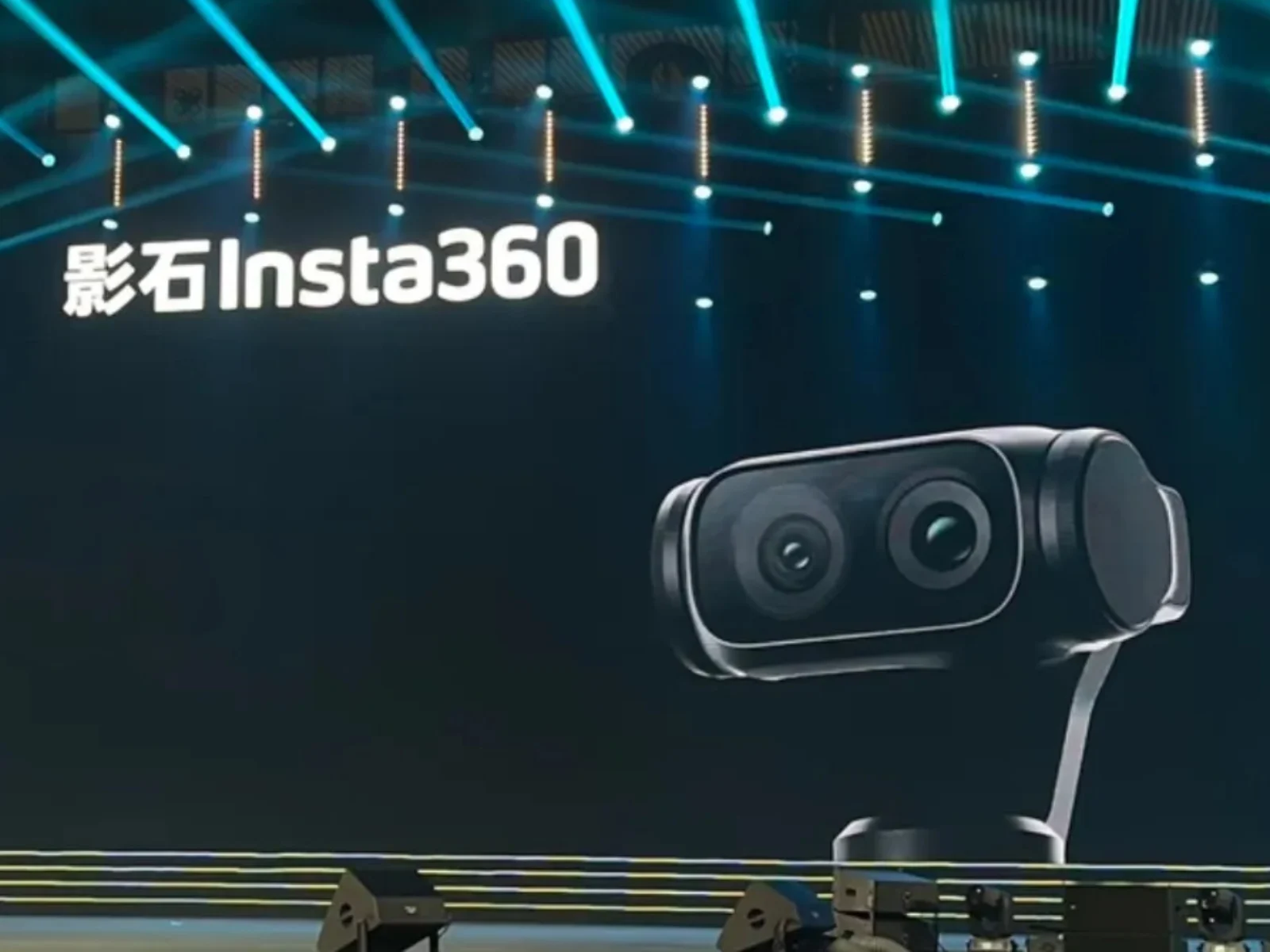
    When it eventually launches, it will go head-to-head with the highly awaited DJI Osmo Pocket 4 and Osmo Pocket 4 Pro. Additionally, Insta360 is also rumored to be planning to introduce its own version inspired by the DJI Osmo Pocket. Recent reports have unveiled some images showcasing the vlogging camera’s modular design, yet details regarding its launch date are still unavailable.

    Source:
    Link


  • Canon PowerShot G7 X Mark III Limited Edition Compact Camera

    Canon PowerShot G7 X Mark III Limited Edition Compact Camera

    Key Takeaways

    1. Canon is launching a special anniversary edition of the PowerShot G7 X Mark III to celebrate 30 years of the PowerShot series, without a new successor yet.
    2. The anniversary edition features a sleek graphite color and a special emblem, but retains the same technical specs as the original model.
    3. The camera has a 20.9-megapixel 1-inch CMOS sensor and a 4.2x optical zoom lens with image stabilization.
    4. Functionality includes electronic and mechanical shutter options, a 3-inch flip-out touchscreen, and a small pop-up flash, but lacks an electronic viewfinder and hot shoe feature.
    5. The anniversary edition is available for pre-order at $1,299, with delivery expected to start on April 28, 2026, and it is part of a limited edition release.


    The Canon PowerShot G7 X Mark III has been around for nearly six years now. Even though there is growing interest in it, Canon has not yet introduced a proper successor to this premium compact camera. Instead, the brand is launching a special anniversary edition to mark 30 years of the PowerShot series.

    Special Features of the Anniversary Edition

    This unique version comes in a sleek graphite color and has a special anniversary emblem on the flash. In terms of technical specs, there are no updates, meaning that the PowerShot G7 X Mark III might start to feel a bit outdated by 2026. Inside the camera, there is a 20.9-megapixel 1-inch CMOS sensor that works together with a zoom lens providing a 24-100mm equivalent focal length (in 35mm terms), which translates to a 4.2x optical zoom. The lens also includes image stabilization features.

    Camera Functionality

    The PowerShot G7 X Mark III includes both electronic and mechanical shutter options. While it does not come with an electronic viewfinder, it does have a 3-inch touchscreen that boasts 1.04 million pixels and can be flipped out for easier shooting. There is no hot shoe feature, but a small pop-up flash is included. Users can take around 265 photos on a single battery charge, which can be conveniently charged via USB-C directly in the camera.

    The Canon PowerShot G7 X Mark III anniversary edition is currently available for pre-order at a price of $1,299 through Canon’s online store, with expected delivery starting on April 28, 2026. This camera is part of a limited edition release, although Canon has not revealed how many units will be made available to the public.

    Source:
    Link


  • PJC RG708 Max Drone with Display Remote Launches at $134

    PJC RG708 Max Drone with Display Remote Launches at $134

    Key Takeaways

    1. Banggood’s new GPS drone, the PJC RG708 Max, is priced around $130, with options for one or two batteries and an obstacle avoidance system.
    2. The drone has a flight time of 25 minutes and requires three hours to recharge, leading to potential wait times between flights.
    3. It operates via remote control with a live camera feed and can navigate pre-planned routes, returning to the launch point automatically when necessary.
    4. The camera is stabilized with a gimbal but only supports Full-HD resolution, lacking the 4K capability of higher-end models like DJI drones.
    5. The drone weighs 249 grams without the obstacle avoidance system, but adding it pushes the weight over 250 grams, affecting compliance with local regulations.


    Banggood has introduced a new GPS drone named the PJC RG708 Max. Customers can choose to purchase it with either one or two batteries, and they also have the option to include or exclude an obstacle avoidance system. The starting price is around $130, not including shipping from China and any possible import fees and taxes. Depending on where the buyer is located, delivery could take several weeks or even months, and handling warranty claims may prove to be a challenge.

    Flight Time and Charging

    The drone is said to have a flight time of 25 minutes, but it requires a full three hours to recharge completely. This means that even with two batteries, users might have to wait between flights. The drone is operated using a remote control that provides a live feed from the camera. According to the manufacturer, this system functions effectively over a distance of roughly 0.6 miles. Additionally, the display allows users to plan flight routes, enabling the drone to navigate around buildings or other objects. It comes with a built-in GPS module that ensures the drone returns to its launch point automatically if the battery runs low or if it loses signal.

    Camera and Specifications

    On the other hand, the camera is stabilized with a gimbal, but it falls short of DJI drones, as it doesn’t offer 4K video recording and is limited to Full-HD resolution instead. The foldable drone weighs 249 grams without the obstacle avoidance system. However, if the obstacle avoidance module is added, the PJC RG708 Max surpasses the 250-gram threshold, which could be important based on local regulations and laws.

    Banggood’s new drone offers various features aimed at enhancing user experience, but potential buyers should consider the wait time for delivery and the complexities of warranty service.

    Source:
    Link


  • NyctaLux Unveils Compact 50mm f/1.0 Full-Frame Lens

    NyctaLux Unveils Compact 50mm f/1.0 Full-Frame Lens

    Key Takeaways

    1. Pricing and Availability: The DJ-Optical NyctaLux 50mm f/1.0 lens is priced at €785 on K&F Concept and €927 on QYCamera, both with VAT included, but extra import costs may apply. It is available for delivery in Europe only.

    2. Size and Weight: The lens measures 65mm in diameter, 66.8mm in length, and weighs 485 grams, making it smaller than the more expensive Leica Noctilux 50mm f/0.95.

    3. Performance Comparison: The NyctaLux lens offers moderate sharpness compared to the Noctilux, with average center sharpness and lacking detail in the corners at f/1.0. It is best suited for portrait photography.

    4. Build Quality: The lens features a metal casing, an 11-blade aperture, and is purely manual focus, contributing to its solid build quality.

    5. Compatibility: It comes with a Leica M mount but can be adapted to work with modern full-frame mirrorless cameras from Sony, Canon, and Nikon using the right adapter.


    The DJ-Optical NyctaLux 50mm f/1.0 full-frame lens was introduced last autumn, and now it’s ready for buyers. Currently, K&F Concept on AliExpress has one lens for €785, but QYCamera offers it at €927 with a larger stock. Both sellers deliver to Europe, but unfortunately not to the US.

    Pricing and Availability

    These listed prices come with VAT included, but be aware that there might be extra import costs. Measuring 65mm in diameter, with a length of 66.8mm and weighing 485 grams, the DJ-Optical NyctaLux 50mm f/1.0 is much smaller compared to the Leica Noctilux 50mm f/0.95, which is significantly pricier at €12,350.

    Performance Comparison

    According to DJ-Optical’s MTF graphs, the NyctaLux does not reach the sharpness of the Noctilux. When wide open, even the center of the image is just moderately sharp, and at f/1.0, the corners lack detail. This lens is best for portrait photography, where the subject can be centered and the background blurred.

    A review from Philip Reeve indicates that, despite its average sharpness, the lens manages to produce appealing portraits. The build quality and bokeh are highly regarded too. However, it does face challenges with purple fringing on high-contrast edges and noticeable flare when capturing images against bright light.

    Build and Compatibility

    The DJ-Optical NyctaLux features a metal casing, an 11-blade aperture, and is purely manual focus, with a minimum focusing distance of 0.7 meters. It comes only with a Leica M mount, but if you have the right adapter, it can also work on modern full-frame mirrorless cameras from Sony, Canon, and Nikon.

    Source:
    Link


  • Compact Cameras Surge 29.6% as Smartphone Popularity Wanes

    Compact Cameras Surge 29.6% as Smartphone Popularity Wanes

    Key Takeaways

    1. Compact camera sales have increased to 2.3 million in 2025, a 29.6% rise from the previous year.
    2. Mirrorless cameras sold 6.1 million units in 2025, while DSLR sales dropped to 0.69 million.
    3. Smartphone market growth was only 2% in the same timeframe, indicating a shift back to traditional cameras.
    4. Europe is now the third-largest market for cameras, with 2.11 million sales, following China and the United States.
    5. This marks the first time since 2007 that global camera sales have seen two consecutive years of growth.


    For a while, it seemed like smartphones would nearly take over the compact camera market. Back in 2014, sales of compact cameras were at an impressive 29.6 million, but by 2023, that number had plummeted to just 1.7 million units. However, new information from the Camera & Imaging Products Association (CIPA) indicates that this trend may be changing, as the camera market has started to grow again over the last two years.

    Growth in Sales

    CIPA reports that in 2025, sales of compact cameras reached 2.3 million, which is a 29.6% rise from the year before. In contrast, the smartphone market only saw a modest growth of 2% in that same timeframe. Additionally, mirrorless cameras sold 6.1 million units, while DSLR cameras accounted for 0.69 million sales in 2025. The drop in DSLR sales makes sense since major players like Canon and Nikon have been focusing more on mirrorless technology, such as the Nikon Z6 III, which starts at $2,097 on Amazon. Despite this uptick, the total camera sales of 9.44 million in 2025 are still quite small compared to the 121 million units sold during the peak year of 2010.

    Regional Insights

    In 2025, shipments of full-frame cameras grew by 1.9% compared to the previous year, whereas interchangeable-lens cameras with smaller sensors saw an 8.4% increase. Europe has become the third-largest market, with 2.11 million sales, following China (2.26 million) and the United States (2.34 million). Sales increased across all regions. It’s been since 2007 that global camera sales enjoyed two consecutive years of growth, but there’s no way to know if this trend will continue into 2026, especially with the tough economic situation and the ongoing DRAM issue.

    CIPA | Luca Bravo (teaser image)

    Source:
    Link


  • Leica M12 Upgrades and Heritage Edition for New Full-Frame Camera

    Leica M12 Upgrades and Heritage Edition for New Full-Frame Camera

    Key Takeaways

    1. The Leica M12 is expected to launch between late 2026 and early 2027, featuring image stabilization for the first time.
    2. The new sensor for the M12 is rumored to be developed and manufactured by Leica in Europe, differing from the M11’s Sony-sourced sensor.
    3. A user survey has been conducted by Leica to gather feedback on design changes, particularly regarding the camera’s baseplate and battery access.
    4. The redesigned battery access in the M11 allows for a larger battery and easier removal compared to the M10’s complete baseplate removal.
    5. Leica is considering a limited “Heritage Edition” of the M12 that may include a traditional baseplate, indicating a potential return of this feature in a special edition.


    Rumors have been circulating about the anticipated release of the Leica M12, which is expected to launch sometime between the latter half of 2026 and the early half of 2027. This compact full-frame rangefinder camera is rumored to include image stabilization for the first time. Additionally, the new sensor is thought to be developed by Leica itself and manufactured within Europe. For context, the Leica M11 features a custom sensor sourced from Sony.

    Changes and Upgrades

    Recently, Leica has given more insight into possible updates and modifications through a survey designed for current users, consisting of 17 inquiries specifically about the bottom of the camera. Unlike the Leica M10, which required complete removal of the baseplate to access the battery or memory card, the Leica M11 has been redesigned to include a battery that can be slid out from the body without the need for any doors or covers.

    This new approach saves space and, as per Leica’s claims, allows for a slightly bigger battery. The initial design shift faced some backlash at its launch, as it diverged from the classic analog style of earlier Leica M cameras. Through this survey, Leica aims to gauge customer preferences regarding design choices. It’s quite notable that the illustration of the bottom intended to showcase the new design does not originate from the Leica M11. Instead, it merges elements from both the Leica M11 and the Leica Q3.

    Design Advantages

    The depicted design in this image offers two main benefits compared to the Leica M11. Firstly, the battery release slider is positioned for easier access even when a quick-release plate is attached. Secondly, Leica has incorporated three metal contacts for accessories. On the Leica Q3, these contacts are utilized for a handgrip that allows for wireless charging via a Qi pad.

    Leica is also curious to learn if customers would be interested in a limited “Heritage Edition” that would come with a traditional baseplate. This indicates that the baseplate might return, though only in a special edition and not as a standard feature of the Leica M12. The survey implies that such a design might lead to a smaller battery being used as well.


  • Arzopa D14 Digital Picture Frame: Perfect Valentine’s Day Gift

    Arzopa D14 Digital Picture Frame: Perfect Valentine’s Day Gift

    Key Takeaways

    1. The Arzopa D14 digital picture frame features a 14-inch LCD display with a resolution of 1920 x 1200 pixels, ideal for showcasing photos and videos.
    2. It supports various media formats and offers 32GB of internal storage, with the ability to connect via WiFi, USB, or SD cards up to 128GB.
    3. The frame includes a unique Like + Gift function for sending photos remotely, enhancing the sharing experience.
    4. Special features include a gravity sensor for automatic rotation, built-in speakers, night mode for reduced eye strain, and real-time weather updates.
    5. A Valentine’s Day promotion offers discounts and additional savings for purchasing multiple products, making it a thoughtful and lasting gift option.


    The Arzopa D14 digital picture frame stands out as a thoughtful gift for Valentine’s Day, merging modern technology with lasting emotional significance. This frame features a 14-inch LCD display with a sharp resolution of 1920 x 1200 pixels and an aspect ratio of 16:10, making it ideal for showcasing photos and short videos. Its size allows it to fit seamlessly into various home decor and desk environments. Moreover, the anti-glare screen and expansive 89-degree viewing angles ensure that images and videos are easily seen from multiple positions, while the brightness level of 300 cd/m² keeps visuals vibrant even in typical indoor lighting.

    Technical Specifications

    The Arzopa D14 operates on a quad-core RK3326 processor and is equipped with 1GB of RAM along with 32GB of internal storage. It supports various image and video formats, allowing users to transfer media through WiFi, USB drives, or SD cards up to 128GB, and can also connect to Windows PCs via wired methods. A standout feature is the Like + Gift function, which enables users to send photos as gifts remotely, elevating the experience beyond simple file transfers. Supporting videos up to two minutes long and offering unlimited cloud storage makes this device a perfect tool for preserving memories for more than just special occasions.

    Additional Features

    Noteworthy features include a gravity sensor for automatic screen rotation, built-in speakers rated at 2 watts each, and a night mode designed to reduce eye strain. Additionally, the D14 can display real-time weather updates, and it supports touch inputs, eliminating the need for external devices to manage the frame’s functions.

    As part of Arzopa’s “You are my favorite View” promotion for Valentine’s Day, running from February 2 to February 15, there are significant discounts available on both the official site and Amazon. The frame is marked down, and buyers can receive an extra 15% off when purchasing three products. There’s also an opportunity to enter a lucky draw for more prizes. In conclusion, the Arzopa digital frame is more than just a temporary gift; it offers lasting value well beyond Valentine’s Day, making it an ideal present for couples and families who wish to cherish their memories.

    Bigger Gift Options

    For those seeking an even grander Valentine’s Day present, consider the Arzopa Z3FC portable monitor, which can enhance workspace setups and works well as part of a thoughtful gift combination. Use the voucher code ARZOPA15 to receive a 15% discount on this item.

    Source:
    Link


  • Comet C/2025 K1 (Atlas) Disintegrates in New Images

    Comet C/2025 K1 (Atlas) Disintegrates in New Images

    Key Takeaways

    1. C/2025 K1 (ATLAS) is a newly discovered comet from the Oort cloud, first spotted in May 2025.
    2. The comet broke apart into four pieces after its close approach to the Sun on October 8, 2025, due to strong gravitational forces and solar winds.
    3. Observations from the Asiago Observatory and the Virtual Telescope Project identified multiple fragments of the comet.
    4. New images captured in January 2026 showed the four bright pieces of the disintegrated comet.
    5. The event highlights the potential for similar occurrences in the future, with many comets in the Oort cloud offering opportunities for further study.


    C/2025 K1 (ATLAS) is a comet that does not appear in regular cycles and was first spotted in May 2025 by the ATLAS system. It comes from the Oort cloud and made a close approach to the Sun on October 8, 2025, but unfortunately did not make it through, breaking apart into four pieces in the process.

    The Comet’s Composition and Fate

    This comet, made up of ice and dust, encountered harsh conditions as it neared our Sun. When it got close, it was hit by strong gravitational forces and intense solar winds. Despite its sad end, this event provided astronomers a chance to witness its breakup into multiple fragments.

    Observations and Discoveries

    On November 11, 2025, scientists from the Asiago Observatory in Italy reported seeing two fragments of the comet. Later, Gianluca Masi, an astronomer from the Virtual Telescope Project in Italy, observed three, and possibly even a fourth fragment, as mentioned in a news release.

    Future Implications

    On January 28, 2026, new images of the comet’s fragmentation were revealed. These pictures, taken on November 11 and December 6 by the Gemini North telescope in Chile, showed the four bright pieces of the disintegrated comet.

    Although this cosmic event was remarkable, it’s likely that similar occurrences could take place again down the line. Comets like C/2025 K1 (ATLAS) are abundant in the Oort cloud, and there might be billions out there. This could give astronomers more insight into their behaviors and help them learn about their make-up and paths within our solar system.

    Source:
    Link