Category: Video / Photo

  • DJI Osmo Pocket 4 Teaser Promises Cinema-Quality Features for iPhone 17 Pro

    DJI Osmo Pocket 4 Teaser Promises Cinema-Quality Features for iPhone 17 Pro

    Key Takeaway

    1. DJI is launching the Osmo Pocket 4 on April 16, with teasers hinting at new features.
    2. Possible upgrades include a wider native focal length and Open Gate support for full sensor utilization.
    3. The integration of Open Gate functionality signifies a move toward professional-grade video capabilities accessible to creators and influencers.

    Excited for the upcoming DJI Osmo Pocket 4

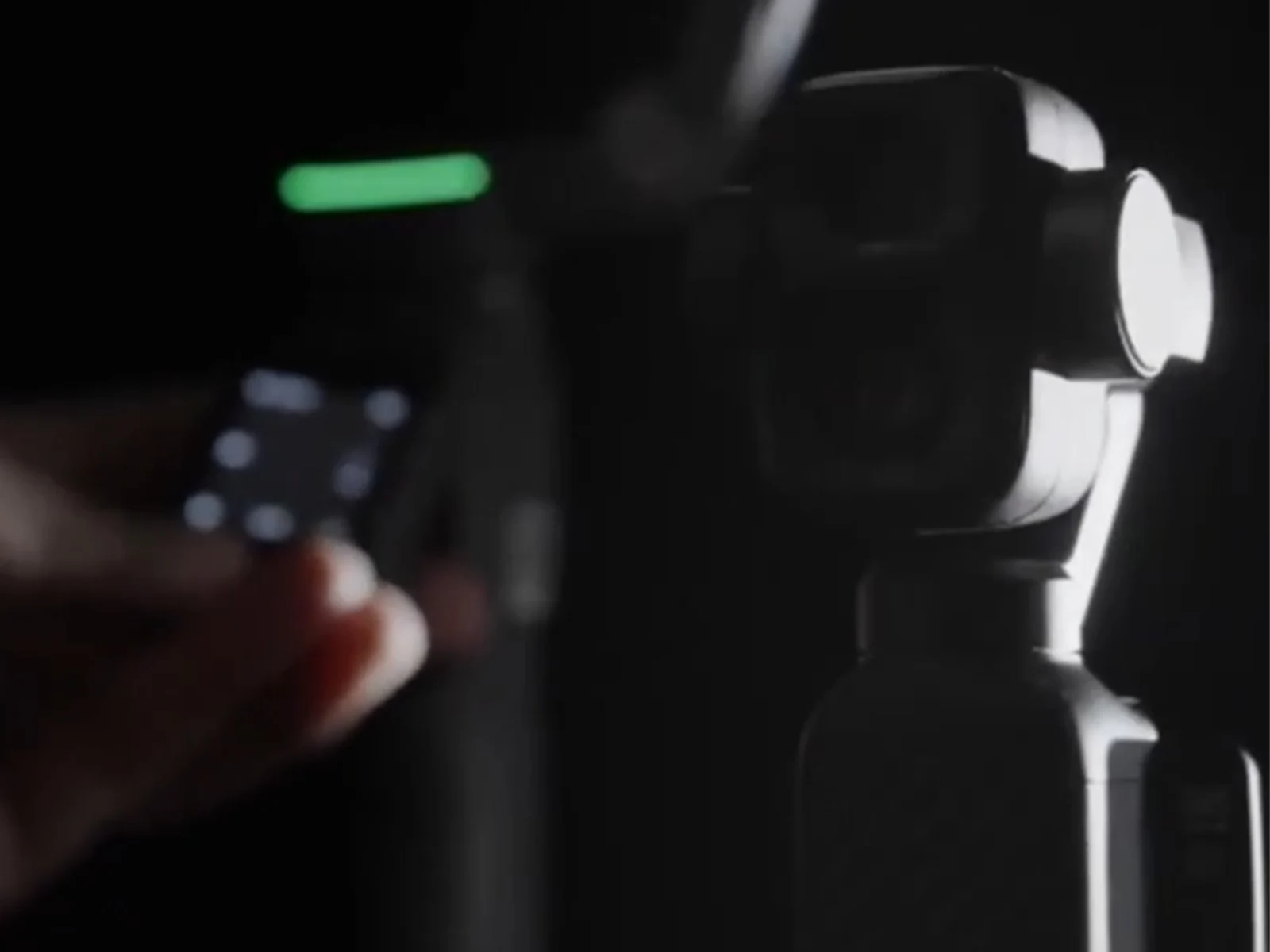
    Following the huge success of the Osmo Pocket 3, DJI has teased us with a sneak peek of its successor, the Osmo Pocket 4. Mark your calendars because the launch event is scheduled for April 16. Fans and tech enthusiasts are already scouring the teaser video for hints about what new features might come along.

    Hints from DJI Japan: What could be new

    In the teaser, DJI Japan included a catchphrase “A world that expands.” This line could mean a few things, like a wider lens or possibly an important new capability. The first idea is a wider native focal length, possibly more than the current 20mm, which might eliminate the need for extra adapters. The second, and perhaps more significant, hint involves “Open Gate” support, which could change how the camera handles different aspect ratios.

    The significance of Open Gate support

    Open Gate allows the sensor to use its full 4:3 or 3:2 area, instead of just cropping to 16:9. This is super useful for creators because they can shoot in full-frame and then crop down for vertical videos, like TikToks or Reels, without losing quality. Such a feature signals DJI’s move towards offering more professional flexibility and could be a game changer for filmmakers and influencers alike.

    Industry trends and latest developments

    The trend towards pro-grade features is picking up. Recently, the iPhone 17 Pro series added Open Gate support through an app called BlackMagic, aligning with the idea that both smartphones and dedicated cameras are heading for higher versatility. The Osmo Pocket 4 might be part of this shift, making it a more robust device for content creators keen on professional-looking videos on the go.

    Stay tuned for more updates

    Keep an eye out for further news on the DJI Osmo Pocket 4 as the April 16 launch approaches. With exciting hints like a potential wider lens and support for “Open Gate,” this device seems poised to elevate portable video shooting to new heights!

    Sources
  • DJI Osmo Pocket 4 Vlogging Camera with LED Floodlight Revealed Before Launch

    DJI Osmo Pocket 4 Vlogging Camera with LED Floodlight Revealed Before Launch

    Key Takeaway

    1. The Osmo Pocket 4 will launch worldwide on April 16, with teasers and promotional images emphasizing its single-camera design.
    2. The package will include a compact carry case, lanyard, and a shorter battery handle compared to the Osmo Pocket 3.
    3. A magnetic LED flashlight attachment with dedicated controls will be available, likely included in the Creator Combo package.

    Upcoming Launch of the Osmo Pocket 4

    The Osmo Pocket 4 is about to be launched very soon, and the excitement is rising. After almost a year of leaks and speculations, DJI finally announced that it will officially release the device on April 16th. This launch is expected to occur globally so fans all around the world can look forward to it.

    Teaser and Early Leaked Images

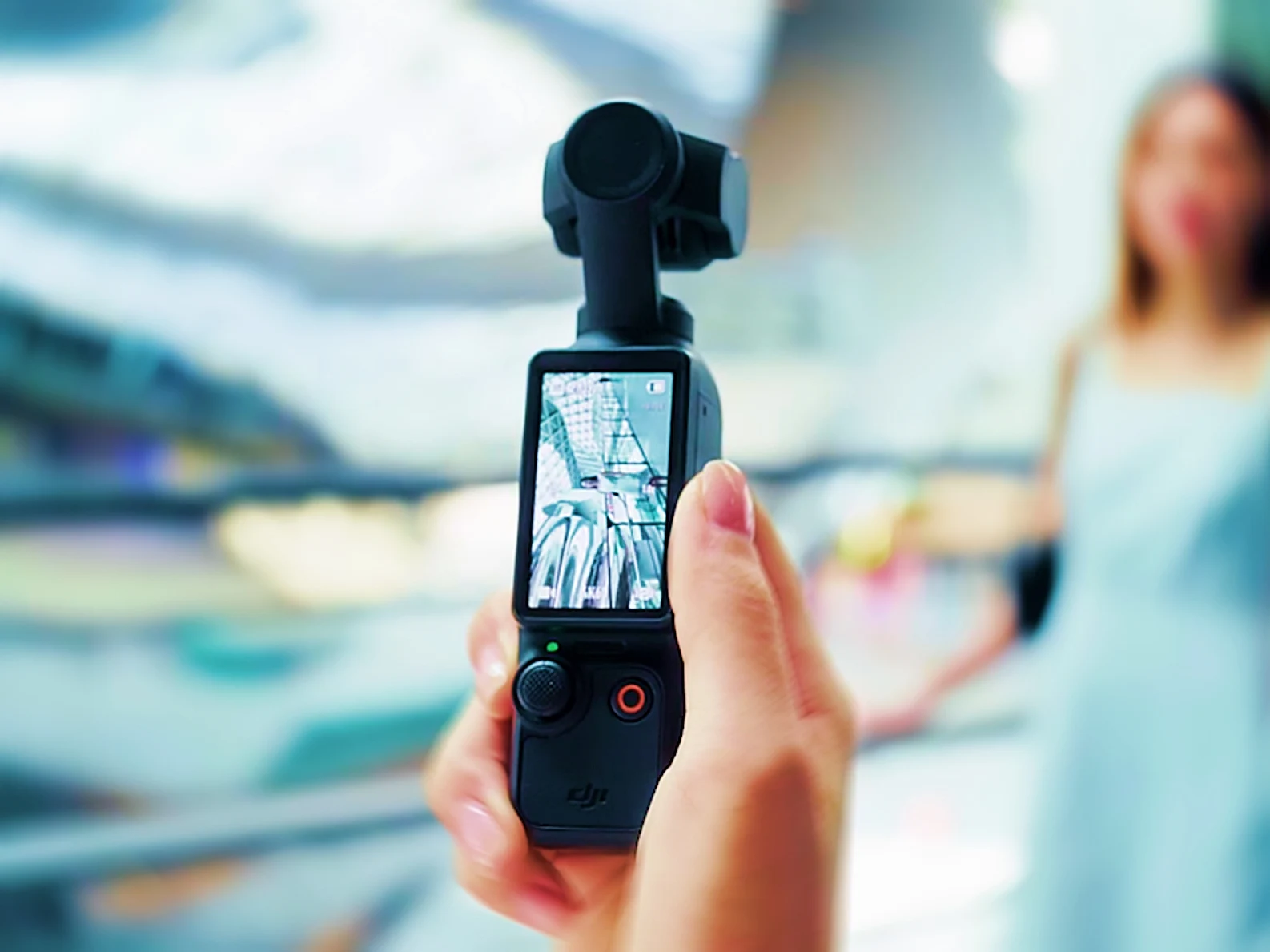
    DJI has released a fresh teaser video to tease the new product, we have already analyzed some details in a separate post. They keep most of the specs under wraps for now. Prior to the upcoming release, Igor Bogdanov shared nearly twelve promotional images on X (formerly Twitter), showing various angles and features of the device. These images reveal that the Osmo Pocket 4 will come with just one camera, which differs from the previously rumored Osmo Pocket 4 Pro model.

    Accessories and Features

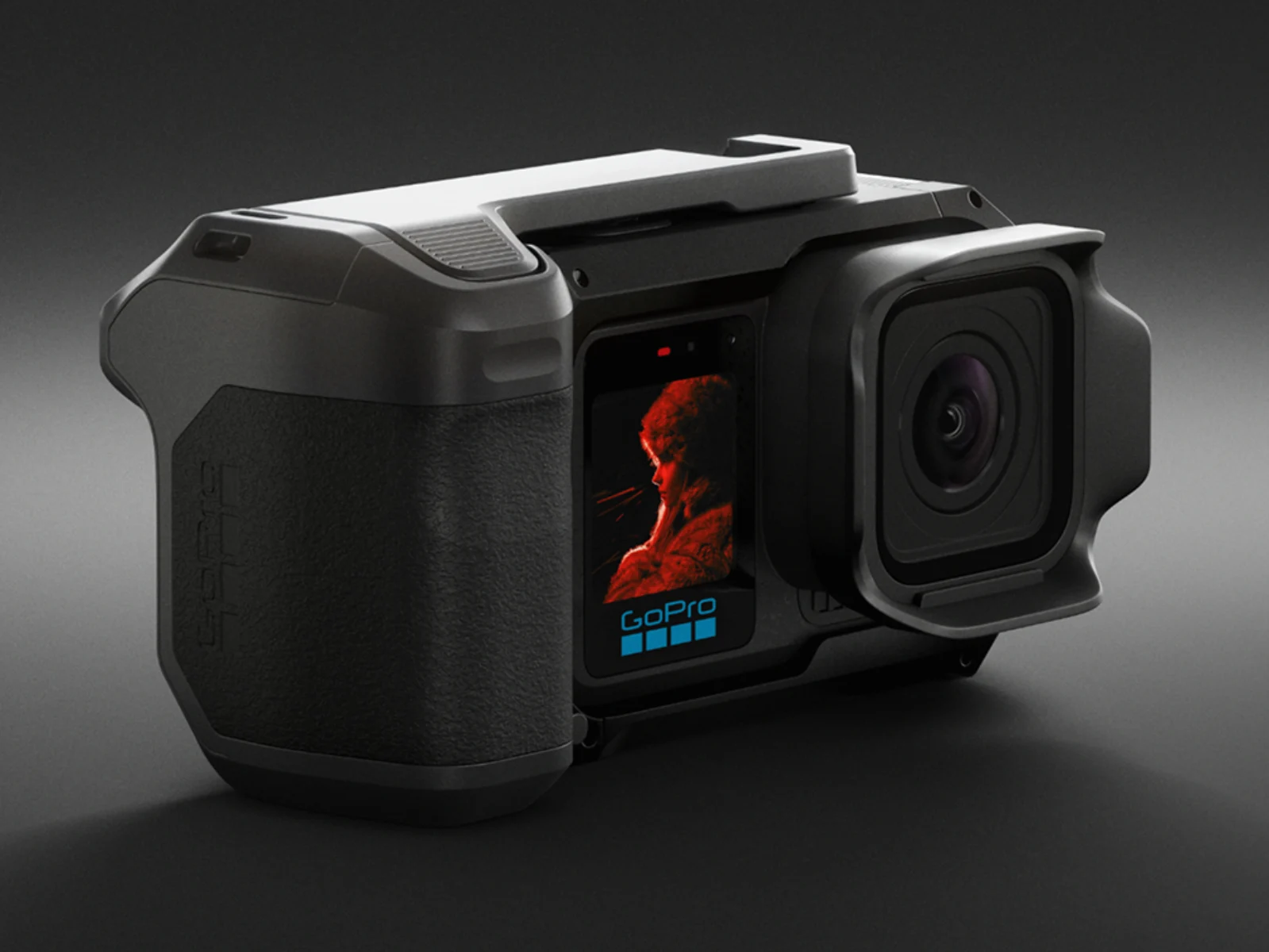
    The package will also include a small carry case and a lanyard, making it easier to carry around. Additionally, a shorter battery handle will be included, compared to the one used with the Osmo Pocket 3, which is currently priced at about $479 on Amazon. Bogdanov’s leaks also gave us a better look at DJI’s LED flashlight attachment, which is designed to attach to the back of the device and held in place by magnets.

    This LED accessory connects via four pogo pins and features dedicated buttons for adjusting color temperature and brightness. It seems DJI plans to include this in the Creator Combo package along with the other accessories shown in the images. Overall, the leaks hint at a compact but feature-packed upgrade for content creators everywhere.

  • DJI Osmo Pocket 4 New Buttons & Magnets for Smoother Zoom & Custom Controls

    DJI Osmo Pocket 4 New Buttons & Magnets for Smoother Zoom & Custom Controls

    Key Takeaway

    1. The DJI Osmo Pocket 4 was leaked through an unboxing video, with a potential launch date as early as April 16 in China and a global release later in the month.
    2. The device maintains a similar design to the Osmo Pocket 3 but introduces two dedicated hardware buttons for improved control.
    3. The new magnetic rear attachment point on the gimbal head allows for modular accessory compatibility, potentially expanding to include microphones and other gear.

    New Leaks and Expected Launch Date

    Recently, a leaked unboxing video revealed alot about the upcoming DJI Osmo Pocket 4, hinting at a possible release date around April 16 in China. Anticipation is high as a worldwide launch is also on the horizon later this month, according to the sources. The footage provides a sneak peek into the design and features that are set to impress both amateurs and professionals alike.

    Design and Physical Changes

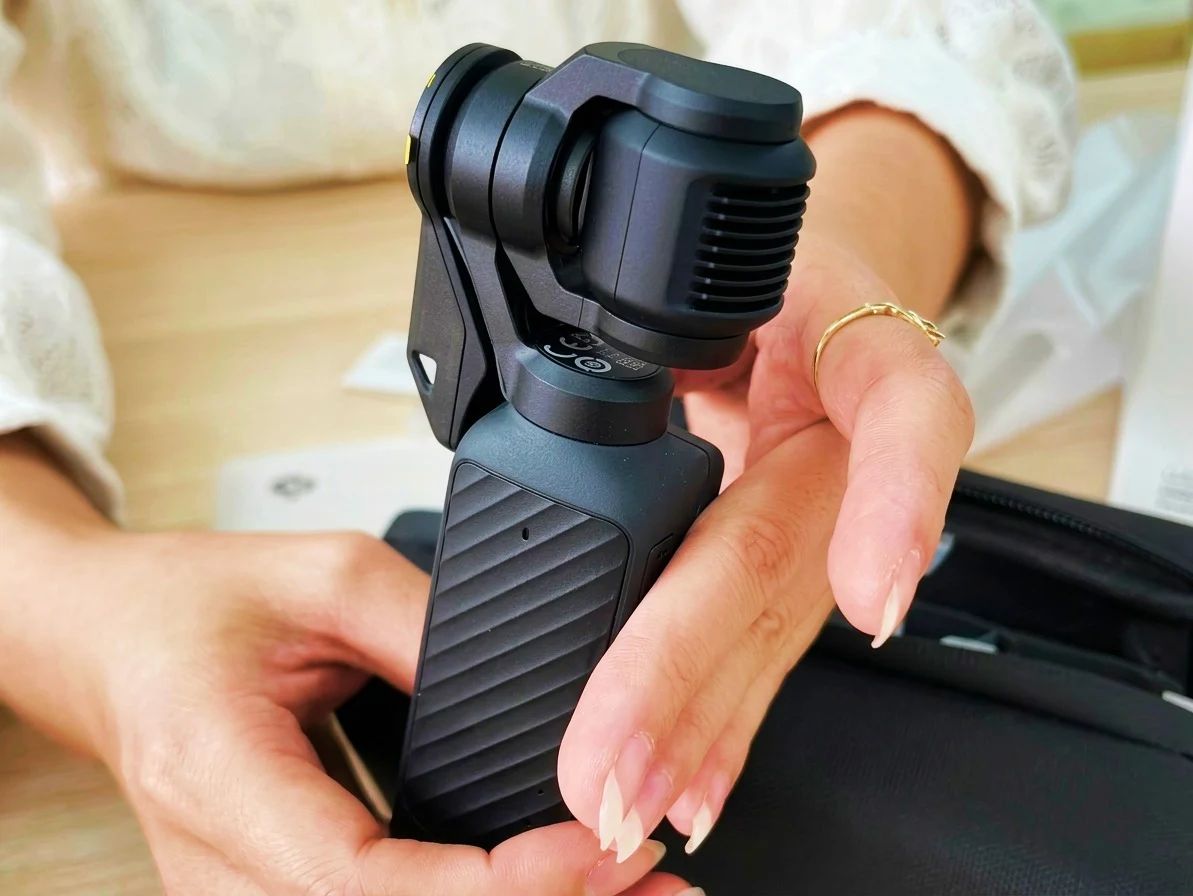
    Looking at the leaked images, it seem like the Osmo Pocket 4’s look is very similar to its predecessor, the Osmo Pocket 3. But one of the big physical changes is the addition of two hardware buttons. These are meant to help videographers by giving them faster access to controls that can make filming easier and less frustrating.

    Functional Improvements and Controls

    The new buttons aren’t just for show, they have real functions confirmed by images on protective stickers. More responsive controls means creators will be able to “catch the moment” more effectively, without missing important shots, which is crucial in professional work. In the end, it’s all about making the device more user-friendly for those capturing on the fly.

    Advances in Accessories and Ecosystem

    The Osmo Pocket 4’s gimbal head now features a magnetic back, shown in close-up photos. At the moment, this rear attachment is used for a new modular fill light, but it likely hints at a broader range of compatible accessories in the future. Enhanced magnetic capabilities might enable users to mount a variety of gear, like compact microphones, which would make the device much more versatile.

    Market Competition and Future Prospects

    If DJI expands its audio options to include a good quality, compact shotgun microphone, the Pocket 4 may become even more appealing, especially for professional videographers. It would give DJI an edge over competitors like the dual-camera Insta360 “Luna”, which is also generating buzz. This ongoing competition keeps pushing the boundaries of what these small but powerful filmmaking devices can do, showing promise for the near future.


    Sources

    • Best Dual-Camera Alternative to DJI Osmo Pocket 4 Pro

      Best Dual-Camera Alternative to DJI Osmo Pocket 4 Pro

      Key Takeaway

      1. Insta360 is entering the vlogging gimbal camera market with its upcoming “Luna,” challenging DJI’s dominance with features like dual-lens design and 3x optical zoom.
      2. The “Luna” may be positioned as a modular, interchangeable-component alternative, possibly integrating with Insta360’s “Mic Air” ecosystem.
      3. DJI’s upcoming Osmo Pocket 4, rumored to feature enhanced capabilities, will likely compete directly, with potential for a high-end “Pro” variant.
      4. The market shift provides a significant opportunity for new contenders like Insta360 to gain ground amid regulatory challenges faced by DJI in the US.
      5. Honor is also developing its own gimbal camera, the “Honor Robot Phone,” expected to debut in the second half of 2026.

      Market Shake-up in Vlogging Camera Industry

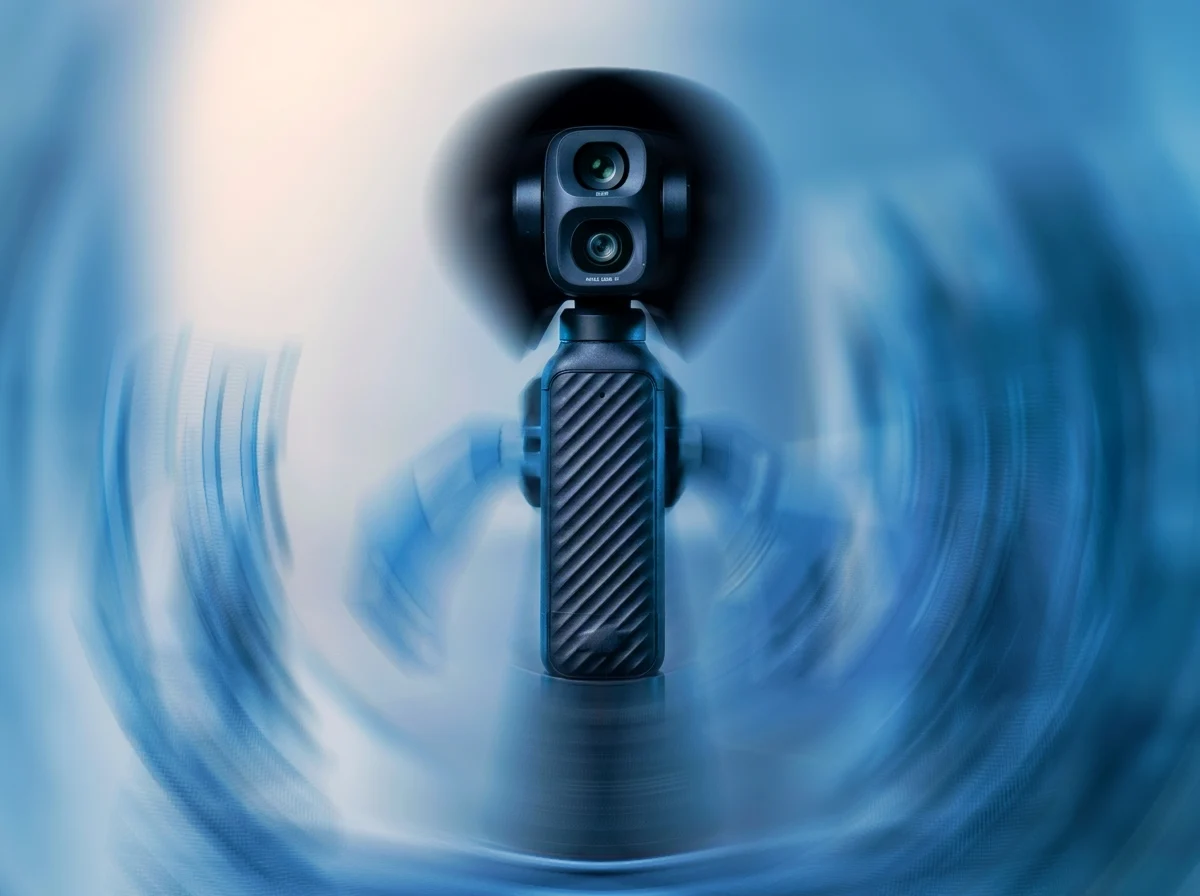
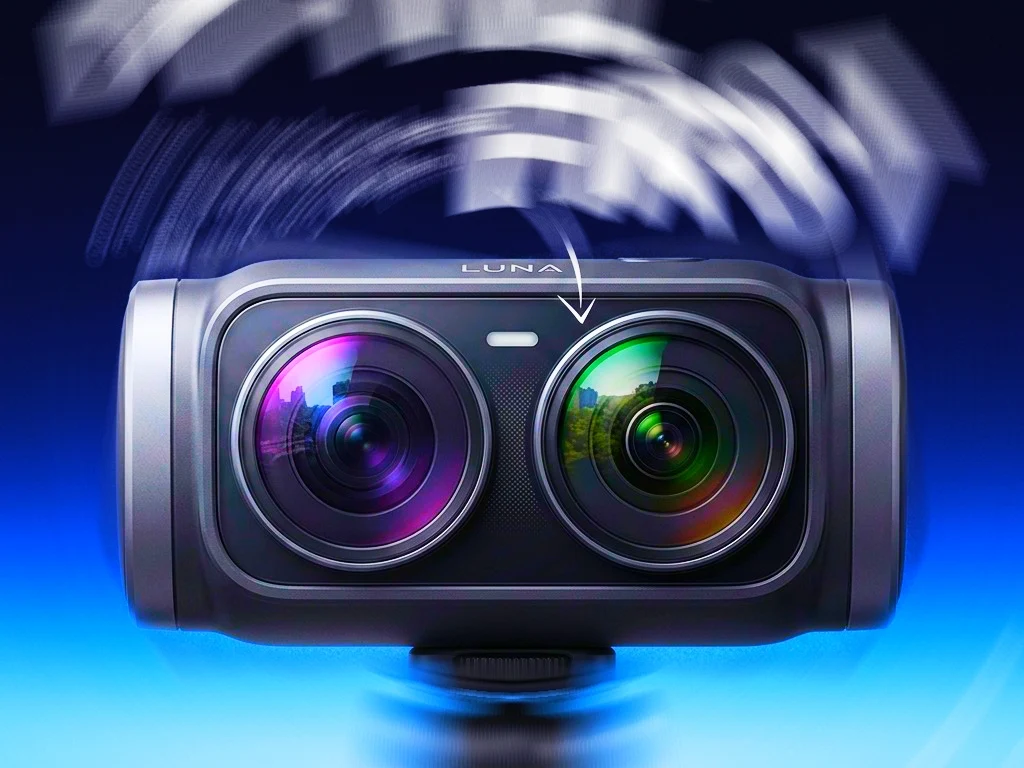
      The market for vlogging gimbal cameras, traditionally led by DJI, is about to experience a big shake up mainly due to Insta360’s new sneak peek. This company, well known for their gimbals, action cameras, and wireless microphones, is now teasing a new device that will fit neatly into pocket, called the “Luna”.

      Targeting a Strong Competitor

      Insta360’s upcoming “Luna” looks likely to challenge the popular DJI Osmo Pocket 3, which has been one of the best selling camera ever. There’s also buzz about the next version, the DJI Osmo Pocket 4, which seems to be revealed soon according to recent leaks. The Luna is said to have a dual-lens setup with 3x optical zoom, a key feature Osmo Pocket 3 currently lacks, as it only offers 2x in-sensor zoom. DJI isn’t just sitting still, with an official announcement for the Osmo Pocket 4 expected around April 20.

      Leaks Reveal Possible Features

      Rumors say the Luna might include a dual-lens design with a 3x optical zoom, making it a clever rival to DJI’s device. Meanwhile, DJI is rumored to introduce the Osmo Pocket 4 Pro version, with flexible features like two cameras and 3x zoom, matching what Insta360 might bring. The Osmo Pocket 4 is also likely to include features such as built-in storage, wider dynamic range, and a new microphone in its Creator Bundle. Insta360’s Luna might be marketed as a more modular device, possibly supporting interchangeable parts and working well with Insta360’s “Mic Air” ecosystem, which is their answer to DJI’s wireless mic systems.

      Growing Competition and Industry Impact

      With current regulatory issues surrounding DJI in the US, the stage is set for Insta360 to make a bigger impact in the market. Whether Luna ends up as the top “zoom king” or DJI introduces a Pro version to counter it, the competition benefits creators a lot. Interestingly, Honor is also developing its own gimbal camera, called the Honor Robot Phone, planned to be released in late 2026, making the industry even more interesting.


      Sources

    • Vivo X300 Ultra vs Sony Alpha A7 Full-Frame Camera Comparison

      Vivo X300 Ultra vs Sony Alpha A7 Full-Frame Camera Comparison

      Key Takeaway

      1. The Vivo X300 Ultra’s 200MP sensor produces sharper images than a Sony Alpha A7 III with a 24-70mm GM2 lens, despite the smaller sensor size.
      2. The Vivo device offers competitive color accuracy and quality, closely resembling that of a professional Sony camera.
      3. While the Vivo X300 Ultra shows strong performance, it lacks testing in challenging lighting conditions like night scenes or fast-moving subjects.
      4. The comparison highlights that high-resolution smartphone cameras can rival some traditional full-frame cameras in image detail and color.

      Interesting Easter Content for Photography Enthusiasts

      If you are just bored this easter weekend and want somthing fun and educational, then you should really check out a cool video made by fenibook that you can find on YouTube. The video offers an hands-on look at how a new 35mm 1/1.12-inch 200MP sensor in the Vivo X300 Ultra stacks up against a more traditional setup using a Sony Alpha A7 III with a 24-70mm GM2 zoom lens. And for those who like to dig deeper, a Google Drive archive has been made public where you can see all the original files from the face-off—so you can see firsthand the detailed comparison.

      Cost and Specifications: Deep Dive

      When talkin about the price tags, the Sony full-frame mirrorless camera plus the zoom lens come with a hefty price point. The camera body alone is priced at $1,999 and is discounted to $1,698. The zoom lens is quite more expensive at $2,449. That makes the Vivo X300 Ultra, estimated at around $2,000, look more appealing, especially considering it is more compact and lighter. But some experts think a better cost-effective alternative might be something like the Panasonic Lumix S5D, which offers good features without breaking the bank.

      Video Quality and Comparative Analysis

      The comparison video, despite being in Chinese and lacking effective subtitles, clearly shows that the Vivo X300 Ultra’s 200 MP images are sharper than the Sony’s 24 MP shots most of the time. That revelation is quite astonishing considering the big difference in megapixels, especially given the Sony sensor’s size – which is about nine times larger than Vivo’s LYT-901 sensor. Many expected the larger sensor to have the edge, but it seems the Vivo has made incredible progress in resolution and detail.

      Color Accuracy and Technical Limitations

      Vivo also seems to be doing very well with color reproduction, often matching what the professional Sony camera produces. Vivo claims that their multispectral sensor and new algorithms help them improve color fidelity and detail, which is evident in many of the shots. However, critics have pointed out that the comparison lacks challenging lighting conditions like night shots or fast-moving subjects in low light. The absence of comparisons at different focal lengths, such as 14mm or 85mm lenses, might be due to the fixed zoom range of the Sony lens, but this brieffall doesn’t take away from the fact that Vivo’s flagship camera holds its ground in some aspects against a much more expensive full-frame camera system—showing that even in still photography, the new tech can hold up very well in practical scenarios.

      Sources
    • DJI Osmo Pocket 4 vs Osmo Pocket 3 Creator Combo: Audio Quality Comparison

      DJI Osmo Pocket 4 vs Osmo Pocket 3 Creator Combo: Audio Quality Comparison

      Key Takeaway

      1. The DJI Osmo Pocket 4 is rumored to be announced on April 20, priced starting at $499, with notable upgrades including 14 stops of dynamic range, improved tracking, and 107GB of built-in storage.
      2. The Osmo Pocket 4 Creator Combo is expected to bundle the new DJI Mic 3, a premium microphone featuring 32-bit float recording and timecode support, but it will lack the 3.5mm input for external wired mics.
      3. The DJI Mic 3 emphasizes portability and simplicity, relying on wireless and USB-C connections, but sacrifices some professional features like wired microphone compatibility.

      Anticipated Features and Release Date

      Fans of DJI are eagerly awaiting the launch of the Osmo Pocket 4, which rumors suggest might be announced around April 20. The expected pricing starts at $499, making it a more premium choice in compact camera tech. This new camera is said to pack some impressive upgrades, such as 14 stops of dynamic range and enhanced tracking capabilities. The internal storage is also upgraded to 107GB, offering users more space for their media.

      Changes in Packaging and Accessories

      Leaked photos of the retail box show a noticeably redesigned microphone, hinting at an upgraded bundle for the Osmo Pocket 4 Creator Combo. This is a notable change from previous versions, and it looks like DJI might include the new DJI Mic 3 as part of the package. The box graphics clearly display this new mic, which differs from the DJI Mic 2, indicating a fresh design and possibly improved features. Interestingly, unless DJI decides to include additional accessories, this seems to be the standard mic bundle for the new release.

      About the DJI Mic 3

      The DJI Mic 3 is currently DJI’s top-tier microphone, boasting 32-bit float internal recording and support for timecode, making it much easier to synchronize audio with video during editing. However, one downside is that it no longer has a 3.5mm input, which means you can’t connect wired lav mics directly anymore—a feature appreciated by professional users. While it delivers superior sound quality, its simplicity and portability come with trade-offs, especially compared to other wireless mics, which would require the use of its USB-C receiver or Bluetooth, with the latter reducing audio quality.


      Sources

    • SpectraEyes Night Vision and Thermal Imaging Camera

      SpectraEyes Night Vision and Thermal Imaging Camera

      Key Takeaway

      1. SpectraEyes features dual cameras: a 4K night vision camera with infrared capabilities and a thermal imaging camera recording 60 images per second.
      2. The device offers a digital zoom, with potential image quality degradation, and dual displays for simultaneous video viewing.
      3. The camera has a battery life of 4-5 hours (night vision only) or 2 hours (both cameras), with worldwide delivery expected from June 2026.
      4. It is currently funded via Kickstarter with an early bird price of $514, rising to $830, but there are risks of delays, quality issues, or non-delivery due to it being the manufacturer’s first campaign.

      Compact Design with Dual Cameras

      SpectraEyes is designed to be pretty compact considering it houses two different cameras. One camera is a traditional night vision type that records in stunning 4K quality. The sensor it uses doesn’t filter infrared light, which means it is capable of recording even in complete darkness, especially when used with the built-in infrared illumination. This makes it perfect for night surveillance or outdoor adventures where light is minimal.

      Zoom Capabilities and Thermal Imaging

      While the company boasts about a tenfold zoom feature, it’s probably just digital zoom rather than optical, which tends to worsen picture clarity as you zoom in. SpectraEyes also features a thermal imaging camera that can capture 60 thermal images per second. However, the exact resolution of the thermal camera is not shared, leaving some details about its performance a little vague. The device’s battery is claimed to last roughly four to five hours when actively recording with the night vision camera, but drops to about two hours when both cameras are used at once. Visuals from both cameras are displayed on two separate screens, each with a resolution of 1,280 x 720 pixels, giving viewers a split-screen perspective of their footage.

      Funding and Price Details

      The SpectraEyes camera is currently seeking funding through a Kickstarter campaign. Backers can secure it at the “Super Early Bird” price of $514, a significant discount from the anticipated retail price of $830. The campaign promises worldwide delivery starting from June 2026. However, remember that the listed prices do not account for customs duties or shipping costs, which could lead to additional expenses depending on where you are located.

      Risks and Concerns

      Like with plenty of Kickstarter projects, there are inherent risks involved such as possible delays or even not receiving the product at all. Since this is the manufacturer’s very first Kickstarter effort, there’s a higher chance of issues cropping up. Moreover, some sample images shown during the campaign appear to have been artificially generated by AI, raising questions about the authenticity of the promotional content and possibly the final product quality.


      Sources

    • James Webb Telescope Maps 3D Auroras on Uranus for First Time

      James Webb Telescope Maps 3D Auroras on Uranus for First Time

      Key Takeaways

      1. The James Webb Space Telescope (JWST) created a 3D map of Uranus’s auroras, enhancing our understanding of this phenomenon.
      2. Uranus has a unique magnetosphere that is misaligned with its rotation axis, making it one of the most peculiar in the solar system.
      3. JWST’s Near-Infrared Spectrograph (NIRSpec) allowed astronomers to analyze Uranus’s atmosphere and energy balance in unprecedented detail.
      4. The telescope confirmed that Uranus’s upper atmosphere is cooling, with an average temperature of around 426 kelvins (150 degrees Celsius).
      5. Future discoveries from JWST are expected to deepen our knowledge of ice giants and their mysteries.


      The James Webb Space Telescope is a crucial instrument for astronomers, equipped with tools that achieve incredible results. Recently, it successfully created a 3D map of Uranus’s auroras, allowing scientists to examine this phenomenon with enhanced accuracy.

      Unique Magnetosphere

      Paola Tiranti, a researcher from Northumbria University in the UK, noted in a press announcement that Uranus possesses one of the most peculiar magnetospheres in the solar system due to it being misaligned with the planet’s rotation axis.

      Using the Near-Infrared Spectrograph (NIRSpec) of the James Webb Space Telescope, astronomers were able to analyze its rotation, marking a significant advancement in the field. Paola Tiranti elaborates:

      “By revealing Uranus’s vertical structure in such detail, Webb is helping us understand the energy balance of the ice giants. This is a crucial step towards characterizing giant planets beyond our solar system. This is the first time we’ve been able to see Uranus’s upper atmosphere in three dimensions. With Webb’s sensitivity, we can trace how energy moves upward through the planet’s atmosphere and even see the influence of its lopsided magnetic field.”

      Temperature Trends

      While the images captured illustrate auroras near Uranus’s poles, the James Webb Space Telescope has also validated a trend initially discovered by Voyager 2. Launched on August 20, 1977, as part of the Voyager project, it passed by Uranus in 1986 and found that the planet’s upper atmosphere was cooling, a finding now confirmed by JWST:

      “The team measured an average temperature of around 426 kelvins (about 150 degrees Celsius), which is lower than values recorded by ground-based telescopes or previous spacecraft.”

      Future Discoveries

      As a result, examining this planet could assist astronomers in gaining a better understanding of ice giants and unraveling the enigmas that surround them. Additionally, this telescope is poised to uncover more secrets in the near future.

      Source:
      Link


    • Solar Eclipse Images Over Antarctica – February 17, 2026 Revealed

      Solar Eclipse Images Over Antarctica – February 17, 2026 Revealed

      Key Takeaways

      1. A solar eclipse occurred on February 17, 2026, mainly witnessed by scientists in remote Antarctica, with stunning satellite images capturing the event.
      2. Satellites GEO-KOMPSAT-2A and GOES-19 successfully recorded the Moon’s shadow moving across Antarctica.
      3. Solar eclipses happen annually in various locations, with 2026 expected to be notable for many observers.
      4. The next solar eclipse will be visible across Greenland and the Mediterranean, affecting residents in Northern Russia, Greenland, Iceland, Western Europe, North Africa, and North America.
      5. Upcoming lunar eclipses include one on March 3, 2026, and another on August 28, both visible from North America and parts of Europe and Asia.


      On February 17, 2026, a solar eclipse happened, but not many got to see it. It took place in a remote part of Antarctica, where only scientists were present to witness it. However, satellites managed to catch stunning images of the Moon’s shadow over the continent.

      Stunning Satellite Imagery

      The satellites GEO-KOMPSAT-2A and GOES-19 successfully took images from their orbits, displaying the shadow of the Moon on the surface of the Earth. Moreover, the weather satellite GEO-KOMPSAT-2A captured multiple images, illustrating the shadow of our natural satellite moving from the left side to the right.

      A Year of Eclipses Ahead

      While these visuals are quite striking, it’s crucial to note that solar eclipses are not unusual events. They happen annually in various locations around the globe, and 2026 might be a special year for many observers.

      The upcoming solar eclipse will be visible in numerous countries, with the Moon’s shadow traveling across Greenland and then moving toward the Mediterranean Sea. Consequently, residents in the Northern regions of Russia, Greenland, Iceland, Western Europe, North Africa, and North America will have the chance to watch it.

      Lunar Eclipses on the Horizon

      Additionally, lunar eclipses will be taking place, including one on March 3, 2026, which will be observable from North America, Russia, and Japan. Another lunar eclipse is set for August 28, also visible from North America and Western Europe.

      Source:
      Link


    • iOS 26.4 Update: CarPlay Users May Soon Watch Videos in Cars

      iOS 26.4 Update: CarPlay Users May Soon Watch Videos in Cars

      Key Takeaways

      1. Upcoming iOS 26.4 update may include video playback for Apple’s CarPlay.
      2. Apple TV integration could allow users to watch videos directly on car displays.
      3. Video playback will only be available when the vehicle is parked for safety reasons.
      4. Apple encourages developers to support CarPlay with AirPlay video features.
      5. Automakers will need to activate video playback, meaning it may not be available in all vehicles.


      Drivers might soon find a new way to enjoy entertainment while on the road, with the upcoming update to Apple’s CarPlay.

      Video Playback Coming Soon

      Rumor has it that video playback will be included with the release of iOS 26.4. Aaron Perris on X shared a series of code snippets that suggest Apple TV could be integrated into CarPlay, indicating that users may soon be able to watch videos directly on their car display. Similarly, 9to5Mac discovered code that mentioned video playback alongside features like climate controls, notifications, and a “TV App,” likely referring to Apple TV.

      Apple’s Statement on Video Features

      Apple confirmed that video playback is indeed on the way with some iteration of iOS 26. The company mentions on its CarPlay developer site that “AirPlay video in the car enables people to watch their favorit videos from iPhone right on their CarPlay display when they aren’t driving.” Apple is also urging developers to “integrate support for CarPlay with AirPlay video to enable this feature in your car.”

      Important Safety Considerations

      However, there’s a significant (and critical for safety) condition: Video playback on CarPlay will only work when the vehicle is parked. This ensures that distracted drivers won’t be able to watch TikTok videos during rush hour (which is definitely a positive). Yet, it also means that families and other passengers might not be able to use the car’s screen as a video player or infotainment hub to entertain themselves.

      Moreover, it seems that automakers will have the responsibility to activate this feature, which means that video playback may not be available in all cars when it launches.

      Source:
      Link