Category: Video / Photo

  • DJI Announces Global Launch Event in May 2024 for New Wonders

    DJI Announces Global Launch Event in May 2024 for New Wonders

    Key Takeaway

    1. DJI has released the Mic Mini 2 in more markets outside China but not in the US, with the Mic Mini 2S expected later this year.
    2. The company has scheduled a global launch event for May 7, 2026, under the teaser “Wonders in Your Palm.”
    3. A new remote control, likely for the Osmo Mobile line, is expected to replace the Osmo Mobile 8 as part of DJI’s upcoming product lineup.

    DJI Launches Mic Mini 2 in Multiple Markets

    DJI has just unveilled the Mic Mini 2 in several parts of the world after teasing it earlier this month. While the wireless microphone is now out in many regions outside of China, it seems like DJI is not releasing it in the U.S.A. yet. They have also said that a newer model, the Mic Mini 2S, will be coming later on this year, adding to their lineup of audio equipment.

    Exciting Plans for May 2026

    With many announcements today, DJI already looking ahead, planning a big event in May 2026. As shown in a tweet, this global launch is scheduled for May 7 at noon UTC. So far, they’ve just shared a brief teaser video and the phrase ‘Wonders in Your Palm.’ Not much else is known about what exactly they will unveil during this event.

    Teaser and Future Products

    Interestingly, DJI reused a teaser posted two weeks back on social media in China. We believe that the small device shown in the images might be the remote control that comes with the Osmo Mobile 8P. This suggests that a new model will probably replace the Osmo Mobile 8, which you can find for about $149 elsewhere, in the company’s lineup. For further details about the upcoming Osmo Mobile 8P, check other articles and updates from DJI.

    Sources
  • Affordable Compact Camera with 4-Inch Touchscreen Resembles Leica

    Affordable Compact Camera with 4-Inch Touchscreen Resembles Leica

    Key Takeaway

    1. The Saeda Beck’s B-Quest BQ1 has a simple, toy-like design reminiscent of premium cameras but features basic hardware, including an 8 MP main camera and a secondary 5 MP selfie camera.
    2. It offers 4K video recording at 30 fps and a 4-inch touchscreen, but its photographic capabilities are inferior to inexpensive smartphones.
    3. Priced at around $119, the camera also functions as a digital music player, with limited battery life suitable for approximately 130 photos.

    Introduction to Beck’s B-Quest BQ1

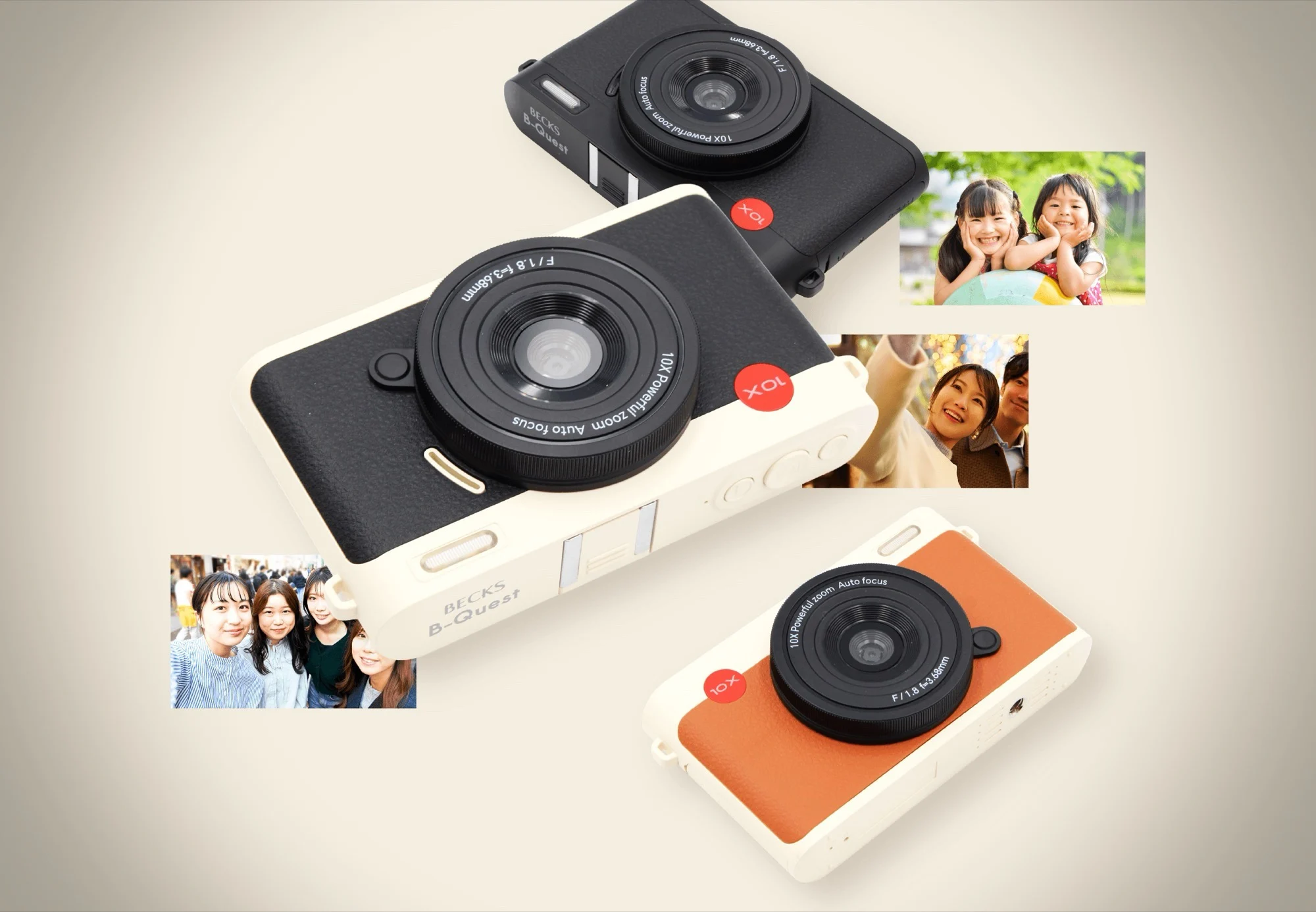
    Looking at first glance, Beck’s B-Quest BQ1 look quite similar to some high-end cameras like the Leica D-Lux 8. You can spot a “10x” mark inside a red circle that kinda gives off the vibe of the iconic red Leica logo. The design and hardware are very simple, and this isn’t really surprising considering the price, which is just about $119, making this a super affordable camera option.

    Camera Specifications and Features

    Saeda has equipped this little device with an 8 MP f/1.8 camera built on a 1/2.9 inch sensor. Plus, on the back, there’s a secondary 5 MP camera with a 1/3.2 inch sensor mainly for selfies. Honestly, both the main and selfie cameras are kinda basic and not as good as what you’d find in cheap smartphones, so calling this more of a toy than a real camera might be fair. To spice things up, it also has 15 filters so that users can customize their photos more creatively.

    Video and Display Features

    Recording videos in 4K at up to 30 fps is possible with this device. Despite its low price, it sports a decent 4-inch touchscreen display with a resolution of 854 x 480 pixels. An interesting thing is that Saeda also promotes this as a digital music player, but there’s no info about supported Bluetooth standards, which makes things a bit uncertain.

    Battery and Pricing

    The built-in battery capacity is 1,200 mAh, and the manufacturer claims it can handle about 130 photos on a single charge. Charging is supported through USB-C, an appreciated feature even in this budget segment.

    If you’re in Japan, you can buy the Saeda Becks B-Quest BQ1 for ¥18,800, which is roughly $119, directly from the company’s online shop. For folks elsewhere, the camera is currently only obtainable through import services like ZenMarket, so be prepared for that extra hassle and possibly higher costs.


    Sources

  • Panasonic Launches 144g Full-Frame Lens for $399

    Panasonic Launches 144g Full-Frame Lens for $399

    Key Takeaway

    1. The Panasonic Lumix S 40 mm f/2.0 is highly compact and lightweight, making it suitable for smaller full-frame cameras and portable use.
    2. It features water splash protection, a focus ring that can be adjusted on compatible Lumix cameras, and a programmable function button.
    3. The lens has a simple optical design with seven elements in six groups, including three with aspherical surfaces, and offers a minimum focus distance of 0.3 meters.
    4. It is exclusively available for the L mount, compatible with Panasonic Lumix, Leica SL, and Sigma BF cameras.
    5. The lens is priced at approximately $399 and expected to be available by mid-May.

    Compactness Meets High Speed

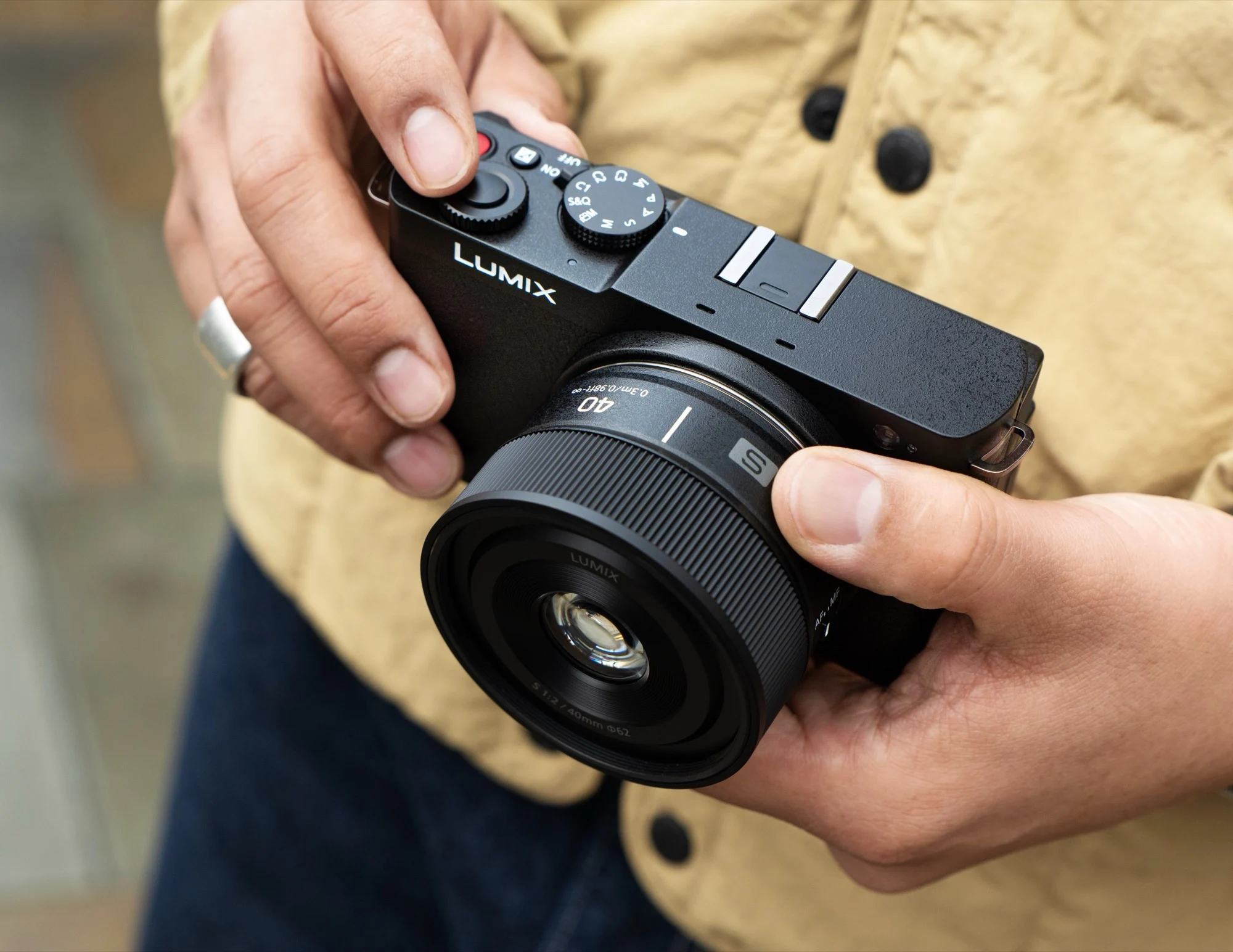
    The latest Panasonic Lumix S 40 mm f/2.0 is a compact and lightweight lens, measuring just 40.9 mm long and weighing only 144 grams. This makes it is very portable and easy to carry around, even in a small jacket pocket, especially a camera like the Lumix S9. The lens’s compact size doesn’t mean sacrificing performance, featuring a simple yet durable design with protection against water splashes, and a focus ring that can be customized through compatible Lumix cameras.

    Optical Design and Compatibility

    Designed with precision, the lens employs a group of seven lens elements spread across six groups, including three with aspherical surfaces to help deliver sharp, high-quality images. It focuses as close as 0.3 meters, offering a maximum magnification of 0.17, which is quite decent for a standard prime lens. Its 62 mm filter thread allows users to attach various filters easily, making it versatile for different shooting needs. This lens is exclusively made for the L mount, meaning it’s compatible not just with Panasonic Lumix cameras but also with Leica SL and Sigma BF models, broadening its usability for many photographers.

    Pricing, Availability, and Additional Features

    The Panasonic Lumix S 40 mm f/2.0 (S-S40) is scheduled to come out around mid-May, with a suggested retail price of $399. The lens is particularly suited for photographers seeking a balance between portability, speed, and image quality. For those interested, more details can be found on the official product page, giving potential buyers a full rundown of its capabilities and specifications.


    Sources

  • Insta360 Luna Ultra Specs: 6x Zoom, Modular Design, 4K/240fps

    Insta360 Luna Ultra Specs: 6x Zoom, Modular Design, 4K/240fps

    Key Takeaway

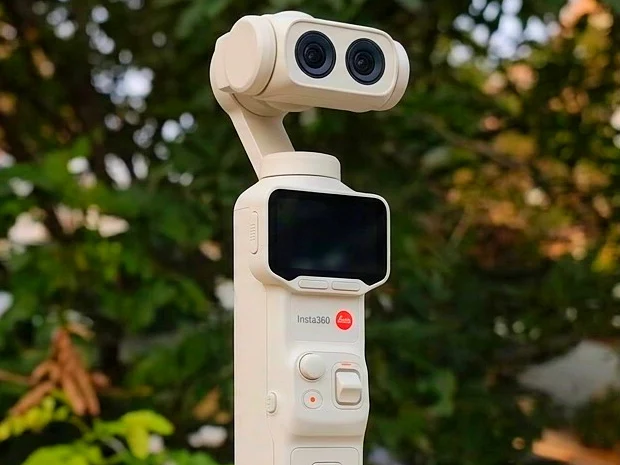
    1. The Insta360 Luna Ultra is a modular, dual-lens gimbal camera featuring Leica-calibrated imaging systems.
    2. It is equipped with a dedicated telephoto lens, with rumors suggesting either 3x/6x or 6x/12x optical/lossless zoom.
    3. The camera offers a significant advantage over competitors like the Osmo Pocket 4, especially with its zoom capabilities.
    4. Leaked marketing materials indicate that the product launch is imminent, potentially positioning the Luna Ultra as a strong competitor in the handheld gimbal market.
    5. The device may serve as a “Pocket killer,” particularly given DJI’s current regulatory challenges in the US.

    Insta360 Luna Ultra Leak Breaks Silence

    Even though Insta360 kept its Luna Ultra behind some frosted glass during their “exclusive sneak peek” at NAB 2026, and only allowed a few YouTubers to test the pre-release gimbal units, the internet move faster than their marketing stuff. A full specs sheet just went viral on social media, revealing details the company didn’t show publicly. Now, folks are wondering if these leaked specs are real or just rumors.

    Specs Show A Modular Dual-Lens Design

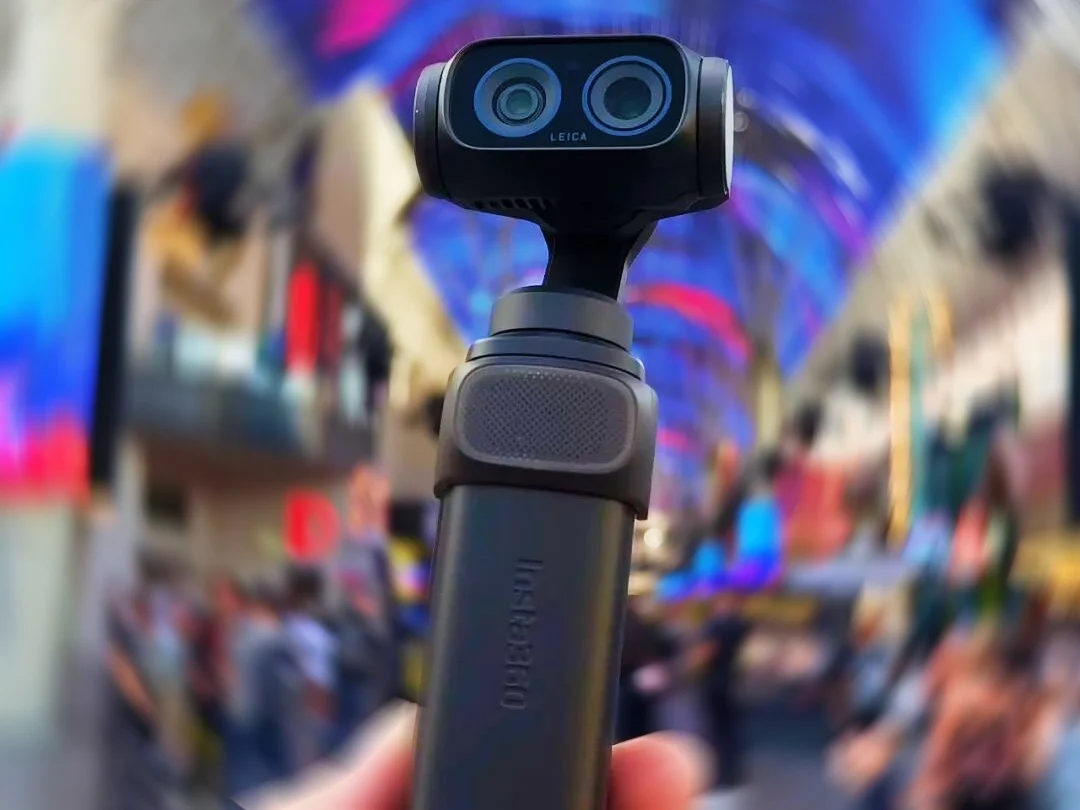
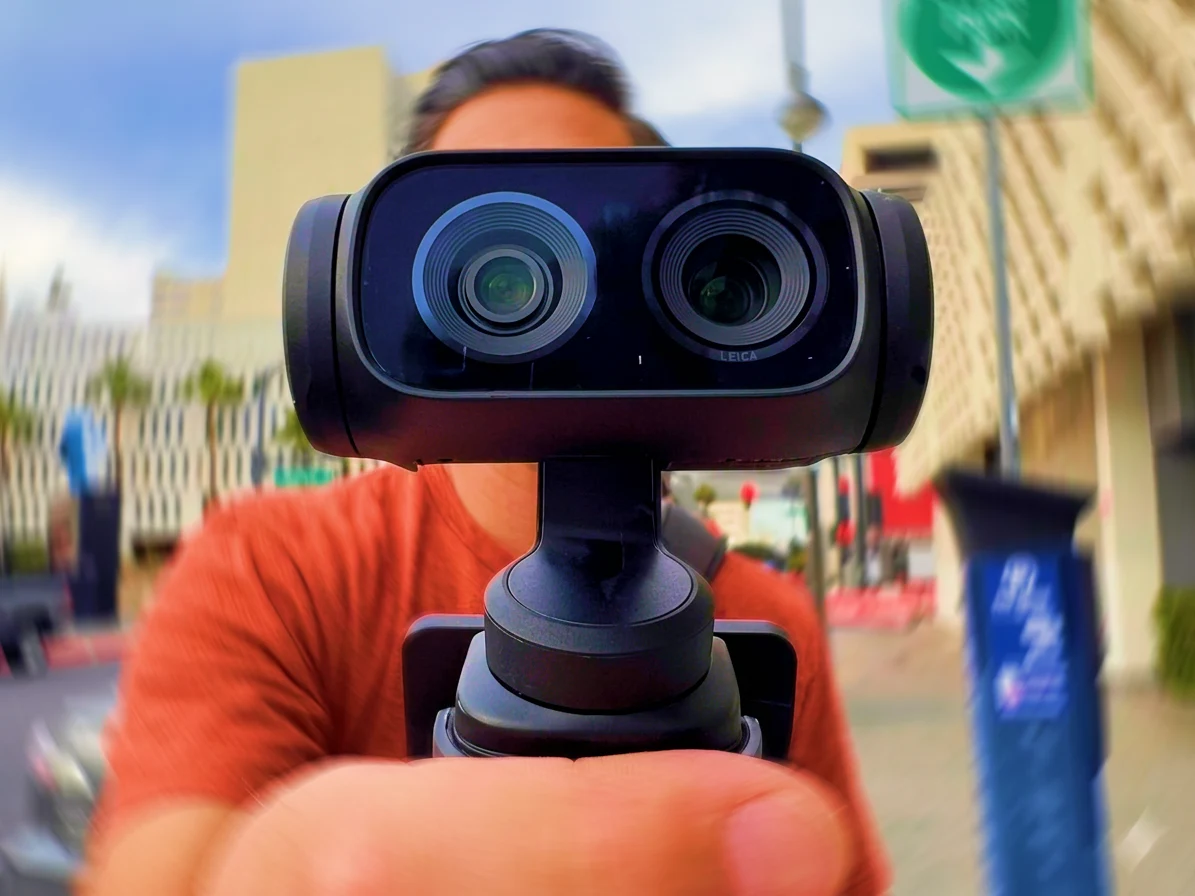
    The leaked info suggests Luna Ultra is much more than just a simple gimbal camera. It looks like a modular system with two lenses, both calibrated with Leica technology, aimed to add more innovation in the handheld camera market which is always looking for fresh ideas. The standout feature here is that it’s not single-lens, making it more versatile.

    Zoom Capabilities Stirdebate Among Rumors

    The comparison leaked chart indicates that the Luna Ultra will use two different Leica-calibrated systems. There is a speech about a dedicated telephoto lens but the specific zoom magnification is controversial. Some rumors hint at a 3x optical zoom with 6x lossless zoom, while others suggest Insta360 squeezed in a more powerful 6x optical zoom with 12x lossless zoom support. People are divided, but having a dedicated zoom lens positions the Luna Ultra a step ahead of competitors like the Osmo Pocket 4, especially the upcoming 4P version.

    Expected Launch Confirmed and Market Implications

    Even though NAB 2026 was only a preview, the polished marketing leaks hint that Insta360 might be gearing up for a full launch very soon. With DJI grappling with regulatory issues in the USA, the Luna Ultra could be the “Pocket killer” users are eagerly waiting for, potentially shaking up the portable camera scene.

    Sources
  • Insta360 Luna Ultra Dual-Camera Review: 1-Inch Sensor & 10-Bit iLog

    Insta360 Luna Ultra Dual-Camera Review: 1-Inch Sensor & 10-Bit iLog

    Key Takeaway

    1. Insta360 previewed its Luna series, including the Luna Ultra with a secondary zoom lens, aiming to compete with DJI’s Osmo Pocket 4.
    2. The Luna Ultra features a 1-inch sensor, f/1.8 aperture, and a potential 6x optical zoom, with footage shot in a new 10-bit color profile called “iLog.”
    3. The Luna Pro remains largely mysterious but is confirmed to be a single-camera model, co-engineered with Leica, with a launch expected before June 2026.
    4. The Luna cameras are anticipated to be available in the US, marking a key geographic advantage over DJI’s offerings.
    5. Additional accessories like the Insta360 Mic Pro wireless microphone with an E-Ink display are part of the ecosystem.

    Introduction to the new Insta360 Luna lineup

    Recently, the handheld gimbal camera world got a big shake up when Insta360 decided to show off their upcoming Luna series at NAB 2026 in Las Vegas. After a lot of leaks and rumors that had been floating around, the company finally gave a sneak peek. The excitement is real, especially since creators that got to test the cameras shared videos on YouTube, confirming that Insta360 is not just copying DJI but actually trying to go beyond what DJI has done.

    Details about the Luna series models

    The most interesting part about the new lineup is that it consists of two models. The first one is called Luna Ultra, which is a dual-cam design, and the second is the Luna Pro. The Luna Pro still keeps some secrets but is confirmed to be a single-camera device, similar to the DJI Osmo Pocket 4. The preview specs show a 1-inch sensor with a 20mm equivalent lens. Its field of view is about the same as the Osmo Pocket 4, but Insta360 has an advantage with a brighter aperture of f/1.8 versus the Osmo’s f/2.0. This difference could help it perform better in low light situations.

    Camera features and specifications

    • Sensor size: 1 inch
    • Focal length: 20mm equivalent
    • Aperture: f/1.8
    • Color profile: iLog with 10-bit color
    • Dynamic range: 14 stops

    The footage shared by creators shows that the Luna series can shoot in “iLog,” a new color profile that enhances color grading and dynamic range. Interestingly, the specs look a lot like those of DJI’s Osmo Pocket 4 — nearly identical, in fact. This means Insta360 might be offering similar performance, but with its own twist.

    Zoom feature in the Luna Ultra

    A highlight of the Luna Ultra is its secondary zoom lens, which, while official focal lengths haven’t been announced (which is kinda odd), has shown footage suggesting a zoom range that could be around 6x optical. This feature could be a game-changer, providing creative options that are rare in compact cameras. The footage demonstrates that this zoom may provide high-quality images, making it a key selling point for the device.

    Additional gear and ecosystem

    Besides the cameras themselves, Insta360 introduced the “Mic Pro,” a new wireless microphone. It’s shaped like a button and comes with an E-Ink display, which allows users to customize branding. The Luna cameras, which are co-developed with Leica, are expected to be available before June 2026, giving consumers in the US a chance to get their hands on them. Interestingly, there are rumors that Oppo might also be developing its own gimbal camera, so competition might soon heat up. For now, it looks like Insta360’s latest tech will be accessible in the US, unlike DJI’s offerings which are not widely available there anymore.


    Sources
  • GoPro Launches 1-Inch Action Cameras with 8K Open Gate Recording

    GoPro Launches 1-Inch Action Cameras with 8K Open Gate Recording

    Key Takeaway

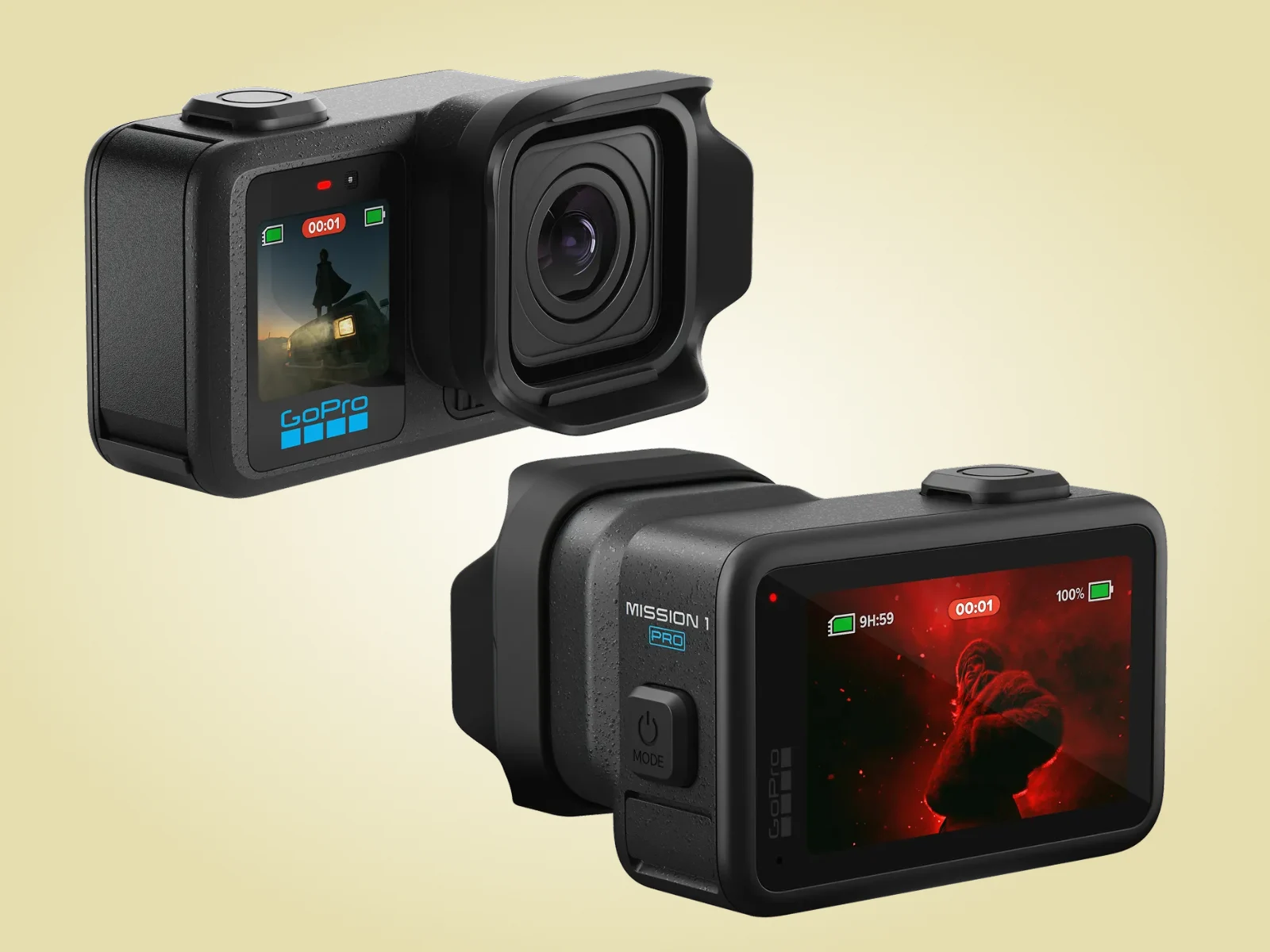
    1. Mission 1 and Mission 1 Pro are the first GoPro action cameras with the new GP3 processor and support for 4:3 Open Gate video capture.
    2. The Mission 1 Pro supports up to 8K at 30 FPS in Open Gate mode, while the Mission 1 is limited to 4K at 120 FPS.
    3. Pricing starts at $599 (Mission) and $699 (Mission 1 Pro), with options for a free 1-year GoPro Premium subscription.
    4. Pre-orders are expected to ship by May 28.

    New Action Cameras from GoPro

    GoPro’s latest addition to their lineup, the Mission 1 and Mission 1 Pro, marks a significant upgrade. These are the first to feature their new GP3 processor and now support 4:3 Open Gate video recording, which opens new possibilities for videographers. The Mission 1 Pro can record at up to 8K resolution with 30 frames per second, which is impressive, but the standard Mission 1 is limited to 4K at 120 FPS. Make sure to check these things when considering which to buy.

    Camera Specifications & Features

    • GP3 processor for faster processing and improved efficiency
    • First GoPro cameras with 4:3 Open Gate support
    • Mission 1 Max resolution: 4K @ 120 FPS
    • Mission 1 Pro Max resolution: 8K @ 30 FPS

    Both models are designed to cater to adventure lovers and filmmakers who need rugged cameras with high-quality video capabilities. The integration of the GP3 processor allows seamless operation, while the open gate format offers filmmakers more creative flexibility. The pricing of these two systems start at $599 for the Mission 1 and go up to $699 for the Mission 1 Pro, with regional variations in Europe and the UK.

    Pricing & Availability

    The Mission camera begin at $599 in the United States, while in the Eurozone it costs about €599. For consumers in the UK, the price sits at £529 for the Mission 1 and £599 for the Pro model. GoPro also offers a 1-year Premium subscription with purchases at no additional charge, making it a even better deal for customers looking to maximize their features. The pre-orders are expected to start shipping on or before May 28, giving eager users something to look forward to soon.

    Final Thoughts & Recommendations

    Overall, these devices seem like strong contenders in the action camera market, especially with their support for high-resolution recording and innovative open gate video modes. Whether you opt for the Mission 1 or the Pro version, both provide advanced features that appeal to hobbyists and professionals alike. Keep in mind the differences in resolution and frame rate when choosing the perfect model for your needs. Just plan to pre-order early because they are likely to be quite popular.


  • Insta360 Luna Ultra Video Leak: 12x Zoom vs DJI Osmo Pocket 4 Pro

    Key Takeaway

    1. The Insta360 Luna Ultra is rumored to feature a modular, detachable design with a 6x optical zoom, potentially extending to 12x with in-sensor crop, offering significant zoom capabilities.
    2. Live footage suggests the Luna Ultra has a dual-camera array, providing advanced versatility and superior zoom reach compared to DJI’s upcoming Osmo Pocket 4P.
    3. The Luna Ultra’s robust build and features indicate a strong market challenge for DJI, possibly forcing them to accelerate the release of their dual-camera Osmo Pocket 4P (Pro).

    Insta360 Luna Ultra’s Exciting New Features

    Recently, lots of rumors and leaks just keep fueling the anticipation of the Insta360 Luna Ultra. People are really curious about how this camera will perform especially with its suggested modular design and impressive 6x optical zoom. The design looks rugged and mean, hinting at a device built for serious users who want more than just basic recording features.

    Design and Build

    The Luna Ultra appears to be built with a bold, professional look, and the main color seems to be a clean white, which gives it a sleek but formidable appearance. The overall design is said to be robust, which would appeal to creators who need durability along with high performance. The rumors suggest that it is detachable and modular, allowing users to customize parts as needed.

    Camera Capabilities and Speculation

    Sources indicate a dual-camera setup with a toggle for 12x zoom, which is a significant step up from the previous leaks of 6x optical zoom. This 12x zoom likely involves an in-sensor crop, offering super-telephoto reach, putting it at an advantage compared to DJI’s Osmo Pocket 4P. The latter is expected to have only a 3x zoom, with a possibility of achieving 2x lossless zoom through its single lens.

    The Competitive Landscape

    With the Luna Ultra seemingly offering these powerful features, DJI need to watch out. The market competition is heating up, and it looks like DJI might need to expedite launching their dual-camera Osmo Pocket 4P (Pro) model to stay relevant. If the Luna Ultra truly brings 12x zoom and modularity to the table, DJI’s current offerings could become less attractive and might need more than just an update to the camera scope.

    Expected Launch and Market Impact

    The official launch date for the Luna Ultra is now pinned for May 15 – just about four weeks from now. As more blurry footage circulates online, the anticipation grows, further challenging DJI’s upcoming release. It seems as though Insta360 is ready to make a big splash in the compact camera market, and DJI, with its traditional reputation, will certainly feel the heat to compete aggressively.


    Sources

  • Osmo Pocket 4 vs 3 Battery Life Comparison Shows Longer Recording Time

    Osmo Pocket 4 vs 3 Battery Life Comparison Shows Longer Recording Time

    Key Takeaway

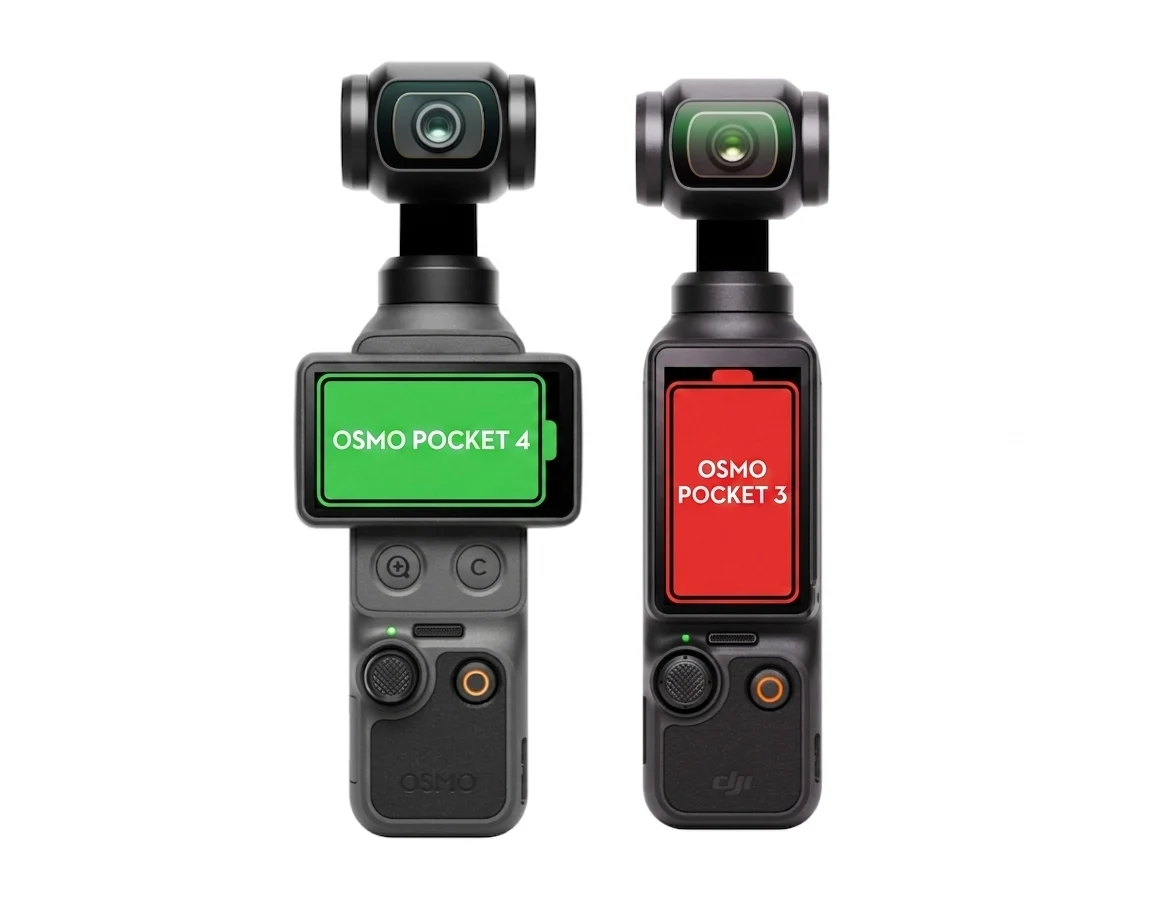
    1. The DJI Osmo Pocket 4 offers significantly improved battery endurance, with up to 67% longer recording times compared to the Osmo Pocket 3.
    2. Despite only a modest increase in battery capacity, the Pocket 4’s more efficient processing architecture results in notable real-world gains.
    3. The enhanced battery life enables the Pocket 4 to function closer to a “full-day” camera, reducing dependence on external power solutions.

    Impressive Battery Improvements in DJI Osmo Pocket 4

    The new DJI Osmo Pocket 4, although famous for its 4K/240fps slow-motion video and 14-stop dynamic range, has also brought a massive upgrade in battery life which many people overlook. Even though the internal battery’s capacity only increased a little, from 1,300 mAh to 1,545 mAh, the real life performance suggests its more efficient processing system is a big part of the reason why it last longer than older model. Curious by this, YouTuber MoutMedia did a comparison shot-by-shot between the two versions and was quite amazed by the result.

    Real-World Recording Time Surprises

    The test involved recording in high-resolution 4K at 30fps and 60fps, where the Osmo Pocket 4 showed remarkable endurance. In 4K/30fps mode, it managed a solid 3 hours and 24 minutes, which beats the Pocket 3’s 2 hours and 2 minutes by a lot — a 67% jump. And even at the more challenging 4K/60fps setting, the newer gadget kept going for 2 hours and 24 minutes, compared to the previous model’s 1 hour and 54 minutes (+26%). These tests reveal that the Pocket 4 isn’t just a tiny upgrade in battery capacity but also a smarter and more power-efficient device.

    Specs and Casual Shooting – Even Better

    According to DJI’s official specs, the improvements are even bigger when used in more casual, everyday situations. For example, recording in 1080p/24fps, the Pocket 4’s rated battery life is a staggering 4 hours, which is more than an hour longer than the Pocket 3’s 2 hours and 47 minutes. The big takeaway is that for typical vlogging or filming, this camera can handle a full day’s work without needing to be recharged often. Remember, factors like gimbal use, screen brightness, or adding a magnetic fill light can still influence the actual recording time some, but overall, it’s clearly a much more reliable all-day camera.

    Charging Speed and Practical Use

    The charging times stay pretty similar between models, with both reaching 80% in 16-18 minutes and a full charge in about 32 minutes when plugged into a 65W Power Delivery charger. This means you can quickly top it off during short breaks, making it very practical for busy shooting days. All in all, the Osmo Pocket 4 is shaping to be a very capable and efficient upgrade for creators looking for longer recording sessions and less dependency on external batteries or accessories.

    Sources
  • How DJI Osmo Pocket 4 Uses 37MP Sensor for Stunning Super Photos

    How DJI Osmo Pocket 4 Uses 37MP Sensor for Stunning Super Photos

    Key Takeaway

    1. The Osmo Pocket 4 features a new 37MP 1-inch stacked CMOS sensor, representing a significant upgrade over the previous 9.4MP sensor.
    2. The increased resolution enables a lossless 2x zoom crop and enhances photography capabilities, making stills a primary feature.
    3. The device offers 14 stops of dynamic range, improving highlight and shadow detail for high-quality images and videos.

    Introducing the New DJI Osmo Pocket 4

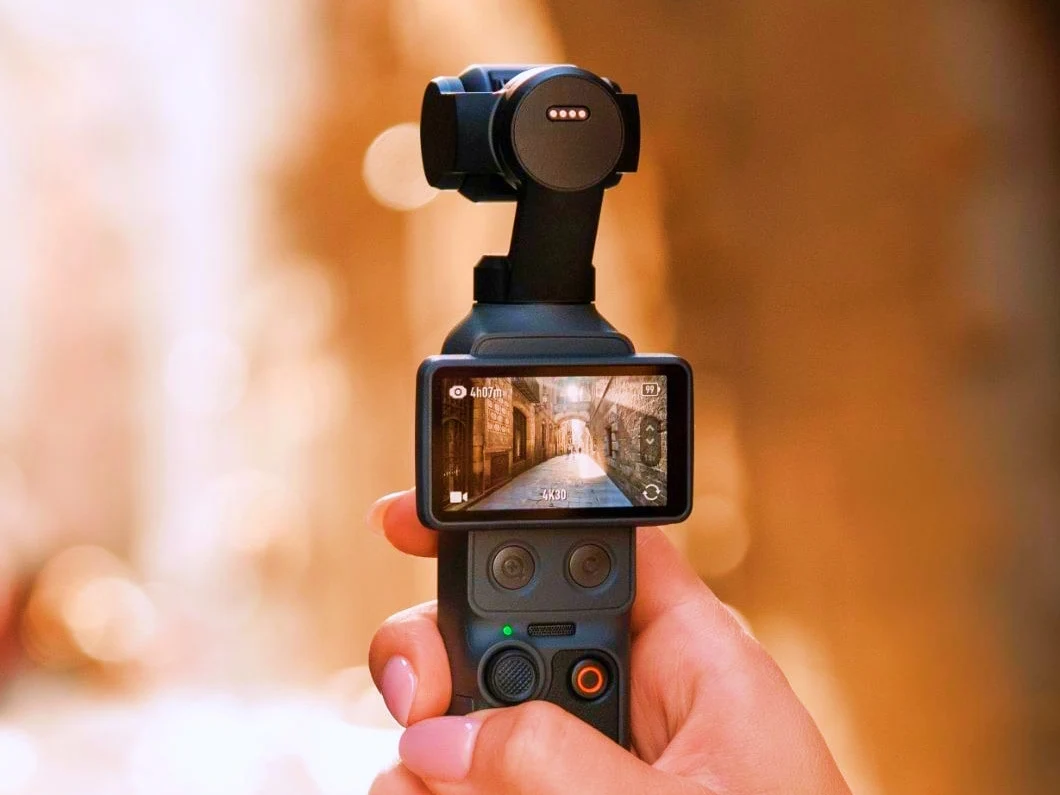
    DJI aim for new standards in the ultra-portable videography with their latest device, the Osmo Pocket 4. The design keeps its familiar pocket-sized shape, but the real magic is happening inside. The internal tech has been totally revamped, centering around a new, high-resolution 37MP 1-inch stacked CMOS sensor. Just to clear the air, yes, this is a brand-spanking-new sensor that brings big benefits.

    Superior Resolution and Better Zoom

    Upgrading to 37MP is a massive jump from the 9.4MP sensor in the Osmo Pocket 3. While the increase in pixel count might seem just about numbers, it actually means way more for users. It allows a clear 2x lossless zoom crop, so you can punch in closer without losing quality or ending up with that fuzzy look. This creates more options for creators who want to shoot with versatility and clarity.

    Enhanced Photography Features

    In order to make the most out of the impressive 37MP sensor, you should switch to the “SuperPhoto” mode. This mode defaults to a 1:1 aspect ratio, but you can also take 33MP images in a 16:9 ratio. For photography enthusiasts, this shift marks the Osmo Pocket 4 from just a handy video tool to a serious camera as well. The default “Custom” button now toggles between video and still photos because DJI intends for users to think of it as both a video and photo camera.

    A High-Performance Camera in Your Pocket

    With a sensor that now supports 37MP still shots, along with a higher ISO ceiling, and richer color depth, the 2026 Osmo Pocket steps into high-res photography territory. The secret is a combination of the new stacked sensor and an improved processing engine, giving you an industry-leading 14 stops of dynamic range. Unlike some devices that just claim features, reviews suggest this hardware actually helps avoid blown-out highlights and reveals more detail in shadows, making your images and videos look more professional.

    Summary and Final Thoughts

    • Refined design with upgraded internal components
    • New 37MP 1-inch stacked CMOS sensor for high resolution
    • Improved zoom, dynamic range, and color depth

    Overall, the Osmo Pocket 4 is a remarkable leap forward, blending compact size with powerful photography and videography tools. It’s not just a camera, but an all-in-one device built for creators on the go.


    Sources

    • Insta360 Luna Ultra 6x Zoom & Detachable Gimbal vs Osmo Pocket 4 Pro Rumors

      Insta360 Luna Ultra 6x Zoom & Detachable Gimbal vs Osmo Pocket 4 Pro Rumors

      Key Takeaway

      1. The Insta360 Luna Ultra is rumored to feature a 6x optical zoom, potentially surpassing DJI’s Osmo Pocket 4P’s 3x zoom.
      2. Leak suggests the Luna Ultra may have a modular design with a detachable camera, offering increased versatility.
      3. Insta360’s teaser hints at competitive features posing a challenge to DJI’s latest gimbal camera lineup.

      New Competitor in Gimbal Camera Market?

      After the official debut of the DJI Osmo Pocket 4 and the sneak peek of the upcoming dual-camera Osmo Pocket 4P, rumors about new contenders are emerging. The latest leak from social media hints that the Insta360 Luna Ultra could be a serious rival, especially with a rumored 6x optical zoom, which is double the 3x zoom currently available on DJI’s new model. The claim is still unverified, so take it with caution for now since no other sources have confirmed it yet.

      Social Media Teases and Bit of Shade

      Right after DJI announced the Osmo Pocket 4, Insta360 jumped in with a cryptic, pixelated teaser on X (formerly Twitter). The caption “Was that it…?” looks to be a little dig at DJI, suggesting they might be missing some cool features or improvements in their new lineup. This is a classic tease to stir the excitement and raise curiosity about what Insta360 is planning with Luna Ultra.

      Potential Modular Design Could Change the Game

      The plot thickens as a famous leaker, Igor Bogdanov, shared a photo, possibly cropped from a real-life shot of the Luna Ultra. The image zooms in on the section where the gimbal connects to the camera body, and a caption beside it reads: “Does it separate?” This strongly hints at a modular design where the camera could detach from the handle, giving users more flexibility and different shooting options. If true, this feature could set Luna Ultra apart strongly from the DJI Osmo Pocket 4P which does not seem to offer such modularity.

      What Would You Think About Modular Tech?

      If the rumors are accurate, a detachable camera for the Luna Ultra might be a game changer in the handheld gimbal sphere. It could allow for easier upgrades, more customizability, and better portability. Would features like this sway your decision to go for a custom or versatile camera system like Luna Ultra? Many enthusiasts are eager to see how this innovative approach could redefine portable filmmaking, making the market even more competitive.