Category: TV / Monitor

  • LG Display Launches 39-Inch 5K Ultrawide and 4K Tandem WOLED in 2026

    LG Display Launches 39-Inch 5K Ultrawide and 4K Tandem WOLED in 2026

    Key Takeaways

    1. LG Display is showcasing upcoming Tandem WOLED panels as CES 2026 approaches, with new promotional videos highlighting their advancements.
    2. Current Tandem WOLED offerings include 27-inch 1440p panels and faster 540 Hz displays, hinting at larger and higher-resolution screens in the future.
    3. An exciting new product mentioned is a 39-inch 5K ultrawide panel (5120 x 2160 resolution) that promises better picture quality.
    4. A 27-inch Tandem WOLED panel is also hinted at, with indications of high PPI and potential resolutions exceeding 2560 x 1440.
    5. LG Display plans to unveil the new panels at CES 2026, but details on brands, refresh rates, brightness, and pricing are still pending.


    LG Display has begun to hint at its upcoming Tandem WOLED panels as CES 2026 approaches. They released fresh promotional videos that showcase new sizes and resolutions for future displays.

    Current Offerings

    Until now, Tandem WOLED, formerly known as Primary RGB Tandem OLED, has been seen in 27-inch 1440p panels, including the early 280 Hz monitors like the Gigabyte MO27Q28G (curr: $599.99 at Newegg) and the Asus ROG Strix OLED XG27AQWMG. Recently, there have been faster 540 Hz displays such as the Asus ROG Swift OLED PG27AQWP-W, which can reach a refresh rate of 720 Hz at 720p. The latest teasers suggest that LG Display is gearing up to expand the technology to larger and higher resolution screens.

    Exciting New Sizes

    One of the most exciting points in the promotional video is a mention of a 39-inch 5K ultrawide panel, likely featuring a 5K2K (5120 x 2160) resolution. With a size of 39 inches, this would equate to approximately 142 PPI, offering better picture quality compared to the existing 39-inch, 3440 x 1440 WOLED options available now.

    Additionally, LG Display is hinting at another 27-inch Tandem WOLED panel. While the video doesn’t specifically state a 4K resolution, it alludes to “high PPI for exceptional clarity,” suggesting a resolution that exceeds the current 2560 x 1440 offerings. There is still no word on a 32-inch Tandem WOLED panel at this time. LG Display also emphasizes its 27-inch 540 Hz panel with a 720 Hz dual-mode feature, which has been included in several announced monitors, like the LG Ultragear 27GX790B.

    What’s Next?

    We anticipate that the new panels will make their debut at CES 2026 in January. However, LG Display has yet to confirm which monitor brands will be the first to implement them, nor have they provided details about refresh rates, brightness levels, or pricing. The promotional videos can be found on LG Display’s official YouTube channel, highlighting the new panel lineup and the advantages of Tandem WOLED, such as enhanced peak brightness, superior color production, and more.

    LG Display on YouTube.

    Source:
    Link



  • Amazon’s Prime Video Ads Declared Unlawful in Court

    Amazon’s Prime Video Ads Declared Unlawful in Court

    Key Takeaways

    1. Amazon Prime Video introduced ads in early 2024, ending its ad-free experience unless users pay an additional fee of €2.99 ($2.99 in the US) per month.

    2. Many subscribers reacted negatively to the ad introduction, leading the Federation of German Consumer Organizations to file a legal complaint against Amazon.

    3. The Munich Regional Court ruled that Amazon unlawfully changed existing contracts without customer approval, viewing the addition of ads as a significant deterioration of the service.

    4. The court criticized Amazon’s communication about the change, finding the email to users misleading and in violation of Germany’s Unfair Competition Act (UWG).

    5. Amazon disagreed with the court’s conclusions and is considering further legal actions, but the ruling has not yet become legally binding.


    Amazon Prime Video has begun showing ads as of early 2024, marking the end of its ad-free experience. Starting from February 5, 2024, users will see advertisements included with their standard subscription unless they pay an extra €2.99 ($2.99 in the US) each month to enjoy uninterrupted viewing. Customers were informed of this change via an email sent on January 3, 2024, which indicated that “no further action is required.”

    User Reaction and Legal Response

    Many subscribers expressed anger regarding the addition of ads to a service they already pay for. In light of this, the Federation of German Consumer Organizations lodged a complaint. The Munich Regional Court has now declared Amazon’s method unlawful. The judges stated that the company modified existing contracts without securing necessary approval from customers. They viewed the introduction of advertisements as a “significant deterioration” to the initial Prime subscription.

    Court’s Findings

    A major consideration for the court was that the lack of ads was a fundamental aspect of the service, even if it wasn’t explicitly promoted that way. Although Amazon’s general terms allowed for changes in the content provided, they did not authorize a complete transformation of the service’s structure. The court concluded that the transition from an ad-free platform to one supported by ads represented a substantial change.

    Communication Critique

    The court also harshly criticized how Amazon conveyed this change to its users. The email sent on January 3, 2024, was viewed as a misleading commercial practice. The judges felt it suggested that the change would happen automatically and would not affect users, even though it involved altering the contract, which required customer agreement. Consequently, Amazon was found to be in violation of Germany’s Unfair Competition Act (UWG).

    It seems improbable that Amazon will eliminate ads from Prime Video. However, according to the court’s ruling, the company must avoid using misleading communications in the future and provide a corrective notice to impacted customers. The legal proceedings did not create an immediate requirement for refunds to users.

    Amazon’s Response

    Amazon reacted carefully to the ruling. A spokesperson stated, “While we respect the court’s decision, we disagree with its conclusions.” The company claimed that customers had been “informed transparently, in advance and in accordance with applicable law about the update on advertising on Prime Video.” They are contemplating further legal actions and have not dismissed the possibility of filing an appeal. The ruling has not yet become legally binding.

    Source:
    Link


  • New Samsung Micro RGB TVs Launching Soon with Upgrades

    New Samsung Micro RGB TVs Launching Soon with Upgrades

    Key Takeaways

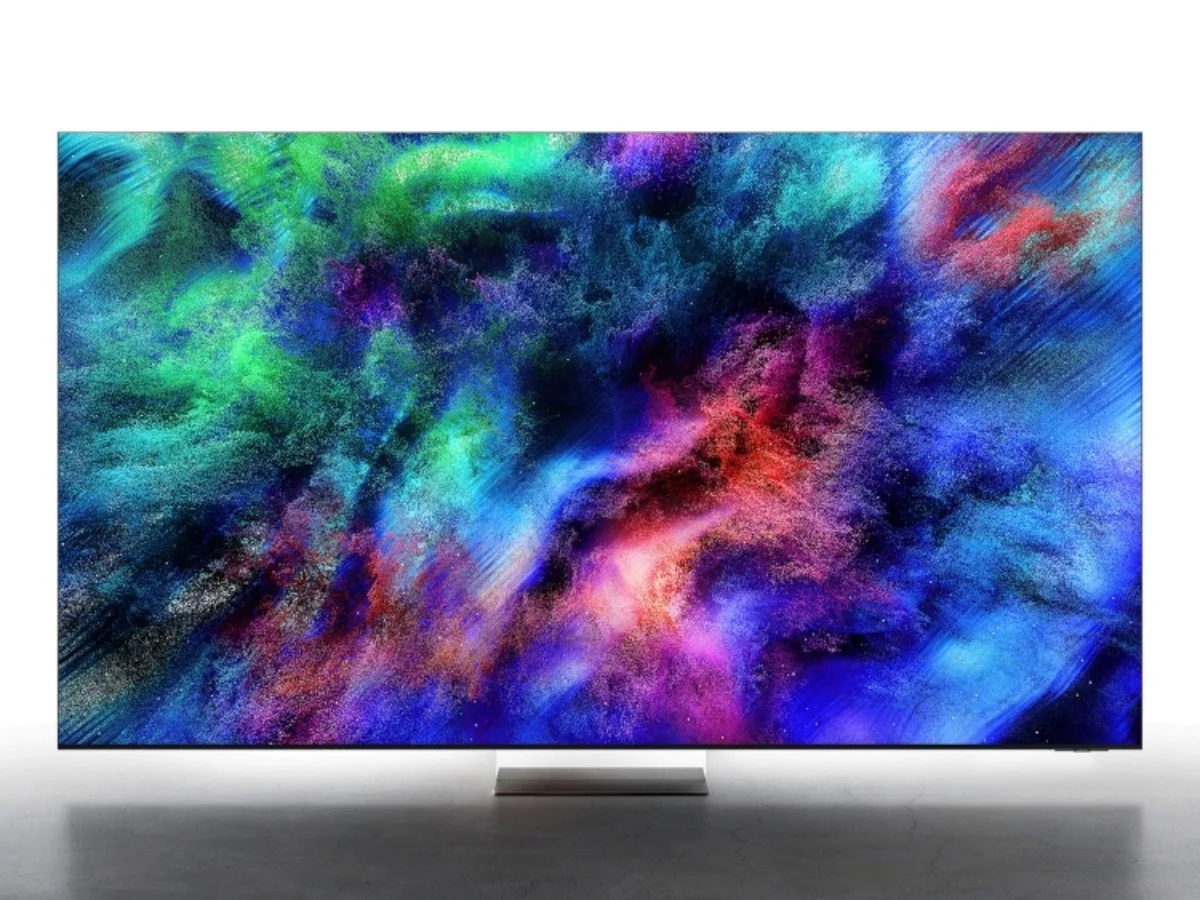
    1. Samsung plans to expand its Micro RGB TV lineup with new sizes for 2026, including 55-inch to 115-inch models.
    2. The Micro RGB display technology promises vivid colors and full BT.2020 color gamut coverage with improved sharpness and a glare-free finish.
    3. Upcoming features include a next-gen AI chipset, 4K AI Upscaling Pro, AI Motion Enhancer Pro, and Micro RGB Color Booster Pro.
    4. Enhanced audio capabilities will support Dolby Atmos, Adaptive Sound Pro, and the new Eclipsa Audio system.
    5. The 2026 Micro RGB TVs will be presented at CES 2026, with a premium pricing tag, starting from $29,999 for the 115-inch model.


    Samsung has disclosed plans to broaden its line of Micro RGB TVs, set to launch in 2026. The company introduced its first Micro RGB TV, the 115-inch Micro RGB Vision AI Smart TV, also known as the MR95 model, in August 2025.

    New Models Coming Soon

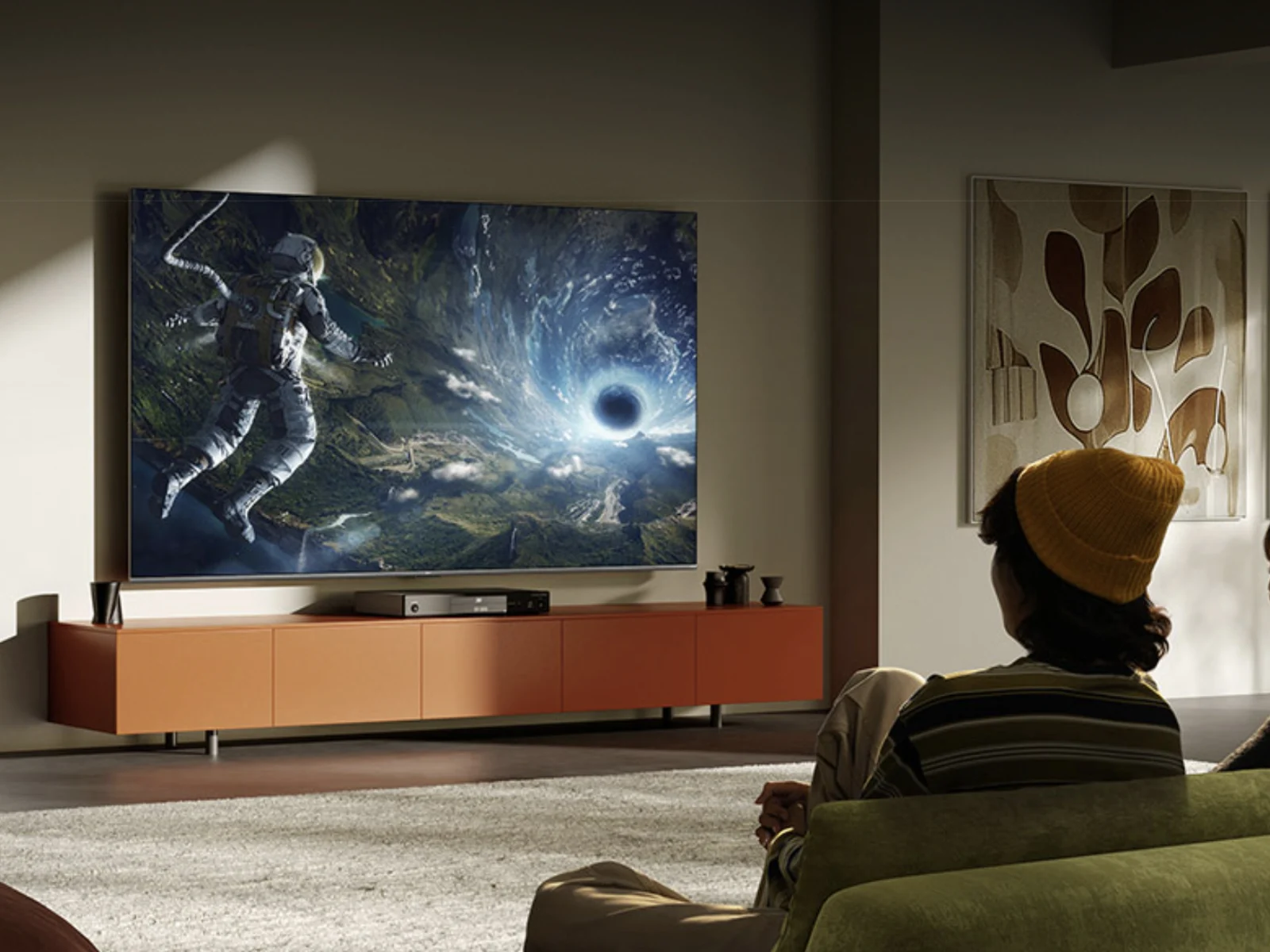
    The new Samsung Micro RGB TV collection for 2026 will feature sizes including 55-inch, 65-inch, 75-inch, 85-inch, 100-inch, and 115-inch. Each variant is expected to utilize the latest Micro RGB display technology, which promises vivid colors due to the use of red, green, and blue LEDs that measure under 100 μm. These televisions will achieve full coverage of the BT.2020 color gamut while also providing improved sharpness. Additionally, the glare-free finish is designed to enhance the viewing experience.

    Advanced Features Included

    Samsung’s upgraded Micro RGB TVs will incorporate the company’s “next-gen AI chipset.” The list of features includes 4K AI Upscaling Pro, AI Motion Enhancer Pro, and Micro RGB Color Booster Pro. Moreover, these TVs will be equipped with a Vision AI assistant, powered by a large language model (LLM), along with applications like Live Translate and Perplexity. Samsung has also highlighted enhanced audio capabilities, featuring support for Dolby Atmos, Adaptive Sound Pro, and the new spatial sound system called Eclipsa Audio.

    Upcoming Presentation at CES

    The 2026 Micro RGB TVs from Samsung will be showcased at CES 2026, starting on January 6th. While the company has not yet announced the pricing for the 2026 Micro RGB TVs, it has labeled them as “premium,” indicating a higher price range. For reference, the 115-inch Micro RGB Vision AI Smart TV is priced at $29,999, whereas the 115-inch Neo QLED 4K QN90F TV costs $26,999.99 (currently $26,884.48 on Amazon Marketplace).

    Source:
    Link


  • HKC M10 Ultra: First RGB Mini LED Gaming Monitor with Amazing Colors

    HKC M10 Ultra: First RGB Mini LED Gaming Monitor with Amazing Colors

    Key Takeaways

    1. HKC is set to launch the M10 Ultra, an RGB mini LED monitor, in 2026, potentially the first of its kind.
    2. The M10 Ultra features a 31.4-inch 4K display with a resolution of 3840 x 2160 pixels and a refresh rate of up to 165 Hz.
    3. It boasts impressive peak brightness levels of 1,600 nits and 1,000 nits at 100% APL.
    4. The monitor claims full DCI-P3 color gamut coverage and 98% coverage of the BT.2020 color space, aiming to set a new benchmark.
    5. The M10 Ultra includes 1,596 dimming zones, totaling 4,788 addressable zones across the RGB array.


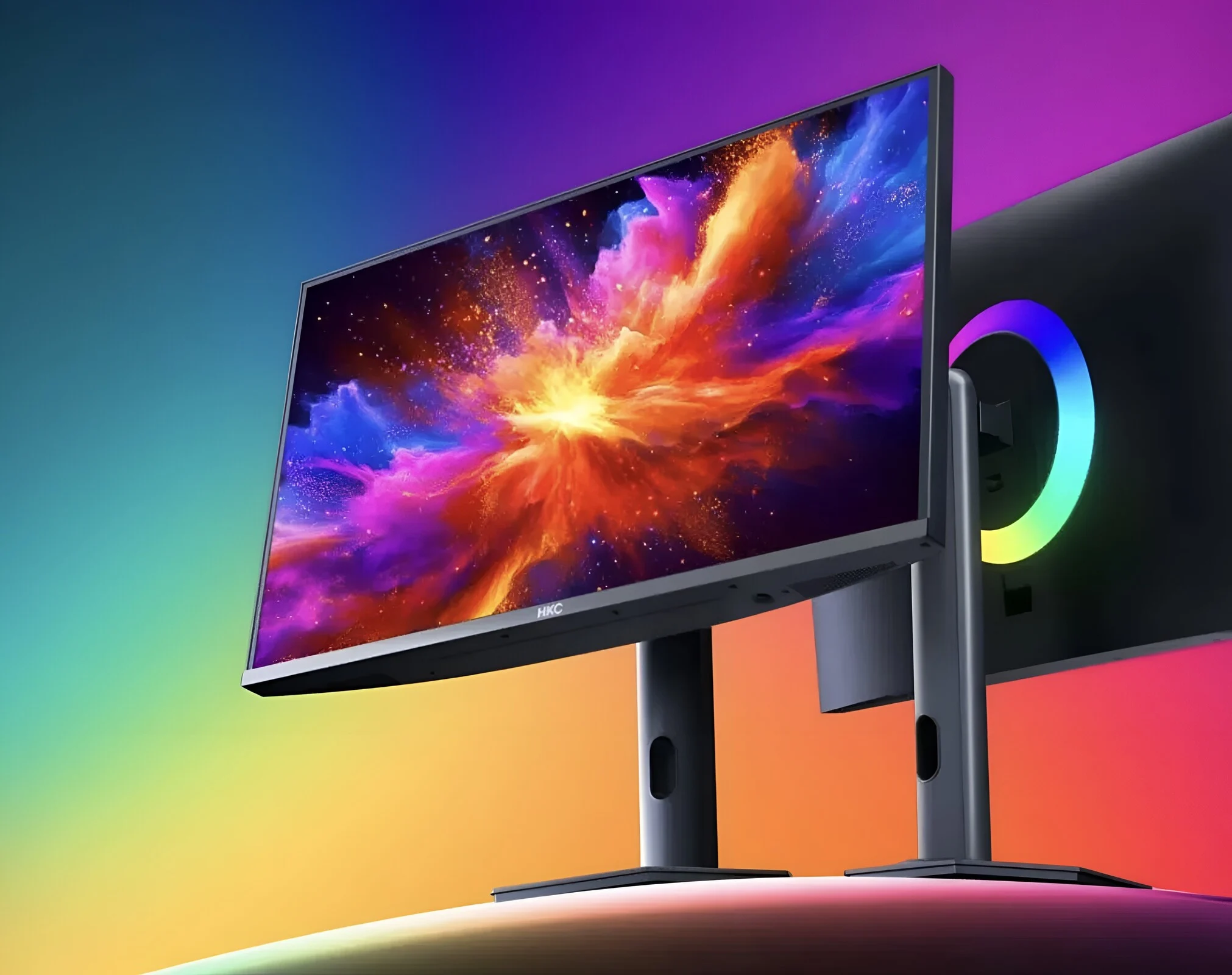
    HKC, a prominent display manufacturer in China, has revealed an exciting new product: an RGB mini LED monitor. Scheduled for release in 2026, the monitor is named the M10 Ultra and could be the first of its kind if HKC can successfully bring it to market.

    Innovations in LED Technology

    While mini LEDs have gained popularity, RGB mini LEDs are a completely different category. Unlike standard mini LEDs that only use blue or white, RGB mini LEDs incorporate separate red, green, and blue LEDs. This design enhances color precision, increases brightness, and improves contrast ratios. However, OLEDs will still outperform in several areas, including response times and overall contrast levels.

    Specifications of the M10 Ultra

    The HKC M10 Ultra features a 31.4-inch RGB mini LED display with a resolution of 3840 x 2160 pixels. It operates at 4K with a refresh rate of 165 Hz, and users can even double this rate by lowering the resolution to 1080p, thanks to the dual-mode functionality commonly seen today. HKC also boasts a peak brightness of 1,600 nits, while at a 100% APL, the peak brightness is stated to be 1,000 nits, which is indeed impressive.

    Color Gamut and Performance Claims

    HKC claims full coverage of the DCI-P3 color gamut, which is fairly standard for high-end monitors by 2025. However, what’s truly remarkable is the asserted 98% coverage of the BT.2020 color space. Whether HKC can achieve this figure remains to be seen, but if they do, it would set a new benchmark in its category. The monitor includes 1,596 dimming zones, translating to 4,788 addressable zones across the RGB array.

    Though details on pricing and availability are not provided, HKC has mentioned the monitor’s 2026 launch timeframe. For those needing a bright and color-accurate monitor sooner, the Asus ROG Swift PG27UCDM OLED monitor (currently priced at $1,100 on Amazon) may be a great alternative.

    Source:
    Link


  • New LG Micro RGB TVs Coming Soon: Flagship Models Revealed

    New LG Micro RGB TVs Coming Soon: Flagship Models Revealed

    Key Takeaways

    1. LG announced the Micro RGB evo MRGB95 TV, its first RGB model, to be showcased at CES 2026 in January.
    2. The MRGB95 features significant advancements over MiniLED technology, including enhanced Alpha 11 AI Processor Gen 3 with dual AI Engine.
    3. It will be available in three sizes: 75-inch, 86-inch, and 100-inch, each equipped with over 1,000 dimming zones for improved brightness and contrast.
    4. The TV boasts 100% color coverage of BT.2020, DCI-P3, and Adobe RGB color spaces, enhancing color accuracy.
    5. Additional features include webOS for streaming access, Voice ID, a customized home page, and an AI chatbot for user convenience.


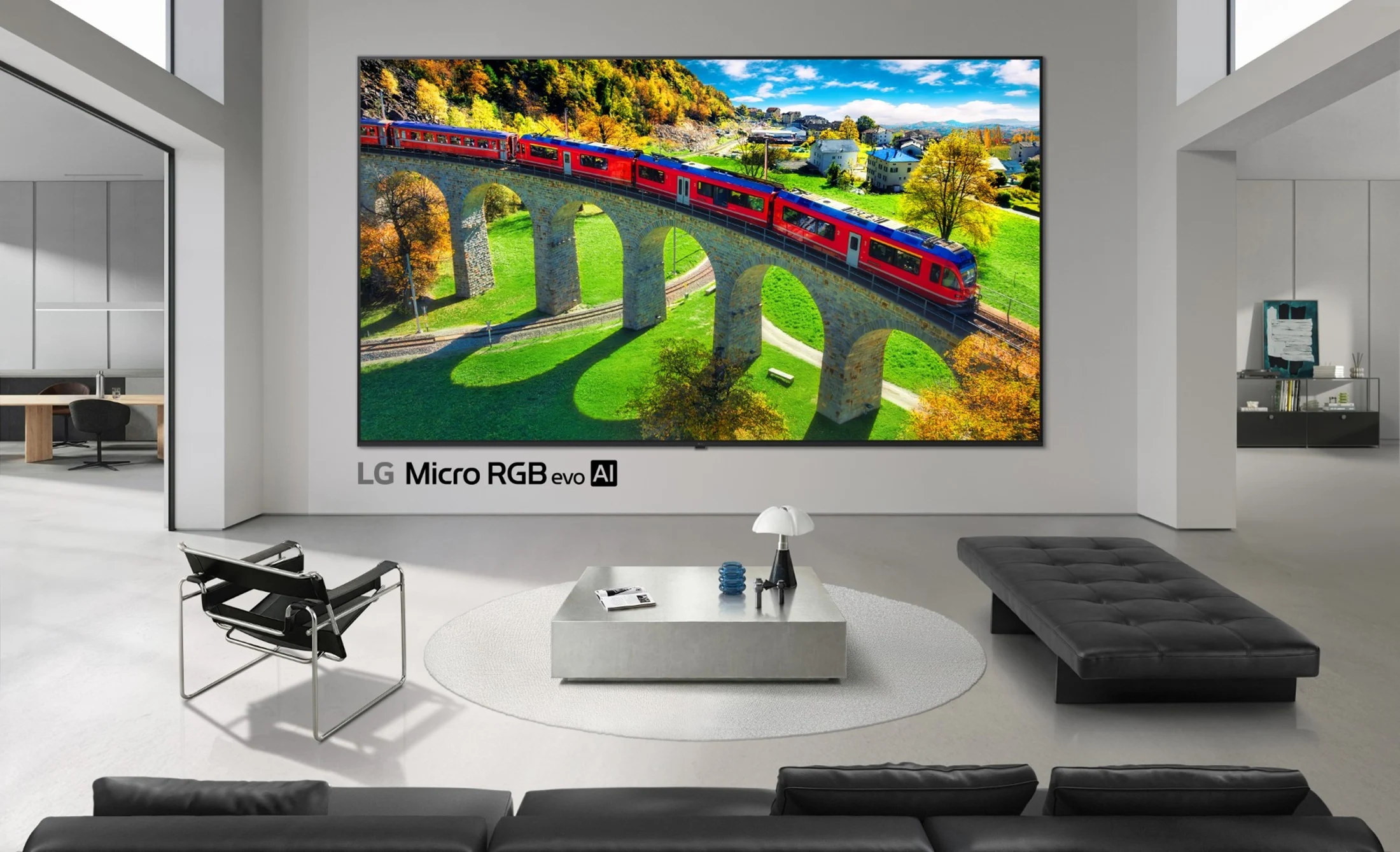
    LG has made a big announcement about its new Micro RGB evo MRGB95 TV. This TV will be showcased at CES 2026 in January, marking the brand’s very first RGB model. This news comes just weeks after other OLED and QNED models were found in official documents.

    Significant Advancements in Technology

    The flagship LG Micro RGB evo MRGB95 TV is referred to by the company as “a major leap forward” from its previous MiniLED technology. It will be offered in three sizes: 75-inch, 86-inch, and 100-inch. All sizes will feature the enhanced Alpha 11 AI Processor Gen 3, which is equipped with a dual AI Engine. Notable features include two types of upscaling that enhance sharpness.

    Impressive Color Coverage

    The MRGB95 is promoted with RGB Primary Color Ultra, boasting 100% coverage of the BT.2020, DCI-P3, and Adobe RGB color spaces. It’s stated that this model will have more than 1,000 dimming zones, thanks to the Micro Dimming Ultra feature, which improves brightness and contrast. Similar to previous models like the OLED evo C5 (65-inch currently priced at $1,396.99 on Amazon), it will operate on webOS, giving access to a variety of popular streaming platforms. Additional features include Voice ID, a customized home page, and an AI chatbot for user convenience.

    Upcoming Showcase at CES 2026

    The LG Micro RGB evo MRGB95 TV will be displayed at CES 2026, which kicks off on January 6th, 2026. More information about this flagship model, including its pricing details, is anticipated to be revealed during the event.

    Source:
    Link


  • LG TVs Introduce Unrequested Microsoft Copilot App Feature

    LG TVs Introduce Unrequested Microsoft Copilot App Feature

    Key Takeaways

    1. Major tech companies are rapidly integrating AI features into products, even when not necessary.
    2. LG TV users are frustrated with the new Microsoft Copilot app that cannot be fully uninstalled.
    3. The integration of Copilot in LG TVs was anticipated but lacks clear benefits for users.
    4. Competitors like Samsung are also adopting Microsoft’s AI assistant in their products.
    5. LG already offers its own AI services, raising questions about the motivation for integrating a rival AI.


    There has been a significant trend towards integrating AI into various products in recent years, with major technology companies racing to incorporate AI features into items that previously functioned perfectly well without them. Search engines are now focused on AI-generated summaries, smartphone makers are making vague claims about on-device intelligence, and Microsoft has even launched a new series of PCs featuring a special AI key. Just when it felt like your living room was safe from the buzz around generative AI, LG has begun incorporating Microsoft’s Copilot AI into its smart TVs.

    Unwanted Features

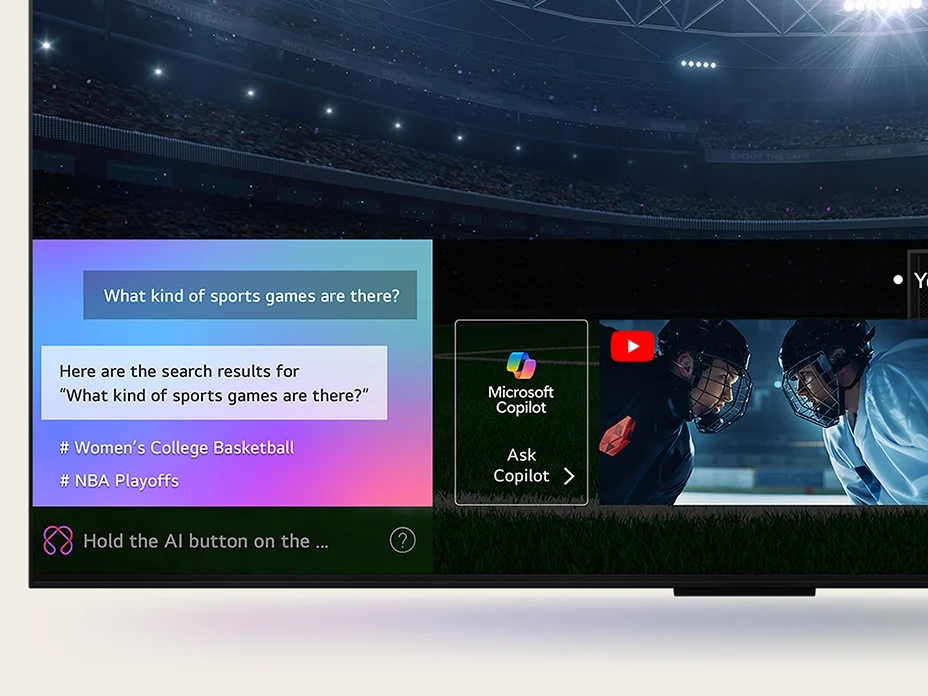
    According to several LG TV users, a recent update to WebOS has added a Microsoft Copilot app to the homescreen. Similar to other preinstalled system apps, this one can’t be fully deleted or uninstalled, leaving users with the option to only hide it. Many LG TV owners took to Reddit to express their annoyance, with a post in r/mildlyinfuriating receiving over 35,000 upvotes and numerous comments criticizing LG for adding yet another unnecessary app to an already cluttered smart TV interface.

    Expectations vs. Reality

    This development was somewhat anticipated. LG had announced at CES 2025 in January that it would integrate Microsoft Copilot, but they didn’t elaborate on how this would function or benefit users, only vaguely mentioning that it would help them “efficiently find and organize complex information using contextual cues.”

    Competitors Join the AI Craze

    LG isn’t alone in adopting Copilot; Samsung has already integrated Microsoft’s AI assistant into its 2025 TV models, which includes Micro RGB, OLED, The Frame Pro, and The Frame series, along with the M7, M8, and M9 monitors.

    Currently, the Copilot app on LG TVs offers limited functionality, mainly directing users to the web version of Copilot. The anticipated deeper integration that would provide context-aware recommendations has yet to materialize, and users were not particularly asking for it in the first place. It’s likely that this will continue to be the case.

    LG’s Own AI Services

    LG already has a range of its own AI offerings, such as an AI chatbot, AI Voice ID, and AI Concierge, which makes it seem unlikely that they would prioritize a rival AI service over their own. This situation raises questions about the motivation behind this integration, suggesting that it might be aimed at boosting Microsoft’s growth metrics through undisclosed agreements.

    Source:
    Link


  • KYY Launches X90E 15.6″ Triple Portable Monitor with IPS Display

    KYY Launches X90E 15.6″ Triple Portable Monitor with IPS Display

    Key Takeaways

    1. KYY has launched the X90E, a 15.6-inch triple portable monitor designed for professionals, travelers, content creators, students, and remote workers.
    2. The monitor features dual IPS panels with a resolution of 1920 x 1080, 260 nits peak brightness, and a 178° wide viewing angle.
    3. It includes multiple display modes (extended, mirror, portrait, single second screen, and preset) to suit different work styles.
    4. The X90E requires only a single USB-C cable for operation and does not have DisplayHDR True Black 400 certification or support for Nvidia G-Sync/AMD FreeSync.
    5. The retail price for the KYY X90E is $299, available for purchase on Amazon and KYY’s official website.


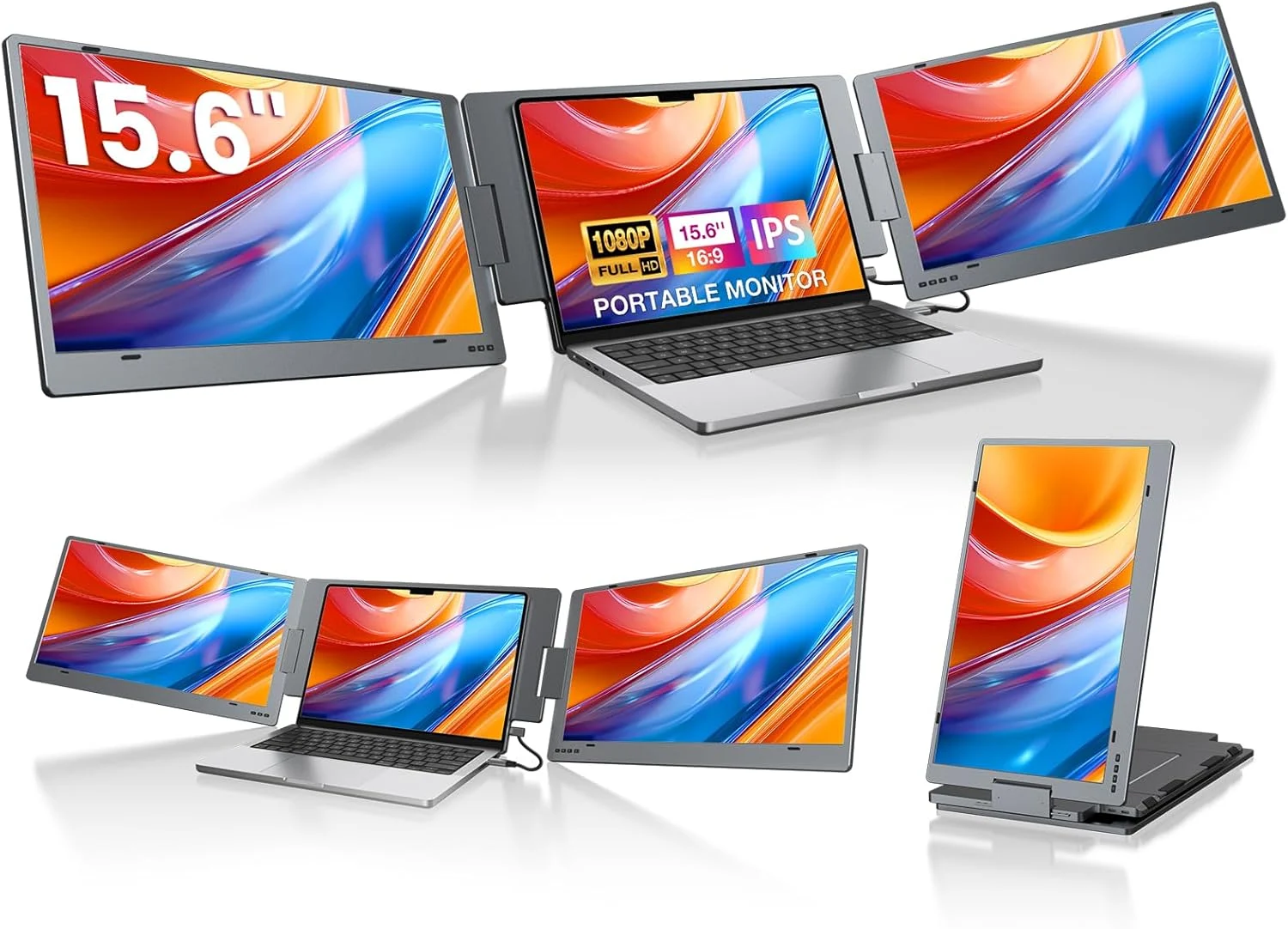
    KYY has introduced its latest product, the X90E, a 15.6-inch triple portable monitor, to the worldwide market. This new device is aimed at an array of users including professionals, travelers, content creators, students, and those who work remotely. It features a dual-screen setup with each screen boasting an IPS panel that provides a resolution of 1920 x 1080 (FHD), a peak brightness of 260 nits, and a refresh rate of 60 Hz.

    Display Features

    The IPS panels cover 85% of the sRGB color space and have an impressive 178° wide viewing angle. Additionally, the monitor is equipped with a built-in kickstand that can adjust from 0° to 90°. Users have the flexibility to rotate each screen up to 210°, making it easier to share presentations or other content with team members. It’s worth noting that this triple-screen setup is compatible only with Windows operating systems.

    Functionality and Modes

    One of the standout features of the X90E is its variety of display modes, which include extended mode, mirror mode, portrait mode, single second screen mode, and preset mode. Each of these modes serves a unique purpose, allowing users to select the one that best fits their work style. For instance, as mentioned in KYY’s announcement, the portrait mode is ideal for coding tasks, the mirror mode is best for presentations, and the extended mode enables the use of all three screens individually.

    Comparisons and Pricing

    In contrast to the ViewSonic VX14P1-3K OLED portable monitor, this model does not hold a DisplayHDR True Black 400 certification. Additionally, it lacks support for Nvidia G-Sync or AMD FreeSync. Interestingly, the X90E requires just a single USB-C to USB-C cable to operate both screens simultaneously, thanks to its efficient plug-and-play design.

    Regarding cost, the KYY X90E triple portable monitor retails for $299. Those interested in acquiring this monitor can find it available for purchase on Amazon. For further information, please visit KYY’s official website.

  • Xiaomi Unveils Three Mini LED Smart TVs with 288 Hz Gaming Mode

    Xiaomi Unveils Three Mini LED Smart TVs with 288 Hz Gaming Mode

    Key Takeaways

    1. Xiaomi has expanded its Redmi TV X series with new models, including 55-inch, 65-inch, and 75-inch sizes, in addition to the original 85-inch version.
    2. Pricing for the new models starts at CNY 2,499 (around $355), with the 65-inch and 75-inch models priced at CNY 2,999 (approximately $425) and CNY 3,799 (around $538), respectively.
    3. All models support 4K native resolutions and feature a 144 Hz refresh rate, with different Mini LED backlight dimming zones for each size.
    4. The new TVs include a 288 Hz game mode, but this mode reduces the resolution to 1080p; they also offer peak brightness of up to 1,200 nits with varying local dimming zones.
    5. Each model is equipped with dual 15 W speakers, WiFi 6, and multiple HDMI 2.1 ports, but it’s uncertain if they will be available outside China.


    Xiaomi has made a low-key update to its Redmi TV X series with the introduction of new models. Initially revealed in September, the Redmi TV X 2026 only included an 85-inch version. Now, this fall, Xiaomi has broadened the lineup to feature three additional smaller sizes.

    New Sizes and Pricing

    The company is now providing 55-inch, 65-inch, and 75-inch options, starting from CNY 2,499 (around $355). Although these new Smart TVs belong to the same series, they each have distinct Mini LED backlight dimming zone volumes. Regardless, all versions support 4K native resolutions paired with 144 Hz refresh rates.

    Gaming Features

    In addition, the new Redmi TV X 2026 models come equipped with a 288 Hz game mode, similar to the larger 85-inch version. However, enabling this mode reduces their resolution to 1080p. Xiaomi has outfitted the 55-inch, 65-inch, and 75-inch Smart TVs with 308, 384, and 512 local dimming zones, respectively, allowing for peak brightness of up to 1,200 nits.

    Audio and Connectivity

    Furthermore, the three models are equipped with dual 15 W speakers, WiFi 6 capabilities, and various ports, including several HDMI 2.1 connections. Currently, the pricing for the 65-inch and 75-inch variants is CNY 2,999 (approximately $425) and CNY 3,799 (around $538), respectively. However, it’s still unclear whether Xiaomi intends to release these new Mini LED Smart TVs outside of China, similar to its office and gaming monitors.

    Source:
    Link


  • Corsair Xeneon Edge Ultrawide Display Launches Two New Models

    Corsair Xeneon Edge Ultrawide Display Launches Two New Models

    Key Takeaways

    1. The Xeneon Edge was announced in January but did not become available until late August, contrasting with Corsair’s earlier EX400U SSDs.
    2. New White and Atomic Purple variants of the Xeneon Edge have been released, featuring the same hardware as the original model.
    3. The Xeneon Edge variants are designed for use on a desk or inside a PC, as opposed to being limited to a 360 mm radiator.
    4. Both new models feature AHVA panels with a resolution of 2,560 x 720 pixels and a 32:9 aspect ratio, with a peak brightness of 350 nits and a 60 Hz refresh rate.
    5. The new Xeneon Edge variants are priced at $249.99 and are expected to start shipping between December 20 and December 23.


    The Xeneon Edge took quite a long time to hit the market. It was announced back in January, shortly after Corsair’s EX400U SSDs, which became available right away (currently priced at $128 on Amazon). In contrast, Corsair didn’t start selling the Xeneon Edge until the end of August on its own website.

    New Variants Released

    Interestingly, the original Xeneon Edge is still marked as ‘coming soon’ at B&H Photo Video. However, Corsair has chosen to update its ultrawide secondary display by introducing new White and Atomic Purple versions. Essentially, these new models have the same hardware as the first version and can be utilized on a desk or inside a PC instead of being limited to a 360 mm radiator.

    Specs and Pricing Details

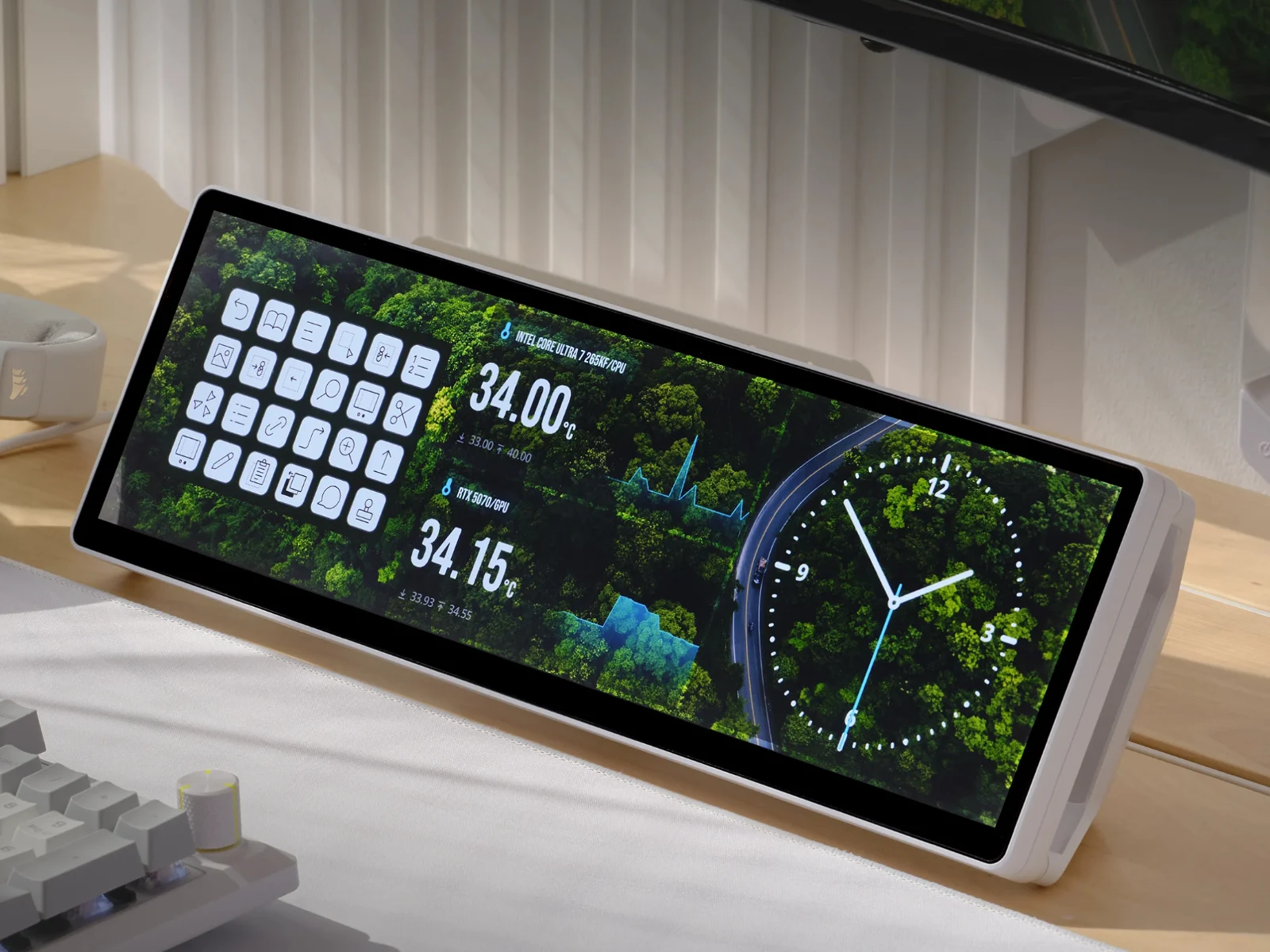
    Both the White and Atomic Purple models come with AHVA panels that have a resolution of 2,560 x 720 pixels and a 32:9 aspect ratio, measuring 14.5 inches diagonally. They provide a peak brightness of up to 350 nits, but the refresh rate is only 60 Hz, and they support a 5-point touchscreen. Right now, the new Xeneon Edge variants are priced at $249.99, which is the same as the initial model. Corsair’s website states that these new variants should start shipping between December 20 and December 23. For more information, check out the company’s official site.

    Source:
    Link


  • Apple Studio Display 2 Leaks: 3 Major Upgrades Revealed

    Apple Studio Display 2 Leaks: 3 Major Upgrades Revealed

    Key Takeaways

    1. The current Apple Studio Display has a resolution of 5120 x 2880 pixels and a brightness of 600 nits, but its 60Hz refresh rate is becoming outdated for its price.
    2. The upcoming Apple Studio Display 2, codenamed “J527,” is expected to feature a refresh rate upgrade to 120Hz with ProMotion technology.
    3. The new model will support HDR content and is likely to include a mini-LED backlight for improved brightness and contrast.
    4. It will be powered by the new Apple A19 chipset, replacing the older A13, although new functionalities are still uncertain.
    5. The anticipated release date for the Apple Studio Display 2 is in the first half of 2026.


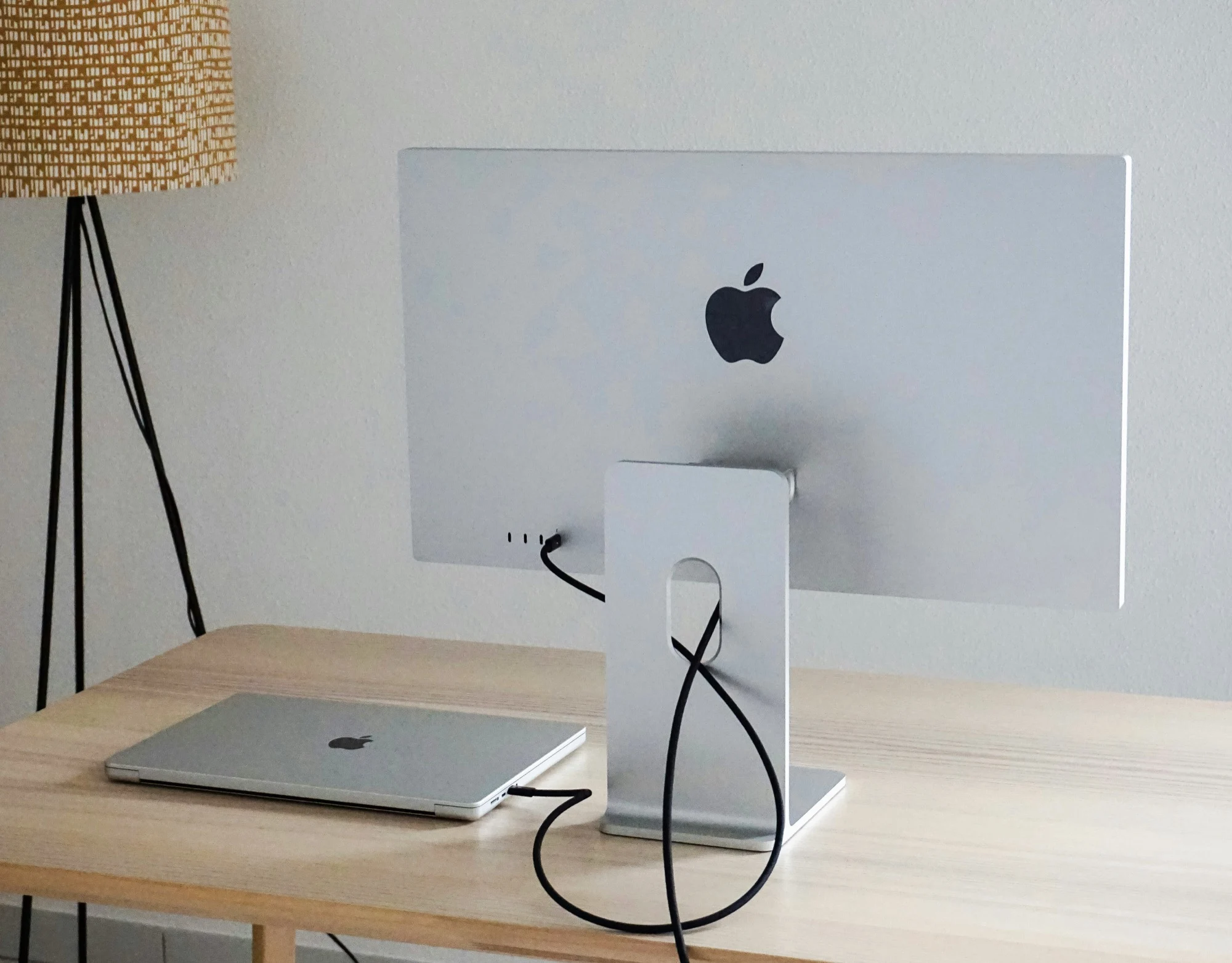
    The Apple Studio Display, which starts at $1,368 on Amazon, will turn four years old in March. This 27-inch monitor still has a stunning resolution of 5120 x 2880 pixels and a respectable brightness of 600 nits. However, its 60Hz refresh rate is starting to fall behind, especially given its high price.

    Upcoming Features

    Recently, Macworld discovered specific details about the next version of the Apple Studio Display in an internal iOS 26 beta. This new monitor, codenamed “J527,” is set to receive at least three significant upgrades. First, Apple is anticipated to increase the refresh rate from 60Hz to 120Hz. Thanks to ProMotion technology, the display can adjust the frame rate dynamically to match whatever is being shown.

    Enhanced Visuals

    In addition, the new monitor will be capable of supporting HDR content, which strongly suggests that the Apple Studio Display 2 will come with a mini-LED backlight. This type of backlighting enables the Apple Pro Display XDR and MacBook Pro to achieve a consistent full-screen brightness of 1,000 nits and a peak HDR brightness of 1,600 nits. Mini LEDs can generally be dimmed in hundreds of zones, enhancing the contrast ratio and producing deeper blacks.

    New Processing Power

    The third key upgrade is the introduction of the Apple A19 chipset, which will replace the Apple A13 from the earlier model. It’s still unclear if this enhanced processor will introduce new functionalities. Regardless, the launch of the new Apple Studio Display 2 is expected in the first half of 2026.

    Source:
    Link