Category: TV / Monitor

  • UColor 19 Apex: 19″ 4K QLED Portable Monitor with 144Hz Refresh Rate

    UColor 19 Apex: 19″ 4K QLED Portable Monitor with 144Hz Refresh Rate

    Key Takeaways

    1. 19-inch portable monitor with 3,840 x 2,160 resolution and 144 Hz refresh rate, ideal for gaming.
    2. QLED display covers the full sRGB color spectrum with a brightness level of 500 cd/m².
    3. Lightweight design at around one kilogram and thin profile of approximately 7 millimeters.
    4. Includes a kickstand for easy setup; can also be mounted on a VESA mount.
    5. Connectivity via USB-C for power and image, with an additional Mini HDMI option available.


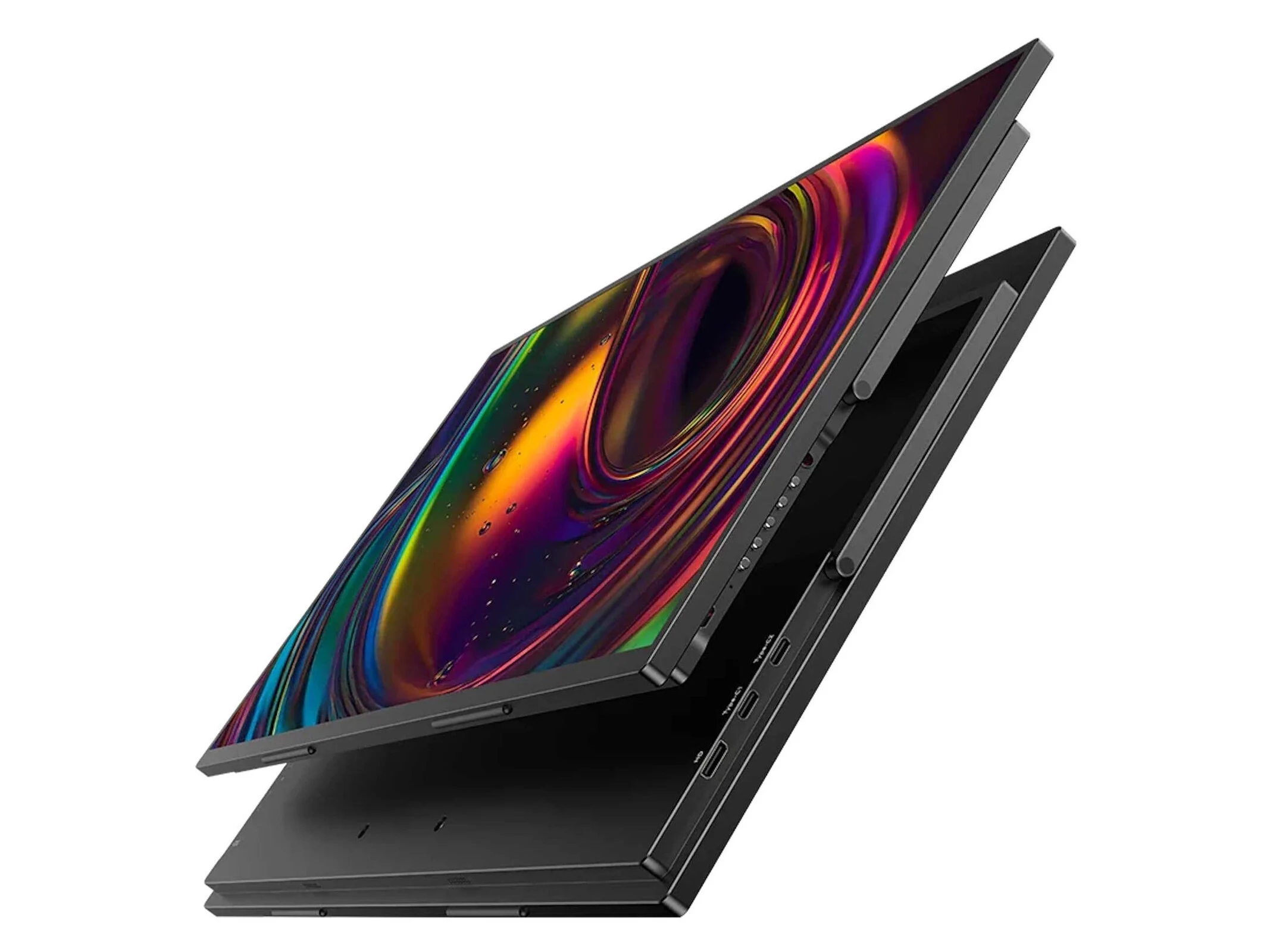
    The UColor 19 Apex is a newly released portable monitor from Uperfect that serves many functions. With a resolution of 3,840 x 2,160 and a 19-inch screen diagonal, it allows users to run various applications at once on its fairly expansive display. This monitor is also suitable for gaming, featuring a refresh rate of 144 Hz and a response time of under one millisecond, making it a good match for gaming PCs, consoles, or gaming laptops.

    Display Features

    Available directly from the maker, this QLED monitor claims to cover the whole sRGB color spectrum. It boasts a brightness level of 500 cd/m², which is adequate for indoor settings. The weight is around one kilogram, and its thickness is approximately 7 millimeters. A kickstand comes included, which removes the necessity for an extra stand. Additionally, it can be mounted on a VESA mount if desired.

    Connectivity Options

    The UColor 19 Apex can function with just a single cable, whether connected to a PC or laptop, as long as both image output and power supply are supported through USB-C. There is also a Mini HDMI option available; however, this will require an additional cable for power.

    Amazon

    Source:
    Link


  • Samsung Unveils Ultimate QD-OLED Monitors for Office and Gaming

    Samsung Unveils Ultimate QD-OLED Monitors for Office and Gaming

    Key Takeaways

    1. Samsung’s new monitor features QD-OLED technology with a 360 Hz refresh rate and a 0.03 ms response time, making it suitable for both office tasks and gaming.
    2. The monitor uses a unique vertical stripe pixel layout (V-Stripe) that improves text readability and image clarity, ideal for document editing and content creation.
    3. Samsung will showcase the V-Stripe panels at the 2026 CES expo, with orders already placed by companies like Asus, Gigabyte, and MSI.
    4. The company has addressed overheating and power usage issues in the new monitor design, achieving a peak brightness of 1300 nits.
    5. The monitor’s new 21:9 aspect ratio offers more horizontal pixels, enhancing the viewing experience while still managing power demands and refresh timing challenges.


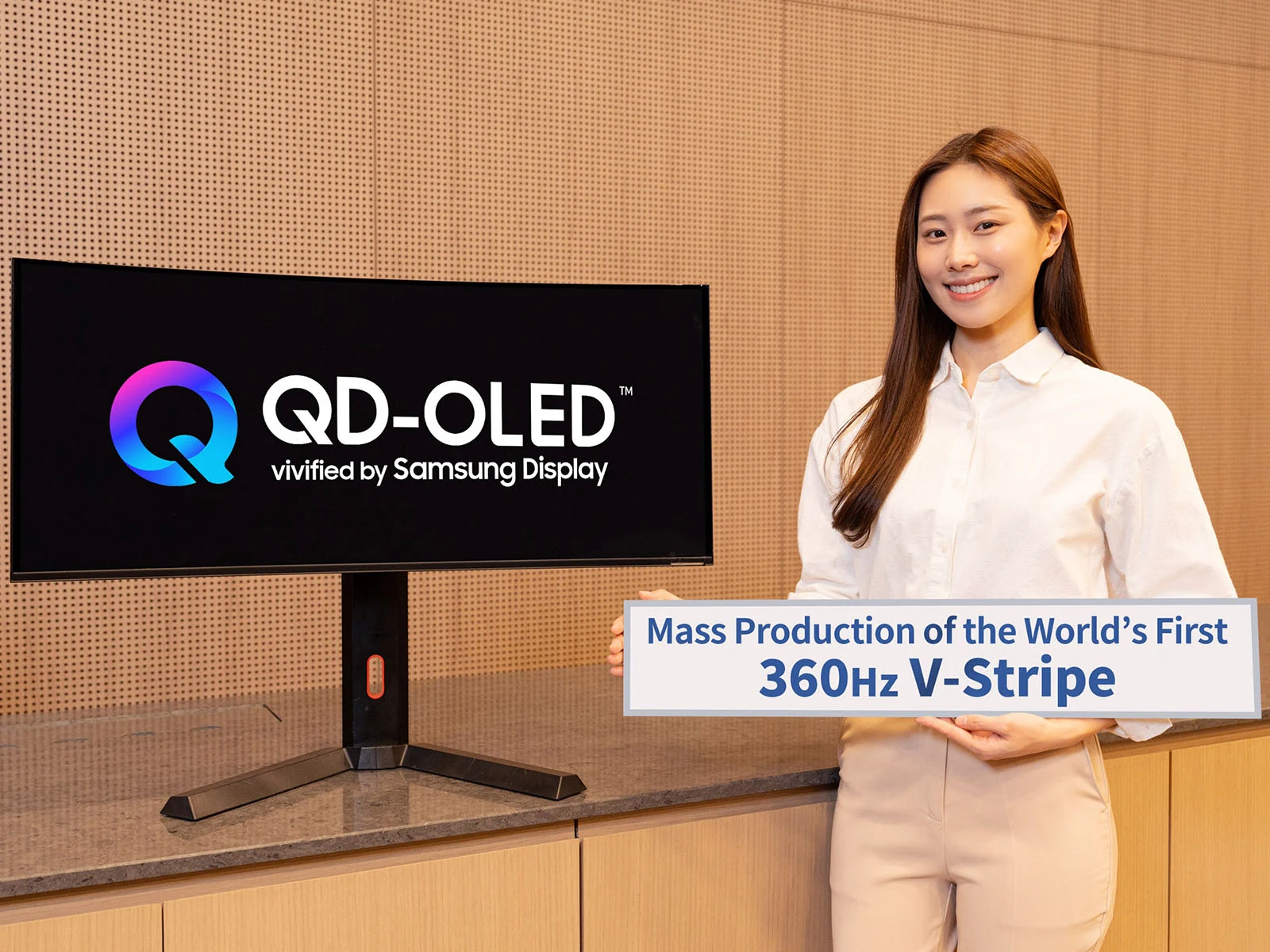
    Samsung has designed a monitor that could be the ultimate choice for office tasks, featuring vibrant QD-OLED technology along with an impressive 360 Hz refresh rate and a lightning-fast 0.03 ms response time, making it a great option for gaming as well.

    Cutting-Edge Technology

    This monitor is the first of its kind to use a QD-OLED panel with such a rapid refresh rate, utilizing a vertical stripe pixel layout (V-Stripe). This arrangement enhances the readability of text by creating sharper edges, making it ideal for office work like document editing, programming, or even just reading. It’s also beneficial for content creators due to the clearer, more precise images.

    Upcoming Showcase

    At the 2026 CES expo, which kicks off on January 6 in Las Vegas, Samsung will present these innovative V-Stripe panels, which have already been ordered by companies such as Asus, Gigabyte, and MSI.

    Overcoming Challenges

    Samsung has successfully tackled the issues of overheating and increased power usage associated with the new vertical subpixel configuration by “improving organic material efficiency and optimizing design” of the QD-OLED tech. This advancement allows for a peak brightness of 1300 nits, surpassing the current 33% discounted Odyssey G7 QD-OLED monitor available on Amazon.

    The conventional subpixel layout in bright Quantum Dot screens has an RGB “triangle,” leading to blurred character edges and halo artifacts that can be hard on the eyes, especially for those who spend long hours editing documents or coding. With the new vertical arrangement, red is the longest subpixel, followed by a shorter green, and an even shorter blue, resulting in crisper text.

    Aspect Ratio Benefits

    Additionally, the introduction of a new 21:9 aspect ratio with the V-Stripe monitor panels brings more horizontal pixels compared to the older 16:9 models. This change has led to increased power demands and posed further challenges in synchronizing the refresh timing between the left and right sides, which Samsung has addressed through matrix design optimizations and the use of newer, more energy-efficient organic diode materials.

    Samsung has stated that its advanced QD-OLED technology has allowed it to secure 75% of the OLED monitor market share, although final figures have yet to be revealed. It will be interesting to see what Asus, MSI, Gigabyte, and other monitor manufacturers will announce at CES 2026, but Samsung confirms that mass production of its sharp V-Stripe QD-OLED panels with 360 Hz refresh has already commenced.

    Source:
    Link



  • Abeye Launches Lexilens Monitor to Aid Dyslexic Readers

    Abeye Launches Lexilens Monitor to Aid Dyslexic Readers

    Key Takeaways

    1. Abeye’s Lexilens monitor is a 23.8-inch FHD display designed to help individuals with dyslexia read on-screen texts by reducing visual distortions.
    2. Key specifications include a brightness of 350 cd/m2, a contrast ratio of 3000 to 1, a refresh rate of 144 Hz, and a response time of less than 3 ms.
    3. Dyslexia affects visual processing, causing difficulties like mirrored text and erratic eye fixation, which the Lexilens aims to address.
    4. Ambient noise significantly impacts reading comprehension for dyslexic individuals, with 52 dB noise levels hindering understanding.
    5. The monitor employs pulse-width modulation to minimize mirroring effects, potentially improving reading ease in noisy environments.


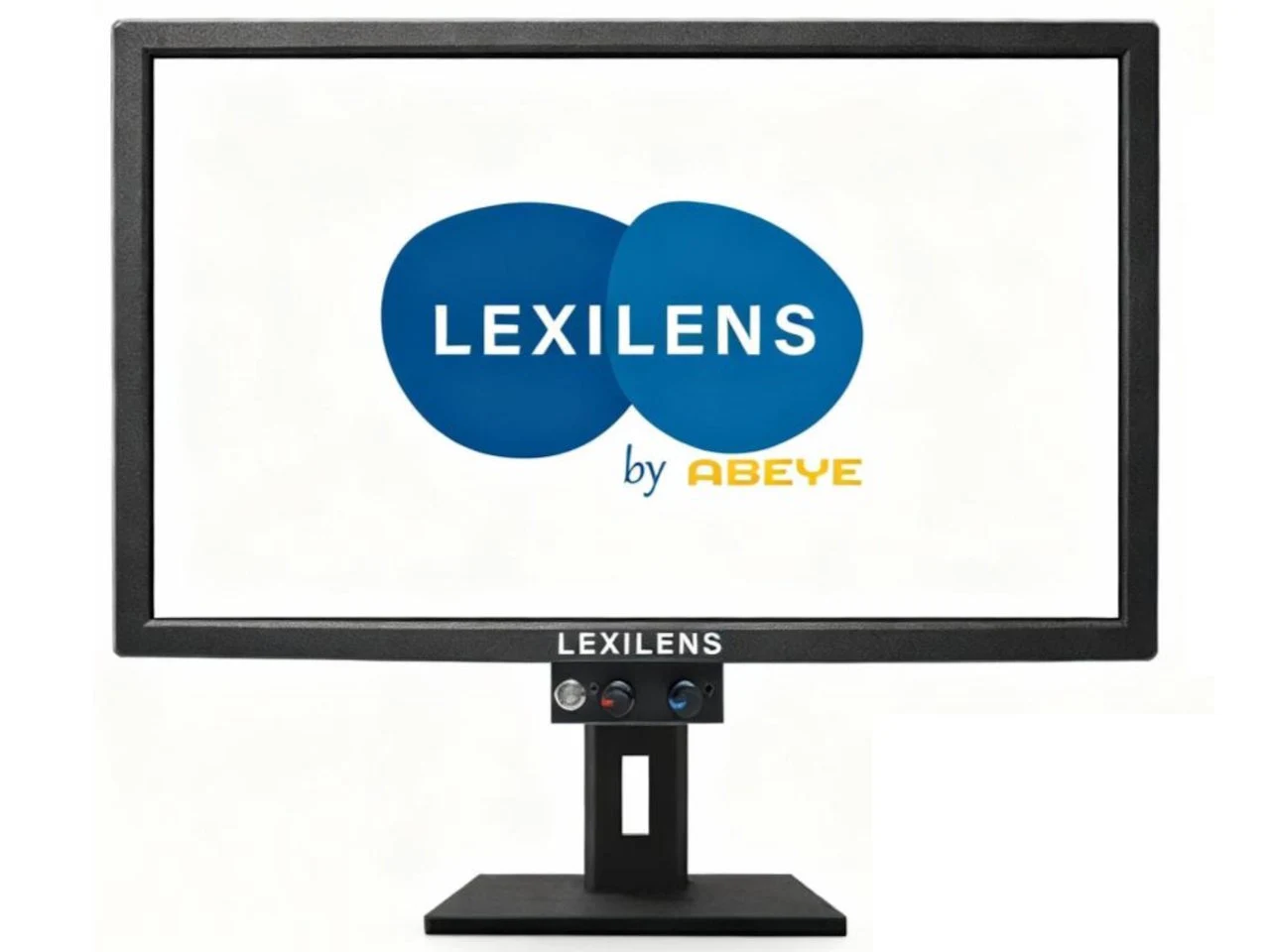
    Abeye has introduced the Lexilens monitor, a 23.8-inch FHD (1,920 x 1,080) IPS display aimed at helping individuals with dyslexia read on-screen texts more easily by minimizing visual distortions. The product will be featured at CES 2026, although details regarding price and availability remains undisclosed.

    Monitor Specifications

    This monitor boasts a brightness of 350 cd/m2, a 3000 to 1 contrast ratio, a refresh rate of 144 Hz, and a response time of less than 3 ms. The Lexilens display builds on the earlier Lexilens eyewear released by Abeye, which also targeted the same challenges faced by dyslexics when reading printed materials.

    Understanding Dyslexia

    People with dyslexia experience unique physical differences in their visual systems that lead to mirror images of text and other visual distortions, making it hard for them to accurately track lines of text and read words. One key distinction is in their Maxwell’s centroids, a part of the retina where the clearest vision happens. In typical individuals, the centroid of the dominant eye is circular, while the other eye tends to be oval.

    While the science behind this is not fully known, the differences in Maxwell’s centroids help the brain recognize text seen by both eyes since their afterimages are different. In contrast, dyslexics see mirrored text. Moreover, while eye fixation tends to be linear and stable in normal readers, it tends to be erratic for those with dyslexia, prolonging the time it takes to read and understand sentences.

    Impact of Ambient Noise

    Furthermore, the levels of ambient noise can greatly hinder one’s ability to focus on text while reading and can scatter eye fixation. Regular readers are indeed affected by noise, but dyslexics struggle even more with it. Research indicates that a quiet ambient noise level of 52 dB can completely hinder a dyslexic person’s comprehension of text.

    The Abeye Lexilens utilizes pulse-width modulation for its LCD backlight to counteract the mirroring effect of text, essentially resetting the visual system similar to how Panasonic HDTVs with Motion Flow technology operate, by showing a black screen between each video frame. Though more studies are necessary to clarify exactly how pulsed displays function, Abeye claims that the Lexilens monitor can facilitate easier reading of digital text for dyslexic individuals, even in noisy settings.

    Source:
    Link


  • LG Launches Gallery TV to Compete with Samsung Frame TV

    LG Launches Gallery TV to Compete with Samsung Frame TV

    Key Takeaways

    1. LG has launched the Gallery TV, its first major entry into the frame-style TV market, competing with brands like Samsung, TCL, Skyworth, and Hisense.
    2. The Gallery TV features a 4K Mini LED panel instead of OLED technology, which helps prevent burn-in from static images.
    3. The TV includes customizable magnetic frames, with a standard white frame and additional wood-style options available for purchase.
    4. Users can access over 4,500 images on the Gallery+ platform and upload personal images, but a subscription is required for the full library.
    5. The built-in light sensor adjusts brightness and color output based on surrounding light to enhance the display of artworks.


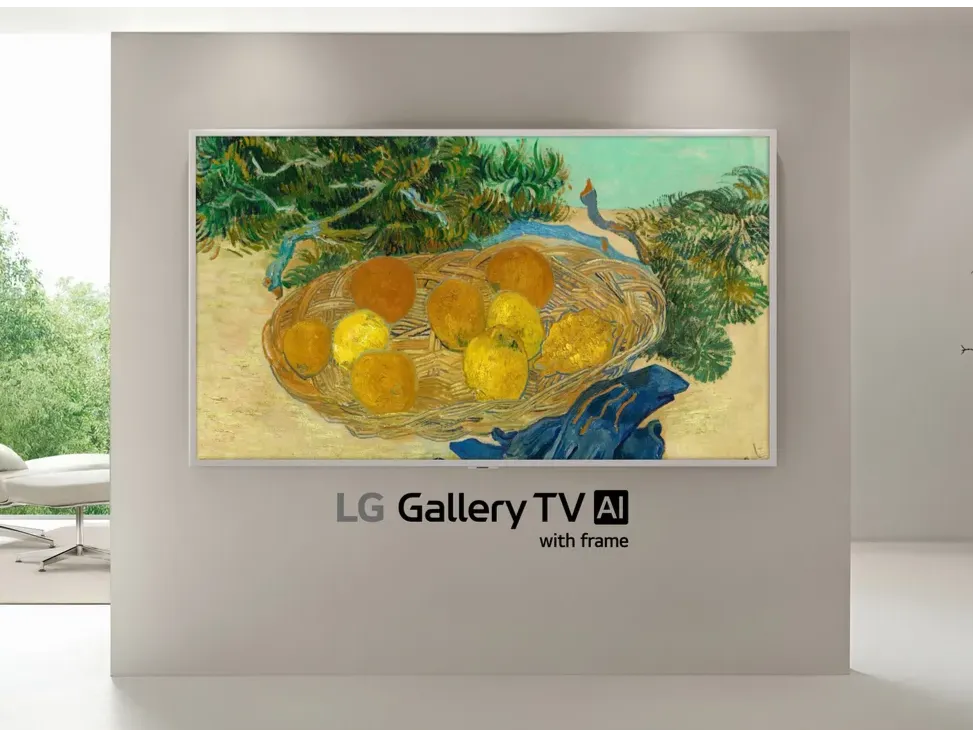
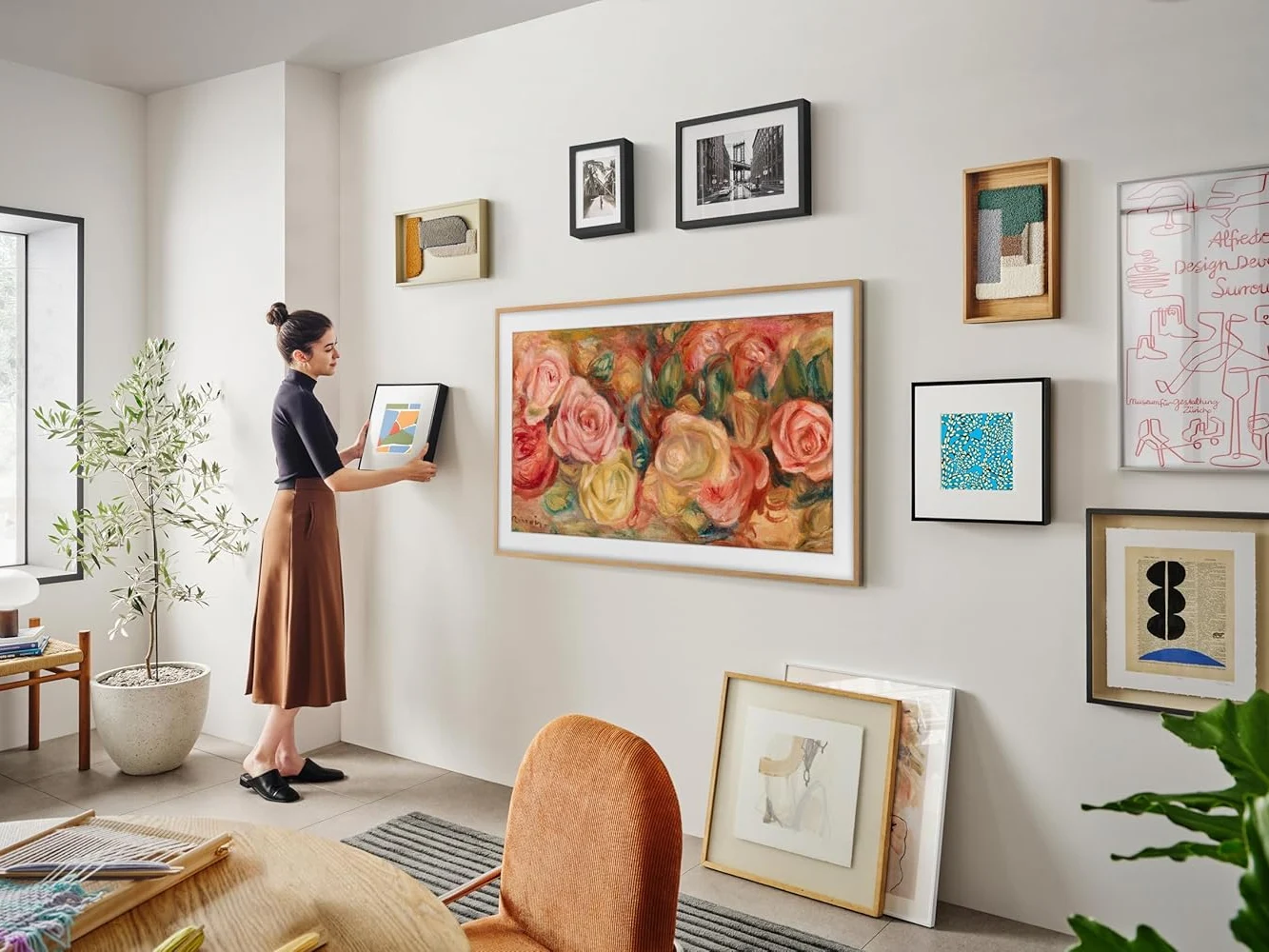
    The rise of frame-style TVs has caught the attention of LG, who recently unveiled the Gallery TV as their first significant foray into this market. With this move, LG joins the ranks of four other major brands—Samsung, TCL, Skyworth, and Hisense—that have been producing frame-style TVs for several years. Consumers will have the option to buy the LG Gallery TV in 55-inch and 65-inch variants, both featuring a 4K Mini LED panel instead of the OLED technology that LG is best known for.

    A Different Approach to Display Technology

    It’s easy to confuse this new TV with LG’s previous G Series OLED models, which also featured the Gallery name until recently. LG chose to utilize Mini LED for this particular model because it manages static images for extended durations without the risk of burn-in that OLED screens can sometimes suffer from. The company highlights that the panel has a unique surface treatment that minimizes glare and reflections, an important feature for a display designed to be visible all day long in various lighting conditions.

    Customizable and Versatile Design

    The Gallery TV includes magnetic and interchangeable frames. A standard white frame comes included in the package, while different wood-style frames are available separately based on the region. This TV operates on the Gallery+ platform, giving users access to over 4,500 images, which include artwork, photography, and cinematic scenes.

    Users have the option to upload personal images or select from the generative AI visuals provided. To access the entire library, a subscription is necessary, although a limited selection is available for free, similar to what Samsung offers with its Art Store. Additionally, the built-in light sensor adjusts the brightness and color output according to the surrounding light, aiming to portray the texture and tone of original artworks as closely as possible. LG has not disclosed the pricing or availability by region for the Gallery TV, but further information is anticipated to be revealed following the company’s CES presentation.

    Source:
    Link


  • Google Photos Launches on Samsung Smart TVs First, Others Soon

    Google Photos Launches on Samsung Smart TVs First, Others Soon

    Key Takeaways

    1. Samsung plans to integrate Google Photos into its Tizen smart TVs starting in 2026.
    2. Users will be able to display photos from their smartphones on their TVs, organized by categories like people and places.
    3. The integration will feature options like Daily+ and Daily Board for showcasing photos.
    4. Users need to log into their Google Account to access their photos on the TV.
    5. The rollout will occur in three stages, beginning with new TVs in 2026 and extending to older models through OS updates.


    Despite the many smart TVs that run on Android TV or Google TV, none currently feature Google Photos, except for its screensaver integration. However, this may soon change. Samsung has made it known that its smart TVs, which run on Tizen, are set to include Google Photos in 2026.

    Samsung’s Plans for Google Photos

    In a recent announcement, the electronics company confirmed its efforts to integrate Google Photos into Samsung TVs, enabling users to experience their cherished memories on a bigger screen. This feature will allow users to effortlessly display photos taken on their smartphones right on their TVs. The photos will be organized by various categories like people, places, and special moments.

    Deep Integration with Samsung TVs

    The plan is for a robust integration of photos with Samsung TVs, meaning users will see their pictures showcased through features like Daily+ and Daily Board. Reports indicate that activating this feature will simply require users to log into their Google Account. Once logged in, their photos will show up on the TV without delay.

    According to Samsung, the rollout of Google Photos will happen in three stages:

    Rollout Timeline

    The new feature is expected to first appear on TVs that are released in 2026, while older models will gain access “following the OS update schedule.” It’s important to note that users will also need a Google account and ensure that their photos and videos are backed up.

    Source:
    Link


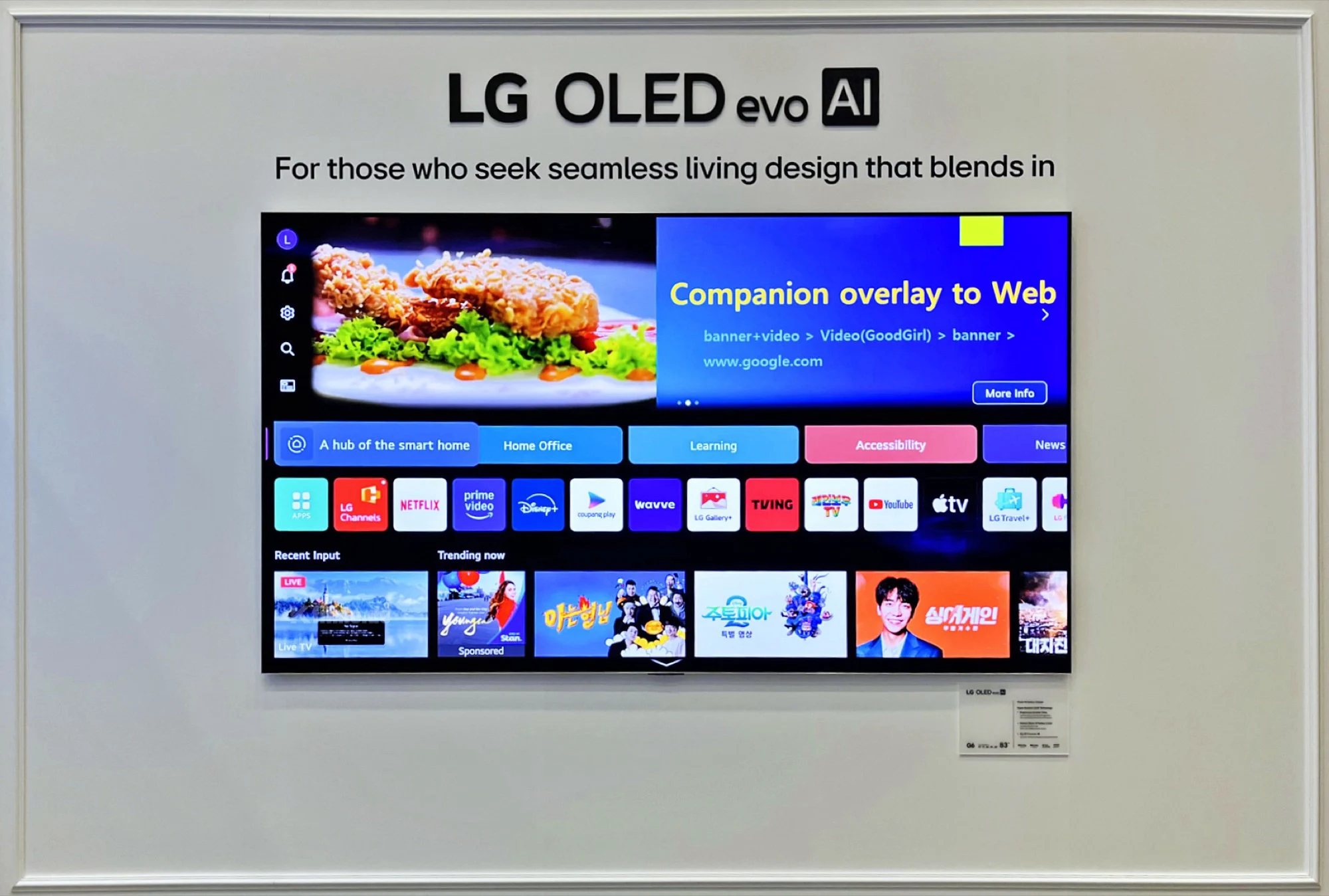
  • LG G6 and W6 OLED TVs Unveiled with New Hyper Radiant Panel

    LG G6 and W6 OLED TVs Unveiled with New Hyper Radiant Panel

    Key Takeaways

    1. The LG G5 OLED features a brighter 165Hz display and is priced at $1,562 on Amazon, marking a significant upgrade from the G4.
    2. The upcoming LG G6 OLED will maintain the gallery design and offer sizes from 48 to 97 inches, along with a new “Hyper Radiant” OLED panel for enhanced brightness.
    3. Enhanced features include a new coating for better black levels in bright environments and a powerful α11 AI processor for improved performance.
    4. The G6 will support advanced gaming features like 165Hz mode, Dolby Vision HDR, and compatibility with AMD FreeSync Premium Pro and Nvidia G-Sync.
    5. The LG OLED W6 will have ports on a separate Zero Connect Box to simplify cable management, requiring only a small power cable for the TV.


    The LG G5 OLED is currently priced at $1,562 on Amazon and represents a major improvement over the G4 from 2024, featuring a significantly brighter 165Hz OLED display. As we look ahead to the LG OLED G6, exciting developments are anticipated for next year. A German source has already revealed some initial visuals and information about this next-generation flagship television.

    Design and Screen Sizes

    Staying true to its roots, the G series maintains the gallery design that allows the smart TV to be mounted flat against a wall. The LG G6 OLED will come in various sizes, including 48, 55, 65, 77, 83, and 97 inches. To enhance the viewing experience, LG is incorporating a new tandem OLED panel branded as a “Hyper Radiant” OLED with “Brightness Booster Ultra”. This innovative technology reportedly makes the TV 3.9 times brighter than the more budget-friendly LG B6 OLED, though the leaked marketing materials do not specify exact figures or make direct comparisons with earlier models.

    Enhanced Features

    An advanced coating is said to minimize reflections and achieve richer blacks in bright settings, while the α11 AI processor is anticipated to offer 5.6 times greater AI performance. As expected, features like the 165Hz gaming mode, Dolby Vision HDR support, Apple AirPlay 2, Google Cast, and HDMI Auto Low Latency Mode (ALLM) will also be included. Moreover, compatibility with AMD FreeSync Premium Pro and Nvidia G-Sync is also confirmed.

    HDMI and USB Port Changes

    The LG OLED W6 is expected to have a design nearly identical to the G6, but with a significant alteration: the HDMI and USB ports will be found on the Zero Connect Box rather than on the TV itself. This box connects wirelessly to the television, making it simpler to conceal cables for devices like a PlayStation 5. The LG OLED TV will require just a small power cable. The W6 is set to be available in 77 and 83-inch size options.

    AVSForum, via 4KFilme

    Source:
    Link


  • New Hisense XR10 Laser Projector: 6000 ANSI Lumens Brightness

    Key Takeaways

    1. Hisense introduced the XR10 Laser Home Cinema projector, claiming it to be the first of its kind, along with the PX4-PRO model.
    2. The XR10 features the LPU 3.0 Digital Laser Engine, offering up to 6,000 ANSI lumens brightness and can project images up to 300 inches wide.
    3. It includes advanced features like four cameras, dual time of flight sensors, and lens shift capability for easy image adjustments.
    4. The projector boasts an impressive contrast ratio of up to 6000:1 and covers the extensive BT.2020 color space.
    5. The XR10 is set to debut at CES 2026 on January 6th, with no confirmed release date or pricing information yet available.


    Hisense has introduced the XR10 Laser Home Cinema projector, claiming it to be the first of its type. This model is notable for its small size and ease of installation. Alongside it, the company also launched the PX4-PRO, another home theater option.

    Specifications and Performance

    The Hisense XR10 comes with the LPU 3.0 Digital Laser Engine and an RGB triple laser light source, promising a brightness of up to 6,000 ANSI lumens. This brightness surpasses the previous L9Q model, which offers 5,000 ANSI lumens (curr. $5,997.97 at Amazon Marketplace). It can project images as wide as 300 inches and features an optical zoom range from 0.84x to 2.0x. The press release indicates an impressive contrast ratio of up to 6000:1 and extensive coverage of the BT.2020 color space, although specific measurements are not included.

    Advanced Features

    The XR10 is equipped with four cameras and dual time of flight (ToF) sensors, enabling quick adjustments to the projected image. Hisense highlights the lens shift capability, allowing for both horizontal and vertical adjustments to enhance flexibility. Additionally, the brand’s IRIS system automatically manages the lens aperture, while the microchannel liquid cooling system is designed to enhance heat dissipation.

    Release Information

    The Hisense XR10 Laser Home Cinema projector is set to make its debut at CES 2026, starting on January 6th. It’s still unclear when this model will be available for purchase or the price it will carry.

    Hisense, Tom’s Guide.

    Source:
    Link


  • Lenovo Unveils Budget 24.5-Inch ThinkVision Monitor with 144Hz Refresh

    Lenovo Unveils Budget 24.5-Inch ThinkVision Monitor with 144Hz Refresh

    Key Takeaways

    1. The Lenovo ThinkVision S25-4e features a 24.5-inch IPS panel with a 144 Hz refresh rate, ideal for gaming and work.
    2. The monitor has a brightness of 250 nits, covers 99% of the sRGB color spectrum, and has a 4 ms response time.
    3. It offers a contrast ratio of 1500:1, global DC dimming, and various eye-care options for comfortable long-term use.
    4. Connectivity includes one HDMI 1.4 and one VGA port, along with a familiar red joystick button and VESA support.
    5. Priced at CNY 610 (approximately $87), the S25-4e is currently available in China with potential for future international release.


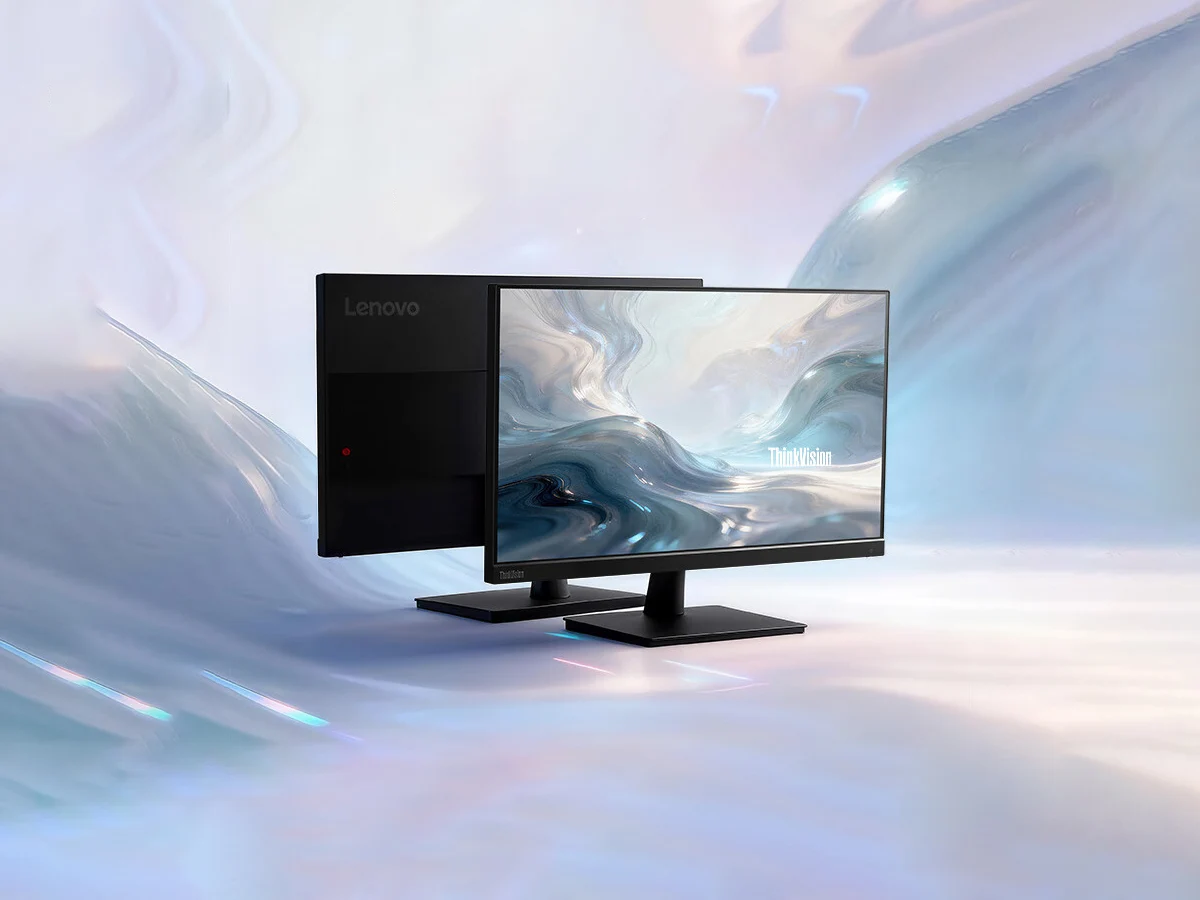
    Lenovo has revealed its latest ThinkVision monitor, the S25-4e, in China. This is a refreshed model, and considering its introductory price, it offers impressive features. The display size stays consistent with the earlier S25e-30 at 24.5 inches, but users can expect a significant enhancement in the display technology.

    Display Features

    The monitor boasts an IPS panel with a 144 Hz refresh rate, making it a great choice for both gaming enthusiasts and those who need it for work tasks. Lenovo claims the screen has a brightness of 250 nits, covers 99% of the sRGB color spectrum, and has a 4 ms response time.

    Viewing Experience

    With a contrast ratio of 1500:1, this panel is designed to provide bright whites alongside deep blacks. It also features global DC dimming and various eye-care options, ensuring that the Lenovo ThinkVision S25-4e offers a comfortable viewing experience, even during long usage periods.

    Connectivity and Design

    However, this budget-friendly Lenovo monitor lacks a wide range of connectivity options compared to premium models. Specifically, the ThinkVision S25-4e includes one HDMI 1.4 and one VGA port. Other notable features are the familiar red joystick button for navigating the system, VESA support (with the Huanuo VESA dual monitor stand currently priced at $59.99 on Amazon), and a stylish design.

    The Lenovo ThinkVision S25-4e is priced at CNY 610 in China, which translates to about $87. There is no information on a worldwide release at this time, but since the company previously launched the S25e-30 internationally, this model may also become available outside of China.

    Source:
    Link


  • LG Display’s 240 Hz RGB OLED Panel Solves Key Monitor Issues

    LG Display’s 240 Hz RGB OLED Panel Solves Key Monitor Issues

    Key Takeaways

    1. LG Display will showcase an innovative OLED panel at CES 2026 that enhances text sharpness.
    2. WOLED panels have an extra white subpixel for brightness but can reduce text clarity and cause color fringing.
    3. Samsung’s QD-OLED panels offer better text clarity than WOLEDs but still experience some fringing issues on Windows.
    4. LG’s new RGB stripe OLED panel features a straight-line RGB subpixel configuration, improving text readability and reducing visual distortions.
    5. The new panel boasts a native 4K resolution with a 240 Hz refresh rate, suitable for gaming and professional tasks, with competition from TCL CSOT on the horizon.


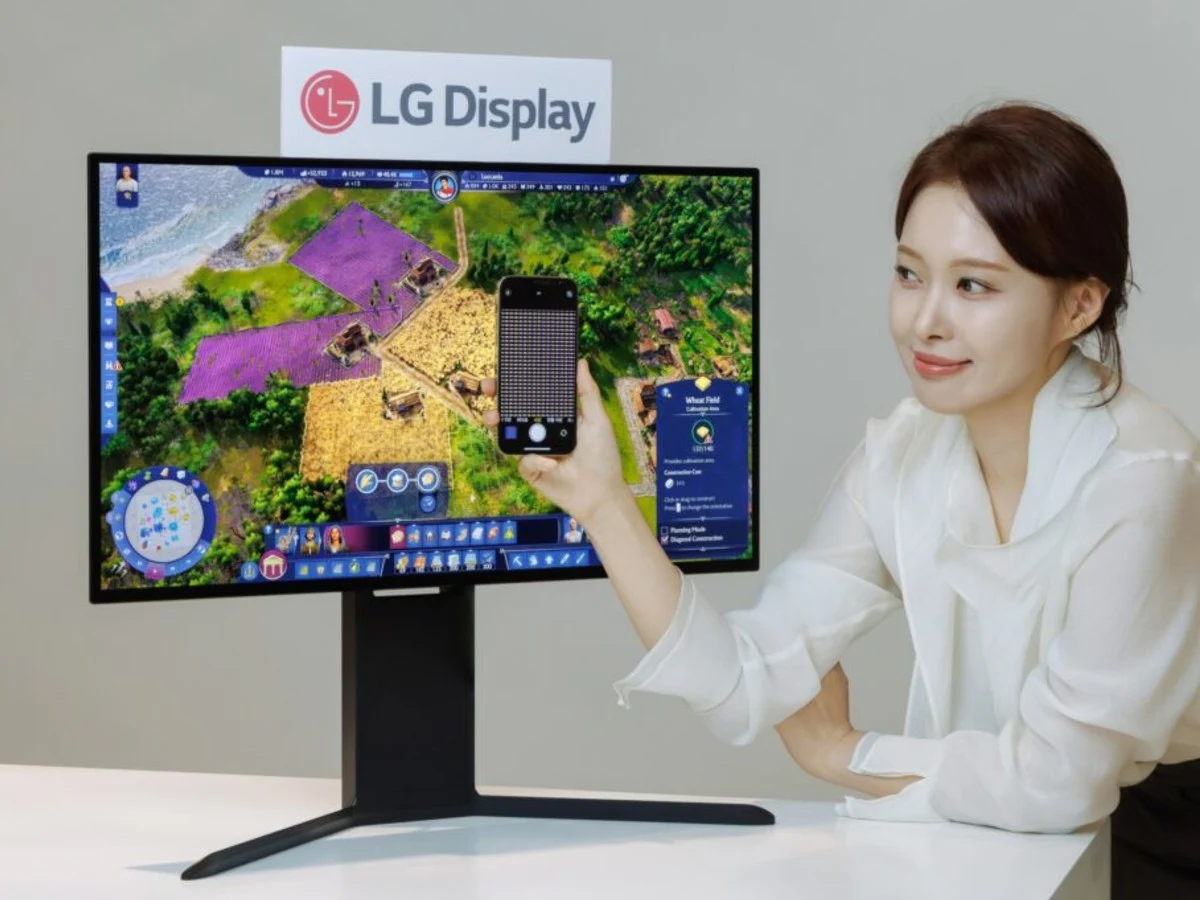
    It appears that LG Display has a lot more to present at CES 2026 than just the new Tandem WOLED panel sizes. The company has revealed it will display an innovative OLED panel designed to enhance text sharpness, which has been a concern with many OLED monitors.

    WOLED vs QD-OLED

    To summarize, LG Display’s WOLED panels incorporate an extra white subpixel in addition to the RGB subpixels, which boosts the panel’s brightness. However, this setup also diminishes text sharpness and may lead to color fringing, showing red, green, and blue halos around the text. On the other hand, Samsung’s QD-OLED panels provide slightly improved text and edge clarity compared to WOLEDs, although their triangular RGB pixel arrangement still results in some fringing, particularly on Windows, where ClearType isn’t fully optimized.

    New RGB Stripe OLED Panel

    The latest LG Display RGB stripe OLED panel features a genuine RGB subpixel configuration, with the red, green, and blue subpixels aligned in a straight line. LG Display asserts that this design “significantly cuts down on visual distortions like color bleeding and fringing, even when viewed closely.” Most importantly, LG Display claims the panel is “optimized for operating systems like Windows and for font-rendering engines, making sure of superb text readability and high color precision.”

    Improved Features and Competition

    While this isn’t the first OLED panel to adopt an RGB stripe subpixel design, past versions were limited to a 60 Hz refresh rate. The new panel from LG Display combines a native 4K resolution with an impressive 240 Hz refresh rate, which can shift to 480 Hz at 1080p, making it ideal for both gaming and productivity tasks, including text editing and professional design activities. That being said, TCL CSOT is also developing an RGB OLED panel that may rival LG Display’s newest model.

    LG Display aims to unveil the new 240Hz RGB stripe OLED panel at CES in January.

    Source:
    Link


  • OLED TVs Outlast LCDs in 3-Year Longevity Test

    OLED TVs Outlast LCDs in 3-Year Longevity Test

    Key Takeaways

    1. Study Overview: Rtings tested 102 televisions at maximum brightness for three years, focusing on burn-in and failure rates.

    2. Failure Rates: 20 TVs completely failed and 24 faced partial failures, indicating potential issues after 18,000 hours of use.

    3. Usage Lifespan: Most TVs can last around 10,000 hours, equating to over three years with eight hours of daily use.

    4. LED TV Issues: Nearly 60% of LED-backlit TVs without local dimming features had defects, while OLED TVs showed fewer problems.

    5. OLED Longevity: OLED TVs generally have the longest lifespan and face fewer issues compared to other types, but price does not correlate with longevity.


    Rtings has conducted a study involving 102 televisions, running them at their highest brightness for three years while displaying a news channel with a constantly moving ticker bar to assess burn-in. As anticipated, burn-in is still a concern, but LCD TVs are also encountering significant issues after 18,000 hours of use.

    Test Results

    Among the 102 televisions, 20 have completely failed after three years, and 24 others have experienced partial failures, making them nearly unusable. Nevertheless, the study indicates that most TVs can withstand around 10,000 hours of usage, which translates to a lifespan of more than three years if the television is on for eight hours daily. LG and TCL exhibited the lowest failure rates in this examination, though the limited number of units tested means the findings are not highly significant.

    Issues with LED TVs

    The majority of the problems were found in LED-backlit TVs that lack local dimming features. Nearly 60% of these models faced defects, with several experiencing one or more LED failures. In contrast, OLED televisions rarely suffer from such issues. The study further reveals that burn-in isn’t a significant concern when viewing dynamic content. However, static images, like the news ticker mentioned earlier, can lead to noticeable ghosting if the TV is used continuously at high brightness. This is more relevant for computer monitors than for regular TVs.

    Longevity of OLED TVs

    Additionally, Rtings’ findings indicate that OLED televisions tend to have the longest lifespan compared to other types and encounter fewer problems. Although the study demonstrates a clear link between the type of panel, backlight technology, and failure rates, it fails to establish any meaningful relationship between the price of a television and its overall longevity.

    Source:
    Link