Category: Software

  • Free Tool Empowers Garmin Users with Local Data Analysis

    Free Tool Empowers Garmin Users with Local Data Analysis

    Key Takeaway

    1. Real-time fitness tracking and performance metrics
    2. Personalized workout and nutrition plans
    3. Progress visualization and goal setting features
    4. Integration with wearable devices and health apps

    Introducing Fit Dashboard

    Fit Dashboard is a new innovative device designed to help folks keep tabs on their health and wellness goals. With its sleek exterior and easy-to-use interface, it has quickly become a favorite among fitness lovers. The device boasts an advanced set of sensors that monitor heart rate, sleep patterns, and physical activity levels throughout the day.

    Details on Pricing and Specs

    Thinking about getting one? Well, the Fit Dashboard comes with a reasonable price tag of just $149.99, making it quite competitive considering its features. It sports a high-resolution color touchscreen display that measures 1.4 inches, providing crisp visuals for easy navigation. In terms of specs, it includes a built-in GPS, accelerometer, and optical heart rate sensor. The device is compatible with both Android and iOS, connecting effortlessly via Bluetooth 5.0.

    Features You’ll Love

    • Real-time health data tracking with detailed analytics
    • Sleep analysis to monitor your rest quality and duration
    • Multiple sport modes including running, cycling, and swimming
    • Waterproof design rated at 5 ATM for swimming and rainy day workouts
    • Battery life of up to 7 days before needing recharge

    Design & User Experience

    The sleek, lightweight design of the Fit Dashboard makes it comfortable to wear all day long. The user interface is intuitive, with large icons and straightforward menu options that even tech newbies can easily understand. The device also offers customizable watch faces, so your fitness buddy can look exactly how you like it.

    Bottom Line

    In conclusion, the Fit Dashboard is a fantastic choice for anyone who wants to keep a close eye on their health without fuss. With its appealing price, comprehensive features, and stylish design, it appeals to both newbies and veteran fitness enthusiasts alike. Whether you’re tracking daily steps or taking part in an intense training session, this device will serve you well and keep you motivated.


    Sources
  • Microsoft Announces New BitLocker Bug in Latest Windows and Server Updates

    Microsoft Announces New BitLocker Bug in Latest Windows and Server Updates

    Key Takeaway

    1. The April 2026 update (KB5082063) causes BitLocker recovery prompts on some Windows Server 2025 and Windows 11 devices when specific enterprise configurations are present.
    2. The issue is limited to devices with particular Group Policy and Secure Boot settings, primarily affecting enterprise-managed systems.
    3. Microsoft recommends pre-emptively removing the PCR7 Group Policy setting before updating and provides workarounds, including a Known Issue Rollback (KIR).
    4. A permanent fix is in development, and despite the issue, Microsoft advises not to skip the update due to the security vulnerabilities it addresses.

    Important Update for Windows Server 2025 Users

    On April 15, 2026, Microsoft officially acknowledged a problem affecting certain Windows Server 2025 machines. After installing the recent security update KB5082063, these servers might automatically switch to BitLocker recovery mode. This switch causes the system to ask for a special recovery key during the first reboot. The same problem also affects some Windows 11 devices with updates KB5083769 and KB5082052, and it only happens under specific conditions.

    What Causes the Issue?

    This is a complicated bug that mostly happens on enterprise systems, not typical personal machines. It essentialy requires all five of these conditions to be true: BitLocker encryption is active on the drive, the Group Policy setting for TPM validation includes PCR7, the system info reports that Secure Boot State PCR7 Binding is “Not Possible,” the Windows UEFI CA 2023 certificate is present, and the device isn’t already using the 2023-signed Windows Boot Manager. When all these are met, the system may forcibly prompt for a recovery key upon reboot, which is a disruption for admins and users. Usually, after the initial reboot, no further prompts will occur unless Policy changes happen again.”

    Microsoft’s Recommendations and Workarounds

    To avoid this problem, system administrators are advised to disable the PCR7 Group Policy before installing the update. They should also double-check if BitLocker is using the PCR7 profile, which is necessary to ensure proper operation. For those unable to do this prior to the update, Microsoft has provided a workaround called the Known Issue Rollback (KIR). This tool can prevent automatic switches to the 2023 Boot Manager and stop the recovery prompt from emerging. It’s available through business support channels, and Microsoft is working on a permanent fix that will be included in future updates.

    Additional Problems and Microsoft’s Stance

    • The update has caused failures during installation on some servers, marked by error code 800F0983. Microsoft said they are investigating this issue.
    • This isn’t the first time such an issue has happened. In past years, similar BitLocker prompts appeared after Patch Tuesday updates, including in August 2022, July 2024, and May 2025 on various Windows versions.
    • Despite these issues, Microsoft recommends that admins still deploy the April 2026 update because it fixes 167 vulnerabilities, including two zero-day exploits that were being actively abused before the patch was released.

    In conclusion, while the update brings essential security fixes, the BitLocker recovery bug requires careful attention. Admins should follow Microsoft’s guidance for workarounds and stay tuned for a future complete fix in upcoming Windows updates.

    Sources
  • Google Wallet Gets Major Redesign for Better Navigation

    Google Wallet Gets Major Redesign for Better Navigation

    Key Takeaway

    1. The Google Wallet app has been redesigned with a new grid layout for easier viewing of multiple cards and passes.
    2. A new favorites feature allows users to pin important cards to the home screen and manage them with drag-and-drop.
    3. Updated card details emphasize visuals over text, enhancing overall aesthetics and user experience.
    4. Improvements include a search function and advanced sorting options for better pass management.
    5. The rollout is gradual, with early feedback generally positive but some features still feeling somewhat cumbersome.

    Google Wallet Gets a Fresh Look and Feel

    Recently, Google announced that its Wallet app will be getting a pretty big update, according to Android Authority. Instead of the old list style, you’ll now see a neat grid layout, which makes browsing through your cards seem more visual and less cluttered. This change is alot better than endless scrolling, letting you glance at multiple cards, tickets, or passes all at once. It’s quite useful especially if you got loads of loyalty cards and boarding passes stored. The new design also enhances how individual cards appear — with bold colors and artsy graphics, instead of dull text and tiny details. Important info like membership numbers now sit in smaller fonts, keeping things looking clean and stylish.

    Making Your Favorites Even Simpler

    The new update introduce another handy feature—favorites. Now, you can marked your most used cards with a star icon, and pin them right to your home screen for quick access. This means you won’t wasting time digging through your collection. Plus, you can arrnage these favorites easily with drag-and-drop system. That would make the entire process more customizable and user friendly. Additionally, Google has improved how you manage your passes and cards. Searching for specific passes is easier thanks to a new search option, and you now have extra sorting choices to get your passes in order. Though, not everything’s perfect just yet, some users report that adding new favorites still feels a little clunky and takes more steps than it probably should.

    Rolling Out Gradually with Good Feedback

    The update is rolling out slowly across devices, so not everyone will see the new Wallet app immediately. Even with some rough edges like the favorites feature, most early feedback from Reddit users has been pretty positive. People liked how the new layout looks, making it easier to read and use. Many see it as a much-needed refresh for the app, long overdue for a modern upgrade. Overall, it’s a step forward, even if a few kinks are still being ironed out.

    Sources
  • Microsoft April 2026 Patch Tuesday Fixes 167 Vulnerabilities and 2 Zero-Days

    Microsoft April 2026 Patch Tuesday Fixes 167 Vulnerabilities and 2 Zero-Days

    Key Takeaway

    1. The April 2026 Patch Tuesday update addresses over 160 vulnerabilities, including two zero-day flaws, with at least one actively exploited before patches were available.
    2. The update significantly enhances security for Windows 11, introducing protections for Remote Desktop and ongoing hardening measures.
    3. Differences in vulnerability counts reported by security vendors highlight variations in assessment methods, but all agree on the critical nature of the updates.
    4. The update includes reliability improvements and aims to reduce credential theft and phishing exploits related to remote connections.

    Microsoft’s April 2026 Security Patch Release

    Microsoft has rolled out its April 2026 Patch Tuesday update on April 14, 2026, addressing more than 160 security vulnerabilities. Among these, two zero-day flaws were included, with one being actively exploited before patches became available. This update is significant because it showcases Microsoft’s effort in promptly fixing critical security issues that threaten user safety across their supported Windows platforms.

    Details of the Update and Supported Systems

    The monthly update includes cumulative patches for certain supported Windows versions. Windows 11 versions 25H2 and 24H2 got the KB5083769 update, whereas Windows 11 version 23H2 received KB5082052. These updates are designed to install automatically unless the user has paused Windows Update, ensuring that most users receive the essential security fixes without manual intervention.

    Security Researchers’ Perspective and Vulnerability Counts

    Security experts have noted that this April’s release was heavier than usual, with a higher number of fixes affecting core parts of Windows system. Different security firms have reported slightly varying numbers—in total, Microsoft addressed 167 vulnerabilities, including one zero-day actively exploited and another publicly known beforehand. Other vendors like Qualys mention around 163 to 164 issues, with about eight rated as Critical, demonstrating the significant threat landscape these patches aim to mitigate.

    Implications of Zero-Day Vulnerabilities

    Zero-day flaws are particularly urgent because they may already be known by attackers before a fix is released. This can make systems vulnerable in the window between discovery and patch deployment, emphasizing the importance of timely updates to protect sensitive data and infrastructure.

    Additional Features in the Windows 11 Update KB5083769

    The main focus of Windows 11’s April update is KB5083769, which enhances system builds after installation. Alongside the security improvements, Microsoft also added reliability enhancements and security hardening features. Users will notice new protections for Remote Desktop connections, including alerts when opening unfamiliar .rdp configuration files, which is part of Microsoft’s measures to combat credential theft and phishing attacks using remote access tools.

    Supporting Updates for Other Windows Versions

    The update cycle also included security patches for older Windows versions. Windows 11 version 23H2 received KB5082052, and Windows 10 systems got their dedicated cumulative updates. These are considered mandatory by Microsoft, as they are critical for addressing recent vulnerabilities; most systems with automatic updates enabled will automatically get these patches without needing manual action.

    Sources and Further Reading

    • Microsoft Learn
    • Security Affairs
    • Qualys
  • Raspberry Pi OS 6.2 Disables Passwordless Sudo Security Update

    Raspberry Pi OS 6.2 Disables Passwordless Sudo Security Update

    Key Takeaway

    1. Raspberry Pi OS 6.2 is based on Debian Trixie and mainly includes small updates and bug fixes.
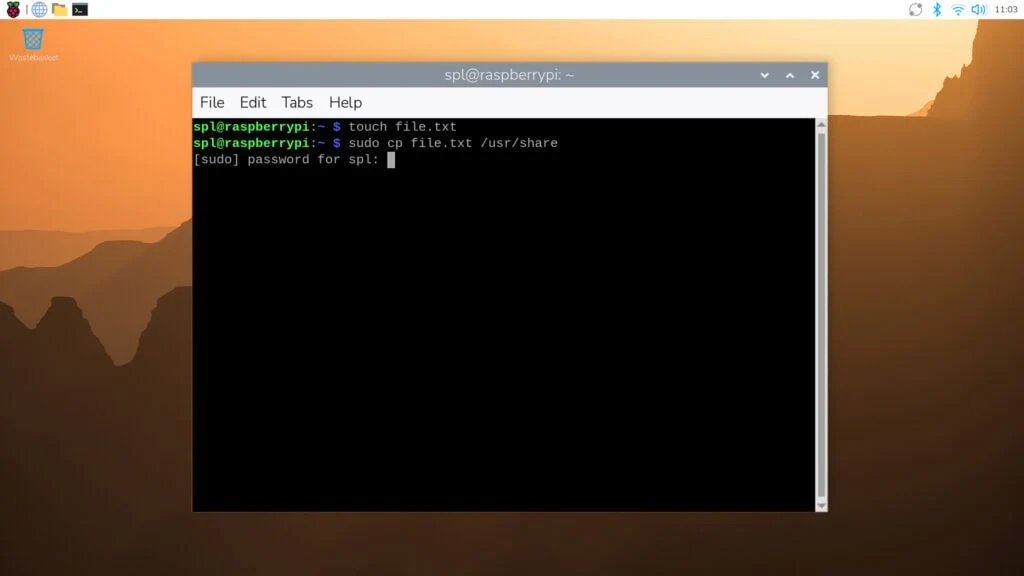
    2. Passwordless sudo is no longer enabled by default, enhancing security for new installations; existing installs retain the feature unless disabled.
    3. The recommended method to install or update is through the Raspberry Pi Imager.

    Latest Raspberry Pi OS Update Overview

    On 2026-04-13, the new version 6.2 of Raspberry Pi OS was launched, marking it as the second edition based on Debian Trixie core. Unlike earlier updates that focused on more visible improvements, this release mainly comprises minor adjustments, most of which are subtle or unseen. One of the key features was a change in security protocol – by default, sudo no longer works without a password, which could improve overall safety in certain scenarios.

    What Has Changed?

    The developers announced that Raspberry Pi OS 6.2 is primarily a collection of tiny tweaks and bug fixes accumulated over months. The significant change that is worth noting is the shift away from passwordless sudo, which now requires a password unless explicitly disabled. For those with existing systems upgrading to 6.2, passwordless sudo will still be active unless they modify the admin settings through the Control Center after updating.

    How To Get Started With Raspberry Pi OS

    The most straightforward method to install Raspberry Pi OS initially is by using the Raspberry Pi Imager tool, which can be downloaded from their official page. It simplifies creating bootable SD cards with the desired OS version. You can find all available Raspberry Pi OS images there, including older legacy versions. Once installed, users can enjoy a seamless experience on their Raspberry Pi devices.

    Recommended Starter Kit

    If you’re new to the Raspberry Pi world, a good starting point is the CanaKit Raspberry Pi 5 Starter Kit PRO in Turbine Black, which includes 8GB RAM and 128GB storage. This comprehensive kit is currently priced at $229.99 and offers everything needed for beginners to dive into the ecosystem, including accessories and components to kickstart their projects.

    Sources
  • WhatsApp Desktop May Get New Colorful Design Soon

    WhatsApp Desktop May Get New Colorful Design Soon

    Key Takeaway

    1. Meta is planning to introduce customizable themes to WhatsApp’s web app, similar to the mobile app, with potentially up to 49 themes.
    2. The new themes will allow per-chat customization and dynamic backgrounds, remaining private to each user.
    3. The update aims to enhance the web app’s interface, making it more engaging and feature-rich, aligning it with other Meta messaging platforms.
    4. WhatsApp is also developing a username feature, expected to be in advanced stages and possibly launching later this year.

    Meta is Enhancing Its Web App Experience

    Meta is now working on a new features to boost its web application, especially adding themes for user customization. According to recent reports, they are planning to bring the same themes available on mobile to the web version, which could include up to 49 different themes for users to choose from. This development aims at making the web experience more lively and personalized.

    Theme Customization Coming to the Web

    Currently, WhatsApp’s mobile apps on iOS and Android support themes, allowing users to change background images and chat bubble colours, but the web and desktop version do not have these options. Very soon, users will see these nifty features expanded to their web interfaces, making it easier to adapt the app’s look to their personal taste. The new themes are expected to include various shades of a single colour, possibly to test which themes will be popular before full release.

    Additional Customization and Privacy Options

    WhatsApp is also planning to add per-chat customization, enabling different themes for individual conversations. Users may also get a dynamic background that adapts to match the current theme. Unlike Messenger or Instagram Messenger, where shared themes are visible across contacts, WhatsApp will keep themes private for each user, enhancing personal privacy.

    Web App Updates and Future Features

    While WhatsApp has offered a web app for some years now, updates have traditionally rolled out first on mobile devices, considering the mobile app is its main focus. However, the interface’s dull look could benefit from a refresh with a complete themes system. Meta has demonstrated how they can create appealing desktop messaging clients, as seen with Messenger and Instagram, so this upcoming update could make the web app much more engaging.

    Upcoming Usernames and Other Enhancements

    In addition to themes, WhatsApp is supposedly working on a username feature, which would allow users to connect via unique handles instead of phone numbers. Although official details are pending, this change would align WhatsApp more closely with other Meta platforms and competitors like Telegram. Both the username feature and themes are in mature development stages and might be launched later this year, though no formal announcements have yet been made.

    Sources
  • Netrunner 26 Launches with XLibre X11 and Enhanced Security

    Netrunner 26 Launches with XLibre X11 and Enhanced Security

    Key Takeaway

    1. Netrunner has transitioned from a Debian 12 Bookworm base to Debian 13 Trixie, maintaining its Debian-based heritage.
    2. The latest version, Netrunner 26 Twilight, features the 6.16 kernel, updated software, enhanced security, and a focus on modern aesthetics.
    3. It includes updated applications such as Qt 6.8.2, KDE Apps 25.04.3, Thunderbird ESR 140.6.0, and VirtualBox 7.2.6.

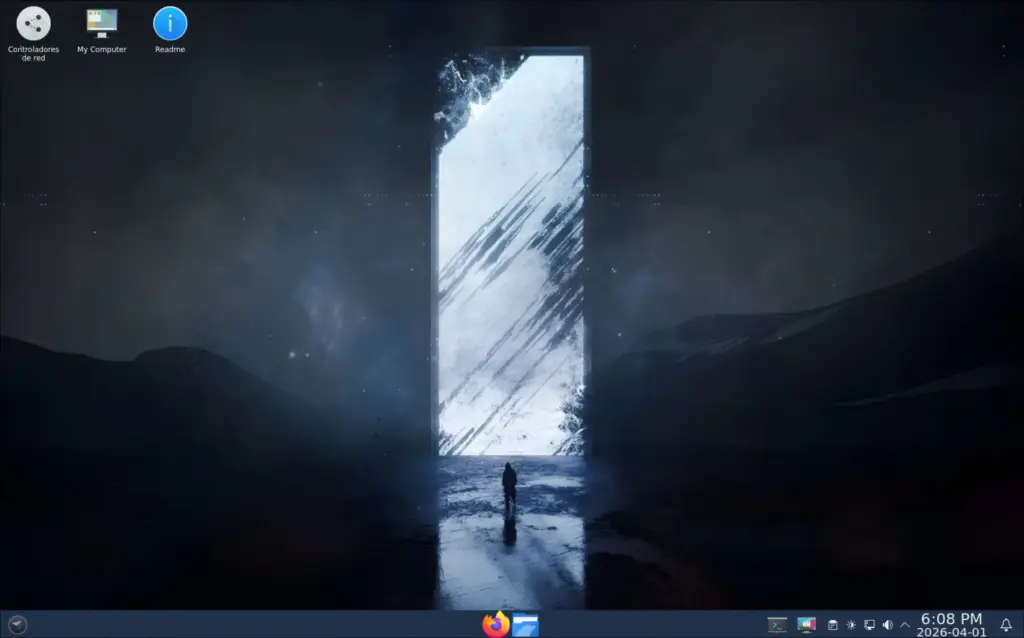
    Netrunner is a well known Linux distributions with a long history spanning over 15 years. This distro initially started based on Kubuntu but has since switched to Debian, making it quite robust and reliable. They just recently updated their core to Debian 13 Trixie from the previous Debian 12 Bookworm, with version 26 arriving a little over a year after the last update. The latest ISO is a 64-bit release, boasting the 6.16 kernel, aiming to offer users a modern aesthetic with latest software, security patches, and stability all in one package.

    Recent Updates and Features

    The official notes highlight some key improvements and recent features included in this release. For example, newer versions of core components ensure the system is fresh and secure. The inclusion of software like Qt 6.8.2 and KDE Apps 25.04.3 demonstrates their commitment to up-to-date desktop environments and utilities. Additionally, Thunderbird ESR 140.6.0, Inkscape 1.4, and VirtualBox 7.2.6 are some of the highlighted applications that enhance the user experience.

    Technical Specifications and Download Info

    The Netrunner 26 Twilight iso file weighs in at approximately 3.4 GB. Interested users can access the download through their official page, ensuring they get the latest and most secure version. This latest iteration continues to focus on providing a stable, secure, and visually appealing desktop environment, catering to both new and experienced Linux users. All these updates solidify Netrunner’s reputation for delivering a dependable and modern Debian-based distro for a broad user base.

    Sources
  • Windows 11 KB5086672 Fix for KB5079391 Install Failures Released

    Windows 11 KB5086672 Fix for KB5079391 Install Failures Released

    Key Takeaway

    1. KB5086672 is an out-of-band cumulative update for Windows 11 versions 24H2 and 25H2, addressing installation issues and including previous updates.
    2. It resolves the installation error 0x80073712 related to the earlier preview update KB5079391, which is no longer offered.
    3. The update incorporates improvements from KB5079391, such as enhanced Smart App Control, Windows Hello reliability, and error message removal during sfc /scannow.
    4. KB5086672 is available via Windows Update and the Microsoft Update Catalog, recommended for users who missed or encountered issues with previous updates.
    5. This release aligns with Microsoft’s broader focus on improving Windows quality, responsiveness, and native experience using WinUI 3.

    Latest Windows 11 Update From Microsoft

    Microsoft just dropped an out-of-band update named KB5086672 for Windows 11, specifically for versions 24H2 and 25H2. The update, dated March 31, upgrades the system to OS Builds 26100.8117 and 26200.8117 respectively. This package is pretty notable because it didn’t just include features from the recent optional preview update KB5079391, but it also squashed a nasty installation bug that was causing problems for some devices trying to install that update.

    What Makes KB5086672 Important

    Now, here’s why this update is so crucial; KB5079391 was temporarily not available for new devices because of a troublesome installation error. Some users reported error 0x80073712, which basically means some update files were missing or damaged. That was a big problem, especially because KB5079391 wasn’t just a test build—it came with real improvements like smarter app control options that could be toggled without a clean install, tweaks to error messages, and better fingerprint recognition on Windows Hello. Microsoft made sure these improvements are now baked into KB5086672, making it an all-in-one fix that replaces the earlier pending update and fixes installation issues at the same time.

    Content and Compatibility Details

    This cumulative update basically bundles previous March releases such as KB5079473 and KB5085516, giving Microsoft an effective way to deliver all these fixes in one go. It’s like they’re streamlining their update process for Windows 11 users. If your device already has KB5079473 or newer, then automatic updates via Windows Update should bring this new patch automatically. For manual updates, or if you prefer to get things directly, it’s available through the Microsoft Update Catalog.

    Known Issues and Future Outlook

    At this moment, Microsoft has said they aren’t aware of any issues lurking with KB5086672—that makes it a pretty safe update for users, especially those who missed the previous KB5079391 due to various reasons. Whether you skipped the optional update or had trouble installing it, this patch offers a straightforward fix without complications. Meanwhile, Microsoft continues to focus on improving core Windows stability and responsiveness. As reports from sources like Notebookcheck highlight, there’s a bigger push toward more native experiences and greater use of WinUI 3 in different parts of Windows 11, with updates like KB5086672 being part of that broader effort to make the OS more reliable and smoother to use.

    Sources
  • Microsoft WinUI 3 Launch Supports Native Windows Team Reports

    Microsoft WinUI 3 Launch Supports Native Windows Team Reports

    Key Takeaway

    1. Microsoft is reportedly forming a dedicated team to develop more native Windows 11 apps using WinUI 3 to improve consistency and responsiveness.
    2. The move toward WinUI 3 aims to create more fluid, responsive, and platform-native user experiences across Windows 11.
    3. This initiative aligns with Microsoft’s broader efforts to enhance Windows OS performance, reliability, and user interface consistency.

    New Native App Focus for Windows 11

    Recent reports from Windows Central indicate that Microsoft is working on something big for Windows 11, they are creating a new team that focuses very much on native apps and experiences on the OS. Although the company did not make any formal slients about this team, it’s align with what they having discussed publicly about shifting more of Windows crucial experiences to WinUI 3. This means more of their core features will be faster and smoother.

    Building Native Experiences

    Apparently, Rudy Huyn, who is a big shot in Microsoft partner architecture, has shared some insights. He mention that he is building a brand new team, which is entirely dedication to native Windows apps, emphasizing user thinking and better experiences. This new team’s apps are expected to be “100% native” to Windows, a change from the current hybrid approach which mixes native code with web components. This shift could significantly impact how consistent and snappy Windows feels in future updates.

    Performance and Responsiveness Improvements

    In an official post, Microsoft said they’re working on making app interactions more fluid and responsive. They plan to do this by migrating key features to WinUI 3, which is their modern user interface framework. Features like the start menu are already seeing improvements in responsiveness, with faster animations and less lag, as more parts of Windows adopt WinUI 3.

    Focus on Reliability and Efficiency

    They also talking about a broader plan to enhance Windows 11’s stability, speed, and overall reliability. Microsoft targets lower resource use and quicker app responsiveness, especially in applications like File Explorer, which many users find slow at times. This aligns with that native-first approach discussed earlier which aims to unify Windows look and feel across all its parts, despite no public name given to this particular development team.

    WinUI 3 as the Future

    WinUI 3 is described by Microsoft as the cutting-edge framework for desktop apps on Windows 10 and Windows 11. It’s part of the Windows App SDK, supporting more modern and polished interface design. Parts of Windows itself, including the shell and some apps, already use WinUI — illustrating how central this framework is becoming for Windows development.

    Challenges Facing Windows 11

    Some users complain about inconsistency across Windows 11, where some parts feel integrated while others seem out of place or weighed down. In theory, a more widespread adoption of WinUI 3 would help resolve these issues, leading to a cleaner look and more uniform behavior, which would help improve the overall user experience even if it doesn’t address every problem.

    Moving Forward

    While Microsoft officially confirmed that they are moving more experiences to WinUI 3, they haven’t officially announced a dedicated “100% native” app team. Everything still mostly based on what Rudy Huyn said, which makes this a bit of an open secret. The only clear fact is that they are pushing hard to make core Windows features faster, more reliable, and more consistent — which could result in big improvements in future updates.

    What Might Be Coming Next

    • More unified, fluid native Windows experiences
    • A potential increase in app responsiveness and speed
    • Better consistency across Windows user interface design

    If the rumored native apps team is true and working as described, Windows 11 might soon see a more cohesive, intuitive look and feel, making daily use more delightful for users.

    Sources
  • Windows 11 KB5079391 Update Rollback Due to Installation Errors

    Windows 11 KB5079391 Update Rollback Due to Installation Errors

    Key Takeaway

    1. Microsoft temporarily paused the rollout of the Windows 11 preview update KB5079391 due to installation errors and missing files.
    2. The update aimed to improve features like File Explorer, monitor display support, Windows Hello, Safe Mode, audio, and Remote Desktop.
    3. No workaround or revised version has been released yet, and affected users must wait for Microsoft to resume distribution or provide a fix.

    Microsoft Temporarily Stops Windows 11 Update KB5079391 Deployment

    Microsoft’s latest update for Windows 11, KB5079391, has been temporarily halted due to problems encountered during installation. This update, meant for versions 24H2 and 25H2, was supposed to bring several improvements, but many users are now unable to install it because of error 0x80073712. The error reports indicate missing or corrupt files that prevent the update from completing successfully.

    Details About The Update and Its Issues

    The update was released on March 26, offering new OS Builds 26100.8116 and 26200.8116. Microsoft quickly responded to reports of installation failures, updating its support document on March 27th to acknowledge the known problems. They’ve temporarily limited its availability while they work on fixes, thus affecting many users trying to improve their system or access new features.

    Current Status and Expected Resolution

    According to Microsoft, users who look for KB5079391 in the optional updates section might not see it, which is because the rollout pause prevents its distribution via Windows Update. This isn’t a problem with individual PCs, but rather a company-wide decision to pause installation until the fault is fixed. Windows Central reported that the update has effectively been pulled back after installation issues surfaced, turning what should have been a straightforward update into a short-lived event.

    What Was Included in the Update?

    • Improvements to File Explorer, especially unblocking downloaded files
    • Support for monitors that can report refresh rates higher than 1000 Hz
    • Fixes for specific error messages during system scans (sfc /scannow)
    • Enhanced reliability of Windows Hello fingerprint recognition on some devices
    • Changes affecting Safe Mode, audio functions, Voice Access, and Group Policy in Start Menu
    • Adjustments to Remote Desktop PowerShell management

    Next Steps and Microsoft’s Guidance

    Currently, Microsoft has no workaround or updated build available for KB5079391. They are focusing on investigating the issue and have paused further distribution. Users affected by this problem will have to wait for Microsoft to resume or publish a corrected update, or incorporate fixes into subsequent cumulative updates. This situation emphasizes the importance of cautious deployment of preview patches and the need for vigilant testing.

    Sources