Category: Phones

Stay updated with the latest phone news, reviews, and trends. Discover cutting-edge smartphones, features, and innovations in our Phones category at GizNewsDaily

  • Oppo Find X8s Previewed with Compact Smartphones Comparison

    Oppo Find X8s Previewed with Compact Smartphones Comparison

    Key Takeaways

    1. The Find X8s Plus (X8s+) will have a 6.59-inch display and newer silicon technology.
    2. The standard Find X8s will feature a new compact display, making it the first of its kind in the series.
    3. The Find X8s is positioned between the Xiaomi 15 and Vivo X200 Pro Mini, with a screen size of 6.32 inches.
    4. The X8s is expected to have industry-leading thin bezels measuring only 1.25 millimeters.
    5. The Find X8s is projected to launch on April 10, 2025, with potential rebranding as the OnePlus 13T.


    The Find X8s Plus, also known as the X8s+, is expected to come with a display size of 6.59 inches, similar to the X8, but it will be equipped with newer silicon technology in its case.

    New Display for the Non-Plus Model

    On the other hand, Oppo has created an entirely new display for the standard X8s, which is set to be the first compact version in its series. Leaks suggest that this device has been showcasing its new front panel in various settings prior to its official announcement.

    Size Comparisons with Competitors

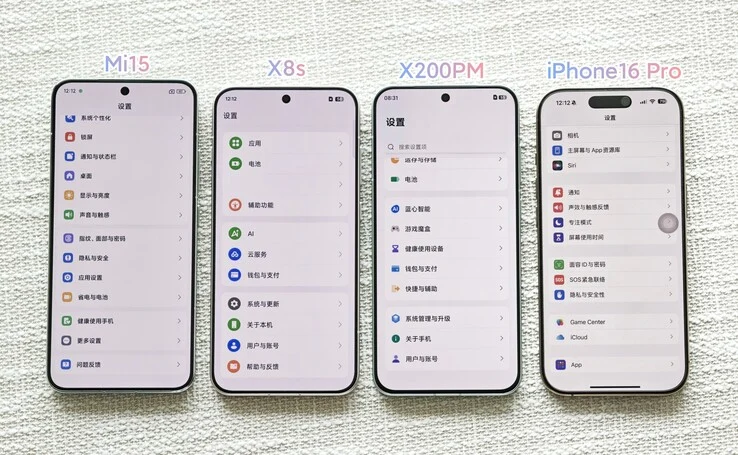
    Reports indicate that the Find X8s has come to light in leaks, positioned between the Xiaomi 15 and the Vivo X200 Pro Mini. It appears to be slightly smaller than the Xiaomi model but larger than the Vivo. The screen size of the X8s is said to be 6.32 inches diagonally, which is a bit smaller than the 6.36 inches of the Xiaomi flagship and slightly larger than the 6.31 inches of the Vivo model.

    Industry-Leading Bezels and Launch Date

    Newly surfaced images seem to back up claims that the X8s will feature some of the thinnest bezels in the market, measuring just 1.25 millimeters in depth. This has even led to comparisons with the iPhone 16 Pro. The Find X8s, along with its innovative display, is projected to be unveiled on April 10, 2025, and there’s a chance it might be rebranded as the OnePlus 13T later on.

    Source:
    Link


  • Infinix Note 50x 5G: Stylish Design & Dimensity 7300 Processor

    Infinix Note 50x 5G: Stylish Design & Dimensity 7300 Processor

    Key Takeaways

    1. Processor Upgrade: The Infinix Note 50x 5G features a MediaTek Dimensity 7300 Ultimate processor, enhancing performance compared to the Dimensity 6300 in the Note 40x.

    2. Camera Redesign: The rear dual-camera system has been redesigned with a 50 MP main camera, although the selfie camera has been downgraded to 8 MP from 32 MP.

    3. Display and Battery Improvements: The smartphone sports a 6.67-inch HD+ LCD display with a 120 Hz refresh rate and a larger 5,500 mAh battery, supporting 45 W wired charging.

    4. AI Features: Infinix has included various generative AI features such as an AI wallpaper generator, AI note-taking, and more, enhancing user experience.

    5. Affordable Pricing: The Note 50x 5G is competitively priced, starting at INR 11,499 ($135) for the 6 GB variant, making it accessible in the mid-range market.


    Infinix has launched its new Note 50x 5G smartphone, which is the fourth addition to the mid-range Note 50 series. This model is the most budget-friendly in the lineup and serves as a direct upgrade to the Infinix Note 40x. The new phone brings notable enhancements compared to its predecessor, especially in the areas of processor, battery, and overall aesthetics.

    Performance and Specs

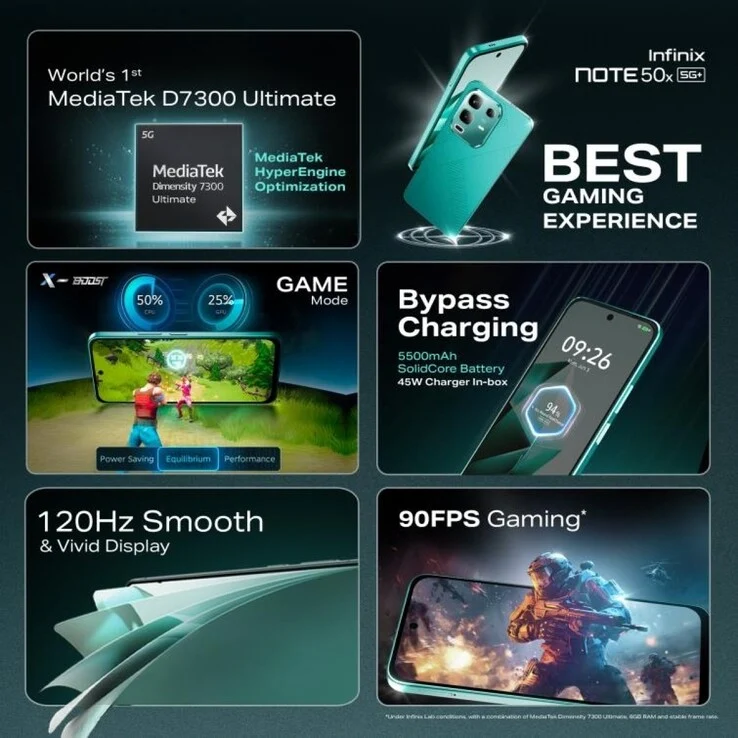
    The Infinix Note 50x 5G is powered by a MediaTek Dimensity 7300 Ultimate processor, moving up from the Dimensity 6300 found in the Note 40x. It comes with a Mali-G615 MC2 GPU, offering up to 8 GB of RAM and 128 GB of internal storage, which can be expanded via a microSD card. The device runs on Android 15 with XOS 15 right out of the box. Infinix has committed to providing 2 major updates for Android (versions 16 and 17) along with 3 years of security updates.

    Design Changes

    While the front design of the new phone stays quite similar to the previous model, the back has seen a complete redesign. The dual-camera system is now located in a gem-cut-shaped module with active halo lighting. This setup includes a 50 MP main camera along with an unspecified secondary sensor. For selfies, there’s an 8 MP camera, which is a downgrade from the 32 MP camera found in the 40x.

    Display and Battery

    The smartphone supports 5G and features a 6.67-inch HD+ LCD display with a refresh rate of 120 Hz and a maximum brightness of 672 nits. The battery is larger than its predecessor, boasting a 5,500 mAh capacity with support for 45 W wired charging. It also includes bypass charging and 10 W wired reverse charging capabilities.

    Infinix has integrated various generative AI features into the Note 50x, like an AI wallpaper generator, AI note-taking, AI gallery, AI eraser, AI cut-out tool, a writing assistant, circle to search, and more. Additional features include a side-mounted fingerprint sensor, stereo speakers, IP64 water and dust resistance, MIL-STD-810H certification, and NFC support.

    Pricing and Availability

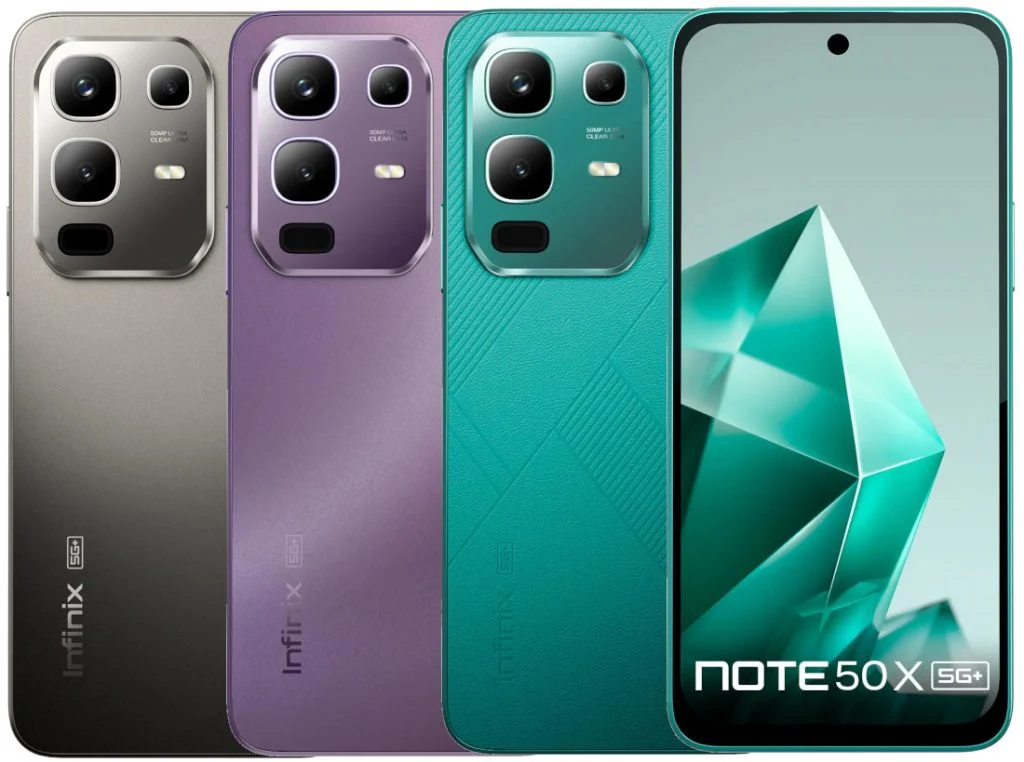
    The Infinix Note 50x 5G is available in three color options: sea green (with a vegan leather finish), enchanted purple, and titanium grey (with a metallic finish). The pricing starts at INR 11,499 (about $135) for the 6 GB + 128 GB variant, while the 8 GB + 128 GB version is priced at INR 12,999 (around $150). The smartphone will be available for purchase in India through Flipkart starting on April 3, 2025.

    Source:
    Link


  • Google Pixel Update Boosts Performance, Fixes Key Pixel 9 Issue

    Google Pixel Update Boosts Performance, Fixes Key Pixel 9 Issue

    Key Takeaways

    1. The Tensor G4 chip in the Pixel 9 Pro XL is slower than competitors like Snapdragon 8 Gen 3 and Apple A18 Pro, and it tends to throttle under heavy usage.
    2. A new update for Pixel devices promises speed improvements in synthetic benchmarks, but practical performance varies across different tasks.
    3. Gaming performance remains unchanged after the update, with the Pixel 9 Pro XL struggling compared to rivals like Xiaomi 15 Ultra.
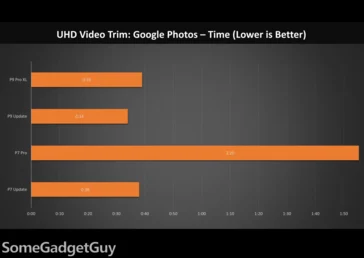
    4. Video editing in Google Photos shows significant improvement, with the Pixel 9 Pro XL completing tasks faster, while other video editing apps show no gains or declines.
    5. Overall, the update leads to mixed results, with some performance gains and reduced throttling, indicating a focus on consistent performance rather than peak power.


    We observed in our analysis of the Pixel 9 Pro XL that the Tensor G4, the chip that powers the Pixel 9 series, is not as fast as its rivals. It struggles to keep up with the Snapdragon 8 Gen 3 and the Apple A18 Pro. To make things worse, the smartphone tends to throttle when under heavy usage, which lowers its performance even more.

    New Update Promises Speed Boost

    Google has released a fresh update for the Pixel devices that seems to enhance the phone’s speed. This update is said to improve performance in synthetic benchmarks, such as Geekbench. But what about practical situations, like when editing photos?

    Respected smartphone reviewer Juan Bagnell has evaluated both the Pixel 9 Pro XL and the Pixel 7 Pro across various tests to gauge the update’s impact. Unfortunately, the overall effect of the update is quite mixed.

    Gaming Performance Stays the Same

    Beginning with Wilderless, a graphically demanding mobile game, the graphics performance appears unchanged. The Pixel smartphone runs the game at around 40 FPS with all settings maxed out. In contrast, the Xiaomi 15 Ultra reportedly runs Wilderless “at more than double the resolution” with a more stable frame rate. This shows a notable performance gap between the Tensor G4 and the Snapdragon 8 Elite.

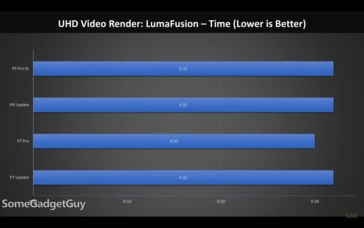
    When it comes to video editing applications, the Pixel 9 Pro XL shows no improvement in LumaFusion, both before and after the update. The device takes roughly 32 seconds to render a one-minute UHD video. Interestingly, the updated Pixel 7 Pro actually shows a decline in this test, lagging 7% behind the previous version.

    Video Editing in Google Photos Improves

    On a brighter note, both the Pixel 9 Pro XL and Pixel 7 Pro see considerable enhancements in video editing performance within Google Photos after the latest update. The Pixel 9 Pro XL takes 34 seconds to trim a 3-minute video down to 2 minutes, marking an 11% improvement. The Pixel 7 Pro completes the same task in 38 seconds.

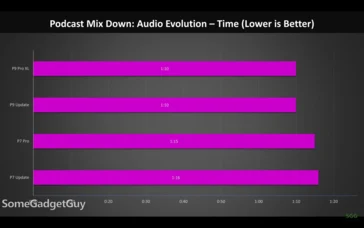
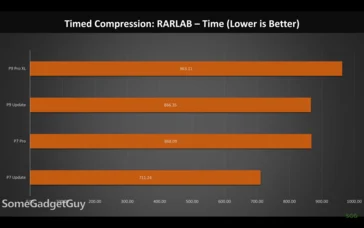
    In the audio mixing assessment, the performance of both Pixel devices remains almost the same. This contrasts with file compression tests, where the update makes the Pixel 9 Pro XL about 11% quicker than its previous version. However, the standout result comes from the Pixel 7 Pro.

    In the RARLAB file compression test, the older Pixel 7 Pro performs almost equally to the updated Pixel 9 Pro XL. After the update, the Pixel 7 Pro’s performance improved significantly, becoming 17% faster than even the updated Pixel 9 Pro XL. The lack of noticeable performance gain for the Tensor G4 compared to the Tensor G2 of the Pixel 7 Pro is also evident in a “Synthetic Compression” test, where both chips performed similarly.

    Mixed Results from the Update

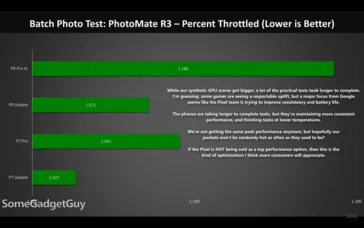
    Looking closely at the findings, it’s evident that performance improvements are not consistent across the board. While some apps do experience speed gains, real-world tasks like video editing yield uncertain outcomes. Nonetheless, this Pixel update may help reduce throttling, leading to more stable performance and, in theory, better battery life.

    In a batch photo test done by Juan Bagnell using PhotoMate R3, the Pixel 9 Pro XL only throttled by 7% after the update, compared to a significant 19% before. The Pixel 7 Pro also showed a similar pattern, throttling only 3% with the update, down from 9%.

    In summary, it appears that Google has opted for a consistent performance strategy over peak power, aiming to enhance efficiency and limit throttling.

    Source:
    Link


  • Samsung Galaxy S25 Edge Official Renders Leaked Ahead of Launch

    Samsung Galaxy S25 Edge Official Renders Leaked Ahead of Launch

    Key Takeaways

    1. Launch Date and Teasing: The Samsung Galaxy S25 Edge is expected to launch in April, following its initial tease during the Galaxy S25 series launch in January and display at MWC 2025.

    2. Color Variants: The device will be available in three color options: Titanium Jet Black, Titanium Icy Blue, and Titanium Silver.

    3. Specifications: It will feature a 6.7-inch AMOLED display with FHD+ resolution, a 120Hz refresh rate, and will be powered by the Snapdragon 8 Elite for Galaxy chipset.

    4. Camera and Battery: The S25 Edge is likely to have a 200-megapixel main camera, a 12-megapixel ultra-wide lens, and a 12-megapixel front camera, along with a 3,900mAh battery that supports 25W charging.

    5. Pricing and Launch Expectations: The expected price for the 256GB and 512GB versions is between 1,200 euros and 1,300 euros, and it may launch without a grand event, similar to the Galaxy Z Fold SE.


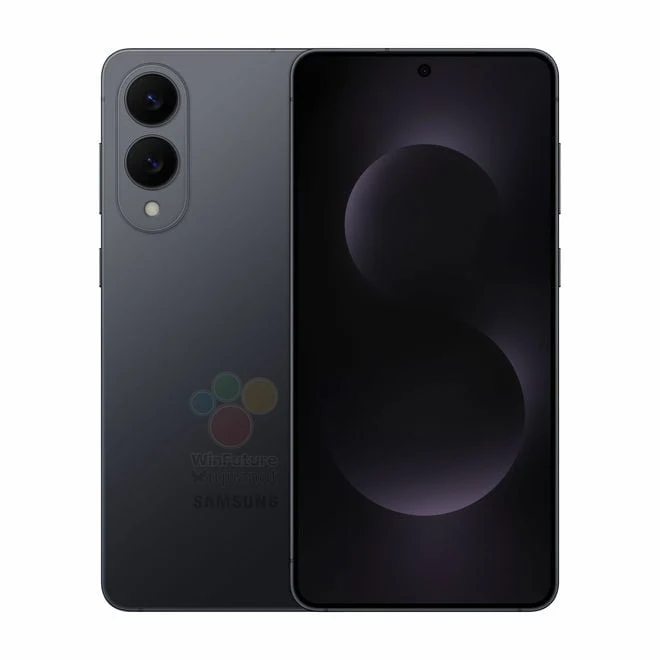
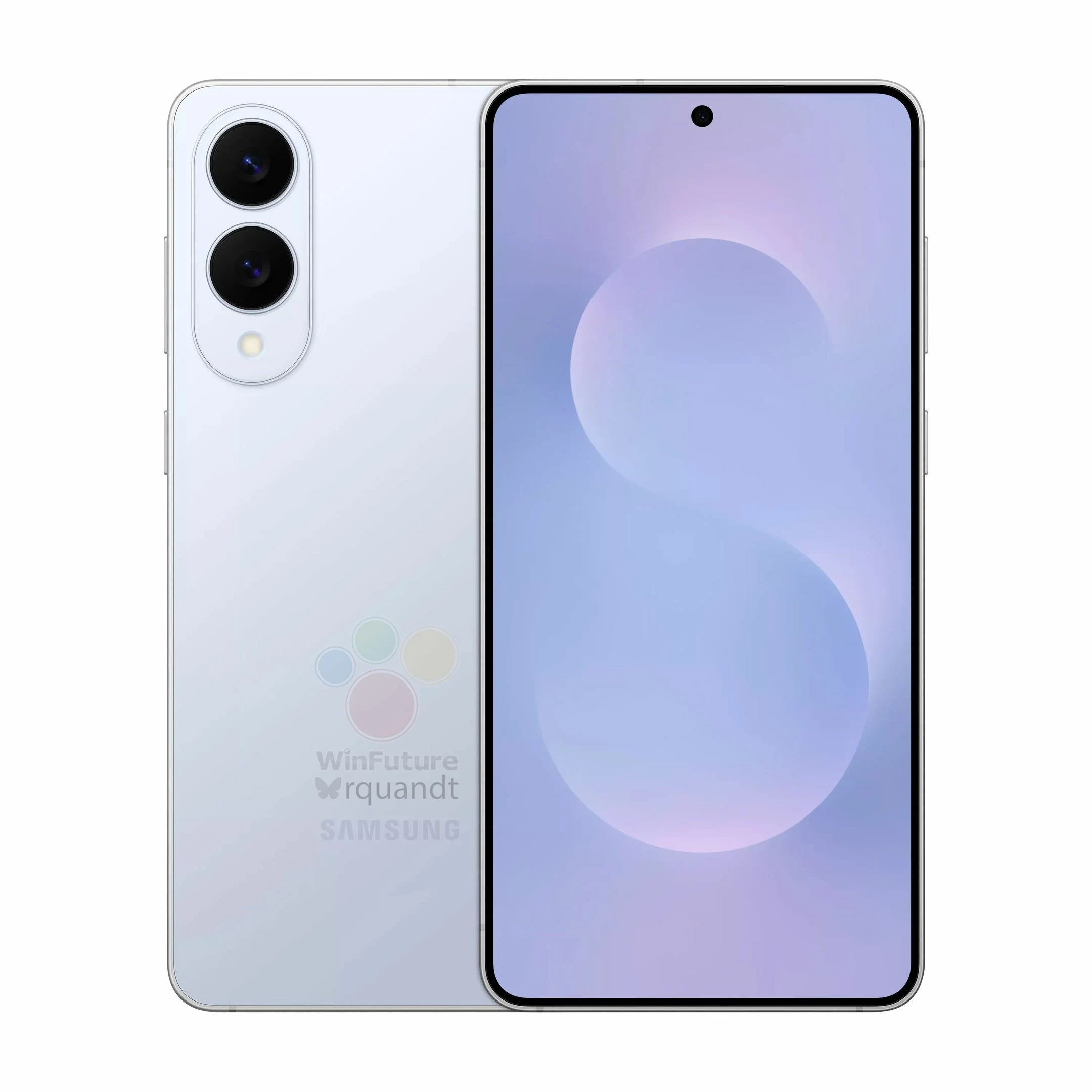
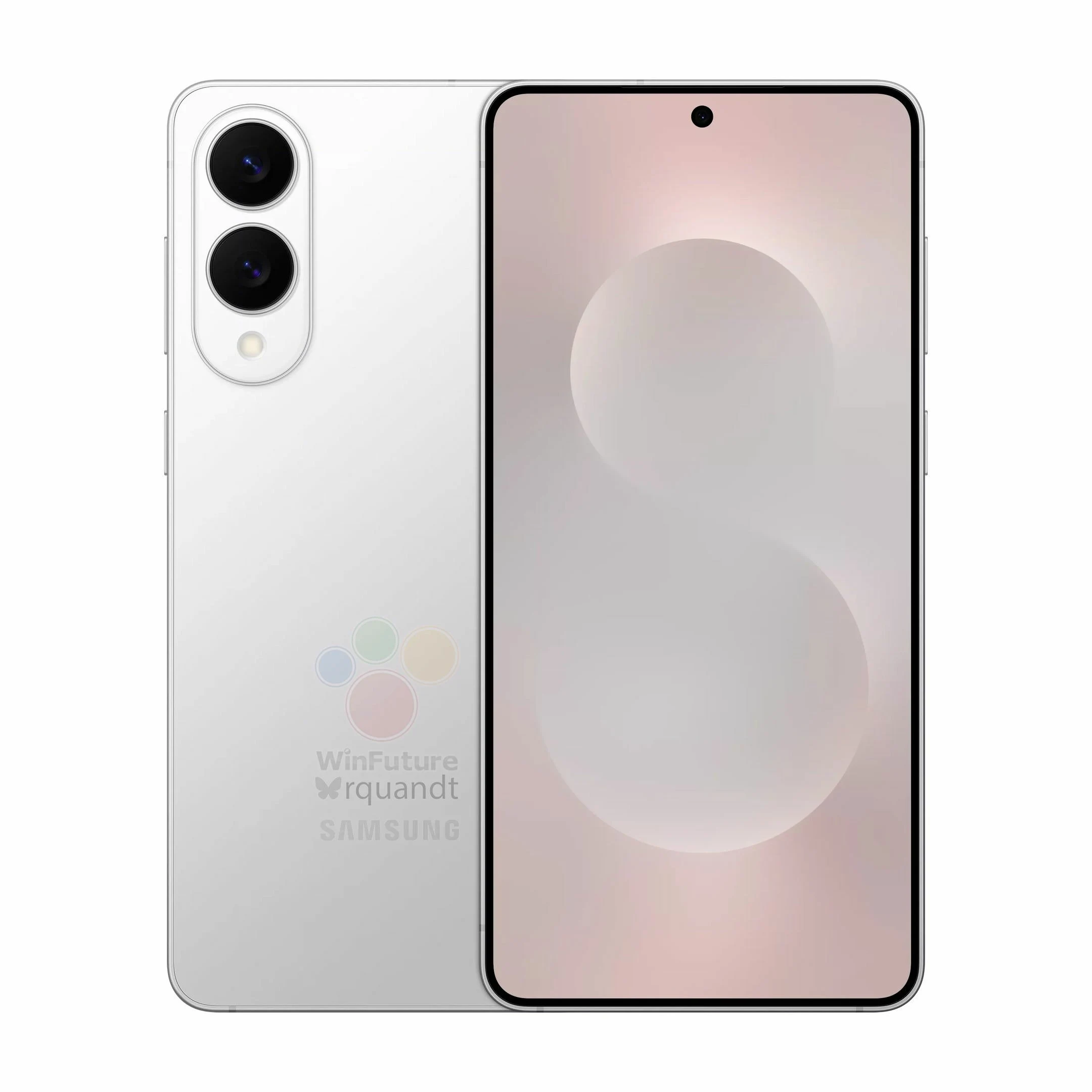
    Several sources have reported that Samsung is set to launch the Galaxy S25 Edge in April. This device was initially teased during the launch of the Galaxy S25 series back in January. Although it was displayed at the MWC 2025 tech expo earlier this month, the South Korean tech company has yet to disclose any specifics about it. Ahead of the anticipated launch in April, Winfuture.de has released a report featuring the official images of the device.

    Color Variants of the Galaxy S25 Edge

    The Galaxy S25 Edge will come in three color options: Titanium Jet Black, Titanium Icy Blue, and Titanium Silver. The images shared by the publication not only show these color choices but also reiterate the expected specifications of the device.

    Expected Specifications of the Galaxy S25 Edge

    Reports suggest that the Galaxy S25 Edge will boast a 6.7-inch AMOLED display with FHD+ resolution and a 120Hz refresh rate. Similar to the other models in the S25 lineup, the Edge version will be powered by the Snapdragon 8 Elite for Galaxy chipset.

    One standout feature of the S25 Edge is its slim profile, measuring about 5.8mm thick, not including the camera module. The device is also expected to come with a 3,900mAh battery that supports both 25W wired and wireless charging.

    On the front, there might be a 12-megapixel camera for selfies, while the rear vertical camera setup is said to include a 200-megapixel main camera with OIS and a 12-megapixel ultra-wide lens. Additionally, the device is likely to ship with One UI 7 based on Android 15 preinstalled.

    Launch Expectations and Pricing

    Last year, Samsung introduced the Galaxy Z Fold SE rather quietly. There are speculations that the S25 Edge might follow a similar path, debuting without a grand launch event. According to a recent report, the pricing for the 256GB and 512GB versions of the S25 Edge may range between 1,200 euros and 1,300 euros.


  • MediaTek Dimensity 9500 Chip Architecture Leak: 3.5M AnTuTu Score

    MediaTek Dimensity 9500 Chip Architecture Leak: 3.5M AnTuTu Score

    Key Takeaways

    1. MediaTek is expected to launch the Dimensity 9500 chip in late 2024, with engineering samples already prepared.
    2. The Dimensity 9500 features an eight-core structure (1+3+4) and aims for an AnTuTu benchmark score of around 3.5 million points.
    3. The chip will include one Cortex-X930 “Travis” core, expected to exceed 4GHz, positioning it competitively against Apple’s M4 chip.
    4. Major brands like Vivo and Oppo are set to be the first to use the Dimensity 9500 in flagship models, with potential launches as early as late September.
    5. MediaTek is also launching the Dimensity 9400 Plus next month, an overclocked version of the D9400, for various upcoming devices.


    MediaTek introduced the Dimensity 9400 chip in October 2024. There are strong rumors suggesting that the Taiwanese chipmaker is developing the Dimensity 9500, which could be launched in the final quarter of this year. A recent post on Weibo by trustworthy leaker Digital Chat Station has shared some initial insights about the D9500 chip.

    Dimensity 9500 Might Be the Top Android SoC

    Details about Dimensity 9500 shared by DCS

    The Weibo post from DCS indicates that the engineering samples for MediaTek’s upcoming chipset are prepared. As per the leak, this chip has an eight-core structure with a 1+3+4 setup, aiming for an AnTuTu benchmark score of approximately 3.5 million points. While the source didn’t directly state the chipset’s name, it seems to refer to MediaTek’s next premium processor—the Dimensity 9500.

    D9500 Will Feature One Cortex-X930 Travis Core

    Earlier, the leaker mentioned that the Dimensity 9500 would come with two Cortex-X930 “Travis” cores. However, he now indicates that there will be only one Travis core, which is expected to exceed 4GHz in performance. For single-core capability, the Dimensity 9500 might compete with Apple’s M4 chip due to features like ARM’s Scalable Matrix Extension (SME) and TSMC’s improved 3nm ‘N3P’ process.

    The informant has also suggested that although it’s not officially announced, smartphones using the Dimensity 9500 alongside Qualcomm’s Snapdragon 8 Elite 2 are likely to launch in October. Some manufacturers might even aim for a quicker release by late September, hoping to have their devices ready before November 1st.

    Major Brands to Adopt Dimensity 9500 First

    Leading brands like Vivo and Oppo are anticipated to be the first to implement the Dimensity 9500, with plans to integrate the chipset into upcoming flagship models such as the Vivo X300 and Oppo Find X8. There are also claims that the Honor Magic 9 series will include the Dimensity 9500 chip.

    In related updates, MediaTek is preparing to launch the Dimensity 9400 Plus chip next month. This chip operates at 3.73GHz and is an overclocked variant of the current D9400 chip, set to power various devices like the Oppo Find X8s, Find X8s+, Vivo X200S, Realme GT 7, iQOO Neo 10S, OnePlus Ace 5S, and Redmi K80 Ultra.


  • Motorola Razr 60 Full Specs and April Launch Expectations

    Motorola Razr 60 Full Specs and April Launch Expectations

    Key Takeaways

    1. The Motorola Razr 60 features a 3.63-inch cover OLED display with a resolution of 1056 x 1056 pixels and a 6.9-inch foldable OLED screen with a Full HD+ resolution of 1080 x 2460 pixels.

    2. It is equipped with a 32-megapixel front camera and a dual rear camera setup consisting of a 50-megapixel and a 13-megapixel lens, along with 3x optical zoom.

    3. The device is powered by a 2.75GHz processor, likely the Dimensity 7400x, and includes a battery capacity of approximately 4,275mAh with 30W wired and 15W wireless charging support.

    4. RAM options for the Razr 60 include 8GB, 12GB, 16GB, or 18GB, with storage options ranging from 128GB to 1TB.

    5. The Razr 60 shows significant upgrades compared to the Motorola Razr 50, particularly in chipset performance and battery capacity.


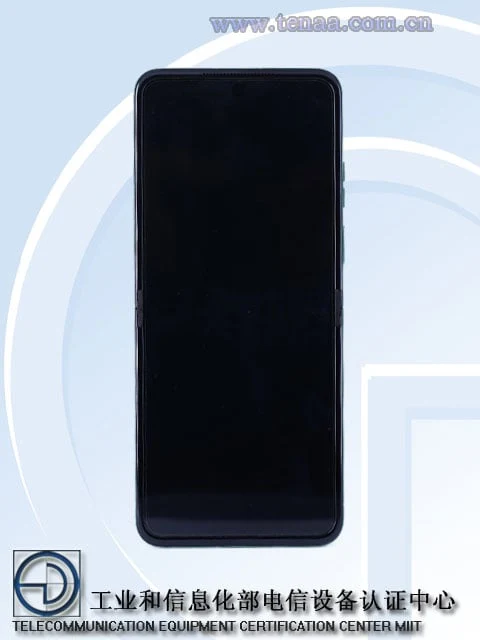
    Recently, the Motorola Razr 60 Ultra got the green light from China’s TENAA certification, which has revealed its key specifications. Now, the Razr 60 has also appeared in the TENAA database, showing us its complete specs and images. Let’s dive into what this Chinese certification has uncovered.

    Specifications of the Motorola Razr 60 (rumored)

    According to the TENAA entry, the Motorola Razr 60 is expected to have a 3.63-inch cover OLED display with a resolution of 1056 x 1056 pixels. Inside, it will boast a 6.9-inch foldable OLED screen supporting a Full HD+ resolution of 1080 x 2460 pixels. This information contradicts earlier claims suggesting it would feature a smaller 6.7-inch display.

    Camera and Security Features

    The Razr 60 will come with a 32-megapixel front camera, while the back will include a dual-camera system with a 50-megapixel and a 13-megapixel lens. The TENAA certification also indicates that the device will offer 3x optical zoom. For user security, it will have a fingerprint sensor mounted on the side.

    Performance and Battery Information

    The TENAA listing mentions that the Razr 60 is driven by a 2.75GHz processor, likely the Dimensity 7400x. Other reports suggest it will be powered by a battery with a typical value of 4,500mAh. However, TENAA only specifies a dual-cell battery setup of 1,090mAh + 3,815mAh, which provides a total rated capacity of 4,275mAh.

    It has been reported that the Razr 60 will allow 30W wired charging and 15W wireless charging. In the Chinese market, it will be offered with RAM options of 8GB, 12GB, 16GB, or 18GB, and storage choices of 128GB, 256GB, 512GB, or even 1TB.

    In comparison to last year’s Motorola Razr 50, the Razr 60 appears to present significant upgrades in terms of chipset and battery capacity.


  • Oppo Find X8 Ultra Real-Life Image Reveals Stunning Design

    Oppo Find X8 Ultra Real-Life Image Reveals Stunning Design

    Key Takeaways

    1. Oppo will launch new devices, including the Oppo Pad 4 Pro tablet, Watch X2 Mini, and Enco Free 4 TWS earbuds, on April 10 in China.
    2. The Find X8 Ultra features a circular camera module with multiple 50-megapixel lenses and a Hasselblad logo, and it will be available in three colors.
    3. The smartphone has a 6.82-inch AMOLED display with a 2K+ resolution and a 120Hz refresh rate.
    4. It is powered by the Snapdragon 8 Elite chipset, offering up to 16GB of RAM and 1TB of storage.
    5. The Find X8 Ultra includes a 6,100mAh battery with 100W wired and 50W wireless charging capabilities.


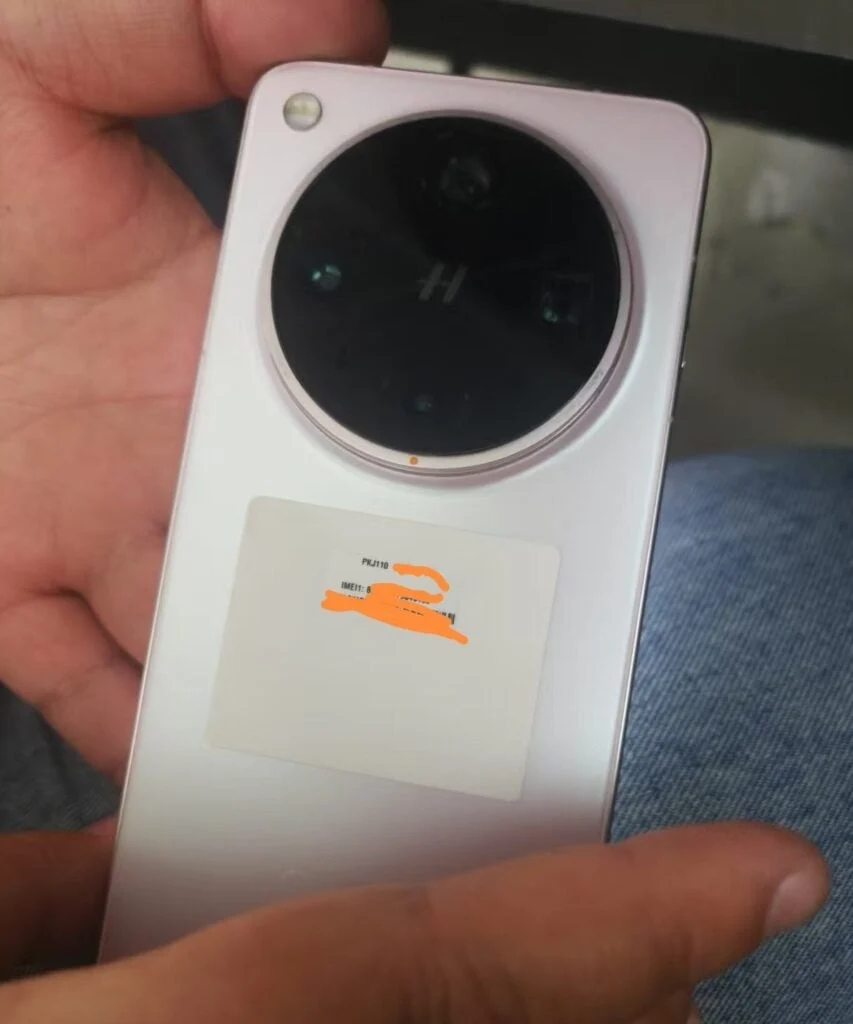
    Oppo is set to unveil several new devices in China on April 10. Before the launch event, the company has shared the design details of its Oppo Pad 4 Pro tablet, the Watch X2 Mini, and the Enco Free 4 TWS earbuds. While the design of the Find X8s has been teased, further information on the Find X8s and the X8 Ultra remains under wraps. However, a real-life image of the Ultra model has surfaced on Weibo, providing a sneak peek at its design.

    Discovering the Find X8 Ultra

    The image of the Oppo Find X8 Ultra has been validated by trusted leaker Ice Universe, confirming its authenticity. The picture displays the model number “PKJ110,” which corresponds to the standard version of the X8 Ultra.

    The smartphone features a circular camera module that houses two periscope telephoto lenses located at the top and right sides. The Hasselblad logo is prominently displayed at the center of the camera setup, which also includes the primary camera and an ultra-wide lens. An LED flash can be found in the top-left corner. This particular unit seems to be in the Morning Light color, which has a light pink hue, and it will also come in two additional colors: Moonlight White and Starry Black.

    Impressive Specifications

    Reports indicate that the Find X8 Ultra will come equipped with a 50-megapixel LYT-900 primary camera with OIS, alongside a 50-megapixel IMX882 ultra-wide lens. It will also feature a 50-megapixel IMX906 periscope telephoto camera that supports 3x optical zoom and OIS, plus a 50-megapixel IMX882 6x periscope camera with OIS. For those who love selfies, it boasts a 32-megapixel front camera.

    The display on the Find X8 Ultra will measure 6.82 inches and will be an AMOLED type with a flat design. It promises a 2K+ resolution, a refresh rate of 120Hz, and an ultrasonic in-screen fingerprint sensor. Under the hood, the X8 Ultra is powered by the Snapdragon 8 Elite chipset, with options for up to 16GB of LPDDR5x RAM and up to 1TB of UFS 4.0 storage. It will house a hefty 6,100mAh battery that supports both 100W wired and 50W wireless charging.

  • iQOO Z10 Features 7,300mAh Battery, 90W Charging & AnTuTu Scores

    iQOO Z10 Features 7,300mAh Battery, 90W Charging & AnTuTu Scores

    Key Takeaways

    1. The iQOO Z10 features a large 7,300mAh battery and supports 90W FlashCharge, allowing full charge in just 33 minutes.
    2. The smartphone has a slim design at only 7.89mm thick and includes a quad-curved AMOLED display.
    3. It is expected to be powered by the Snapdragon 7s Gen 3 chipset, achieving an AnTuTu score of 765,234.
    4. The device may come with up to 12GB of RAM and 256GB of UFS 2.2 storage.
    5. The anticipated price range for the iQOO Z10 in India is between Rs 20,000 to Rs 25,000, with a possible Z10x launch alongside it on April 11.


    Earlier this month, iQOO introduced the iQOO Neo 10R smartphone in India. Now, the company is generating excitement for the upcoming Z10, set to launch on April 11. This new device will have the biggest battery seen in a smartphone from a well-known brand. Recently, iQOO shared a poster showcasing the charging features of the Z10.

    iQOO Z10 Battery and Charging Speed

    The iQOO Z10 comes with an impressive 7,300mAh battery. The standout feature is its support for 90W FlashCharge, which the company claims can fully charge the phone in just 33 minutes. Even with this large battery, the phone will have a slim profile, measuring only 7.89mm thick.

    Design and Display

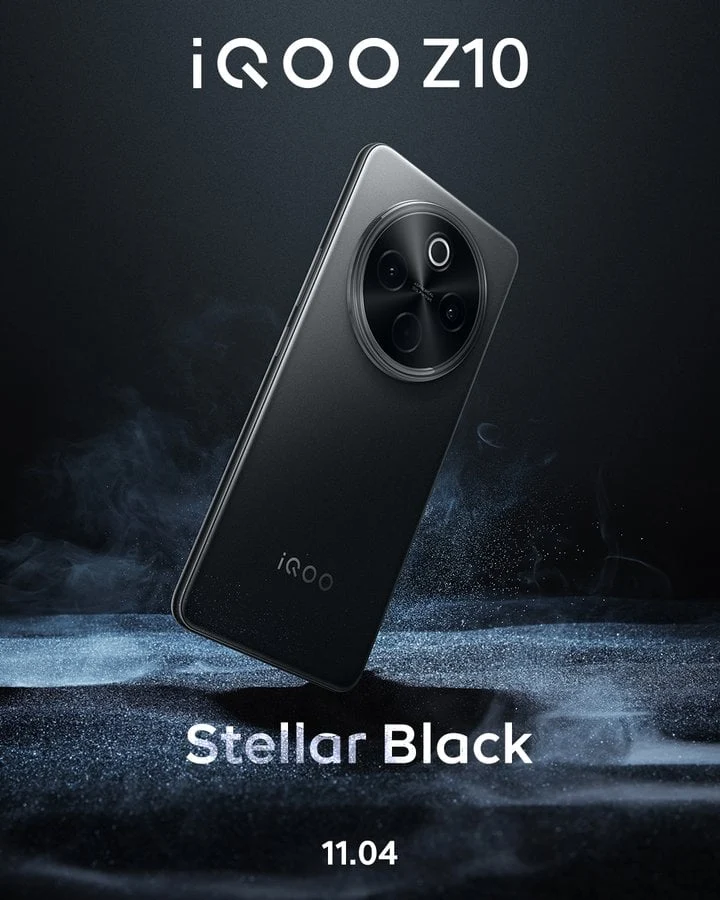
    iQOO has also confirmed that the Z10 will include a quad-curved AMOLED display. It will be offered in two colors: Glacier Silver and Stellar Black. However, other technical specifications for the device have not yet been disclosed.

    Performance and Pricing

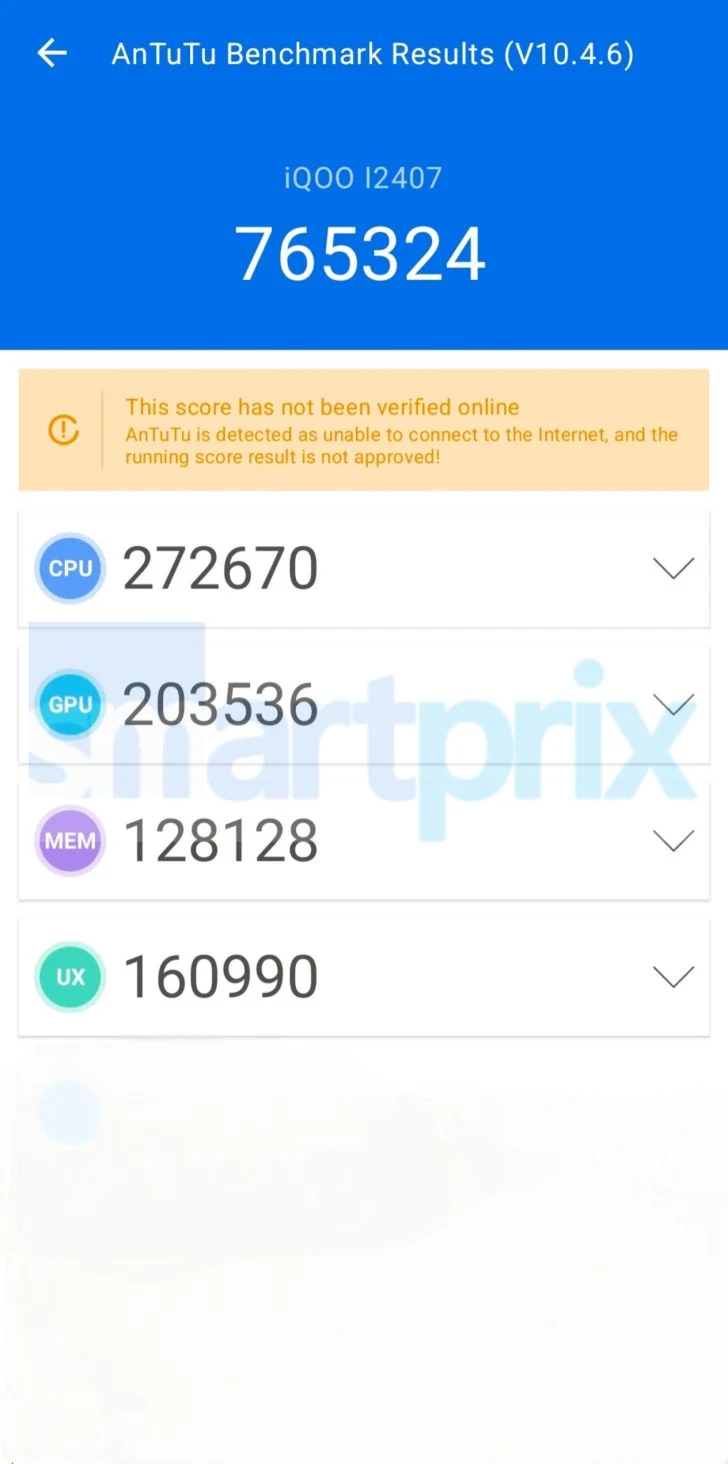
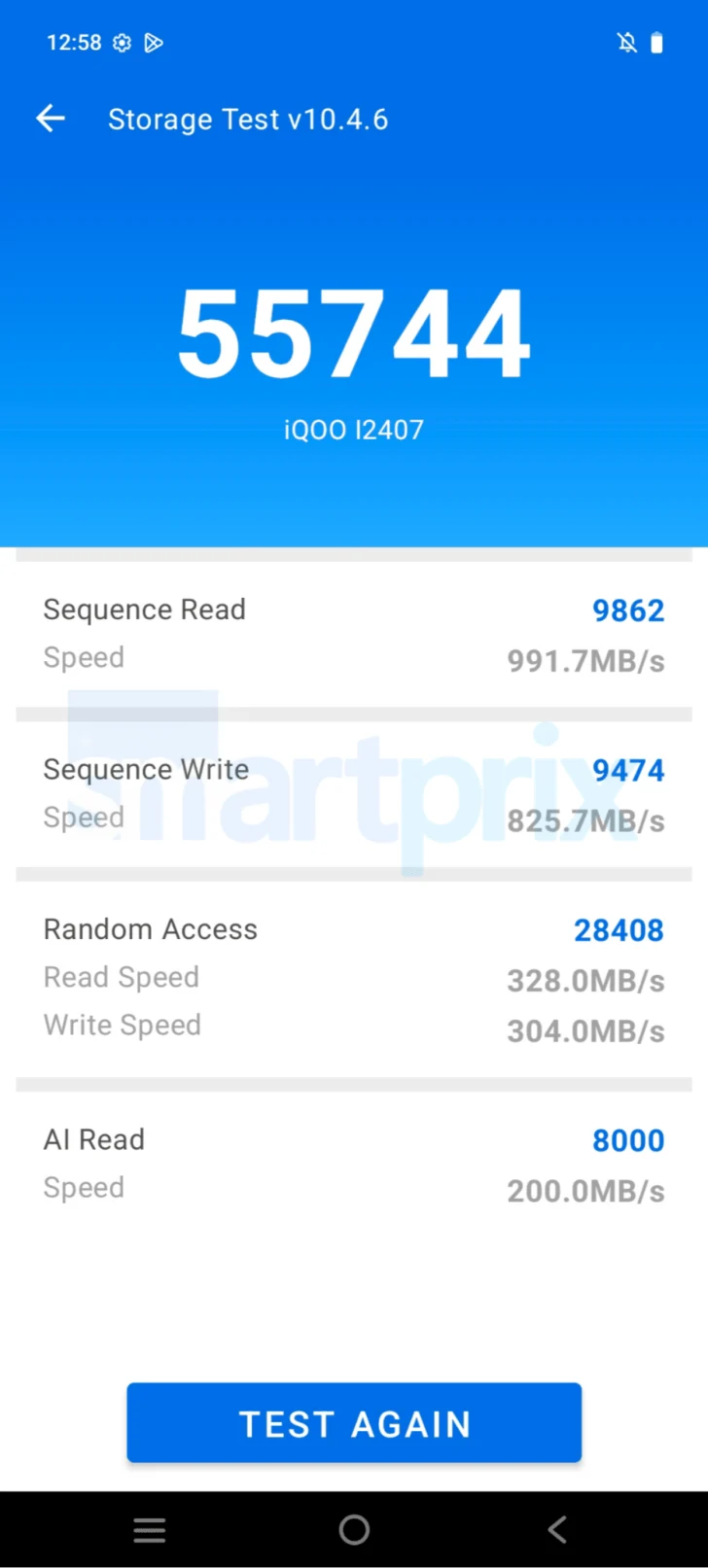
    SmartPrix has released pictures of the AnTuTu benchmark results for the iQOO Z10. One screenshot indicates the model number as I2407. It is expected that the phone will be powered by the Snapdragon 7s Gen 3 chipset and has scored 765,234 points. Additionally, the storage test suggests it might come with UFS 2.2. There are rumors suggesting that the device could include up to 12GB of RAM and 256GB of storage.

    Regarding its price, the iQOO Z10 is anticipated to fall within the range of Rs 20,000 to Rs 25,000 in India. There are also speculations that the iQOO Z10x, which may be a rebranded or modified version of the Vivo T4x 5G, will launch alongside the Z10 on April 11 in the country.


  • Nothing Phone (3a) Community Edition: More Features Added

    Nothing Phone (3a) Community Edition: More Features Added

    Key Takeaways

    1. Community-Driven Design: The Phone (3a) Community Edition invites fans to influence the design, features, and marketing of the phone.

    2. Four Design Stages: The project includes hardware design, software design (new widgets and clock icons), accessory design, and a marketing campaign.

    3. Participation Process: Interested individuals must submit proposals by April 23rd, with selected concepts voted on by the community.

    4. Winners and Prizes: Four winners will be chosen, and each will receive a cash prize of £1,000.

    5. Opportunity for Visibility: This initiative is a chance for designers, developers, and marketers to showcase their talents and gain exposure through a real-world project.


    Nothing has returned with another exciting round of design driven by the community. After winning the Gold iF Design Award for last year’s glow-in-the-dark Phone (2a) Community Edition, the company is now asking users to take part in designing a special edition of their latest mid-range phone, the Phone (3a).

    Community Edition Explained

    For those who may not know, the Community Edition is more than just a new color or a limited-edition model. It’s a collaborative project where fans get to directly influence the design features of the phone, its accessories, and even how it is marketed.

    Details About the Phone (3a) Community Edition

    The 2025 Community Edition project consists of four stages, which are as follows:
    Hardware Design: Developing a distinctive visual identity for the Phone (3a).
    Software Design: Last year this focused on wallpapers only, but this time it will also feature new widgets and a clock icon pack.
    Accessory Design: This new part allows participants to create an exclusive collectible or accessory that will accompany the Community Edition.
    Marketing Campaign: Suggesting key visuals and ideas for product launches or events to promote the phone.

    How to Participate

    If you want to be part of this, you’ll need to submit a proposal in one of the categories, and only a select few will get chosen. After submissions close on April 23rd, the Nothing community will vote for 24 hours to identify the best concepts, after which internal judges will pick four winners who will see their ideas come to life. As an added bonus, Nothing is offering each winner a cash prize of £1,000.

    The Community Edition provides a fantastic opportunity to display your talents and reach a large audience. Whether you’re a designer, developer, or a marketer, this is a great chance for visibility. Simply put, it’s an excellent way to promote yourself while working on a real-world project. So, if you have the skills and a creative idea, now is the moment to get involved!


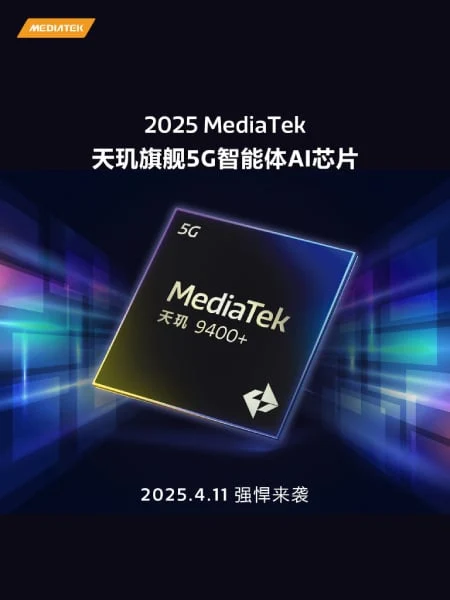
  • MediaTek Dimensity 9400+ Official Launch Date Announced

    MediaTek Dimensity 9400+ Official Launch Date Announced

    Key Takeaways

    1. MediaTek will officially launch the Dimensity 9400+ on April 11 during the Dimensity Developer Conference in Shenzhen, China.
    2. The Dimensity 9400+ has higher clock speeds than its predecessor, with the Cortex-X925 core reaching 3.7GHz and Cortex-A720 cores at 2.4GHz.
    3. Benchmark results show a 6% increase in single-core performance and a 5% increase in multi-core performance compared to the standard Dimensity 9400.
    4. Several smartphone models are expected to feature the Dimensity 9400+, including Oppo Find X8S, Vivo X200S, and iQOO Neo 10S Pro, with releases starting in April.
    5. Xiaomi is also planning to launch the Xiaomi 15T Pro later this year, likely featuring the Dimensity 9400+.


    MediaTek has set a launch date for its Dimensity 9400+: April 11. This date coincides with the Dimensity Developer Conference happening in Shenzhen, China, where the chip will be officially unveiled.

    Performance Enhancements

    The Dimensity 9400+ maintains the same primary architecture as its predecessor, the 9400, but with a higher clock speed. Notably, the Cortex-X925 core is expected to increase to 3.7GHz from the previous 3.62GHz of the standard 9400. Additionally, there are three Cortex-X4 cores operating at 3.30GHz and four Cortex-A720 cores now running at 2.4GHz, up from 2.0GHz. The GPU remains the ARM Immortalis G925 MP12.

    Benchmarking Results

    According to reports from Geekbench, the chip has been benchmarked, showing a score of 2,770 for single-core performance and 8,500 for multi-core tests. This indicates a 6% increase in single-core performance and a 5% enhancement in multi-core performance compared to the standard Dimensity 9400, which had averages of 2,605 and 8,078, respectively, as noted by NotebookCheck.

    Upcoming Devices

    In light of the announcement, multiple smartphone manufacturers are gearing up to release devices featuring the Dimensity 9400+. A leaked list names several models expected to use the new chip:

    – Oppo Find X8S, Find X8S+
    – Vivo X200S
    – iQOO Neo series flagship, likely the iQOO Neo 10S Pro
    – Realme GT series flagship, possibly the Realme Neo 7 Pro
    – OnePlus Ace 5S
    – Redmi K80 Ultra

    The Oppo Find X8S, Find X8S+, and Vivo X200S are anticipated to hit the market in China as early as April. The iQOO Neo 10S may follow in May, while releases from Realme, OnePlus, and Redmi are also expected during the first half of the year.

    Future Releases

    Additionally, Xiaomi is reportedly working on the Xiaomi 15T Pro, which is expected to launch a few months later in global markets. If Xiaomi sticks to last year’s pattern—where the Xiaomi 14T Pro was equipped with the Dimensity 9300+—the 15T Pro is likely to feature the Dimensity 9400+ as well.