Category: Phones

Stay updated with the latest phone news, reviews, and trends. Discover cutting-edge smartphones, features, and innovations in our Phones category at GizNewsDaily

  • OnePlus 13T Promises Radical Performance in a Compact Phone

    OnePlus 13T Promises Radical Performance in a Compact Phone

    Key Takeaways

    1. OnePlus is expected to launch a compact flagship phone, possibly called the OnePlus 13T.
    2. The device will feature Qualcomm’s Snapdragon 8 Elite processor for high performance in a small screen.
    3. OnePlus aims to improve heat management with new materials and a larger heat dissipation area.
    4. The OnePlus 13T may include a 6,200mAh battery with silicon-carbon technology and support for 80W fast charging.
    5. The phone is rumored to have a 6.31-inch flat OLED display, a 50MP main camera, and a 50MP telephoto lens with 2x optical zoom.


    OnePlus seems to be gearing up to introduce a more compact flagship phone. Recent reports over the last few weeks hint at the potential arrival of a smaller OnePlus device, and earlier today, the president of the company hinted that such a product could be on the way. Speculations are swirling that it might be called the OnePlus 13T.

    Performance Expectations

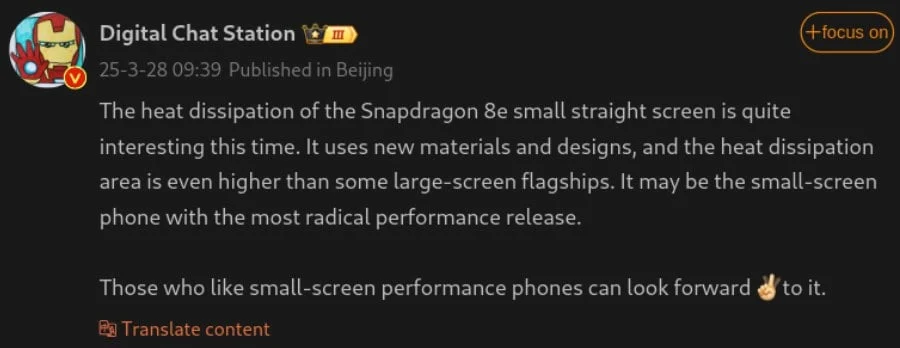
    Adding to the excitement, tipster Digital Chat Station has claimed that the OnePlus 13T will offer “the most radical performance” for a smartphone with a small screen. The device is expected to run on Qualcomm’s Snapdragon 8 Elite, the same processor found in the OnePlus 13.

    Innovative Heat Management

    What’s particularly intriguing is OnePlus’s plan to manage heat in this smaller design. The company is reportedly working with new materials and a revamped internal layout, which will have a heat dissipation area larger than that of some larger flagship models. Typically, compact phones have a tough time maintaining performance due to limited cooling options, but OnePlus seems to be tackling this issue effectively.

    Impressive Specs

    The OnePlus 13T is rumored to come with a surprisingly robust 6,200mAh battery. This is made possible through silicon-carbon battery technology, which enables higher energy density in a more compact size. Additionally, the phone is said to support fast charging at 80W.

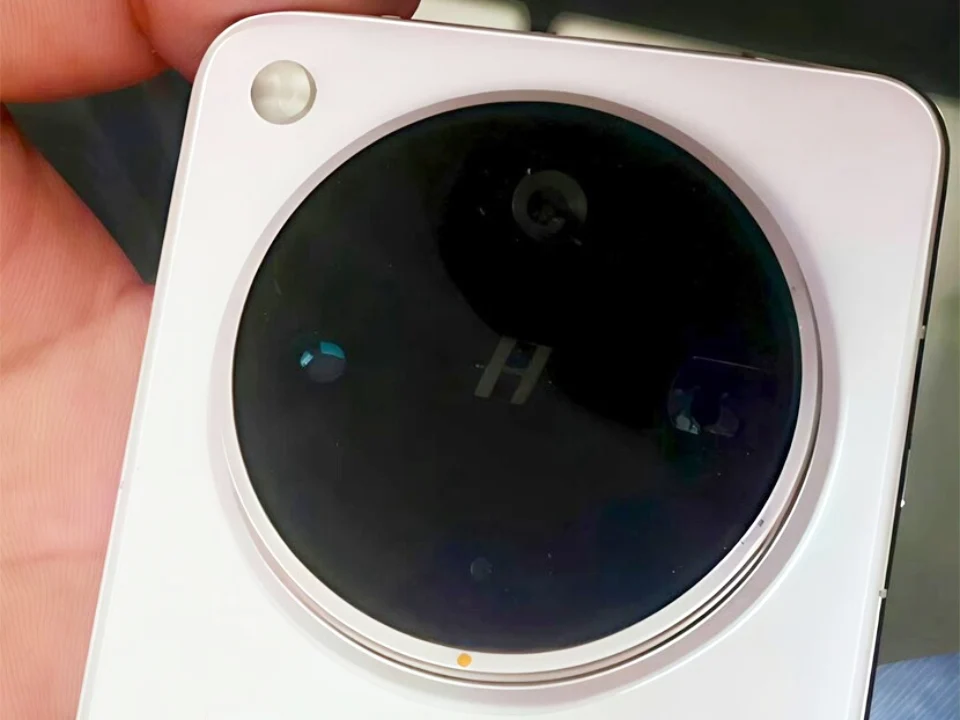
    On the exterior, the 13T might feature a sleek metal frame and a glass back, giving it a high-end look and feel. A leaked image of the device has also surfaced recently, showing off its design.

    Display and Camera Features

    On the display front, the phone is anticipated to have a 6.31-inch flat OLED screen with a 1.5K resolution and a 120Hz refresh rate. In terms of photography, leaks suggest it will boast a 50MP main camera with OIS and a 50MP telephoto lens that offers 2x optical zoom.

    The OnePlus 13T is likely several months away from its official launch, as it has only recently started appearing in certification processes. If the rumors hold true, we could see its release around April or May.


  • Vivo Y39 5G: Affordable Smartphone with Snapdragon 4 & 6500mAh Battery

    Vivo Y39 5G: Affordable Smartphone with Snapdragon 4 & 6500mAh Battery

    Key Takeaways

    1. The Vivo Y39 5G features a larger 6,500 mAh battery with 44 W wired charging, upgraded from the Y38 5G’s 6,000 mAh battery.
    2. It has a 6.68-inch LCD display with a resolution of 1608 x 720 pixels and a 120 Hz refresh rate, maintaining the same specs as its predecessor.
    3. The smartphone includes a dual rear camera setup with a 50 MP main camera and an 8 MP front camera for selfies.
    4. It runs on the Snapdragon 4 Gen 2 chipset, with 8 GB of RAM and options for 128 GB or 256 GB of internal storage, but no expandable storage.
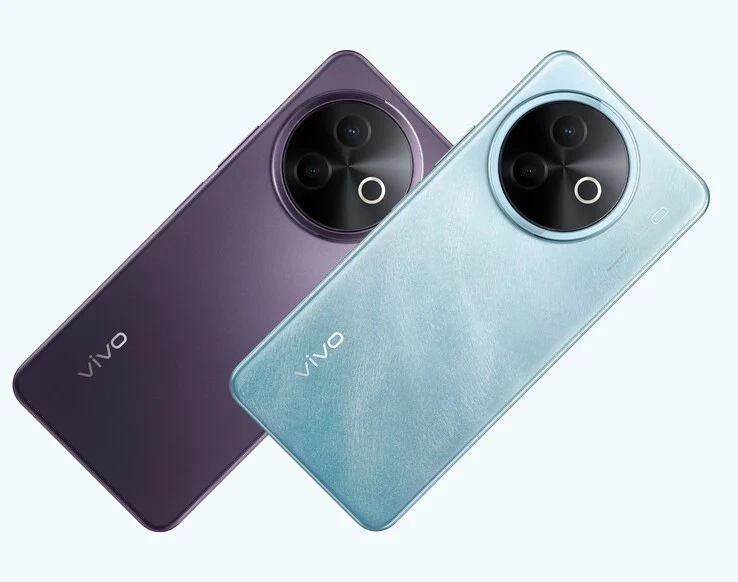
    5. Priced at INR 16,999 ($200) for the base model and INR 18,999 ($220) for the higher storage variant, the Y39 5G is available in lotus purple and ocean blue colors.


    Vivo has launched its new budget smartphone, the Y39 5G, in India. This device is a direct upgrade from the Y38 5G, keeping most of its features, with some minor updates. Notably, it now includes a bigger 6,500 mAh battery, an increase from the 6,000 mAh found in the Y38 5G, while it still supports 44 W wired charging.

    Display and Camera Features

    The display specifications remain the same as the previous version. The Y39 5G has a 6.68-inch LCD screen with a resolution of 1608 x 720 pixels. It also offers a 120 Hz refresh rate and covers 83% of the NTSC color gamut. For photography, the smartphone features a dual rear camera setup, which includes a 50 MP main camera and a 2 MP secondary camera, just to take up space. On the front, there’s an 8 MP camera for selfies.

    Performance and Software

    There’s no change in the processor either. It still uses the Snapdragon 4 Gen 2 chipset, along with 8 GB of RAM and up to 256 GB of internal storage, but sadly, there’s no option for storage expansion. Regarding software, it operates on Android 15 with Funtouch OS 15 pre-installed. Like usual, there’s no information about the duration of software support for this smartphone.

    Design and Pricing

    In terms of size, the 5G smartphone measures 165.7 x 76.3 x 8.3 mm (6.52 x 3 x 0.32 inches) and weighs about 207 grams (0.45 lbs). Additional features include a side-mounted fingerprint scanner, dual stereo speakers, IP64 rated protection against water and dust, and the option for up to 8 GB RAM expansion.

    The Vivo Y39 5G is offered in lotus purple and ocean blue colors. It has a starting price of INR 16,999 ($200) for the base model with 8 GB + 128 GB, while the 8 GB + 256 GB variant is priced at INR 18,999 ($220). The smartphone is currently available for buying through Amazon and Vivo’s official site.

    Source:
    Link


  • POCO C71 Leaks in Shiny Gold Ahead of India Launch

    POCO C71 Leaks in Shiny Gold Ahead of India Launch

    Key Takeaways

    1. POCO is set to launch the budget-friendly POCO C71 smartphone in India, potentially on April 4, 2025.
    2. The POCO C71 will feature a dual-tone design with a shiny gold finish and a pill-shaped camera module.
    3. The smartphone is likely a rebranded version of the Redmi A5, featuring a 6.88-inch display with up to 120Hz refresh rate.
    4. It will be powered by the UNISOC T7250 chipset, with 4GB of RAM and 128GB of storage, plus an additional 4GB of virtual RAM.
    5. The device will have a 5,200mAh battery with 15W charging, a 32MP rear camera, an 8MP front camera, and security features like a fingerprint scanner and face unlock.


    POCO is preparing to introduce a new budget-friendly smartphone in India very soon. The POCO C71 has been leaked, showcasing its complete design in an eye-catching gold finish. Additionally, there is new info regarding its potential launch date in India.

    POCO C71 Launch Details and Design Unveiled

    The latest details have come from a well-known leaker, Sanju Choudhary, who posted on X (previously known as Twitter). He mentioned in his tweet that the POCO C71 is expected to hit the Indian market shortly, possibly on 4th April 2025. If this information holds true, the new budget smartphone could be available in just about a week. Alongside this, the leaker shared a photo that displays the device in its striking gold color.

    Design Features of the POCO C71

    The rear panel of the POCO C71 features a dual-tone design with a shiny golden trim around the pill-shaped camera module. This smartphone received the BIS certification in India in February 2025. It’s worth noting that the C71 might be a rebranded version of the Redmi A5. The Redmi A5 from Xiaomi boasts a tall 6.88-inch display, offering up to a 120Hz refresh rate and a 240Hz touch sampling rate. Inside, it is powered by the UNISOC T7250 chipset, coupled with 4GB of RAM and 128GB of internal storage.

    Specifications and Battery Life

    This model also comes with an additional 4GB of virtual RAM expansion. A robust 5,200mAh battery fuels the device, supporting 15W wired charging. In terms of camera capabilities, the back features a 32MP AI rear camera, while the front has an 8MP selfie camera. For security, there’s a fingerprint scanner and face unlock functionality.

  • Poco F7 Ultra Launches: Snapdragon 8 Elite Flagship for Global Market

    Poco F7 Ultra Launches: Snapdragon 8 Elite Flagship for Global Market

    Key Takeaways

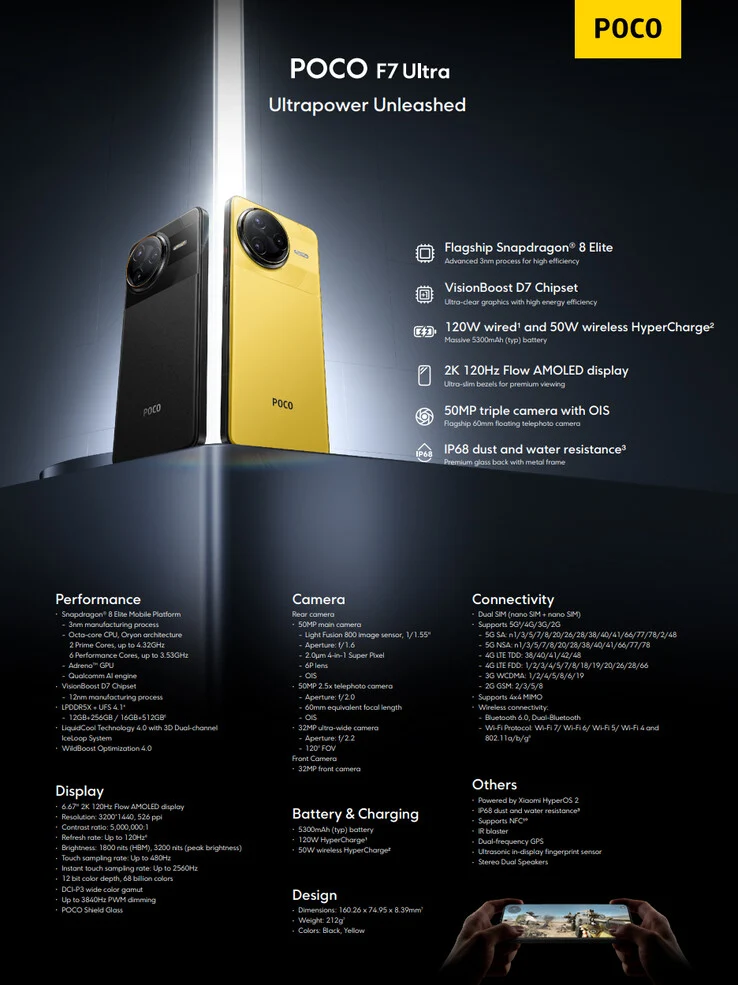
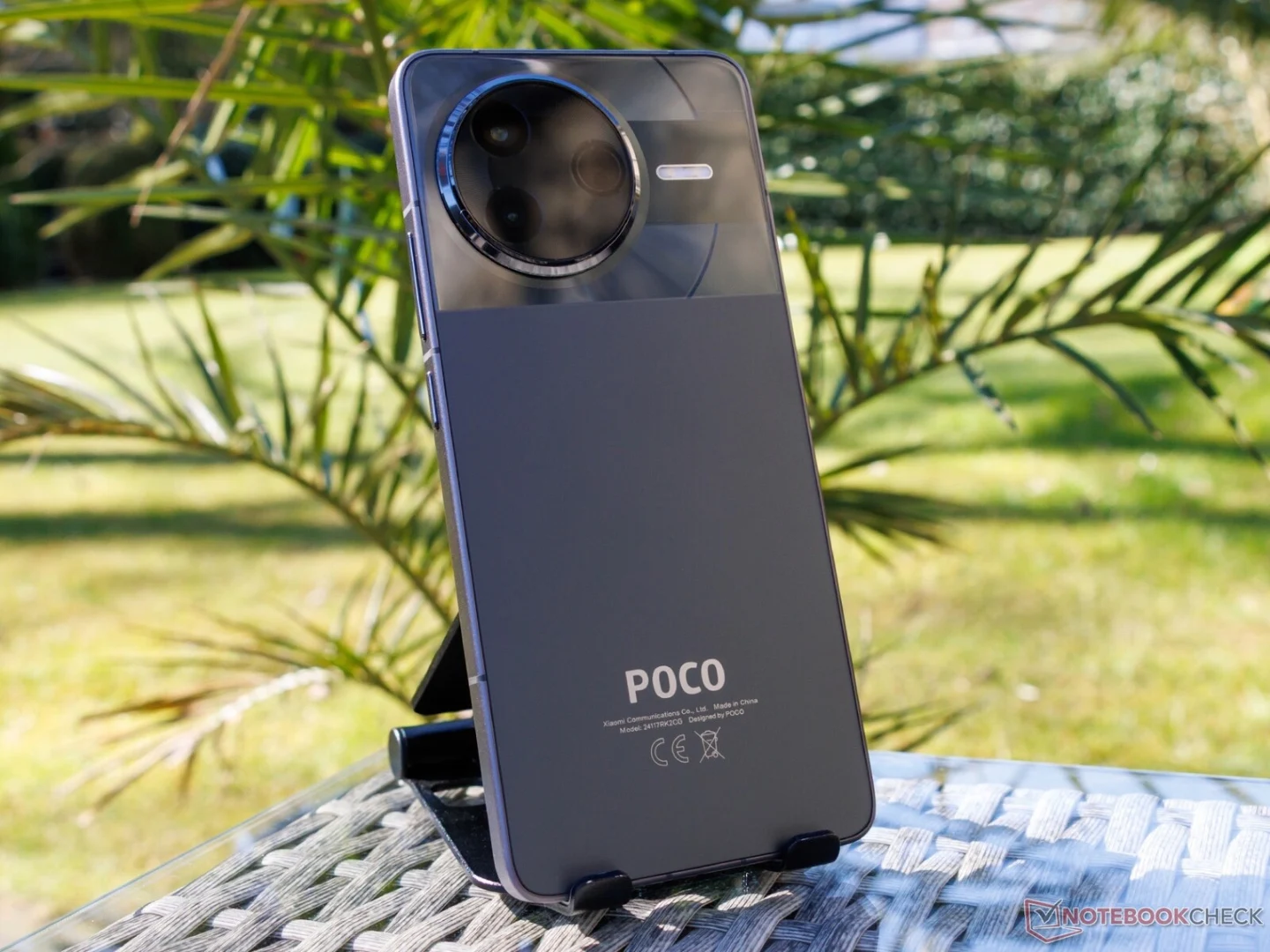
    1. The Poco F7 Ultra is a rebranded version of the Redmi K80 Pro, featuring the Snapdragon 8 Elite chip.
    2. The device has a smaller battery capacity compared to its predecessor, but maintains fast charging speeds of 50 W wireless and 120 W wired.
    3. It offers up to 16 GB of RAM and 512 GB of storage, with gaming optimization through WildBoost Optimization 4.0.
    4. The camera setup includes a 50 MP main sensor, 50 MP telephoto lens, 32 MP ultra-wide camera, and a 32 MP front camera.
    5. The Poco F7 Ultra features a 6.67-inch 120 Hz display, IP68 rating, and will retail for €749.90 for the 12 GB/256 GB model and €799.90 for the 16 GB/512 GB model.


    Poco’s highly anticipated F7 Ultra has been officially launched, and similar to its previous versions, it’s not exactly a brand new device. Instead, it serves as a rebranded version of the Redmi K80 Pro, which was released as one of the most affordable Snapdragon 8 Elite phones in China, remaining exclusive to that market.

    Changes in Design and Specs

    While the Poco F7 Ultra is not a direct copy of the Redmi K80 Pro, there are some modifications. One notable change is that the new Snapdragon 8 Elite in the Poco comes with a smaller battery capacity. This trend of reduced battery sizes has become quite common for Chinese smartphones that are making their way into the global market.

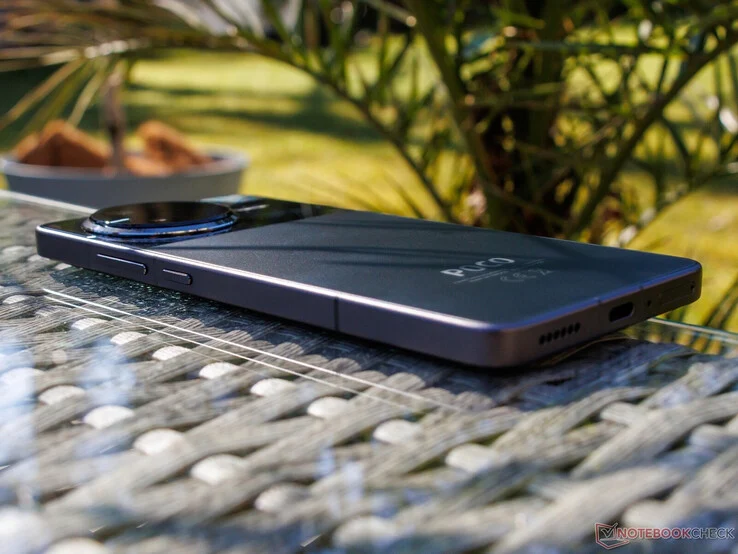
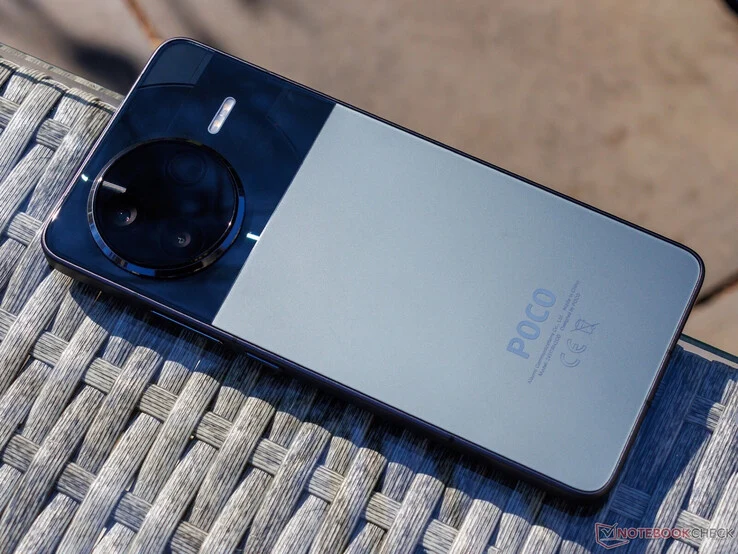
    Fortunately, the charging speeds have not been altered. The F7 Ultra supports wireless charging at 50 W and offers 120 W wired fast charging, with the Anker 737 power bank priced at $87.99 on Amazon. The design of the phone has also been slightly refreshed, showcasing Poco’s signature black and yellow colors.

    Performance and Camera Features

    When it comes to additional specifications, they remain largely unchanged from the Redmi K80 Pro. The Snapdragon 8 Elite is combined with a maximum of 16 GB of LPDDR5X RAM and 512 GB of UFS 4.1 storage. The device also includes WildBoost Optimization 4.0, designed to enhance gaming performance and deliver a seamless experience.

    As for the camera setup, the Poco F7 Ultra features a triple-camera arrangement. The main camera includes a 50 MP Light Fusion 800 sensor, complemented by a 50 MP telephoto lens with 2.5x zoom and a 32 MP ultra-wide camera. For selfies, the phone sports a 32 MP front-facing camera.

    Display and Additional Features

    On the front side, the Poco F7 Ultra boasts a 6.67-inch display with a refresh rate of 120 Hz. It has a peak brightness of 3,200 nits and supports up to 480 Hz touch sampling rate. Other notable features include the VisionBoost D7 gaming chipset, an IP68 rating for water and dust resistance, stereo dual speakers, a ultrasonic in-display fingerprint sensor, along with promises of four years of Android updates and six years of security support.

    In terms of pricing, the Poco F7 Ultra will retail for €749.90 in the EU for the model with 12 GB of RAM and 256 GB of storage. The higher-end variant, which includes 16 GB of RAM and 512 GB of storage, will be available for €799.90.


  • Xiaomi Poco F7 Pro Launches: Snapdragon 8 Gen 3, 6000mAh for £399

    Xiaomi Poco F7 Pro Launches: Snapdragon 8 Gen 3, 6000mAh for £399

    Key Takeaways

    1. Xiaomi has launched the Poco F7 Pro and Poco F7 Ultra, with the F7 Pro replacing the Poco F6 and F6 Pro models.
    2. The Poco F7 Pro features a 6.67-inch AMOLED display with a 120 Hz refresh rate, 1440p resolution, and peak brightness of 1,800 nits (up to 3,200 nits in HDR).
    3. It has a 50 MP primary camera and an 8 MP ultra-wide camera, powered by the Snapdragon 8 Gen 3 processor and a 6,000 mAh battery with 90 W charging.
    4. The device will receive four major Android updates starting from Android 15 and six years of security updates.
    5. The starting price for the Poco F7 Pro is £499/€599 (~$645), with a £100/€100 launch discount available until April 10.


    Xiaomi has unveiled the Poco F7 Pro today, along with its pricier counterpart, the Poco F7 Ultra. Essentially, the Poco F7 Pro takes the place of both the Poco F6 and Poco F6 Pro (currently priced at $429 on Amazon), considering that the Poco F7 isn’t officially released yet. There are whispers that Xiaomi might launch a budget-friendly Poco F7 later this year in India.

    Display Features

    The Poco F7 Pro is designed with a 6.67-inch AMOLED screen that boasts a refresh rate of 120 Hz and a resolution of 1440p, reaching a peak brightness of 1,800 nits. For context, this brightness can increase to 3,200 nits in certain areas of the display, but only when the content is HDR. Additionally, the expansive screen integrates an ultrasonic fingerprint reader and a 20 MP selfie camera.

    Camera and Performance

    In terms of photography, the Poco F7 Pro is equipped with a primary camera of 50 MP and an f/1.6 aperture, sourced directly from the Poco F7 Ultra. However, this model includes a less powerful 8 MP ultra-wide-angle camera. Instead of the Snapdragon 8 Elite, it features the slightly older but still robust Snapdragon 8 Gen 3. Supporting this hardware is a substantial 6,000 mAh battery that supports 90 W charging, although the Poco F7 Pro lacks wireless charging capabilities.

    Software and Pricing

    Xiaomi commits to providing four major updates to the Android OS starting from Android 15, along with six years of security updates. The starting price for the Poco F7 Pro is £499/€599 (~$645) for the model with 12 GB of RAM and 256 GB of internal storage. Alternatively, a version with double the storage is available for £549/€649 (~$698). Both configurations come with a launch discount of £100/€100 until April 10. For further details, you can check Xiaomi’s official website.

    Source:
    Link


  • Vivo X200 Ultra Camera Test: DSLR vs iPhone 16 Pro Max Comparison

    Vivo X200 Ultra Camera Test: DSLR vs iPhone 16 Pro Max Comparison

    Key Takeaways

    1. The Vivo X200 Ultra features two dedicated image signal processors (ISPs) for enhanced photography.
    2. The device includes an advanced LED flash array that can mimic external light sources.
    3. This LED technology aims to improve low-light photography by providing a wider dynamic range.
    4. Initial comparisons suggest the X200 Ultra may outperform the iPhone 16 Pro Max but has limitations compared to the Canon EOS 5 Mark 4.
    5. Independent camera samples will be necessary for a definitive evaluation of the X200 Ultra’s camera capabilities.


    Leakers, such as Digital Chat Station, have been slowly sharing details about the Vivo X200 Ultra for some time now. Yet, Han Bo Xiao keeps bringing attention to new features of the upcoming flagship that haven’t been discussed before.

    New Features Unveiled

    For instance, Han Bo Xiao, the product manager, shared information yesterday about the X200 Ultra incorporating two dedicated image signal processors (ISPs). We’ve covered more on this separately. He has also confirmed that Vivo is utilizing this device to demonstrate a sophisticated LED flash array.

    Advanced LED Flash Technology

    As per Han Bo Xiao, the X200 Ultra can modify the light cone of its LED flash, mimicking the presence of an external light source. In theory, this should enable the X200 Ultra to take pictures with a wider dynamic range in low-light situations, which we included an example of below.

    Camera Comparisons

    While comparisons with Canon’s Eos 5 Mark 4 reveal some limitations for the X200 Ultra in this aspect, the forthcoming flagship seems to outperform the iPhone 16 Pro Max (currently priced at $1,021 – refurbished on Amazon). In the end, we suggest waiting for independent camera samples to be released before making any conclusions about the X200 Ultra’s camera abilities. For this reason, Vivo is set to launch the X200 Ultra next month, following the official debut of the Find X8 Ultra.

    Source:
    Link


  • MediaTek Dimensity 9400+ Launching in New Oppo Find Flagship

    MediaTek Dimensity 9400+ Launching in New Oppo Find Flagship

    Key Takeaways

    1. Oppo is set to launch the Find X8s and Find X8s Plus, featuring MediaTek’s new Dimensity 9400+ chipset.
    2. The Dimensity 9400+ is specifically named for the first time in this teaser, ahead of its official announcement at the Dimensity Developer Conference on April 11, 2025.
    3. The new chipset will have faster ARM Cortex-X925 and Cortex-X4 CPU cores compared to the original Dimensity 9400.
    4. The Dimensity 9400+ is a follow-up to the Dimensity 9300+ and will launch about six months after the Dimensity 9400.
    5. Oppo’s focus on the new chipset indicates potential advancements in performance for the Find X8s series, making it an anticipated launch.


    Oppo has revealed an important detail regarding the Find X8s series, which will include both the Find X8s and the larger Find X8s Plus. Earlier this week, the company hinted at some initial information about the smaller version. Now, it has confirmed that the series will be powered by MediaTek’s upcoming flagship chipset.

    Details About the Chipset

    As shown in the image below, the chipset being discussed is the Dimensity 9400+. Interestingly, this is the first time Oppo has mentioned the new chipset by name; before this, MediaTek only suggested that it would showcase something new at its upcoming Dimensity Developer Conference (MDDC 2025) set for April 11.

    Release Timeline

    The Dimensity 9400+ is expected to launch roughly six months after the introduction of the Dimensity 9400. Technically, it serves as the successor to the Dimensity 9300+, which powers devices like the Xiaomi 14T Pro and the Galaxy Tab S10 Ultra (currently priced at $1,044.99 on Amazon). According to a recent Geekbench listing, the Dimensity 9400+ is anticipated to offer the Find X8s and Find X8s Plus improved ARM Cortex-X925 and Cortex-X4 CPU cores compared to the standard Dimensity 9400. However, full details regarding the differences between the Dimensity 9400 and the Dimensity 9400+ are still not available at this time.

    Source:
    Link


  • Snapdragon 8 Elite 2 and Dimensity 9500 Early Specs Leaked

    Snapdragon 8 Elite 2 and Dimensity 9500 Early Specs Leaked

    Key Takeaways

    1. Qualcomm and MediaTek will launch new chipsets next month, including the Snapdragon 8s Gen 4 and Dimensity 9400+ for upcoming devices.
    2. Qualcomm’s upcoming chipsets, “SM8850” (likely Snapdragon 8 Elite 2) and “SM8845,” will be made using TSMC’s 3nm process and feature Nuvia architecture.
    3. MediaTek’s Dimensity 9500 series, including the Dimensity 9500 and budget-friendly Dimensity 9450, will also use TSMC’s 3nm N3P technology.
    4. The Dimensity 9500 is expected to have a 1+3+4 core setup with ARM’s new X9 and A7 series cores and could achieve an AnTuTu score of around 3.5 million.
    5. The Snapdragon 8 Elite-equipped Samsung Galaxy S25 Ultra is available for purchase on Amazon.


    Both Qualcomm and MediaTek are set to unveil new chipsets next month, with the Snapdragon 8s Gen 4 and Dimensity 9400+ ready to be utilized by many devices right after their release. Both firms are aiming for their upcoming flagship models, and a recent leak has disclosed additional details about the Snapdragon 8 Elite 2 and Dimensity 9500.

    Qualcomm’s Upcoming Flagships

    According to Digital Chat Station, Qualcomm plans to introduce two high-end chipsets by the end of the year, identified as “SM8850” and “SM8845.” The first one is almost certainly the Snapdragon 8 Elite 2—or whatever name the successor of Snapdragon 8 Elite will carry—while the identity of “SM8845” remains uncertain. Regardless, both chipsets will be manufactured using TSMC’s 3nm process and will continue to incorporate Qualcomm’s Nuvia architecture.

    MediaTek’s Competitive Edge

    In a similar vein, MediaTek’s Dimensity 9500 series will also be produced on TSMC’s 3nm N3P technology. There are two expected chipsets: the Dimensity 9500 and a tentatively titled Dimensity 9450. It’s likely that the “Dimensity 9450” will be a more budget-friendly, slightly less powerful alternative to the primary Dimensity 9500.

    The Dimensity 9500 is anticipated to have a 1+3+4 core setup, featuring ARM’s yet-to-be-released X9 and A7 series cores, codenamed “Travis,” “Alto,” and “Gelas.” For the GPU, MediaTek seems to stick with ARM’s Immortalis series as well. Allegedly, the Dimensity 9500 could reach an AnTuTu score around 3.5 million. In contrast, the top-performing Dimensity 9400 device in AnTuTu rankings, the Vivo X200 Pro, achieves a total score of 2.44 million—indicating this would be a notable enhancement.

    Source:
    Link


  • Oppo Find X8 Ultra Impresses on Geekbench Ahead of Launch

    Oppo Find X8 Ultra Impresses on Geekbench Ahead of Launch

    Key Takeaways

    1. A new series of ‘Ultra’ smartphones will launch next month, including the Galaxy S25 Ultra and Xiaomi 15 Ultra.
    2. Vivo’s X200 Ultra is set to introduce innovative advancements in smartphone camera technology.
    3. Oppo’s Find X8 Ultra, identified by the model number PKU110, is expected to feature the Snapdragon 8 Elite chipset.
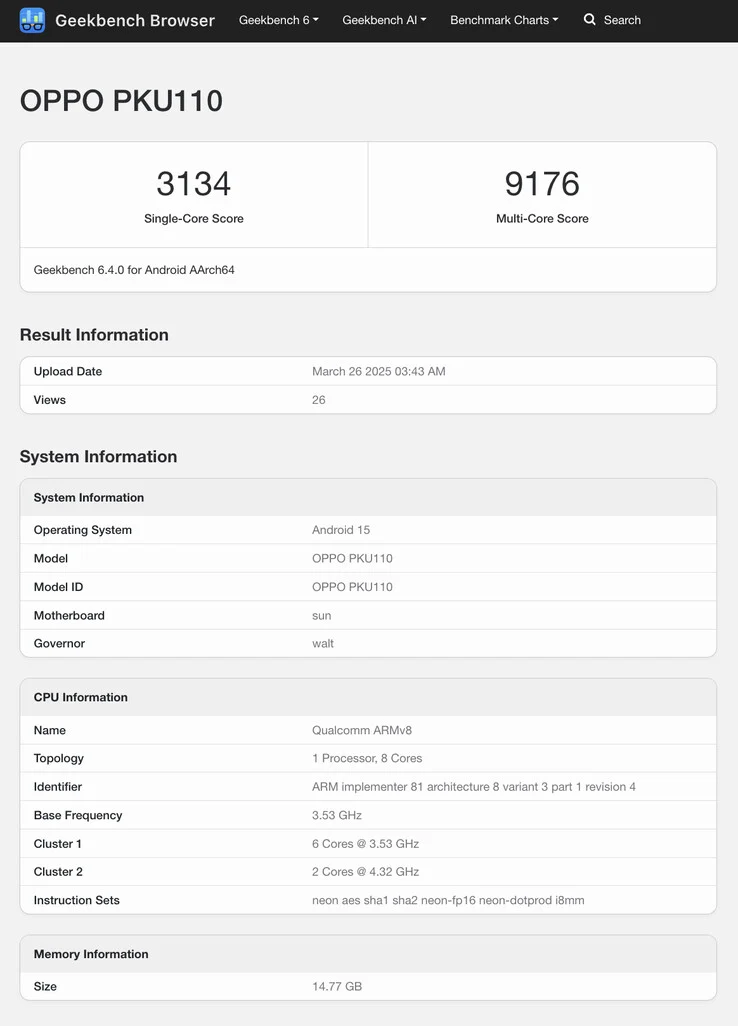
    4. The Find X8 Ultra scored 3,134 in single-core and 9,176 in multi-core tests on Geekbench, making it one of the fastest Snapdragon 8 Elite devices.
    5. The Find X8 Ultra is equipped with 16 GB of RAM, but additional RAM options are yet to be confirmed before its launch on April 10.


    A new wave of ‘Ultra’ flagship smartphones is set to launch next month, following the earlier releases of the Galaxy S25 Ultra (currently priced at $1,099 on Amazon) and Xiaomi 15 Ultra at the beginning of the year. Vivo is gearing up to introduce the X200 Ultra, which promises innovative features in smartphone camera technology. At the same time, Oppo has developed the Find X8 Ultra, which has recently appeared on Geekbench with the model number PKU110.

    Geekbench Insights

    As per usual, Geekbench doesn’t specify the device’s name. However, the model number PKU110 has been previously associated with the Find X8 Ultra. Additionally, it’s indicated that this device will feature the Snapdragon 8 Elite, aligning with expectations that the Find X8 Ultra will be the sole model in the Find X8 lineup to be equipped with a Qualcomm chipset.

    Performance Scores

    In Geekbench 6.4.0, the Find X8 Ultra achieved impressive single-core and multi-core scores of 3,134 and 9,176 respectively, making it one of the fastest Snapdragon 8 Elite smartphones we have assessed so far. Nonetheless, these scores do not match the ROG Phone 9 Pro, which leads the rankings with a significant edge in both single-core and multi-core performance. Furthermore, Geekbench indicates that Oppo has paired the Snapdragon 8 Elite with 16 GB of RAM. It is still uncertain whether there will be other RAM options available at the official launch of the Find X8 Ultra on April 10.

    Source:
    Link


  • Realme GT 7 Features Smaller Bezels Than iPhone in New Leak

    Realme GT 7 Features Smaller Bezels Than iPhone in New Leak

    Key Takeaways

    1. The Realme GT 7 will have ultra-slim bezels measuring between 1.3 and 1.34mm wide.
    2. The smartphone is expected to feature a 6.8-inch display with a screen-to-body ratio close to 90%.
    3. The GT 7 will offer a refresh rate of 144Hz, surpassing the iPhone 16 Pro Max’s 120Hz.
    4. It is likely to use the MediaTek Dimensity 9400 processor.
    5. The GT 7 is rumored to have a large battery with quick charging capabilities.


    The well-known leaker, Digital Chat Station, has shared some insights about Realme’s upcoming smartphone release. While the actual Android device hasn’t been revealed yet, the information gathered suggests that it will feature advanced screen technology in the anticipated GT 7.

    Display Details

    This insider indicates that the GT 7 will sport ultra-slim bezels. While they may not be as thin as those found on the rumored Oppo Find X8s, they will still be narrower than the bezels on the iPhone 16 Pro Max. Reports suggest that the bezels on the GT 7 could measure between 1.3 and 1.34mm wide.

    Screen Size and Ratio

    With a screen size expected to be around 6.8 inches diagonally, the GT 7 may achieve a screen-to-body ratio close to 90%, similar to that of the iPhone. Furthermore, it is anticipated to offer a refresh rate of 144Hz, outpacing the 120Hz found in the iPhone 16 Pro Max and the GT 7 Pro, which is currently priced at €699 on amazon.de.

    Processor and Battery

    Realme appears to be opting for a different processor for the GT 7, potentially the MediaTek Dimensity 9400. The smartphone is also rumored to have a notably large battery and quick charging capabilities, which are expected to be its key selling features.

    Source:
    Link