Category: Phones

Stay updated with the latest phone news, reviews, and trends. Discover cutting-edge smartphones, features, and innovations in our Phones category at GizNewsDaily

  • Samsung Galaxy Z Fold7 Surfaces on Geekbench with 12GB RAM

    Samsung Galaxy Z Fold7 Surfaces on Geekbench with 12GB RAM

    Key Takeaways

    1. The Galaxy Z Flip7 features an Exynos 2500 processor, while the Galaxy Z Fold7 uses a Snapdragon 8 Elite chipset.
    2. Both phones are expected to be unveiled at the Unpacked event in July.
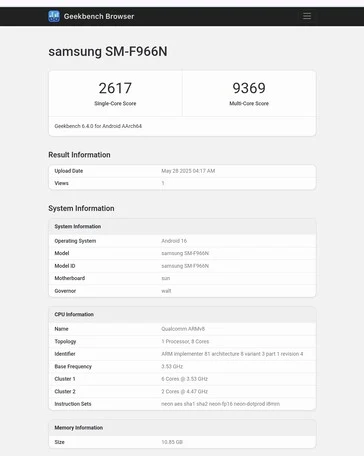
    3. The Galaxy Z Fold7 achieved a single-core score of 2,617 and a multi-core score of 9,369 on Geekbench 6.
    4. The Korean model of the Galaxy Z Fold7 has 12 GB of RAM and uses the Snapdragon 8 Elite chip.
    5. The performance scores for the Z Fold7 are slightly lower than those from a previous Geekbench listing.


    The Galaxy Z Flip7 was spotted on Geekbench last week featuring an Exynos 2500 processor, and now its bigger counterpart, the Galaxy Z Fold7, has made another appearance in a listing. Both of these phones are anticipated to be revealed at the Unpacked event in July. While the Fold will utilize a Snapdragon 8 Elite chipset, it remains uncertain what processor will be used in the Flip globally.

    Performance Scores

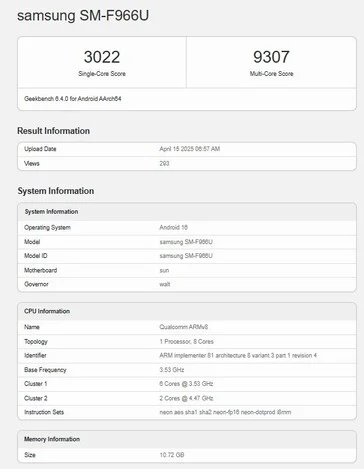
    According to Abhishek Yadav on X, the Galaxy Z Fold7 achieved a single-core score of 2,617 and a multi-core score of 9,369 on Geekbench 6. These scores fall within the expected range for devices powered by the Snapdragon 8 Elite, although they are slightly lower than the scores recorded by the Z Fold7 in a previous Geekbench listing from last month. That earlier listing showed the US variant of the foldable achieving scores of 3,022 and 9,307 on the same benchmarks.

    Specifications Confirmed

    This latest listing is likely for the Korean model of the device, which has the model number “SM-F966N.” It verifies that the phone comes with 12 GB of RAM and features the standard eight-core variant of the Snapdragon 8 Elite. This is the same Snapdragon 8 Elite chip that is found in the Galaxy S25 (buy on Amazon) series, as indicated by its two performance cores that are clocked at 4.47 GHz.

    Source:
    Link


  • Alcatel V3 Ultra: Stylish Phone with Stylus and E-Reader Mode

    Alcatel V3 Ultra: Stylish Phone with Stylus and E-Reader Mode

    Key Takeaways

    1. The Alcatel V3 Ultra features a 6.8-inch NxtPaper display designed for comfortable e-book reading and extended battery life through a special reading mode.

    2. It is powered by a MediaTek Dimensity 6300 SoC, offering 5G connectivity with support for both eSIM and nano SIM, and has expandable storage of up to 128 GB.

    3. The smartphone includes a strong camera setup: a 108-MP main lens, a 32-MP front camera, and an 8-MP ultra-wide-angle lens.

    4. The device runs on Android 14, comes with a side-mounted fingerprint sensor, and features a 5,010 mAh battery with 33-watt charging, along with promises of three OS updates and four years of security patches.

    5. The Alcatel V3 Ultra is priced at ₹19,999 ($234) for the 6 GB RAM variant and ₹21,999 ($257) for the 8 GB RAM variant, with its international release details yet to be announced.


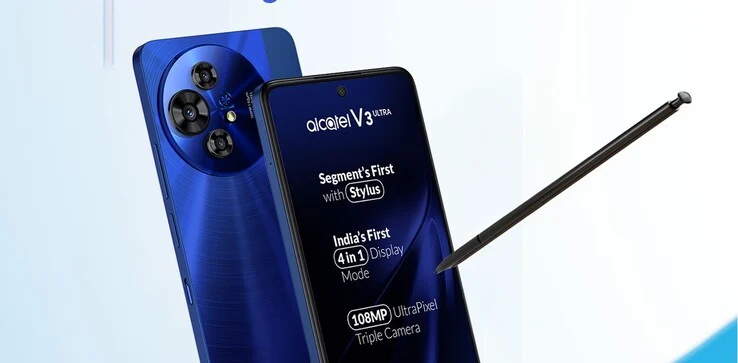
    The Alcatel V3 Ultra is a new smartphone that has just been launched, aiming to grab attention with its unique features, including a design that’s gentle on the eyes for reading e-books. It comes with a 6.8-inch screen boasting a resolution of 2,460 x 1,080, marketed as an NxtPaper display. Although the peak brightness, at 650 cd/m², isn’t exceptionally high, a special reading mode is claimed to make e-books easier on the eyes, making it a good choice for long reading periods. This mode is also said to extend battery life significantly. Users can purchase a stylus pen separately for note-taking.

    Performance and Specifications

    Inside, the device is powered by a MediaTek Dimensity 6300 SoC, which may not be the highest-end chip available, but it offers 5G connectivity for two networks or phone numbers. It supports both an eSIM and a nano SIM, and the internal storage, which is limited to 128 GB, can be expanded with a memory card, which might be necessary for many users. Depending on the model, the RAM is either 6 or 8 GB, provided the buyer chooses accordingly.

    Camera and Design

    The Alcatel V3 Ultra features a robust camera setup, including a 108-MP main lens, a 32-MP front-facing camera, and an 8-MP ultra-wide-angle lens. The dimensions of the phone are 167.6 x 75.5 x 7.99 millimeters, with a weight of 196 grams. It includes a fingerprint sensor located on the side and comes equipped with a standard headphone jack. The device houses a 5,010 mAh battery that supports charging at up to 33 watts. It runs on Android 14 right out of the box, with promises of three OS updates and four years of security patches.

    Pricing and Availability

    The Alcatel V3 Ultra 5G has been launched in India, priced at ₹19,999 ($234) for the variant with 6 GB RAM and 128 GB storage, and ₹21,999 ($257) for the 8 GB RAM and 128 GB storage model. Details regarding its international release are yet to be announced.

    Source:
    Link


  • Vivo S30 Pro Mini Launching This Week: Colorful Design & 6,500 mAh Battery

    Vivo S30 Pro Mini Launching This Week: Colorful Design & 6,500 mAh Battery

    Key Takeaways

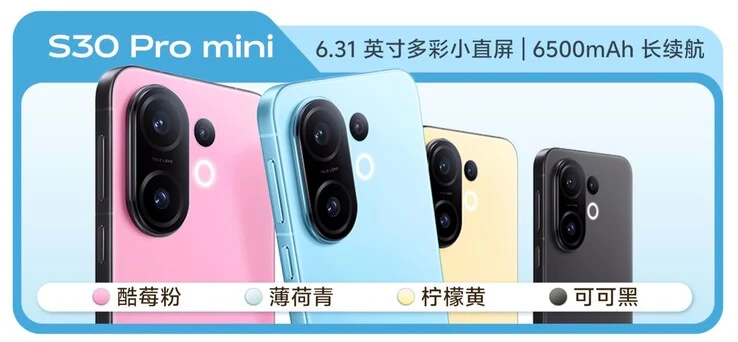
    1. Vivo S30 Pro Mini will be officially revealed on May 29, featuring a teaser website showcasing its colors: yellow, pink, blue, and black.
    2. The smartphone has a compact 6.31-inch LTPO AMOLED display with a resolution of 1.5K and a 120 Hz refresh rate.
    3. It includes a large 6,500 mAh battery in a slim 7.99-mm body, powered by the MediaTek Dimensity 9300+ chip, and has IP69 waterproof certification.
    4. The camera module features a 50 MP main camera with OIS, a 50 MP periscope telephoto camera with triple optical zoom, and an 8 MP ultra-wide-angle camera.
    5. More details on price, availability, and specifications will be revealed during the launch event on May 29.


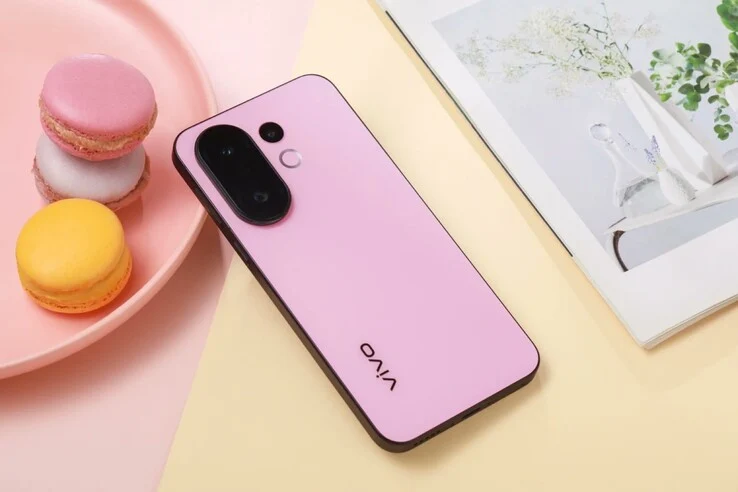
    After many weeks of speculation, Vivo has launched a teaser website that officially announces the Vivo S30 Pro Mini will be revealed on Thursday, May 29. The teaser showcases the smartphone in colors of yellow, pink, blue, and black. The blue variant will have a metal frame that matches its back, while the other colors will come with a black frame.

    Design and Display

    The camera module is designed in a pill shape and is quite small, especially since the third camera and LED flash are positioned to the right of this module. The Vivo S30 Pro Mini offers a 6.31-inch LTPO AMOLED display with a resolution of 1.5K and a refresh rate of 120 Hz. This design makes the smartphone comparably compact to models like the Apple iPhone 16 and the Google Pixel 9.

    Battery and Performance

    Vivo has surprisingly managed to fit a massive 6,500 mAh battery into its slim 7.99-millimeter-thin and 186-gram body. This, combined with the MediaTek Dimensity 9300+, is anticipated to deliver impressive battery life and top-notch performance. The phone also boasts an IP69 certification, making it fully waterproof. An optical fingerprint sensor is embedded, likely integrated directly into the display.

    Camera Features

    The small camera module includes a 50 MP main camera with OIS, utilizing the Sony IMX921 sensor in a 1/1.56 inch format. Additionally, it features a 50 MP periscope telephoto camera that offers triple optical zoom and an 8 MP ultra-wide-angle camera. More information regarding the price, availability, and other specifications of the S30 Pro Mini is expected to be disclosed during the launch event on May 29.

    Source:
    Link


  • Motorola Moto G56 Launch Date Officially Revealed

    Motorola Moto G56 Launch Date Officially Revealed

    Key Takeaways

    1. Motorola smartphones often leak information before official releases, as seen with the Edge 2025 images posted by Evan Blass.
    2. The Moto G56 has been prematurely listed, with a launch date of May 29 mentioned before the listing was removed.
    3. The Moto G56 will feature a MediaTek Dimensity 7060 chipset, 8 GB of RAM, and a 5,200 mAh battery with 30 W wired charging.
    4. The device will have a 32 MP selfie camera and a 50 MP main camera, along with IP69 certification and Corning Gorilla Glass 7i.
    5. The Moto G56 is expected to launch in North America, Africa, and Asia, but the timing of these releases is still uncertain.


    Motorola smartphones have a tendency to leak ahead of their official releases. A recent example is when Evan Blass posted numerous images of the Edge 2025 before the company confirmed the phone’s existence. Interestingly, Motorola has now made the device available in North America, and we have outlined the full launch details in another article.

    Upcoming Moto G56

    Next up is the Moto G56, which is set to join the ranks of the Moto G Stylus 2025 (currently priced at $399 on Amazon) and other latest Moto G models. This time, Motorola has been caught red-handed with a premature listing of the device. Although the listing has been removed, it did mention a launch date of May 29.

    Specifications Revealed

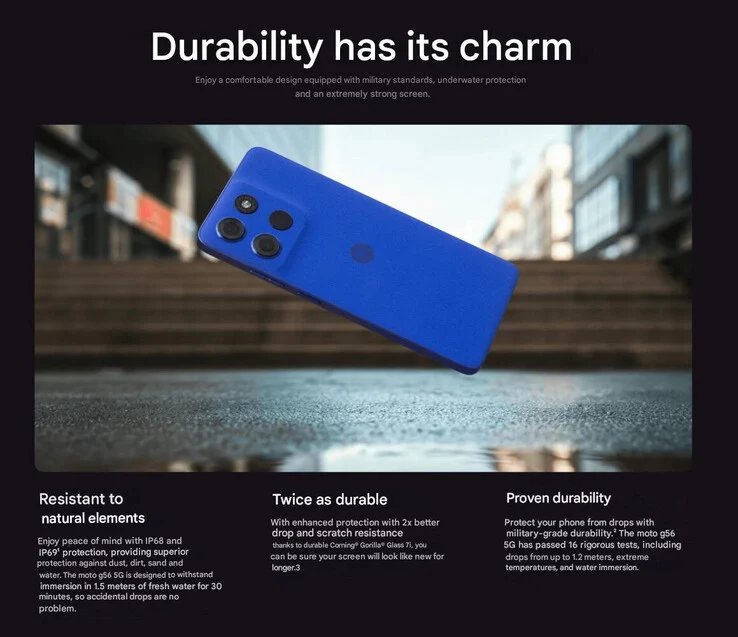
    Moreover, a listing from Motorola Slovakia has unveiled several specifications for the new device. The Moto G56 is set to replace the Moto G55, featuring a MediaTek Dimensity 7060 chipset along with 8 GB of RAM and a 5,200 mAh battery. With a 30 W wired charging capability, the Moto G56 will also boast a 32 MP selfie camera and a 50 MP main camera. It will come with IP69 certification and Corning Gorilla Glass 7i to safeguard its flat screen.

    At the moment, Motorola plans to launch the Moto G56 in North America, Africa, and Asia, rather than just in Europe. However, it is yet unclear whether all these releases will happen at the same time.

    Source:
    Link


  • Oppo Find N6: Early Leaks on Potential OnePlus Open 2 Details

    Oppo Find N6: Early Leaks on Potential OnePlus Open 2 Details

    Key Takeaways

    1. The Oppo Find N5 is the slimmest book-style foldable smartphone, measuring 4.2mm when open and 8.9mm when closed.
    2. Oppo is reportedly developing the Find N6, expected to feature a lightweight design and Snapdragon 8 Elite 2 processor.
    3. The Find N6 may launch in early 2026, with potential rebranding as a OnePlus device for international markets.
    4. The Oppo Find N3 was rebranded as the OnePlus Open, suggesting a similar strategy for the Find N6.
    5. Upcoming competitors in the foldable smartphone market include the Magic V5 series in June and Samsung’s Galaxy Z Fold7 and Flip7 models in July.


    The Oppo Find N5 is a top-tier foldable smartphone that was launched in February 2025. One of its most notable features is its thin design. It stands out as the slimmest book-style foldable smartphone, measuring just 4.2mm when open and 8.9mm when closed. In comparison, the Samsung Galaxy Z Fold6 has dimensions of 5.6mm and 12.1mm in these states.

    Exciting News for the Find N6

    A recent report from the Chinese social media platform Weibo indicates that Oppo has begun working on the Oppo Find N6. Similar to the Find N5, the new model is anticipated to keep a lightweight and sleek design. Furthermore, it is rumored to be equipped with the next-generation flagship Snapdragon 8 Elite 2 processor.

    Release Timing and Potential Rebranding

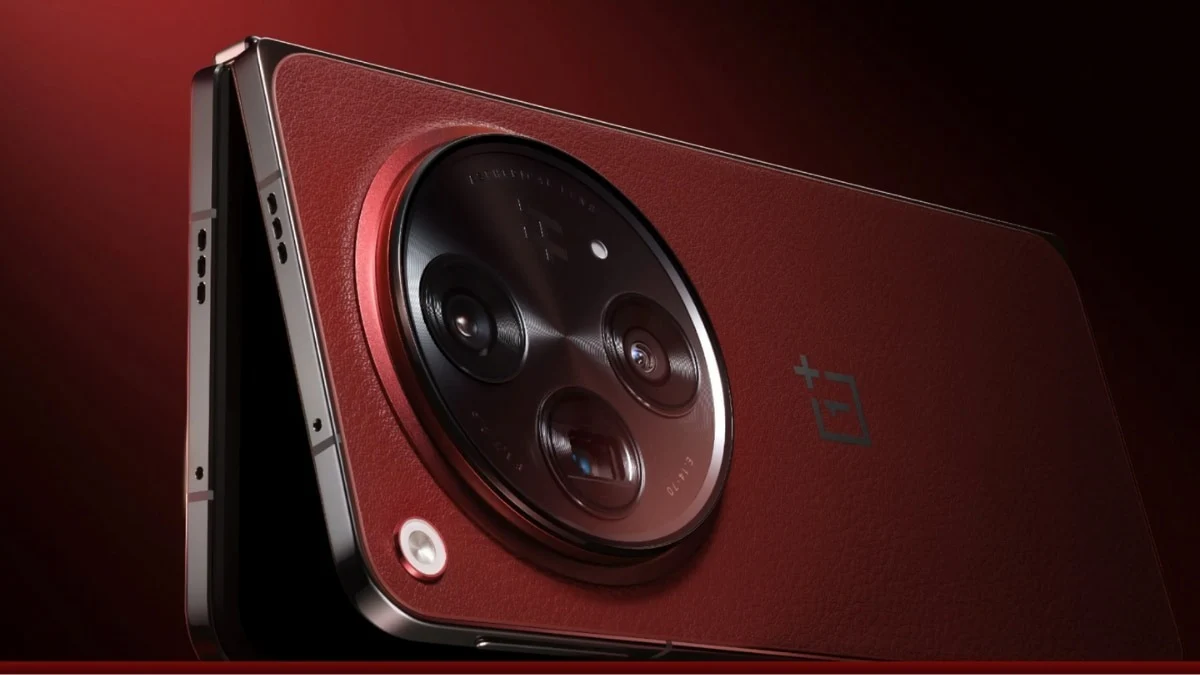
    The report suggests that the Find N6 could launch in the first quarter of 2026. However, it remains uncertain whether it will be marketed as a OnePlus device outside of China. A rebranding might be logical, especially since OnePlus has a stronger foothold in the US market compared to Oppo. For those who don’t know, the Oppo Find N3, which came before the Find N5, was rebranded as the OnePlus Open to reach a larger international audience. Thus, there is a possibility that the Find N6 might be introduced as the OnePlus Open 2.

    Upcoming Competitors in the Market

    In the meantime, the foldable smartphone sector is poised to see the arrival of the Magic V5 series in June. Additionally, Samsung is set to unveil its next-generation foldable lineup in July, which will include three models: the Galaxy Z Fold7, Flip7, and a more budget-friendly Flip7 FE.

    Source:
    Link


  • Apple iPhone 200MP Camera: Ultra-High-Res Sensor Adoption

    Apple iPhone 200MP Camera: Ultra-High-Res Sensor Adoption

    Key Takeaways

    1. iPhones may replace the traditional triangular camera bump with a new camera-bar design in upcoming 17 Pro and Pro Max models.
    2. The new camera setup could feature a 200MP rear camera, significantly enhancing resolution from the current 48MP in the 16 Pro Max.
    3. Apple is testing multiple 200MP sensors, indicating potential future integration into a new iPhone model.
    4. There are speculations about a special 20th Anniversary Edition iPhone featuring this advanced camera technology.
    5. Apple could position itself against competitors like the Samsung Galaxy S25 Ultra by introducing its first 200MP camera.


    iPhones could finally say goodbye to the classic triangular camera bump, introducing a camera-bar design similar to that of Pixel in the upcoming 17 Pro and Pro Max models, or their future versions. Currently, there’s an exciting rumor suggesting what tech might be hidden behind this fresh appearance.

    Exciting Camera Specs

    The new camera ‘visors’ could potentially feature a rear camera boasting a remarkable 200 megapixels (MP) resolution, a significant upgrade from the 48MP found in the 16 Pro Max, some day in the future.

    These advanced sensors are already available, mainly thanks to Samsung’s innovation, but Apple tends to be cautious when integrating new technologies, often waiting until it can refine them internally, even if other brands have already adopted them.

    Testing New Technology

    Reports indicate that the tech giant in Cupertino has begun testing several 200MP sensors, likely intended for a future iPhone.

    At this moment, it’s difficult to determine exactly which successor to the 16-series this new camera may belong to, but there are hints that Apple might be working on a special 20th Anniversary Edition.

    Possible Market Competition

    Apple has the option to compete with the approximately $1,170 Samsung Galaxy S25 Ultra, utilizing its first 200MP camera as the primary shooter, or could place it behind a sophisticated zoom lens like the Vivo X200 Ultra or Xiaomi 15 Ultra.

    Source:
    Link

  • Alert Slider on OnePlus: Control AI Features Easily

    Alert Slider on OnePlus: Control AI Features Easily

    Key Takeaways

    1. OnePlus will introduce a customizable programmable button on the OnePlus 13s, similar to the iPhone 16’s button, allowing users to perform various functions.
    2. The Plus Key is connected to OnePlus’ new AI systems, Mind Space and AI Plus Mind, enabling users to save and extract important details from the screen.
    3. Users can access saved information using OnePlus’ voice assistant, with an alternative three-finger swipe gesture available for devices without the Plus Key.
    4. New AI features include AI Best Face 2.0 for improving group photos, AI Reframe for automatic image cropping, and a Call Assistant for call summaries and translations.
    5. OnePlus is advancing its integration of AI into devices, enhancing user experience and functionality across the OnePlus 13 series.


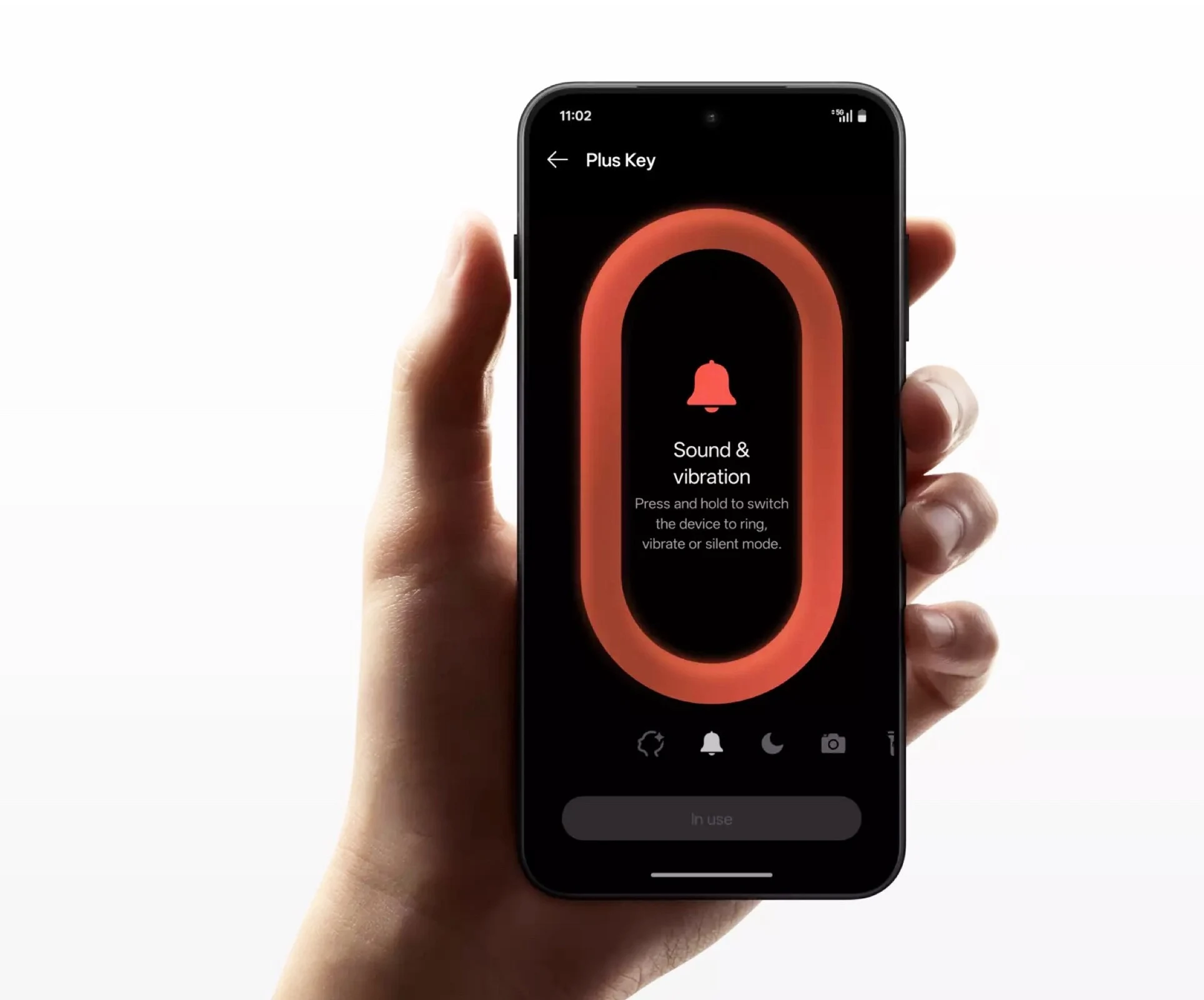
    OnePlus is set to introduce a new feature similar to Apple’s iPhone 16 (available refurbished from $601 on Amazon) by adding a programmable button on the side of its upcoming smartphones. This update will debut with the OnePlus 13s, which is scheduled for launch on June 5. Much like the iPhone 16’s button, users will be able to customize this button on OnePlus devices to perform actions such as muting the device, launching the camera app, or enabling various other functions.

    Innovative AI Integration

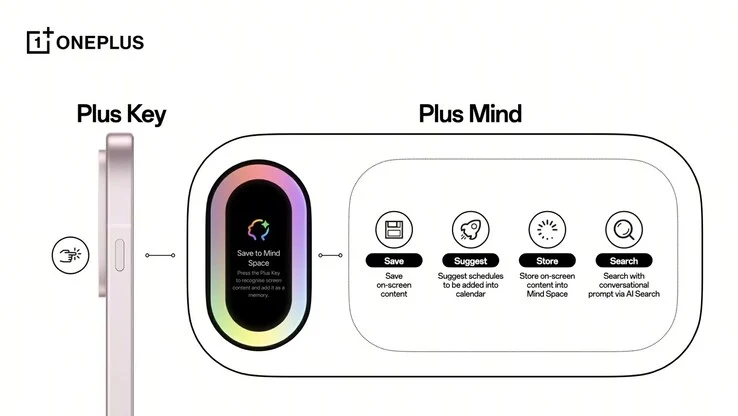
    The key aspect of the Plus Key is its connection to AI Plus Mind and Mind Space, which are OnePlus’ new artificial intelligence systems and related application. When properly configured, pressing the Plus Key will relay the information displayed on the screen to Mind Space. This goes beyond just taking a screenshot; the content shown will be examined to extract and preserve important details like appointments, items, or places.

    Enhanced Search Capabilities

    Users can also retrieve this saved information using OnePlus’ voice assistant, making it easy to find appointments and more. These AI functionalities are anticipated to be rolled out soon across all smartphones in the OnePlus 13 series. For devices without the Plus Key, users can utilize a three-finger swipe gesture to save content.

    Additional AI Features Unveiled

    In addition to Mind Space, OnePlus has revealed several new AI capabilities today. The AI Best Face 2.0 feature enhances group photos by correcting issues like blinking or unflattering facial expressions, while AI Reframe automatically crops images to enhance their visual appeal. Finally, the Call Assistant offers summaries and translations of calls, and VoiceScribe can transcribe phone conversations, even on third-party platforms like WhatsApp or Zoom.

    Source:
    Link


  • HTC HD2: The Legendary Phone That Ran Every OS

    HTC HD2: The Legendary Phone That Ran Every OS

    Key Takeaways

    1. Innovative Launch: The HTC HD2 launched in 2009 with impressive specs for its time, including a 4.3-inch screen and 1 GHz processor, making it a standout Windows Mobile device.

    2. Developer Playground: Its open design and strong hardware led to a vibrant developer community that transformed the HD2 into a platform for experimenting with various operating systems, including early Android and Windows Phone.

    3. Diverse OS Compatibility: Over the years, the HD2 became capable of running a wide range of operating systems, from multiple Android versions to Ubuntu and even Windows RT, showcasing its adaptability.

    4. Cult Following: The device earned the nickname “the phone that refuses to die,” reflecting its legendary status among tech enthusiasts who continued to push its limits long after its initial release.

    5. Legacy and Impact: The HTC HD2 is celebrated as a modder’s device and a tech legend, with a lasting influence on smartphone culture and a loyal community that continues to honor its achievements.


    In a world where most smartphones are tossed aside after a few updates, one device from 2009 gained a loyal following by escaping that fate. The HTC HD2 became famous for being so advanced and easy to hack that it could run nearly every operating system imaginable. From Android and Windows Phone to Ubuntu and even desktop Windows, the story of the HD2 is a remarkable journey of tech experimentation.

    Launch of a Powerhouse

    The HTC HD2 launched in late 2009 as a top-of-the-line Windows Mobile 6.5 device. At the time, its 4.3-inch screen and 1 GHz single-core processor were seen as impressive and “beastly” specifications. It came with 448 MB of RAM and was the first phone to use the Qualcomm Snapdragon chipset, providing ample performance for HTC’s software and allowing users to explore its potential. Notably, HTC had a fairly open design approach, featuring an easily unlockable bootloader and a microSD slot that let users boot various operating systems.

    A Playground for Developers

    Thanks to its solid hardware and open architecture, the HD2 found a new life with tech enthusiasts. It launched with Windows Mobile, a platform that was quickly losing popularity, inspiring many users to experiment with other operating systems. Within a few months, developers on forums like XDA began replacing its outdated Windows Mobile software with early Android versions.

    By early 2011, the community managed to get Windows Phone 7 running on the HD2, despite the lack of official support. A custom bootloader known as MAGLDR allowed users to boot different systems from the phone’s NAND memory or SD card. The HD2 transformed from just another Windows phone into a blank canvas for software hackers.

    Expanding Operating System Options

    As time passed, the list of operating systems that could run on the HTC HD2 continued to grow, reaching almost ridiculous levels. Name any mobile or related OS from the last decade, and it’s likely the HD2 has been able to run it. Android? Absolutely—every version from 2.2 Froyo to 4.0 Ice Cream Sandwich and even 7.0 Nougat was unofficially installed on this device. Windows Phone? Yes—the community even upgraded the HD2 to Windows Phone 7.5 and Windows Phone 8.

    But that wasn’t all. Enthusiasts also managed to squeeze in Ubuntu Linux (including mobile builds of Ubuntu Touch), Nokia’s MeeGo, and even Mozilla’s short-lived Firefox OS at different times. In 2013, the HD2 made headlines again for running Windows RT, the tablet version of Windows 8 for ARM processors, demonstrating that a phone from 2009 could run an OS that debuted nearly three generations later. By the mid-2010s, even niche systems like Sailfish OS and Tizen were made to run on the HD2, at least in experimental stages. The only ecosystem that eluded the HD2 was Apple’s iOS, which remained impossible to emulate due to its restrictions.

    A Legend in the Making

    This impressive feat earned the HD2 a fitting nickname: “the phone that refuses to die.” Whenever Google announced a new Android version or developers introduced a new OS, HD2 owners often joked, “When will it run on the HD2?”—echoing the famous “Can it run Crysis?” sentiment. The device’s capability to run more operating systems than any phone in history made it legendary. While it wasn’t always practical—newer OSes on an aging phone sometimes resulted in slow performance or broken features—the HD2 served as a playground for modders. Successfully getting the latest Android or an exotic OS to run on the HD2 came with substantial bragging rights.

    The Cult Following of the HTC HD2

    The loyalty surrounding the HTC HD2 can be attributed to its timing and the talent of its community. It debuted at a pivotal moment in mobile OS history—when Windows Mobile was declining and Android was on the rise—and its hardware was strong enough to navigate both realms. A vibrant developer community formed around the HD2, sharing tools and ROMs. HTC’s Leo (the HD2’s code name) became a frequent topic on forums like XDA-Developers, where every few months someone would announce a new achievement: “Android Lollipop is running!” “Dual-boot with Ubuntu achieved!” “HTC Sense 5 back-ported!”

    Today, the HTC HD2 is rightfully celebrated in the smartphone hall of fame. While you probably won’t use one as your everyday phone in 2025, its legacy lives on in conversations. More than a decade later, the HD2 is fondly remembered as the ultimate modder’s device—a cult classic turned tech legend. It’s remarkable that a device could have a life far beyond what its creators envisioned. Originally a Windows Mobile phone, the HTC HD2 evolved into something much more—an adaptable phone that ran whatever it could, creating a legacy few devices have achieved.

  • Future Apple iPhone Upgrade Plans: 200 MP Camera Leaked

    Future Apple iPhone Upgrade Plans: 200 MP Camera Leaked

    Key Takeaways

    1. Apple may introduce a 200 MP camera sensor, following competitors like Samsung, Vivo, and Xiaomi.
    2. The new sensor is currently in the testing stage, but collaboration details with Samsung or Sony are unclear.
    3. The 200 MP sensor’s launch is likely at least one generation away, as it’s described as ‘super forward-looking.’
    4. Last year’s iPhone 16 Pro featured a periscope zoom camera and a new 48 MP ultra-wide-angle sensor.
    5. The 48 MP ultra-wide sensor replaced the older 12 MP sensor used since the iPhone 13 series.


    Digital Chat Station has provided fresh information about upcoming upgrades to the iPhone camera, just under six months before Apple is set to launch the iPhone 17 series. To give some background, last year Apple finally added a periscope zoom camera to a smaller iPhone with the iPhone 16 Pro (curr. $831 – renewed on Amazon). Additionally, both the Pro and Pro Max models featured a new 48 MP ultra-wide-angle sensor, replacing the older 12 MP one that had been used since the iPhone 13 series.

    Possible 200 MP Sensor

    As per Digital Chat Station, Apple might follow in the footsteps of Samsung, Vivo, and Xiaomi by introducing a 200 MP sensor. For reference, Vivo and Xiaomi are currently using the ISOCELL HP9 as a telephoto camera in several of their recent flagship devices. On the other hand, Samsung has been utilizing the ISOCELL HP2 in its Galaxy S Ultra smartphones starting from the Galaxy S23 Ultra, serving as a 200 MP main camera.

    Testing Stage for New Developments

    Currently, Digital Chat Station thinks that Apple is testing a 200 MP sensor for a new main camera. It’s not clear yet if Apple is collaborating with Samsung or Sony at this time. Furthermore, Digital Chat Station has not disclosed information about other camera specifications such as sensor size or pixel width. Therefore, we believe that the launch of this 200 MP sensor is likely at least one generation away, if not more, especially since Digital Chat Station described the rumor as ‘super forward-looking.

    Source:
    Link

  • Realme GT 7 Launches with Dimensity 9400e Chip and 7000mAh Battery

    Realme GT 7 Launches with Dimensity 9400e Chip and 7000mAh Battery

    Key Takeaways

    1. Processor and Performance: The Realme GT 7 features a MediaTek Dimensity 9400e processor, while the GT 7T uses a Dimensity 8400-Max chipset.

    2. Camera Capabilities: The GT 7 has a triple rear camera setup with a 50 MP main camera, a 50 MP telephoto lens, and an 8 MP ultrawide camera, plus a 32 MP front camera.

    3. Display and Battery: It boasts a 6.78-inch AMOLED display with a resolution of 2780 x 1264 pixels, 120 Hz refresh rate, and a 7,000 mAh battery with 120 W fast charging (no wireless charging).

    4. Software and Updates: Runs on Realme UI 6.0 based on Android 15, with four major OS updates and six years of security updates promised.

    5. Pricing and Availability: The GT 7 starts at €750 for 12 GB RAM and 256 GB storage, with pre-orders available on Realme’s website and authorized retailers.


    Realme has introduced two new models in its GT 7 series, named the GT 7 and the GT 7T. The GT 7 stands out as a slightly enhanced version compared to the GT 7T, boasting superior processor and camera features. Specifically, the GT 7 is equipped with MediaTek’s Dimensity 9400e processor, built on TSMC’s third-generation 4 nm technology. On the other hand, the GT 7T is powered by a Dimensity 8400-Max chipset.

    Camera Features

    When it comes to photography, the GT 7 is designed with a triple rear camera setup that includes a 50 MP main camera, a 50 MP telephoto lens capable of 2x optical zoom, and an 8 MP ultrawide angle camera. For selfies and video calls, there’s a 32 MP front camera. Regarding video capabilities, the device supports 4K slow motion at 120 fps and Dolby Vision 4K at 60 fps.

    Display and Battery Life

    The latest smartphone from Realme features a 6.78-inch AMOLED display with a resolution of 2780 x 1264 pixels, offering a 120 Hz refresh rate and reaching up to 6,000 nits of peak brightness. A robust 7,000 mAh battery powers the device and it comes with 120 W fast charging support. However, it does lack wireless charging functionality.

    Software and Features

    On the software side, the device runs Realme UI 6.0 based on Android 15 right out of the box. Realme has committed to providing four major OS updates (to Android 16, 17, 18, and 19) and six years of security updates, lasting until 2031. Additionally, it features an in-display fingerprint sensor, IP69 dust and water resistance, new IceSence technology utilizing graphene, bypass charging, WiFi 7, NFC, Bluetooth 5.4 connectivity, plus various AI functionalities like AI Glare Removal, AI Lighting Snap, and AI 2K Live Photo.

    Along with the standard GT 7, Realme has also launched a special limited GT 7 Dream Edition in collaboration with the Aston Martin Aramco F1 Team. This edition showcases a distinctive Racing Green color with an engraved silver wings badge on its back.

    Pricing and Availability

    The Realme GT 7 is available in IceSense Black and IceSense Blue, starting at €750 for the base model with 12 GB RAM and 256 GB storage. The model with 12 GB RAM and 512 GB storage is priced at €800, while the top-tier version with 16 GB RAM and 512 GB costs €900. Pre-orders can now be made through Realme’s official website and various authorized retailers.

    Source:
    Link