Category: Phones

Stay updated with the latest phone news, reviews, and trends. Discover cutting-edge smartphones, features, and innovations in our Phones category at GizNewsDaily

  • Foldable iPhone Ultra Design Leak | Elegant, Modular, Repairable Apple Phone

    Foldable iPhone Ultra Design Leak | Elegant, Modular, Repairable Apple Phone

    Key Takeaway

    1. The iPhone Ultra is expected to feature a highly modular internal design, making it easier to repair than other foldable phones.
    2. Apple has strategically relocated hardware components, such as moving the volume buttons to the top edge, to simplify disassembly and maximize internal space.
    3. It may include a 7.8-inch foldable display, a 5.5-inch cover screen, a large battery (estimated at 5,400 mAh), and other features like Touch ID and an eSIM-only setup.

    New Leak Suggests Revolutionary Design for Apple’s Upcoming Foldable

    Apple’s upcoming foldable device, rumored to be called the “iPhone Ultra,” might change the way we think about foldable smartphones by focusing heavily on repairability. According to a trusted source, this device will employ a surprisingly “modular” internal design that sets it apart from all other foldables on the market.

    Repairability Takes Center Stage

    Foldable phones usually are a big pain to fix because their internals are cramped, and fragille ribbon cables complicate repairs. But the latest info suggests Apple has developed a design that wont make fixing the Ultra a crazy challenge at all. The design uses what they describe as “logical yet elegant” component stacking, meaning the internal parts are arranged in a way that makes disassembly much easier than with Samsung or Google devices.

    Innovative Internal Arrangement

    Unlike traditional designs with tangled routing, apple seem to have moved the hardware strategically to make repairs smoother. The volume buttons been relocated to the top edge, which is supported by leaked images. Also, the motherboard is placed on the right side, with cables running straight upward, simplifying the disassembly process and increasing modularity. This careful layout maximizes space internally, giving the phone a potential boost in battery size.

    Powerful Specs and Expected Features

    • 7.8-inch inner foldable display
    • 5.5-inch cover screen
    • A20 Pro chip
    • Largest battery ever in an iPhone (around 5,400 mAh)
    • Touch ID, Camera Control button
    • eSIM-only plan
    • Estimated price of about $2,000

    Market Impact Anticipated with Launch

    Set to be announced in September alongside the iPhone 18 Pro, the iPhone Ultra’s qualities might prove to be a game-changer, potentially setting new standards for foldable phones. Not only could this device mark a significant technological leap for Apple but also become a real challenger to existing foldable phones by offering better repairability and possibly more robust performance.
    Sources
  • Xiaomi’s Smaller Foldable Phone Plans Revealed After Motorola Razr Launch

    Xiaomi’s Smaller Foldable Phone Plans Revealed After Motorola Razr Launch

    Key Takeaway

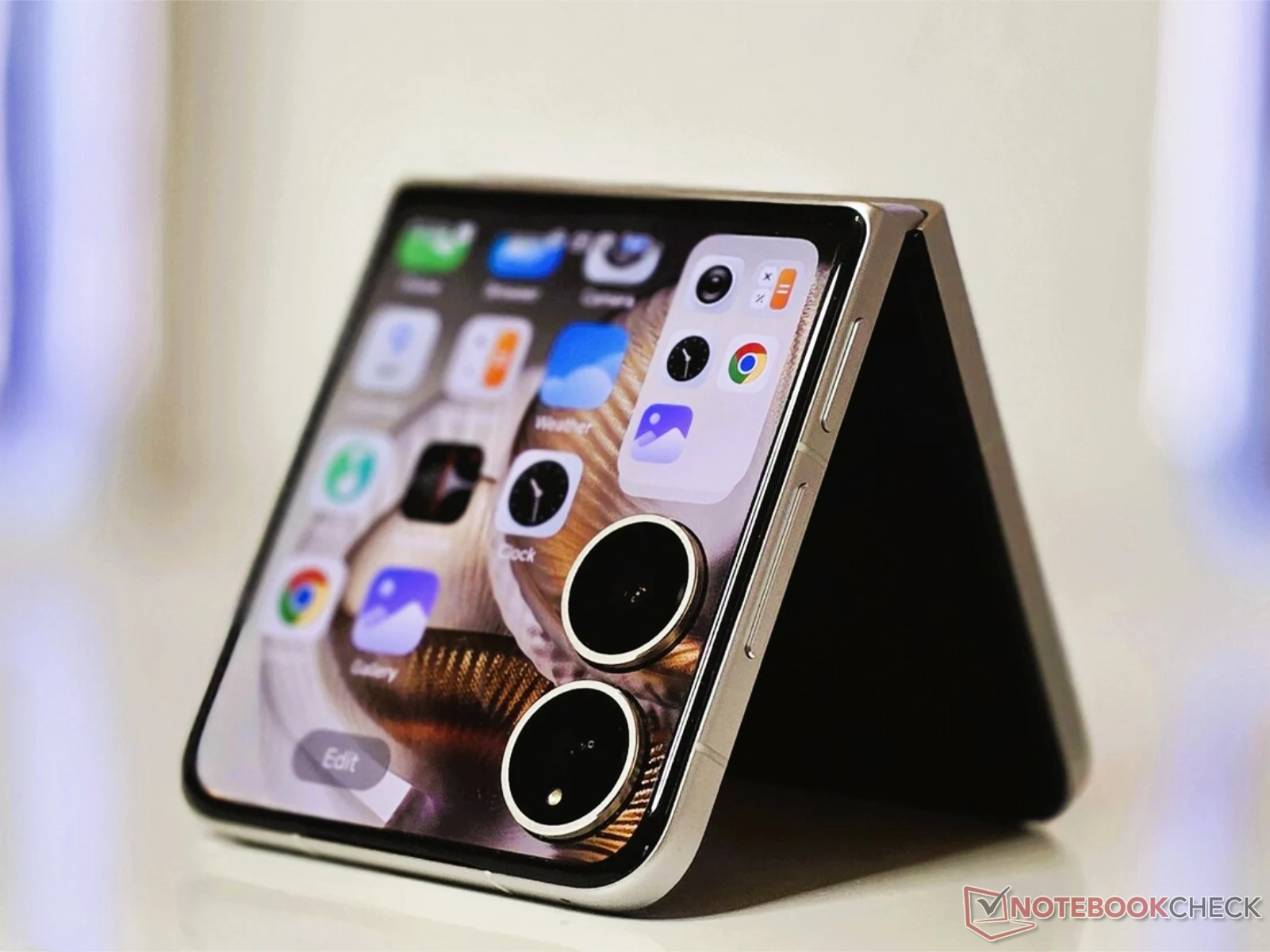
    1. Xiaomi has discontinued its compact folding product line, including the Mix Flip series.
    2. No plans are currently in place for a successor to the Mix Flip 2.
    3. Xiaomi’s focus appears to have shifted away from clamshell foldables, unlike competitors like Motorola and Samsung.

    Latest Insights On Xiaomi’s Foldable Smartphone Plans

    Leaker Digital Chat Station lately shared some interesting information about Xiaomi’s plans with their foldable smartphone range. They mentioned that Xiaomi’s last foldable model was the Mix Flip 2, which we reviewed back in August 2025. Just a few days after that, Xiaomi launched a special Diamond Limited Edition version, but only for the Chinese market. The company’s evolving approach to foldables seems to be changing, to say the least.

    Market Competition and Xiaomi’s Strategy

    Historically, only Motorola has been actively launching new flip-style foldables in the global market, with their Razr 70 series, and an updated Razr 2026 for North America. Meanwhile, Samsung appears to be taking its time, keeping their Galaxy Z Flip7 and Galaxy Z Flip7 FE (which currently retail for around $1,036) available until late July. According to Digital Chat Station’s insights, Xiaomi doesn’t seem poised to release a new Mix Flip model soon, aiming instead to step back from this particular segment.

    Discontinuation of Xiaomi’s Compact Folding Line

    On Weibo, the insider claims Xiaomi has officially discontinued their ‘compact folding product line’. It’s worth noting, though, that Digital Chat Station didn’t make clear if this refers specifically to the Mix Flip series, but clues suggest that’s the case. This means Xiaomi might be shifting focus, moving away from their smaller foldable phones. On the opposite end, the Mix Fold series has been stagnating at its fourth generation without any major updates for nearly two years. Nevertheless, rumors hint that a Mix Fold 5 could be in the pipeline, possibly in early stages of development.


    Sources

  • Samsung’s New Android Flagship Restores 10x Optical Zoom Camera with Oppo Find X9 Ultra

    Samsung’s New Android Flagship Restores 10x Optical Zoom Camera with Oppo Find X9 Ultra

    Key Takeaway

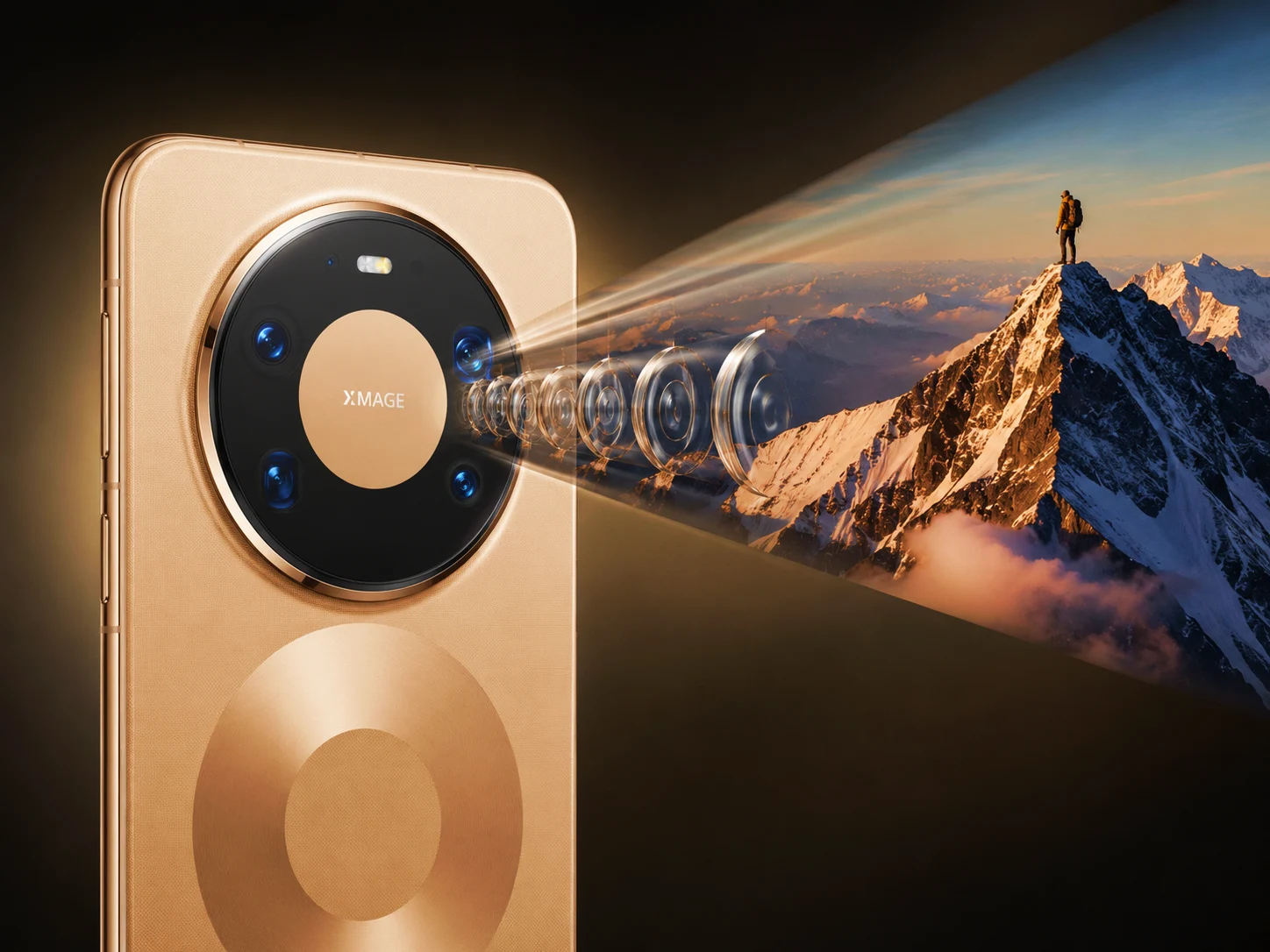
    1. Huawei’s Mate 90 Pro Max is expected to feature a dedicated 10x optical zoom dual-telephoto setup, signaling a return to ultra-long-range zoom innovations on Android smartphones.
    2. The phone may combine a 10x optical zoom lens with a large 1-inch sensor and Huawei’s XMAGE imaging engine, potentially setting new standards in mobile photography.
    3. Huawei is advancing its camera technology with in-sensor zoom in video recording, achieving lossless zoom at 18-20x, demonstrating ongoing innovations in zoom and sensor capabilities.

    Upcoming Huawei Mate 90 Series Leaks

    Early information about the Huawei Mate 90 line suggest that the Chinese company is going to go back to its roots with long-range zoom capabilities. The trusted insider states that the flagship Mate 90 Pro Max will be equipped with a dual-telephoto lens system, featuring a dedicated 10x optical zoom. This move marks a significant change in the Android camera industry, highlighting Huawei’s focus on hardware innovation rather than just software improvements.

    Innovative Camera Tech and Comparisons

    In the landscape of modern smartphones, many manufacturers focus on high-resolution sensors and “lossless” digital cropping, but Oppo’s latest Find X9 Ultra presents an impressive example of a true 10x optical zoom. Utilizing a 50MP sensor behind a native 10x lens with a complex light reflection path, Oppo has created some of the sharpest images possible. This reinvigorates the hardware-driven approach for smartphone zoom capabilities, hinting that Huawei might be following suit with its upcoming release.

    Previous Huawei Innovations and Expectations

    Huawei is well known for its pioneering camera technology. The Huawei P40 Pro+ was a trailblazer with its 10x periscope zoom lens, though it relied on some upscaling techniques. The new Mate 90 Pro Max might combine a similar new 10x zoom camera with a large 1-inch primary sensor and Huawei’s mature XMAGE imaging engine, further elevating mobile photography standards this year.

    Zoom Capabilities and Sensor Details

    Interestingly, Huawei’s recent Pura 90 Pro Max was the first smartphone capable of use in-sensor zoom in videos, especially when paired with a 200MP telephoto camera. It offers “lossless” zoom at 18-20x during video recording. However, what sensor Huawei will fit into the Mate 90 Pro Max’s 10x zoom camera remains a mystery. But, comparisons between past models like Oppo Find X9 Ultra, Samsung Galaxy S23 Ultra, and Huawei P40 Pro+ reveal significant differences in sensor sizes, hinting at the possible leap in performance with the new device.

    Sources
  • Xiaomi Phone with 7-Inch Display and 10,000mAh Battery Leaks Before Launch

    Xiaomi Phone with 7-Inch Display and 10,000mAh Battery Leaks Before Launch

    Key Takeaway

    1. The upcoming large-screen smartphone is expected to feature a 7-inch 2K display and be powered by a 3nm chipset.
    2. Potentially identified as the Redmi K100 Pro Max, it may include a battery larger than 10,000mAh, along with a metal frame, ultrasonic fingerprint sensor, and IP68/IP69 water resistance.
    3. The device is anticipated to launch around the end of the year, offering notable upgrades over its predecessor, the Redmi K90 Pro Max.

    Upcoming Large-Screen Smartphone Details

    Digital Chat Station on Weibo has shared some interesting news about a new big-screen smartphone coming soon. The source says it will be a device focused on high performance but didn’t mention the exact name of the model. Many think it could be the Redmi K100 Pro Max, the next in line after last year’s K90 Pro Max.

    Display Size and Processor

    This new phone is supposed to have a gigantic 7-inch screen with a 2K resolution, which makes it bigger than the Xiaomi 17 Ultra’s 6.9-inch display. The tipster also mentions that it will be powered by a ‘3nm chipset,’ though no detailed processor name was shared. The larger screen and powerful chip suggest it’s built for gamers and tech lovers who want top notch specs.

    Battery and Additional Features

    In addition, the device might come with a massive battery over 10,000mAh, promising long usage without needing to charge all the time. Other rumored features include a metal frame for durability, an ultrasonic fingerprint scanner for faster access, and IP68/IP69 certification for dust and water resistance. The expect launch is around the year’s end, so fans will have to wait a little longer.

    Possible Upgrades and Leaks

    If this smartphone is really the Redmi K100 Pro Max, it will apparently offer big upgrades from its predecessor, the Redmi K90 Pro Max. Last year’s model had a 6.9-inch display, a pretty hefty 7,560mAh battery, and was powered by a Snapdragon 8 Elite Gen 5 chip. These improvements suggest a focus on premium features and performance.

    Note on Rumors and Future Devices

    Since all this info comes from leaks and rumors, it is wise to not take everything as confirmed fact. Another leak shows high-resolution images of the Xiaomi 17T series, hinting at upcoming launches worldwide. Still, fans should wait for official news to know the complete details about these new devices.


    Sources

  • Sony Xperia 1 VIII Leak: Snapdragon 8 Elite Gen 5 & 12GB RAM in European Model

    Sony Xperia 1 VIII Leak: Snapdragon 8 Elite Gen 5 & 12GB RAM in European Model

    Key Takeaway

    1. The Xperia 1 VIII has appeared on Geekbench and was listed on Amazon in the UK and Germany, suggesting it’s near release.
    2. The device is likely the model XQ-GE54, identified as the European version of the Xperia 1 VIII.
    3. It is expected to feature a Snapdragon 8 Elite Gen 5 processor with 12 GB of RAM, falling short of some rivals’ RAM offerings.
    4. Geekbench scores indicate performance that may be below expectations for the Snapdragon 8 Elite Gen 5, but more details are uncertain until retail units are available.

    New Xperia 1 VIII emerges on Geekbench and retail listings

    Earlier today, a Reddit user found out that Amazon were selling the new Xperia 1 VIII in the UK. Later we saw that the same retailer was selling it in Germany with extra bonus, the WH-1000XM6 headphones, that are worth around $458 on amazon. This kinda hints that the device might be coming soon across Europe with some offers.

    What the leaks and listings tell us about the device

    So far, Sony haven’t said a word about the Xperia 1 VIII’s release or its whereabouts, but the device has already made an appearance on Geekbench, that is a benchmark site for mobile devices. The model number XQ-GE54 was linked to the Xperia 1 VIII earlier this year, even though the listing didn’t specify the commercial name. This model is also notably the European version, according to some leaks.

    Specifications and possible limitations

    • Processor: Snapdragon 8 Elite Gen 5
    • GPU: Adreno 840
    • RAM: 12 GB (same as previous Sony flagships)
    • Core configuration: Six Oryon Gen 3 Performance Cores and two Oryon Gen 3 Prime Cores clocked at 4.61 GHz

    In benchmark tests, the Xperia 1 VIII scored around 2,325 points in single-core and 9,217 in multi-core on Geekbench 6. These scores are slightly below what we’d expect from the Snapdragon 8 Elite Gen 5, but more concrete data isn’t available yet. The device’s RAM capacity seems to stay at 12 GB, limiting some competitors that now offer 16 GB or more.

    Summary and expectations

    Until we get the actual retail units, it’s hard to draw any concrete conclusions about the Xperia 1 VIII’s performance or full specs. The listings and leaks suggest some limitations, but we should wait for official announcements for a clear picture of what the device offers and its price point.


  • Foldable iPhone Design with Just 2mm Height Increase and 5.2mm Thickness

    Foldable iPhone Design with Just 2mm Height Increase and 5.2mm Thickness

    Key Takeaway

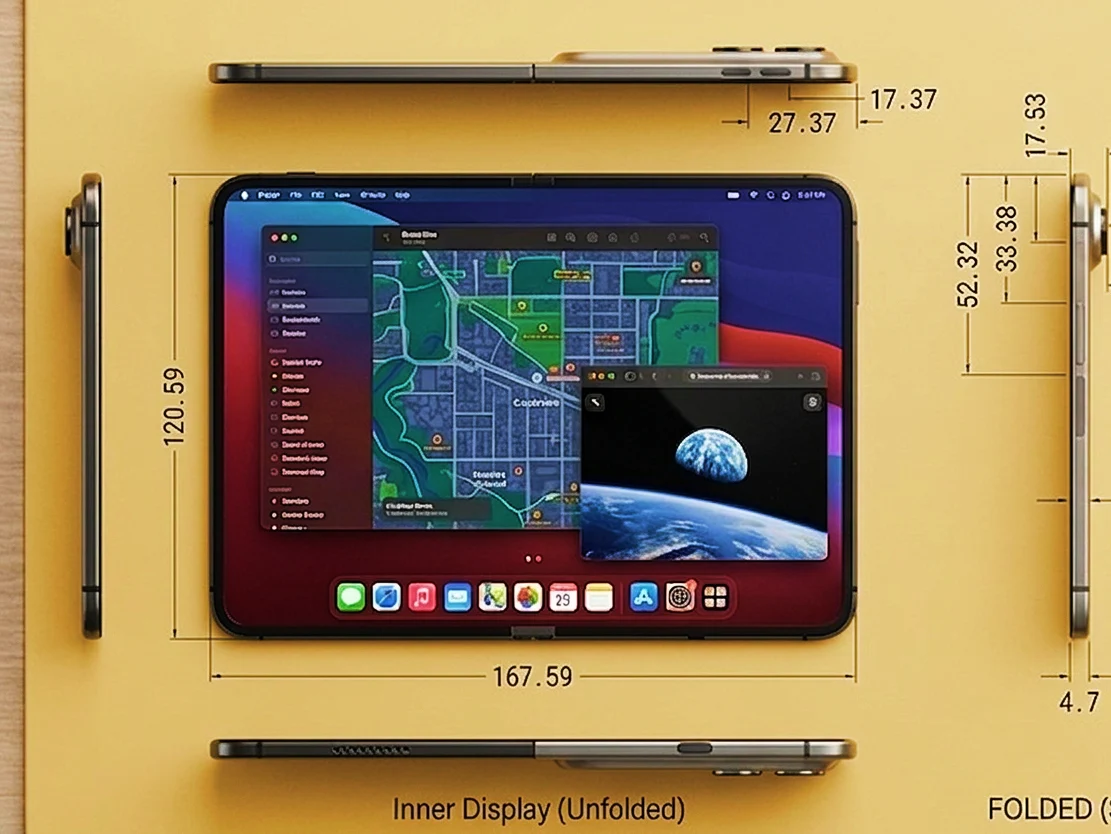
    1. The iPhone Ultra dummy unit is approximately 11 mm thick when closed, with the rear camera system adding over 5.5 mm, resulting in a total thickness of around 16.57 mm.
    2. The large camera system causes the dummy to wobble on flat surfaces more than other foldables like the Galaxy Z Fold7.
    3. The device’s thinnest point measures 5.24 mm, with inner display bezels about 0.27 mm thick on each side, and the overall height is approximately 117 mm.

    Unbox Therapy Takes a Closer Look at the iPhone Ultra Dummy Units

    Popular tech YouTuber Unbox Therapy had the rare chance to get a peek at the recently circulating dummy units of Apple’s upcoming foldable phone. Similar to Max Tech, he used his precision tools to measure and analyze the device before Apple’s official release. This sneak peek gives consumers and tech enthusiasts a better idea of what to expect from the new foldable’s design and build quality.

    Camera System’s Impact on Thickness

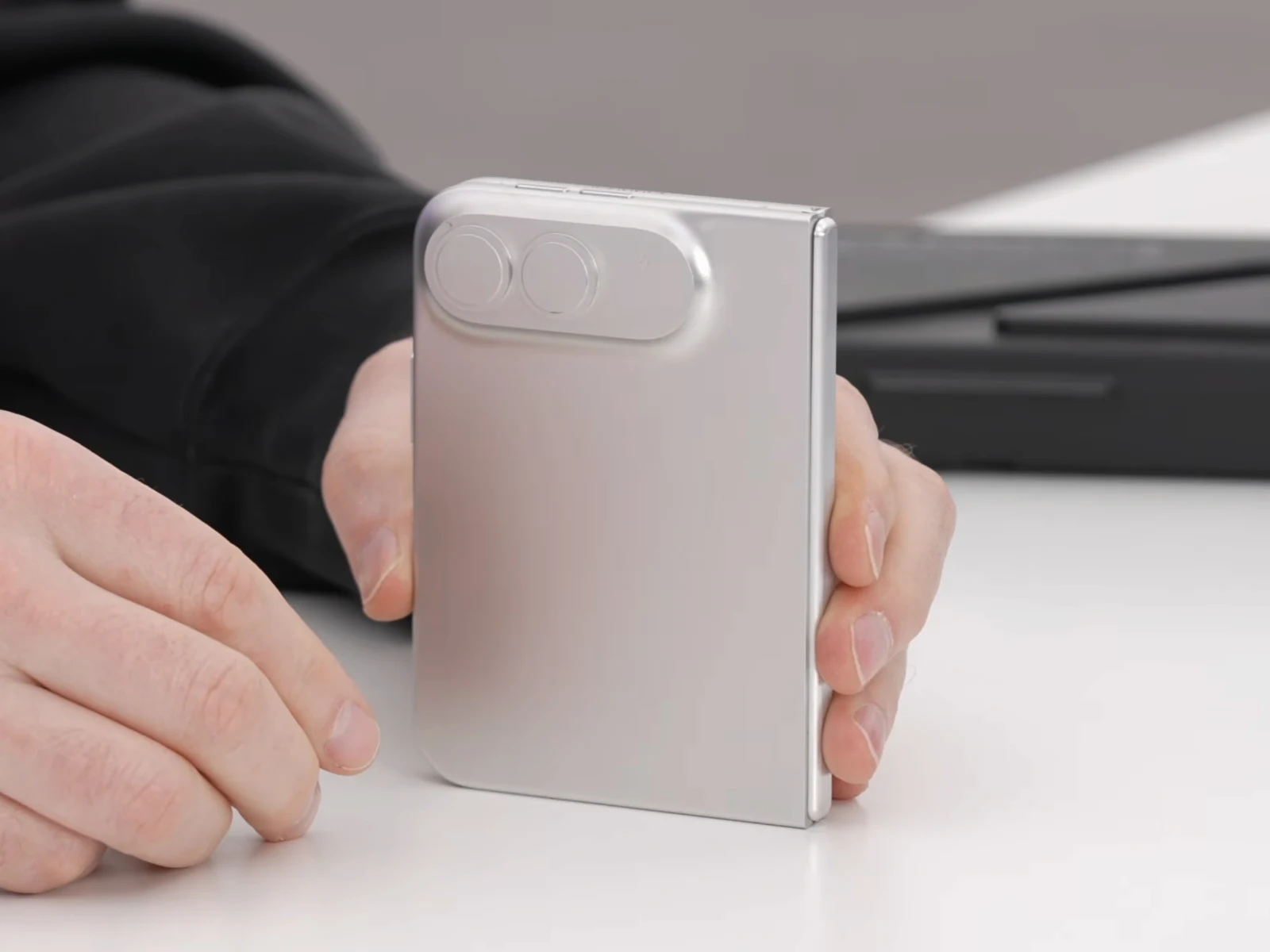
    Unbox Therapy funnily point out that the rear camera array on the iPhone Ultra bump the device’s overall thickness quite significantly. The dummy unit, when folded, measures around 11 millimeters. But once the dual-camera system is factored in, it adds an additional 5.5 mm, reaching a total thickness of about 16.57 mm. This extra bulk could influence how comfortable the foldable will feel in pocket and hand.

    Device Stability and Material Insights

    • Unbox found that the dummy unit wobbles quite a lot on flat surface, thanks to its hefty camera system. It seems a little more unstable than the Galaxy Z Fold7, which was reviewed earlier last year.
    • At the thinnest point, the device measures 5.24 mm. The combined measurements of the two halves are roughly 10.48 mm, but foldable phones like the Pixel 10 Pro Fold and Galaxy Z Fold7 tend to have thinner inner bezels for a sleeker look and feel.

    Design Details and Expected Specs

    The inner bezels on the upcoming iPhone Ultra are estimated to be around 0.27 mm on each side, based on the video analysis. Interestingly, the device’s height is now thought to be about 117 mm, slightly taller than earlier reports. This makes the foldable only 2 mm taller than the original iPhone 4, potentially affecting its portability and aesthetics.

    Apple is speculated to unveil the iPhone Ultra in September 2026 during their usual iPhone launch event, though nothing is confirmed yet. The dummy unit’s insights certainly stir excitement and curiosity about how the final product will look and feel in real life.

    Sources
  • Xperia 1 VIII on Amazon: Release Date, Specs, Colors & Price; WH1000XM6 Headphones Pre-order

    Xperia 1 VIII on Amazon: Release Date, Specs, Colors & Price; WH1000XM6 Headphones Pre-order

    Key Takeaway

    1. The Sony Xperia 1 VIII features a 6.5-inch 120Hz HDR OLED display, with a new telephoto lens and “Xperia AI” enhancements for photography and battery optimization.
    2. The device retains key features like a 3.5mm audio jack, dual SIM support, and is expected to have a 2-day battery life, but no microSD card slot is mentioned.
    3. It will be available in three colors: Graphite Black, Iolite Silver, and Garnet Red.
    4. The predicted release date is June 26, 2026, with a significantly increased price of around £1,728 in the UK and €1,858-€1,868 in Germany.
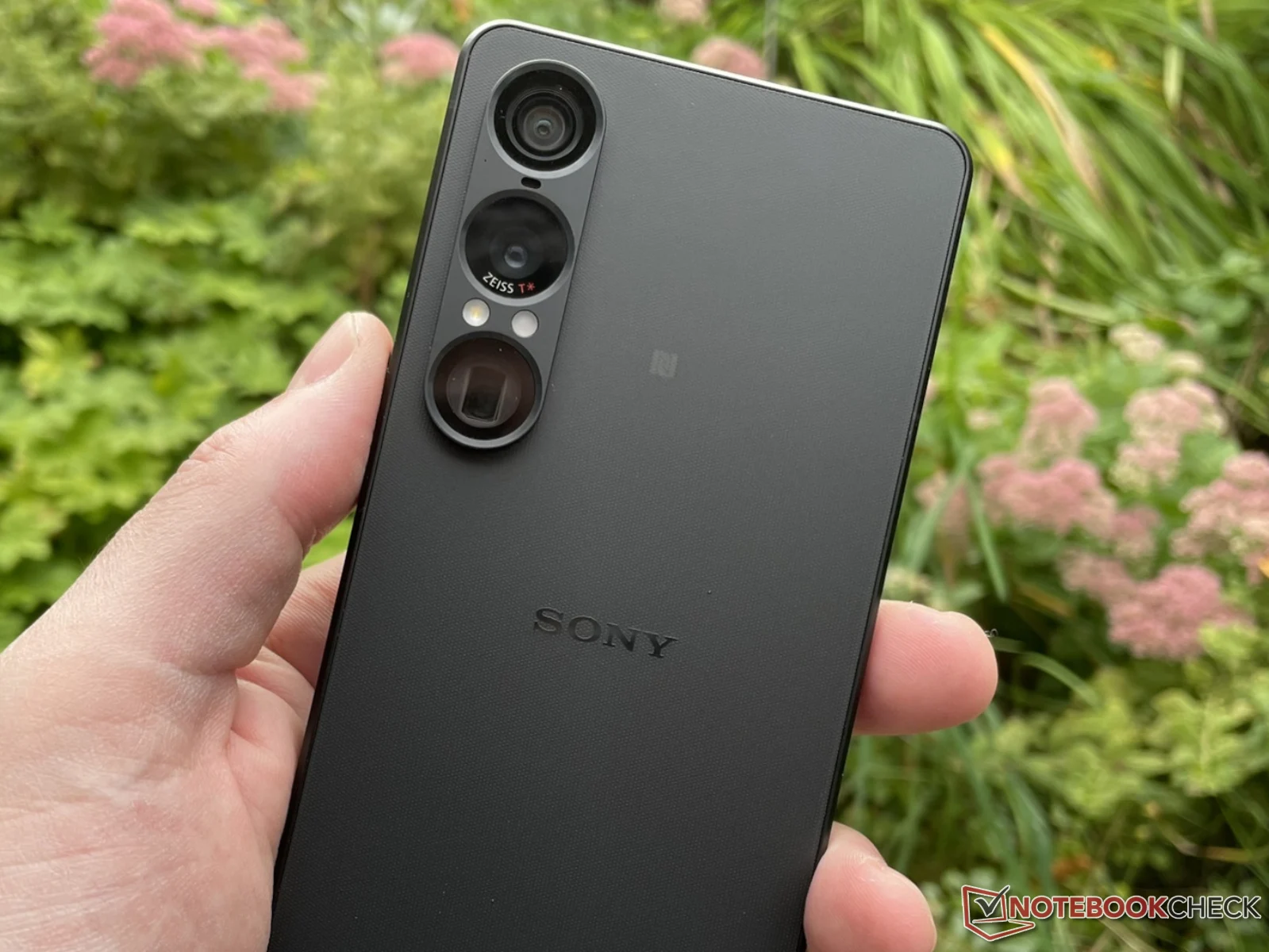
    5. The leak confirms a design update with a square camera island, hinting at internal upgrades and a premium positioning.

    Unveiling the New Sony Xperia 1 VIII

    Leaked details from Amazon UK and Germany have spill’d the beans about Sony’s upcoming Xperia 1 VIII, which is set to launch on June 26, 2026. The leaks show off a fresh new design, several color options, and a price that might make your head spin. Sony seems to keep their signature sleek look but upgrade the internals, promising a better overall experience for users.

    Design and Display

    The Xperia 1 VIII keeps the familiar aesthetic but adds some modern touches. It sports a big 6.5-inch FHD+ HDR OLED screen with a 19.5:9 aspect ratio, coupled with a smooth 120Hz refresh rate making scrolling and gaming incredibly fluid. The triple-camera setup now includes a “new telephoto lens,” probably a 48MP zoom camera, which is likely to improve photography capabilities, especially for zoomed-in shots. This device appears to be all about blending style with performance, gone are the days of just looking good.

    Features and Variants

    Beyond the popular design, sony is keeping some fan-favorite features like the 3.5mm headphone jack and dual SIM support, which shows they are still considering audiophiles and frequent travelers. The AI-driven “Xperia AI” seems set to enhance photo processing and extend battery life, a smart move for competition. Interestingly, no mention was made of a microSD card slot, hinting perhaps at storage being fixed or handled differently.

    Colors and Pricing

    • Graphite Black
    • Iolite Silver
    • Garnet Red

    The price tag, however, is a shocker. The UK listing shows a hefty £1,728, while in Germany it runs between €1,858 and €1,868. For comparison, the Xperia 1 VII launched at roughly £1,399 and €1,599, meaning this new model is considerably more expensive. This large increase may be due to upgraded hardware, design overhaul, or new features that justify the higher cost.

    Release Date and Expectations

    The leaks confirm June 26, 2026, as the launch date, but it’s believed Sony might announce it sooner. Fans are excited to see what improvements this flagship offers, especially considering the substantial price bump. Based on details from the leaks, it seems Sony is aiming for a premium segment with this device, promising high-end specs paired with a refined look. Stay alert for more official info as the launch approaches!

    Sources
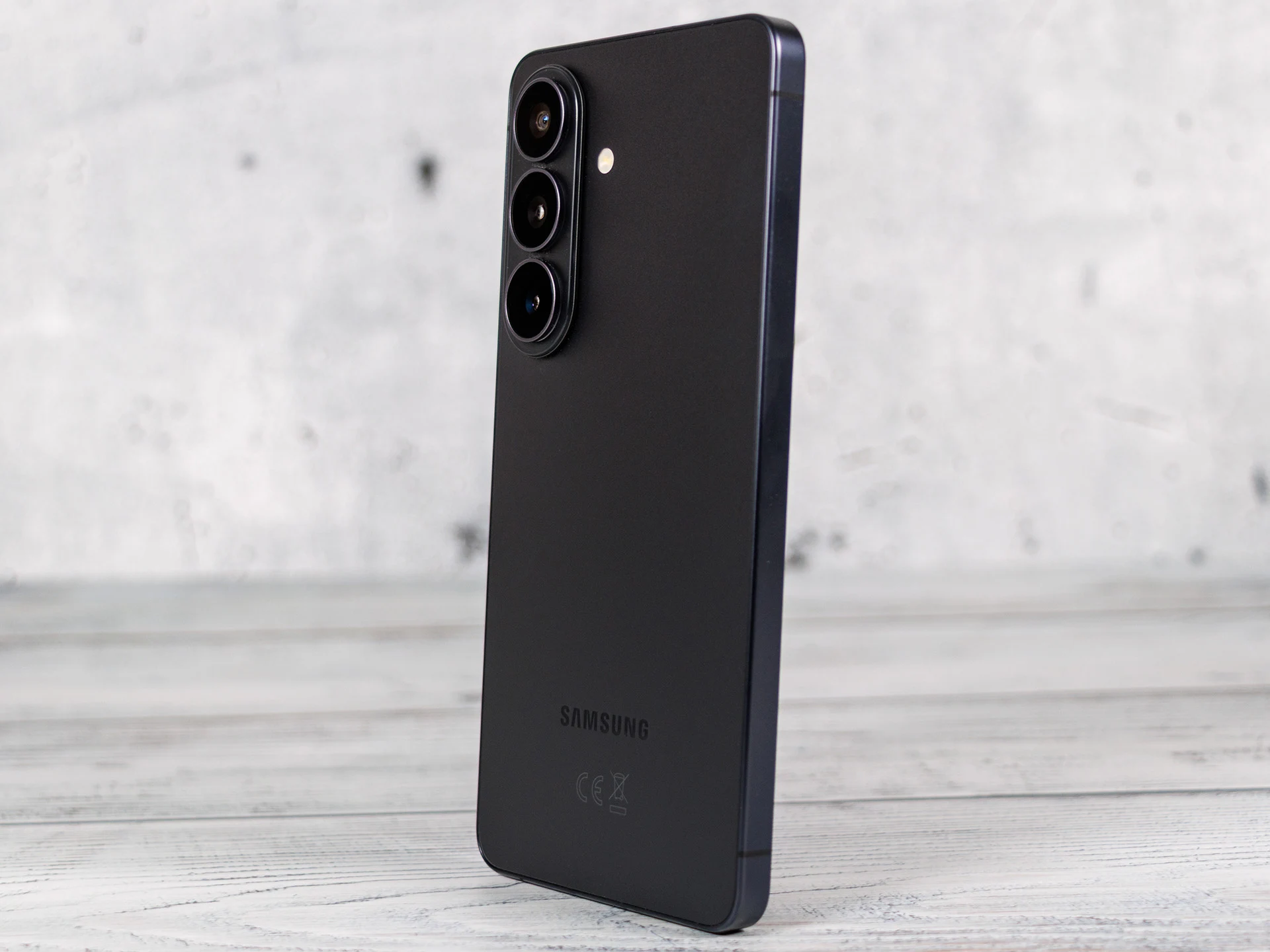
  • Samsung Galaxy S26: Restriction on Precise Location Tracking Explained

    Samsung Galaxy S26: Restriction on Precise Location Tracking Explained

    Key Takeaway

    1. NFC is mainly used for mobile payments, while UWB and Bluetooth are key for smart home integration and object tracking.
    2. The Galaxy S26 lacks UWB, which is present in the S26+ and S26 Ultra, affecting features like precise locating and digital car or door keys.
    3. The Galaxy S26 is equipped with Bluetooth 5.4, potentially limiting its smart object locating capabilities compared to upcoming devices with newer standards.
    4. The device features a high-quality build, a bright and accurate OLED display, and solid performance, but has moderate battery life and slower charging compared to competitors.
    5. The Galaxy S26 is a refined flagship with incremental upgrades, emphasizing display quality and overall user experience over radical innovations.

    Short-range wireless technologies including NFC, UWB, and Bluetooth

    These technologies are mainly used for quick and easy data transfer as well as for locating devices in close proximity. NFC is most commonly used for mobile payments, while UWB and Bluetooth also have respective roles in smart home systems and in tracking things like objects or tags. UWB is integrated into models like the S26+ and S26 Ultra, but unfortunately the Galaxy S26 lacks this feature, which limits its ability to precisely locate items or serve as access points to smart locks or car keys. Its functions extend beyond just tracking, assisting in contactless unlocking and vehicle access systems.

    Role of Bluetooth in Smart Ecosystems

    Bluetooth, especially starting from the 6.0 version, is becoming more competitive with UWB for locating smart objects if it gets enough updates. Despite that, Samsung set it back a little by opting for the older Bluetooth 5.4 in the Galaxy S26, instead of the latest iteration. Fans hope that future models like the Galaxy S27 will feature more advance Bluetooth versions, thus closing the gap with UWB on smart device findability and connectivity. Bluetooth also supports many features in smart homes, like controlling lights, locks, and appliances, providing an essential connectivity backbone across many connected gadgets.

    Overview of the Galaxy S26

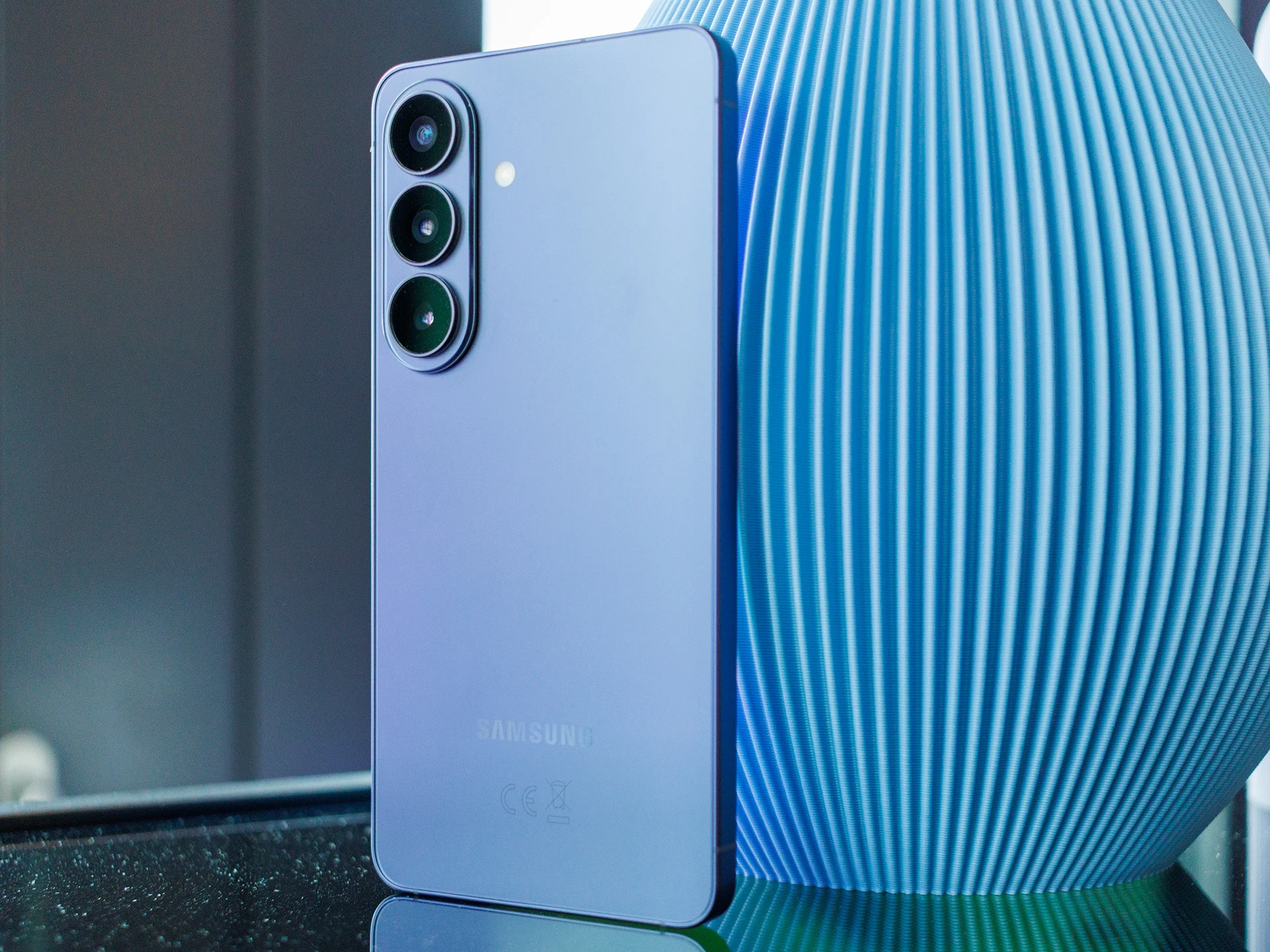
    The Galaxy S26 presents itself as a compact luxury smartphone that stands out because of its performance, display, and battery. Powered by the Exynos 2600 chipset, it has a 6.3-inch OLED screen which is bright, evenly lit, and calibrated for accurate colors. The device is built with high-quality materials and feels very premium in hand, making it a top-tier choice for those looking for a sleek, reliable device. The display’s brightness and color precision make it suited for everyday use, whether indoors or outside in sunlight.

    Pros and Cons of the Galaxy S26

    • Fast, dependable operation with good network reception
    • Long-term support with updates expected for seven years
    • Battery capacity of 4,300 mAh, delivering decent daily usage

    However, it has its limitations. Charging speeds are only 25 watts, which is somewhat slow considering current standards, leading to longer recharge times. The phone’s battery life is only moderately improved over previous models, and it underperforms under sustained high performance, with noticeable throttling of its processor. The camera system remains similar to previous generations without notable upgrades in hardware or features. Overall, the Galaxy S26 isn’t a complete overhaul but rather a smarter, slightly refined version of a flagship, excelling mostly in its display, usability, and overall build quality.

    Sources
    • Google Pixel 11 leaks: camera upgrades, battery changes, design updates

      Google Pixel 11 leaks: camera upgrades, battery changes, design updates

      Key Takeaway

      1. The Pixel 11 series will feature camera upgrades, including a likely 50MP primary sensor on the base model and enhanced sensors on the Pro and Pro XL variants.
      2. Display improvements include brighter screens, with peak brightness ratings up to 3,600 nits on the Pro models and slim bezels.
      3. The series will omit the thermometer feature, replacing it with an RGB LED array, and the IR face unlock feature is expected in the next-generation phones.
      4. The Tensor G6 SoC will have a better CPU but may have a downgraded GPU compared to the G5, with RAM options varying up to 16GB on Pro models.

      Upcoming Google Pixel 11 Series: What’s Expected

      Google’s next big release, the Pixel 11 series, is anticipated to hit the market around August 2026. As with previous flagship launches, there have been a lot of leaks revealing key features well before the official announcement. A detailed leak from the well-known leaker Mystic Leaks provided some intriguing insights into what users might expect from these new smartphones.

      Camera Improvements and Photography Features

      The Pixel 11 lineup is reportedly going to see notable camera upgrades across the board, including the base model. According to the leak, the standard Pixel 11 will feature a new primary sensor likely to be a 50MP camera, promising better image quality. The ultrawide and telephoto cameras are expected to remain similar to the current generation, which currently costs about $599 for the 128GB model.

      Enhanced Displays and Brightness Capabilities

      • The series will feature brighter screens than previous models, with the standard model expected to have a peak brightness of about 3,000 nits, matching the current gen.
      • The Pixel 11 Pro and Pro XL are said to bump this brightness up to 3,600 nits, a substantial improvement.
      • For the Pixel 11 Pro Fold, its inner display is expected to reach 3,500 nits, while the outer screen might go as high as 3,600 nits.

      Leaked images also suggested that the phones will have slimmer bezels, giving them a more modern look.

      Additional Hardware and Features

      The Pro models will reportedly lose the thermometer feature, which is reportedly replaced by a smaller RGB LED array, similar to what Nothing did with their Phone (4a) Pro. Another expected omission is the IR face unlock feature, dubbed Project Toscana, which is not expected to launch with the Pixel 11 series but might appear in future models.

      Specifications and Performance Expectations

      The new Tensor G6 SoC is thought to bring a better CPU, although its GPU might be a step down from the G5. Interestingly, Google’s plan to launch the Pixel 10 with starting configurations of 8GB RAM is believed to be an effort to keep costs down, even if it might limit AI and multitasking capabilities. The higher-end options will include up to 12GB of RAM for the vanilla models, while the Pixel 11 Pro, Pro XL, and Pro Fold could feature as much as 16GB of RAM for robust performance.


      Sources

    • Samsung Galaxy S26 Price Hike: Is It Justified?

      Samsung Galaxy S26 Price Hike: Is It Justified?

      Key Takeaway

      1. The Galaxy S26 is a refined, well-built smartphone with a bright OLED display and strong performance but offers limited camera improvements and modest charging speed.
      2. It features a long update cycle of seven years and maintains strong wireless and reception quality.
      3. The price has increased by $100, mainly due to the discontinuation of the 128 GB model, with the 256 GB version now serving as the entry point, positioning it as more expensive than some competitors but cheaper than an iPhone 17.

      Design and Display

      The Galaxy S26 is a sleek and compact device that continues the tradition of premium build quality. It’s small enough to fit comfortably in your hand, and despite its size, it packs a 6.3-inch OLED display providing bright, vivid colors and sharp images. The screen’s quality makes it a pleasure to use whether you’re browsing the web, watching videos, or gaming. The design has been refined from previous models, ensuring a modern and elegant look that feels premium.

      Performance and Battery Life

      Powered by the Exynos 2600 processor, the S26 handles everyday tasks with ease and offers snappy performance. The 4,300-mAh battery supports a whole day’s worth of usage, although charging speed is somewhat disappointing at just 25 watts. During heavy use, some throttling of performance was observed, which slightly affects high-demand activities. Nonetheless, the overall build delivers reliable performance suitable for most users, and Samsung promises a long update cycle of seven years to keep it secure and current.

      Camera and Connectivity

      Camera improvements seem minimal, with little noticeable difference from the previous generation. The quality is decent but not groundbreaking, and low-light shots could be better. Connectivity options are solid, with strong wireless and reception quality, making it reliable for calls, streaming, and downloads. The device’s overall connectivity performance further cements its position as a well-rounded daily driver, even if it doesn’t push camera tech forward.

      Pricing and Storage

      Compared to the earlier model, the starting price has increased by $100, making the new Galaxy S26 more expensive, especially since the basic 128 GB option was discontinued. The current 256 GB version, which now acts as the entry-level model, was previously priced at around $900 last year. Interestingly, despite the higher price, Samsung has not increased the cost for the basic model significantly but instead removed an affordable storage option. The price remains competitive when compared to other Android brands but is still more costly than Apple’s latest iPhone 17.

      Sources