Category: Phones

Stay updated with the latest phone news, reviews, and trends. Discover cutting-edge smartphones, features, and innovations in our Phones category at GizNewsDaily

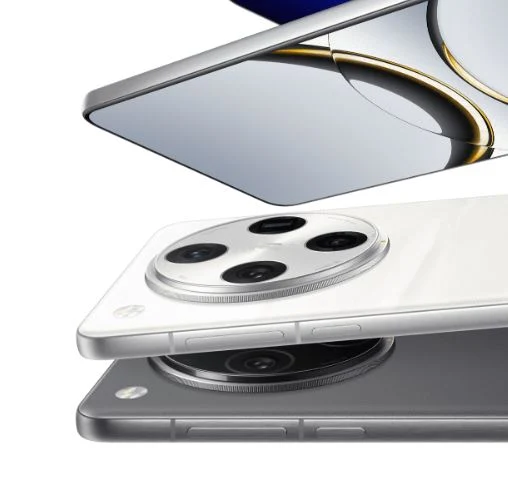
  • Oppo Find X9 Pro: New Camera System Details Leaked

    Oppo Find X9 Pro: New Camera System Details Leaked

    Key Takeaways

    1. The Oppo Find X9 Pro is likely to be unveiled around October.
    2. It will feature a new 50 MP LYT-828 sensor, replacing the previous model’s 50 MP sensor.
    3. The zoom capabilities will include a 200 MP ISOCELL HP5 sensor with a single 3x zoom lens.
    4. The dual-zoom setup from the Find X8 Pro will be replaced, focusing on a more powerful single zoom sensor.
    5. The front camera will be upgraded to a 50 MP ISOCELL JN5 with autofocus, improving from the previous 32 MP camera.


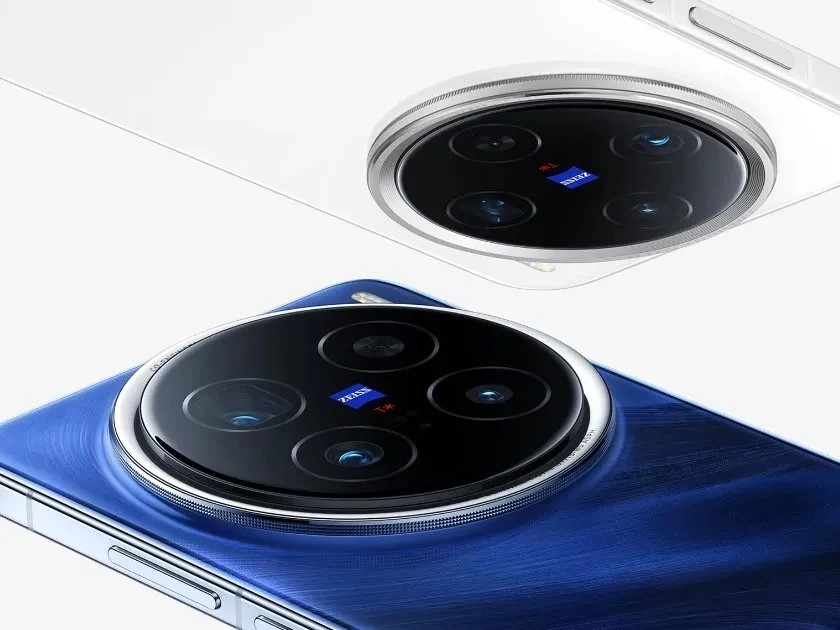
    If we look at the past releases in the series, it seems likely that Oppo will unveil its Find X9 Pro flagship smartphone around October. Before that, a recent leak has disclosed important information about the camera features of the device.

    Major Camera Upgrades

    According to the leaker Yogesh Brar, the Find X9 Pro will come with a completely revamped camera setup. The previous model’s 50 MP 1/1.4-inch sensor will be replaced by Sony’s latest 1/1.28-inch LYT-828 sensor. However, it looks like the new phone will keep the 50 MP ISOCELL JN5 for its ultra-wide shots.

    Enhanced Zoom Capabilities

    The most notable changes will be seen in the zoom technology of the Find X9 Pro. The leaker mentions a 200 MP ISOCELL HP5 sensor paired with a 3x zoom lens. This single zoom camera takes the place of the dual-zoom setup that had both 3x and 6x capabilities in the Find X8 Pro, with Oppo seemingly believing that the more powerful sensor effectively compensates for the absence of the dedicated 6x zoom lens from the previous model.

    Additional Features

    Alongside these advancements, the Find X9 Pro is expected to feature a 2 MP flicker sensor. To top it off, there will be a 50 MP front-facing camera with autofocus. This front sensor is said to be the ISOCELL JN5, which offers a subtle upgrade over the 32 MP camera found in last year’s model.

    Source:
    Link



  • OnePlus 15 Promises 165 FPS Gaming with Performance Upgrades

    OnePlus 15 Promises 165 FPS Gaming with Performance Upgrades

    Key Takeaways

    1. The OnePlus 15 will debut in China this October as the new flagship model, replacing the OnePlus 13.
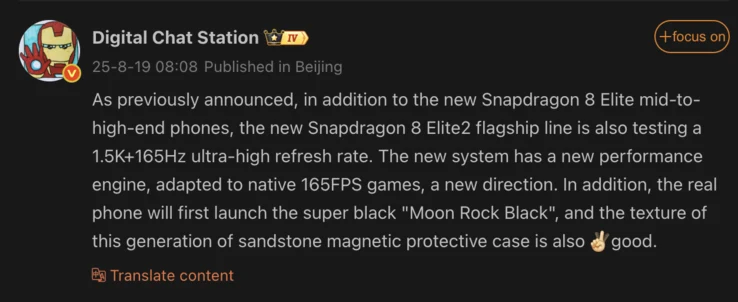
    2. It is rumored to feature a display with a 165 Hz refresh rate and 1.5K resolution, an upgrade from the OnePlus 13’s 120 Hz.
    3. The phone may include a new performance engine for gaming, allowing gameplay at 165 fps.
    4. It is expected to be powered by the Snapdragon 8 Elite 2, with a potential AnTuTu benchmark score around 3.8 million.
    5. The battery could increase to 7,000mAh, and there are hints of a redesigned rear camera module, though details remain unverified.


    The OnePlus 15 is set to make its debut in China this October. This model will be the new flagship, taking the place of the OnePlus 13. So far, the company has not disclosed any details about what the phone will include. Nevertheless, a recent leak provides some insight into the display and gaming upgrades.

    Display and Refresh Rate

    According to tipster Digital Chat Station on Weibo, the OnePlus 15 will come with a display that boasts a 165 Hz refresh rate and a 1.5K resolution. In contrast, the OnePlus 13 has a display with a refresh rate of 120 Hz. The highest refresh rate previously offered by the company was 144 Hz, which can be found on the Ace 5 Ultra, their latest high-performance device.

    Gaming Features

    The leak also indicates that the OnePlus 15 will incorporate a new performance engine intended to enable gaming at 165 fps. The company has a history of creating gaming-centered technologies, such as the Fengchi Game Kernel that was rolled out with the Ace 5 series, aimed at enhancing CPU and GPU efficiency for an improved gaming experience.

    Expected Specifications

    In terms of other anticipated specifications, the OnePlus 15 might be powered by the Snapdragon 8 Elite 2, which is expected to be Qualcomm’s upcoming flagship processor. An earlier leak hinted that this chipset could achieve around 3.8 million points in the AnTuTu benchmark. By comparison, the OnePlus 13 managed a score of 2.7 million points in our testing.

    The battery on this new phone could also see an upgrade to 7,000mAh, an increase from the 6,000mAh found in the OnePlus 13. Additionally, there are rumors of a revamped rear camera module. However, all of this information is still unverified, so it’s wise to take it with a grain of salt.

    Source:
    Link


  • Redmi Note 15 Pro Plus: Snapdragon 7s Gen 4 and Camera Specs Revealed

    Redmi Note 15 Pro Plus: Snapdragon 7s Gen 4 and Camera Specs Revealed

    Key Takeaways

    1. Chipset Upgrade: The Redmi Note 15 Pro Plus will use the Snapdragon 7s Gen 4 chipset, offering a 7% performance boost over the previous 7s Gen 3.

    2. Improved Cooling System: The device features an enhanced cooling system with a 5,200 mm² area, providing three times higher thermal conductivity than the prior model.

    3. Camera Specifications: It includes a main Light Hunter 800 sensor and a telephoto lens with 2.5x magnification, while an additional camera (likely ultrawide) details are still pending.

    4. Display and Battery: The smartphone boasts a 1.5K display with a peak brightness of 3,200 nits and is powered by a 7,000 mAh battery with 90 W fast charging support.

    5. Launch Date: The Redmi Note 15 Pro series will be unveiled in China on August 21, 2025, with pricing and availability details to be announced at the event.


    Xiaomi is preparing to unveil the Redmi Note 15 Pro series in China on August 21, 2025. Recently, the company has disclosed a few key specifications for the Plus mid-range model, and now it has revealed the chipset that will drive the device.

    New Chipset Details

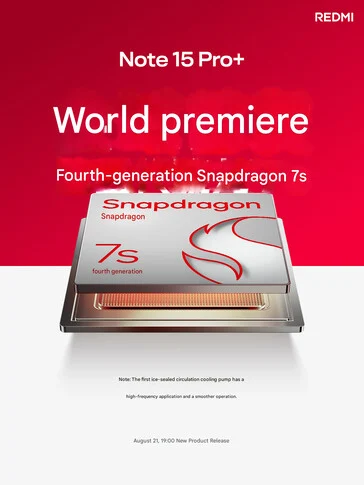
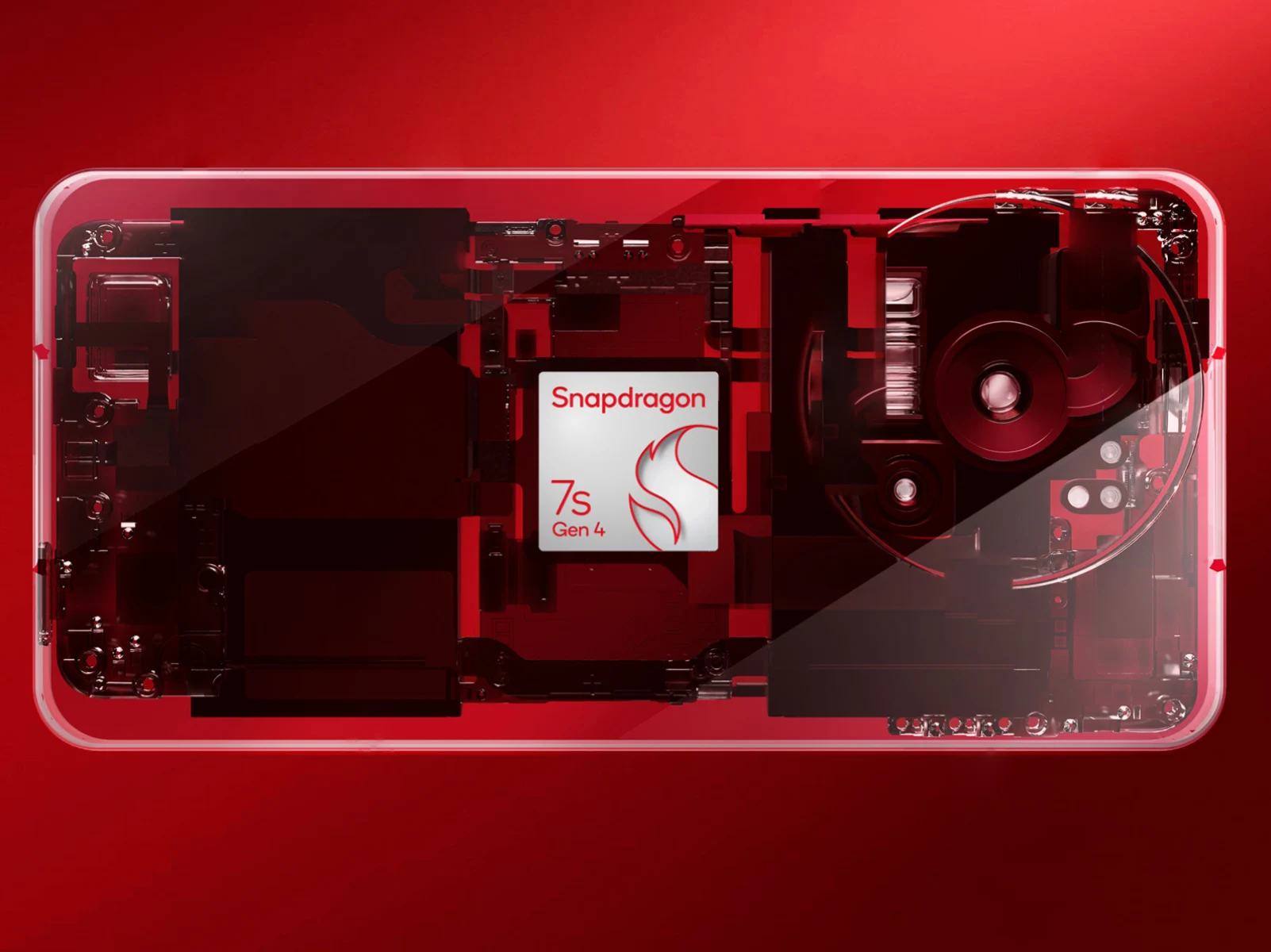
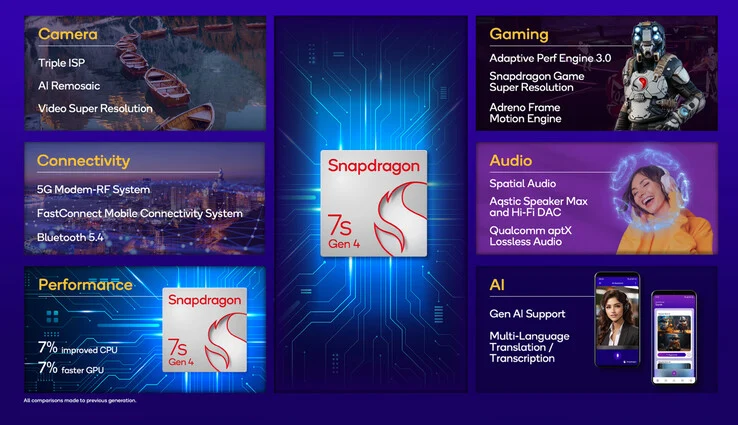
    As expected, the Redmi Note 15 Pro Plus will feature the Snapdragon 7s Gen 4, a chipset that Qualcomm has recently provided information on. According to Qualcomm’s promotional content, this new mid-range SoC delivers a 7% improvement in overall performance compared to its predecessor, the 7s Gen 3.

    Enhanced Cooling System

    For the Redmi Note 15 Pro+, Xiaomi mentions that the SoC will be accompanied by an improved cooling system when compared to the previous model. It is said to have a cooling area measuring 5,2002 mm, which is claimed to provide three times higher thermal conductivity.

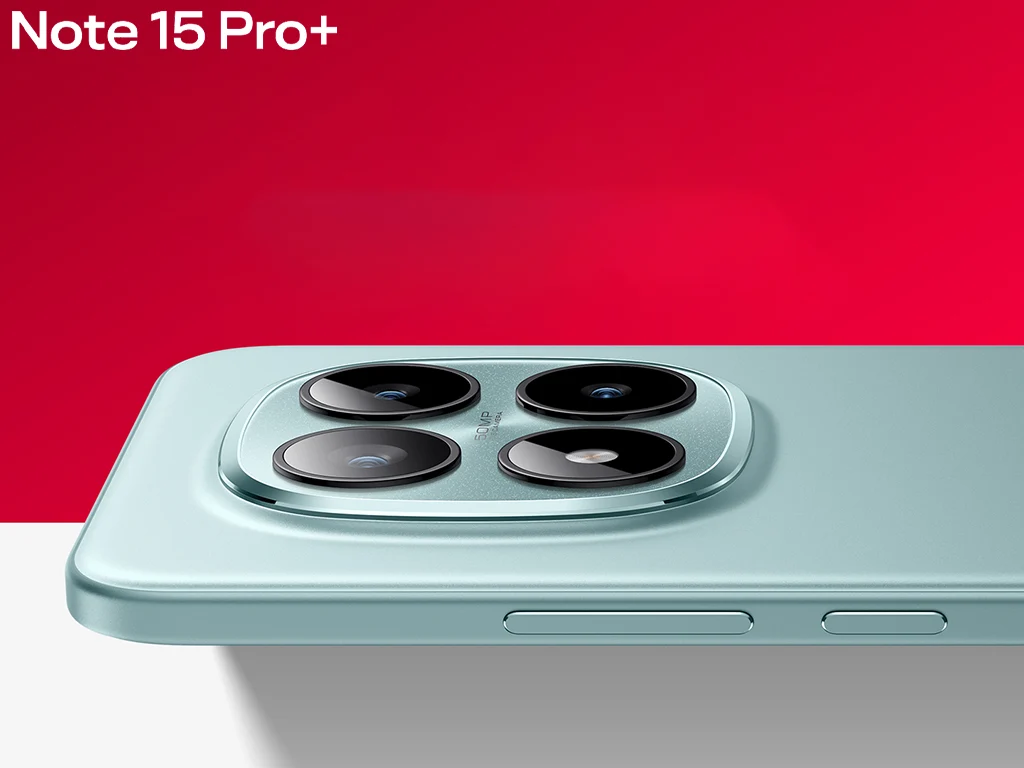
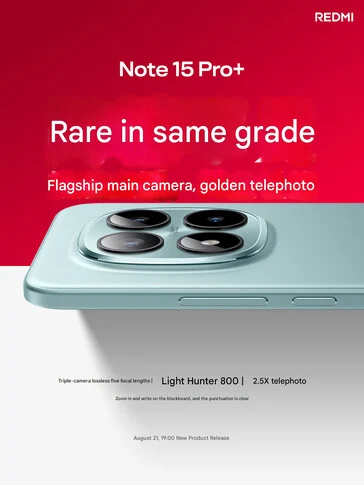
    Xiaomi has also released some details about the camera for the Redmi Note 15 Pro Plus. The main sensor on the rear is confirmed to be the Light Hunter 800, the same as the primary camera found in the Indian variant of the previous model. This is complemented by a telephoto lens offering 2.5x magnification and five different focal lengths.

    Camera Specs and Display Features

    There is an additional camera located on the back, but Xiaomi has yet to disclose its details; however, it is probably an ultrawide sensor. The company has also shared some sample photographs taken with the Redmi Note 15 Pro+, which can be found at the end of the announcement.

    As for other confirmed specifications, the Redmi Note 15 Pro Plus is set to feature a 1.5K display with a peak brightness of 3,200 nits, a 7,000 mAh battery that supports 90 W fast charging (with the 140 W Anker 737 power bank currently available for $87.99 on Amazon), and several IP ratings, including IP69 and IP69K. Pricing and availability will likely be announced at the launch event on August 21.

    Source:
    Link


  • Samsung One UI 8 Beta 5 Fixes Galaxy S25 Hotspot, 100x Zoom Issues

    Samsung One UI 8 Beta 5 Fixes Galaxy S25 Hotspot, 100x Zoom Issues

    Key Takeaways

    1. Samsung has released One UI 8 Beta 5 (ZYH6) for Galaxy S25 series, focusing on bug fixes and stability improvements.
    2. The update includes the August 2025 security patch and is a 1.7GB file.
    3. New features added include AI-enhanced tools, Auracast connectivity, a revamped Reminder app, and improved Quick Share.
    4. The beta program has been expanded to include Galaxy S24 series and Z Fold/Flip 6, with more devices expected to join.
    5. The update is available in select regions (Germany, Korea, UK, US) and will expand to 36 countries, with users able to sign up via the Samsung Members app.


    Samsung has rolled out its newest update for the Galaxy S25, S25+, and S25 Ultra, known as One UI 8 Beta 5 (ZYH6). This update is a 1.7GB file that includes the August 2025 security patch and fixes several persistent bugs, making the user experience smoother as we get closer to the official Android 16 release. Some of the main problems that have been addressed include:

    Software Improvements

    Samsung also mentions that the update enhances software stability with various app updates, which helps to boost the overall performance of the system.

    New Features Included

    Although this update mainly focuses on bug fixes, One UI 8 brings several new features. These include AI-enhanced assistance tools (like Now Bar and Now Brief), Auracast connectivity for Bluetooth LE Audio, a revamped Reminder app, improved travel planning features, and more efficient Quick Share file transfers.

    Expanded Beta Program

    Originally, the beta program was exclusive to the Galaxy S25 series, but it has now been extended to the Galaxy S24 series and Z Fold/Flip 6. More devices, such as the Galaxy S23 and A-series, are anticipated to join soon. In contrast, the Galaxy S21 and S22 families will receive the stable version directly.

    The update is currently accessible in select areas like Germany, Korea, the UK, and the US, with Samsung planning to broaden availability to 36 countries around the globe. Users who are interested can sign up through the Samsung Members app. With ZYH6, Samsung might be rolling out the last beta before officially launching One UI 8.

    Source:
    Link


  • Vivo X300 Pro Latest Leak Shows Downgraded Battery Prediction

    Vivo X300 Pro Latest Leak Shows Downgraded Battery Prediction

    Key Takeaways

    1. The V2502A is confirmed to be the upcoming X300 Pro, not the X300.
    2. The V2502DA variant will support satellite messaging through the Beidou network.
    3. Both the X300 Pro models will feature a battery capacity of 6,500mAh, an upgrade from the X200 Pro’s 6,000mAh.
    4. The higher capacity battery of up to 7,000mAh may be reserved for the X400 Pro instead.
    5. The X200 Pro is priced starting at €637 in Europe.


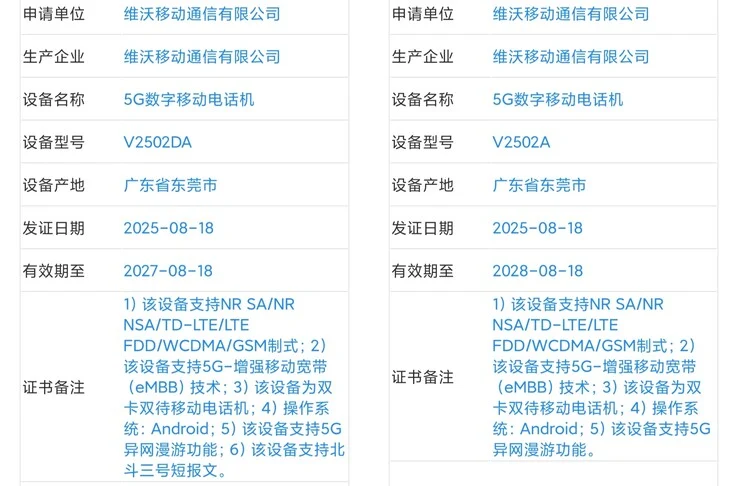
    The well-known leaker Digital Chat Station has reportedly confirmed that the V2502A, which has recently appeared in official Chinese regulatory listings, is actually the upcoming X300 Pro instead of the X300.

    Additional Variants

    It seems that alongside it, the V2502DA is another variant of the Pro that offers support for satellite messaging through the Beidou network. This suggests that the two smartphones will be equipped with a battery capacity of 6,500mAh (or a rated capacity of 6,375mAh), which is an upgrade from the 6,000mAh found in the X200 Pro.

    Battery Insights

    The somewhat disappointing alleged increase in specs could imply that the more impressive up-to-7,000mAh battery mentioned in previous leaks may be kept for the X400 Pro instead. On the other hand, this might indicate that the Dimensity 9500-powered X300 Pro could be as sleek (or even sleeker) than its ~8.2 millimeter (mm) predecessor.

    Pricing Information

    The X200 Pro is currently available starting at €637 on TradingShenzhen in Europe.

    Source:
    Link


  • Xiaomi 15T Series Promises Big Changes from Redmi K80 Lineup

    Xiaomi 15T Series Promises Big Changes from Redmi K80 Lineup

    Key Takeaways

    1. Xiaomi is set to launch the Xiaomi 15T series globally next month.
    2. The Xiaomi 15T and 15T Pro will have a different design from the Redmi K80 series.
    3. The camera module of the Xiaomi 15T models will be square-shaped, unlike the circular design of the Redmi K80 series.
    4. The camera housing is expected to be located in the top left corner of the devices.
    5. This design change marks a significant shift from previous models and may be due to mixed reviews of the Redmi K80 series’ designs in China.


    Xiaomi is expected to launch the Xiaomi 15T series worldwide next month. These new phones are likely to have a number of similarities with the Redmi K80 series, but a recent leak suggests they will stand out from the Redmi models exclusive to China in one important way.

    Design Differences

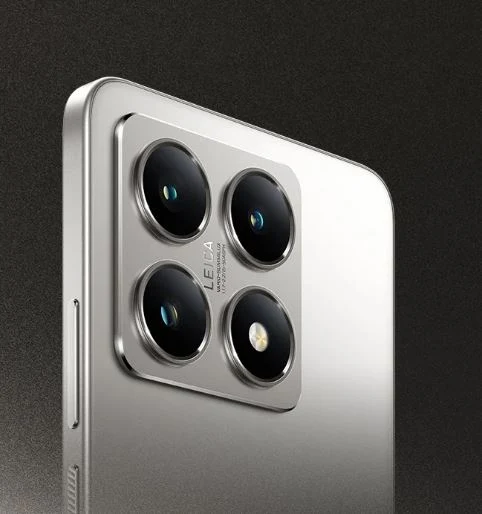
    According to the leaker UnderCat, the Xiaomi 15T and Xiaomi 15T Pro will feature a different design compared to the Redmi K80 series. The Redmi K80 and K80 Pro were released at the end of 2024, while the Redmi K80 Ultra came out in June, all three having a circular camera arrangement. However, it seems the Xiaomi 15T models will take a different approach.

    Camera Module Style

    Specifically, the leaker indicates that the Xiaomi 15T phones will include a square-shaped camera module, similar to the Xiaomi 14T (buy on Amazon) pair. It’s expected that this camera housing will be positioned in the top left corner of the devices. Traditionally, the Xiaomi 15T’s predecessors have followed the design of the Redmi K Ultra models, so this change would mark a notable shift since the Mi 10T series. The reason behind this decision remains unclear, but it could be linked to the fact that the Redmi K80 series hasn’t been particularly well-received for their designs in China.

    Source:
    Link


  • Qualcomm Snapdragon 7s Gen 4 Unveiled: Minor Boost for Redmi Note 15 Pro Plus

    Qualcomm Snapdragon 7s Gen 4 Unveiled: Minor Boost for Redmi Note 15 Pro Plus

    Key Takeaways

    1. Qualcomm plans to launch a second-generation Snapdragon 8 Elite by the end of summer.
    2. Snapdragon 7 Gen 4 shows significant performance improvements: 27% CPU, 30% GPU, and 65% NPU compared to Gen 3.
    3. Snapdragon 7s Gen 4 has only a 7% performance increase over Snapdragon 7s Gen 3, mainly due to a 200 MHz clock speed boost.
    4. Snapdragon 7s Gen 4 supports displays up to 2,900 x 1,300 pixels with a peak refresh rate of 144 Hz.
    5. The Snapdragon 7s Gen 4 is expected to debut in the Redmi Note 15 Pro Plus.


    Qualcomm is likely to launch a second-generation version of the Snapdragon 8 Elite by the end of summer. In the meantime, the company has made updates to its Snapdragon 7 series after unveiling the Snapdragon 7 Gen 4 in May.

    Performance Enhancements

    Qualcomm has stated that the Snapdragon 7 Gen 4 delivers improvements of 27% in CPU performance, 30% in GPU performance, and a significant 65% boost in NPU performance compared to the Snapdragon 7 Gen 3. However, the newly released Snapdragon 7s Gen 4 shows minimal advancement over the Snapdragon 7s Gen 3 in terms of performance, which isn’t surprising given that they share the same SM7635 part numbers.

    Specifications and Features

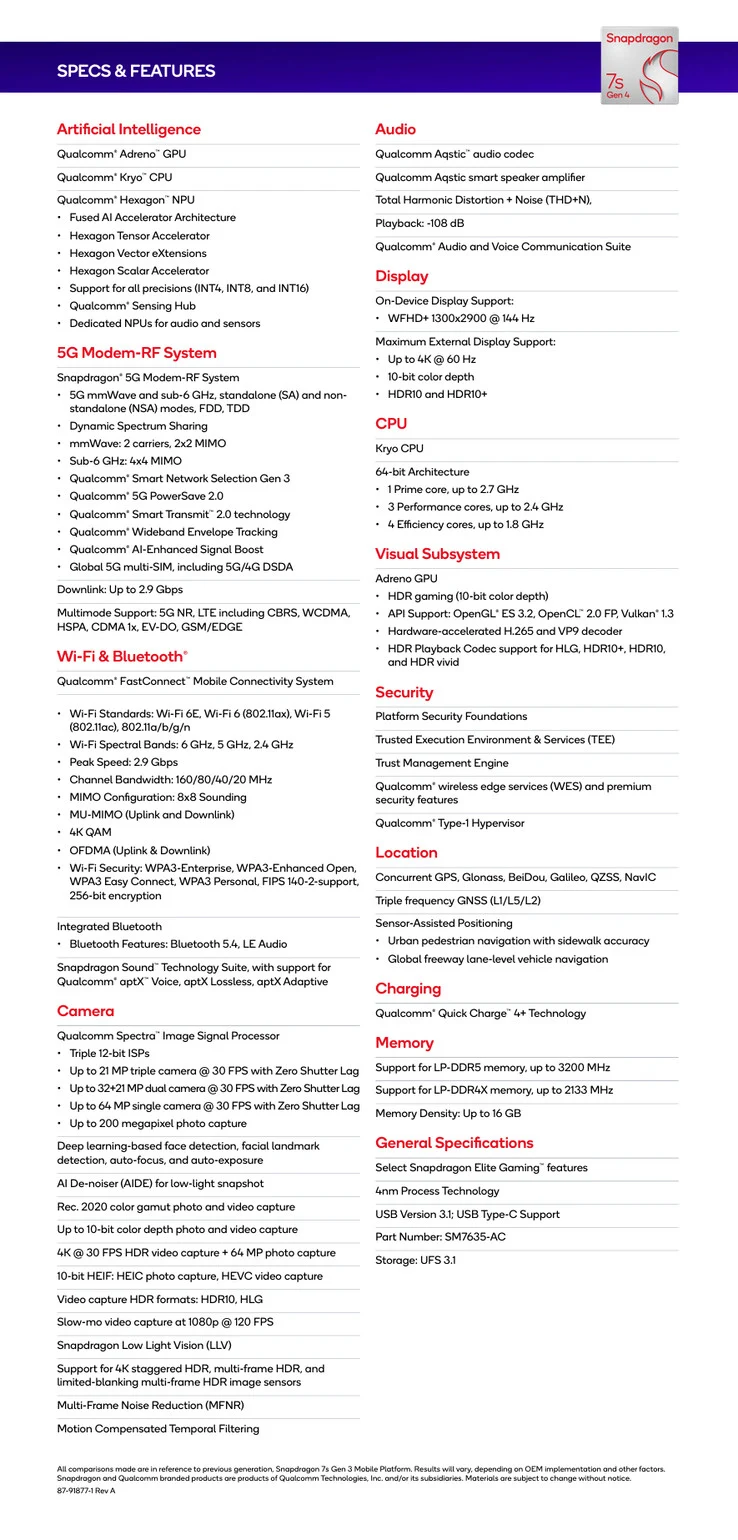
    The Snapdragon 7s Gen 4 is officially only 7% faster than the previous version. Most of this performance gain can be linked to a 200 MHz increase in the prime core clock speed, now reaching 2.7 GHz. However, the other Cortex-A720 cores remain at 2.4 GHz, and Qualcomm has retained the four Cortex-A520 cores from Snapdragon 7s Gen 3 at 1.8 GHz as well.

    Display and Availability

    Despite these minor changes, the Snapdragon 7s Gen 4 now supports displays with resolutions up to 2,900 x 1,300 pixels while keeping a peak refresh rate of 144 Hz. Other than that, we couldn’t identify any significant technical differences from the earlier Snapdragon 7s Gen 3. Presently, the Snapdragon 7s Gen 4 is anticipated to make its debut in the Redmi Note 15 Pro Plus, replacing its predecessor that featured the Snapdragon 7s Gen 3 (currently priced at $374 on Amazon). For more information, please visit Qualcomm’s official website.

    Source:
    Link


  • Xiaomi Mix Flip 2 with Snapdragon 8 Elite Challenges Samsung

    Xiaomi Mix Flip 2 with Snapdragon 8 Elite Challenges Samsung

    Key Takeaways

    1. The Xiaomi Mix Flip 2 features the Qualcomm Snapdragon 8 Elite chip, making it the fastest flip smartphone available, with a starting price of 870 euros for import.

    2. The battery life lasts nearly 20 hours, suitable for demanding daily use without frequent recharging.

    3. The 6.86-inch folding display is accommodating, with a visible crease that does not significantly disrupt regular use.

    4. The design feels bulkier when folded, measuring almost 16 millimeters, which may be less sleek compared to competitors like the Vivo X Fold 5 or Oppo Find N5.

    5. Availability is currently limited to China, with concerns about language options, lack of eSIM support, and update uncertainty, although a global version is anticipated.


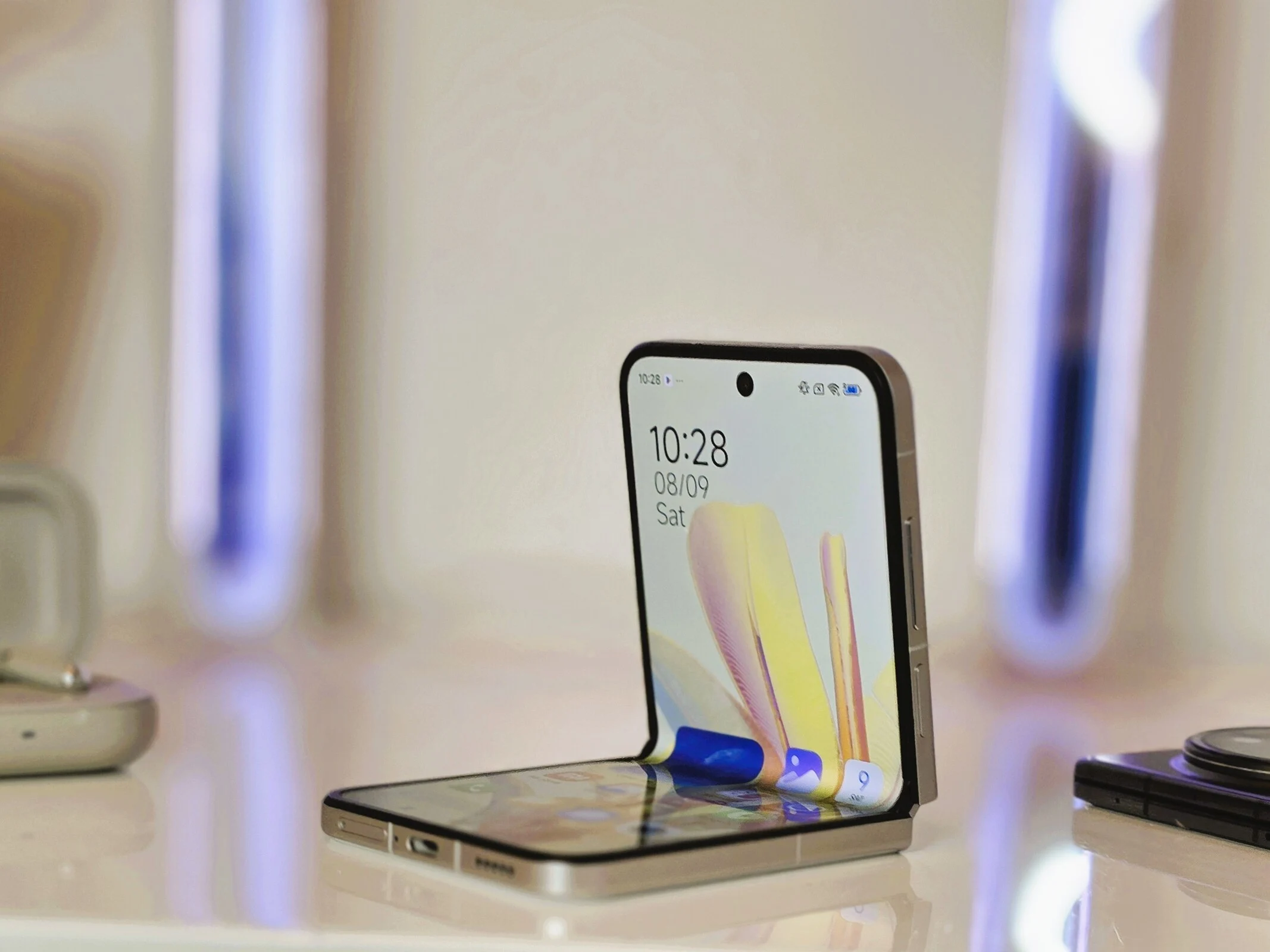
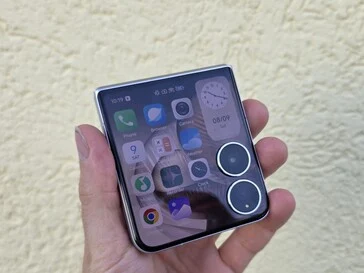
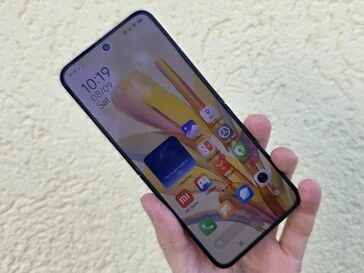
    For anyone looking for a foldable smartphone that prioritizes performance, excellent craftsmanship, and durability, the Xiaomi Mix Flip 2 sets a high standard in the flip category. With the Qualcomm Snapdragon 8 Elite chip, this premium foldable phone from Xiaomi has a starting price of 870 euros for import, making it the fastest flip device currently available. In our review, we found that the battery life of this Xiaomi smartphone lasts nearly 20 hours, which should be plenty for even the most demanding days without needing to recharge.

    Impressive Display

    Those who worry that the 6.86-inch folding screen might hinder daily use will find the Mix Flip 2 to be surprisingly accommodating. While the crease on the inner display is still apparent, it tends not to interfere much with regular usage.

    Design Concerns

    Although the Mix Flip 2 has many strengths, its design when folded is one area that raises some concerns. Compared to the thinner Fold models available, the Xiaomi phone feels bulkier and more substantial. However, it’s worth noting that many competing flip models are not significantly slimmer either. At almost 16 millimeters, the Xiaomi Mix Flip 3 lacks the sleekness and convenience of devices like the Vivo X Fold 5 or Oppo Find N5.

    Considerations for Buyers

    Potential buyers should keep in mind a few factors before deciding to buy. The current availability of the Mix Flip 2 is limited to China, which means users face a restricted language selection, no eSIM support, and some uncertainty regarding update availability. However, a global version is expected to adhere to EU regulations, ensuring updates at least until 2031 for European customers.


  • HMD Vibe 2 Design Inspired by iPhone 17 Pro with Upgrades

    HMD Vibe 2 Design Inspired by iPhone 17 Pro with Upgrades

    Key Takeaways

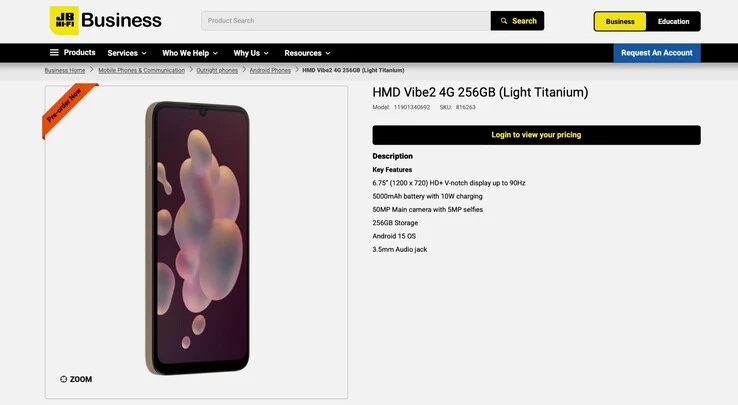
    1. Pricing and Design: The HMD Vibe 2 is set to launch in Australia at A$288, featuring a dated design with a wide chin and a notch, along with a wide camera module similar to the iPhone 17 Pro.

    2. Performance Changes: The smartphone will use a Unisoc Tiger T606 chip instead of the Qualcomm Snapdragon 680, with two performance cores and six efficiency cores.

    3. Camera Upgrade: The main camera has been upgraded to 50 MP from the previous 13 MP, although it includes two minor 0.08 MP sensors.

    4. Battery and Storage: The battery capacity is increased to 5,000 mAh, and it offers 4 GB of RAM with 256 GB of internal storage that can be expanded with a microSD card.

    5. Display and Features: The device features a 6.75-inch IPS display with 720p+ resolution, 90 Hz refresh rate, a 3.5 mm headphone jack, and a side-mounted fingerprint sensor, running on Android 15.


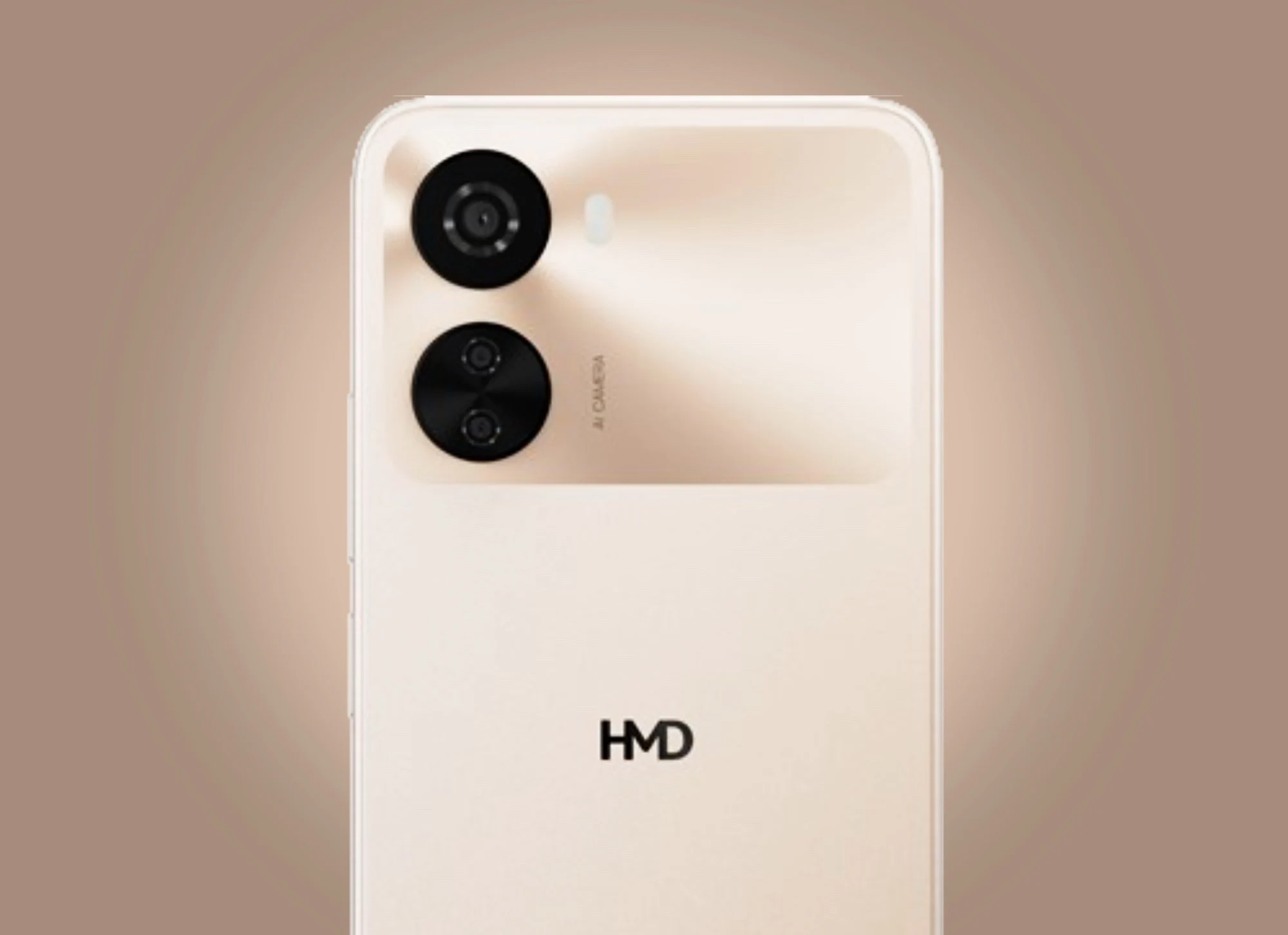
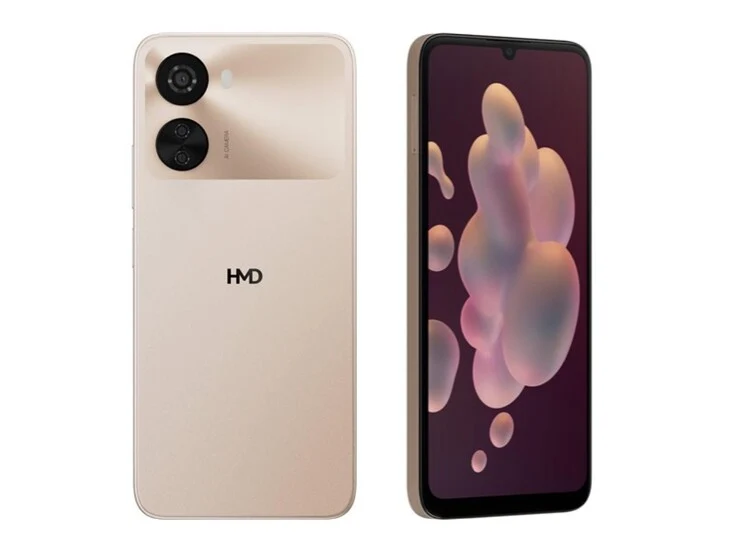
    Retailer JB Hi-Fi has begun listing the upcoming HMD Vibe 2, which is expected to launch in Australia at a price of A$288 (around $187). This budget-friendly mid-range smartphone appears a bit dated due to its wide chin beneath the screen and a notch. Notably, HMD Global has designed a notably wide camera module reminiscent of the Apple iPhone 17 Pro.

    Performance Changes

    Reports indicate that HMD Global is swapping out the Qualcomm Snapdragon 680 for a Unisoc Tiger T606, which is slightly less powerful. This new chip includes two ARM Cortex-A75 performance cores that can boost up to 1.6 GHz, along with six Cortex-A55 efficiency cores. However, this mid-range device does receive at least two major improvements. The first is a new 50-MP main camera taking the place of the previous 13-MP camera, even though it includes two insignificant 0.08-megapixel sensors.

    Battery and Storage

    Additionally, the battery capacity has been upgraded from 4,000 mAh to 5,000 mAh, and it charges through USB-C at up to 10 watts. One version of the new handset is anticipated to come with 4 GB of RAM and 256 GB of internal storage, which can be expanded using a microSD card. The HMD Vibe 2 also sports a 5 MP front-facing camera for selfies.

    Display and Features

    The display size has increased to 6.75 inches, featuring an IPS panel with a 720p+ resolution and a refresh rate of 90 Hz. The device is equipped with a 3.5 mm headphone jack, and the fingerprint sensor can be found in the power button located on the side of the device. HMD Global will provide the Vibe 2 with Android 15, although it’s uncertain how long this budget-friendly smartphone will continue to receive software updates.

    Source:
    Link


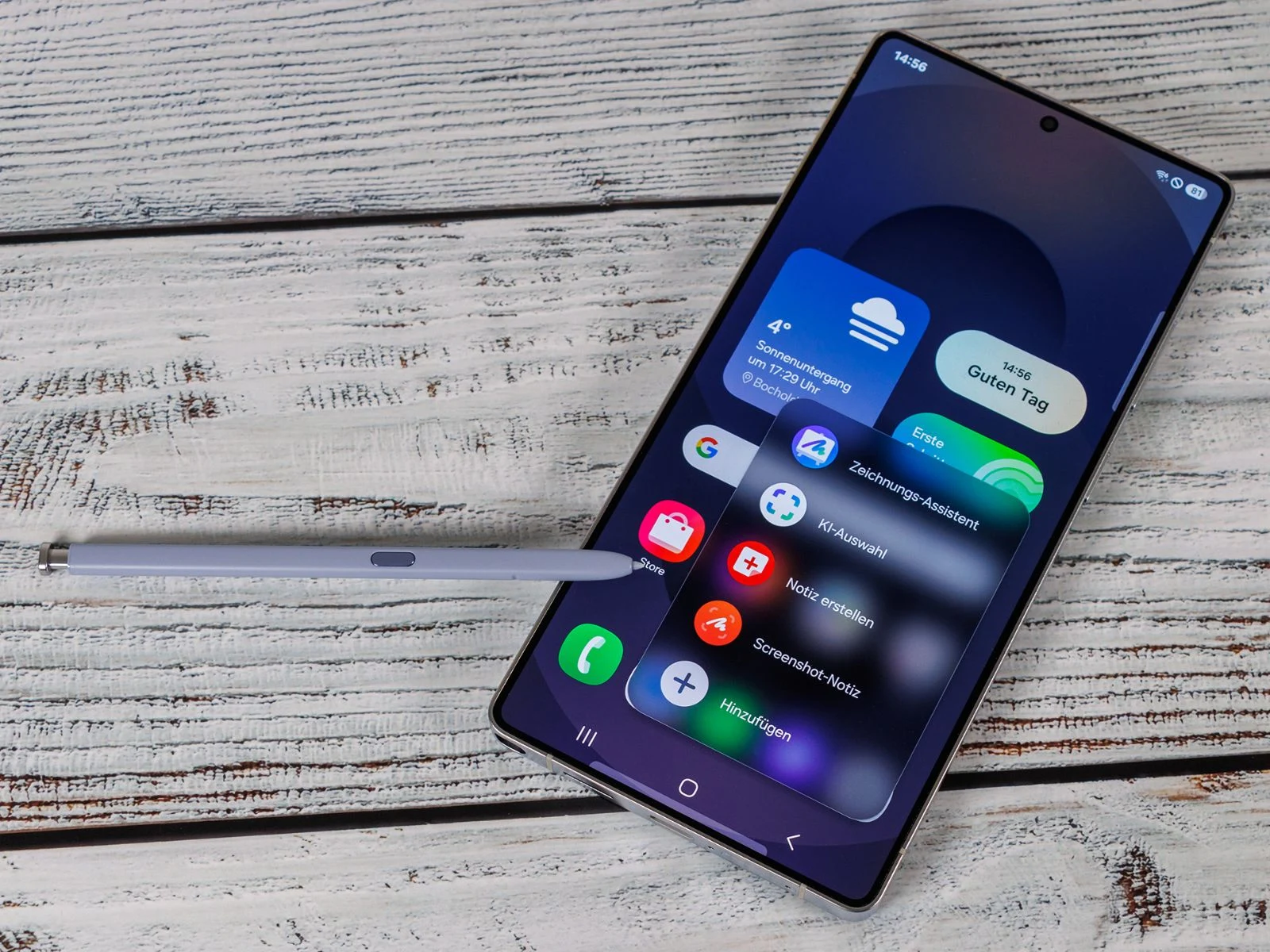
  • Samsung Galaxy S26 Ultra to Feature Flex Magic Pixel Display Upgrade

    Samsung Galaxy S26 Ultra to Feature Flex Magic Pixel Display Upgrade

    Key Takeaways

    1. Privacy screens for smartphones are becoming popular to protect private messages, with upcoming AI features in the Galaxy S26 Ultra to enhance this.
    2. Samsung’s “Flex Magic Pixel OLED” display technology will be used in the Galaxy S26 Ultra, restricting viewing angles for sensitive information.
    3. The Galaxy Z Fold 8 is expected to adopt the same display technology by July 2026, improving energy conservation and display thickness.
    4. The Galaxy S26 lineup may undergo a redesign, potentially renaming the base model to Galaxy S26 Pro and introducing a Galaxy S26 Air model.
    5. These plans for the Galaxy S26 series are not yet confirmed and could change before its launch in January 2026.


    Many users are turning to privacy screens or filters for their smartphones, like the one available on Amazon for the Galaxy S25 Ultra. These tools make it harder for curious onlookers to sneak a peek at your private WhatsApp messages. Reports from a South Korean publication, Dealsite, suggest that the upcoming Galaxy S26 Ultra will introduce this feature through AI or on-demand activation.

    Innovative Display Technology

    Samsung is set to incorporate its “Flex Magic Pixel OLED,” which has been highlighted at various trade shows, into mass production ahead of the Galaxy S26 series launch. The Galaxy S26 Ultra is likely to be the first device to utilize this advanced display technology. It employs AI to restrict the viewing angle for sensitive information, such as banking apps. This means only those directly in front of the screen can see the content, helping to prevent the common issues linked to external filters, like dimming the display.

    Future Devices

    After the Galaxy S26 Ultra, the Galaxy Z Fold 8 is also projected to feature this display enhancement by July 2026. Previous hints have pointed to another display technology known as CoE (Color Filter on Encapsulation), currently used in some Samsung foldable devices. This technology replaces the polarizer with a color filter, which not only conserves energy and decreases display thickness but will also be crucial in avoiding brightness loss when utilizing the Flex Magic Pixel in the future.

    Exciting Changes Ahead

    The industry report reveals that the redesign of the Galaxy S26 lineup may extend beyond just changing the Plus model. There are suggestions that Samsung might rename the 6.3-inch base model to the Galaxy S26 Pro. Instead of a Galaxy S26 Edge, it seems they may launch a Galaxy S26 Air, likely inspired by the anticipated iPhone 17 Air from Apple, expected in September. It’s important to note that these plans have not been officially verified yet and can change before the Galaxy S26 series debuts in January 2026.

    Source:
    Link