Category: Phones

Stay updated with the latest phone news, reviews, and trends. Discover cutting-edge smartphones, features, and innovations in our Phones category at GizNewsDaily

  • Huawei Mate 80 Pro Leaks in Two Colors with Round Camera Design

    Huawei Mate 80 Pro Leaks in Two Colors with Round Camera Design

    Key Takeaways

    1. The Huawei Mate 80 series will launch in November, featuring the Mate 80 Pro in new colors like yellow and black.
    2. The camera setup has been redesigned, with a larger module and a new arrangement that includes a prominent periscope telephoto camera.
    3. The series will consist of four variants: Mate 80, Mate 80 Pro, Mate 80 Pro+, and Mate 80 RS Porsche Design, likely powered by the HiSilicon Kirin 9030 processor.
    4. The Mate 80 series is expected to have a battery capacity of at least 6,000 mAh, supporting 100W fast charging and wireless charging.
    5. The main camera will feature a larger 50 MP sensor, but additional camera details have not yet been revealed.


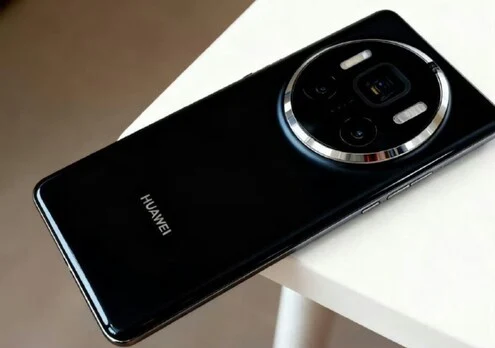
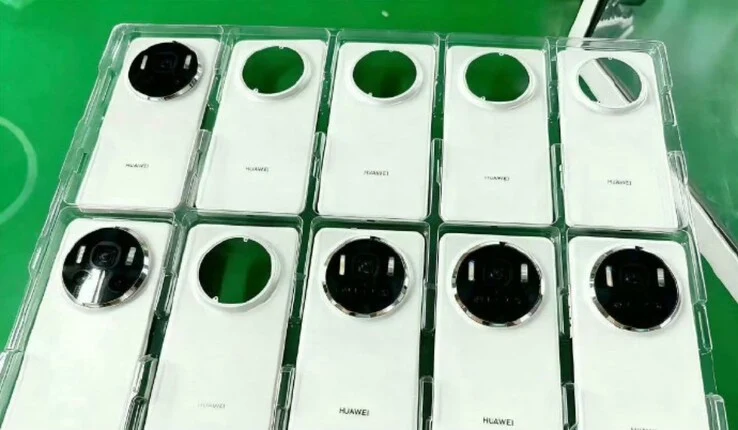
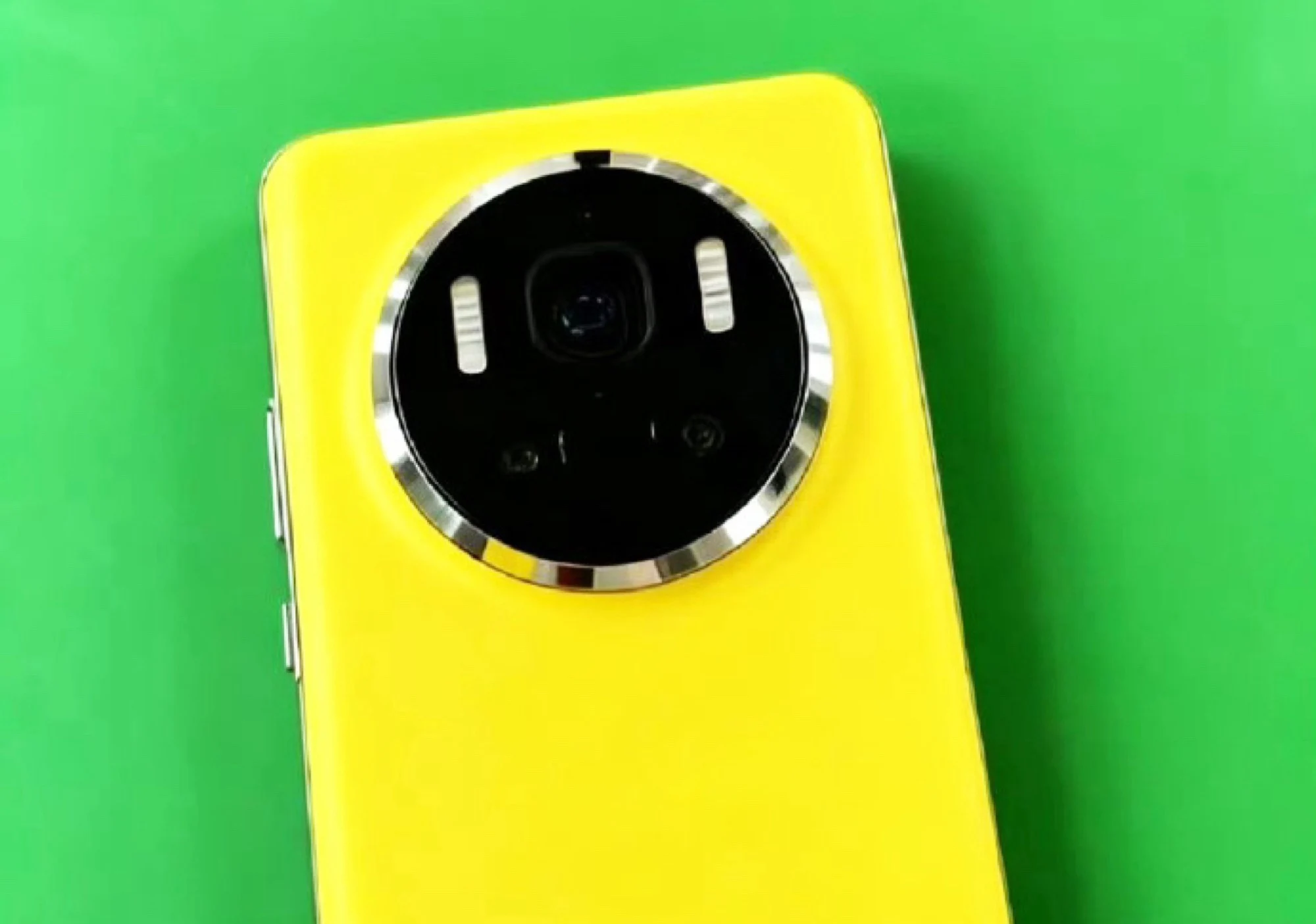
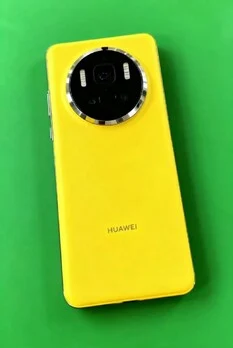
    The Huawei Mate 80 series is set to debut in November. A well-known leaker, Director Shi Guan, has recently shared three images of the Huawei Mate 80 Pro, featuring colors like yellow and black, along with a white plastic case for protection. Unlike the Pura 70 Pro, Huawei sticks with a round camera setup for the Mate series.

    Camera Setup Changes

    This new camera module is much bigger than the one on the Huawei Mate 70 Pro, and the arrangement of the cameras has been totally revamped. The periscope telephoto camera is now situated at the top center and boasts a notably larger front lens compared to its predecessor. Below it, you will find the main camera and the ultra-wide-angle camera, while two LED flashes are placed beside the telephoto camera. The purpose of the second flash is still unclear, but it’s likely that Huawei aims for enhanced performance and a greater range.

    Design and Model Variants

    The back of the phone will have a slight curve, and the frame includes a lock button along with volume controls. The Huawei Mate 80 series is anticipated to feature four variants: the Mate 80, Mate 80 Pro, a premium Mate 80 Pro+, and the exclusive Mate 80 RS Porsche Design. Speculation indicates that these flagship models will utilize the new HiSilicon Kirin 9030 processor.

    Battery and Camera Specs

    Additionally, rumors hint at a battery capacity of at least 6,000 mAh, supporting 100W fast charging through USB-C as well as wireless charging. While it’s known that the 50 MP main camera will have a bigger sensor, no other camera configuration details have been disclosed so far. The Huawei Mate 70 Pro gained attention among its rivals due to its main camera featuring a variable aperture and a periscope telephoto lens equipped with a macro function.

    Source:
    Link


  • HMD Touch 4G: Compact 3.2-Inch Touchscreen Phone with Lumia Style

    HMD Touch 4G: Compact 3.2-Inch Touchscreen Phone with Lumia Style

    Key Takeaways

    1. The HMD Touch 4G will be revealed on October 9, as confirmed by HMD Global.
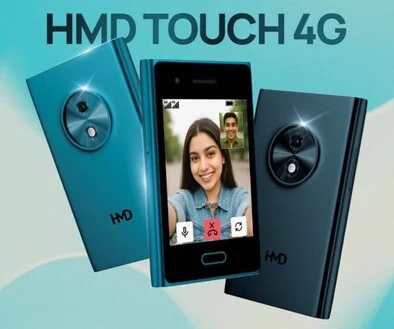
    2. The smartphone features a compact design with a 3.2-inch screen and wide bezels for a selfie camera, speaker, and home button.
    3. It is expected to be a feature phone with limited functionalities, not running a full version of Android.
    4. The device will support cloud apps, some Google services, contactless payments, group chats, and Wi-Fi connectivity.
    5. The HMD Touch 4G will be available in Europe, but its price has not yet been disclosed.


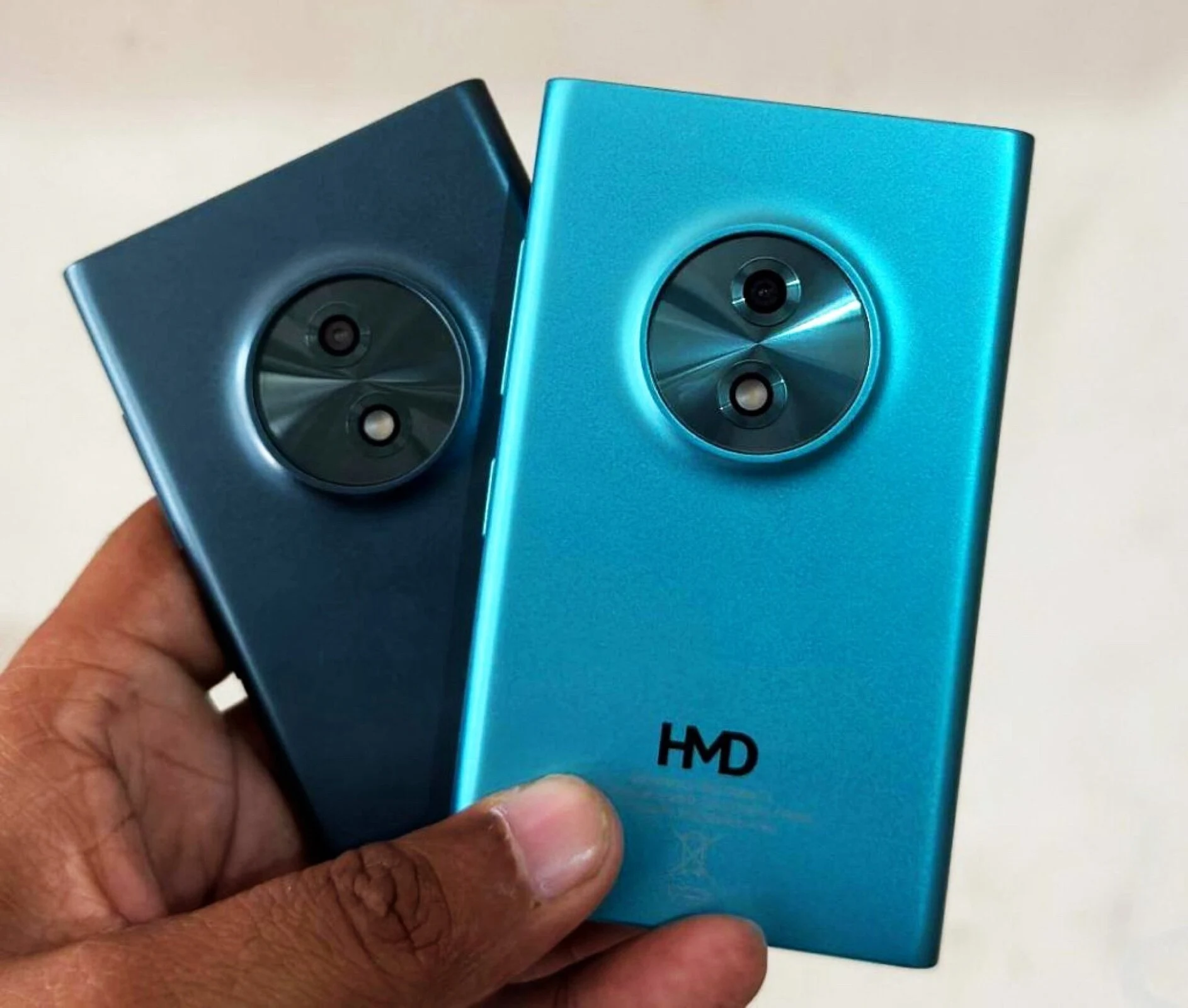
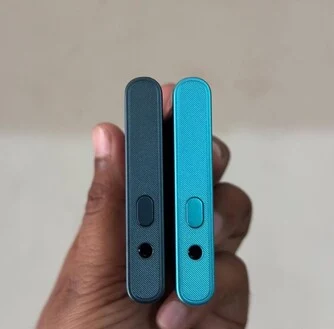
    The HMD Touch 4G is set to be revealed on October 9, as confirmed by a teaser from HMD Global. Early photos shared by leaker @smashx_60 showcase the smartphone’s design, which seems to take cues from the classic Nokia Lumia series, similar to the HMD Skyline. The phone will come in shades of turquoise and dark blue.

    Compact Design

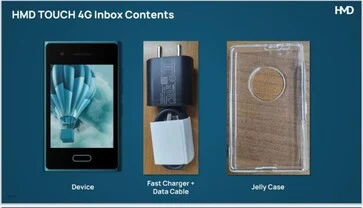
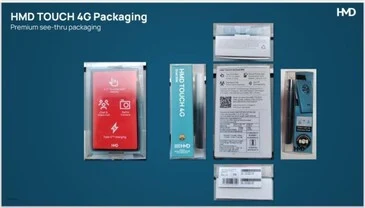
    Despite its compact size, with a screen measuring just 3.2 inches diagonally, the Touch 4G features wide bezels at the top and bottom. These bezels are home to a selfie camera, a speaker, and a home button. The transparent plastic packaging echoes the style of an Apple iPod Nano, but HMD Global also provides a charger, cable, and a transparent protective case inside.

    Limited Features

    The HMD Touch 4G is expected to be a feature phone that doesn’t run a full version of Android, limiting its functionalities. According to the leaker, it will include cloud apps, some Google services, and the ability to make contactless payments.

    The packaging notes that the device supports group chats and Wi-Fi connectivity. While details on the rear camera, processor, and display are yet to be unveiled, they are anticipated to be revealed at the launch event on Thursday. The leaker has also indicated that the HMD Touch 4G will be available in Europe, though the price of the feature phone remains uncertain.

    Source:
    Link


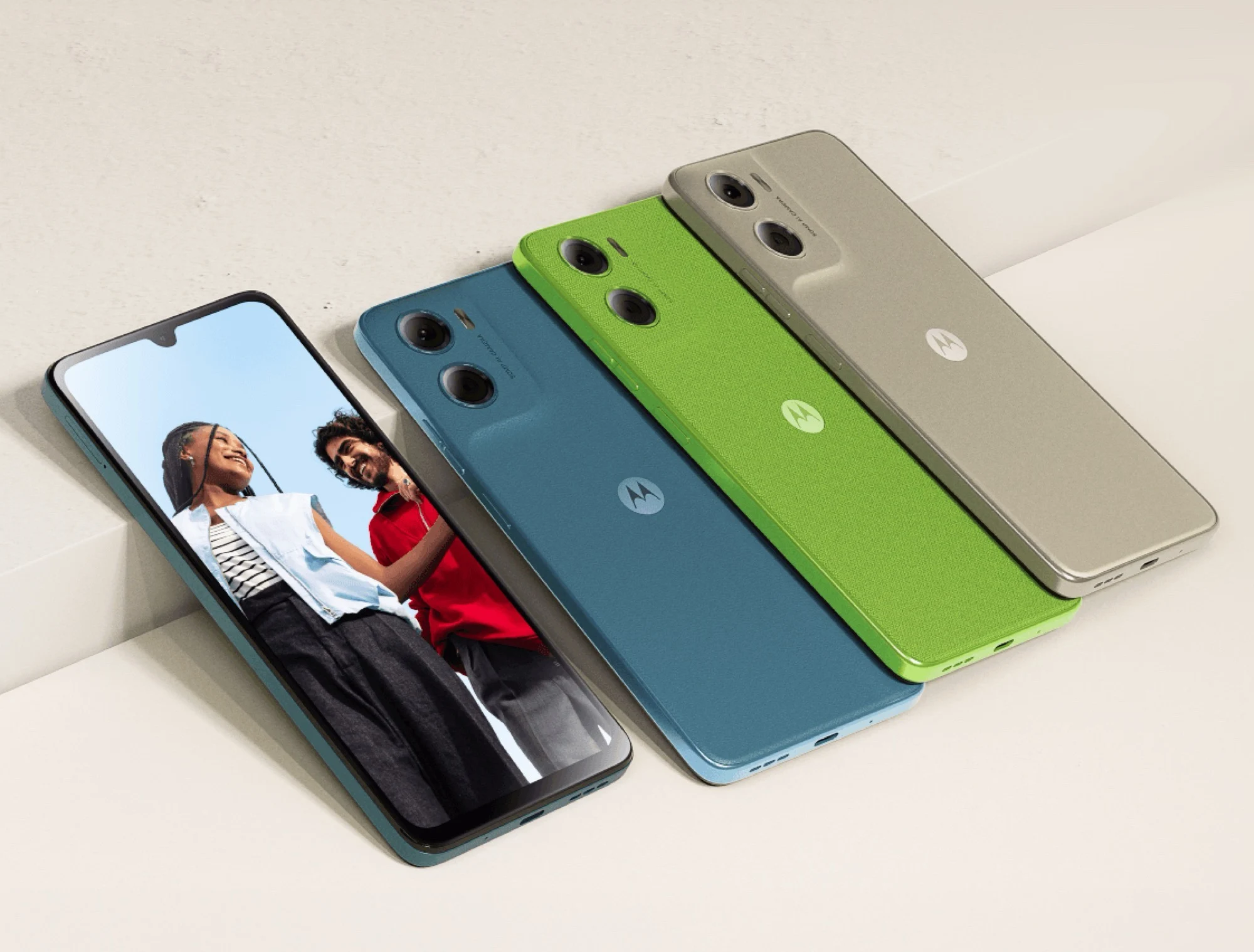
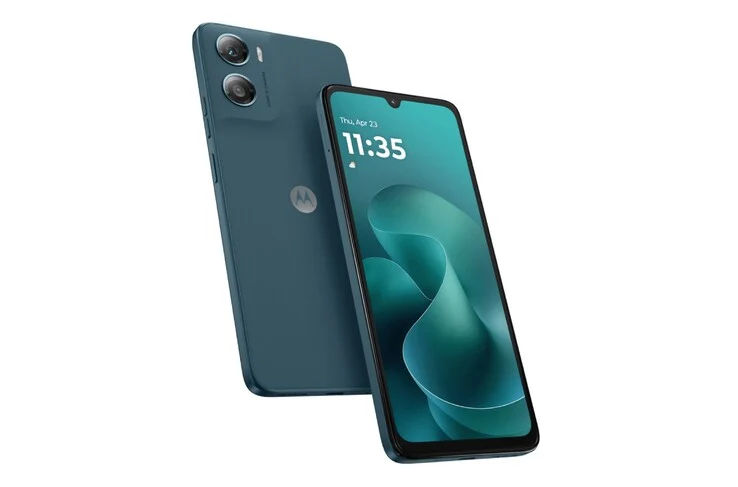
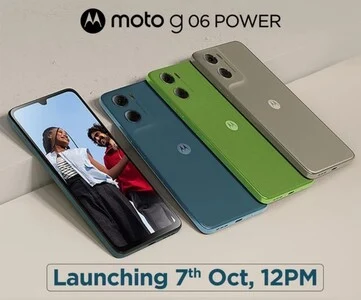
  • Motorola Launches Moto G06 Power with 7000mAh Battery and Colorful Case

    Motorola Launches Moto G06 Power with 7000mAh Battery and Colorful Case

    Key Takeaways

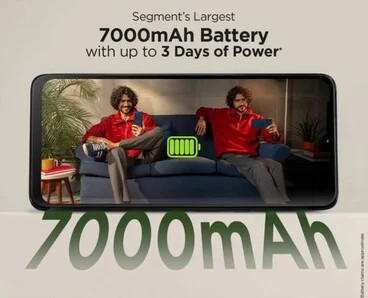
    1. Larger Battery: The Moto G06 Power features a 7,000 mAh battery, upgraded from the previous 5,200 mAh, with 18-watt USB-C charging support.
    2. Weight Increase: The smartphone’s weight is now 220 grams due to the larger battery.
    3. Display and Processor: It has a 6.88-inch IPS display with a resolution of 1,640 x 720, a 120 Hz refresh rate, and is powered by a MediaTek Helio G81 Extreme processor.
    4. Camera and Storage: The device includes a 50 MP main camera and an 8 MP front camera, with 4 GB of RAM and 64 GB of expandable storage via microSD.
    5. Software and Updates: The Moto G06 Power runs Android 15 but will not receive major updates; only two years of security updates are promised by Motorola.


    The new Moto G06 Power stands out as an updated version of the Moto G06, with the main difference being its significantly larger battery. Motorola has upgraded the battery from 5,200 mAh to a robust 7,000 mAh, which supports charging via USB-C at a rate of up to 18 watts.

    Weight and Features

    With the increased battery size, the smartphone’s weight has risen to 220 grams. Aside from this, there are not many new features to note. The device continues to sport a 6.88-inch IPS display with a resolution of 1,640 x 720, a refresh rate of 120 Hz, and a maximum brightness of 600 nits. The screen is protected by Gorilla Glass 3, which helps guard against scratches. Inside, the phone is powered by a MediaTek Helio G81 Extreme processor, consisting of two Cortex-A75 performance cores alongside six Cortex-A55 efficiency cores.

    Memory and Camera

    Additionally, the Moto G6 Power is equipped with 4 GB of RAM and 64 GB of internal storage, which can be further expanded using a microSD card. For photography, it features an 8 MP f/2.0 front camera for selfies and a 50 MP f/1.8 main camera that can shoot 1,080p videos at 30 frames per second. There’s a 3.5 mm headphone jack included, but it lacks an NFC chip. Unfortunately, the Moto G6 Power comes pre-installed with Android 15 and will not receive any major updates; Motorola only promises two years of security updates.

    Pricing and Release

    Details regarding pricing and availability for the Moto G6 Power will be revealed on October 7. For further information about its features, you can check the official product page.

    Source:
    Link


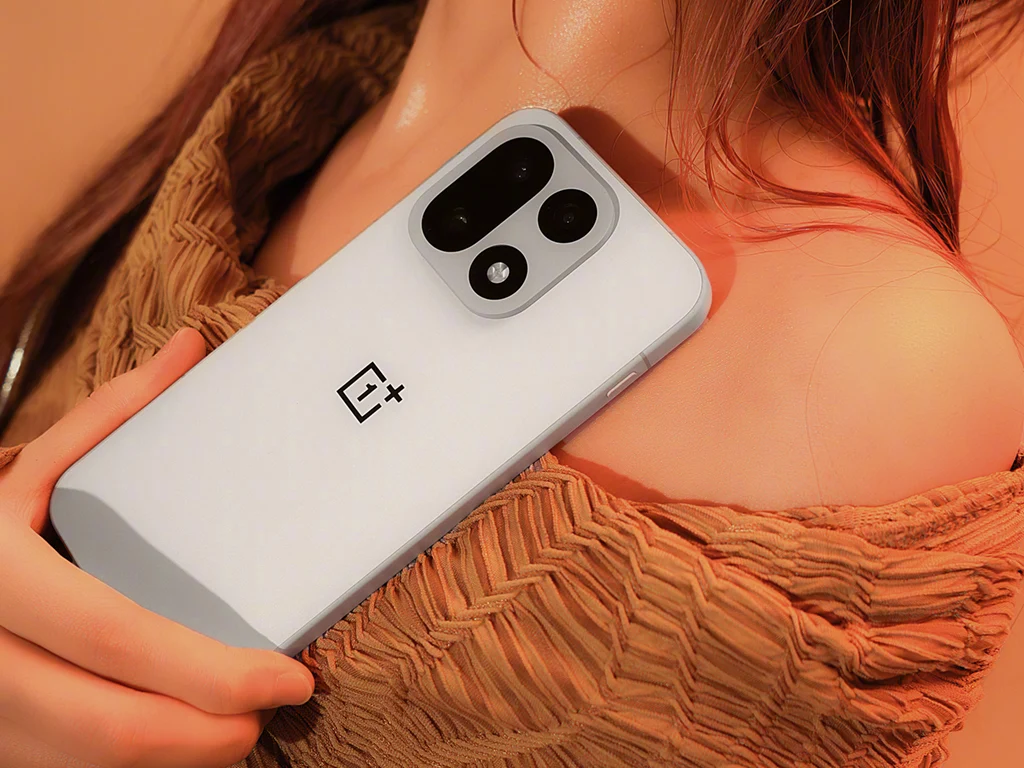
  • OnePlus Announces Early Launch of OxygenOS 16 Before OnePlus 15

    OnePlus Announces Early Launch of OxygenOS 16 Before OnePlus 15

    Key Takeaways

    1. The OnePlus 15 is set to be revealed in China on October 27, 2025, powered by Snapdragon 8 Elite Gen 5 and OxygenOS 16.
    2. OxygenOS 16 will be fully revealed on October 16, 2025, following the release of ColorOS 16 on October 15.
    3. The new Android skin will feature Gemini AI, enhancing user experience with AI-driven functionalities.
    4. Gemini AI will integrate with Mind Space, an app that helps users organize events and manage information.
    5. Eligibility for the OxygenOS 16 update will likely include flagship models from the OnePlus 11 to the OnePlus 13, as well as some Nord devices.


    The OnePlus 15 has not been given a specific launch date at this moment, but the company has suggested that it will be revealed in China on October 27, 2025. This flagship phone is powered by the Snapdragon 8 Elite Gen 5 and is anticipated to operate on OxygenOS 16 for the global market. Additionally, the brand’s Android 16 skin is set to have its official launch soon.

    Upcoming Launch Details

    As announced by OnePlus, the complete reveal of OxygenOS 16 will take place on October 16, 2025, right after the October 15 release of ColorOS 16 in China. Although OnePlus hasn’t disclosed too much about its Android 16 skin, it recently hinted at the inclusion of Gemini AI, which is expected to introduce several AI-enhanced features for users.

    Features of Gemini AI

    For instance, OnePlus has hinted that Google Gemini will have access to Mind Space, an AI-driven app that was first introduced with the OnePlus 13s. This integration will enable users to have the AI assistant organize and manage events based on the information entered into Mind Space.

    Future Integrations and Eligibility

    It’s likely that this won’t be the only Gemini integration featured within the apps of OxygenOS 16. Various third-party Android skins have already rolled out features controlled by Google’s AI assistant, and OnePlus’s new Android 16 skin might take a similar approach.

    As for eligibility, the company has not yet released a full list of devices that will be eligible for the OxygenOS 16 update. Nevertheless, according to OnePlus’s update policy, flagship models from the OnePlus 11 to the OnePlus 13 (256 GB currently priced at $749.99 on Amazon) are expected to get the Android 16 update. A few Nord devices should also qualify for the update.

    OnePlus shared this news on X.

    Source:
    Link


  • Nokia’s Rugged Feature Phone Set for Refresh, Reveals Leaker

    Nokia’s Rugged Feature Phone Set for Refresh, Reveals Leaker

    Key Takeaways

    1. HMD Global is reportedly working on a successor to the Nokia 800 Tough, named Nokia 800 Tough 2nd Gen.
    2. The new model is expected to be a minor update rather than a significant upgrade from the original released in 2019.
    3. Key features include a USB-C port and an upgrade to KaiOS 3.1, compared to the original’s MicroUSB and KaiOS 2.5.2.
    4. The design will largely remain the same, retaining the black color scheme and adding HMD’s logo alongside Nokia’s branding.
    5. No announcement date or pricing details have been released yet, but the new model is likely to be priced similarly to the original (€110).


    In 2109, HMD Global introduced the Nokia 800 Tough, a feature phone known for its durable design. Recently, a leak has surfaced suggesting that HMD is working on a successor to this model. Some details about the new version have been shared by the source.

    Minor Update Expected

    The leaker, who goes by the name smashx_60 on X, mentioned that HMD is set to unveil the Nokia 800 Tough 2nd Gen (the official title is yet to be confirmed). However, from the limited information available, it seems this will not be a significant upgrade but rather a small refresh of the phone that came out six years ago.

    New Features

    The announcement on X indicates that the new Nokia 800 Tough will feature a USB-C port, replacing the MicroUSB port found in the 2019 version. It is also mentioned that the updated model will come with KaiOS 3.1, while the original was launched with KaiOS 2.5.2.

    Although further specifications are still unknown, it is anticipated that the new Nokia 800 Tough will maintain at least an IP68 rating for dust and water resistance, along with an MIL-STD-810 certification.

    Design and Pricing

    Additionally, the leak includes an image of the forthcoming phone, revealing that HMD plans to keep the original design, including the black color scheme. However, they will also include their own logo on the back, next to the Nokia branding.

    Currently, there’s no information about the announcement date or the pricing of the new Nokia 800 Tough. However, since the original model had a launch price of €110, it is reasonable to expect a similar price range for this upcoming version.

    Source:
    Link


  • Vivo X300 FE Set for Global Release with Certification Approval

    Vivo X300 FE Set for Global Release with Certification Approval

    Key Takeaways

    1. The Vivo X300 FE is expected to be the successor to the Vivo X200 FE, with a focus on being a budget-friendly option in the flagship series.
    2. A model named “V2537” has been identified and certified, indicating an imminent global launch for the X300 FE.
    3. Vivo has not revealed specific details about the X300 FE, but it will be part of a series that includes the standard X300 and the X300 Pro.
    4. The Vivo X200 FE featured a 6.31-inch LTPO AMOLED display, a triple rear camera system, and a 6,500mAh battery with 90W fast charging.
    5. The price for the Vivo X200 FE (12/256GB version) was €799 (approximately $936).


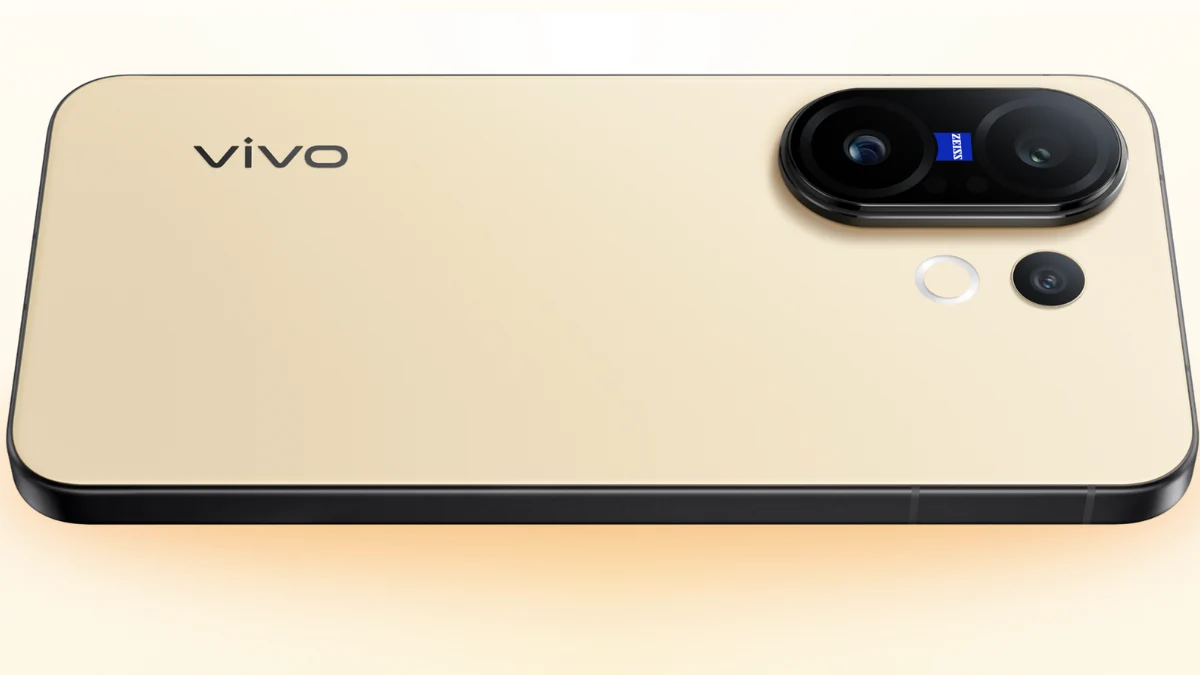
    The Vivo X200 FE made its debut in June 2025 as a small yet powerful smartphone. Its standout feature was the Zeiss camera system. Now, it looks like the manufacturer is gearing up to introduce the successor, likely named the X300 FE.

    New Model Discovery

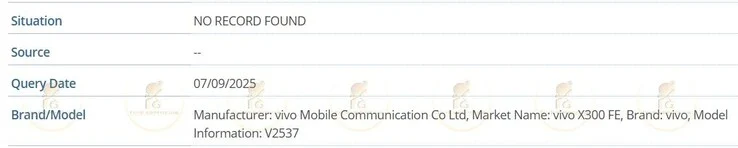
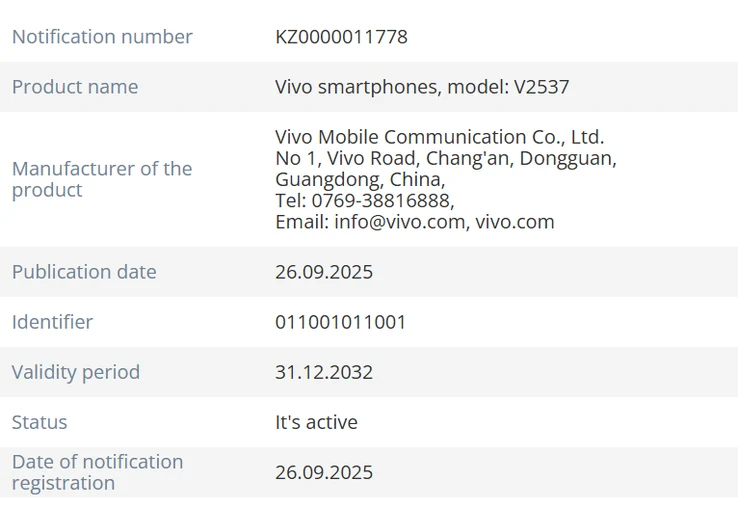
    A model identified as “V2537” was first found in the IMEI database, confirming it belongs to the Vivo X300 FE. This smartphone, sharing the same model number, has recently passed certification from the Eurasian Economic Commission (EEC), suggesting a potential launch in European markets. However, the certification does not provide any significant details about the specifications or a specific release timeline, but it strongly indicates that the global release for the X300 FE is imminent.

    Limited Information Available

    So far, the company hasn’t shared any details about the X300 FE. The Chinese brand has only announced that it will launch two models within the Vivo X300 flagship series, which will include the standard X300 and the X300 Pro. The X300 FE is anticipated to be the budget-friendly choice in the series and is expected to arrive later.

    Specs of the X200 FE

    For reference, the Vivo X200 FE boasted a 6.31-inch LTPO AMOLED display with a resolution of 1216 x 2640 pixels and supported a 120Hz refresh rate. Its triple rear camera system consisted of a 50MP main sensor, a 50MP periscope telephoto lens, and an 8MP ultra-wide lens. For selfies, it was equipped with a 50MP front camera. The device ran on a Dimensity 9300+ processor, with options for up to 16GB of RAM and 512GB of internal storage. It also had a 6,500mAh battery that supported 90W fast charging. The price for the 12/256GB version was €799 (approximately $936).

    Source:
    Link


  • OnePlus 15 Leak: Battery, Weight, and Thickness of Snapdragon 8 Elite

    OnePlus 15 Leak: Battery, Weight, and Thickness of Snapdragon 8 Elite

    Key Takeaways

    1. Powerful Battery: The OnePlus 15 features a 7,300 mAh battery with 120 W fast charging and 50 W wireless charging.

    2. Weight: The smartphone will weigh between 211 grams and 215 grams, making it slightly heavier than the OnePlus 13.

    3. Slimmer Design: The thickness of the OnePlus 15 is reported to be 8.1 mm, compared to 8.5 mm for its predecessor.

    4. Display: The device will have a display with 1.15 mm bezels, thinner than those on competing models.

    5. Durable Materials: The midframe will be made from aerospace-grade nano-ceramic metal, which is stronger than titanium, stainless steel, and aluminum.


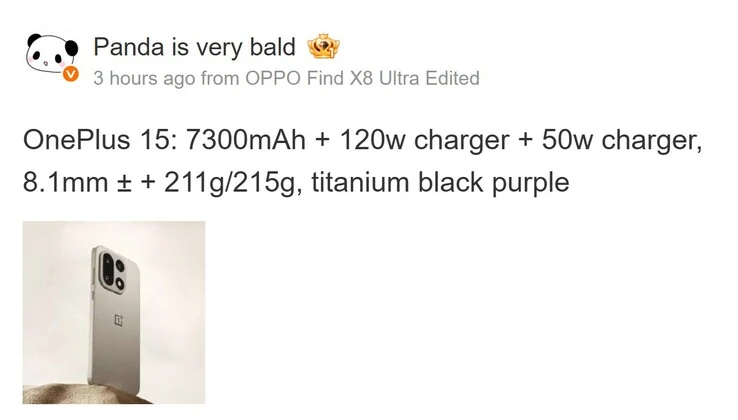
    OnePlus is preparing to unveil its first flagship smartphone powered by the Snapdragon 8 Elite Gen 5, named the OnePlus 15. The company has given a sneak peek of the device, but it hasn’t fully revealed most of its specifications yet. Recent leaks have provided hints about the phone’s features, but a new update from Weibo user Panda Is Very Bald has confirmed details regarding the smartphone’s battery, weight, and thickness.

    Battery and Charging Details

    The OnePlus 15 is reported to come with a robust 7,300 mAh battery that supports 120 W fast charging, both of which are improvements compared to its predecessor. This aligns with earlier leaks about the full specifications. Additionally, the Weibo user noted that the phone will support 50 W wireless charging, which is consistent with the previous generation flagship (Baseus PicoGo wireless power bank currently priced at $49.99 on Amazon).

    Weight and Dimensions

    However, the earlier leaks did not include the weight and size of the phone. The information from Panda Is Very Bald provides clarity on this aspect. The upcoming Snapdragon 8 Elite Gen 5 is said to weigh between 211 grams and 215 grams, making it slightly heavier than the OnePlus 13.

    Design Features

    Furthermore, the report suggests that the OnePlus 15 will have a thickness of 8.1 mm. In contrast, the previous flagship was 8.5 mm thick, indicating that the new model could be a bit slimmer than its forerunner.

    In terms of design, OnePlus has already confirmed that the smartphone will feature a display with 1.15 mm bezels, which are thinner than those found on the Xiaomi 17. The company has also hinted that the phone will have an “aerospace-grade nano-ceramic metal” midframe, which is claimed to be stronger than materials like titanium, stainless steel, and aluminum.

    Source:
    Link


  • Vivo X300 Pro Review: Specs Confirmed & New Zeiss Camera Samples

    Key Takeaways

    1. The Vivo X300 Pro is expected to launch in multiple countries, including Malaysia, with potential availability through imports from Hong Kong.
    2. The phone features a Zeiss teleconverter that enhances the camera’s capabilities by converting an 85mm lens into a 200mm equivalent.
    3. Performance tests indicate the Vivo X300 Pro’s Dimensity 9500 chip scores significantly higher than its predecessor, the Vivo X200 Pro, with a nearly 40% increase in AnTuTu scores.
    4. The Vivo X300 Pro has a thickness of 7.99 mm and weighs 226 grams, with a larger battery of 6,510 mAh compared to the 6,040 mAh in the standard Vivo X300.
    5. Recent camera samples showcase the Zeiss camera’s capabilities, including striking telephoto macro images and night portraits from Chinese National Day celebrations.


    After Vivo shared a lot of details about its upcoming flagship camera with Zeiss back in September, and also released some official images, the tech media has shifted its attention to the Xiaomi 17 and Xiaomi 17 Pro, which are powered by the Snapdragon 8 Elite Gen 5, along with the OnePlus 15. But don’t forget about the Dimensity 9500 flagships, the Oppo Find X9 Pro and Vivo X300 Pro, which will also be hitting the market in just a few days, and the Find X9 Pro is anticipated to have a global launch shortly after that.

    Vivo X300 Pro Launch Details

    It looks like the Vivo X300 Pro might be launched in several countries beyond China this year, including Malaysia, where it was recently spotted at a certification agency. However, this doesn’t guarantee that the successor to the Vivo X200 Pro will be available in Europe in a few weeks, but hey, importing the global model from places like Hong Kong could be an option for those eager to get their hands on it.

    For those looking for the Vivo X300 Pro on Weibo, you’ll find loads of camera samples (check them out below) and some hands-on pictures, as well as the first unboxing videos. One particular video reveals the full package, which includes the camera kit and the Zeiss teleconverter. Interestingly, this teleconverter seems to be the same as the one already available for the Vivo X200 Ultra, which changes the 85mm telephoto lens into a 200mm equivalent, ensuring better quality for faraway subjects compared to the standard AI-based digital zoom.

    Performance Insights

    Another video circulating on Weibo puts the Dimensity 9500 flagships to the test. We’ve also uploaded this video in 4K to YouTube, although it’s in Chinese and lacks subtitles. Still, many aspects are quite clear, such as the quick comparison with the Vivo X200 Pro at the start. Some specifications have been confirmed too, like the Vivo X300 Pro’s thickness of 7.99 mm and its weight of 226 grams. Early results from Dimensity 9500 tests show it scoring over 1 million points higher in AnTuTu v11 compared to the Vivo X200 Pro, marking an increase of nearly 40%.

    Testers are expecting significantly better scores of around 30 to 40% in Geekbench and 3DMark Steel Normal Light as well. Beyond that, various other tests that are crucial for gamers, alongside other test videos, reaffirm some of the specifications of the Vivo X300 and Vivo X300 Pro. The Vivo X300 is equipped with a 6,040 mAh battery, while the Pro version boasts a larger 6,510 mAh battery, both capable of being charged at a max of 90 watts via USB-C. However, similar to what we saw with its predecessor, the global version might once again have a smaller battery, especially for the European model.

    Recent Camera Samples

    New images captured with the Zeiss camera have also surfaced on Weibo. There are 21 photos that kick off with two striking telephoto macro images. Following that, the Chinese National Day festivities take the spotlight in a series of night portraits, which were likely taken using the new zoom flash. Lastly, several pictures were snapped around the reopening of the Huajiang Canyon Bridge, currently recognized as the highest bridge in the world. Interestingly, some of these images were taken using the Zeiss teleconverter, as noted on Weibo.

    Source:
    Link


  • Xiaomi 17 Series Benchmarks Show Weak Snapdragon 8 Elite Gen 5 Performance

    Xiaomi 17 Series Benchmarks Show Weak Snapdragon 8 Elite Gen 5 Performance

    Key Takeaways

    1. The Xiaomi 17 series smartphones are the first to use Qualcomm’s Snapdragon 8 Elite Gen 5 chipset but may not fully utilize its potential.
    2. AnTuTu benchmarks show the Xiaomi 17’s CPU score is only 3% higher than the Vivo X200 Ultra, with some models scoring lower than the standard version.
    3. Geekbench results for the Xiaomi 17 series fell short of pre-launch expectations in both single-core and multi-core tests.
    4. Xiaomi devices often lag behind competitors due to conservative tuning or software challenges, similar to trends seen in Samsung devices.
    5. Other flagship models from brands like Honor, Oppo, and RedMagic may better demonstrate the capabilities of the Snapdragon 8 Elite Gen 5 chipset.


    The recent Xiaomi 17 series smartphones are the first to use Qualcomm’s Snapdragon 8 Elite Gen 5 chipset. While they show improvements in performance compared to the previous models, recent benchmark results suggest that they might not fully showcase what the Qualcomm chipset can really do.

    Performance Insights

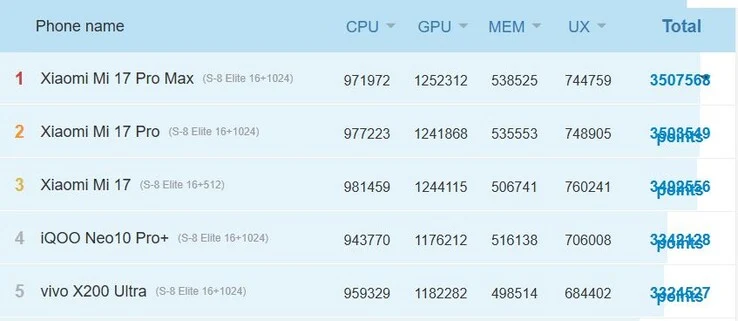
    AnTuTu’s new performance rankings reveal that the Xiaomi 17 has a CPU score of 981,459. This number sounds impressive by itself, but it’s only about 3% higher than the Vivo X200 Ultra, which achieved a score of 959,329 with last year’s Snapdragon 8 Elite. Furthermore, both the Xiaomi 17 Pro and Xiaomi 17 Pro Max have even lower scores than the standard Xiaomi 17.

    Benchmark Comparisons

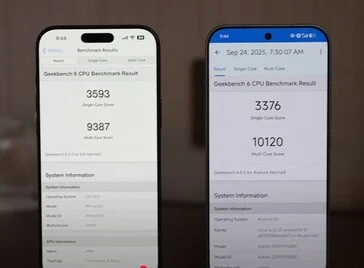
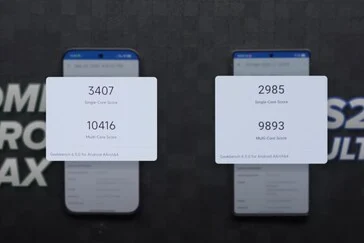
    The situation is similar in Geekbench. Before the launch, expectations were high, with the Xiaomi 17 series predicted to exceed 3,700 and 11,000 in single-core and multi-core tests, respectively. However, real-world results paint a different picture. For instance, Ben’s Gadget Reviews saw scores of 3,376 and 10,120; Sahil Karoul got 3,328 and 10,210; while Mrwhosetheboss achieved 3,407 and 10,416. Though these figures are respectable, they do not significantly outperform the Oppo Find X8 Ultra, which scored 3,145 and 9,722 in testing. In contrast, the Snapdragon 8 Elite Gen 5’s QRD device showed much better results with scores of 3,832 and 12,459.

    Overall Assessment

    These results suggest that the Xiaomi 17 series smartphones might not be performing at the peak potential of Qualcomm’s new chipset, a trend that isn’t uncommon for Xiaomi. Due to conservative tuning or software challenges, devices from Xiaomi—and also Samsung—tend to lag slightly behind many competitors. Flagship models from Honor, Oppo, and RedMagic may provide a clearer view of the Snapdragon 8 Elite Gen 5’s true capabilities.

    Source:
    Link


  • How to Turn Off PWM Flickering on iPhone 17: Benefits Explained

    How to Turn Off PWM Flickering on iPhone 17: Benefits Explained

    Key Takeaways

    1. Most OLED screens in smartphones use pulse-width modulation (PWM) for power control, which can cause discomfort for sensitive individuals due to low frequencies.
    2. Apple has introduced a feature called Display Pulse Smoothing in the iPhone 17, allowing users to disable PWM dimming, but it is limited to brightness levels up to 25%.
    3. Above 25% brightness, the iPhone 17 still relies on PWM dimming, and the effectiveness of the new feature remains uncertain.
    4. YouTuber Nick Sutrich suggests Apple may be using pulse amplitude modulation (PAM) for smoother brightness transitions, but specifics are not confirmed.
    5. Users sensitive to PWM report continued discomfort even with Display Pulse Smoothing activated, indicating limited relief from the new feature.


    Most OLED screens found in today’s smartphones utilize a technique known as pulse-width modulation (PWM). This technique controls the average power of an electrical signal by rapidly toggling the screen on and off. PWM can be implemented in a way that is more precise, energy-saving, and cost-effective compared to analog methods.

    The Issue with PWM

    The downside to PWM is its typically low frequencies, often under 500 Hz. People who are sensitive to flickering may notice this and could experience discomfort like burning eyes, headaches, and nausea, among other symptoms.

    Apple’s New Solution

    It is therefore a positive development that Apple has introduced an option to disable PWM dimming in its latest iPhones, including the Apple iPhone 17. This feature, called Display Pulse Smoothing, can be found in iOS 26 under Settings, Accessibility, and Display & Text Size.

    Limitations of the PWM Option

    However, as shown in our review of the Apple iPhone 17, users shouldn’t have high expectations for this PWM feature. It only functions effectively at screen brightness levels up to 25%, and the dimming frequency remains unchanged. Above 25% brightness, the device still relies on PWM dimming.

    Apple vaguely describes the activation of display pulse smoothing as an “alternative method for dimming the OLED display.” While it is suspected that the company employs a form of DC dimming or a hybrid approach, no specific technical information is provided.

    Insights from YouTuber Nick Sutrich

    In a video, YouTuber Nick Sutrich suggests that Apple might be using pulse amplitude modulation (PAM) for the display pulse smoothing feature. PAM differs from PWM by altering the signal amplitude, or voltage level, which creates a sine wave-like signal curve rather than a square wave, leading to smoother transitions in brightness.

    Measurement Observations

    Our measurements support this effect. When display pulse smoothing is enabled, the frequency response appears significantly flatter at brightness levels up to 25%.

    Despite the method employed, it seems that the new feature provides little relief for those sensitive to PWM. Numerous users on the Reddit forum r/PWM_Sensitive have reported that even with this dimming option activated, they still suffer from the same symptoms associated with traditional PWM dimming.

    Conclusion

    The reasons for the limited effectiveness of the display pulse smoothing option seem to stem from the unchanged dimming frequency and modulation rate in comparison to PWM dimming—these factors are significant contributors to the symptoms experienced by users.

    While it’s commendable that Apple has introduced a PWM option in its latest iPhone models, it remains unclear if this feature will be more effective in the future and truly assist PWM-sensitive users. Let’s hope that improvements come soon through a software update rather than waiting for the next generation of devices.

    Source:
    Link