Category: Phones

Stay updated with the latest phone news, reviews, and trends. Discover cutting-edge smartphones, features, and innovations in our Phones category at GizNewsDaily

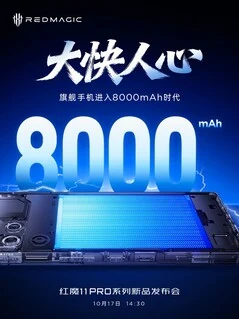
  • RedMagic 11 Pro: 8,000 mAh Battery, Under-Display Camera in Europe

    RedMagic 11 Pro: 8,000 mAh Battery, Under-Display Camera in Europe

    Key Takeaways

    1. Launch Date: The Nubia RedMagic 11 Pro and RedMagic 11 Pro+ will launch in China on October 17, with a European version also confirmed, though the date is not specified.

    2. Key Features: The RedMagic 11 Pro features an under-display selfie camera and fingerprint sensor, IP68 water resistance, and upgraded water cooling technology for enhanced performance.

    3. Gaming Focus: The phone includes touch-sensitive shoulder buttons and a large 8,000 mAh battery, which supports rapid wireless charging at up to 80 watts.

    4. Camera Capabilities: It boasts a 50 MP f/1.88 main camera with optical image stabilization (OIS), with further camera specifications expected to be revealed at the launch event.

    5. Display Information: Details about the AMOLED display brightness and other specifications will likely be announced during the launch event.


    The Nubia RedMagic 11 Pro and RedMagic 11 Pro+ are set to be launched in China on Friday, October 17. Nubia Europe has confirmed that the new version of the RedMagic 10 Pro will also be introduced in Europe, though the specific launch date has not been revealed yet.

    Features Inherited from RedMagic 10 Pro

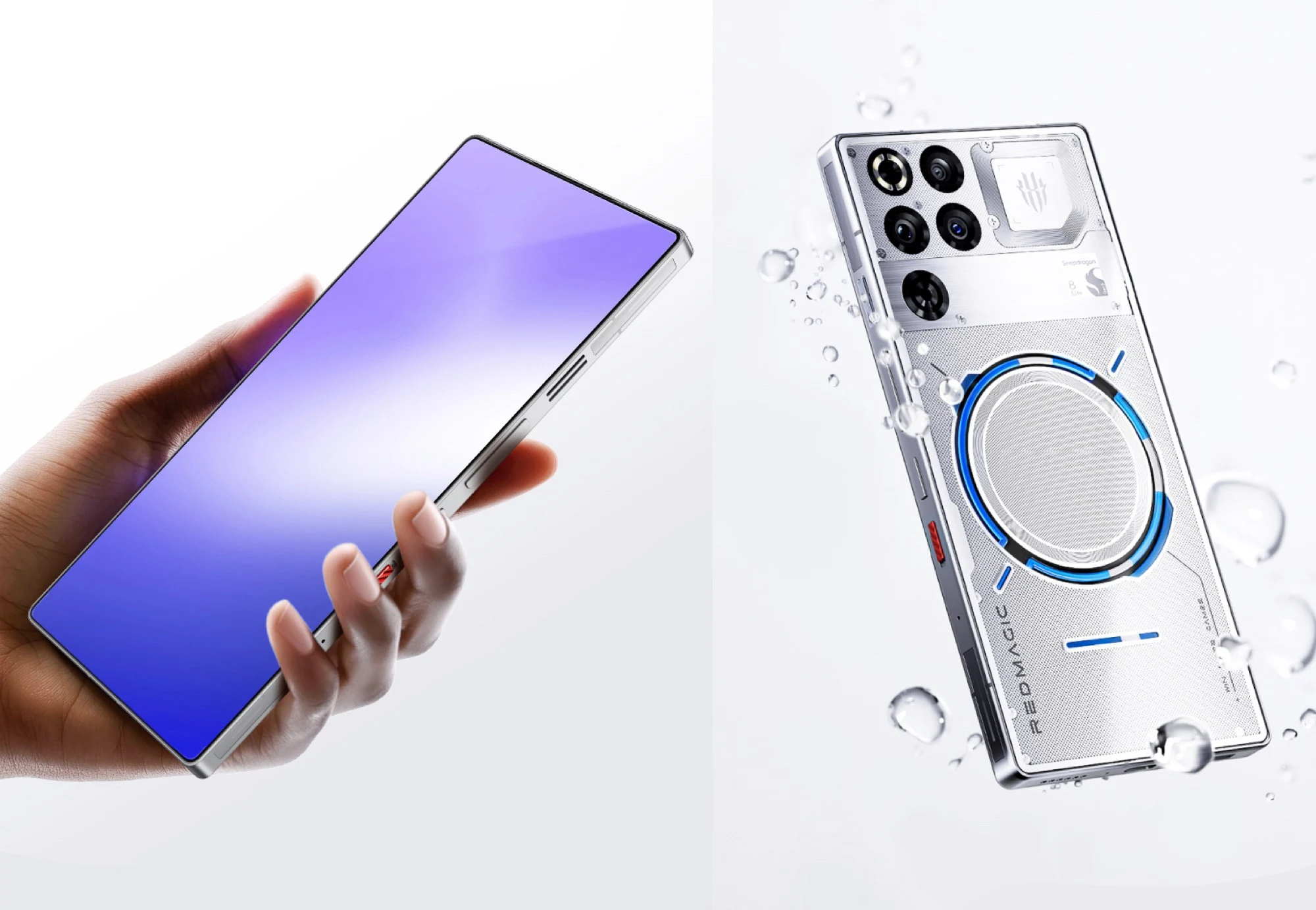
    The RedMagic 11 Pro retains some of the coolest features from its predecessor, like the selfie camera, which alongside the fingerprint sensor, is cleverly placed under the AMOLED display. This design means there’s no notch or punch-hole in sight. The phone holds an IP68 certification for water resistance, even with an active fan included. Additionally, the top model is now equipped with water cooling technology for better performance of the Qualcomm Snapdragon 8 Elite Gen 5.

    Gaming and Battery Specs

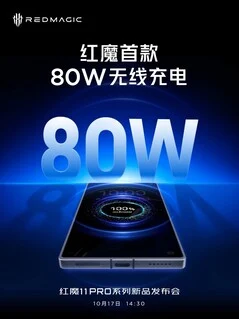
    This new setup aims to give the RedMagic 11 Pro outstanding gaming capabilities. To cater to gamers, Nubia has integrated touch-sensitive shoulder buttons and a huge 8,000 mAh battery, which is expected to be part of the European variant as well. A notable addition is that this battery supports wireless charging at a rapid pace of up to 80 watts.

    Camera and Display Details

    Nubia has already shared some initial sample images that showcase the 50 MP f/1.88 main camera with optical image stabilization (OIS). More information regarding other specifications, like the brightness level of the AMOLED display, is likely to be officially announced during the launch event on Friday.

     

  • US Orders Open for Sidephone SP-01: Premium Dumb Phone with Swappable Keyboard

    US Orders Open for Sidephone SP-01: Premium Dumb Phone with Swappable Keyboard

    Key Takeaways

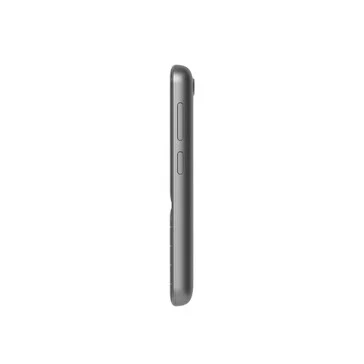
    1. Sidephone (SP-01) is a modular dumb phone priced at $249, focusing on basic functions like calling and texting, with minimal distractions.
    2. Orders are being sent via personalized links based on waitlist signup dates, with delivery expected in late 2025, but delays may occur during the holiday season.
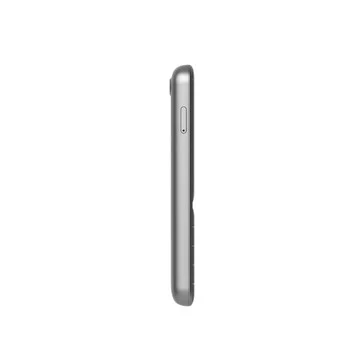
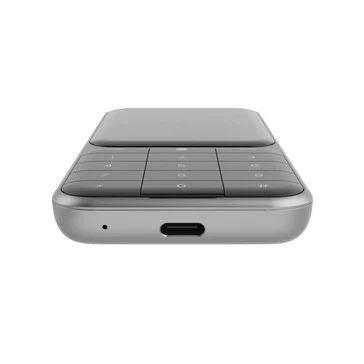
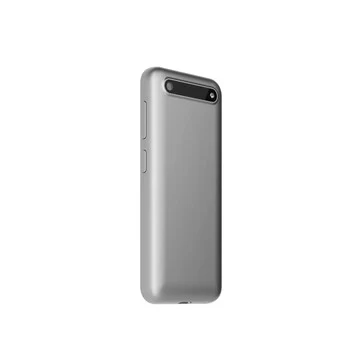
    3. The phone features a custom Android OS, modular keypad options (like T9 and QWERTY), a 12MP camera, a 2.8″ touchscreen, and up to eight days of battery life.
    4. Support for US customers includes a one-year warranty, 48-hour email support, a 30-day return policy, and easily accessible repair instructions.
    5. Customers can cancel pre-orders anytime before shipping without penalties.


    Sidephone, the highly talked-about modular dumb phone priced at $249 (now known as SP-01), has officially opened up orders in the United States. This marks an important step for the project, which has gained a significant community following since its first announcement and has gone through several public prototype showcases and pre-launch updates.

    What is a Dumb Phone?

    A “dumb phone” is a type of mobile device that focuses on basic functions like calling, texting, and using only the most necessary apps, avoiding the constant notifications, social media distractions, and other common features of modern smartphones. The Sidephone is launching with just the essentials: phone calls, messaging, a camera, and a few key apps (including WhatsApp, Apple Music, and Uber). The attraction of dumb phones is that they help users regain focus and minimize digital exhaustion while still providing important communication tools.

    How to Order

    Sidephone has started sending personalized order links via email (as shown below) based on when users joined the waitlist. Each individual has 48 hours to finish their order before the link is given to the next person in line. Pre-orders are organized by the month of signup, with the first groups (signups from October to December 2024) receiving their order links between October 13 and 15, 2025, followed by subsequent groups until October 21. The expected delivery for US buyers is set for late 2025, but the team has cautioned that shipping delays might occur due to the holiday season around Black Friday and Christmas. Customers can cancel their orders at any time before shipping without facing any penalties.

    Specifications and Support

    The Sidephone runs on a custom Android operating system and features a modular, swappable physical keypad with various configurations, including T9 and QWERTY layouts (though not all options will be available at launch). It’s designed to be easy to repair (with low prices on replacement parts) and includes a 12MP camera, a 2.8″ touchscreen, 4G LTE connectivity, and a battery life of up to eight days with light usage. Support programs for US customers consist of a one-year hardware warranty, direct email support with 48-hour response times, a 30-day return policy, and a knowledge base for repair instructions. Pre-order cancellations are fully refundable prior to shipping.

    Source:
    Link


  • Xiaomi 18 Series to Feature Rear Screen in Next Year’s Release

    Xiaomi 18 Series to Feature Rear Screen in Next Year’s Release

    Key Takeaways

    1. The Xiaomi 17 series features notable rear screens on the Pro and Pro Max models, which some see as a gimmick.
    2. Xiaomi plans to continue developing rear screen technology for future devices, with the next series possibly named Xiaomi 18.
    3. Improvements are expected in rear screen functionality, particularly with better app support.
    4. The standard Xiaomi 17 is likely to have a global launch, but the Pro variants with rear screens may not be available outside China.
    5. More information regarding the rear screens and their app integration is anticipated in the coming months.


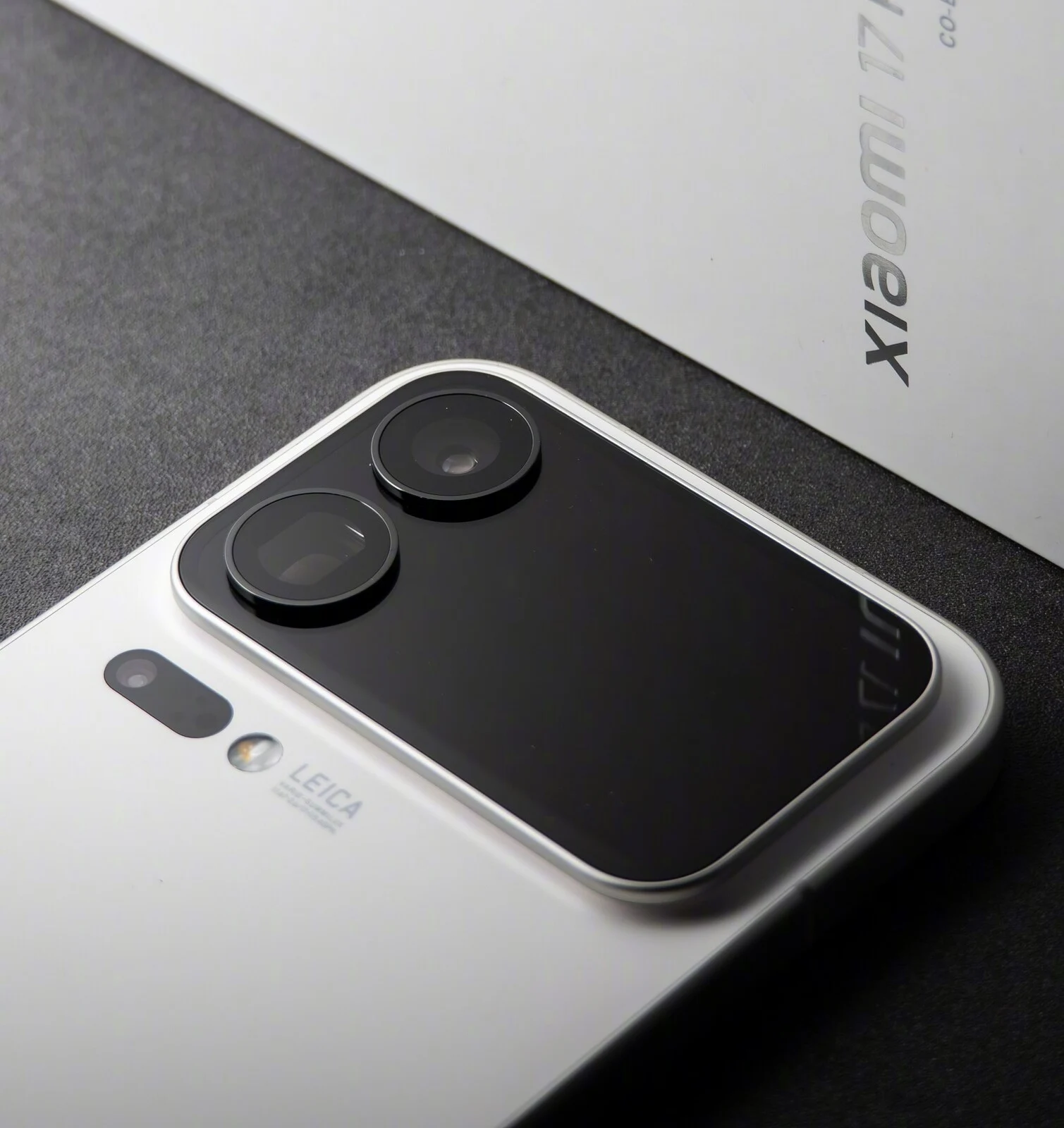
    The new Xiaomi 17 series is notable for the rear screens featured on the Xiaomi 17 Pro and Xiaomi 17 Pro Max. While some people see this as just a gimmick, Xiaomi seems determined to keep this design element around.

    Future Plans for Rear Screens

    Xiaomi President Lu Weibing confirmed during a livestream yesterday that the company will keep working on the rear screens for next year’s devices. The upcoming flagship series is expected to be called the Xiaomi 18, although leaker Digital Chat Station suggests that the name “Xiaomi 18” might just be a temporary label for now.

    Improvements on the Horizon

    Besides maintaining the rear screen feature in future models, Xiaomi aims to enhance this aspect, likely by adding better app support. While the standard Xiaomi 17 will almost certainly see a global launch, it’s still uncertain if the two “Pro” variants with rear screens will be available outside China. This is particularly important as these rear displays will need to integrate with various apps and services that are more popular outside of China. We should get more information on this in the next few months.

    Source:
    Link


  • OnePlus 15 Unveils First 1.5K Display with 165Hz Refresh Rate

    OnePlus 15 Unveils First 1.5K Display with 165Hz Refresh Rate

    Key Takeaways

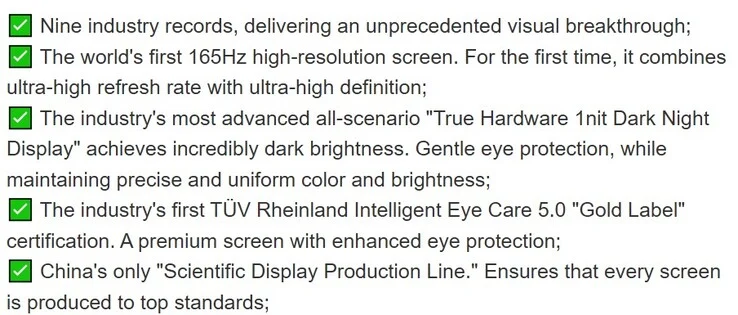
    1. The OnePlus 15 will feature the world’s first display with a native 165 Hz refresh rate and 1-nit low-luminance at 1.5K resolution, developed in collaboration with BOE.

    2. The new X3 panel uses advanced LTPO 2.0 technology for improved longevity and reduced power consumption, enhancing color accuracy and performance.

    3. The OnePlus 15’s display achieves a typical brightness of 1,800 nits, offering a 13% increase over the OnePlus 13, making it highly effective for gaming and general usage.

    4. Oppo’s latest P3 display driver enhances refresh rate adjustments, ensuring consistent brightness and color accuracy across different settings.

    5. Current limitations in technology prevent the combination of 165 Hz refresh rates with 2K resolution, making the 1.5K X3 screen a top choice for flagship phones while setting a standard for future mobile displays.


    Display giant BOE has already hinted that the new OnePlus 15 flagship will have one of the finest screens available, and the reveal of its third-gen X3 panel certainly met expectations.

    Innovative Screen Technology

    Created alongside OnePlus, this new display “is the first in the world to achieve a native 165 Hz high refresh rate and a 1-nit low-luminance display” at a 1.5K resolution, according to BOE. Furthermore, this panel is manufactured on Oppo’s production lines, where Oppo has led the way in developing phone screens with high dynamic refresh rates and extensive color range, with factory-level calibration for each phone’s pixels.

    Enhanced Features and Performance

    Beyond fast visuals and reliable color accuracy, the OnePlus 15 features BOE’s latest LTPO 2.0 tech, which offers extended lifespan and reduced power use. “The third generation Oriental panel incorporates the X3 luminescent material that BOE developed in partnership with OnePlus,” states BOE, noting that it excels in all nine key display evaluation metrics. Besides its durability, the new X3 organic material improves white balance when viewed from different angles. For instance, it eliminates the green tint issue that has gained attention with the iPhone 17 Pro series.

    Brightness and Gaming Capability

    The capability to reach a single nit of brightness is quite remarkable for one of the fastest phone screens, which can also achieve a native 165 Hz refresh rate during high-intensity gaming. BOE and OnePlus mention a brightness increase of 13% compared to the OnePlus 13, which is currently discounted on Amazon, delivering around 1,800 nits.

    While that may not seem as striking as devices boasting 3,000-6,000 nits recently mentioned, it’s important to note that BOE chose to highlight the typical brightness rather than the peak brightness, which only measures a small area of the screen at maximum capacity when displaying white. This peak figure is generally only useful for lab testing and marketing, while a typical brightness of 1,800 nits is quite a notable success for the OnePlus 15 screen, given all its other features.

    Advanced Display Driver Integration

    Moreover, Oppo has provided its latest P3 display driver for the OnePlus 15, allowing for better refresh rate adjustments based on the displayed content. This ensures consistent brightness and color accuracy even at very low or high brightness and refresh rate levels.

    The only drawback in this display paradise is OnePlus’s decision to go with a 1.5K resolution instead of a 2K 1440p for the new screen. OnePlus argues that this decision wasn’t made to cut costs, as the BOE X3 screen is actually pricier than the 1440p panel in the OnePlus 13, but rather because a 2K panel with a 165 Hz refresh rate isn’t available yet.

    Industry Limitations and Future Prospects

    Due to current restrictions in luminescent materials and circuit technology, the industry cannot yet achieve both 165Hz and 2K specifications at the same time. The 165Hz + 1.5K X3 screen represents the best option and the peak of mobile phone display technology. Until now, the highest resolution for ultra-high refresh rate screens on mobile devices was only 1080p. This X3 panel is the first in the industry to feature 165Hz + 1.5K. After years of market testing, 1.5K screens now provide an excellent balance of top-level display quality and energy efficiency for many flagship phones from leading brands, so the actual user experience should be satisfying. Additionally, the 165Hz ultra-high refresh rate offers an unmatched smoothness, marking the future of mobile screens.

    In addition to the OnePlus 15, BOE and Oppo are expected to utilize the new X3 OLED with LTPO 2.0 technology for the forthcoming Find X9 series as well.

    Source:
    Link


  • T-Mobile Ends JUMP! On Demand with Special Goodbye Offer

    T-Mobile Ends JUMP! On Demand with Special Goodbye Offer

    Key Takeaways

    1. T-Mobile will discontinue its JUMP! On Demand service on December 1, with upgrades ending after November 30.
    2. Launched in 2015, JUMP! On Demand allowed customers to lease devices for 18 months and upgrade frequently.
    3. Current users can make one last upgrade before the deadline, after which they will own their leased devices without extra fees.
    4. The closure is linked to financial risks and complications associated with smartphone leasing and returns.
    5. T-Mobile is shifting towards simpler device financing tied to longer service contracts for better customer retention.


    T-Mobile is set to discontinue its JUMP! On Demand service starting December 1. While the company hasn’t made an official announcement, information shared by The Mobile Report indicates that the program will come to an end, meaning customers will lose the ability for upgrades after November 30. This signifies the quiet end of a leasing option that was once a key part of T-Mobile’s appeal to those who frequently upgraded their devices.

    Launch and Features of JUMP! On Demand

    Initiated in 2015, JUMP! On Demand promised monthly phone upgrades without requiring full retail payments. Customers were able to lease a device for a period of 18 months, with the flexibility to change phones whenever they wanted. This was particularly attractive for users looking to get their hands on the latest iPhones or Samsung Galaxy phones every few months. However, over time, the program became more difficult to access as T-Mobile tightened eligibility requirements, raised deposits, and eliminated various promotions associated with leasing.

    Final Upgrade and Device Ownership

    As per the information leak, existing JUMP! On Demand users can take advantage of one last upgrade prior to November 30. Once that date passes, T-Mobile will terminate all ongoing leases and transfer the ownership of the leased devices to their respective customers. Additionally, the internal documents state that all remaining lease payments will be canceled by T-Mobile, meaning customers won’t have to pay a buyout fee and can keep their current devices without any additional cost. This is quite an unusual decision for a US carrier and seems to be a strategy for T-Mobile to phase out the program without facing backlash from customers.

    Reasons Behind the Closure

    Though T-Mobile hasn’t offered a specific explanation for ending JUMP! On Demand, the underlying business rationale is clear. Leasing smartphones carries financial risks, especially as device prices continue to rise. It also complicates the billing process and returns, which can lead to customer service issues. Currently, T-Mobile favors straightforward device financing linked to longer service contracts, which keeps customers tied to their plans for extended periods and simplifies the process of handling returned leased devices.

    Source:
    Link


  • Honor Magic 8: Snapdragon 8 Elite Gen 5, Big Battery & More

    Honor Magic 8: Snapdragon 8 Elite Gen 5, Big Battery & More

    Key Takeaways

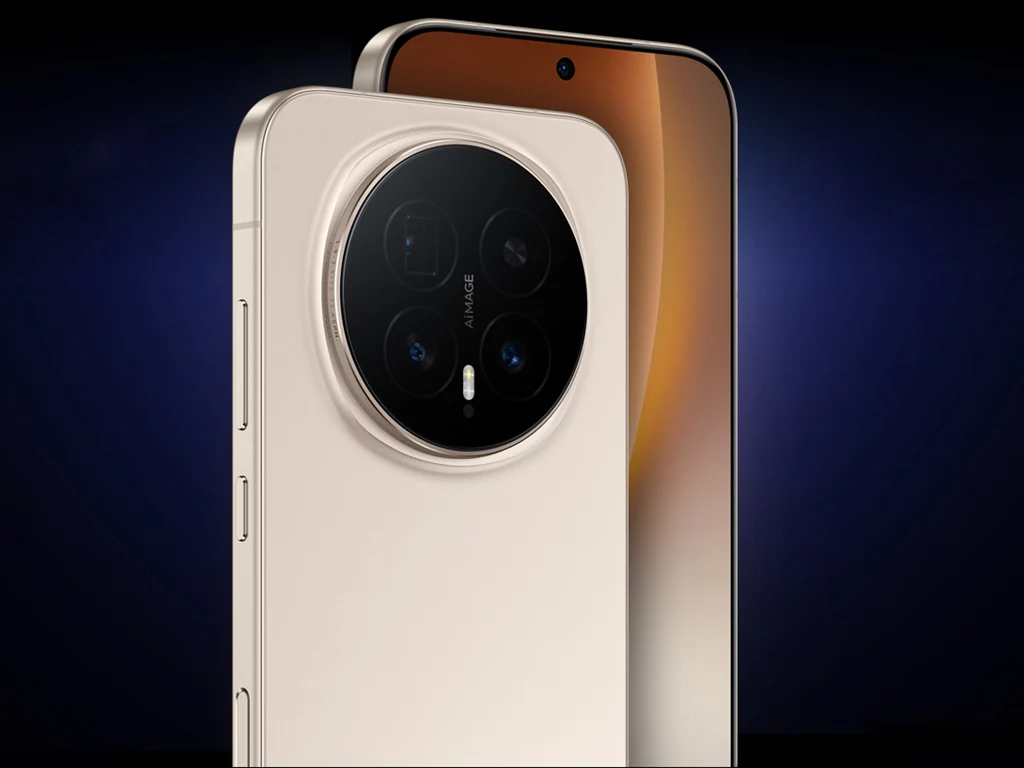
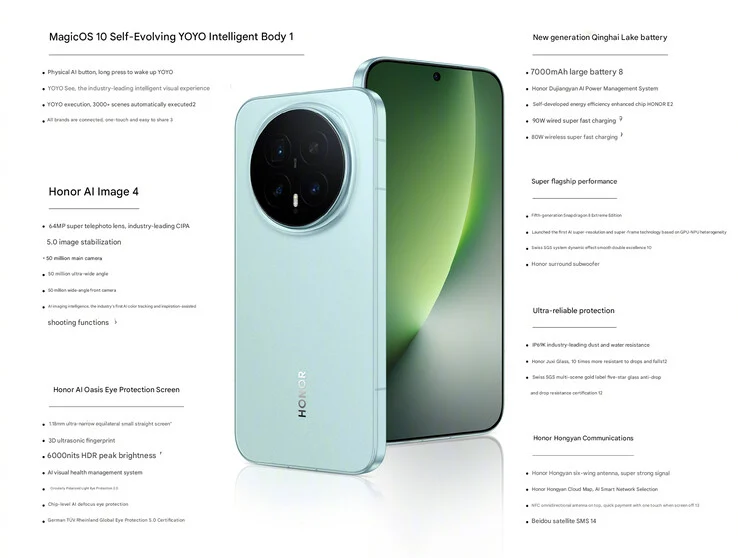
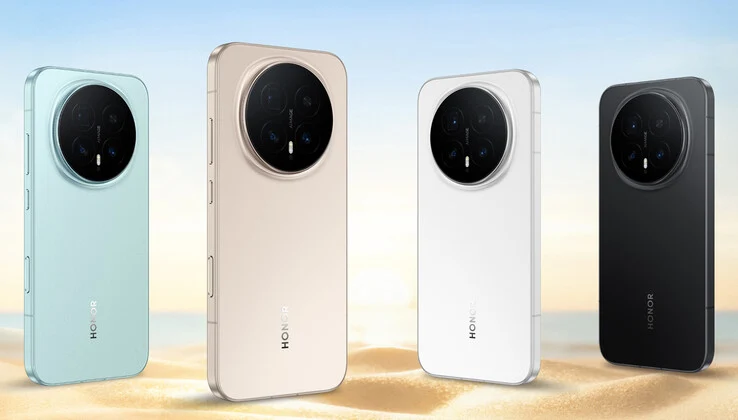
    1. Honor introduced two flagship smartphones: Magic 8 Pro and standard Magic 8, both using Snapdragon 8 Elite Gen 5 SoC.
    2. The Magic 8 features a 50 MP main sensor, 64 MP telephoto lens, and 50 MP ultrawide lens, with a 50 MP front camera for selfies.
    3. Both models include the AiMAGE Engine for enhanced night photography and improved color accuracy.
    4. The Magic 8 has a 6.58-inch LTPO OLED display, 120 Hz refresh rate, ultrasonic fingerprint sensor, and a 7,000 mAh battery with fast charging options.
    5. Pricing for the Magic 8 starts at CNY 4,449 (approximately $630) for 12 GB RAM/256 GB storage, with a high-end version at CNY 4,999 (around $700).


    Honor has introduced two new flagship smartphones in China: the Magic 8 Pro and the standard Magic 8. The non-Pro version is a bit less expensive but still runs on the same Snapdragon 8 Elite Gen 5 SoC. However, there are some differences in the specifications when you compare it to the Pro variant.

    Camera Features

    One of the distinct changes is in the camera setup on the back. The Magic 8 is equipped with a 1/1.56-inch 50 MP main sensor that features optical image stabilization (OIS). This is complemented by a 64 MP telephoto lens and a 50 MP ultrawide lens. On the front side, while it lacks a 3D depth sensor, the non-Pro model still includes a 50 MP camera for selfies.

    Advanced Technology

    Similar to its Pro counterpart, the Honor Magic 8 includes the AiMAGE Engine. The brand claims that this, along with its strong camera system, enables the phone to take bright, high-quality night photos. It also enhances color accuracy, making the images appear more vibrant and true to life.

    Display and Battery Life

    On the display side, the Magic 8 features a 6.58-inch LTPO OLED screen with a refresh rate of 120 Hz. Even though it doesn’t have a 3D depth camera for biometric security, it does come with an ultrasonic fingerprint sensor. The smartphone is powered by a 7,000 mAh battery and supports 80 W wireless charging as well as 90 W wired charging (100 W Ugreen Nexode currently priced at $49.99 on Amazon).

    In terms of pricing, the Honor Magic 8 starts at CNY 4,449, which is roughly $630, for the model with 12 GB of RAM and 256 GB of storage. The highest-end version features 16 GB of RAM and 512 GB of storage, retailing at CNY 4,999, or about $700. The company has not yet announced when this Snapdragon 8 Elite Gen 5 flagship will be available outside of China.

    Source:
    Link


  • Orange iPhone 17 Pro Max Turns Pink: Is It a Manufacturing Defect?

    Orange iPhone 17 Pro Max Turns Pink: Is It a Manufacturing Defect?

    Key Takeaways

    1. The iPhone 17 series has launched, featuring a new color called Cosmic Orange that has attracted attention.
    2. A Reddit user reported that their Cosmic Orange iPhone 17 Pro Max changed colors, resulting in a two-tone look.
    3. The cause of the color change remains unclear, with various theories ranging from chemical reactions to potential image manipulation.
    4. There have been other reports of color issues and scratches on the iPhone 17 models, leading to concerns about quality control.
    5. Users are advised to consider protective cases to prevent scratches and other potential damage to their devices.


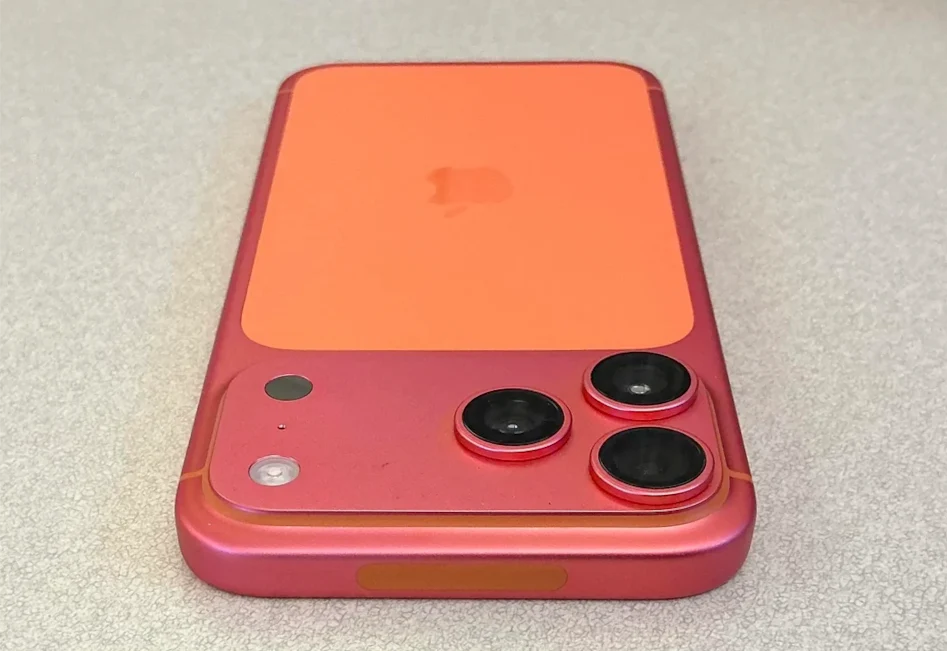
    In case you haven’t heard, Apple recently launched the iPhone 17 series, introducing a vibrant new orange hue that’s got the tech community buzzing. Cosmic Orange has definitely caught some attention, especially from a Reddit user, u/DakAttack316, who bought a Cosmic Orange iPhone 17 Pro Max that unexpectedly began to change colors one day.

    A Unique Transformation

    The aluminium sections of this iPhone have changed color, resulting in a striking two-tone look that is mainly pink with orange accents along the antenna lines and the Ceramic Shield part of the back. The owner noted that the change started off gradually, first appearing slightly “rose gold” when they shared about it (the post has since been removed) on October 4.

    Reviews and Reactions

    While we haven’t had the chance to review the iPhone 17 Pro Max yet, our recent review of the standard iPhone 17 highlighted its remarkable features and performance. The user has not yet reached out to Apple support or visited an Apple Store for help, leaving the cause of this color-changing phenomenon unclear. Theories in the comments section range from the mundane—such as chemical reactions or prolonged UV exposure, which the user denied—to more bizarre suggestions like radiation from unknown sources. Naturally, there are accusations that the user manipulated images or altered the anodizing for online clout. In response, the user remarked, “I could not imagine a sadder existence than photoshopping iPhone pics.” Another case of this issue has been reported from a different orange iPhone 17 Pro Max (via @TheGalox on X).

    Possible Explanations

    It seems plausible that a chemical reaction or a faulty dyeing or anodizing process could be to blame, although if it were just a bad batch, we’d likely see more instances of discolouration. The most probable cause appears to be a mix of environmental factors along with a mistake in Apple’s new anodising procedure. While elements like heat cannot be dismissed, they seem unlikely since brightly colored anodised parts usually withstand temperatures that exceed safe human skin contact limits without any problems.

    This isn’t Apple’s first hiccup with the iPhone 17 series. Early reports indicated noticeable scratches on the aluminium backs of iPhone 17 models, resulting in the term “Scratchgate.”

    If you own an iPhone 17 Pro Max, it might be wise to invest in a protective case, such as the Apple TechWoven case (currently priced at $59 on Amazon), to help prevent scratches.

    — u/DakAttack316 on Reddit

    Source:
    Link


  • China SMS Scam: How Gangs Stole $1 Billion from Americans

    China SMS Scam: How Gangs Stole $1 Billion from Americans

    Key Takeaways

    1. Chinese crime groups have allegedly stolen over $1 billion from Americans using “smishing” scams that involve fake text messages to gather private information.

    2. These scams use SIM farms to send thousands of messages, impersonating government or financial agencies to trick victims.

    3. Victims who click harmful links have their sensitive information captured and used to fund purchases through digital wallets linked to gig workers in the US.

    4. The scale of these scams is significant, with over 330,000 scam messages identified in one day and nearly 60,000 complaints reported to the FBI last year.

    5. To protect themselves, users should avoid clicking links from unknown numbers, verify payment requests through official channels, and report suspicious messages to the FTC.


    Chinese crime groups have allegedly taken over 1 billion dollars from American individuals using clever “smishing” schemes. They deceive people by sending fake text messages that encourage recipients to share private information.

    How the Scams Work

    The Department of Homeland Security indicates that these scams utilize SIM farms, pretending to be from government or financial agencies. SIM farms are collections of automated SIM cards that can send out thousands of messages simultaneously.

    When victims click on the harmful links, their sensitive information, including passwords and banking details, is captured through counterfeit websites. This information is then transferred to digital wallets like Apple Wallet or Google Wallet in Asia. These wallets are associated with gig workers in the US, who unknowingly use the hacked accounts to purchase items like iPhones, gift cards, and other merchandise that is sent back to China.

    The Scale of the Problem

    Homeland Security estimates this operation has yielded over $1 billion in illegal earnings. A group of researchers tracking this trend describes the scheme as a very organized criminal operation. Last month alone, they identified over 330,000 scam messages in a single day, which is about three times the amount detected at the beginning of the year.

    These fraudsters exploit the convenience of online shopping while taking advantage of the anonymity provided by digital payment systems. The FBI reported nearly 60,000 complaints about these scams last year, with new variations appearing almost weekly.

    Protecting Yourself

    Experts caution that this wave of smishing signals a growing cybercrime network. One reason for its quick growth is the availability of inexpensive tech tools and encrypted messaging applications. Criminals now offer pre-made scam kits on platforms like Telegram, simplifying the process for others to replicate their tactics.

    To safeguard themselves, phone users should refrain from clicking on links from unfamiliar numbers and verify all payment requests through official websites. In addressing the matter, Brian Schwalb, the Attorney General of the District of Columbia, urged citizens to “disregard these messages and promptly report them to the FTC.” However, staying informed about these changing strategies is crucial for staying ahead of digital fraud.

    Source:
    Link


  • Honor Robot Phone: A Smart Robotic Arm with Camera Innovation

    Honor Robot Phone: A Smart Robotic Arm with Camera Innovation

    Key Takeaways

    1. The Honor Magic 8 Pro’s camera quality has decreased, but innovative concepts have been introduced.
    2. The Honor Robot Phone features a main camera on a robotic arm that can retract into a camera bump.
    3. The main camera can also function as a selfie camera, providing better photo quality than typical front-facing cameras.
    4. The robotic arm acts like a gimbal, enhancing video stability beyond traditional stabilization methods.
    5. The concept could allow for automatic tracking of celestial bodies, but it remains uncertain if it will be produced for consumers.


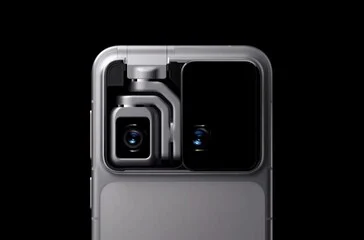
    While the Honor Magic 8 Pro has seen a reduction in camera quality, the Chinese brand has also introduced innovative concepts for smartphone cameras during the launch event of its latest flagship. Specifically, the Honor Robot Phone is a concept device featuring a main camera mounted on a robotic arm that can retract and conceal itself within a substantial camera bump.

    Unfolding Features

    With the press of a button, the arm extends and presents a variety of useful functionalities. Primarily, the main camera doubles as a selfie camera, which is quite useful, as the primary cameras typically produce much superior photos and videos compared to front-facing ones. Additionally, the arm functions like a gimbal, which should enhance video stability far better than traditional lens-based or sensor-based stabilization methods.

    New Possibilities

    This robotic arm could also create fresh opportunities for users. Paired with the right software, it can automatically track celestial bodies, allowing the camera to follow stars and capture them in sharp focus, even during lengthy exposure periods.

    In the video linked below, Honor shows how the arm can autonomously focus on objects, making it resemble a smart action camera when the phone is tucked in a chest pocket, for example. However, it remains uncertain whether the Honor Robot Phone or a similar device will actually be produced for consumers. At present, it remains a concept, with Honor set to share more information about the Robot Phone at the Mobile World Congress 2026 in Barcelona.

    Honor

    Source:
    Link


  • Realme GT 8 Series Launch: Key Specs of Affordable Non-Pro Model

    Realme GT 8 Series Launch: Key Specs of Affordable Non-Pro Model

    Key Takeaways

    1. Realme GT 8 Pro is launching in China on October 21, 2025, just before the OnePlus 15 debut.
    2. Realme will also introduce the standard GT 8 on the same day, targeting budget-conscious consumers.
    3. The GT 8 will feature a Snapdragon 8 Elite processor and an independent R1 graphics chip for enhanced gaming.
    4. The GT 8 is expected to have a 6.6-inch OLED display with 2K resolution and a 144 Hz refresh rate, along with a triple camera system including a 50 MP periscope lens.
    5. The standard GT 8 may come with a 7,000 mAh battery, metal mid-frame, and an ultrasonic in-display fingerprint scanner.


    Realme is set to compete with the OnePlus 15, Xiaomi 17 series, and other flagship phones that use the Snapdragon 8 Elite Gen 5 with the introduction of the GT 8 Pro. The brand has recently hinted at the launch being just around the corner, and they have now made the Chinese release date official.

    Launch Date Announcement

    According to their latest update, the Realme GT 8 Pro is scheduled to hit the Chinese market on October 21, 2025. This is just a few days ahead of the expected debut of the OnePlus 15 in China. There are also whispers that Realme is planning a swift global roll-out to gain an advantage over its rivals outside China.

    More Options Coming

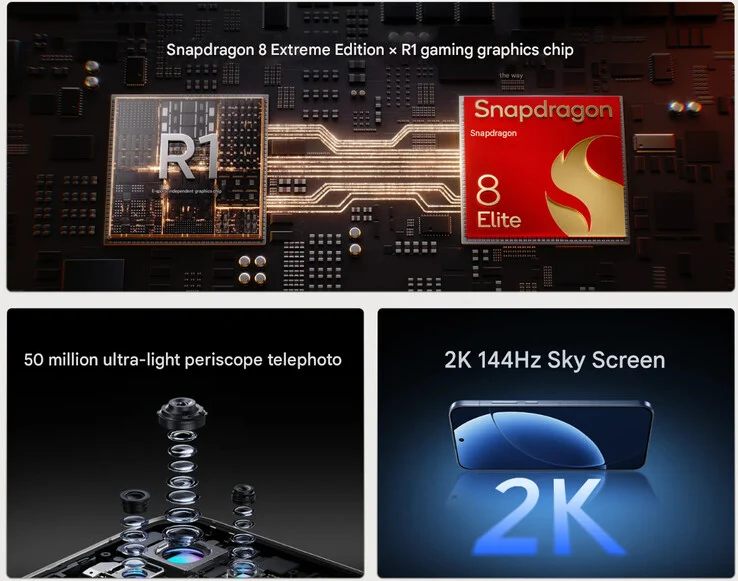
    On the same launch date, Realme will also unveil the standard version, the GT 8, which is expected to be a more budget-friendly alternative to the Pro variant. Along with recent announcements, Realme has revealed key specifications of the GT 8 as well. This device will come equipped with the Snapdragon 8 Elite processor, which is last-gen flagship SoC, along with an independent R1 graphics chip to boost gaming performance.

    Display and Camera Features

    Furthermore, the Realme GT 8 is said to feature an OLED display with a ‘2K’ resolution and a refresh rate of 144 Hz. While more details about the display are yet to be officially confirmed, recent leaks indicate that it could have a 6.6-inch screen. Realme has also mentioned that the phone will include a triple camera system on the rear, highlighted by a 50 MP periscope lens.

    Previous reports have suggested that the standard GT 8 may come with a substantial 7,000 mAh battery (Iniu 10K power bank currently priced at $18.69 on Amazon), a metal mid-frame, and an ultrasonic in-display fingerprint scanner. Additionally, the Ricoh GR tuning feature might be available for the standard Realme GT 8 Pro as well.

    Source:
    Link