
Key Takeaways
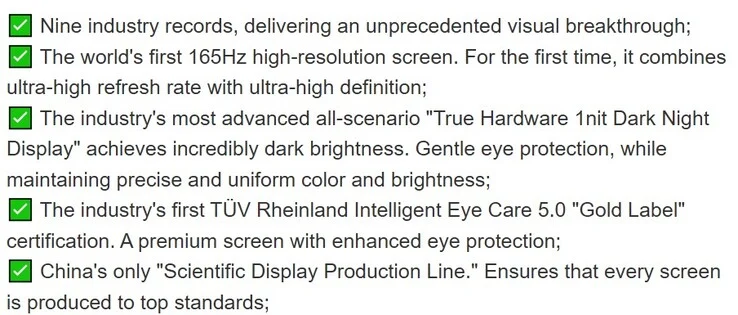
1. The OnePlus 15 will feature the world’s first display with a native 165 Hz refresh rate and 1-nit low-luminance at 1.5K resolution, developed in collaboration with BOE.
2. The new X3 panel uses advanced LTPO 2.0 technology for improved longevity and reduced power consumption, enhancing color accuracy and performance.
3. The OnePlus 15’s display achieves a typical brightness of 1,800 nits, offering a 13% increase over the OnePlus 13, making it highly effective for gaming and general usage.
4. Oppo’s latest P3 display driver enhances refresh rate adjustments, ensuring consistent brightness and color accuracy across different settings.
5. Current limitations in technology prevent the combination of 165 Hz refresh rates with 2K resolution, making the 1.5K X3 screen a top choice for flagship phones while setting a standard for future mobile displays.
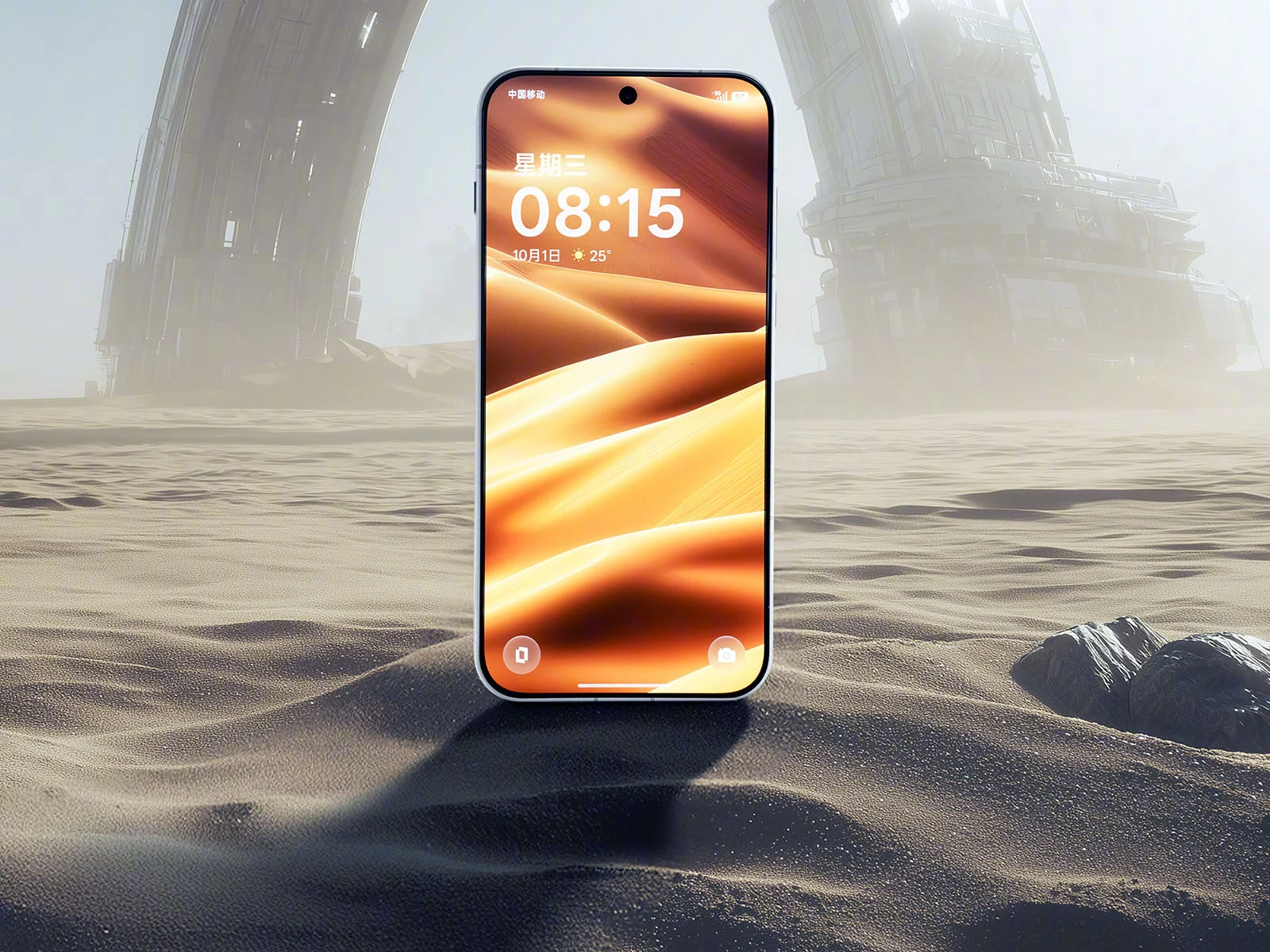
Display giant BOE has already hinted that the new OnePlus 15 flagship will have one of the finest screens available, and the reveal of its third-gen X3 panel certainly met expectations.
Innovative Screen Technology
Created alongside OnePlus, this new display “is the first in the world to achieve a native 165 Hz high refresh rate and a 1-nit low-luminance display” at a 1.5K resolution, according to BOE. Furthermore, this panel is manufactured on Oppo’s production lines, where Oppo has led the way in developing phone screens with high dynamic refresh rates and extensive color range, with factory-level calibration for each phone’s pixels.
Enhanced Features and Performance
Beyond fast visuals and reliable color accuracy, the OnePlus 15 features BOE’s latest LTPO 2.0 tech, which offers extended lifespan and reduced power use. “The third generation Oriental panel incorporates the X3 luminescent material that BOE developed in partnership with OnePlus,” states BOE, noting that it excels in all nine key display evaluation metrics. Besides its durability, the new X3 organic material improves white balance when viewed from different angles. For instance, it eliminates the green tint issue that has gained attention with the iPhone 17 Pro series.
Brightness and Gaming Capability
The capability to reach a single nit of brightness is quite remarkable for one of the fastest phone screens, which can also achieve a native 165 Hz refresh rate during high-intensity gaming. BOE and OnePlus mention a brightness increase of 13% compared to the OnePlus 13, which is currently discounted on Amazon, delivering around 1,800 nits.
While that may not seem as striking as devices boasting 3,000-6,000 nits recently mentioned, it’s important to note that BOE chose to highlight the typical brightness rather than the peak brightness, which only measures a small area of the screen at maximum capacity when displaying white. This peak figure is generally only useful for lab testing and marketing, while a typical brightness of 1,800 nits is quite a notable success for the OnePlus 15 screen, given all its other features.
Advanced Display Driver Integration
Moreover, Oppo has provided its latest P3 display driver for the OnePlus 15, allowing for better refresh rate adjustments based on the displayed content. This ensures consistent brightness and color accuracy even at very low or high brightness and refresh rate levels.
The only drawback in this display paradise is OnePlus’s decision to go with a 1.5K resolution instead of a 2K 1440p for the new screen. OnePlus argues that this decision wasn’t made to cut costs, as the BOE X3 screen is actually pricier than the 1440p panel in the OnePlus 13, but rather because a 2K panel with a 165 Hz refresh rate isn’t available yet.
Industry Limitations and Future Prospects
Due to current restrictions in luminescent materials and circuit technology, the industry cannot yet achieve both 165Hz and 2K specifications at the same time. The 165Hz + 1.5K X3 screen represents the best option and the peak of mobile phone display technology. Until now, the highest resolution for ultra-high refresh rate screens on mobile devices was only 1080p. This X3 panel is the first in the industry to feature 165Hz + 1.5K. After years of market testing, 1.5K screens now provide an excellent balance of top-level display quality and energy efficiency for many flagship phones from leading brands, so the actual user experience should be satisfying. Additionally, the 165Hz ultra-high refresh rate offers an unmatched smoothness, marking the future of mobile screens.
In addition to the OnePlus 15, BOE and Oppo are expected to utilize the new X3 OLED with LTPO 2.0 technology for the forthcoming Find X9 series as well.
Source:
Link


Leave a Reply