Category: Gaming

  • Juggernaut RTX 5090 System Dominates GPU Compute Benchmark

    Juggernaut RTX 5090 System Dominates GPU Compute Benchmark

    Key Takeaways

    1. The Nvidia GeForce RTX 5090 initially underperformed on PassMark, scoring lower than the RTX 4090 and at RTX 4080 levels in GPU Compute tests.

    2. PassMark updated its testing methodology to support 64-bit components, allowing the RTX 5090 and RTX 5080 to better showcase their performance capabilities.

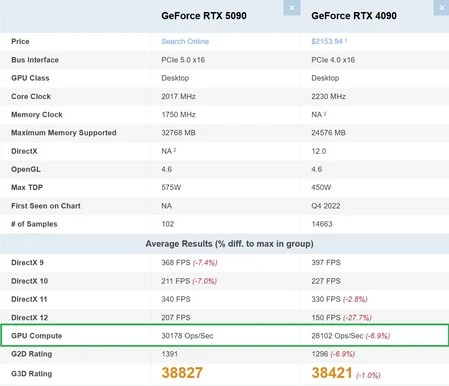
    3. After the update, the RTX 5090’s average GPU Compute score improved significantly from 23,050 Ops/Sec to 30,178 Ops/Sec.

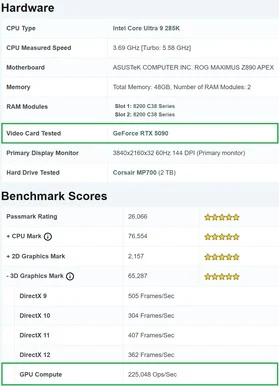
    4. High-end system configurations, such as those with an Intel Core Ultra 9 285K and 48 GB of RAM, can achieve impressive scores (e.g., 225,048 Ops/Sec) that highlight the RTX 5090’s potential.

    5. The advancements in testing and system setups emphasize the importance of having the right configuration to fully leverage the performance of high-end graphics cards like the RTX 5090.


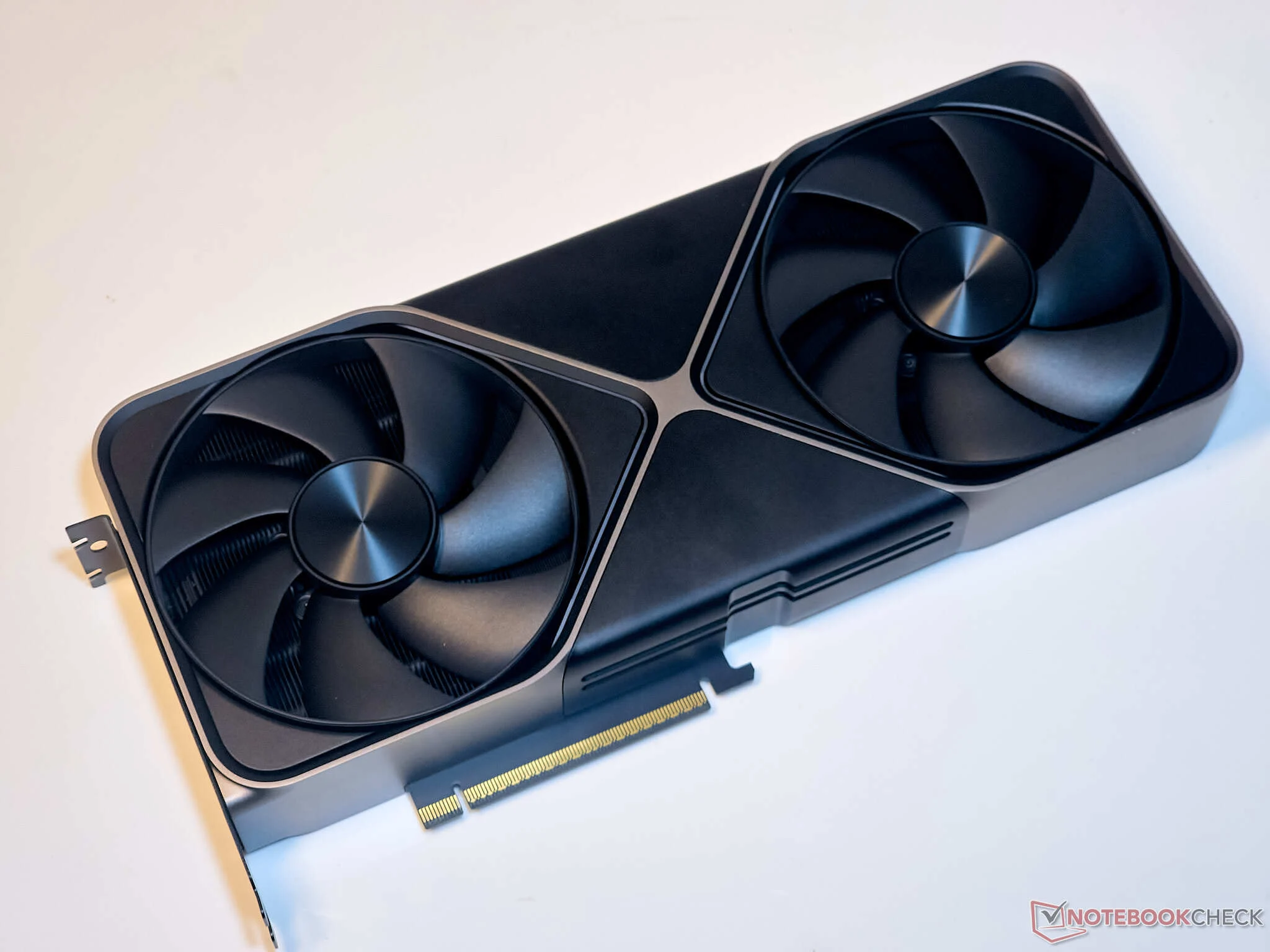
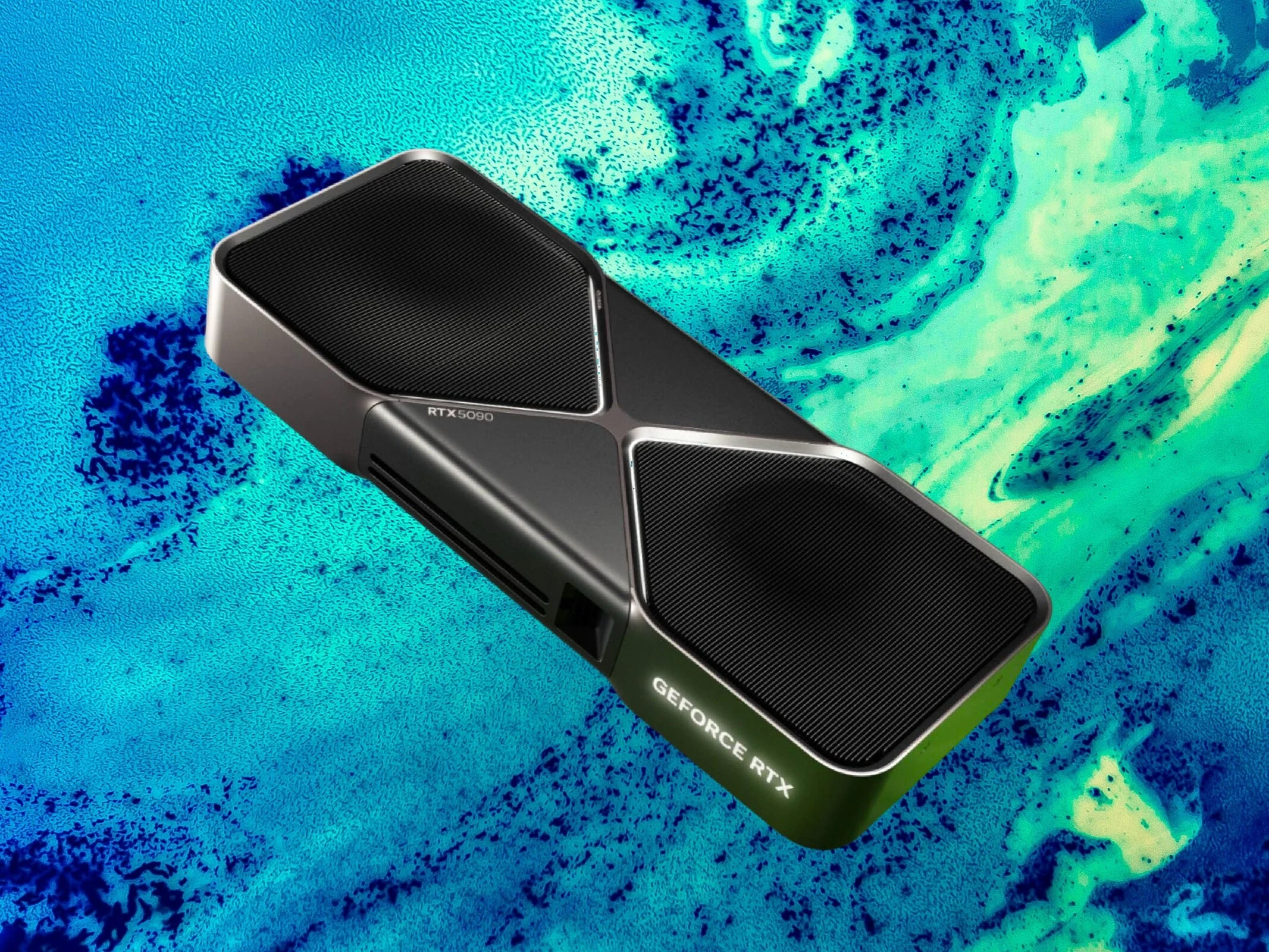
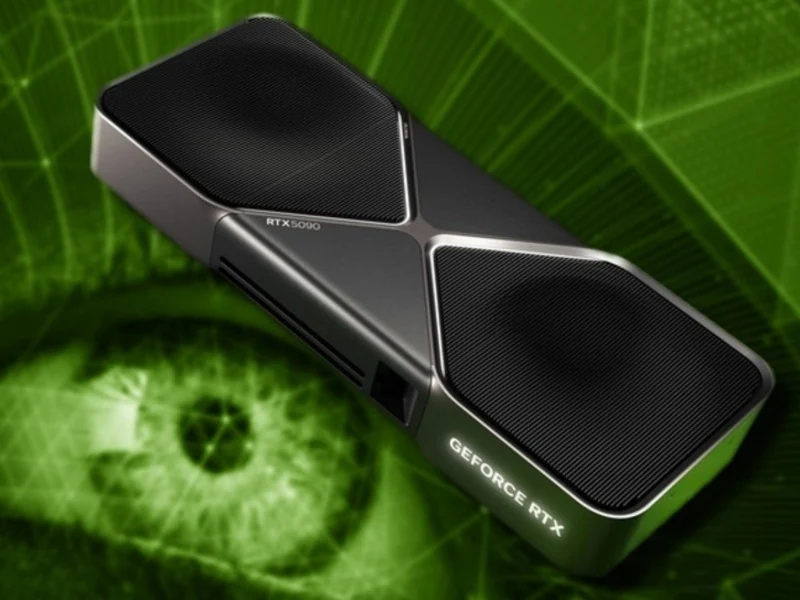
    Over 100 samples of the Nvidia GeForce RTX 5090 graphics card have now been tested on PassMark’s platform, and the GPU Compute scores are looking significantly better. Earlier, the new Blackwell card faced challenges on the site, falling behind the RTX 4090 in overall performance, while it was nearly stuck at RTX 4080 levels for GPU Compute. The RTX 50-series cards seemed to be limited by their advanced tech, as PassMark had been using a 32-bit testing framework, but Nvidia had dropped support for OpenCL 32-bit in its latest graphics cards.

    Update on Testing Methodology

    Recently, PassMark implemented a patch for their site, allowing the GPU Compute test to use 64-bit components. This change means that graphics cards like the RTX 5090 and RTX 5080 can now show their actual performance capabilities. Although the official high-end video card rankings on the site haven’t been updated yet, the RTX 5090 page is already showcasing significant improvements in GPU Compute. Previously, the average score for the GeForce RTX 5090 in this benchmark was a rather disappointing 23,050 operations per second (Ops/Sec), compared to 28,240 Ops/Sec for the RTX 4090. It was surprising to see the RTX 5090 underperform on PassMark, especially given its strong results in our tests. Thankfully, the score for the Blackwell card has risen to a much more respectable 30,178 Ops/Sec.

    Impressive System Configurations

    Moreover, the recent visits by a few RTX 5090-based systems to the site have revealed some serious powerhouses. For example, even before the patch was available, one test run involving a PC with an Intel Core Ultra 9 285K and 48 GB of RAM on an Asus ROG Maximus Z890 Apex motherboard achieved an incredible score of 225,048 Ops/Sec in GPU Compute. This score is almost 10 times higher than the previous average score for the RTX 5090 and roughly 7.5 times faster than the latest average result. While the average score is crucial for understanding the overall performance of a graphics card like the GeForce RTX 5090, this remarkable score demonstrates that with the right setup, gamers and PC builders can really maximize the benefits of their $2,000+ investment.

    Source:
    Link

  • Retroid Pocket Flip 2: Enhanced Power, AMOLED, and New Ports

    Retroid Pocket Flip 2: Enhanced Power, AMOLED, and New Ports

    Key Takeaways

    1. Improved Display: The Pocket Flip 2 features a larger 5.5-inch AMOLED screen with a 1080p resolution and 500 nits peak brightness for vibrant gaming on the go.

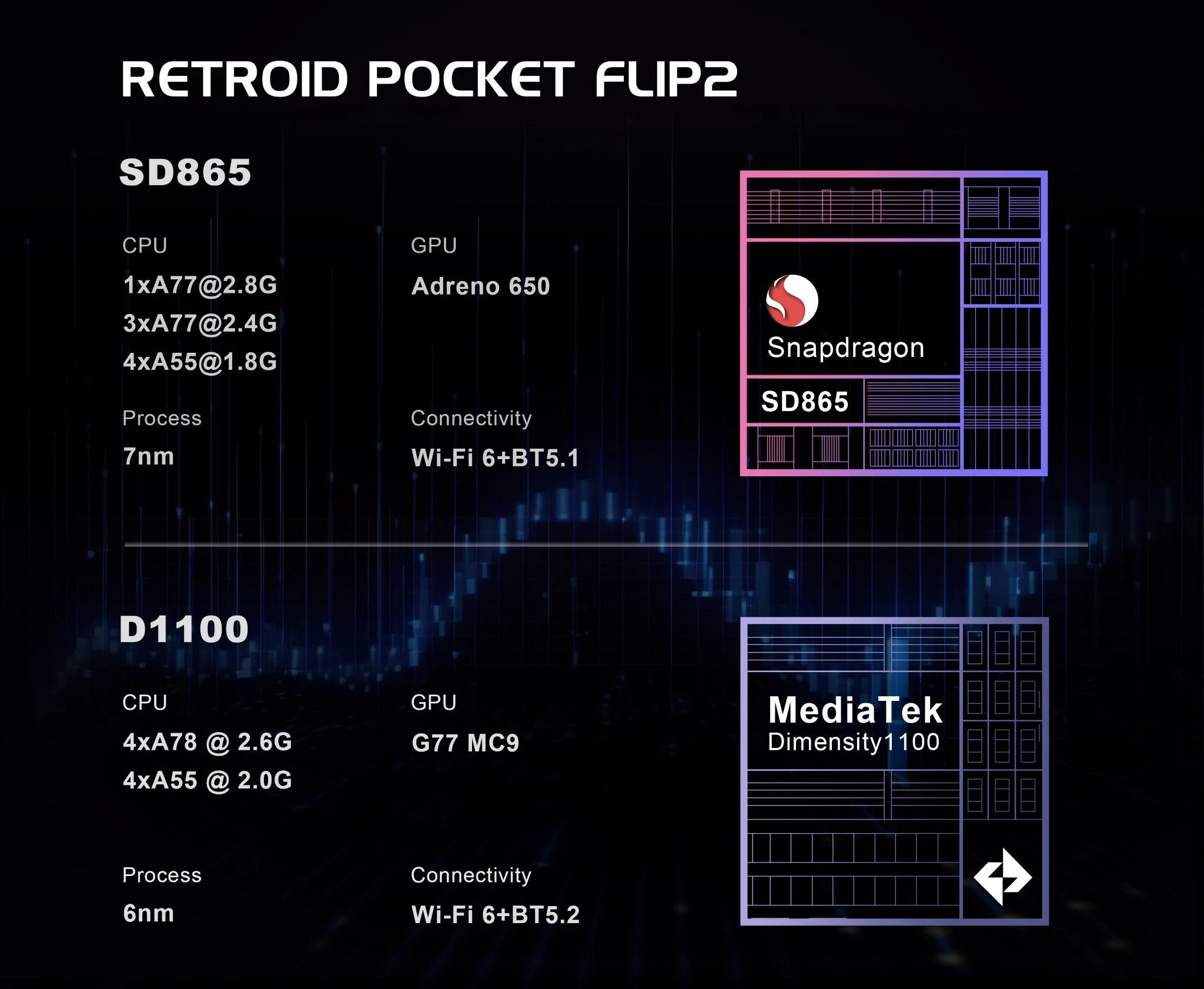
    2. Powerful Processors: It offers two strong processor options—Qualcomm Snapdragon 865 and MediaTek Dimensity 1100—resulting in smoother gameplay and better multitasking compared to the original model.

    3. Enhanced RAM and Storage: The device includes 8GB of LPDDR4x RAM and 128GB of UFS 3.1 storage, allowing for faster load times and improved overall efficiency.

    4. Upgraded Operating System: The Pocket Flip 2 runs on Android 13, providing better performance, security, and compatibility with the latest apps and emulators.

    5. Connectivity and Port Changes: The device supports Bluetooth 5.1 or 5.2 (depending on the model) and Wi-Fi 6, with a redesigned port layout that includes USB-C DisplayPort output for 1080p 60Hz external display support.


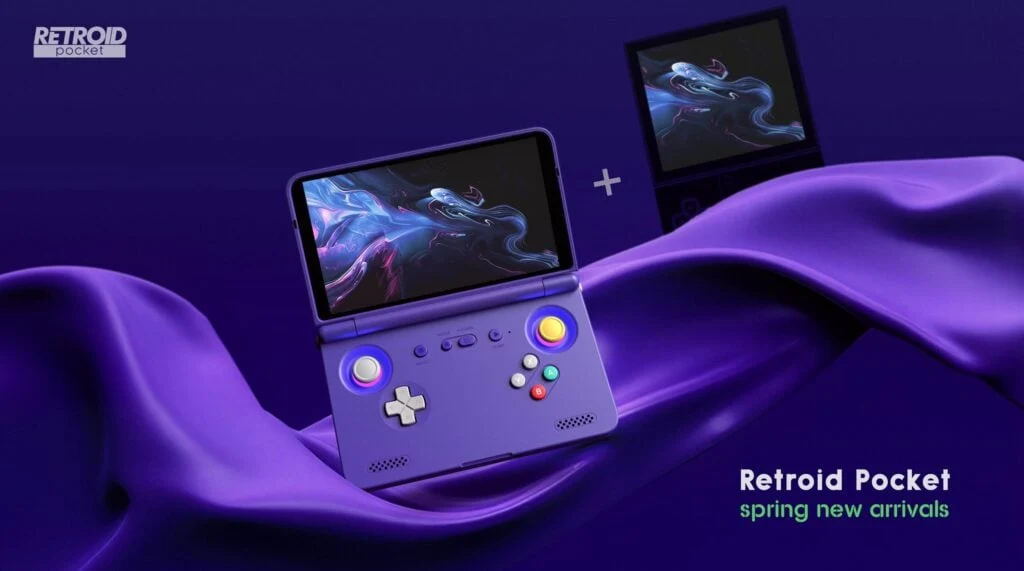
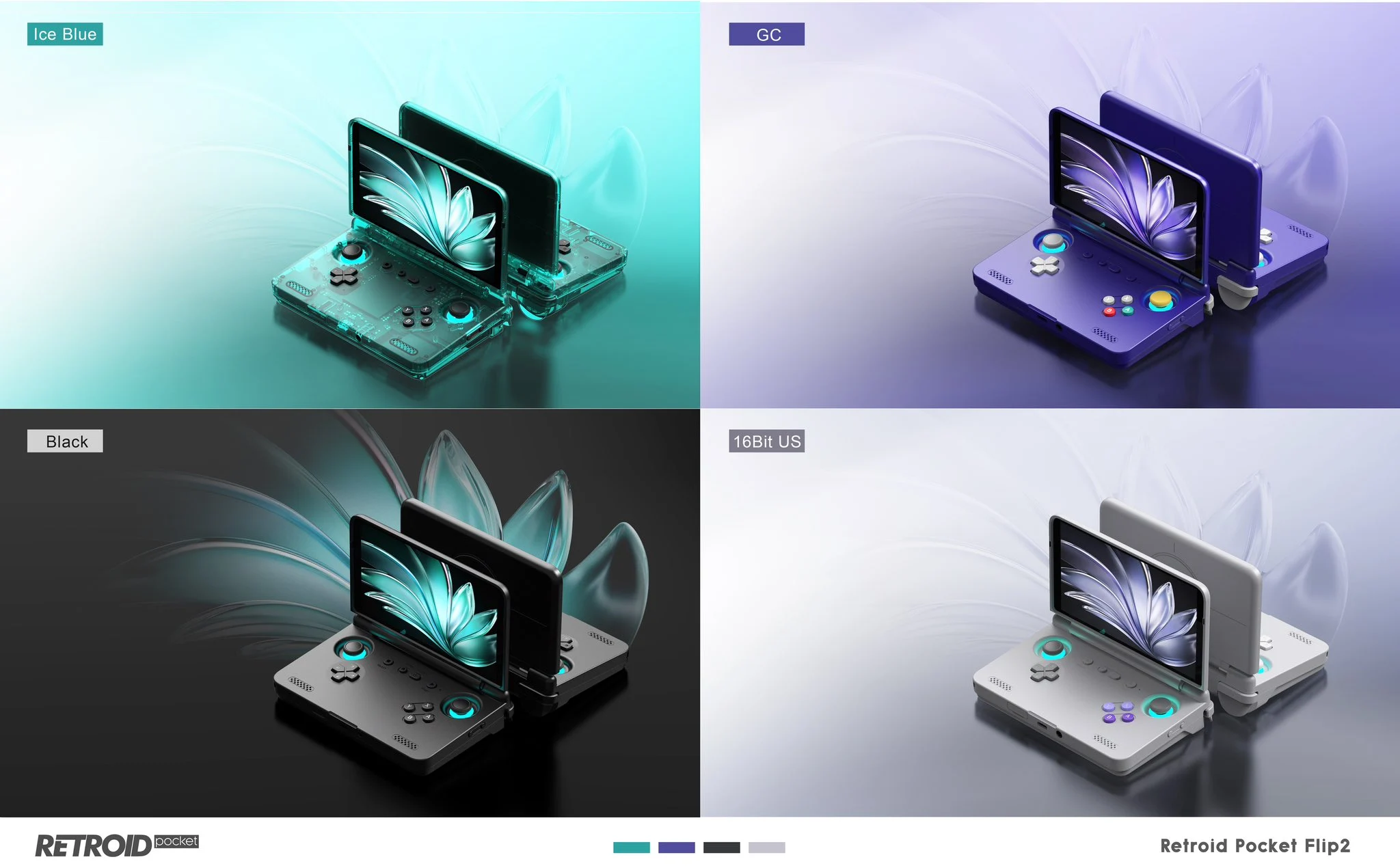
    Retroid has launched the Pocket Flip 2, their new clamshell gaming handheld, featuring various significant upgrades compared to its earlier version. This device keeps the recognizable foldable design while now offering a bigger 5.5-inch AMOLED screen that has a 1080p resolution and reaches a peak brightness of 500 nits, making it more colorful and suitable for gaming while on the move.

    Pocket Flip 2 Specs

    Inside, the Pocket Flip 2 comes with two strong processor options: either a Qualcomm Snapdragon 865 or a MediaTek Dimensity 1100, both of which greatly surpass the Unisoc T618 that was in the original model. This upgrade leads to smoother gameplay, better multitasking, and overall quicker performance. Also, Retroid has doubled the RAM, giving the Flip 2 8GB of LPDDR4x memory, and the storage has seen a big increase to 128GB of UFS 3.1, which allows for faster load times and enhanced efficiency.

    Operating System and Design Changes

    The operating system has also been improved—while the first Flip came with Android 11, the new Flip 2 uses Android 13, which provides better performance, security, and compatibility with the newest apps and emulators. In terms of appearance, the newer model is a bit larger and heavier, weighing about 300 grams. The updated design places the analog sticks above the D-Pad and action buttons, making the controls more comfortable. To manage temperatures, the Flip 2 keeps the active cooling system to avoid thermal throttling during long gaming periods.

    Connectivity and Ports

    There is a connectivity upgrade as well. The Snapdragon version features Bluetooth 5.1, while the Dimensity version includes Bluetooth 5.2, delivering enhanced range and stability. Additionally, both versions now support Wi-Fi 6 for quicker wireless performance. Retroid has also redesigned the port layout. The Flip 2 has removed the microHDMI port and replaced it with a USB-C DisplayPort output, allowing for 1080p 60Hz external display support. It still includes a microSD card slot for extra storage and a 3.5mm headphone jack for wired audio.

    Battery life stays the same, powered by a 5,000mAh cell. The Snapdragon version supports 27W fast charging, whereas the Dimensity model is restricted to 18W. Pricing information has not been revealed yet, but with the enhancements in hardware, it is anticipated to be pricier than the original, which debuted at around $160. More information regarding availability should be coming soon.

    Source:
    Link


  • AOC Launches Affordable 200Hz Fast IPS Monitor

    AOC Launches Affordable 200Hz Fast IPS Monitor

    Key Takeaways

    1. Affordable Pricing: The AOC 25G10HE monitor is priced at 649 yuan (approximately $90), targeting the Chinese market.

    2. High Performance: It features a 24.5-inch Fast IPS screen with a 1920×1080 resolution, a 200Hz refresh rate (overclocked), and a 1 ms GTG response time for smooth gameplay.

    3. Enhanced Color Accuracy: The monitor offers 99% sRGB and 90% DCI-P3 color coverage with a static contrast ratio of 1000:1, calibrated for precise color reproduction.

    4. Eye Comfort Features: It includes hardware-level low blue light technology with four preset modes to reduce eye strain while maintaining color accuracy.

    5. Versatile Connectivity: The monitor supports multiple connectivity options, including two HDMI 2.0 ports, a DisplayPort 1.4, and a 3.5mm audio output, along with an adjustable stand and VESA wall mounting compatibility.


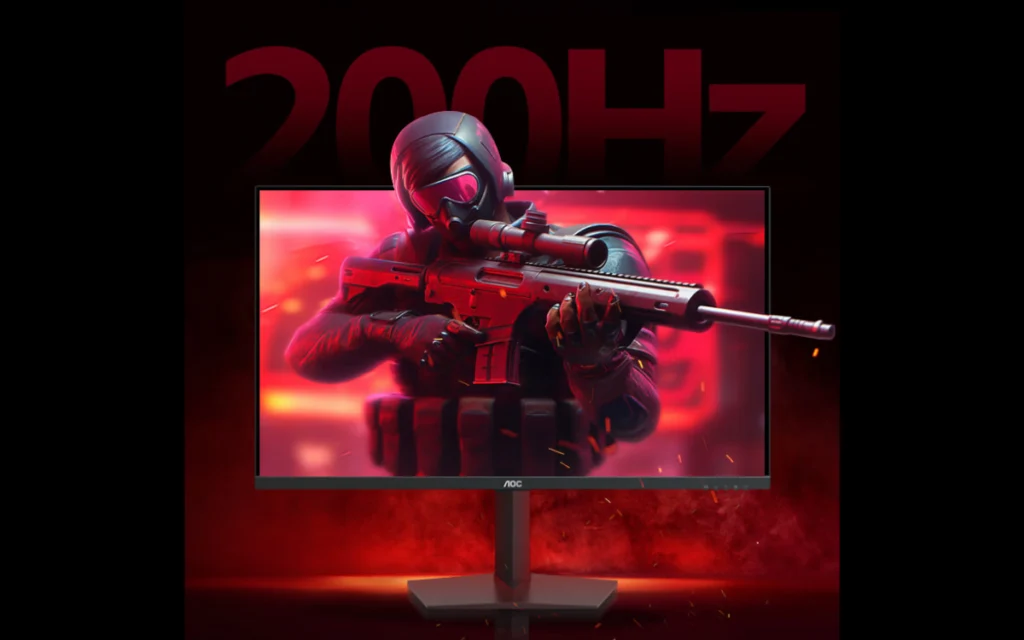
    AOC has unveiled a fresh gaming monitor, named the 25G10HE, aimed at the Chinese audience. The price tag is set at 649 yuan (around $90), and it’s currently up for grabs on JD.com. Let’s take a closer look at its main features.

    Specifications of AOC G10 Monitor

    The G10 comes with a 24.5-inch Fast IPS screen that boasts a resolution of 1920×1080 and an impressive refresh rate of 200Hz (when overclocked), making gameplay super smooth and responsive. It has Adaptive-Sync technology to get rid of screen tearing and stuttering, plus HDR10 for improved contrast and color precision. It also features a quick 1 ms GTG response time and a brightness level of 300 nits, providing a sharp and immersive gaming experience.

    Color Performance and Calibration

    Regarding color performance, the monitor has a static contrast ratio of 1000:1 and supports 8-bit color, ensuring lively and well-balanced images. It provides 99% sRGB and 90% DCI-P3 coverage, calibrated to a DeltaE of less than 2 for precise color reproduction. Plus, it includes G-Menu software that allows users to adjust color settings, brightness, and gaming profiles according to their needs.

    Eye Comfort and Connectivity Options

    To enhance eye comfort, the monitor features hardware-level low blue light tech, which significantly reduces harmful short-wave blue light while keeping color accuracy intact. It offers four preset low blue light modes for various scenarios, including multimedia, office tasks, reading, and browsing.

    The G10HE model comes packed with various connectivity options, featuring two HDMI 2.0 ports, a DisplayPort 1.4, and a 3.5mm audio output. It supports VESA 100mm x 100mm wall mounting and has an adjustable stand with tilt angles ranging from -5° to 23°. Additionally, it is designed to be lightweight yet sturdy, weighing 3.5kg with the stand and 3.1kg without.

    Industry Updates

    In other news, Dell has launched a new 27-inch UltraSharp monitor with 4K resolution, a 120Hz refresh rate, and low blue light technology, while Lenovo has revealed its first 240Hz OLED gaming monitor, promising high-performance visuals.


  • RTX 5080 Lacks ROPs, Causes Gaming Performance Loss in Tests

    RTX 5080 Lacks ROPs, Causes Gaming Performance Loss in Tests

    Key Takeaways

    1. The RTX 5070 Ti shows a performance drop of over 10% due to having eight fewer Render Output Units (ROPs), suggesting similar issues for RTX 5090 and RTX 5080 GPUs.

    2. Gamers Nexus tested an RTX 5080 with 104 ROPs against one with 112 ROPs, revealing performance differences of up to 11% in various games at 4K resolution.

    3. In games like Baldur’s Gate 3 and Black Myth: Wukong, there was no performance difference between the two RTX 5080 models, while Dying Light 2 showed an 8.7% advantage for the model with full ROPs.

    4. At 1440p resolution, the performance gap is generally slight, but specific titles like Dying Light 2 still show notable differences, emphasizing game-dependent performance.

    5. The performance drop in ROPs affects the RTX 5080’s competitiveness against other GPUs, prompting users to ensure their cards have all ROPs intact or consider refunds/replacements.


    We previously mentioned that the RTX 5070 Ti appears to experience a performance drop of over 10% due to having eight fewer Render Output Units (ROPs). From this, it was clear that the RTX 5090 and RTX 5080 GPUs would likely face similar performance issues.

    Latest Gaming Tests

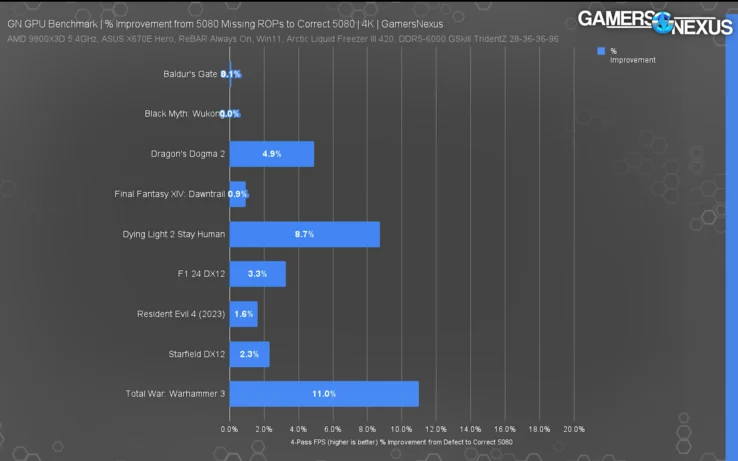
    However, we lacked solid gaming tests to support this. That changed when Gamers Nexus tested a defective RTX 5080 that had only 104 ROPs against a normal one with all 112 ROPs across various games. The results could be concerning for certain gamers out there.

    Testing conducted by Gamers Nexus at 4K resolution shows that the RTX 5080 with full ROPs can have anywhere from no performance difference to an 11% gain. The smallest difference is found in games like Baldur’s Gate 3 and Black Myth: Wukong, where both cards perform the same. Nevertheless, the RTX 5080 with 112 ROPs has a 4.9% edge over the one with missing ROPs in Dragon’s Dogma 2. The gap widens to 8.7% in Dying Light 2 and reaches a notable 11% in Total War: Warhammer 3.

    Performance at Different Resolutions

    When looking at 1440p, the gap between a fully operational RTX 5080 and one that’s lacking 8 ROPs is slight in most games tested. Yet, in Dying Light 2, the RTX 5080 with 112 ROPs shows an improvement of 8.8%. In short, the decline in gaming performance varies by title. While some games perform the same on both cards, others reportedly lag on the RTX 5080 with fewer ROPs.

    Conclusion

    Not surprisingly, this drop in performance impacts the RTX 5080’s comparison with other GPUs in the titles where the most performance loss occurs. Gamers Nexus goes deeper into specific games and compares the performance results with the 5070 Ti and the RX 7900 XTX. Be sure to check out the full video, which is linked below.

    In summary, make sure your RTX 5090/5080/5070 Ti has all ROPs intact, and if not, consider asking for a refund or a replacement.

    Source:
    Link

  • Steam Deck 2 Rumors: AMD ‘Aerith Plus’ APU Leaks Speculation

    Steam Deck 2 Rumors: AMD ‘Aerith Plus’ APU Leaks Speculation

    Key Takeaways

    1. Rumors about a Steam Deck 2 are circulating, but there’s no solid proof yet.
    2. AMD is working on a new APU called ‘Aerith Plus,’ featuring enhanced specifications.
    3. Valve’s Pierre-Loup Griffais dismissed the idea of a Ryzen Z2-powered Steam Deck, suggesting a new APU is more likely.
    4. The ‘Aerith Plus’ APU may be intended for the upcoming Deckard VR headset, expected to be expensive.
    5. Ongoing speculation about the Steam Deck 2 continues, with no major announcements yet.


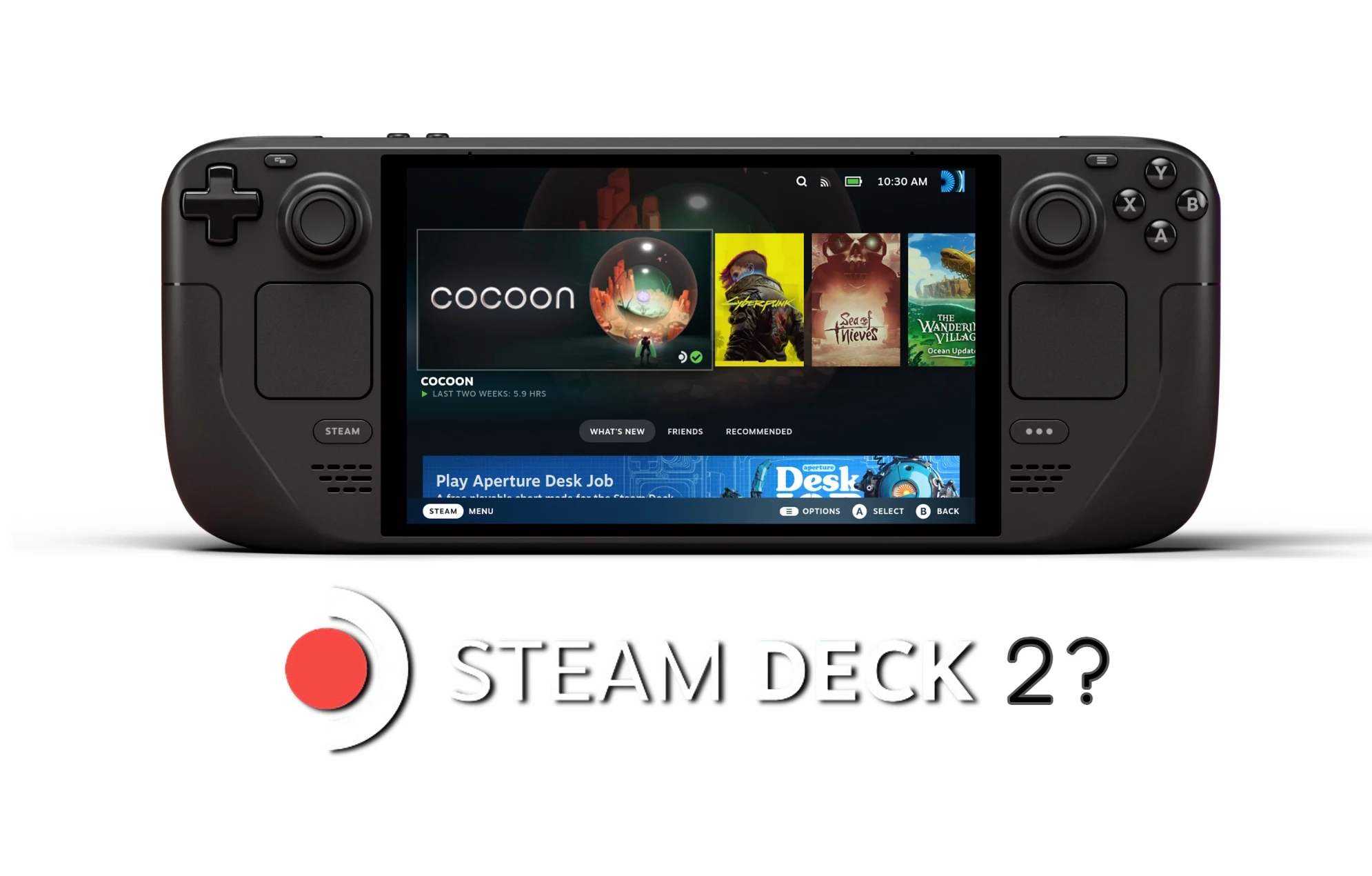
    Rumors about a possible successor to the Steam Deck have circulated online several times over the past year, even if there’s no solid proof to support those claims. Nevertheless, it’s clear that a Steam Deck 2—or whatever Valve decides to call it—is being worked on, and the company has mentioned that it will offer a ‘generational leap’ in performance while maintaining efficiency.

    New APU Leak

    A recently uncovered shipping document, highlighted through tweets by @Olrak29_, shows that AMD is working on a new APU known as ‘Aerith Plus’ with some intriguing specifications. The details reveal that the Aerith Plus APU will feature a boost clock reaching 3.8 GHz, a 1.8 GHz integrated GPU, and a thermal design power (TDP) of 20 watts. For those who might not know, ‘Aerith’ is the code used for the APU in the current Steam Deck, and the ‘Plus’ variant seems to suggest that enhancements are on the horizon—or maybe not?

    Speculation and Doubts

    Pierre-Loup Griffais, who previously dismissed the rumors about a Ryzen Z2-powered Steam Deck, has once again squashed the speculation regarding this leak. His comment on BlueSky simply says “Not happening,” offering no additional context. Given that Valve has made it clear that the next Steam Deck will feature significant performance upgrades, it seems likely that AMD will create a completely new APU rather than just updating the existing ‘Plus’ version.

    The VR Connection

    It’s also plausible that the ‘Aerith Plus’ APU is meant for the rumored Deckard VR headset, anticipated to launch later this year at a staggering price that could exceed $1000. As with all rumors and leaks, it’s wise to approach this information cautiously. We have yet to see any major disclosures regarding the Steam Deck 2, and it’s safe to say that speculations will keep flowing for the time being.

    Source:
    Link


  • Fortnite Cloud Gaming Might Face Time Limits on xCloud

    Fortnite Cloud Gaming Might Face Time Limits on xCloud

    Key Takeaways

    1. xCloud may introduce gameplay time limits for Fortnite to reduce server overload and wait times for users.
    2. Data miners at Better xCloud have discovered files suggesting potential restrictions on session durations for free users.
    3. The timing and implementation of Fortnite limits on xCloud remain uncertain, with other free-to-play games possibly affected as well.
    4. Fortnite’s popularity persists, aided by its availability on various platforms and services like xCloud, which enhances accessibility.
    5. Cloud gaming platforms, including GeForce Now, face bandwidth challenges that can lead to wait times, prompting mixed reactions from players.


    Many cloud gaming platforms typically do not impose limits on gameplay time, even for popular games. This can sometimes overload servers and result in longer wait times for users. To combat these issues, xCloud might soon introduce restrictions on Fortnite cloud gaming. Resourceful data miners at Better xCloud have uncovered files suggesting that free users could face limited session durations.

    Uncertain Future for Fortnite Limits

    It remains unclear when or if these Fortnite restrictions will come into play for xCloud users. Nevertheless, Better xCloud, which enhances streaming quality, has been the source of various leaks in the past. Recently, they revealed files that refer to an Xbox Sebile controller currently under development. This time, the code mentions aspects like priority queue access, session duration, and session minutes. Other free-to-play games could also be impacted by these upcoming rules.

    Fortnite’s Ongoing Popularity

    Since its launch in 2017, Fortnite has continued to capture the attention of both professional and casual gamers. Part of what keeps the game thriving is its broad availability across different platforms. Cloud gaming services like xCloud further enhance Fortnite’s accessibility. Nonetheless, some players quickly point fingers at the game when wait times in other titles increase.

    A subscription to Xbox Game Pass Ultimate is required to stream many games on xCloud. However, there are exceptions for some free-to-play games like Fortnite, allowing gamers to experience the battle royale sensation on devices with compatible browsers.

    Bandwidth Challenges

    Even the best cloud gaming options face challenges with limited bandwidth and server capabilities. Despite having expensive subscription plans, GeForce Now users might still run into wait times. Nvidia faced criticism when it announced a monthly cap of 100 hours of gameplay. Existing subscribers received a temporary relief when these restrictions were postponed until 2026. Fortnite can also be played on smartphones and Smart TVs with GeForce Now.

    Players who are streaming Fortnite across several devices are not happy about this news. On the flip side, some Reddit users view the playtime limitations as a beneficial change for xCloud.

    Source:
    Link


  • 1 Million Steam Reviews: Co-Op Shooter Now Just $4 with Discount

    1 Million Steam Reviews: Co-Op Shooter Now Just $4 with Discount

    Key Takeaways

    1. Gameplay Dynamics: Tom Clancy’s Rainbow Six Siege features 5v5 combat with players choosing between attackers and defenders, utilizing unique operators with specialized abilities.

    2. Tactical Objectives: Attackers aim to complete objectives like rescuing hostages, while defenders fortify positions using barricades and gadgets, emphasizing strategic gameplay.

    3. Community and Popularity: The game has a strong player base, ranking 23rd on Steam and regularly hosting over 80,000 players, thanks to its depth and evolving meta despite some challenges for beginners.

    4. Reviews and Ratings: Rainbow Six Siege has received over 1.15 million reviews on Steam with 84% positive feedback, a Metascore of 79, and a User Score of 7.0 on Metacritic.

    5. Promotional Offers: Ubisoft is offering significant discounts on Rainbow Six Siege and related editions until March 13, with prices reduced by up to 80%.


    Released on December 1, 2015, by Ubisoft, Tom Clancy’s Rainbow Six Siege managed to turn around its initial struggles and has become a leading tactical multiplayer shooter. According to SteamDB, it is now ranked 23rd among the most-played games, regularly hosting over 80,000 players online at the same time.

    Gameplay Mechanics

    In Siege, players engage in 5v5 combat, choosing to play as either attackers or defenders. This is different from Counter-Strike, which features a “terrorists vs. special forces” dynamic. Rather, the game showcases elite units battling against each other. Teams are made up of diverse counterterrorism and military special forces known as operators. Each operator comes equipped with distinct abilities and specialized equipment that influence both strategy and the overall gameplay experience.

    Objectives and Strategies

    Attackers in Siege have specific goals, often focused on rescuing a hostage or defusing explosives, while defenders work to secure their territory and thwart the attackers. They can use wooden panels to barricade entrances and reinforce walls with metal sheets. A variety of gadgets like barbed wire, traps, and surveillance cameras enhance their defensive options. The game is particularly notable for its destructible environment, where walls, floors, and ceilings can be breached, making it impossible to find a completely safe spot. With just one life available each round, every choice is crucial; one misstep can result in an early exit, forcing players to watch the remainder of the match as observers.

    Community and Challenges

    Rainbow Six Siege has gained popularity due to its strategic, team-oriented gameplay and remarkable depth. The diverse selection of operators and intricate, destructible maps create endless tactical opportunities, alongside a constantly changing meta that challenges players continuously. However, the complexity of the game’s mechanics can be daunting for beginners trying to learn the ropes.

    Matchmaking can occasionally lead to frustration, and Ubisoft’s focus on aggressive monetization, through microtransactions and battle passes, has received some backlash. Nevertheless, the game continues to enjoy strong ratings. On Steam, Rainbow Six Siege has earned over 1.15 million reviews, with 84% positive feedback. It also boasts a Metascore of 79 and a User Score of 7.0 on Metacritic.

    Special Offers

    Until March 13, players can find Rainbow Six Siege on Steam at a significant 80% discount, dropping the price from $20 to only $4. The Deluxe Edition costs $6 instead of $30, while the Operator Edition is reduced to $28 from $70. The Ultimate Edition now sells for $40, down from $90. The Deluxe Edition includes the main game along with 16 Operators from the first two years. For those seeking a wider array of options, the Operator Edition unlocks all 50 Operators from Years 1 through 8. The Ultimate Edition includes the same content but also comes with the Disruptor Cosmetic Pack, featuring exclusive skins.

    Ubisoft is currently running a promotional sale, offering discounts of up to 85% on a variety of AAA titles, including Far Cry 3 and Anno 1800.

    Source:
    Link

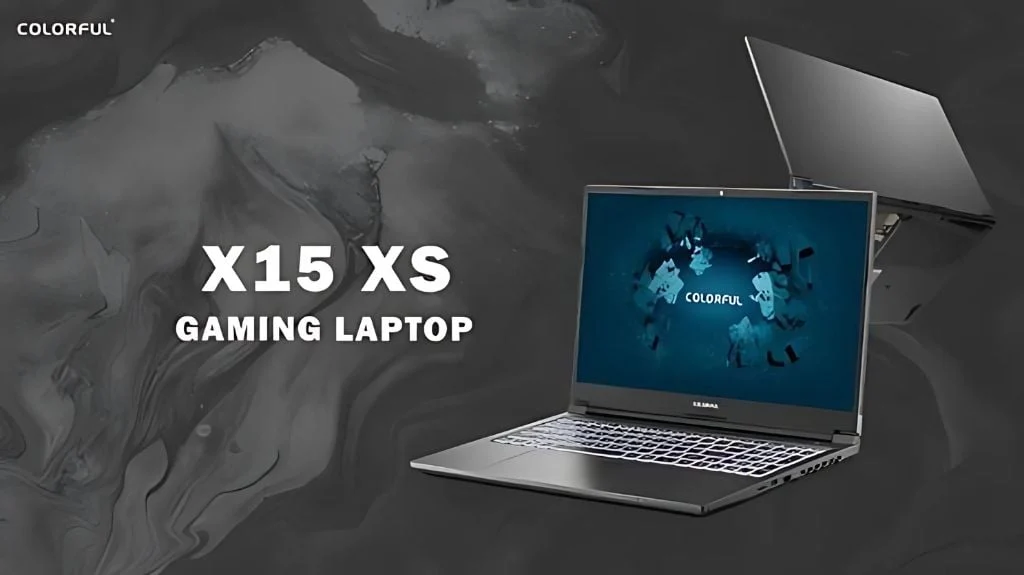
  • COLORFUL X15 XS 2025 Gaming Laptop: RTX 3050, 144Hz, $699

    COLORFUL X15 XS 2025 Gaming Laptop: RTX 3050, 144Hz, $699

    Key Takeaways

    1. Affordable Pricing: The X15 XS 2025 gaming laptop is priced at $699, targeting budget-conscious gamers and creators.

    2. Solid Performance: It features a 12th Gen Intel Core i5-12500H processor and NVIDIA RTX 3050 GPU, suitable for 1080p gaming and creative tasks.

    3. Display Limitations: The 15.6-inch FHD screen has a 144Hz refresh rate, but its 250 nits brightness and 45% NTSC color gamut may not meet the needs of color-critical users.

    4. Upgrade Options: The laptop comes with 16GB of DDR4 RAM (expandable to 64GB) and 512GB NVMe SSD, plus an additional M.2 slot for extra storage.

    5. Enhanced Cooling and Modes: It uses Storm Blade 2.0 cooling technology and offers four operational modes for performance, entertainment, quiet use, and battery saving.


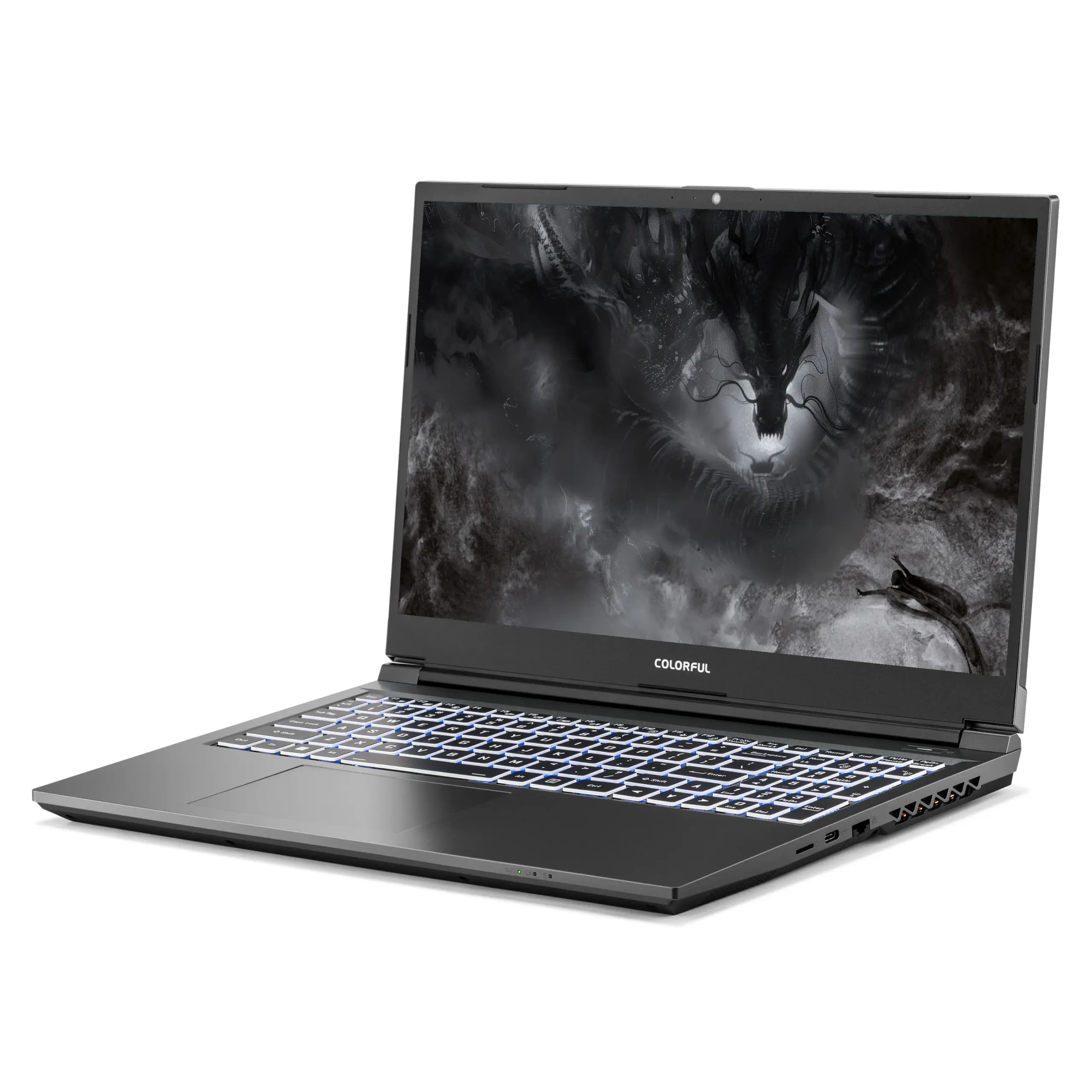
    COLORFUL has introduced the X15 XS 2025 gaming laptop, aimed at gamers and creators who are watching their budget. With a price tag of $699, this laptop comes in a sleek grey color and promises great mid-tier performance for its cost.

    Specifications and Performance

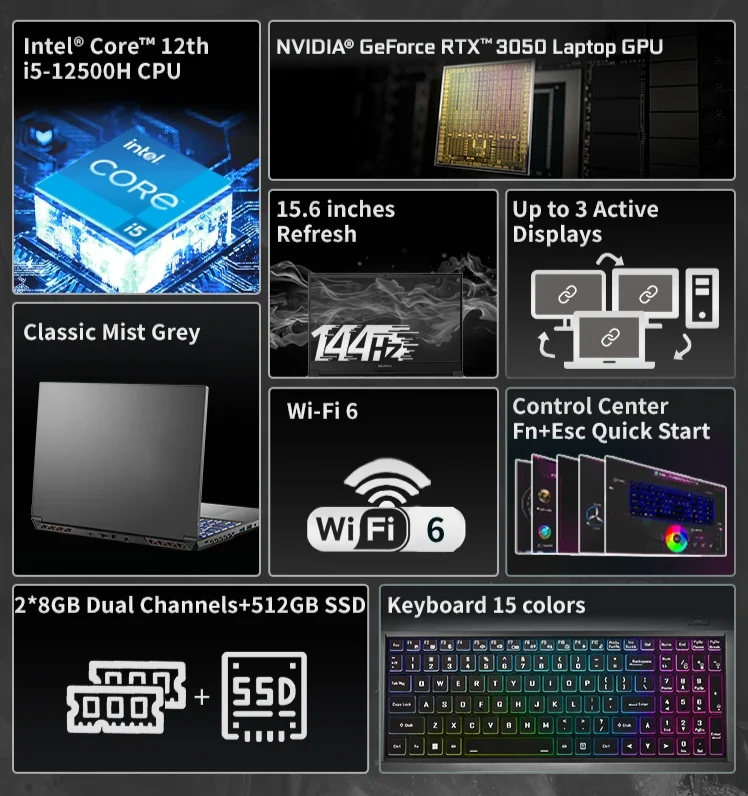
    The X15 XS 2025 is powered by a 12th Gen Intel Core i5-12500H processor and features an NVIDIA RTX 3050 GPU, making it suitable for 1080p gaming and creative projects. Weighing in at 2.1kg, it offers good portability for a gaming machine.

    Display and Usability

    The device has a 15.6-inch FHD screen with a refresh rate of 144Hz and an impressive 86% screen-to-body ratio. However, its brightness at 250 nits might not be ideal for outdoor use, and the 45% NTSC color gamut could fall short for those who need precise color reproduction.

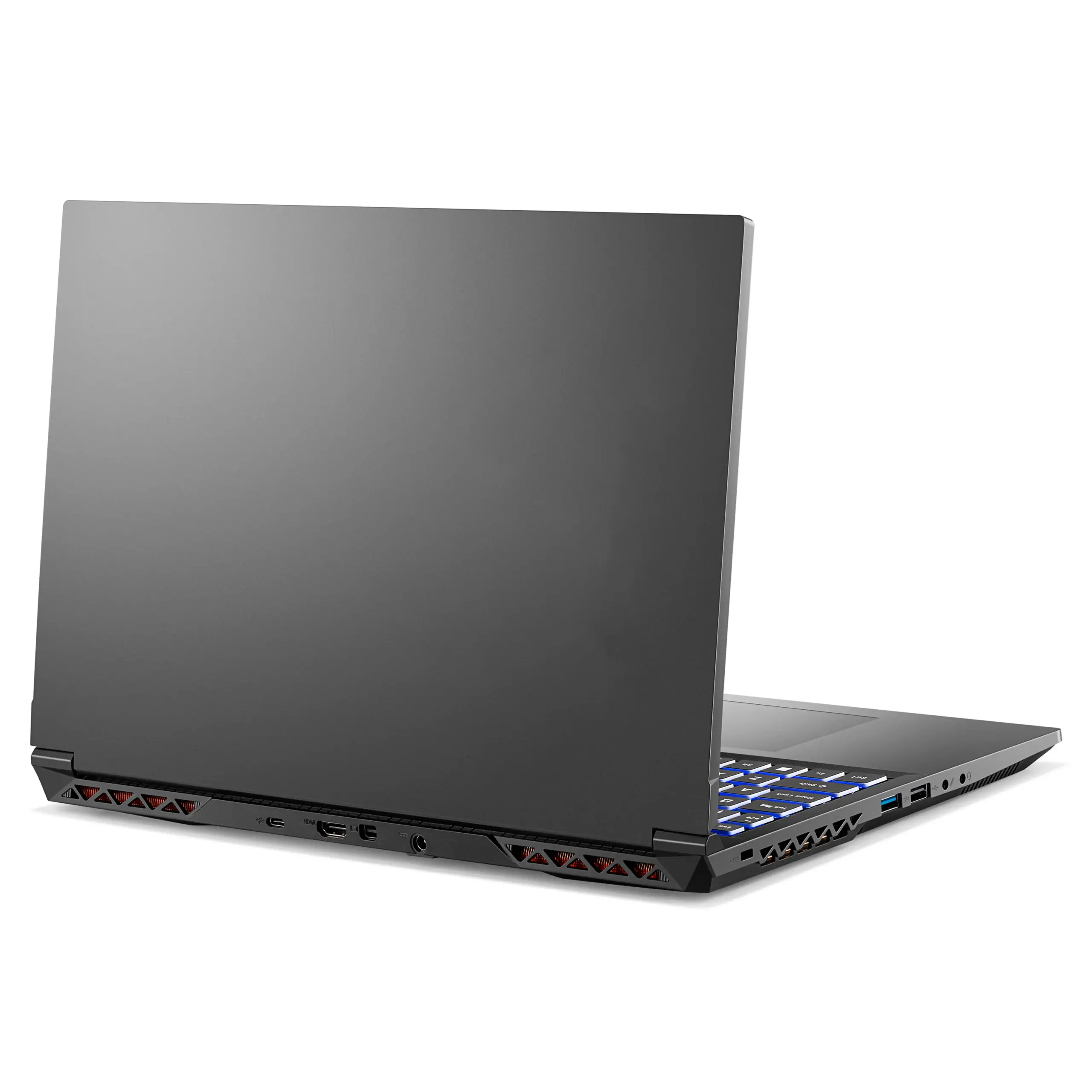
    It packs 16GB of DDR4 RAM, which can be expanded up to 64GB, along with a 512GB NVMe SSD and an additional M.2 slot for more storage. Connectivity includes Wi-Fi 6E, Bluetooth 5.2, HDMI 2.0, Mini DisplayPort 1.4, and several USB ports, featuring USB 3.2 Gen 2 for quicker data transfer.

    Cooling and Battery Life

    The laptop utilizes Storm Blade 2.0 cooling technology, which consists of four heat pipes and copper parts. Users can toggle between four different modes via the Control Center using Fn + Esc: Performance for gaming, Entertainment for videos, Quiet mode to lower noise, and Power-saving mode to enhance battery longevity. It’s equipped with a 54Wh battery and comes with a 150W adapter for speedy charging.

    Additional features include a 1MP HD webcam, Sound Blaster Cinema 6+ audio, and an anti-skid RGB keyboard. It runs on Windows 11 Home.

    Although the X15 XS 2025’s hardware is capable of handling 1080p gaming and creative tasks, the display’s limitations might not be suitable for color-critical work. Nevertheless, its core hardware and upgrade options make it an appealing choice within the sub-$700 price range. COLORFUL has announced that it will be available through global retail partners shortly.


  • Razer Blade 16 Pre-Orders: 16″ OLED 240Hz, Ryzen AI 9 & RTX 5090

    Razer Blade 16 Pre-Orders: 16″ OLED 240Hz, Ryzen AI 9 & RTX 5090

    Key Takeaways

    1. Razer’s new Blade 16 gaming laptop is available for pre-order, starting at $2,800, and features a slim design between 0.59 and 0.69 inches thick.

    2. The laptop combines AMD Ryzen AI 9 processors with NVIDIA RTX 50 Series GPUs, allowing users to switch between efficiency and power modes.

    3. The entry-level model includes a Ryzen AI 9 365 CPU, RTX 5070 Ti GPU, 32GB RAM, and 1TB SSD, while premium configurations can go up to $4,600 with upgraded specs.

    4. All models feature a 16-inch OLED display with a resolution of 2560×1600 and a 240Hz refresh rate, along with multiple connectivity options including Wi-Fi 7 and USB4 ports.

    5. Razer also announced the Blade 18 (2025), featuring an 18-inch display and starting at $4,499, highlighting its position in the high-performance gaming laptop market.


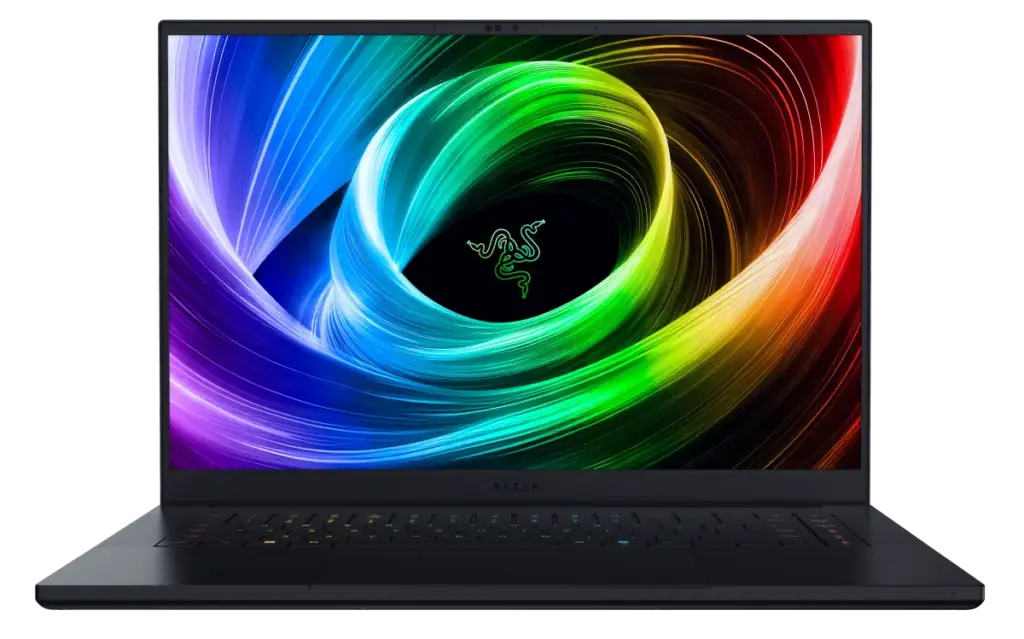
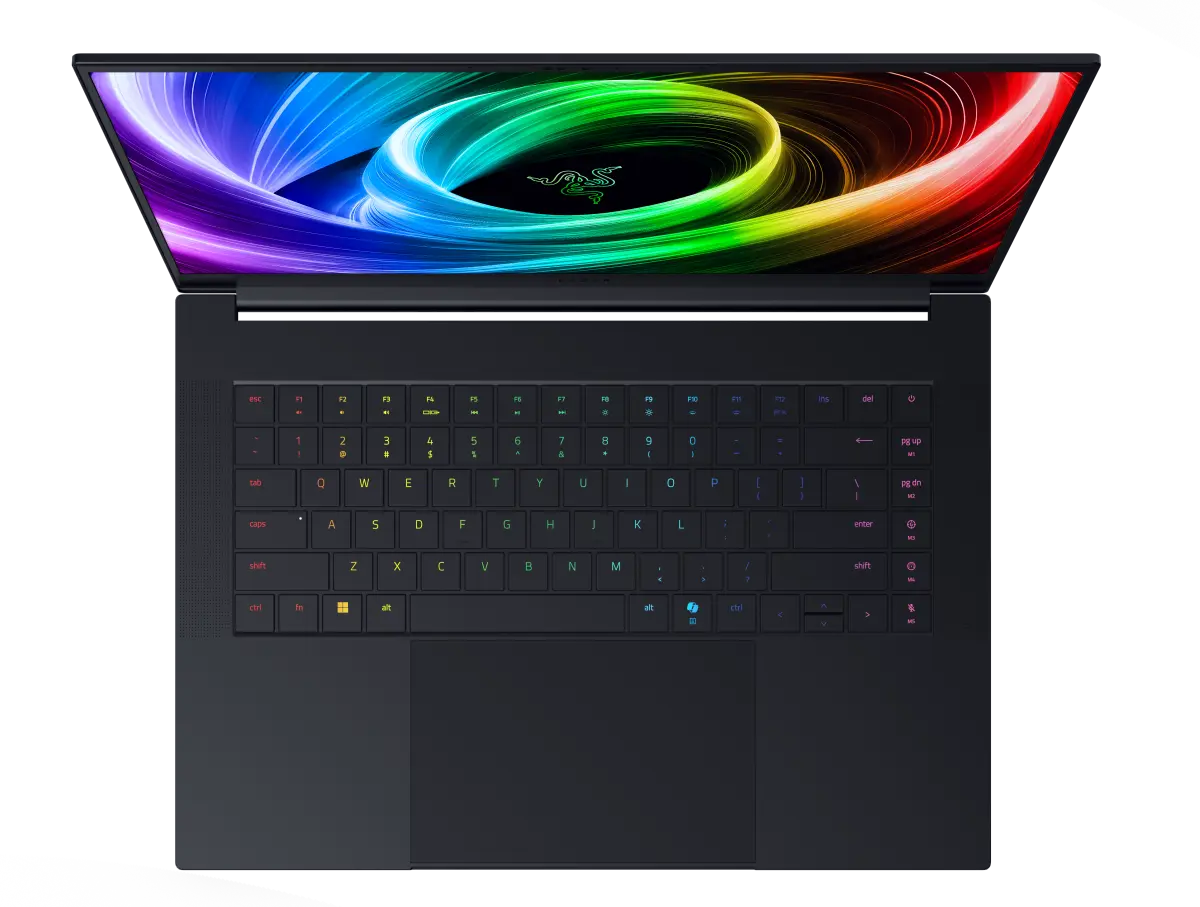
    Razer has begun accepting pre-orders for its new Blade 16 gaming laptop, which was introduced at CES in January. This laptop is designed to deliver high-performance capabilities in a portable format, boasting top-notch specifications. The starting price is $2,800, and the sleek design measures between 0.59 and 0.69 inches thick. It combines AMD’s Ryzen AI 9 Strix Point processors with NVIDIA’s RTX 50 Series GPUs, utilizing a hybrid GPU setup that allows users to switch between efficiency and power.

    Specifications and Features

    The entry-level model is equipped with a Ryzen AI 9 365 CPU, an RTX 5070 Ti GPU, 32GB of LPDDR5x-8000 RAM, and a 1TB SSD. For those looking for more power, premium configurations can reach up to $4,600, featuring a Ryzen AI 9 HX 370, RTX 5090, 64GB of RAM, and 4TB of storage. It’s important to note that the RAM is soldered in place, which restricts upgrades after purchase. However, the laptop offers dual PCIe 4.0 M.2 slots for additional SSD expansion.

    Display and Connectivity

    Every model showcases a 16-inch OLED display with a resolution of 2560×1600 and a refresh rate of 240Hz. It also includes six speakers, a 1080p IR webcam, and a customizable RGB keyboard for a more personalized experience. Connectivity options are impressive, featuring Wi-Fi 7, Bluetooth 5.4, two USB4 Type-C ports, three USB 3.2 Gen 2 Type-A ports, HDMI 2.1, a microSD card reader, and a 3.5mm audio jack. The laptop’s weight is 4.71 pounds and is supported by a 90Wh battery and a 200W adapter.

    Source:
    Link


  • CyberPowerPC Safeguards Gamers with Full ROPs in RTX 50 GPUs

    CyberPowerPC Safeguards Gamers with Full ROPs in RTX 50 GPUs

    Key Takeaways

    1. Performance Issues: About 0.5% of RTX 5090, RTX 5080, and RTX 5070 Ti cards have 8 fewer Render Output Units (ROPs), causing a performance drop of around 4% on average in games, with some benchmarks showing greater drops.

    2. Customer Support Concerns: Nvidia is directing affected customers to seek replacements from board partners, leaving many unsure of how to identify the problem.

    3. CyberPowerPC’s Commitment: CyberPowerPC is ensuring that customers receive fully operational RTX 50 cards with their pre-built gaming PCs, standing out as the only system integrator making this promise.

    4. Market Availability: Due to stock shortages, buying a pre-built PC remains a viable option to secure an RTX 5090/5080/5070 Ti at a fair price.

    5. Industry Best Practice: CyberPowerPC’s proactive approach to customer satisfaction highlights a valuable practice that other businesses in the industry should consider adopting.


    After dealing with a terrible launch stock that caused the prices of the RTX 50 GPUs to soar and power connectors to melt, the RTX 50 series is now caught in another problem regarding missing ROPs. According to Nvidia, about 0.5% of RTX 5090, RTX 5080, and RTX 5070 Ti cards have 8 fewer Render Output Units (ROPs) than what was promised. This leads to a drop in performance, which Nvidia claims is only about 4% on average in games. However, independent tests indicate that the performance drop can be greater in benchmarks like 3DMark Time Spy.

    Customer Frustration

    Sadly, Nvidia is telling affected customers to look into the issue themselves and reach out to their board partners for a replacement GPU. This situation leaves gamers who aren’t sure how to spot the problem stuck with a less capable RTX 50 GPU, which they likely purchased for much more than the suggested retail price. This is especially true for those who lack the skills to build their own rigs and tend to buy pre-built gaming PCs from companies like CyberPowerPC.

    A Positive Step

    On a brighter note, CyberPowerPC has stepped up to make sure that customers who choose an RTX 50 gaming PC receive one with a fully operational card. As of now, it appears that CyberPowerPC is the only system integrator providing such a promise.

    A Good Move for Gamers

    Putting aside the oddity that a system integrator has to safeguard its customers against Nvidia’s mistake, this is definitely a smart move by CyberPowerPC. With significant stock shortages in the market, purchasing a pre-built PC remains one of the few options to secure an RTX 5090/5080/5070 Ti at a fair price. Therefore, CyberPowerPC’s commitment to giving its customers peace of mind is a commendable practice that other businesses should consider following.

    Source:
    Link