1. A homebrew developer is creating an unofficial Nintendo 64 port of the original 1996 Tomb Raider, showcasing progress in a demo.
2. The port is built from scratch using open-source tools, including the Lost Artefact decompilation method and Tiny3D graphics library.
3. Despite technical challenges such as bugs and performance issues, almost the entire game fits on a 64 MB cartridge, including music and FMVs.
4. The project is still in progress, with polishing work remaining, and no official release date or ROM sharing plans have been announced.
Retro Gaming Revival on the N64
Nearly thirty years after the plans to launch a official Nintendo 64 version of Tomb Raider was dropped, some passionate homebrew developer took matters into their own hands. They decided to bring the classic 1996 Tomb Raider game, which originally appeared on PC and PlayStation, to Nintendo’s beloved 64-bit console. The project has generated excitement amongst gamers and fans of the original series, as this felt like an unrealized nostalgia that now may soon come true, despite being unofficial.
Exciting Demonstration and Progress
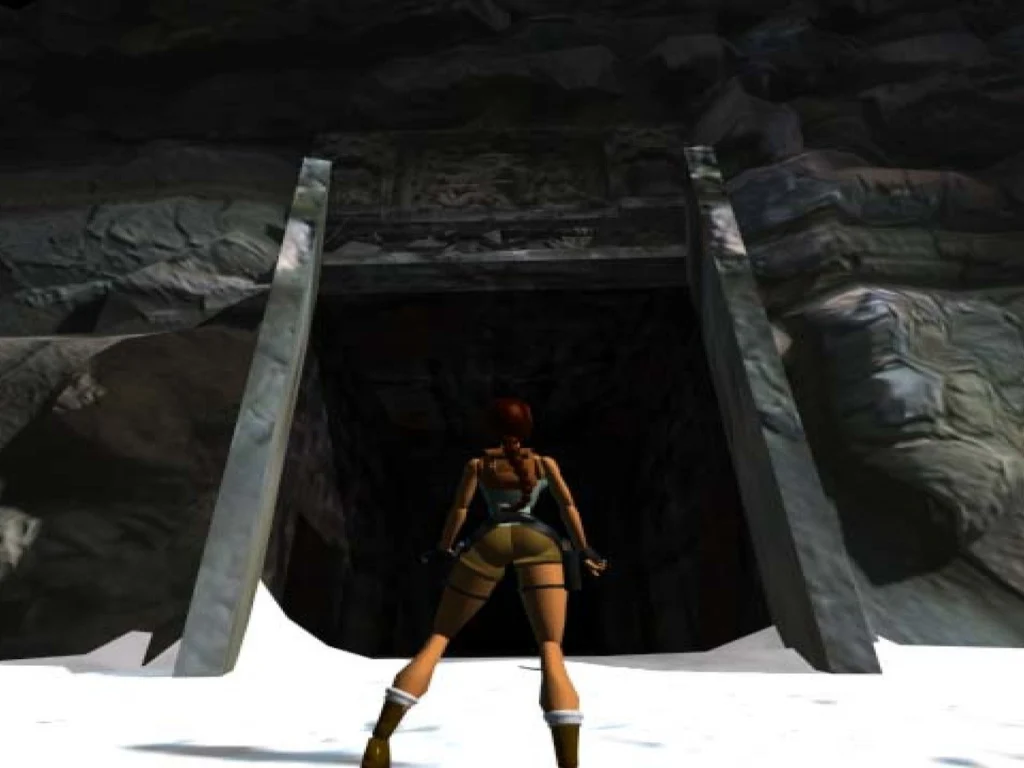
On April 13th, a YouTube content creator known as Snake posted a brief five-minute clip showcasing a prototype of the Tomb Raider game running on an Analogue 3D device with “Unleashed” overclock enabled. The video displayed Lara Croft exploring familiar environments like Croft Manor, navigating initial levels and the Palace Midas. Despite it still being a work in progress, the footage, showing the game’s core mechanics, gave fans a glimpse of what could potentially be an impressive fan-made tribute to the classic.
Technical Foundations and Open-Source Tools
This homebrew effort is built from the ground up by Snake, who uses open-source tools and community-developed resources. The developer employs Lost Artefact’s TRX decompilation method, a widely used open-source project that reimplements Tomb Raider 1 and 2, including upgrades like bug fixes and smoother gameplay. By leveraging these resources, Snake is working towards creating a version that closely resembles the original game with improved stability on hardware.
Graphics, Performance, and Limitations
Regarding the technical side, Snake utilizes the Tiny3D graphics library tailored for the N64, running on top of the libdragon platform. As explained in the video, the current progress shows that most of the game is implemented, but some bugs, rendering glitches, and performance issues remain, especially on large levels. It’s worth noting that nearly all parts of the game, including music, fit on the small 64 MB cartridge, which is a feat considering the original game was much larger, often over 600 MB on other platforms.
Future Prospects and Remaining Challenges
Although this project signifies an important milestone in homebrew development, there is still plenty of work left before a full release. Snake admits that polishing is needed, especially to improve stability and performance, which at the moment only runs well when overclocked using the Analogue 3D. The developer has not announced an official release date or if the ROM will be publicly distributed anytime soon. Still, this effort stands as a remarkable achievement in the retro gaming community, opening new doors for fans who want to relive the classic adventure in a new way.
Historical Context and Lost Opportunities
Looking back, in the 1990s, an official Nintendo 64 port of Tomb Raider was under development at Core Design, but it never saw the light of day. Industry reports reveal that while the team was ready to adapt Lara Croft for the N64, they never obtained the necessary development kits in time. Later on, the franchise’s exclusivity deal with Sony meant that the sequel would not appear on Nintendo’s console, leading to the port being abandoned altogether. This project, though unofficial, fills an important gap in gaming history, satisfying the long-held desire for such a port among enthusiasts.