Key Takeaways
1. Ross Scott’s Stop Killing Games project began as a protest against the removal of digital games and has grown into a significant international movement for digital game preservation.
2. The campaign has led to legal inquiries and political initiatives in several countries, including a successful European Citizens’ Initiative, but faces ongoing uncertainties regarding petition legitimacy and legislative progress.
3. Scott reflects on his personal journey of exhaustion and frustration, acknowledging the need for action against the erasure of purchased digital content, despite wishing to return to his previous projects.
4. Future efforts should focus on community-driven oversight and preserving game environments, while the campaign’s legal changes aim to ensure users can back up and access their purchased games even if support is withdrawn.
5. Legislation is essential to prevent game delistings, emphasizing the need for publishers to provide notice and offline access before games go offline, highlighting the ethical concerns of digital ownership.
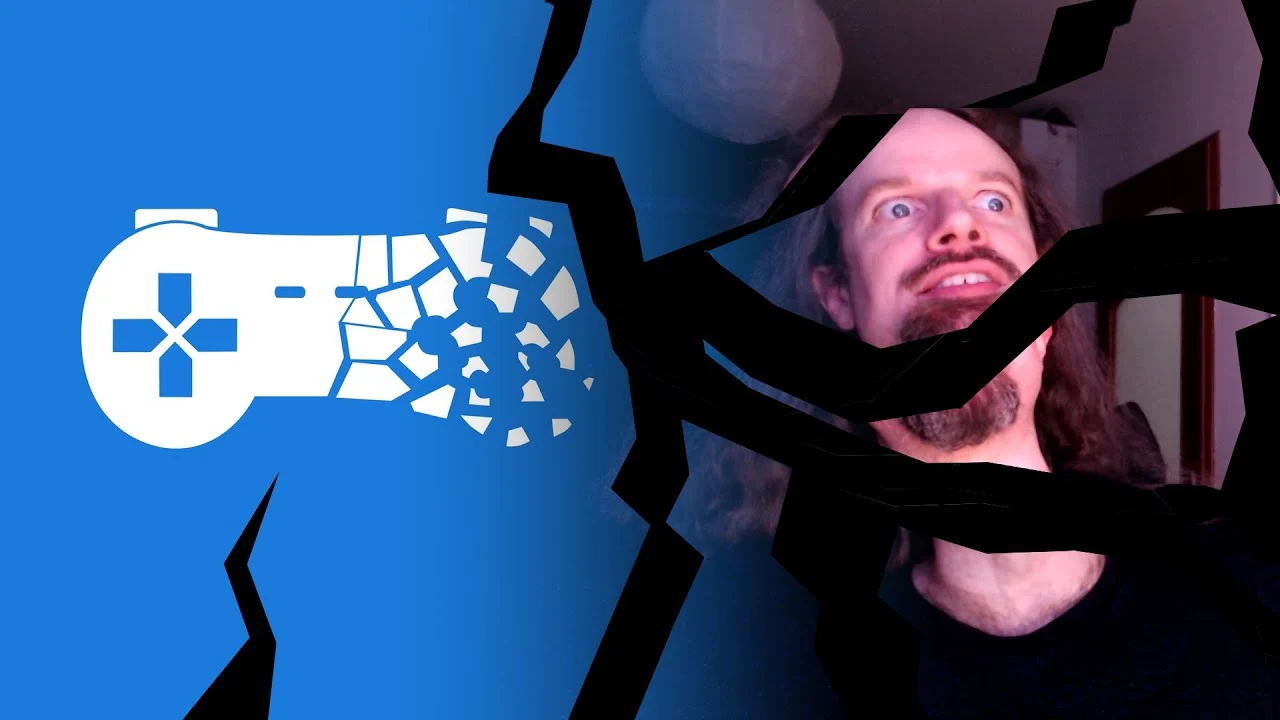
What started as one person’s angry reaction to Ubisoft’s removal of The Crew has transformed into a broad international effort aimed at stopping the destruction of digital games. Ross Scott’s Stop Killing Games project—initially a video essay protest—has rallied millions and sparked legal investigations, political initiatives, and public pressure across both oceans. Significant developments include consumer protection inquiries in several nations, the European Citizens’ Initiative gaining substantial support, and increasing engagement from legal professionals, regulators, and policymakers.
Ongoing Uncertainty
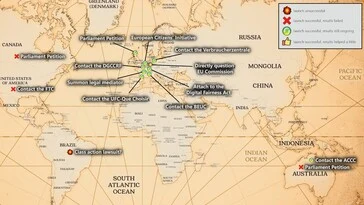
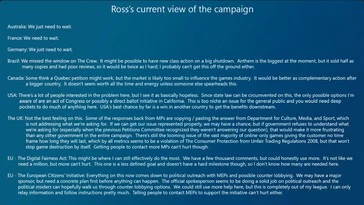
Despite many unknowns—like the legitimacy of over a million EU petition signatures or the finalized wording of the Digital Fairness Act—Scott believes the movement has achieved all it can within realistic limits. Most campaign strategies are currently in a “waiting game” phase. Notably, Brazil’s legal efforts have halted due to missing local sales information, but key markets such as Germany, France, and Australia are continuing to make progress. Meanwhile, Scott has taken a step back from active organizing, allowing politically savvy volunteers and allies to handle future lobbying tasks.
A Personal Journey
In a heartfelt reflection, Scott shares months of relentless behind-the-scenes efforts, exhaustion, and frustration—not aimed at supporters but at a system that permits the erasure of purchased digital content. “I never intended for this to become my mission,” he admits, “but I realized I’d regret it if I didn’t act.” Even though he feels worn out and wishes to return to his earlier endeavors like Ross’s Game Dungeon or Civil Protection, he recognizes this moment as potentially impactful: “Without our push, none of these legal or political initiatives would exist.”
Future Directions
Scott intends to assist with the remaining legal actions as needed, but he emphasizes that future initiatives—like watchdog groups or community-driven oversight—should develop independently. He also shared his interest in projects that digitally recreate “lost” game worlds using static or semi-interactive AI tools, suggesting that even if games disappear, their captivating environments could still be preserved for future generations.
Although the Stop Killing Games campaign has mainly concentrated on always-online games becoming unplayable, recent happenings with Steam and Itch.io removals have broadened the discussion. Scott points out that while the campaign currently doesn’t tackle storefront removals or financial censorship (like by Visa or PayPal), its primary legal alterations could help ensure that users can still back up and play their purchased games in the future—even if support is withdrawn.
The Need for Legislation
Yet, he cautions that only legislation can fully prevent delistings, as platforms cannot be compelled to keep selling a title. The best-case scenario, he suggests, is a system where publishers must provide sufficient notice and offline backup access before any game goes offline. “Clear labeling doesn’t safeguard anything if the game is no longer available,” he asserts.
Ross Scott’s Stop Killing Games campaign has highlighted a critical issue in contemporary digital commerce: buying a game often resembles renting access at the publisher’s whim. When a purchased product can be deleted remotely without recourse, the ethical argument against piracy weakens—especially when preservationists and players are left with no lawful alternatives. The campaign hasn’t yet halted game destruction, but it has shattered the illusion of ownership, compelling lawmakers and the public to confront an uncomfortable reality: if you can’t retain what you’ve paid for, then what exactly did you acquire? And who is truly robbing whom?
Source:
Link