Category: Gaming

  • Mobile Gaming: Performance vs. Battery Life – What Matters More?

    Mobile Gaming: Performance vs. Battery Life – What Matters More?

    Key Takeaways

    1. Advancements in Gaming: Smartphone gaming is evolving with cloud gaming and powerful mobile processors, allowing console and PC games to be played on phones.

    2. Performance Limitations: The Xiaomi Redmi 15 5G has basic gaming features but struggles with heavy titles, reaching only 20 fps in Genshin Impact.

    3. Battery Longevity: The Redmi 15 5G boasts impressive battery life, lasting over 7 hours during intense gaming, making it suitable for long sessions.

    4. Gaming Style Matters: The need for high-performance phones depends on individual gaming preferences; casual gamers may find budget phones adequate.

    5. Personal Preference: Choosing a smartphone involves personal choices, with specific features influencing the decision, especially for gaming.


    Smartphone gaming is an exciting and fast-changing field. With advancements in cloud gaming and more powerful mobile processors, it’s now feasible to play major titles on phones that were once exclusive to consoles or PCs. Casual games are also available, and they can typically run on just about any smartphone.

    Do You Really Need High Specs?

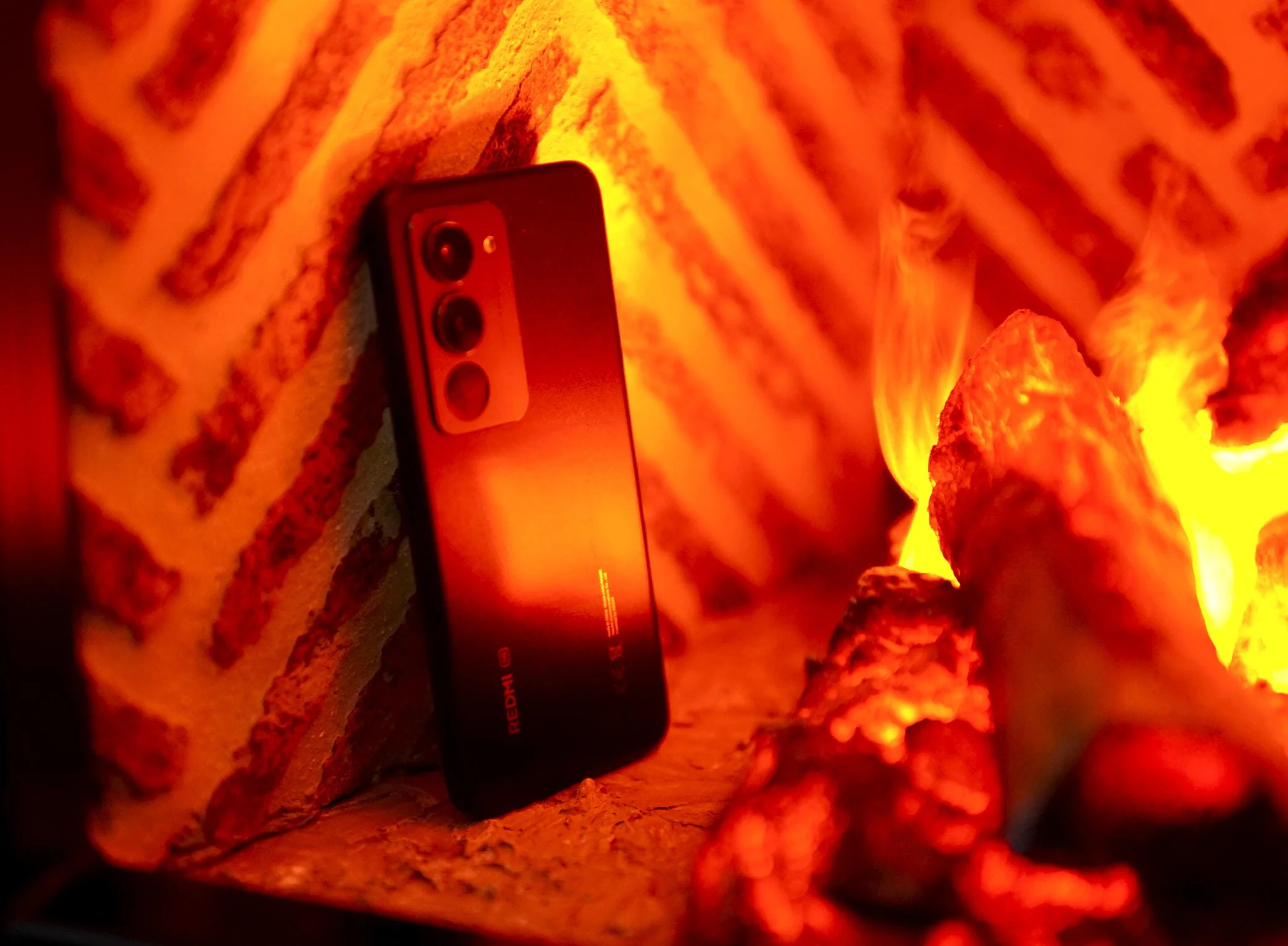
    The question remains: is a high-performance phone necessary? The Xiaomi Redmi 15 5G, which we recently evaluated, may not be the best choice for gamers seeking top-tier performance.

    This device does have some basic gaming requirements covered. It comes with a 144Hz display featuring Full-HD resolution, 8GB of RAM, and a responsive touchscreen. However, when examining benchmark results, it becomes clear that the budget-friendly Redmi 15 5G isn’t designed for heavy gaming. In Genshin Impact, it only reaches 20 fps even at the lowest settings, and PUBG Mobile is only playable on very low settings.

    Battery Life is Impressive

    What the Redmi 15 brings to the table is impressive battery longevity under stress. We found it can last over 7 hours during intense use, making it suitable for extended gaming sessions without needing to find a power outlet or a power bank. If your gaming preferences lean more towards less demanding titles or cloud gaming, this phone could be a great deal.

    Whether or not you need a phone with high gaming performance is dependent on your gaming style. If you’re looking to play the most recent games without relying on an internet connection and want to minimize input lag, investing in a high-end phone could be beneficial.

    Personal Preferences Matter

    On the other hand, if your gaming mostly consists of simpler games while out and about, and you don’t mind being away from a power source, the Xiaomi Redmi 15 5G’s exceptional battery life proves to be very useful for long journeys.

    Choosing a new smartphone often boils down to personal preference, but some concrete details can help guide this challenging choice. Be sure to read our comprehensive review of the Xiaomi Redmi 15 5G to understand how the device performs beyond just gaming.

  • Buff Cleaning Fairy vs. Monster Dirt: Positive Steam Shooter Launch

    Buff Cleaning Fairy vs. Monster Dirt: Positive Steam Shooter Launch

    Key Takeaways

    1. Unique Concept: The game features Dorothy, a muscular housekeeper cleaning a supervillain’s mansion filled with monsters and gooey creatures.

    2. Positive Reception: Just after launch, “Dorothy’s Job” received 15 positive reviews, indicating strong early player approval.

    3. Gameplay Style: It follows the twin-stick shooter format, allowing players to control Dorothy and use cleaning tools to combat dirt and enemies.

    4. Free to Play: The game is free to download on Steam and runs well on basic hardware, making it accessible to a wider audience.

    5. Controller Support: “Dorothy’s Job” offers full controller functionality, though its compatibility with the Steam Deck is currently unconfirmed.


    Another unique title has appeared on Steam, and it looks promising at first sight. With its spooky allure, Dorothy’s Job is a great way to get into the Halloween mood. Just a day after its launch, the twin-stick shooter has received 15 reviews – all of which are positive.

    The Quirky Setting

    As the title indicates, the game focuses on Dorothy, a very muscular housekeeper employed by a supervillain. Her task is to keep his extravagant mansion clean, but that’s not as easy as it sounds. All sorts of monsters, gooey creatures, and strange entities that clearly dislike cleanliness are hiding in every nook and cranny. Each level places you in a new, randomly generated area of the villain’s hideout – from fancy marble corridors to offices and advanced laboratories.

    Engaging Gameplay

    In terms of gameplay, Dorothy’s Job adheres to the traditional twin-stick shooter style. You control Dorothy from an isometric viewpoint, fighting off dirt and monsters using spray bottles, mops, and vacuum cleaners. The game has a playful tone, full of humor throughout the experience. Early feedback describes the game as “very fun” and “incredibly addictive.” However, as a smaller title, it may not offer a vast amount of content, and some players have mentioned that the difficulty may feel a bit annoying at times.

    Development and Availability

    Dorothy’s Job was created by Bola 13 Studios and launched on Steam by U-tad on October 24. This twin-stick shooter is entirely free to play and performs well even on basic hardware. It also supports full controller functionality, but its compatibility with the Steam Deck (available on Amazon for $425) is currently marked as “unknown” and has not been confirmed yet.


  • Blue Protocol: Star Resonance – 5 Pros and Cons of Playing

    Blue Protocol: Star Resonance – 5 Pros and Cons of Playing

    Key Takeaways

    1. Unique Combat System: Blue Protocol: Star Resonance features an action-oriented combat style that emphasizes immediate and impactful attacks, differentiating it from traditional MMORPGs that rely on skill rotations.

    2. Diverse Class Options: The game offers a variety of classes, each with distinct playstyles, from the aggressive Stormblade to the tactical Marksman and the unique Beat Performer, encouraging players to explore and switch classes frequently.

    3. Stunning Visuals and Exploration: The cel-shaded graphics and handcrafted environments create a visually captivating world, rewarding players for exploring with hidden treasures and community events.

    4. Non-Predatory Monetization: The game adopts a free-to-play model that currently avoids aggressive microtransactions, offering a generous core gameplay experience while incorporating gacha mechanics for cosmetics.

    5. Community Engagement: With frequent public events and cross-platform play, Star Resonance fosters a strong sense of community, allowing players to team up and support each other in a vibrant multiplayer environment.


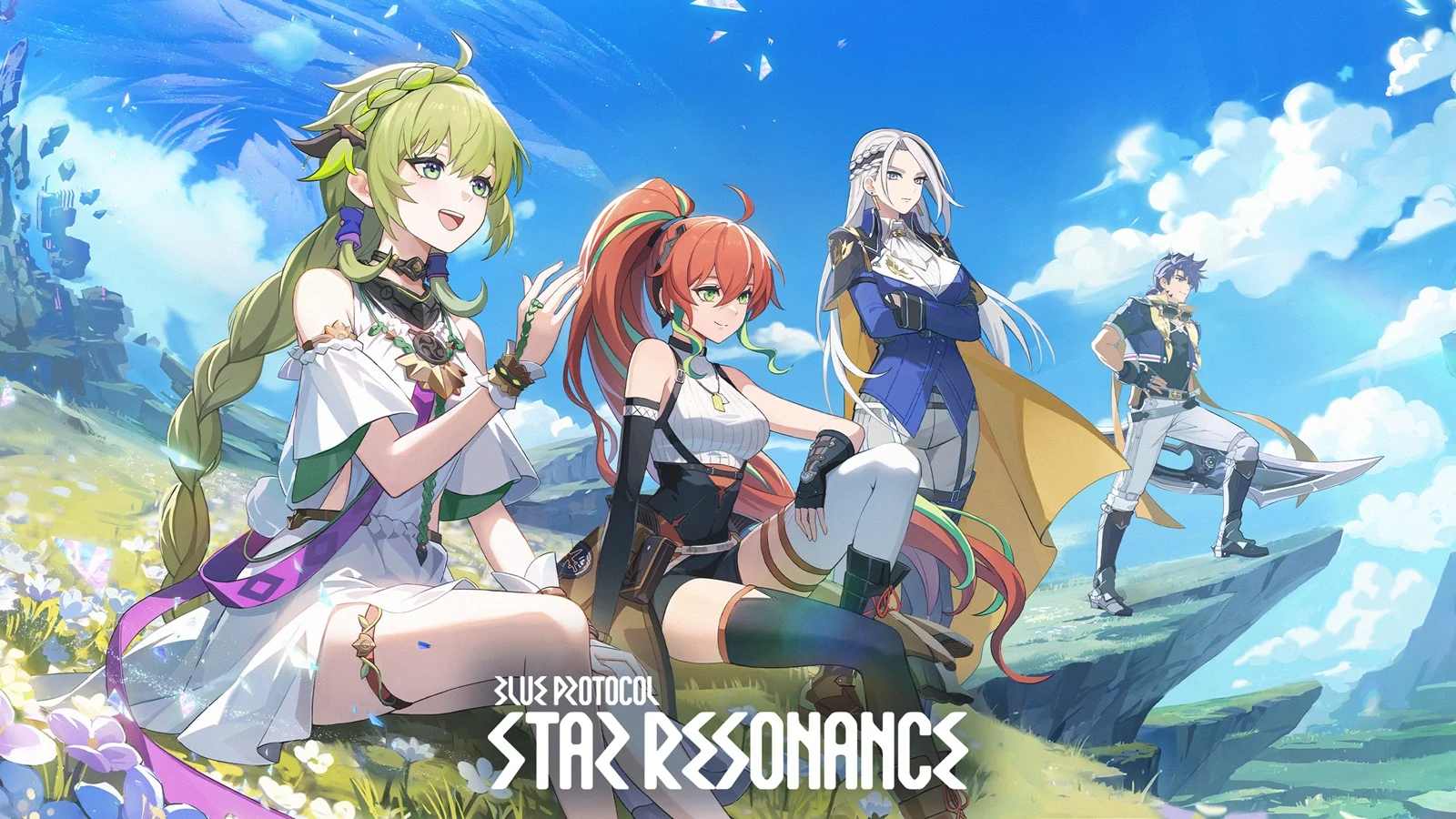
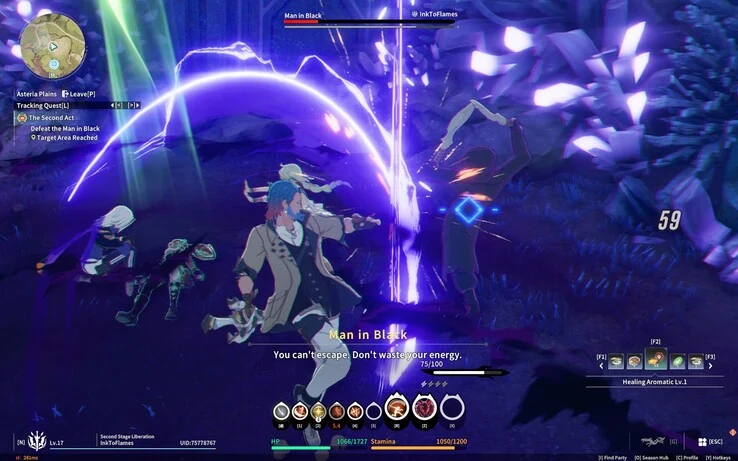
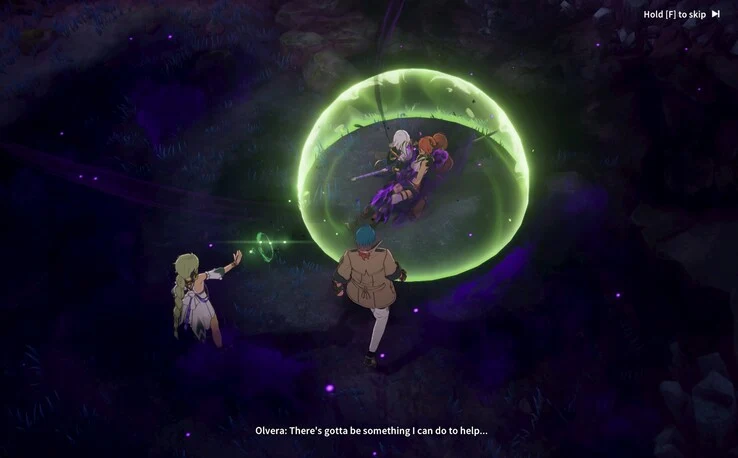
    After trying out Blue Protocol: Star Resonance, which made its debut on October 9, 2025, and is available worldwide through A PLUS JAPAN, I can confidently say that the much-anticipated anime experience is quite impressive on my Lenovo LOQ 16IRH8.

    A New Era in Gaming

    This game serves as a spiritual successor to the Bandai Namco franchise, developed by Shanghai Bokura Network Technology. Set in the vibrant world of Regnas, it generates a sense of nostalgia while reminding players of Genshin Impact, Final Fantasy XIV, and Sword Art Online. Yet, it successfully establishes its own identity in the busy MMORPG scene, and rightly so.

    Engaging Combat Mechanisms

    Unlike many MMORPGs that depend on skill rotations and cooldown management, Star Resonance prioritizes a more action-oriented combat system. Every attack, dodge, and skill feels immediate and impactful. Whether you’re slicing through foes as a Stormblade, healing allies as a Verdant Oracle, or bombarding enemies as a Frost Mage, the battles are dynamic and visually striking.

    By the time you reach about 20 hours of gameplay, you’ll probably have unlocked several classes, and switching between them keeps the experience exciting. Each class offers a unique playstyle that encourages exploration.

    Standout Classes

    The Stormblade class shines as the aggressive melee option: characters exhibit quick movements, powerful scythe strikes, aerial combos, and flashy finale moves. You’ll enjoy the stunning visuals with every attack, dodge, and burst, rewarding precision. The Wind Knight class sacrifices some raw speed for a parry-heavy, lance-wielding gameplay style. You’ll need to time counters effectively, controlling space and rhythm, allowing mastery of each encounter.

    Marksman provides distance, mobility, and tactical choices: bow shots, supportive pets like falcons, traps, and kiting abilities. If you prefer a safe approach while dealing damage, this class is an excellent fit.

    The Frost Mage, while slower, can be quite devastating. You’ll need to master cycles of freezing and bursting, use ice spells to control areas, and deliver significant damage when timed correctly. It’s a more methodical choice for players who think ahead rather than just button-mash.

    The Heavy Guardian acts as the team’s sturdy backbone: this class has a significant presence, defensive strength and absorbs damage while still dealing out attacks. Essentially, you become the barrier between chaos and your teammates.

    The Shield Knight mixes defense with engagement, featuring shield blocks, counters, and tanking support. You not only absorb hits but also shape the combat flow, protecting teammates and directing the battle.

    The Beat Performer is the most unique: healing and buffing through rhythm-based mechanics and long-range musical attacks. It’s entertaining, rewarding, and creative—once you get in sync. The Verdant Oracle serves as the classic healer-buff mix: it uses nature-related magic for area healing, granting shields to teammates, and shines most in larger-scale battles. If you enjoy being the cornerstone of a group, this class is for you.

    Stunning Visuals and World Exploration

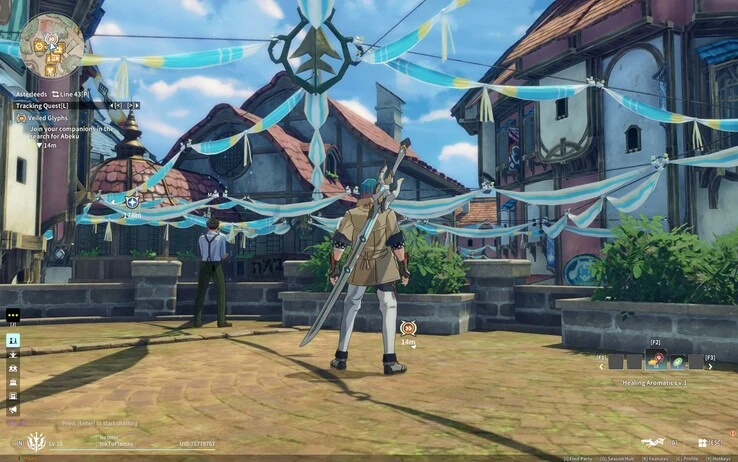
    As players enter Blue Protocol: Star Resonance, they will immediately appreciate the stunning world. The cel-shaded environments seamlessly blend with soft lighting and breathtaking landscapes. Forests appear incredible, cities are lively, and every area feels handcrafted instead of generated.

    Exploration isn’t just about enjoying the scenery; hidden treasures, gathering spots, and secret events reward your curiosity. Players around levels 25–30 often dive deep into multi-zone exploration, where the world truly expands.

    One of the most unexpected elements of Star Resonance is its strong community vibe. Frequent public events occur, players team up for bosses, and you’ll often find yourself helping or getting help from strangers.

    The push for cross-platform play and global servers by the developer and publisher seems to be paying off in terms of social interaction. Yes, the chat can be a bit chaotic, but the environment remains inviting, especially for an MMORPG that’s still working on localization issues.

    Monetization and Accessibility

    Free-to-play MMORPGs often spark skepticism; however, Star Resonance is surprisingly non-predatory for now. There are gacha mechanics for cosmetics, but the core gameplay, narrative, and gear progression remain accessible without requiring payment.

    There’s a genuine sense of movement here: the developers are rolling out updates, improving server performance, and addressing translation challenges faster than many anticipated. It feels like a commitment from Shanghai Bokura Network Technology and A PLUS JAPAN.

    Initially, monetization could become a concern. Although the current model is generous, it leans on gacha-style cosmetics, which could shift into aggressive microtransactions if future updates aren’t handled carefully. Players cautious of “freemium creep” may want to observe how A PLUS JAPAN manages seasonal content.

    Then, there’s the language hurdle if you can’t find the global (English Subtitle) version of Blue Protocol: Star Resonance. Two versions exist: the global and the mainland Chinese version called 星痕共鸣. I opted for the global version published by A PLUS JAPAN, featuring Japanese voice acting with English subtitles—my preferred way to experience JRPGs. I find it adds depth and emotion, though it may not appeal to everyone, especially during fast-paced battles or dialogue-heavy quests. For those who want full English dubbing, it might feel alienating or exhausting over longer play sessions.

    Lastly, pacing and daily limits can test your patience. Activity caps restrict progress in a single sitting, which aids in balance but might frustrate players used to grinding without limits. In short, Star Resonance is visually stunning and enjoyable, but it requires some patience for reading subtitles, waiting for cooldowns, and navigating a live-service model that still has to prove itself.

    Minor Visual Issues

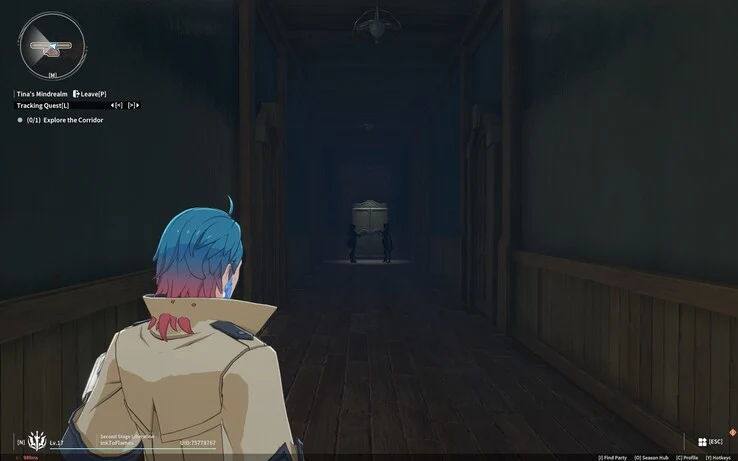
    In Blue Protocol: Star Resonance, I noticed my character’s hair clipping through his coat. It’s a minor issue, but it disrupts immersion, especially in a game that otherwise appears polished. Hopefully, these visual glitches are smoothed out in future updates.

    The early and mid-game phases can involve many repetitive “kill-X-enemies” quests to progress the story and gain levels. While this is common in the genre, players seeking constant narrative complexity or varied missions might find the grind tiresome. The thrill of boss battles and unique class abilities often feels locked behind more traditional, time-consuming quest lines.

    Blue Protocol: Star Resonance isn’t flawless—its localization can be awkward, and daily activity caps may feel overly limiting. But the core of the game—its engaging combat, class variety, and world-building—remains strong enough to keep you returning. It’s rare to find an MMORPG that successfully combines nostalgia with modern elements. Star Resonance achieves this, and that’s worth celebrating and experiencing. You can also check out some useful tips in the beginner’s guide if you’re looking for a new online adventure that rewards skill, style, and curiosity.

    Source:
    Link



  • Core Ultra 9 285K vs Ryzen 7 9800X3D: Intel’s Gaming Struggles

    Core Ultra 9 285K vs Ryzen 7 9800X3D: Intel’s Gaming Struggles

    Key Takeaways

    1. Intel’s Arrow Lake Core Ultra 200S processors prioritize power efficiency over maximum performance.
    2. The gaming performance of the Core Ultra 200S chips has declined, significantly lagging behind AMD’s Zen 5 CPUs.
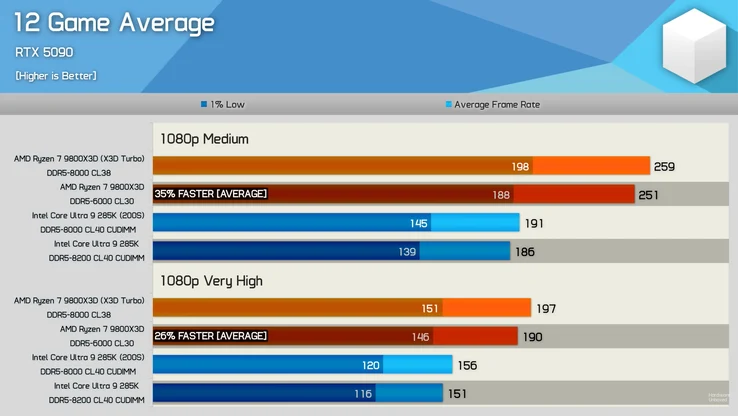
    3. The Ryzen 7 9800X3D outperformed the Core Ultra 9 285K by an average of 35% in gaming tests at 1080/Medium settings.
    4. Intel’s updates and the new 200S Boost overclocking tool provided only a slight 3% performance increase for the Core Ultra 9 285K.
    5. The Ryzen 7 9800X3D remains the top choice for gamers, while Intel faces challenges in regaining their former gaming performance dominance.


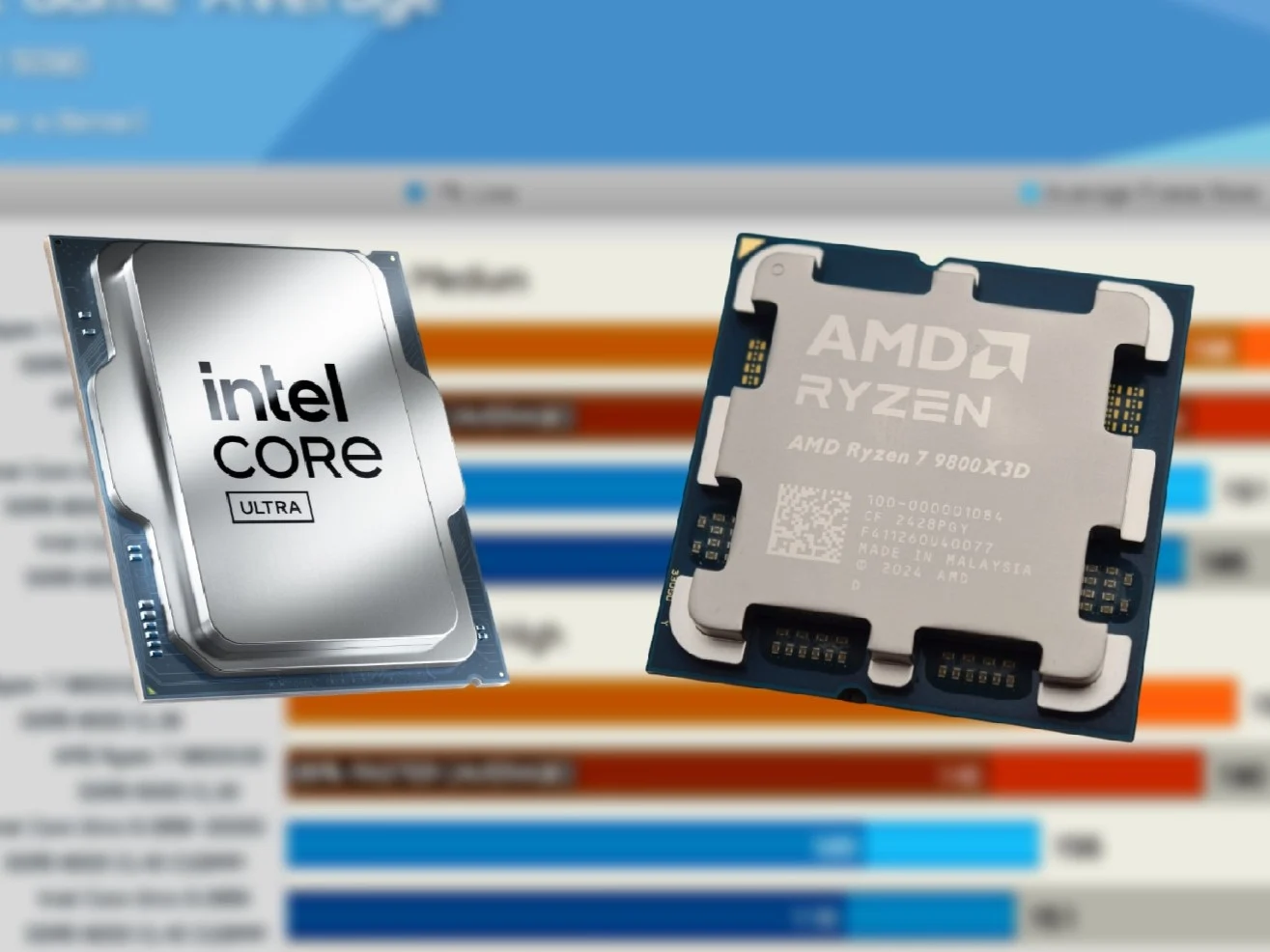
    With the launch of the Arrow Lake Core Ultra 200S desktop processors, Intel seems to have shifted its strategy. The focus moved from aiming for the highest performance to seeking better power efficiency. To some degree, Intel succeeded in cutting down the power usage of the Arrow Lake desktop chips while still maintaining solid single-core and multi-core performance. Nevertheless, the gaming capabilities of the Core Ultra 200S desktop processors saw a significant decline, falling short when compared to AMD’s Zen 5 CPUs.

    Performance Comparisons

    For example, in our review of the Zen5X3D chip, it was found that the Ryzen 7 9800X3D was an astonishing 40% quicker in gaming. Even though the Core Ultra 200S Arrow Lake chips debuted with some issues, Intel has since rolled out updates and fixes to help close the gaming performance gap. Moreover, they introduced a one-click overclocking tool named the 200S Boost, aimed at maximizing the performance of the Core Ultra 200S processors.

    Gaming Tests

    Hardware Unboxed conducted a comparison of the gaming performance between the Ryzen 7 9800X3D and the Core Ultra 9 285K, testing both with and without the 200S Boost to evaluate how much progress the Intel Arrow Lake flagship has made since its debut. Unfortunately, even with performance-enhancing updates and the 200S Boost, the Core Ultra 9 285K still could not compete with the Ryzen 7 9800X3D in gaming scenarios. According to Hardware Unboxed’s testing of 12 games at 1080/Medium settings, the Ryzen 7 9800X3D was about 35% faster on average. The margin narrowed when switching to 1080p/High settings, but it remained a noteworthy 26% ahead of the Core Ultra 9 285K. This is significant, especially given that the Core Ultra 9 285K utilized faster DDR5-8200 memory in comparison to the Ryzen’s DDR5-6000.

    Conclusion

    The gaming performance of the Core Ultra 9 285K reportedly saw a slight boost with the 200S Boost, but it was only around 3%. As a result, the Ryzen 7 9800X3D continues to be much swifter than the Core Ultra 9 285K, whether the chip is overclocked using the 200S Boost or not. In simple terms, if you are a gamer in search of the very best CPU, the Ryzen 7 9800X3D is the clear choice. This is a disappointing reality for Intel, as their CPUs were once the top performers in gaming. The outlook doesn’t seem to get any better with the forthcoming Intel Arrow Lake Refresh. However, Intel might have a shot at competing against AMD with Nova Lake, though that architecture is still a few years off.


  • 8BitDo Ultimate 2 Wireless Controller for Honkai Star Rail – $69.99

    8BitDo Ultimate 2 Wireless Controller for Honkai Star Rail – $69.99

    Key Takeaways

    1. The 8BitDo Ultimate 2 Wireless Controller (Honkai: Star Rail – Evernight) is now available for purchase after a one-week delay, originally set to launch on October 16.

    2. This controller is a special edition and joins other unique versions released by 8BitDo this year, such as the Ultimate 2 Wuchang: Fallen Feathers Edition.

    3. Priced at $69.99, it includes a travel case, glitter coaster, stickers, joystick caps, and a redemption card for in-game items, along with a charging dock and USB cable.

    4. Advanced features include TMR joysticks with RGB lighting, a tactile D-pad, 6-axis motion control, turbo feature, and compatibility with 8BitDo Ultimate Software V2.

    5. The controller supports a reliable 2.4G connection with low latency (1ms) and is compatible with multiple systems, including Windows 10+, Android 13+, SteamOS 3.7.13+, and Apple OS (version 26+).


    After being open for pre-orders since its debut in September, 8BitDo has revealed that the Ultimate 2 Wireless Honkai: Star Rail – Evernight version is now ready for purchase. Originally set to launch on October 16, the controller experienced a delay of one week.

    Special Editions Galore

    This controller is among a select few special edition consoles that 8BitDo has introduced this year, joining the ranks of the 8BitDo Ultimate 2 Wuchang: Fallen Feathers Edition.

    Features and Accessories

    The 8BitDo Ultimate 2 Wireless Controller (Honkai: Star Rail – Evernight) shares the same functionalities as the normal 8BitDo Ultimate 2 Wireless Controller. Nevertheless, it boasts a unique design inspired by Honkai: Star Rail and comes with several extras.

    Available for $69.99, you can find this special edition controller on Amazon and the official 8BitDo eShop. It includes a travel case, a glitter coaster, stickers, and four joystick caps. Additionally, a redemption card for in-game items is included. The package also contains a charging dock, a 2.4G adapter, and a USB cable.

    Advanced Features

    The 8BitDo Ultimate 2 Wireless Controller (Honkai: Star Rail – Evernight) is equipped with TMR joysticks featuring RGB lighting, a tactile D-pad, and Hall Effect joysticks with a switch to toggle between linear and tactile settings. It also has two professional-grade back buttons and extra R4 and L4 bumpers. The controller supports 6-axis motion control, a turbo feature, and vibration. It’s compatible with the 8BitDo Ultimate Software V2.

    Just like the standard version, it includes 8BitDo’s exclusive 8Speed wireless technology, providing a reliable 2.4G connection with latency as low as 1ms. The polling rate reaches 1000Hz in both 2.4GHz and wired modes. The 8BitDo Ultimate 2 Wireless Controller (Honkai: Star Rail – Evernight) works with Windows 10 and up, Android 13 and up, SteamOS 3.7.13 and higher, as well as Apple’s operating systems (version 26 and above).


  • Astro Bot Director Praises PS5 for Transforming Gaming Experience

    Astro Bot Director Praises PS5 for Transforming Gaming Experience

    Key Takeaways

    1. Nicholas Doucet from Team Asobi believes the PS5 has brought significant innovations to gaming, despite criticisms about its subtle graphical improvements over the PS4.
    2. The PS5’s enhancements include the DualSense controller’s haptic feedback and adaptive triggers, which improve gameplay experiences that are better felt than seen.
    3. The console’s super-fast SSD reduces loading times, enhancing gameplay enjoyment, especially in challenging games like Souls titles.
    4. Astro Bot, created by Team Asobi, effectively showcases the PS5’s features and has received high acclaim, including the Game of the Year award at The Game Awards 2024.
    5. Doucet emphasizes Team Asobi’s commitment to maximizing the PS5’s capabilities, showing confidence in the console’s future as a unique gaming platform.


    The creative director and studio lead at Team Asobi, Nicholas Doucet, strongly supports the PlayStation 5, asserting that the console has “really brought something special” to gaming, even though it has faced a lot of criticism for offering only slight improvements over the PS4 generation.

    PS5’s Launch and Criticism

    Since its launch in November 2020, nearly five years ago, the PS5 has come under fire for its graphical enhancements, which many players find to be quite subtle. Especially when compared to late PS4 games like The Last of Us Part II, the differences can be hard to spot, particularly for those who aren’t very experienced in gaming. Doucet pointed out in a conversation with The Game Business that “When you put graphics side by side between an end-of-lifecycle PS4 game and early cycle PS5 games, you could argue, to an untrained eye, that it’s hard to see the difference.”

    Innovations Beyond Graphics

    Doucet also mentioned that the advancements with the PS5 may not be as obvious as in previous generations, like the jump to HD graphics, which were easy to see. Critics have said that many PS5 exclusive games are also available on PS4, and titles like Fortnite and Call of Duty run well on older systems, which makes the need for upgrading seem less necessary. Nevertheless, Doucet highlighted that the PS5’s innovations go beyond just visuals, especially with the DualSense controller and the super-fast SSD, which improve gameplay in ways that are best experienced firsthand.

    Doucet revealed, “But early on with the PS5, we got the DualSense prototypes, with this haptic feedback and adaptive triggers. And we tried to understand what could be different about having this kind of trigger… We tested all of that.” He emphasized that to really appreciate the controller, you need to hold it. Regarding the SSD, he said, “I’m thinking of things like the Souls games, where you die a lot. And when you die, you used to have to wait a long time before you got a second try. With the SSD, that becomes really, really fast. So, in terms of just the pleasure of play, that’s really increased.”

    Acclaim for Astro Bot

    Astro Bot, made by Team Asobi specifically for the PS5, has received praise for its clever utilization of the PS5’s technical features. Unlike its predecessor, Astro’s Playroom, which was included for free with the console as a tech demo to highlight all DualSense features, Astro Bot used the controller’s capabilities more thoughtfully without feeling forced. Doucet emphasized the studio’s commitment to PlayStation hardware, stating, “We really focus on PS5. We want to take full advantage of the DualSense and SSD. There is always a way to cross bridges if we ever need it. But really, the main focus is the PlayStation console.”

    Astro Bot is expected to stay exclusive to the PlayStation brand for the foreseeable future, and it has received numerous awards, including the prestigious Game of the Year at The Game Awards 2024, where it was lauded for evoking nostalgia from earlier console games. This recognition serves as a significant rebuttal to those who critique the PS5’s offerings in 2025.


  • Halo Co-Creator Criticizes EA for Excluding Ridgeline Games in Battlefield 6 Credits

    Halo Co-Creator Criticizes EA for Excluding Ridgeline Games in Battlefield 6 Credits

    Key Takeaways

    1. Marcus Lehto expressed dissatisfaction over insufficient credits for key contributors from Ridgeline Games in the launch of Battlefield 6.
    2. Several team members, including software engineers and artists, were either omitted or minimally acknowledged despite their significant contributions.
    3. Lehto shared a customized image to represent how he believed the credits should have appeared, emphasizing the importance of recognizing all contributors in game development.
    4. Ridgeline Games was created by EA in 2021 but was closed shortly after Lehto’s departure in February 2024, leading to significant layoffs.
    5. Lehto voiced strong disappointment regarding EA and the closure of Ridgeline Games, reflecting on the challenges faced in the industry.


    The co-creator of the Halo series and past art director for the original games at Bungie, Marcus Lehto, has openly shared his dissatisfaction regarding the insufficient credits given to him and several colleagues from the now-closed Ridgeline Games in the recent launch of Battlefield 6.

    Missing Acknowledgments

    In a LinkedIn update dated October 20, Lehto expressed that many team members who were crucial in the game’s early development were either left out entirely or only mentioned in a brief “Special Thanks” section at the end, despite their significant contributions to establishing the game’s groundwork.

    Lehto conveyed his disappointment in his post, saying, “I’m disappointed to see that many of my former teammates from Ridgeline Games were not properly credited in the recent release of Battlefield 6.”

    A List of Contributors

    Initially, he highlighted that five names were missing from the credits, which included software engineers Jessica Moore and Dan Carr, lead tech artist Rohan Knuckey, and lead character artist Andres Naranjo. However, he later amended his statement, clarifying that three of these individuals had actually been credited in other areas of the game.

    In an effort to acknowledge their work, Lehto shared a personalized image that included numerous names and roles across various fields such as cinematics, design, art, animation, engineering, and production. He presented this as a representation of how he thought the credits should have appeared in Battlefield 6. He wrapped up his post with the remark, “Game development is a team effort, and every contributor deserves fair acknowledgment.”

    The Rise and Fall of Ridgeline Games

    EA created Ridgeline Games in Seattle in October 2021, with Lehto appointed as game director to oversee the studio’s FPS projects, particularly the campaign for the upcoming Battlefield title.

    The studio started recruiting developers in July 2022, working alongside Ripple Effect, which was previously known as DICE LA, to develop the storyline for what would eventually become Battlefield 6. Lehto decided to leave EA voluntarily in February 2024, expressing a desire to take a break from the industry to reflect on his future.

    Just a week following his departure, EA closed Ridgeline Games as part of a larger restructuring effort, resulting in the layoff of around 670 employees and a shift away from future licensed IPs. Some staff were reassigned to Ripple Effect to continue their work on Battlefield 6’s multiplayer aspect.

    At that time, Lehto remarked that he was “incredibly upset and very sad” about the studio’s closure and the layoffs, adding that he had “nothing positive to say about EA” after leaving.

  • Palworld Publisher Pocketpair Rejects Generative AI and NFTs

    Palworld Publisher Pocketpair Rejects Generative AI and NFTs

    Key Takeaways

    1. Pocketpair opposes generative AI and will not publish titles that rely on this technology.
    2. The company received significant interest for its new publishing division, including over 400 emails and 150 game pitches in its first week.
    3. Concerns about generative AI include an influx of low-quality content that may impact platforms like Steam.
    4. After the successful launch of Palworld, the developer faced accusations of asset theft and AI involvement in character designs.
    5. Engaging with critics can backfire, leading Pocketpair to focus on updates for Palworld while navigating legal challenges from Nintendo.


    Palworld’s developer, Pocketpair, has recently stirred up the publishing industry with its firm opposition to generative AI. The company has declared that its publishing arm will not support any titles that depend on this technology.

    Strong Opinions from Pocketpair

    In a discussion with Game Developer during Gamescom Asia, John “Bucky” Buckley, the communications director and publishing manager, expressed, “People may think I’m not telling the truth, but these are just the hard facts. We don’t see value in it. We’re very open about it.”

    The company’s position also includes Web3 initiatives and NFT games. Buckley emphasized, “If your focus is on AI or if your game is Web3 or incorporates NFTs, there are plenty of publishers willing to engage, but we aren’t the right fit for that.”

    A Busy Start for the Publishing Division

    Pocketpair’s publishing division, which debuted in mid-January 2025, was met with a wave of interest, receiving over 400 emails, 150 game pitches, and more than 2,000 LinkedIn requests in just the first week, as noted in an official announcement on X.

    Their first project is an unnamed horror game from Surgent Studios, recognized for Tales of Kenzara: ZAU, featuring voice actors like Neil Newbon from Baldur’s Gate 3 and Ben Starr from Final Fantasy 16.

    Concerns About Content Quality

    Buckley’s concerns about generative AI are partly due to the increasing amount of low-quality content flooding the market, which he predicts will soon overshadow platforms like Steam. He mentioned, “It’s something that has troubled other stores, but Steam had been effective in keeping them at bay. But, it’s happening.”

    He cautions that this shift in the industry could create paranoia, leading to baseless claims that target genuine creators—an issue Pocketpair is all too familiar with.

    Facing Criticism After a Successful Launch

    In early 2024, following Palworld’s remarkable Early Access release, which sold 5 million copies within three days and attracted over two million concurrent players on Steam, the game was hit with a wave of accusations claiming it was “AI slop.”

    Critics highlighted the creature designs as suspiciously similar to Pokémon, while some online accused the game of asset theft from Pokémon: Scarlet and Violet. Others brought attention to CEO Takuro Mizobe’s 2021 tweets where he experimented with AI-generated “fakemon” to avoid copyright issues.

    Pocketpair firmly rejected these claims, attributing the character designs to a single artist who had been turned down by 100 companies, and even launched the party game AI: Art Imposter, a social deduction game that pokes fun at the AI trend.

    The Challenge of Addressing Criticism

    Buckley recognizes the irony of the situation, explaining how engaging with critics often backfires. “You know, I can’t just come out and start battling with those making accusations about AI, because that only adds fuel to the fire.”

    In the meantime, Pocketpair continues to update Palworld regularly while also dealing with increasing legal issues from Nintendo regarding alleged copyright infringements related to its profitable Pokémon franchise.


  • Sony God of War 20th Anniversary DualSense Controller Now Available

    Sony God of War 20th Anniversary DualSense Controller Now Available

    Key Takeaways

    1. Product Launch: Sony has released the God of War 20th Anniversary Limited Edition DualSense controller, following pre-orders that began last month.

    2. Pricing: The controller is priced at $84.99, which is about $10 more than the standard DualSense controller, and is available in limited quantities.

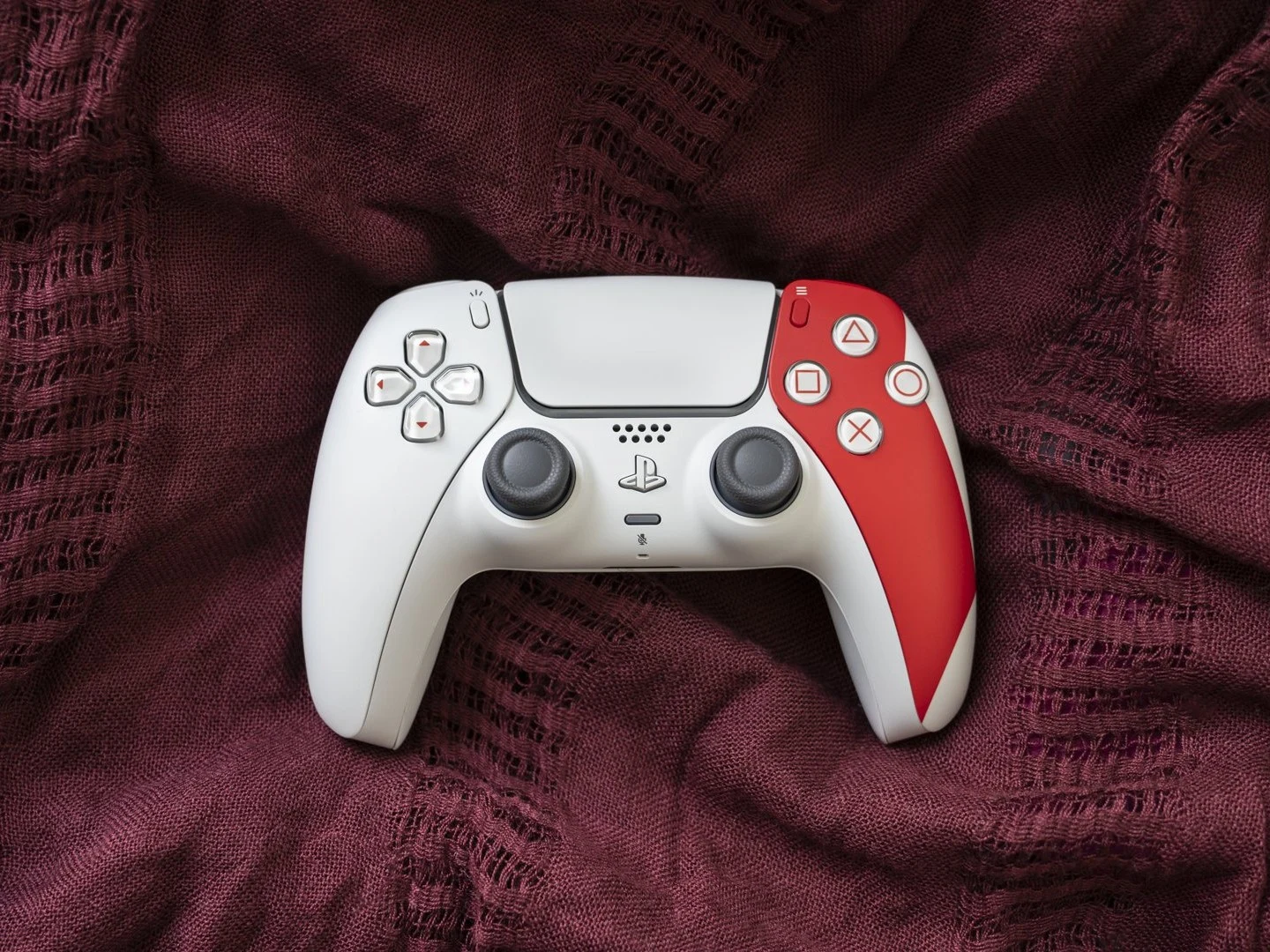
    3. Design: The controller features a light gray design inspired by Kratos, with his omega tattoo and red accents, along with a “God of War 20th Anniversary” marking.

    4. Functionality: It includes the same core features as the regular DualSense, such as haptic feedback and adaptive triggers, but may be prone to stick drift due to the absence of Hall effect or TMR joysticks.

    5. Availability: The controller can be purchased from PlayStation Direct, Best Buy, and Walmart, but limited availability may mean it sells out quickly.


    Sony has introduced the God of War 20th Anniversary Limited Edition DualSense controller, following the start of pre-orders last month. This controller was initially shown during the State of Play livestream on September 24, celebrating two decades since Kratos’ debut on the PlayStation 2.

    Pricing and Availability

    Gamers can grab the controller from PlayStation Direct for $84.99, which is around $10 higher than the regular DualSense controller price. It’s also up for grabs at Best Buy and Walmart. Sony indicates that the controller will be available in limited numbers, so once it sells out, it may not come back.

    Design Features

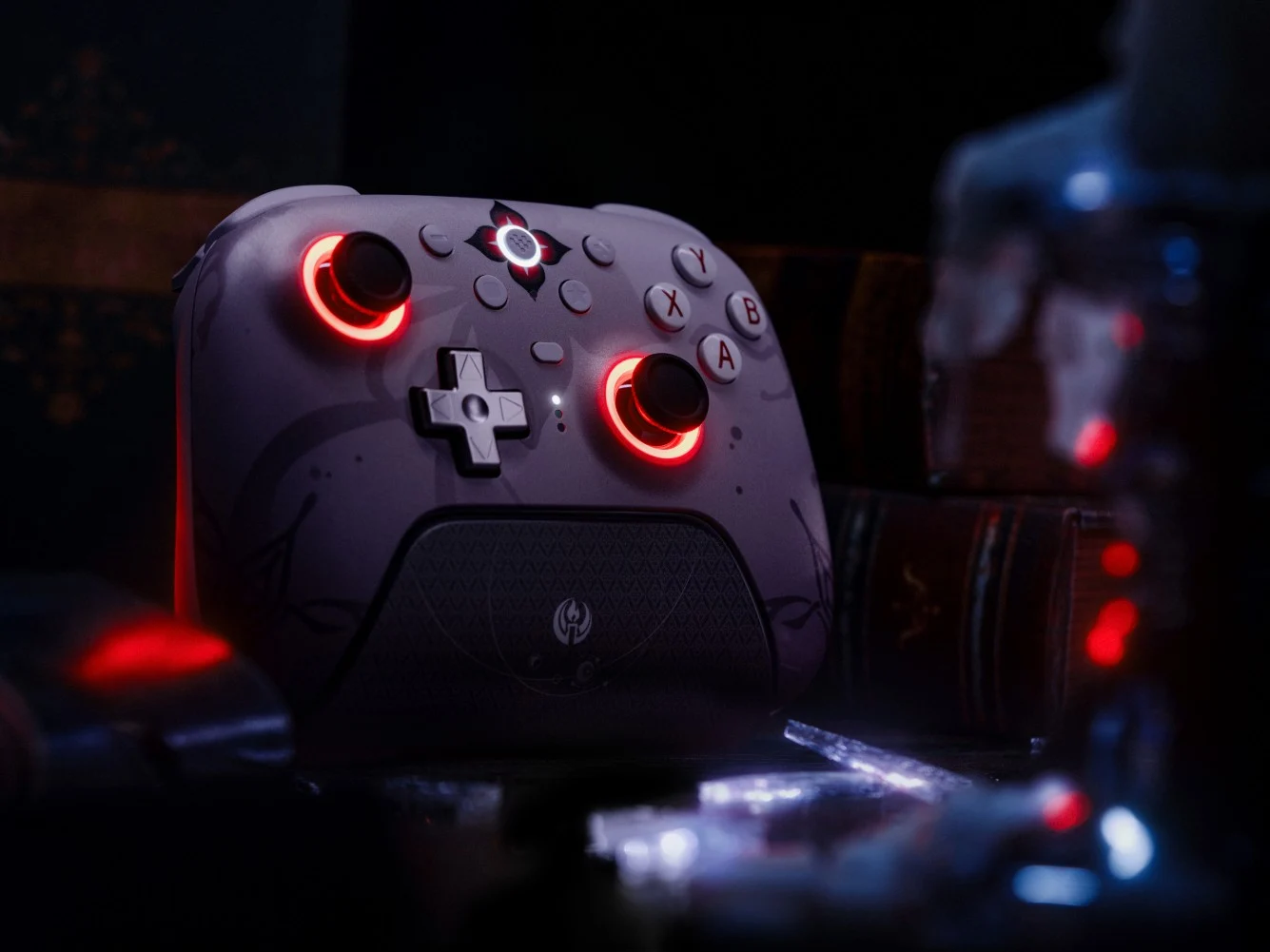
    As mentioned earlier, the God of War 20th Anniversary DualSense controller showcases a light gray design that reflects Kratos’ ash-laden skin, featuring his omega tattoo on the right handle, face buttons, and triggers. The design is accented with red highlights on the buttons and proudly displays a “God of War 20th Anniversary” marking on the back. This design is rather straightforward compared to other special edition DualSense controllers like the Ghost of Yotei (currently $84.99 at Amazon) and Astro Bot Joyful versions (also $84.99 at Amazon).

    Functionality

    Despite its unique Kratos theme, the controller maintains the same core features as the regular DualSense. It includes haptic feedback and adaptive triggers for a more engaging gaming experience, along with standard features like a built-in microphone and touchpad. However, it lacks Hall effect or TMR joysticks, meaning it could be susceptible to stick drift just like the basic model over time.

    The DualSense Wireless Controller – God of War 20th Anniversary Limited Edition is now purchasable via PlayStation Direct and affiliated retailers such as Best Buy.

  • Ubisoft’s Splinter Cell Remake Faces New Game Director Issues

    Ubisoft’s Splinter Cell Remake Faces New Game Director Issues

    Key Takeaways

    1. The Splinter Cell remake, announced in 2021, has faced leadership changes and development challenges, raising concerns about its progress.
    2. Andrea Schmoll, the current game director, left Ubisoft Toronto in September 2025, marking the second leadership change for the project.
    3. The absence of gameplay visuals and updates has led to worries about the project’s health amid Ubisoft’s restructuring.
    4. A job listing for a new game director was briefly posted and removed, indicating ongoing internal struggles in the development team.
    5. Despite speculation of cancellation, Ubisoft claims the remake is still in progress, with a potential release aimed for 2026.


    Tom Clancy’s Splinter Cell, a well-known stealth espionage series from Ubisoft, has been inactive for over ten years. A remake of Splinter Cell has been in development, but it recently faced another challenge with the exit of its game director.

    Details on the Remake

    The Splinter Cell remake was first announced in 2021 and is said to be utilizing Ubisoft’s Snowdrop engine, being developed under the codename North. However, the absence of gameplay visuals, trailers, or notable updates has sparked worries regarding the project’s health, particularly amid Ubisoft’s larger restructuring after a partnership with Tencent.

    Changes in Leadership

    Recent news reveals that Andrea Schmoll, who took the role of game director after the project started, left Ubisoft Toronto in September 2025, as shown in her LinkedIn updates. Schmoll previously held a position as a systems designer on Far Cry 6 and had been in charge of key aspects of the remake, such as gameplay dynamics, gadget use, NPC actions, and interaction within environments.

    This resignation is the second significant change in leadership for the remake, following the exit of original director David Grivel in 2022. Grivel had spent more than ten years at Ubisoft, contributing to games like Splinter Cell: Blacklist, various Far Cry titles, and Assassin’s Creed Unity, before moving to EA to work on the Battlefield franchise.

    Internal Struggles

    The latest round of issues came to light through a now-removed job listing on Ubisoft’s website, which Tech4Gamers noticed. The ad sought a new game director for the Splinter Cell remake at the Toronto studio. It had been live for around five to six weeks before its removal, outlining tasks such as managing NPC AI, fine-tuning stealth mechanics, camera systems, and leading the development team in introducing fresh features while preserving the core gameplay of the franchise.

    Frequent changes in directors, twice in three years, can often signal trouble for projects, similar to delays seen in other Ubisoft remakes like Prince of Persia: The Sands of Time.

    Future Prospects

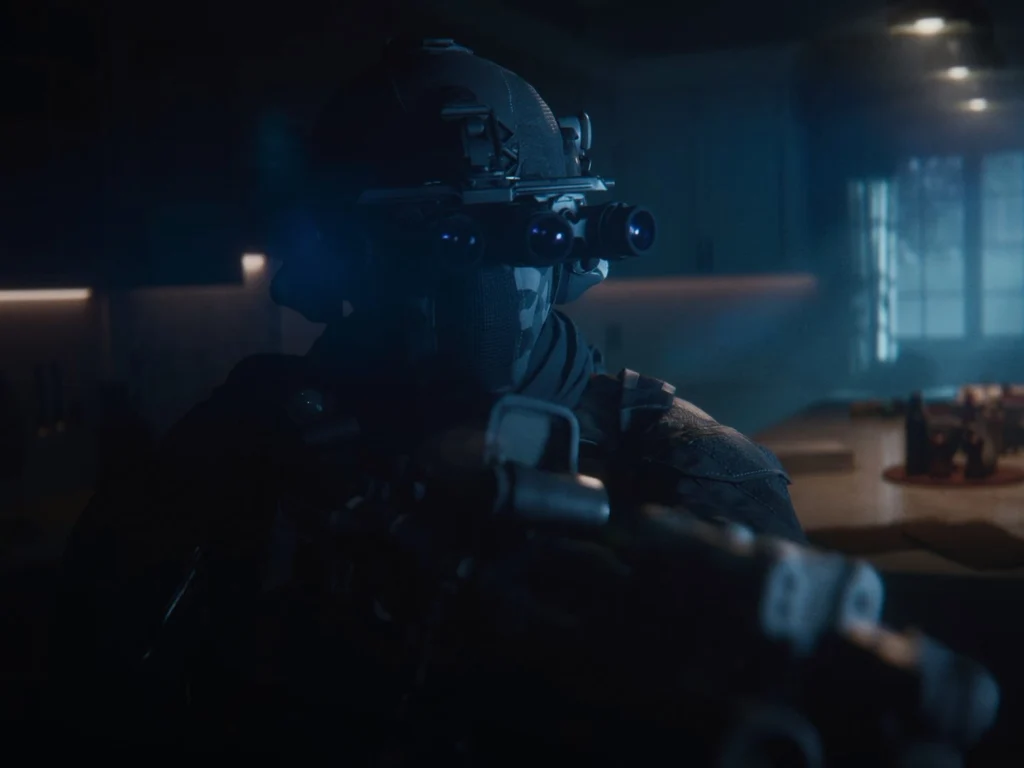
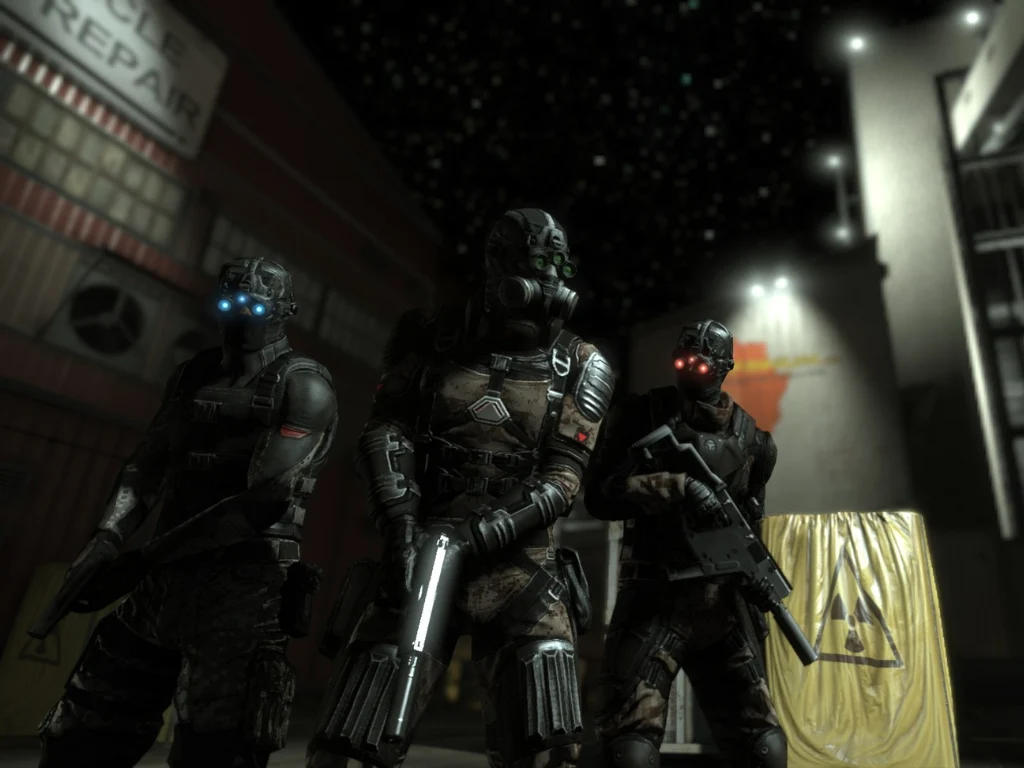
    Even with speculation of the project’s cancellation, Ubisoft maintains that the remake is progressing, and insiders hint at a potential release in 2026. With over ten years since the last main game, this remake might be Ubisoft’s final chance to bring back the Splinter Cell series. However, the ongoing leadership changes are causing doubts about whether players will ever again get to wear Sam Fisher’s iconic night vision goggles.

    Source:
    N/A)