Category: Gaming

  • New Free-to-Play Hybrid Action RPG on Steam: 67% Positive Reviews

    New Free-to-Play Hybrid Action RPG on Steam: 67% Positive Reviews

    Key Takeaways

    1. Launch Details: Duet Night Abyss officially launched on Steam on January 19, 2026, after a delay from its original December release date.

    2. Gacha Removal: The game removed character and weapon gacha systems, allowing players to unlock characters for free through a progression system called Covert Commissions.

    3. Gameplay Mechanics: It features a hybrid action RPG style with dual narratives, fast-paced combat, and a new Oriental-themed area in the 1.1 launch version.

    4. Mixed Reception: The game currently holds a 67% “Mixed” rating on Steam, with praise for its monetization model but criticism for gameplay issues like clunky animations and a confusing UI.

    5. Technical Requirements: The game is resource-intensive, requiring 32 GB of RAM and an RTX 2060 for optimal performance, and has uncertain compatibility with the Steam Deck.


    After a short delay from its initial release date in December, Duet Night Abyss officially launched on Steam on January 19, 2026. Created by Pan Studio and published by Hero Games, this free-to-play game has become a focal point in the anime-RPG genre due to a significant change in August 2025: the complete removal of character and weapon gacha systems. Rather than “pulling” for heroes, players can unlock the entire character roster at no cost through a progression system called Covert Commissions, where collecting “Secret Letters” allows players to directly obtain characters and weapons.

    Game World and Mechanics

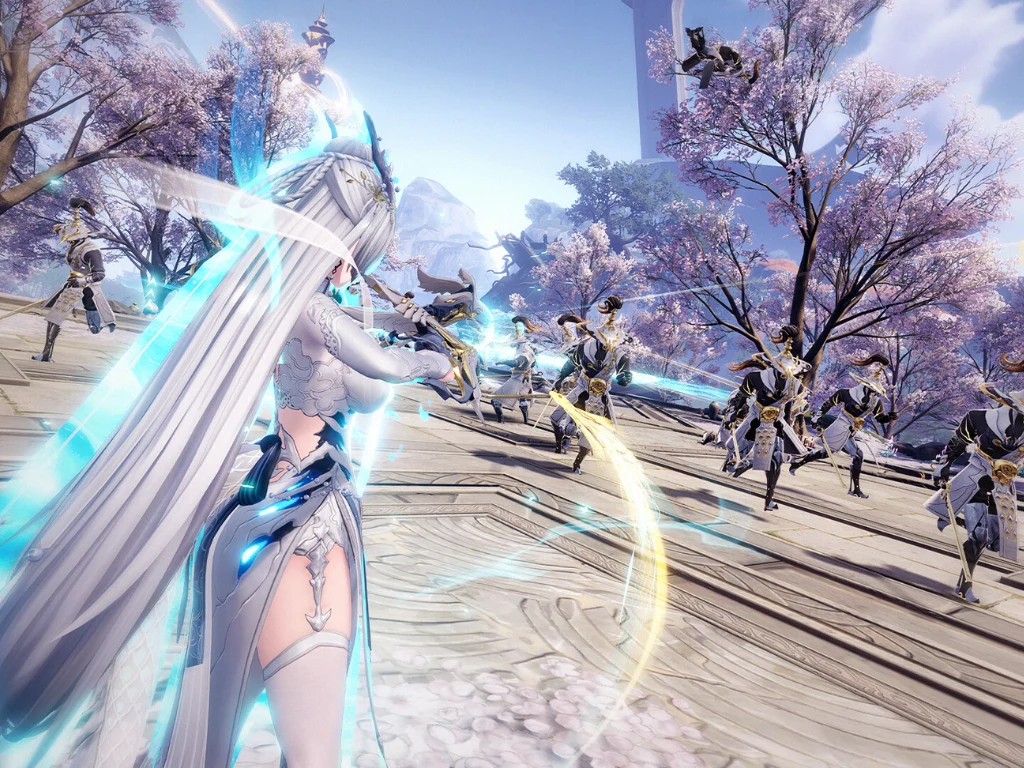
    Set on the continent called Atlasia, a realm where magic and machinery blend, the game features a dual-narrative approach following two protagonists whose stories ultimately intersect. It’s a fast-paced “hybrid” action RPG allowing players to shift effortlessly between melee and ranged combat. Some reviewers have drawn parallels to Warframe and the stylistic elements of Wuthering Waves. The 1.1 launch version on Steam, named “Huaxu,” brings a vast new Oriental-themed area and includes a significant visual update to enhance character models and environmental lighting.

    Reception and Feedback

    The reception on Steam has been notably mixed. Duet Night Abyss currently enjoys a 67% “Mixed” rating aggregate. Even though the monetization model, which now focuses solely on cosmetic skins and monthly passes, has been praised as a “10/10” by players, the gameplay itself is facing criticism. Many critics and players highlight “clunky” animations and a confusing UI that features “20 different menus.” Moreover, while the stamina system has been removed to allow for endless farming, some long-time players have described the resulting gameplay loop as “stale,” since each character now only has two active abilities.

    Technical Aspects

    From a technical standpoint, the Steam version is a mixed experience. It supports Nvidia DLSS and Frame Generation, generally running more smoothly than other major JRPG releases from the past year. However, it remains a “heavy” game, recommending 32 GB of RAM and requiring an RTX 2060 for optimal performance. Although it includes full controller support, the Steam Deck compatibility is still uncertain, and some users have reported mobile-centric UI remnants, such as “tap” prompts that are not yet fully refined for a PC setting.

    Source:
    Link



  • Fallout 3’s Ambition: Bethesda Couldn’t Control the Bugs

    Fallout 3’s Ambition: Bethesda Couldn’t Control the Bugs

    Key Takeaways

    1. Fallout 3’s development faced challenges due to its ambition as the first 3D title in the RPG series, leading to bugs from complexity and freedom given to players.
    2. The team experienced burnout, which contributed to errors during the final stages of development, highlighting the human factor in game creation.
    3. The delicate Gamebryo engine made fixing bugs challenging, as even minor changes could disrupt other game elements.
    4. Despite numerous bugs and glitches, players found them to add charm to the game, enhancing their immersion in the open-world experience.
    5. The integration of the VATS system posed significant challenges, with developers questioning its fun factor until the game’s release.


    In a recent interview with Edge Magazine, Bethesda’s lead designer Emil Pagliarulo discussed the numerous factors that contributed to the bugs present in Fallout 3. He shared with the magazine that since Fallout 3 was the first 3D title in the RPG series, the developers faced challenges in managing the vast freedom they wanted to give players while also keeping track of the game’s overall complexity.

    The Human Factor

    Pagliarulo noted, “We were trying to do so much, and we couldn’t really comprehend the complexity of the freedom we were trying to give to the player, and how that can screw things up. There’s a human element, too.” This human aspect became evident as the team began to experience burnout, leading to errors in the final stages of the game’s development. He further explained that the Gamebryo engine used for Fallout 3 was quite delicate, where fixing just a handful of bugs required careful attention. Even minor changes, such as altering a few lines of text, could disrupt other game elements and assets.

    Ambition and Bugs

    The expansive open-world nature of Fallout 3 forced developers to find a delicate balance between intricate gameplay mechanics and the world itself. This balancing act resulted in some unforgettable bugs and glitches that have etched themselves into gaming history. During Fallout 3’s peak, gamers encountered a variety of issues, from floating NPCs to characters wedged in walls, companions trapped in boxes, and methods for obtaining infinite items. Surprisingly, these glitches did not diminish players’ immersion; instead, they added a unique charm and character to the wasteland.

    Given that Fallout 3 was developed on the same Gamebryo engine as The Elder Scrolls IV: Oblivion, released two years prior, introducing new features and mechanics like radiation became quite difficult.

    The VATS Challenge

    A particularly challenging addition for the developers was the VATS (Vault-Tec Assisted Targeting System), which allows players to slow down time while targeting enemies. Istvan Pely, the lead artist for Fallout 3, revealed that integrating VATS into the game was a struggle, with the team questioning its fun factor and practicality right up until the game’s release.

    Pely stated, “Even though we were basically just using the Oblivion engine, there were some significant challenges figuring out VATS. There was a long period where it was like, ‘Is this even fun? Is this worth doing at all? Is anyone even going to use this?’”

    He went on to elaborate, “We spent so much time basically trying to get the game to figure out where to put the camera so you could see the slow-motion playback. There had to be an algorithm to make sure it didn’t get stuck behind an object or in the geometry or something. We only just got that working by the time we shipped.”

    Source:
    Link


  • Mirror’s Edge: Clean White City as Practical Design Solution

    Mirror’s Edge: Clean White City as Practical Design Solution

    Key Takeaways

    1. Initial Concept: Mirror’s Edge was originally designed with a dark, brown dystopian city vibe, similar to other Unreal Engine games of that time.

    2. Motion Sickness Issue: Early testers experienced motion sickness due to the detailed environments, prompting the team to simplify the design for better gameplay experience.

    3. Artistic Direction Change: The final artistic style emerged from the need to address motion sickness, leading to a cleaner, less detailed world with vibrant colors and large open spaces.

    4. Unique Identity: The development team aimed to create a distinctive visual identity for Mirror’s Edge, ensuring that players could recognize it at a glance in magazines.

    5. Legacy and Influence: Released in 2008, Mirror’s Edge sold over 2.5 million copies and inspired parkour gameplay in other games, despite its sequel, Mirror’s Edge Catalyst, facing criticism for its repetitive storyline.


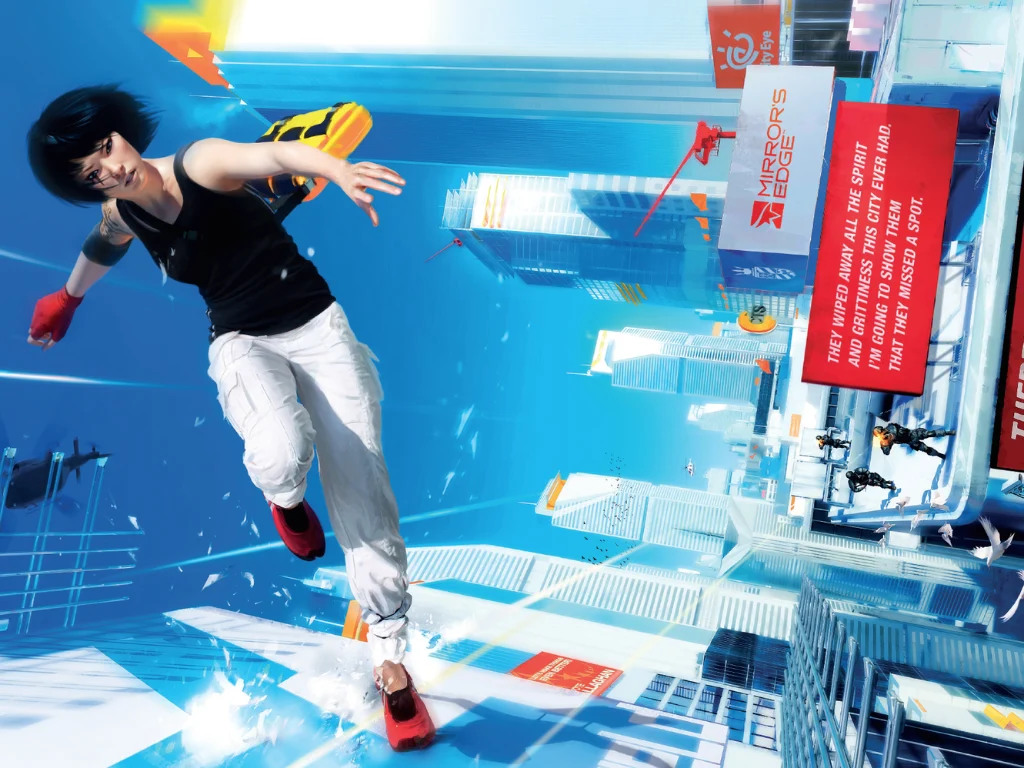
    The creators of the well-known parkour game released in 2008, Mirror’s Edge, recently talked with Design Room about the game’s original idea. While we are used to the game’s clean white look, with red markers showing where to go, the first concept was quite different.

    Change in Direction

    At first, Mirror’s Edge was designed to have a dark, brown, dystopian city vibe, similar to many Unreal Engine games from that era. However, the developers had to abandon this plan because the fast movements and parkour features made them feel very nauseous, much like how players feel when using a VR headset to play Mirror’s Edge.

    Senior producer Owen O’Brien mentioned that the first design made players feel sick quickly, which led the team to create a more simplified, less detailed yet beautiful world that helped reduce motion sickness, ultimately giving Mirror’s Edge its bright and appealing look, which people still admire today.

    A Necessity for Change

    The main artistic design of Mirror’s Edge came from a need rather than just artistic intent. O’Brien shared in the interview, “Mirror’s Edge started off looking like every other Unreal game, to be honest.”

    Problems arose when early testers raced through detailed settings, causing a disconnect between what they saw on the screen and what their bodies expected.

    O’Brien added, “We found that when you were moving very fast through the world, you got motion sickness very quickly. We discovered that it was less if you made the world cleaner and less detailed.”

    Prototype Reflections

    Art director Johannes Söderqvist also shared his thoughts, calling the prototype “pretty brown, like a regular game, if you will. It wasn’t bad; it looked good, actually. But there was no style to it, or a fairly generic style.”

    Seeing the motion sickness problem alongside the standard seventh-generation console art style, O’Brien encouraged the team to explore new artistic ideas to make the game unique. He recalled, “I said to the team, I want to look at a screenshot of Mirror’s Edge in a magazine and know it’s our game.”

    So, Söderqvist and the design team started playing around with textures, removing colors to create large, open spaces, which were highlighted by flashes of bold greens, blues, reds, and yellows throughout the levels.

    Reception and Legacy

    Mirror’s Edge was launched for the PlayStation 3 and Xbox 360 in 2008, selling over 2.5 million copies. It received praise for its unique gameplay and world design, though the story was seen as lacking.

    In 2016, the game was rebooted as Mirror’s Edge Catalyst. It improved on the open-world design but didn’t add much more to engage players, and the repetitive storyline hurt sales. Nonetheless, it did inspire parkour gameplay in titles like Dying Light.

    Source:
    Link


  • 70% of PS3 Games Playable on RPCS3, PS5 Support Delayed

    70% of PS3 Games Playable on RPCS3, PS5 Support Delayed

    Key Takeaways

    1. Retro gamers without a PS3 console have limited options, mainly relying on cloud streaming via PS5 or the RPCS3 emulator.
    2. The RPCS3 emulator has made significant progress, with 70.94% of PS3 titles now marked as “Playable.”
    3. Around 26.19% of titles are “Ingame” but face glitches, while the number of games with no functionality is decreasing.
    4. Technical challenges due to the PS3’s unique cell processor affect performance on modern PCs, with Sony exploring solutions alongside retro gaming specialists.
    5. The RPCS3 emulator is set to improve graphics for more PS3 games in 2026 and has achieved support for ARM64 devices.


    Retro gamers looking for a taste of the PlayStation 3 experience have limited choices. If they don’t have the original console, they must depend on cloud streaming games available on the PS5. Unfortunately, the selection is quite small, which makes the RPCS3 PS3 emulator a tempting choice. The software has reached a new compatibility milestone on systems like Windows and Linux.

    Ongoing Improvements

    As an open-source project, the emulator is continuously being enhanced by contributors. In a recap video from 2025, it was shared that 70.94% of PS3 titles are now “Playable.” Among the games that have seen significant progress is Gran Turismo 5 Prologue, which is featured in the latest updates.

    Challenges Ahead

    Another 26.19% of titles are marked as “Ingame,” but they suffer from glitches that prevent complete gameplay. The rest of the library either gets stuck on the starting screens or fails to launch entirely. Still, the number of games that have no functionality at all is gradually decreasing.

    Developers have introduced steering wheel support and custom servers for games that lack online multiplayer options. For PS5 users, Sony’s approach to PS3 emulation feels incomplete in comparison. To access the Classics Catalog, players need to sign up for PlayStation Plus Premium. Even then, the cloud experience often doesn’t truly capture the original feel.

    Technical Hurdles

    The unique cell processor in the PlayStation 3 has created challenges when revisiting its games. Even on today’s PCs, using RPCS3 can be demanding on the CPU, which can limit framerates. Sony is still looking for an official fix but doesn’t seem to be in any hurry to address the issue. Reports suggest they have teamed up with retro gaming specialists Implicit Conversions, which might yield results in the future.

    RedoEngine has also made strides with its own PS3 emulator on the PS5. This is not a community-run project and focuses on a narrower range of titles, such as Cloudberry Kingdom. Players can try out the RedoApps method by buying the game from the PlayStation Store.

    In 2026, RPCS3 is set to enhance the graphics for more PS3 games across various platforms. Recently, support for ARM64 was achieved, enabling the app to run on devices equipped with Snapdragon X chips.

    Source:
    Link


  • Ayaneo Ends Pocket Vert Indiegogo Campaign Early for Backers

    Ayaneo Ends Pocket Vert Indiegogo Campaign Early for Backers

    Key Takeaways

    1. Ayaneo is shipping the Pocket Vert handheld device sooner than planned due to smooth production progress.
    2. The crowdfunding campaign on Indiegogo will end early on January 19, 2026, instead of February 4, 2026.
    3. Payments will be collected within 2 days after the campaign concludes, with backers having 5 days to provide shipping information.
    4. Shipping is expected to start by the end of January, making it one of Ayaneo’s fastest projects to ship.
    5. There may be flexibility in shipping dates based on production, with some models potentially shipping earlier than others.


    Ayaneo is sticking to its commitment of improving services this year by announcing that its Pocket Vert premium vertical handheld will be shipped sooner than initially planned. This news was shared through an update on the Indiegogo page dedicated to the Pocket Vert.

    Smooth Production Progress

    Arthur Zhang, who is the CEO of Ayaneo, stated that the production of this handheld device has been “progressing smoothly,” allowing for a substantial stock to be available. This has enabled the company to fulfill its pre-order commitments even earlier than they had anticipated.

    Crowdfunding Campaign Updates

    The Pocket Vert went up for pre-order on Indiegogo in late December 2025, with the crowdfunding effort set to conclude on February 4, 2026. However, instead of waiting for the campaign’s original end date, Ayaneo has opted to end it prematurely. This choice brings about some notable changes.

    Under Indiegogo’s guidelines, payments are generally collected within 15 days after the campaign concludes. Following that, backers have an additional 5 to 15 days to provide their shipping information and settle shipping fees. Thus, shipping was expected to start in late February.

    Shipping Dates Adjusted

    Fortunately, Ayaneo has received approval from Indiegogo to move the shipping date forward, which helps minimize delays. As a result, the crowdfunding campaign will now conclude on January 19, rather than February 4. The time frame for payment collection has also been shortened to just 2 days, and backers will have about 5 days to submit their shipping addresses and pay for shipping costs.

    In summary, the Pocket Vert is set to start shipping by the end of January, making it one of Ayaneo’s quickest crowdfunding projects to ship. Shipments will occur in batches based on SKUs, with the 12GB RAM + 256GB variant being the first to ship, followed by the 8GB RAM + 128GB model.

    Flexibility in Shipping

    Ayaneo also mentions that there could be some flexibility regarding shipping based on production batches; thus, some 8GB RAM versions might begin shipping earlier if the remaining orders for the 12GB RAM model are minimal. Once all orders for a particular SKU on Indiegogo are fulfilled, any leftover stock will be available to customers who pre-ordered through other platforms, like the Ayaneo website.

    Now that the campaign is over, Ayaneo is likely to shift sales to its own website. However, at the time of this writing, the Pocket Vert is not yet available for sale directly on the manufacturer’s site.

    Source:
    Link


  • Ayaneo Unveils More Details on Pocket S Mini Handheld Console

    Ayaneo Unveils More Details on Pocket S Mini Handheld Console

    Key Takeaways

    1. Ayaneo introduced the Pocket S Mini handheld, targeting a release date in March 2026.
    2. The device will feature a 4:3 LCD display, but the exact screen size is not yet known.
    3. It will be powered by the Snapdragon G3x Gen 2 processor, similar to the 2024 Pocket S.
    4. The design includes a full CNC metal frame, RGB Hall Effect joysticks, and will be available in three colors: Black, White, and Retro Power.
    5. Pricing and additional details are still undisclosed, with expectations for another announcement session.


    During Ayaneo’s recent sharing session, the company not only introduced a new Windows handheld device but also shared more insights about the Pocket S Mini handheld. This device was initially announced in September 2025, with a target release date set for March 2026.

    Display Details

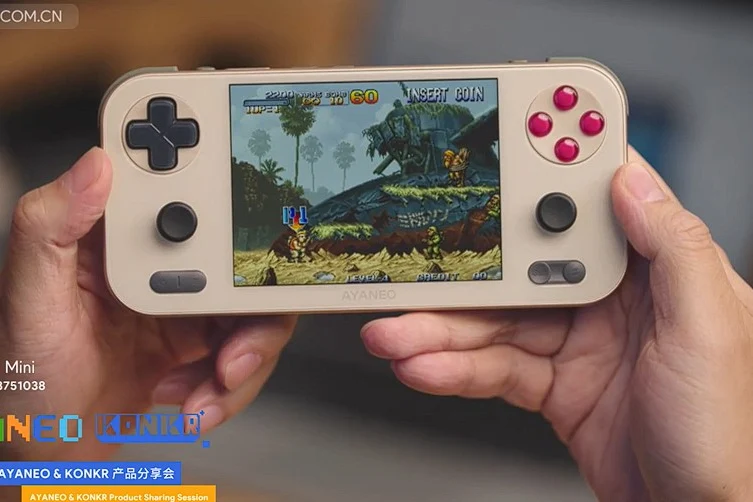
    Earlier, Ayaneo had indicated that the Pocket S Mini would feature a 4:3 display. They’ve now confirmed that it will include an LCD panel, although the exact screen size is still a mystery. It appears to match the dimensions of the Pocket Air Mini screen.

    Powerful Performance

    Ayaneo also disclosed that the Pocket S Mini will run on the Snapdragon G3x Gen 2 processor, the same chip that powered the 6-inch Pocket S launched in 2024. Unfortunately, there hasn’t been any information released about RAM or storage configurations.

    Design and Colors

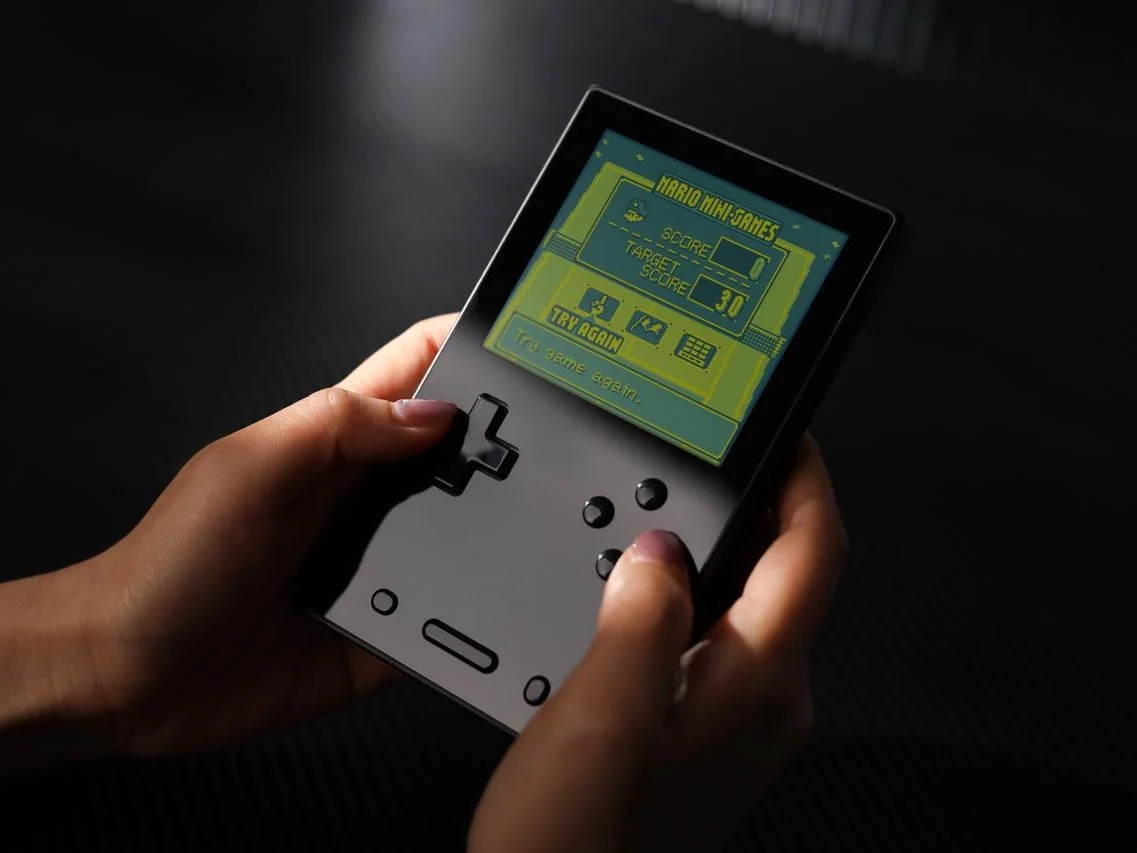
    The Pocket S Mini will boast a full CNC metal frame, along with RGB Hall Effect joysticks, Hall Effect triggers, and buttons with a crystal texture. It will come in three colors: Black, White, and a Retro Power edition, similar to the Pocket Air Mini.

    Many details, including the pricing, still remain undisclosed. It is likely that Ayaneo will host another session to announce these specifics.

    Ayaneo on YouTube

    Source:
    Link


  • Fable Reboot Leak: Concept Art of New and Old Towns Revealed

    Fable Reboot Leak: Concept Art of New and Old Towns Revealed

    Key Takeaways

    1. Microsoft will provide more details about the Fable reboot on January 22nd during the Xbox Developer Direct.
    2. Concept art leaks show various locations and environments that may be featured in the game, though not all may make it to the final version.
    3. The reboot will explore a larger version of Albion, with over 20 leaked images suggesting significant scale and the return of familiar locations from previous titles.
    4. Bloodstone, a coastal society from Fable 2, is highlighted in the leaked art, featuring areas like an Arena and Pub Island, and suggesting a shared origin for player characters.
    5. Fans are eagerly awaiting a specific release date for the Fable reboot, with current expectations set vaguely around 2026 and rumors of a possible PS5 version.


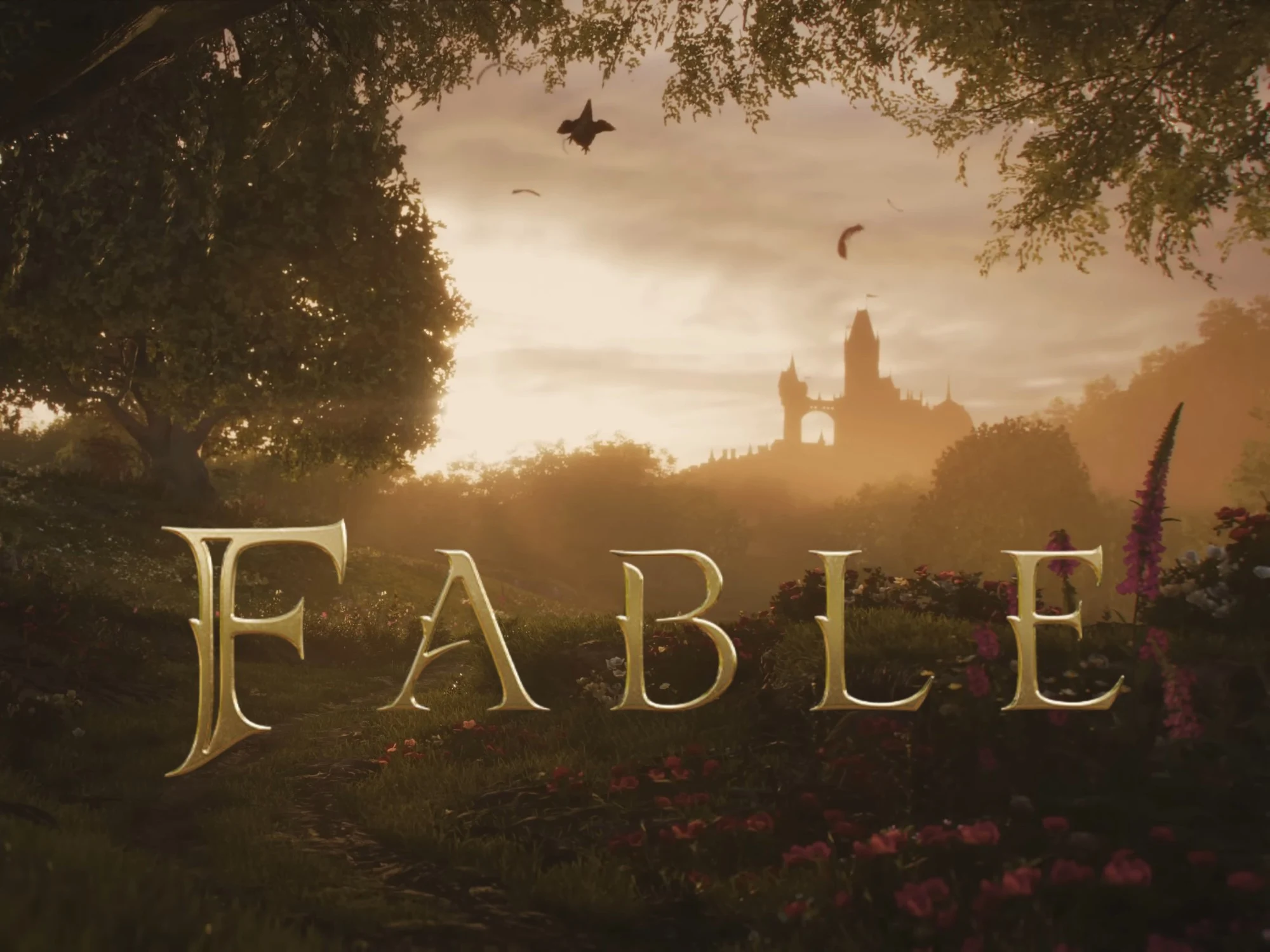
    Announced in 2020, there are still many questions that fans have about the upcoming Fable reboot. Microsoft is set to give a more detailed glimpse of the Playground Games’ RPG on January 22nd during the Xbox Developer Direct. Meanwhile, some concept art has leaked, showcasing various locations that might be featured in the game.

    Concept Art Leaks

    MP1st has acquired these artworks from an artist who is no longer part of the project. While it’s uncertain if all the visuals shown will make it into the final game, there are clear resemblances to the environments seen in the official trailers.

    Exploring a New Albion

    The Fable reboot is anticipated to unfold in a larger version of Albion, supporting classic open-world exploration. The over 20 leaked images hint that the game’s scale has grown significantly. Moreover, developers might bring back familiar locations from previous Fable titles.

    Focus on Bloodstone

    Some of the leaked art highlights Bloodstone, a ruthless coastal society first introduced in Fable 2. One particular image titled after the town displays a map of the market area, including paths leading to an Arena, Pub Island, and markers indicating a character named Jacob.

    Even if players can personalize their hero in the Xbox title, it seems all characters might originate from the same area. Some art files labeled “Hamlet” suggest a possible home base for players. In one scenario, it shows a bustling community before a flood seemingly devastates its inhabitants.

    A giant werewolf was seen in the Fable reboot trailer, and a Balverine is also prominently featured in the artwork. Gamers will need to watch the Xbox Developer Direct to see if any other leaked visuals come to life.

    Anticipation for Release Date

    Fans are eager to receive a more specific release date for the Fable reboot, instead of the vague 2026 timeline. PlayStation fans are also intrigued, as there are rumors that a PS5 version could launch on the same day.

    Source:
    Link


  • RedMagic Launches Updated Gaming Smartphone with Golden AquaCore Cooling

    RedMagic Launches Updated Gaming Smartphone with Golden AquaCore Cooling

    Key Takeaways

    1. The RedMagic 11 Pro Golden Saga Edition features a carbon fiber design for improved aesthetics, but no significant durability enhancements.
    2. It includes the Golden AquaCore Cooling System for better airflow, utilizing real gold and silver components.
    3. The smartphone maintains a 7,500 mAh battery with 80 W wired and wireless charging, and has a 6.85-inch AMOLED display with a 144 Hz refresh rate.
    4. It is powered by the Snapdragon 8 Elite Gen 5 chipset and has a dual 50 MP camera setup.
    5. Limited availability with a price of £1,299 in the UK, €1,499 in the Eurozone, and $1,599 in the US, only offered with 24 GB of RAM and 1 TB of storage.


    RedMagic has unveiled a new version of its gaming smartphone. To provide some background, the Golden Saga Edition has come out just a few months after the global launch of the RedMagic 11 Pro. Despite the brief interval, RedMagic asserts that they have introduced several improvements during this time.

    Design and Cooling Features

    In terms of design, the Golden Saga edition showcases a carbon fiber aesthetic, which the company claims increases its durability. However, it appears that this new Golden Saga edition doesn’t deliver any significant enhancements in terms of durability. On a positive note, the latest release incorporates RedMagic’s Golden AquaCore Cooling System, which they state combines “real gold and silver” along with gold-plated vapor chambers to enhance airflow efficiency.

    Specifications and Performance

    The Golden Saga version keeps the robust 7,500 mAh battery, supported by both 80 W wired and wireless charging. It also features a 6.85-inch AMOLED screen with a resolution of 2,688 x 1,216 pixels and a refresh rate of 144 Hz. Additionally, the camera setup remains the same with a 50 MP main camera and a 50 MP ultra-wide-angle lens. The Snapdragon 8 Elite Gen 5 chipset, found in other flagship devices like the OnePlus 15 (currently priced at $899.99 on Amazon), is also used in this model.

    Pricing and Availability

    The RedMagic 11 Pro Golden Saga Limited Edition is priced at £1,299 in the UK, €1,499 in the Eurozone, and $1,599 in the US. Keep in mind that this new smartphone is only available with 24 GB of RAM and 1 TB of storage. Additionally, the stock of RedMagic’s units is very limited. For further insights, check out our RedMagic 11 Pro review for more information.

    Source:
    Link


  • Rockstar North Reopens After Boiler Blast, GTA VI Development On Track

    Rockstar North Reopens After Boiler Blast, GTA VI Development On Track

    Key Takeaways

    1. A boiler room explosion occurred at Rockstar North’s offices in Edinburgh, where Grand Theft Auto VI is being developed, but there were no injuries reported.
    2. The Scottish Fire and Rescue Service responded quickly, arriving at the scene at 5:02 a.m. and managing the situation effectively.
    3. The explosion caused significant damage to the office, but the building remained structurally sound.
    4. Early investigations suggest the explosion was an accidental malfunction, despite speculation about foul play.
    5. Rockstar North’s office was temporarily closed, but it has since reopened, and the release of GTA VI is currently scheduled for November 19, 2026, despite concerns about potential delays.


    Firefighters quickly responded to a boiler room explosion at Rockstar North’s offices in Edinburgh, where Grand Theft Auto VI is being developed. Fortunately, the building remained structurally sound, and there were no injuries reported, all thanks to the fast actions of the rescue teams who arrived at 5:02 a.m.

    Location of the Incident

    The explosion took place at the Barclays House office located on Holyrood Road. Upon receiving emergency calls, the Scottish Fire and Rescue Service acted swiftly to reach the location.

    Residents nearby reported a loud bang that led to a fire, causing significant damage to Rockstar North’s office. Thankfully, emergency responders were able to manage the situation quickly.

    Official Statements

    A representative from the SFRS confirmed the event in a statement to The Herald, noting:

    “We were alerted at 5:02 a.m. on Monday, January 19, to a situation on Holyrood Road, Edinburgh. Our Operations Control dispatched three fire trucks and specialized resources to the location, where firefighters worked to secure the structural safety of the commercial building. No injuries were reported, and crews departed the site by 9:21 a.m.”

    To ensure safety, police cordoned off the area around the Rockstar North office and adjacent streets. Although some individuals are speculating about foul play, early investigations suggest that an accidental malfunction was the primary cause of the explosion.

    Studio Background

    Rockstar North is the main site for developing titles in the Grand Theft Auto and Red Dead Redemption franchises, which includes ongoing work on GTA VI.

    The incident took place during a time of increased tension within the studio, where 34 workers were terminated for allegedly leaking crucial GTA VI source material. Former employees and the IWGB union have claimed that Rockstar is engaging in “union-busting” due to subpar working conditions. Rockstar denied those allegations and the affected employees had previously been denied interim relief.

    Following the explosion, Rockstar North’s office was closed temporarily, but it has been reported that the building is once again fully functional.

    Game Release Concerns

    Rockstar Games has already postponed GTA VI twice, with the game now expected to launch on November 19, 2026. Fans are worried that the studio might delay the release again due to this incident. However, reports indicate that the explosion occurred outside of working hours, which means that no employees or operational equipment were harmed.

    Source:
    Link


  • Ayaneo Konkr Fit: AMD Ryzen AI 9 HX 470 Handheld Revealed

    Ayaneo Konkr Fit: AMD Ryzen AI 9 HX 470 Handheld Revealed

    Key Takeaways

    1. The Konkr Fit is a new 7-inch Windows handheld device, distinct from the 6-inch Konkr Pocket Fit.
    2. It features an AMD Ryzen AI 9 HX 470 processor and a large 80Wh battery, offering more power than competitors like Lenovo Legion Go.
    3. The design includes a larger OLED display, adjustable triggers, dual back buttons, and comes in two colors: Retro Gray and Yellow.
    4. The Konkr Fit has improved ventilation with a larger air inlet vent and two Type-C ports, unlike the Pocket Fit.
    5. Release date and pricing for the Konkr Fit are currently unknown, but updates are expected soon.


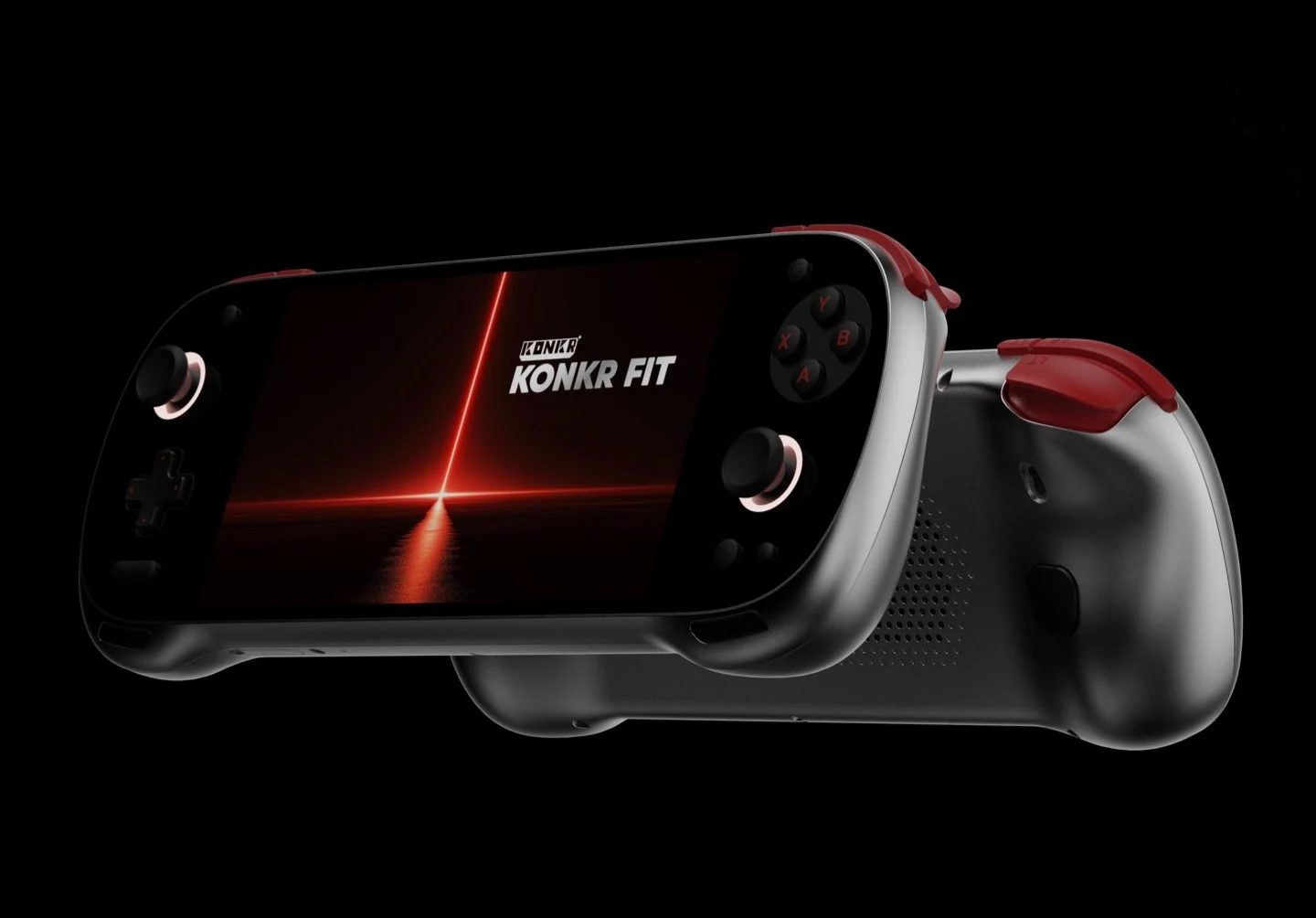
    Last year, Ayaneo introduced a new budget brand called Konkr. This announcement coincided with the launch of its first handheld device, the Konkr Pocket Fit, which is a 6-inch Android handheld. Now, they have presented the Konkr Fit as the second handheld under the Konkr name, and this one will operate on Windows right from the start.

    Differences in Design

    The Konkr Fit is not merely a Windows variant of the Konkr Pocket Fit; it is a distinct handheld device. Although the general design seems to be similar, there are several important differences.

    First off, it is bigger, featuring a 7-inch OLED display, unlike the Pocket Fit’s 6-inch LCD screen. This larger display might be the reason why Ayaneo chose to omit “Pocket” from the new model’s name.

    Specifications and Power

    Ayaneo has disclosed that the Konkr Fit will run on an AMD Ryzen AI 9 HX 470 processor and will be powered by a substantial 80Wh battery. In contrast, the Lenovo Legion Go S, which can be found on Amazon priced at $652.78, has a 55.5Wh battery, while the Legion Go 2 is equipped with a 74Wh battery. Unfortunately, more technical specifications for the Konkr Fit are still under wraps.

    The Konkr Fit will come in two colors: Retro Gray with red accents and Yellow. The button arrangement is the same as the Konkr Pocket Fit, and it includes adjustable triggers and dual back buttons.

    Additional Features

    Moreover, the Konkr Fit has a larger air inlet vent on the back compared to the Pocket Fit. It also features two Type-C ports at the top, which the Pocket Fit does not have. Another noticeable change is the screws that secure the backplate of the Konkr Fit.

    There’s currently no information available regarding the release date or the price of the Konkr Fit. However, we can anticipate more updates in the near future.

    Ayaneo on X

    Source:
    Link