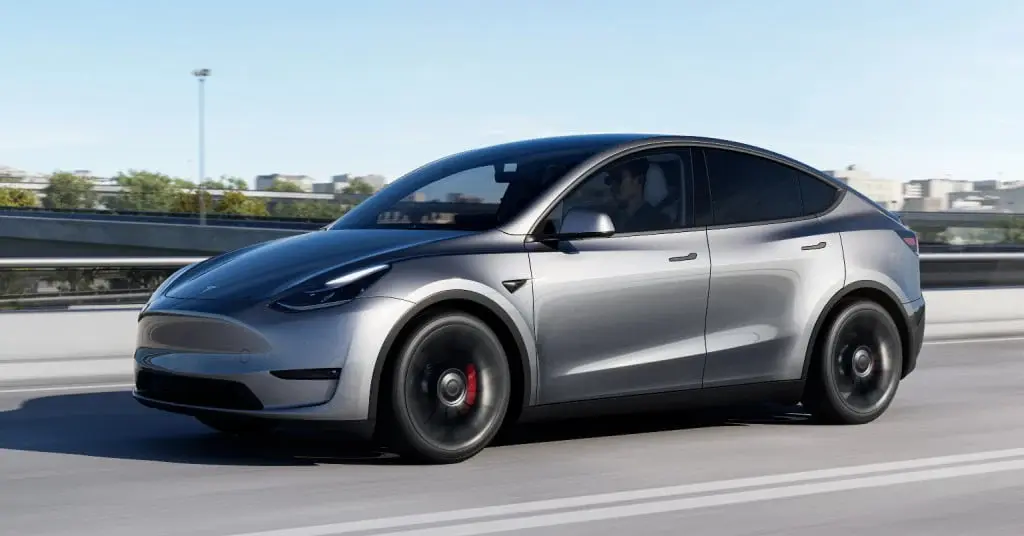
Tesla is gearing up to make its mark in India, one of the world's top auto markets, by stepping into the electric vehicle arena. The company has initiated the production of right-hand drive models at its Berlin Gigafactory in Germany, specifically tailored for the Indian market. This move strongly suggests potential exports to India as early as this year.
Tesla's Strategic Planning
Aiming to establish a firm foothold in India, Tesla is in motion towards exploring the market and setting up possible factory locations. Although an official announcement of Tesla's Indian venture is pending, the company's resolve seems unwavering. A team is set to inspect potential factory sites later this month, with an estimated investment of $2 billion USD earmarked for this endeavor.
Policy Changes and Incentives
India's recent policy modifications have been instrumental in luring Tesla into the market. The revised policy offers reduced import duties on specific electric vehicles, contingent upon manufacturers investing a minimum of $500 million and commencing production within three years. Additionally, this policy alteration permits foreign carmakers to import up to 8,000 vehicles annually at a lower tax rate.
Expansive Vision
Beyond merely exporting vehicles, Tesla envisions investing in India's charging infrastructure network and increasing local component sourcing. The states of Tamil Nadu, Maharashtra, and Gujarat are being considered as potential factory sites, with construction expected to span approximately two years. This move signifies Tesla's broader ambitions to penetrate the Asian market, with India emerging as a pivotal player in their growth strategy. The company's entry into India will be closely monitored, given the recent policy shifts and the rising demand for electric vehicles in the country.
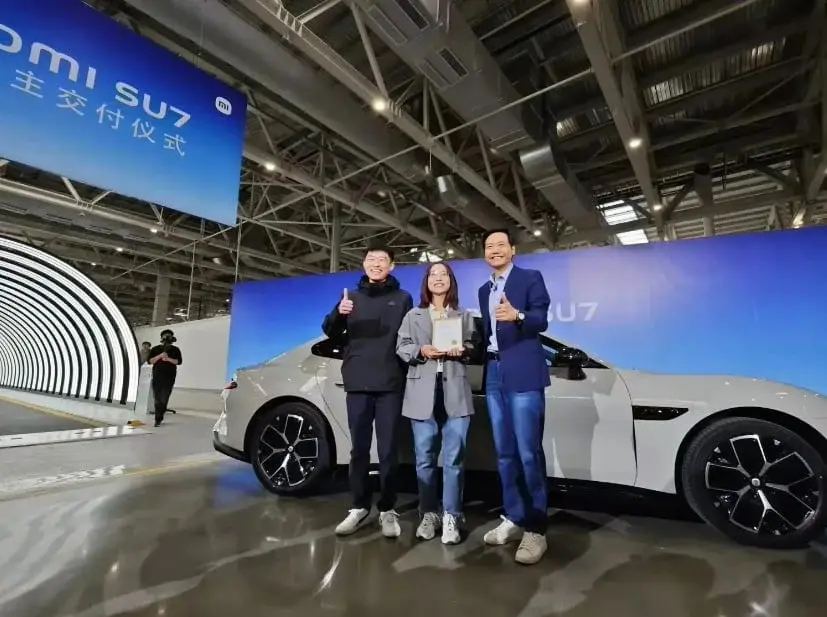
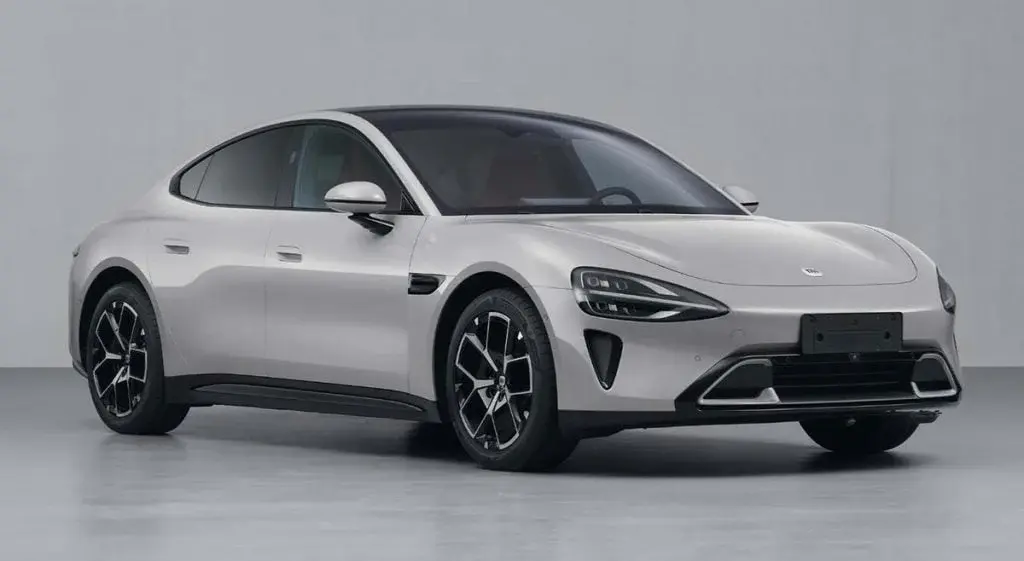
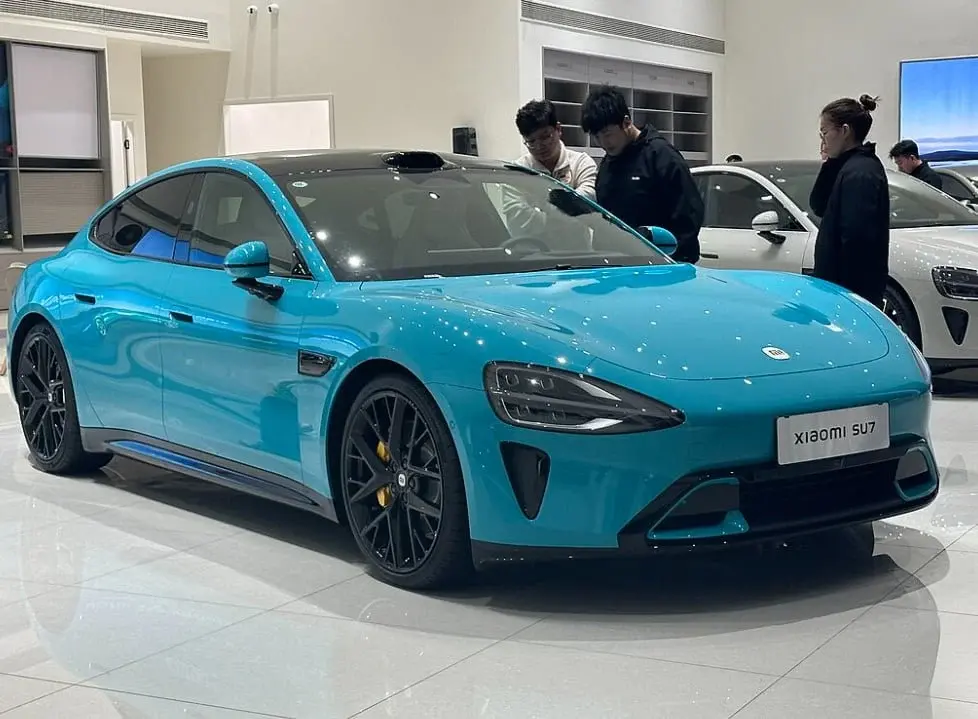
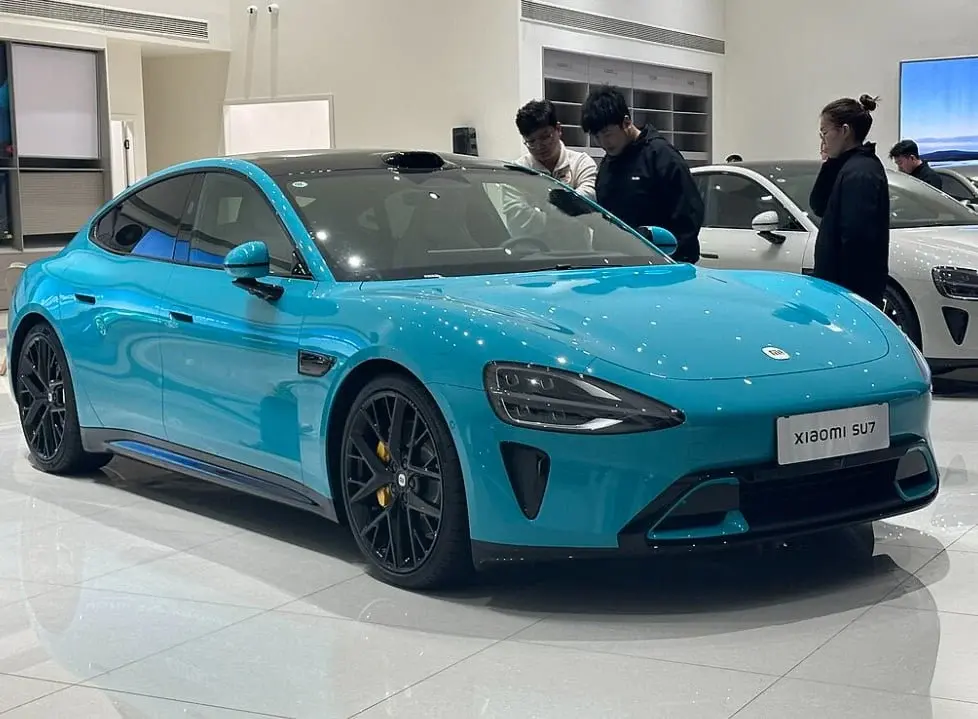
Today, Xiaomi Auto initiated the distribution of its highly awaited electric vehicle, the SU7, on April 3. The initial batch of this sedan was handed over to excited customers at the Xiaomi Automobile Factory in Yizhuang, Beijing. The company’s goal is to globally sell only 5000 units in this first wave.
Personal Delivery Ceremony
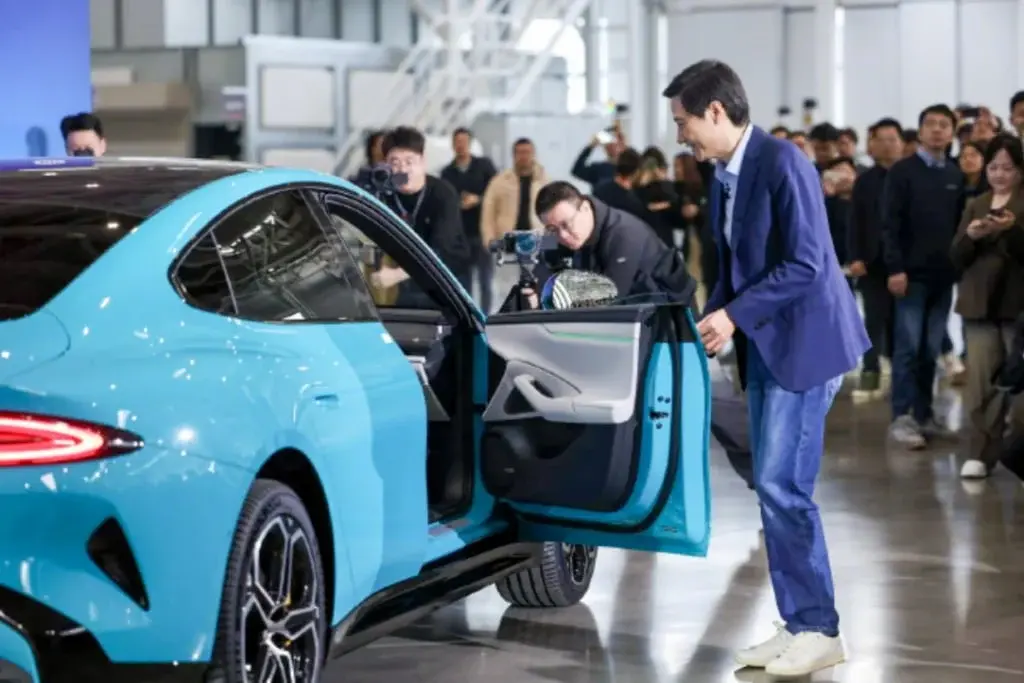
The delivery event was graced by Xiaomi’s founder and CEO, Lei Jun, who personally presented each SU7 to its new owner. Lei Jun’s involvement added a personal touch to the occasion, as he opened the doors of the vehicles for the proud recipients. Additionally, Lei Jun took commemorative photos with each owner, a gesture that resonated with Chinese netizens on social media platforms like Weibo.
Special Features of the SU7 Founder Edition
The SU7 Founder Edition was introduced as a gesture of appreciation to loyal supporters, known as "rice fans." This electric vehicle comes with exclusive features like limited metal wordmarks, numbered nameplates, and special gift boxes that include certificates and a Bluetooth key signed by Lei Jun. It also boasts upgrades such as Nappa leather, 25 speakers, and a car fridge, offering a blend of luxury and innovation. The SU7 is competitively priced between 215,900 to 299,900 yuan ($29,900 to $41,500).
Strong Demand and Growth Prospects
With over 100,000 confirmed orders and 40,000 locked orders, the SU7 has generated significant interest, underscoring the excitement surrounding Xiaomi’s venture into the automotive sector. The delivery ceremony not only marked a significant milestone for Xiaomi Auto but also demonstrated the company’s commitment to personalized service, with CEO Lei Jun personally engaging with each car owner.
Xiaomi Auto has ambitious growth plans, aiming for an annual production capacity of 150,000 units. By initiating deliveries from the factory and expanding to Xiaomi stores in 28 cities across China, the SU7 is positioned to have a substantial impact on the electric vehicle market.
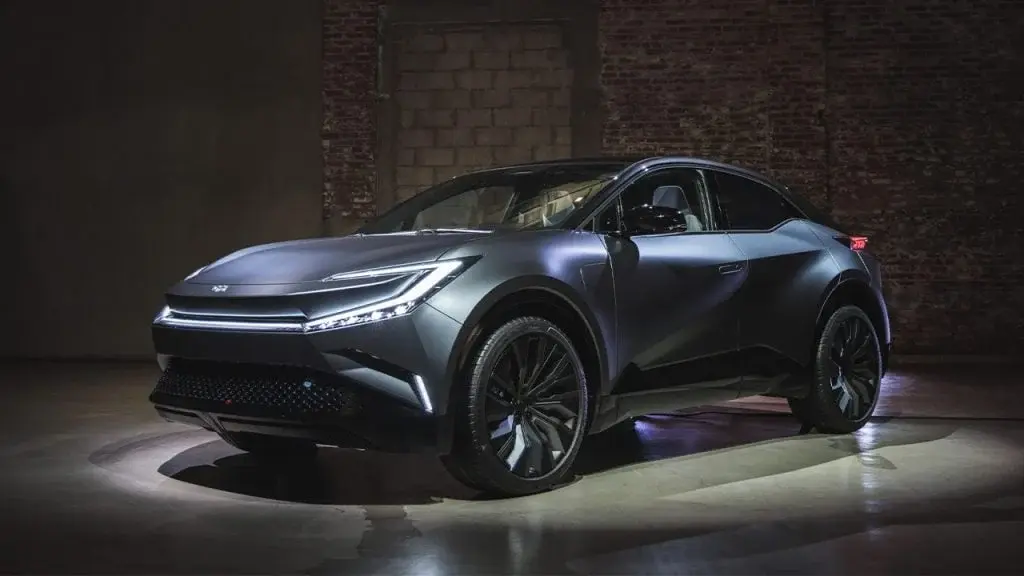
As per the latest updates, Toyota, the well-known Japanese automaker, has exciting plans for the upcoming Beijing Auto Show. They are preparing to reveal a new electric concept car, keeping specific details confidential, which is expected to bring a fresh perspective from the company. This forthcoming vehicle will not only display Toyota's most recent design concepts but also highlight groundbreaking advancements in intelligent technology and chassis engineering.
Toyota's Solid State Battery Initiative
Toyota has set a target to commence mass production of solid-state batteries by 2027. Additionally, the company is strengthening its foothold in China by intensifying partnerships with significant Chinese manufacturers. This strategic move showcases Toyota's enduring dedication to collaborating with key players in the world's largest automotive market. The emphasis remains on battery innovation, with Toyota reiterating its commitment to scaling up solid-state battery production by 2027. While initial small-scale production is ongoing, this next-gen technology is anticipated to bring substantial enhancements in electric vehicle range and charging efficiency.
Diverse Vehicle Lineup at the Beijing Auto Show
The Beijing Auto Show won't be limited to futuristic concepts alone. Toyota is gearing up to introduce a range of vehicles, including the bZ4X ROBOTAXI, an autonomous taxi developed in partnership with Pony.ai. Enthusiasts can also anticipate the showcase of models like the GR YARIS and the Camry 2.5L dual-engine variant. The active participation of prominent EV manufacturers in the electric vehicle domain signifies progress in a crucial sector that demands attention. Increased competition is likely to drive down EV prices, facilitating broader acceptance among consumers. Furthermore, Toyota has plans to unveil the sixth generation of the iconic Supra in the upcoming year or beyond, adding another exciting element to watch out for.
Xiaomi is incentivizing its employees by introducing a special discount program for their latest electric vehicle, the SU7. This offer, available from March 28th to June 30th, 2024, provides Xiaomi staff with reduced interest rates on car loans. Employees can benefit from an annualized interest rate as low as 1.6%, a significant drop from the standard 3.0% rate offered to external customers. Moreover, employees have the flexibility to make a down payment as low as 15% and extend their loan period up to 60 months. To take advantage of this offer, employees simply need to place an order for the SU7 through the Xiaomi Auto App and await contact from a delivery specialist to initiate the financing process. They can then opt for the exclusive "Employee 1.6%" plan and submit their financing application.
Employee Incentives at Xiaomi
Xiaomi employees are presented with the opportunity to purchase the SU7 with annual interest rates starting at 1.6%. This exclusive offer provides them with advantageous financing terms, enhancing their accessibility to the electric vehicle.
Standard financing options are also available to external customers looking to purchase any model of the SU7 before June 30th, 2024. These plans offer varying down payment options ranging from 15% to 50%, coupled with loan durations spanning from 12 to 60 months, all at a fixed annualized interest rate of 2.5%.
Customer Offers and Benefits
While Xiaomi employees enjoy preferential treatment, the company ensures that regular customers are not overlooked. Standard financing packages are made accessible to external customers, promoting wider adoption of the SU7 and its eco-friendly benefits.
The Xiaomi SU7 has seen remarkable interest, with an impressive tally of over 100,000 orders placed and more than 40,000 confirmed bookings. This early enthusiasm signifies a promising start for Xiaomi's venture into the electric vehicle market. The true test of the SU7's success, however, lies in its sustained performance over time, particularly within the competitive Chinese automotive market.
Market Reception and Future Prospects
Xiaomi's foray into electric vehicles with the SU7 has garnered significant attention, setting the stage for a potentially successful market entry. As the company continues to make strides in the automotive sector, the SU7's performance in the Chinese market will be closely monitored to gauge its long-term viability and competitive edge.
According to recent reports, Xiaomi is facing challenges with “capacity bottlenecks” and supply chain issues in the production of its debut electric vehicle, the Xiaomi SU7. Despite encountering these obstacles, the company is actively working on resolving these concerns while also focusing on enhancing production efficiency.
Xiaomi’s Efforts to Boost SU7 Production
On April 3, Xiaomi conducted the inaugural batch delivery event for the Xiaomi SU7 at one of its automobile manufacturing plants in Yizhuang, Beijing. The Chinese publication Securities Times highlighted that Xiaomi is intensifying efforts to enhance production capacity, engage supply chain partners effectively, and ensure timely delivery of current and future orders.
Production Targets and Strategies
Initial production projections suggest that monthly output is poised to exceed 3,000 vehicles in March, rise to around 4,000 to 5,000 units in April, and eventually stabilize at 6,000 vehicles by the end of the year. Xiaomi Motors has reportedly urged suppliers to enhance production capabilities to achieve a monthly total of 10,000 units.
Focus on High-End SU7 Models
Particular attention is being directed towards scaling up production for the high-end Max version of the SU7. Sales figures for the SU7 range have surpassed initial expectations. Xiaomi’s CEO, Lei Jun, expressed optimism about the car’s success in December, acknowledging the potential variance in user preferences. However, the product’s reception has been positive thus far.
During the recent delivery event in China, Lei Jun announced that over 100,000 individuals have already selected the Xiaomi EV. Xiaomi Motors has confirmed that they are currently facing a surge in demand, with orders exceeding their production capacity.
Xiaomi is broadening its product range beyond just smartphones and smart home devices available exclusively in China. A significant move was made by the company as it entered the electric vehicle market with its SU7 EV. The response to this new venture has been overwhelming, with reports of 3 AM test drives and a high demand for the vehicle.
Xiaomi’s Foray into Electric Vehicles
The recent buzz surrounding Xiaomi’s entry into the electric vehicle market has sparked curiosity among consumers familiar with the brand’s product strategy. The question on many minds is, "Will there be a Redmi electric vehicle?" Wang Teng, the general manager of Xiaomi’s Redmi brand, has shed light on the matter, providing insights into the company’s future plans in this sector.
Undoubtedly, the idea of an affordable Redmi car has been a long-standing wish for Xiaomi fans. Speculations about a Redmi EV have circulated for some time, fueling anticipation. Wang Teng has clarified that while there are no immediate plans for a Redmi car, Xiaomi is gearing up for the launch of new models under its own brand.
Wang Teng emphasized the importance of supporting and promoting the Xiaomi SU7 before envisioning a potential Redmi car. He highlighted that Xiaomi’s focus is currently on establishing a strong foundation with its core models. While the idea of a Redmi car remains uncertain, Xiaomi has ambitious plans for expanding its vehicle lineup in the future.
In a recent statement issued by Xiaomi Auto, the company reiterated its commitment to prioritizing the development of the SU7 EV over an affordable Redmi Car. The report emphasized the challenges in significantly reducing costs to create a competitive electric vehicle under a subsidiary brand like Redmi. Xiaomi’s primary goal is to solidify its position in the electric vehicle market before considering ventures into additional sub-brands.
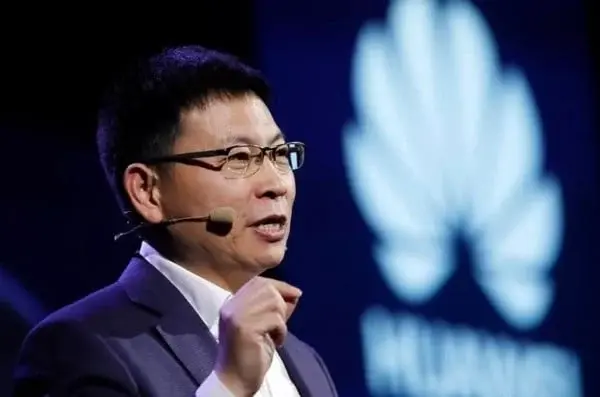
Yu Chengdong, the CEO of Huawei’s Consumer Business Group (BG) and Chairman of Smart Car Solutions BU, has allegedly faced restrictions on using the phrase "far ahead," with a fine of 10,000 Yuan (~$1380) imposed each time he utters it. Despite these claims, Chengdong has refuted these allegations, labeling them as mere rumors.
Ren Zhengfei’s Intervention
Reports suggest that Ren Zhengfei, the founder and CEO of Huawei Technologies, intervened to curb Chengdong from using the phrase. Zhao Hejuan, the founder of the Chinese publication "Titanium Media," initially brought attention to this issue.
Ren Zhengfei had reportedly no choice but to implement this restriction within Huawei, with a humorous tone evident in the message: “Lao Yu does indeed have a true temperament. According to reliable sources, Ren Zhengfei had no choice but to impose a ‘ban’ on Lao Yu within Huawei: every time he mentioned ‘far ahead,’ a fine of 10,000! hahaha” (translated from Chinese).
Denial and Public Attention
When questioned about this incident, Chengdong dismissed it as a rumor in a response on WeChat. Despite his denial, the news of this fine quickly gained traction, becoming a top trending topic on the Chinese microblogging platform Weibo.
In December 2023, during the company’s annual conference, Chengdong addressed the issue, clarifying that he only used the term "far ahead" when describing a substantial lead or dominance in a particular field. He expressed regret that these instances had been turned into a source of amusement.
Influence on Others
At the recent Xiaomi SU7 launch conference, Lei Jun also employed the phrase "far ahead" to highlight the battery life performance of his car, followed by a jest acknowledging Chengdong’s impact: “Okay, one generation ahead! I think Lao Yu successfully implanted the far ahead into us. On everyone’s mind” (translated).
Xiaomi’s venture into the electric vehicle sector seems to be yielding significant results. The debut of their first model, the SU7 EV, has been a remarkable success in China, leading to a substantial increase in production capacity by the tech giant.
Production Capacity Boost
Reports indicate that Xiaomi has urged its suppliers to elevate production levels to an impressive 10,000 units per month, particularly focusing on the higher-end versions of the SU7. This decision follows the unexpected surge in initial sales figures for the EV.
Production Challenges and Response
Initially, the production plan aimed for 3,000 vehicles monthly by March, gradually scaling up to a consistent 6,000 monthly by the close of 2024. However, the overwhelming demand for the SU7 has necessitated a reevaluation of these targets to prevent potential delays in deliveries.
Market Response and Stock Performance
Acknowledging the production challenges, Xiaomi Motors has committed to enhancing production capacity and expediting deliveries. Presently, delivery times for various SU7 models span from 19 to 32 weeks, a period of up to 7 months. This surge in demand has also translated into a notable uptick in Xiaomi’s shares on the Hong Kong stock market, initially surging by nearly 15% and finally settling at a 10.17% increase.
Strong Market Debut
The launch of the SU7 witnessed an impressive 88,898 units sold within the first 24 hours. Reports from a reputable Chinese car blogger on Weibo suggest that each store received an average of 1,800 to 2,000 orders, with a reservation rate of 35-40%.
This successful introduction of the Xiaomi SU7 hints at a bright future for the company in the automotive industry. While the sustainability of this momentum and Xiaomi’s potential as a key player in the global EV market remain uncertain, these initial accomplishments serve as a promising indicator of things to come.
The electric vehicle market in China is currently witnessing an unprecedented surge of interest, as eager customers line up outside showrooms in the early hours for a chance to test drive the latest offering: the Xiaomi SU7. This launch has sparked a nationwide frenzy, with over 88,000 pre-orders received within just 24 hours, a number that continues to climb. The company’s stock has surged by almost 16%, reflecting the immense anticipation surrounding this new release.
What Makes Xiaomi SU7 Stand Out?
In a market already saturated with top-tier EV brands like BYD, Tesla, and Geely, what sets the Xiaomi SU7 apart from the competition? Let’s explore five key reasons why Xiaomi’s entry into the EV market is generating such excitement.
Competitive Pricing Strategy
Xiaomi has adopted a strategic pricing approach to capture market share, offering the SU7 at a competitive price point that undercuts well-established competitors like Tesla and BYD. With three variants—Standard, Pro, and Max—priced between RMB 215,900 ($29,870) and RMB 299,900 ($41,500), the SU7 presents an attractive option for consumers looking for high-quality electric vehicles at an affordable price. This pricing strategy has expanded the SU7’s appeal to a broader segment of Chinese consumers, fueling its popularity.
Impressive Range and Specifications
The Xiaomi SU7 boasts cutting-edge technology and specifications that have caught the attention of Chinese consumers. With claims of exceeding Tesla’s Model 3 in over 90% of specifications, including a starting range of up to 800 kilometers and rapid charging capabilities, the SU7 promises a superior driving experience. Xiaomi’s focus on innovation and technological excellence resonates with tech-savvy Chinese consumers who value advanced features in their vehicles.
Strong Brand Reputation
Xiaomi’s solid brand reputation in China significantly contributes to the success of the SU7. Known for delivering innovative and reliable products, Xiaomi has built trust and loyalty among Chinese consumers. The company’s entry into the electric vehicle market leverages its established reputation, instilling confidence in consumers regarding the quality and performance of the SU7. Xiaomi’s brand recognition serves as a driving force behind the popularity of its electric vehicles in China.
Xiaomi SU7: Meeting Consumer Demands
The rapid production milestones and overwhelming consumer demand for the Xiaomi SU7 underscore its prominence in China’s automotive landscape. With over 50,000 units ordered in the first 27 minutes of sales, the SU7 has attracted significant attention from consumers in China and beyond. This strong demand reflects the growing interest in affordable, high-quality electric vehicles in China’s evolving market. Xiaomi’s efficient production capabilities, coupled with its illustrious history, highlight the company’s ability to meet consumer demands promptly and scale up production efficiently.
Visionary Leadership and Ambitious Goals
Xiaomi’s visionary leadership, led by CEO Lei Jun, sets ambitious goals for the SU7 and the company’s broader aspirations in the automotive industry. With plans to become one of the top five automakers globally in the next 15 to 20 years, Xiaomi demonstrates a long-term commitment to leveraging its technological expertise and brand reputation in the EV market. Lei Jun’s strategic vision and ambitious goals underscore the significance of the SU7 in China’s electric vehicle sector, positioning it as a strong competitor against established players in the industry. Consumers are eager to be part of this vision, driving up demand as they seek to own the SU7.
Conclusion: Xiaomi SU7 – A Leading EV Brand
In the dynamic landscape of electric vehicles, the Xiaomi SU7 emerges as a notable contender worth observing. With a blend of competitive pricing, technological advancements, brand reputation, rapid production capabilities, and visionary leadership, the SU7 represents innovation and excellence in China’s growing EV market. As Xiaomi continues to push boundaries and redefine the automotive industry, the SU7 remains an appealing choice for consumers seeking affordability, performance, and advanced technology in their electric vehicles.
Huawei's Chief Executive Officer of Consumer BG, Richard Yu Chengdong, took to Weibo to announce the commencement of deliveries for the much-anticipated Luxeed S7 electric sedan. This collaboration between Chinese state-owned Chery Automobile and Huawei marks a significant milestone, despite initial hurdles due to semiconductor shortages and manufacturing challenges. The Luxeed S7 has now started making its way to customers, overcoming the obstacles faced during production.
Initial Challenges Resolved
After facing setbacks related to semiconductor shortages and concerns regarding a critical computing component provided by Huawei, the Luxeed S7 is now successfully being delivered to customers. Richard Yu expressed that a substantial number of vehicles are already en route to their owners. This achievement not only signifies a crucial moment for both Chery and Huawei in the electric vehicle sector but also sets the stage for their future partnership.
Competing in the EV Market
The Luxeed S7, which garnered significant market interest with 20,000 pre-orders by November 28, 2023, is positioned as a rival to Tesla's Model S in the premium electric vehicle segment. Priced starting at around 249,800 yuan (equivalent to US$34,600), it presents itself as a more affordable option compared to the Tesla Model S. Analysts foresee the Luxeed S7 competing strongly in China's premium electric vehicle market, leveraging digital advancements like autonomous driving and voice-activated controls.
Luxeed S7 Features and Specifications
The Luxeed S7, the inaugural sedan from Luxeed resulting from the collaboration between Huawei and Chery, offers four variants: Pro, Max, Max+, and Max RS. Utilizing Huawei's advanced 800 V-based Giant Whale high-voltage platform, it promises remarkable performance and efficiency. Equipped with cutting-edge technology such as Huawei ADS 2.0 ADAS software, the Luxeed S7 boasts features like a CLTC range of up to 855 km for select versions and rapid charging capabilities.
Advanced Technological Advancements
Customers can opt for either single-motor or dual-motor versions, with the latter delivering a maximum power of 215 kW and accelerating from 0 to 100 km/h in just 3.3 seconds. Advanced functionalities like roof-mounted LiDAR for enhanced assisted driving functions enhance the appeal of the Luxeed S7, positioning it as a compelling choice in the electric vehicle market. Industry analysts highlight the advanced digital technologies embedded in the Luxeed S7, paving the way for a strong presence in the evolving EV market.
As the Luxeed S7 enters the market and garners feedback from customers, its features and performance will be under close scrutiny. The success or failure of the Luxeed S7 could significantly impact both Chery and Huawei within the competitive landscape of electric vehicles.