Category: All News

  • Garmin Launching Three New Wearables in 2026

    Garmin Launching Three New Wearables in 2026

    Key Takeaway

    1. Garmin’s CIRQA wearable is designed to measure and analyze physical, physiological, and emotional health metrics, with a possible launch in mid-2026.
    2. The Fenix 9 smartwatch is expected to be released in late 2026, possibly around August to October.
    3. A third potential device featuring muscle oxygen saturation sensors, indicated by a trademark for Garmin’s “Muscle Battery,” may also launch in 2026, but is less certain.

    Garmin has recently filed a new trademark that reveals another upcoming wearable device called the CIRQA. This discovery was made in a database, showing that the device might come out sometime in 2026. The trademark was filed in February 2026 with the number 99670310, and it’s believed to be one of three new devices expected to launch this year or next.

    Product Details and Expectations

    The Garmin’s CIRQA trademark confirms that this device is meant for tracking the body’s physical and physiological data. It can measure recovery from stress levels, alertness, and overall performance. Leaks from earlier this year suggest this wrist-like device will probably aim to compete with other high-end fitness trackers like the Whoop 5.0, which costs around $239. Though Garmin hasn’t officially announced when it will be released, some Reddit sources hint at a possible launch around May or June 2026.

    Upcoming Garmin Smartwatches

    In addition to the CIRQA, Garmin’s new Fenix 9 smartwatch is expected to arrive in 2026. During an investor call, the company’s CEO Clifton Pemble mentioned that Garmin expects a stronger second half this year due to new product releases. Fans are hopeful this means the Fenix 8’s successor will be launched sometime during late summer or early fall, perhaps August, September, or October, based on previous release patterns.

    Other Possible Wearables and Features

    The third device rumored for 2026 features a special muscle oxygen saturation sensor. This gadget is connected to a trademark application called Garmin Muscle Battery, which suggests it might need dedicated hardware. However, since this trademark is still pending, it’s less certain to hit the market soon compared to the first two devices. Still, the upcoming year seems to be packed with innovative Garmin wearables and tech improvements for fitness lovers everywhere.


  • Xiaomi Announces Launch Date for Budget MacBook Pro Rival with Panther Lake

    Xiaomi Announces Launch Date for Budget MacBook Pro Rival with Panther Lake

    Key Takeaway

    1. Xiaomi announces the Redmi Book Pro 2026 lineup, featuring 14-inch and 16-inch display options with mid-range and high-end configurations.
    2. The lineup is set to launch in China on April 21, 2026, alongside the Redmi K90 Max.
    3. The laptops will feature Intel Core Ultra processors, high-capacity batteries, fast charging support, and high-resolution LCD screens.
    4. The Redmi Book Pro 2026 aims to offer a more affordable alternative to the existing Panther Lake Xiaomi Book Pro series, with lower initial pricing.
    5. The top-end models are positioned to compete with premium laptops like the MacBook Pro M5, while entry-level options target budget-friendly markets.

    Redmi Book Pro 2026 Series Introduction

    Xiaomi annouced their new Redmi Book Pro 2026 lineup, which is going to be a budget-friendly alternative then their previous Panther Lake Xiaomi Book Pro, and now we know exactly when it gonna be out in China. They confirmed that the release date for the launch will be on April 21, 2026, in China. At this event, they also gonna unveil the Redmi-branded Panther Lake laptops which will have two different sizes: one with a 14-inch display and the other with a big 16-inch screen. This shift is clearly a move to cater a broader range of users.

    Configuration and Specs

    Both of these models will come with several configurations, and the premium options gonna be powered by the Intel Core Ultra X7 358H processor, which sports a powerful Arc B390 iGPU. The lower models are expected to feature the Core Ultra 5 325, with the mid-range probably getting the Core Ultra 5 338H. The smaller 14-inch laptop is expected to equip a strong 92 Wh battery, while the larger 16-inch model will get a 99 Wh unit. Even with a smaller battery pack, Xiaomi teases that the Redmi Book Pro 14 2026 might give you up to 37 hours of local playback after a full charge. With fast charging support up to 90 W and compatibility with PPS protocols, these laptops seem quite feature-rich.

    Display and Additional Features

    Though there’s no confirmed detail about the display specs yet, it’s anticipated that both models will feature high-res LCD screens, ensuring sharp visuals for users. This makes the series a compelling option with flagship aspirations, yet likely at a more accessible price point that could challenge premium MacBooks and budget-friendly alternatives alike. Xiaomi appears to be targeting a broad audience, from casual users to professionals seeking portable yet powerful laptops.

    Pricing and Market Positioning

    Reflecting on their market positioning, the previously released Xiaomi Book Pro with Panther Lake processors started at about CNY 7,999 (roughly $1,171), with the top model reaching CNY 9,999 (about $1,464). The upcoming Redmi models are expected to launch at prices more affordable than these figures, offering a better value proposition for customers. This roadmap suggests Xiaomi aims to expand their flagship and entry-level segment, making high-end features more accessible to everyday users. Despite the absence of detailed pricing info, anticipation is high that the Redmi Book Pro 2026 series will deliver powerful specs without breaking the bank.


    Sources

  • Oppo Find X9 Ultra Hands-On: Massive Hasselblad Zoom Lens Kit

    Oppo Find X9 Ultra Hands-On: Massive Hasselblad Zoom Lens Kit

    Key Takeaway

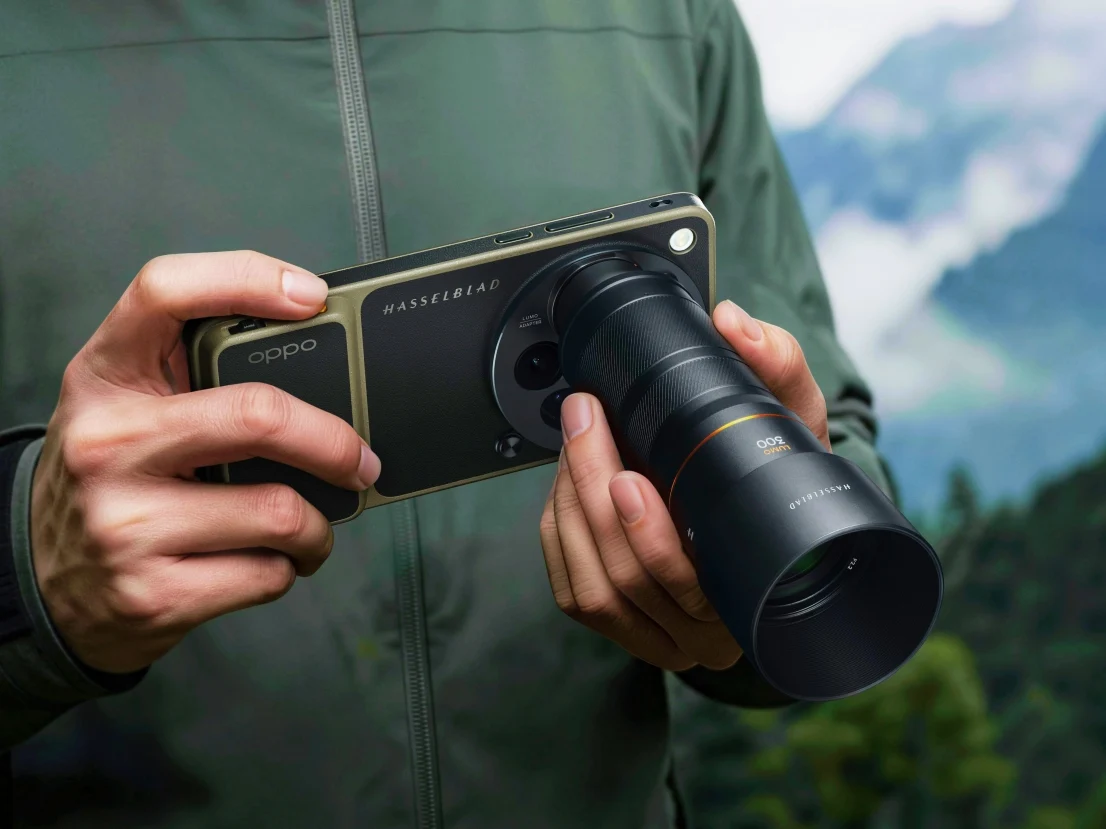
    1. The Oppo Find X9 Ultra features a “Hasselblad Earth Explorer Master Kit” with a 300mm teleconverter lens, enhancing optical zoom capabilities.
    2. The 300mm teleconverter provides approximately 4.28x magnification, extending the phone’s zoom range, especially when used with the 200MP 3x zoom camera.
    3. Despite the high zoom potential, the external lens creates some redundancy, as it approaches the native 10x optical zoom range of the phone’s camera system.

    Upcoming Oppo Find X9 Ultra Gets Leaked Features

    Days before its expected official launch on April 21, the Oppo Find X9 Ultra is already grabbing all of the attention across social medias and tech talk shows. Unboxing and promotional images reveal that the flagship device will come with a unique camera kit specifically called the “Hasselblad Earth Explorer Master Kit,” which includes a hefty 300mm teleconverter and a special camera grip or case. The camera kit seems to be geared toward photography enthusiasts who desire professional-grade zoom capabilities in their mobile devices.

    Massive 300mm Telephoto Lens

    The standout feature of this camera bundle is the long 300mm teleconverter lens. This lens aims to boost the phone’s current optical zoom capabilities, reaching approximately 4.28x magnification. This considerably enhances the Ultra’s zoom range, allowing users to capture distant objects with more clarity and detail. It looks like the teleconverter is designed specifically to perform with the device’s 200MP three-times zoom camera, making the overall zoom experience more versatile and powerful.

    Potential Camera Configurations and Limits

    Visualizing the extendable zoom ability on the Oppo Find X9 Ultra would show some interesting results—if only Oppo permits users to attach the teleconverter to both the optical zoom cameras. Although the numbers are quite impressive, some might wonder if this extra lens is redundant considering the phone’s existing camera setup. The external lens, coupled with the 200MP sensor, provides a reach of around 13x, which is somewhat comparable to the phone’s native 10x optical zoom capability. This raises questions about the real added value of this accessory.

    Competitive Landscape and Market Position

    While carrying an extra piece of glass might not appeal to everyone, Oppo seems motivated to compete with other tech giants like Vivo and Xiaomi, which also offer teleconverters in their flagship smartphones. Regardless, the Oppo Find X9 Ultra looks set to be one of the most adaptable camera phones anticipated in 2026. Or, perhaps more better, it is a phone that combines top-tier photography options with classic phone functions—essentially, a camera powerhouse that also makes calls.

    Official Specs of the Find X9 Ultra

    Oppo has disclosed some preliminary camera specifications for the upcoming device, though full details might still be private. The specs include strong imaging capabilities, presumably to match or surpass current high-end phones. The camera features are designed to support various modes and zoom levels, making it ideal for professionals and hobbyists alike.


    Sources

  • Hackers Leak Entire Avatar Movie Before October Release

    Hackers Leak Entire Avatar Movie Before October Release

    Key Takeaway

    1. Leaked footage reveals young adult versions of the original characters and introduces a new character, Tagah, voiced by Dave Bautista.
    2. The project’s lead voice cast has been entirely recast, with notable replacements such as Eric Nam as Aang and Steven Yeun as Zuko.
    3. The release strategy has shifted from a theatrical release to a streaming-only debut on Paramount+ scheduled for October 9, 2026.
    4. Fans are generally pleased with the animation style but upset with the cast changes and certain script choices that may contradict established lore.
    5. Paramount is actively removing leak content from social media, and no official statement has been issued by Avatar Studios regarding the leak or release plans.

    Leaked Content Exhibits First Look at Avatar: Aang

    Earlier today, an unexpected leak appeared on 4chan and X, revealing a massive amount of footage and script details about the upcoming animated film from Avatar Studios, titled Avatar: Aang. This reveal gave viewers for the first time a chance to see the characters as young adults, although most of this material might not be used anymore as it has been scrapped. Now everyone’s talking about what might change and whether the movie will still hit theaters or not in the future.

    New Characters and Voice Cast

    The leaked clips display the main characters, Aang, Katara, Sokka, Toph, and Zuko, who regroup to meet a new character called Tagah. This character, portrayed by Dave Bautista, is shown to be a very old Airbender trapped in ice. The footage reveals that the cast has completely been recast, with Eric Nam lending his voice to Aang, Steven Yeun taking on the role of Zuko, and the rest of the team voiced by Jessica Matten, Román Zaragoza, and Dionne Quan.

    Changes in Release Plans and Fan Reactions

    Another significant thing the leak exposes is a shift in how Paramount plans to release the film. Internal documents indicate that the movie is no longer scheduled for a theatrical release, but will instead premiere on streaming via Paramount+ on October 9, 2026. Fans who’ve seen the leaked clips seem to generally like the animation style, which sticks close to the visual aesthetic of the original series. However, many are upset about the complete replacement of the voice cast, and there’s quite a lot of concern about some script decisions which seem to conflict with the existing storylines in the comics and The Legend of Korra.

    Copyright Actions and Official Responses

    Paramount has already began sending copyright claims to remove the leaked footage from social media. Despite this, detailed descriptions and discussions about the scenes are still being shared widely. The quality of the images confirms the authenticity of the clips, yet Avatar Studios hasn’t made any official comment about the leak or the possible new release schedule. It’s clear, though, that fans remain wary and anxious for any official updates.

  • Lenovo Launches New 15-Inch Laptop with 165Hz OLED Display and 70Wh Battery

    Lenovo Launches New 15-Inch Laptop with 165Hz OLED Display and 70Wh Battery

    Key Takeaway

    1. Lenovo has expanded the IdeaPad Slim 5x 15Q8Y11 availability to Europe, offering various display options including IPS and OLED with high refresh rates.
    2. The laptop features a Qualcomm Snapdragon X2 Plus X2P-42-100 chipset, up to 32 GB RAM, and optional battery sizes up to 70 Wh.
    3. Pricing in Europe ranges from €1,199 to €1,259, with configurations mirroring the North American offerings, while Australia has higher starting prices and exclusive display options.

    Lenovo Launches New IdeaPad Slim 5x 15Q8Y11 in Europe

    Lenovo is extending the availability of some of its latest laptops into the European market, adding to its lineup which already includes some recent models. Recently in North America, the company introduced the IdeaPad Slim 5x 15Q8Y11. Soon after this, a smaller yet more robust model, the 13Q8Y11, was released in Europe, serving as an alternative to the IdeaPad Slim 5 14Q8X9 (which costs around $775 on Amazon). It’s quite interesting how Lenovo is expanding this series.

    Specifications and Display Options

    The new 15Q8Y11 variant offers a mix of power and flexibility, featuring Qualcomm’s Snapdragon X2 Plus X2P-42-100 chipset paired with LPDDR5X-9523 RAM, plus an optional 70 Wh battery. For display options, users can choose between a 1200p IPS screen or a 1600p OLED display, which boasts a smooth 120 Hz or 165 Hz refresh rate. The balance of specs aims to attract a wide range of users, from casual to professional use. The price for this specific model starts at around £1,440, with configurations that include 32 GB of RAM and 1 TB of storage, maintaining the Snapdragon chipset. Interestingly, if you go for the OLED display, it costs just £40 extra, and the 70 Wh battery comes at no additional charge.

    Pricing Across Regions

    In Europe, the starting prices are varying between €1,199 and €1,259, depending on the country, but the core features such as battery capacity, memory, and display type remain consistent across regions like the UK. On the other hand, in Australia, this newest model costs at least AUD 2,449, which is quite a notable difference. The Australian market only offers the 1600p OLED display variant with a 15.3-inch ARM architecture-based chipset. This narrower selection might be due to regional preferences or logistical reasons. Overall, Lenovo’s pricing strategies reflect regional market conditions, ensuring that customers get options tailored to their needs and budgets.

    Market Availability and Regional Variations

    While the European launch introduces these impressive configurations to a new audience, the Australian market’s offerings are more limited, with only the high-end OLED display models available. Different markets exhibit variant stocking choices, and Lenovo adapts its product lineup accordingly. The global rollout demonstrates Lenovo’s flexibility when it comes to cater to local demands and preferences. As they continue to expand, consumers in Europe will now have access to these powerful and stylish laptops, although will need to consider regional pricing differences. All in all, this move marks a significant step for Lenovo’s European presence, and the company’s focus on delivering versatile options tailored to diverse markets cannot be understated.


  • JBL Flip Essential 3 SE Launches in China 2023

    JBL Flip Essential 3 SE Launches in China 2023

    Key Takeaway

    1. The JBL Flip Essential 3 SE is a budget-friendly, portable speaker with a dual speaker design and IP67 water and dust resistance.
    2. It supports Bluetooth 5.4, Auracast, and stereo pairing, with up to 12 hours of battery life and a 3-hour charging time.
    3. Lacks some features of the main Flip series, such as voice assistant integration and JBL Portable app compatibility.
    4. Available now in China for approximately $132, with no international release announced.

    JBL Introduces New Flip Essential 3 SE Portable Speaker in China

    JBL has recently unveiled a new addition to its budget-friendly lineup, the Flip Essential 3 SE. Unlike the premium flip series, this model is more affordable and now available in China. It comes three years after the previous Flip Essential 2, showing JBL’s continuous efforts to keep their portable speakers current.

    Design and Build

    The Flip Essential 3 SE is a cylindrical speaker with a clean, modern look. It sports a signature JBL fabric finish, available in a stylish gray color, and measures 180 by 69.5 by 72 millimeters, weighing only 550 grams. Its rugged IP67 rating ensure it defends against dust and water, making it perfect for outdoor adventures like beach days or poolside lounging.

    Sound Quality and Connectivity

    This speaker packs a punch with a dual speaker setup, featuring a 10W tweeter and a 20W woofer, delivering a dynamic frequency response from 63Hz all the way up to 20kHz. It supports Bluetooth 5.4, and also offers support for Auracast wireless streaming. You can even connect two of these speakers to enjoy a true stereo soundstage, a feature that adds flexibility for music lovers.

    Battery Life & Additional Features

    Inside, there’s a 4,800mAh battery that promises up to 12 hours of playback on a full charge. JBL states that a complete recharge takes about 3 hours using a 15W charger. However, unlike its higher-end siblings, this model does not include voice assistant support or compatibility with JBL’s portable app, making it more straightforward and easy to use.

    Pricing and Availability

    The JBL Flip Essential 3 SE is presently on sale in China via JD.com, priced at CNY 899, which is roughly equivalent to $132 or €112. Compared to other JBL portable speakers, this is quite an affordable choice, although it’s significantly more expensive than the JBL Go 5, recently announced. As for international availability, JBL hasn’t yet announced plans to bring this model outside China.

    Sources
  • Amazfit Helio Strap Update Enhances Sleep Tracking Features

    Amazfit Helio Strap Update Enhances Sleep Tracking Features

    Key Takeaway

    1. The firmware update improves sleep tracking accuracy and optimizes Pickleball Mode metrics.
    2. Some users report issues with sleep detection, especially during still periods like naps.
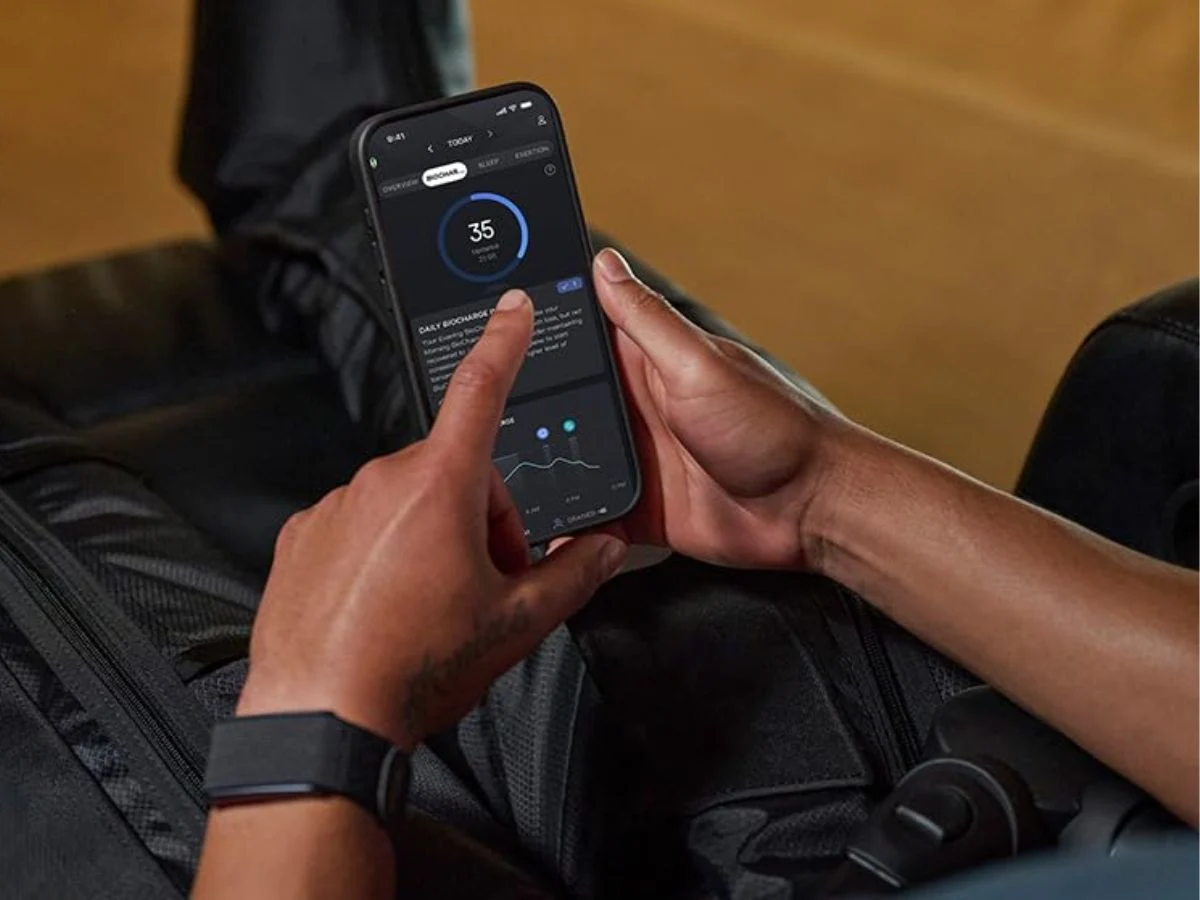
    3. Post-update, HRV measurements may lower below 20 ms and BioCharge scores tend to decrease.
    4. The update also addresses minor bugs and enhances overall system stability.

    New Firmware Update for the Amazfit Helio Strap

    So, a fresh update is finally coming for the Amazfit Helio Strap. The new firmware version 3.13.0.1 is launching just about a month after the previous one, 3.11.0.1, which was aimed to sharpen the sleep recognition feature of the device. Many users are excited because this update promises better sleep detection and overall improvements.

    Improved Sleep Tracking and Additional Modes

    The official notes for this firmware state that there are possible improvements to how accurately it detects sleep, making tracking more reliable. But, dont get your hopes too high, some peoples report that naps still can be missed or misinterpreted especially when they are just sitting still for a while. Besides sleep, there’s also an update for the Pickleball Mode, adding more stats like Forehand and Backhand Stroke Count, which is a pretty cool feature for sport lovers.

    Reported Issues and System Stability

    After installing the update, some users have found that the HRV, or heart rate variability measurement, can fall below 20 ms. it seems like BioCharge scores are also generally getting lower, which some might see as a downside. Nevertheless, Amazfit claims that they have fixed some small bugs and enhanced the system stability, so overall, the updates should make the device more reliable.

    Rolling Out & Availability

    Firmware version 3.13.0.1 isn’t available to everyone all at once. Its being rolled out gradually across different regions, and it might take some time before you see it in your country. When it does arrive, you can update your Helio Strap through the Zepp app on your phone, making the process simple and quick.

    Sources
  • Insta360 Osmo Pocket 4 and DJI Mic 3 Ultra Compete with Preview Date

    Insta360 Osmo Pocket 4 and DJI Mic 3 Ultra Compete with Preview Date

    Key Takeaway

    1. Insta360 will unveil the Luna Ultra gimbal vlogging camera at the 2026 NAB Show, featuring a dual-camera system with 3x optical zoom.
    2. The Luna Ultra is positioned as a competitor to DJI’s Osmo Pocket 4, with an expected strong ecosystem of accessories.
    3. A successor to the Insta360 Mic Air wireless mic is also teased, likely included in the Luna Ultra bundle for enhanced vlogging capabilities.

    Official Tease of the Insta360 Luna Ultra

    Most of the secret has been blown wide open now since Insta360 has share some official info about their upcoming gadget called the “Insta360 Luna Ultra”. They plan to show it for the first time during the 2026 NAB Show, which happening from April 18th to 22nd. This new reveal is considered an “exclusive sneak peek” and has gotten peoples attention. The only image they give us is kinda blurry, but from what can tell from other leaks and clues, it looks like the Luna Ultra features a dual-camera system, which might even have a 3x optical zoom, unlike what we see on the Osmo Pocket 4. The design hints suggest it might be a bit more advanced, which sure makes this upcoming gadget interesting.

    Design and Features Speculation

    The teaser image is purposefully out of focus, but using the Gemini interpretation method, people like us can get a pretty good idea of its look. The gimbal head, based on the leaked info, appears to be a key component of the Luna Ultra. It’s evident that it is going after the pocket camera market but with a distinct dual-camera setup. The visual clues and rumors point toward a device meant for creators who want superior quality and flexibility during vlogs or on-the-go shooting. Expect the design to be sleek and user friendly, possibly similar in size to the Osmo Pocket series, but with some unique features that set it apart in the highly competitive camera market.

    Competing Ecosystems and Accessories

    Insta360 terms their new product as your “new creative companion,”. But, to really rival the Osmo Pocket 4, it needs more than just the hardware. The brands ecosystem of accessories is crucial for success. That’s why Insta360 is teasing what looks like an upgraded version of their Mic Air wireless mic, possibly coming bundled with the Luna Ultra. This tiny mic, which looks like the original Mic Air, is based on the Hollyland Lark M2, a popular choice for content creators. The extra accessories could help Insta360 build a more compelling package to complete with DJI’s established ecosystem of cameras and mics. A good accessory lineup may be one of the main factors that sway users to choose the Luna Ultra.

    Pricing And Market Competition

    As it stands now, the Luna Ultra’s price is still not out in the open, unlike the Osmo Pocket 4, announced at €500 in Europe. That puts the Luna Ultra in a position where pricing will be an important aspect to watch. The new device and its accessories will directly compete with DJI’s latest pocket camera and the Mic 3 in the Creator Bundle. In terms of launch, we don’t know exactly how much of the Luna Ultra will be revealed at the NAB Show. Since the event is open to the media, we are hopeful for some hands-on experiences or first videos soon after the reveal, which will finally give more clarity on how this Insta360 innovation measures against DJI’s offerings.


    Sources

  • Apple Develops Four Smart Glasses Designs Focusing on AI Wearables

    Apple Develops Four Smart Glasses Designs Focusing on AI Wearables

    Key Takeaway

    1. Apple is developing AI-powered smart glasses designed for everyday use, with a likely market launch in 2027.
    2. The glasses will be tightly integrated with the iPhone and feature cameras, microphones, and sensors for environmental data capture.
    3. Unlike traditional AR glasses, they are not expected to project content into the user’s view but will rely heavily on the iPhone for functionality.
    4. Apple plans to use premium materials like acetate, positioning the glasses as a fashionable accessory and possibly targeting a higher price point.

    Apple’s New Smart Glasses Development

    Apple is working on a new pair of smart glasses, and it seems they’ve been testing several differnt design options lately. Based on a report from Bloomberg, which also got coverage from 9to5Mac, looks like Apple focusing on a specific kind of wearable. Instead of making complicated augmented reality glasses, they appear to be aiming for something more simple and AI-powered that could be used daily, and works well with the iPhone. Four different versions are currently in testing stages.

    Potential Launch Timeline and Market Strategy

    The release of these smart glasses might happen in late 2026 or early 2027, with the official market release expected sometime during 2027. These smart gadgets seem to fit into a bigger goal of creating AI-centered wearables. In addition, Mark Gurman mentions other Apple products like AirPods or camera pendants that might feature similar visual AI capabilities, hinting at a broader trend toward AI integration.

    Technical Features and Functionalities

    To understand how they work, the smart glasses are expected to include cameras, microphones, and various sensors to see and hear the environment around them. This data could then be utilized by AI to assist users, such as asking questions about nearby objects, filming photos or videos, playing music, or showing notifications from the iPhone. Nevertheless, unlike regular AR glasses, these don’t seem to project information directly into the user’s vision, making them more accessory-based, heavily relying on the iPhone itself. For example, the current iPhone 17 Pro costs approximately $1,345 according to Amazon.

    Material Choice and Fashion Appeal

    What makes these glasses even more interesting is the choice of materials. Instead of conventional plastic, Apple might use acetate material for their frames. Acetate is a high-end material made from natural raw elements like wood or cotton, known for its durability and stylish appearance. This suggests Apple may aim to position these smart glasses not just as a tech gadget but also as a fashionable accessory. But this added elegance could also mean a higher price point for the consumer.

    Sources
  • Noctua SuperDome Boosts Gaming PC Cooling for Better Performance

    Noctua SuperDome Boosts Gaming PC Cooling for Better Performance

    Key Takeaway

    1. The Noctua SuperDome is an unconventional hemispherical side panel featuring 15 intake fans, designed to improve cooling in gaming PCs.
    2. Testing showed the SuperDome significantly reduced CPU temperature by nearly 20°C compared to a standard glass panel.
    3. The setup consumes 27.6 watts of power and remains relatively quiet, despite its size and lack of dust filtering.
    4. It is not commercially available, but hobbyists can 3D print the SuperDome using free plans from Thingiverse and purchase compatible fans and a suitable case.
    5. The design emphasizes that increased airflow from more fans can enhance cooling performance in gaming systems.

    Innovative Gaming PC Side Panel by Major Hardware

    Major Hardware’s YouTube channel introduced an exceptionally unique side panel for gaming PCs named the Noctua SuperDome. It looks pretty weird, kinda like a hemisphere but replaces the typical glass panel of a Lian Li O11 Dynamic Evo XL case. Instead of glass which is not usually good for cooling, they swapped it out with the SuperDome that is packed with 15 fans. These fans are Noctua NF-A12x25 G2 PWM, and together, they cost around $525.

    Cooling Efficiency and Performance Tests

    The setup in their test system had all 15 fans working as intake fans, pulling air into the case. Meanwhile, two fans at the top, and two at the bottom, pushed hot air out. During heavy gaming in Battlefield 6, with the glass panel, CPU temps hit 86.4 °C (187.5 °F). But with the SuperDome, the temperatures dropped significantly to just 66.9 °C (152 °F). That’s about 20 °C cooler! The fans didn’t use much power either, only about 27.6 watts, and managed to keep the system pretty quiet too.

    Limitations and Practical Use

    Despite its cool look and performance, the SuperDome has some drawbacks. Its enormous size makes it less practical for everyday users, and it lacks a dust filter, which could be a problem for keeping the inside clean. Still, it definitely proves that more fans can lead to better cooling, showing that sometimes a big and bold approach really pays off.

    DIY Approach for Enthusiasts

    This super-sized side panel isn’t something you can buy off shelves. But if you are a hobbyist, you can build your own! All the 3D printing files are freely available on Thingiverse. Of course, you’ll need to pick up 15 fans, like the Noctua NF-A12x25 G2 PWM which costs around $35 each, a compatible case like the Lian Li O11 Dynamic Evo XL, and some screws for assembly. It’s a do-it-yourself project, but it could be the coolest mod you ever made for your gaming setup.

    Sources