Author: GizNews

  • Garmin Launches Stable New Smartwatch Update for Better Performance

    Garmin Launches Stable New Smartwatch Update for Better Performance

    Key Takeaway

    1. The Garmin Venu X1 received a stable software update (version 16.40) focused on fixing a bug related to displaying the serial number on the About page.
    2. The update follows a previous version (16.37) that addressed various bugs on the Venu X1, Venu 4, and vivoactive 6 smartwatches.
    3. The 16.40 update is available automatically via Garmin Connect Mobile or Garmin Express, with manual update options available in the settings.

    Latest Update Issues for the Garmin Venu X1

    The Garmin Venu X1 smartwatch recently got a new update, version 16.40, which arrived just a few weeks after the previous one, 16.37. The main focus was to fix some bugs that were affecting the device, including a problem with how the serial number displayed on the About page. It’s kinda weird how sometimes these glitches pop-up, and Garmin is quick to patch them up!

    What’s Fixed with Version 16.40

    This update was pretty minor, mainly fixing a bug rather than introducing new features. The update’s change log clearly states that the issue with displaying the serial number has been resolved. Honestly, that was kinda annoying, so it’s good to see it fixed. It seems like this bug only affected the Venu X1, while the Venu 4 and vivoactive 6 didn’t have the same issues, which is probably why they didn’t get this update.

    User Confirmation and How to Install

    A Garmin spokesperson posted on their forum confirming that the new software 16.40 is now ready for every Venu X1 user. If you own one, your device should get this update automatically when you connect it to Garmin Connect Mobile or Garmin Express. But for those who wanna be sure or maybe force the update, you can do it manually: just go to Main Menu, then Settings, select System, and pick Software Update to see if it’s available.

    Pricing and Specs

    • Price: approximately $699.99
    • Display: Bright AMOLED touchscreen
    • GPS: Yes, with multi-sport features
    • Battery Life: Up to 6 days on a single charge
    • Water Resistance: Suitable for swimming and showers
    Sources
    • Intel Nova Lake Desktop Leak Confirms bLLC on Three Models

      Intel Nova Lake Desktop Leak Confirms bLLC on Three Models

      Key Takeaway

      1. The Intel Core Ultra 400 Nova Lake lineup will feature 12 SKUs, with top models boasting up to 52 cores and 400W power consumption.
      2. Several SKUs will include large L3 cache (bLLC), competing with AMD’s X3D lineup.
      3. All CPUs will support Thunderbolt 5.0, two-channel DDR5 RAM, and 24 PCIe Gen5 lanes, with integrated Xe3 iGPU and a dedicated NPU.

      Upcoming Intel Core Ultra 400 Nova Lake Lineup

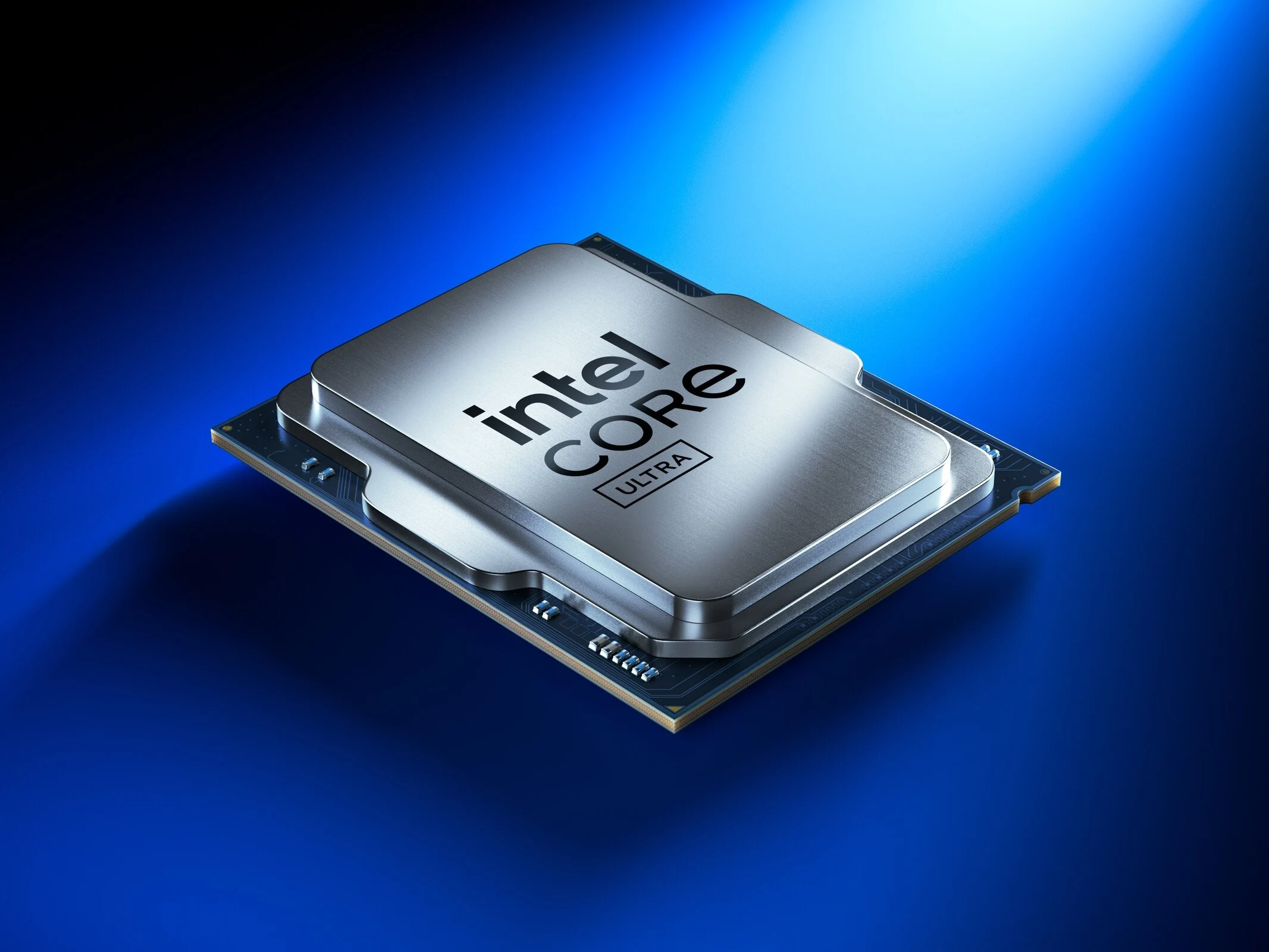
      Leaked info about Intel’s next generation chips shows that the Core Ultra 400 Nova Lake series is shaping up to be quite a puncher. It’s expected to directly go head-to-head with AMD’s X3D series, mainly because of its significant L3 cache, known by Intel as bLLC. What’s really crazy is that the highest-end chip might pack as many as 52 cores and be able to draw over 400 Watts when it’s pushing hard. But hey, what about the other models? Thanks to Videocardz, we got some first insights into the whole lineup.

      Lineup Breakdown and Core Configurations

      Nova Lake desktop CPUs will carry the Core Ultra 400 branding and will offer a total of twelve different SKUs. Out of these, three are expected to include bLLC, giving them a key edge in cache size. The flagship Core Ultra 9 will boast 52 cores, with a TDP of around 125 Watts. Following that, there’s a Core Ultra 7 with 48 cores, also rated at 125 Watts. Another Core Ultra 9 variant is on the list, but with only 22 cores (8+12+4), and it’s supposed to be more energy-friendly with a 65 Watt power limit. Notably, the 52-core and 48-core CPUs are designed for high performance, while the 22-core kind is aimed at efficiency.

      SKUs and Power Variations

      Seems like Intel plans a few versions of the Core Ultra 7 and Ultra 5 with the same core counts but different power specifications. The higher TDP models probably will be the K and KF series chips, dedicated for overclockers and power users. Confusingly, there’s some debate about how much power the Core Ultra 5 K/KF models consume. According to leaked data, these could either be capped at 65 Watts or able to go up to 125 Watts depending on the cooling and setup. This variance might influence how users pick their chips based on their cooling setups and power needs.

      Features and Connectivity

      All of the new Intel Nova Lake desktop processors are expected to include the latest Thunderbolt 5.0 controller — supporting up to two TB5 ports, although these might be limited to premium X-series motherboards. On the graphics side, each CPU will feature a dual-core Xe3 integrated GPU and even an NPU for AI workloads. The platform is designed for high-end performance with support for DDR5 dual-channel RAM and a hefty 24 PCIe Gen5 lanes, making it suitable for demanding gaming, content creation, and server tasks.

      Sources
    • DIY Steam Machine Beats Valve’s Hybrid PC at Lower Cost

      DIY Steam Machine Beats Valve’s Hybrid PC at Lower Cost

      Key Takeaway

      1. A DIY Steam Machine clone with higher performance and lower cost (~$950) has been created using used PC parts and 3D printed components.
      2. The build runs modern games at 60 FPS or higher at 4K with AMD’s FSR 4.0, outperforming the expected Steam Machine performance by 50-100%.
      3. The DIY device consumes significantly more power (~300W) compared to the Steam Machine’s anticipated 110W, but offers better upgradability.


      DIY Steam Machine Cloning with Better Performance

      First Look at DIY Steam Machine Clone

      There is no exact release date for the new Steam Machine yet, but source suggest valve got their first big shipment of the new Steam Controller, which means they’re getting close to launching the device. Meanwhile, an inventive YouTuber from Toronto named Zac Builds came along with a homemade version that kicks the original’s **butt** in performance and cost less then what Valve’s going for. This clone is based on rumored specs and prices of the upcoming Steam Machine, but it shows what enthusiasts can achieve on their own.

      Build Specs and Cost Breakdown

      In Zac’s latest video, which is quite popular, he builds a “Steam Machine-like” box using used parts from PC hardware along with some 3D printing magic. The overall cost was around $950 USD, based on Canadian dollar prices shown, which is quite a steal considering the official Steam Machine price is expected to be above $1,000 for the 2 TB version. The hardware includes a Ryzen 5 5600X, a Radeon RX 9060XT with 16 GB VRAM, 16 GB of DDR4 RAM, and a 2 TB NVMe SSD for storage—all assembled on a tiny Gigabyte B550I Aorus Pro X Mini ITX motherboard, powered by a Corsair SF600 power supply. Interesting enough, Zac bought most parts used from Facebook Marketplace, cutting the costs down but still packing a punch. The case itself is a custom design made from 3D printed pieces combined with a wooden faceplate that attaches with magnets.

      Design and Hardware Compatibility

      The front of Zac’s build has a nice touch with a light bar, two USB Type-A ports, and a power button, mimicking the official Steam Machine looks. However, the entire thing feels a bit larger than the real thing. Tried and tested with SteamOS, it didn’t quite work because of hardware issues, but Zac found a workaround with a custom OS called BazziteOS, which was styled to look exactly like SteamOS, and it ran smoothly. Zac built in a pretty straightforward aesthetic, but the actual dimensions and hardware choices give it a slightly bulkier feel overall.

      Game Performance & Technical Insights

      On gaming front, Zac tested titles like Arc Raiders, Cyberpunk 2077, and Spider-Man 2. Impressively, all games hit or went beyond 60 FPS at 4K resolution with mixed ‘High’ and ‘Medium’ visual settings. AMD’s FSR 4.0 tech played a vital part in boosting frame rates across the board. Valve’s official Steam Machine is expected to have a Radeon RX 7600M-level GPU, meaning this DIY version’s GPU is actually quite powerful in comparison, with Zac claiming performance boosts anywhere from 50% to 100%. Of course, this higher performance comes with a power draw of just over 300W, especially versus the Steam Machine’s 110W limit—so it’s less energy efficient but offers easier upgrades and modifications, apart from lacking features like Wi-Fi 6E and microSD slots.

      Final Thoughts and Comparison

      In conclusion, Zac’s homemade PC might surpass the commercial Steam Machine in raw power, but it also consumes more electricity and is marginally bigger. Still, it shows that enthusiasts can build more capable gaming consoles or PCs at less cost with a bit of effort and creative thinking, highlighting the potential for custom gaming systems in the future.


      Sources
      • How Steam Machines Can Better Utilize 8 GB VRAM

        How Steam Machines Can Better Utilize 8 GB VRAM

        Key Takeaway

        1. The Steam Machine has 8 GB of graphics memory, which may be limited for memory-intensive games.
        2. A custom kernel patch developed by Natalie Vock prioritizes game VRAM, helping improve game performance by reducing the impact of background applications.
        3. The patch currently supports AMD and Intel graphics cards, including those used in the Steam Machine.

        The Steam Machine, equipped with an Nvidia GeForce RTX 5060 Ti, features only 8 GB of graphics memory, similar to certain gaming laptops in its class. This amount is generally adequate for most modern games if played at a resolution of 1080p, but for more demanding titles, players might need to lower the graphic settings. Nvidia is attempting to mitigate these limitations with AI-compressed textures, yet there’s another simple approach that could help effectively increase available graphics memory.

        Kernel Patch to Improve VRAM Management

        In an innovative move, Natalie Vock, a software engineer working closely with Valve, has created a custom kernel patch aimed at optimizing Linux’s graphics memory handling. The default behavior causes all applications to have equal access to VRAM, which can lead to background apps like Steam, browsers, and Discord consuming significant portions of the memory, leaving less for gaming. This problem is particularly noticeable when VRAM is already constrained, affecting game performance.

        Technical Details of the Solution

        The core idea involves marking the graphics memory used by active games as “protected.” This means that Linux system will prioritize swapping out less important apps from VRAM to regular RAM, saving maximum VRAM for the game. The patch effectively prevents background applications from eating into VRAM, which is essential for preserving gameplay smoothness. For example, in the case of Cyberpunk 2077, instead of only 6.1 GB being available, the patch ensures the game receives the full 8 GB, preventing performance dips due to memory shortage.

        Limitations and Compatibility

        This clever solution mainly works with AMD and Intel GPUs, and it is expected to be compatible with the AMD graphics card of the Steam Machine. It’s important to note that this development is still in the experimental phase, and further technical information can be found at detailed sources like the PixelCluster blog. This approach presents a promising way to maximize graphics performance without costly hardware upgrades, especially in systems constrained by limited VRAM.


        Sources

      • YouTuber Creates Global Private Internet Using $20 Radio Boards and Reticulum

        YouTuber Creates Global Private Internet Using $20 Radio Boards and Reticulum

        Key Takeaway

        1. A functional, decentralized international mesh network can be built using affordable, off-the-shelf hardware like Raspberry Pi units and Heltech radio boards, reducing reliance on traditional ISPs.
        2. Sub-GHz wireless technologies such as Wi-Fi HaLow and LoRa enable long-distance (over 3 miles) neighborhood coverage with stable connections, even through obstacles.
        3. The Reticulum protocol and its stack allow seamless bridging across diverse devices and communication mediums, supporting encrypted VPN tunnels for secure global data transfer.
        4. Community-driven infrastructure using readily available materials and creative deployment methods (e.g., drones, kites) demonstrates the practicality of decentralized communication networks.

        Innovative Mesh Network Uses Low-Cost Hardware and Software

        YouTube creator Data Slayer just dropped a cool video about a really cool cool mesh network setup that works across different countries. The project drops the usual internet service provider control and uses radios that operate in sub-gigahertz frequencies, along with private tunnels for private communications. The best part? All of it made with simple, cheap, everyday parts, showing that you don’t need an expensive lab to build a decentralized comms system anymore!

        Hardware Components and Radio Technologies

        The main hardware consists of Raspberry Pi computers and Heltech radio boards. In initial tests, Wi-Fi HaLow was used to send local data through concrete walls, but later, they moved to LoRa technology, which is well-known for long-range low-power wireless signal. These radio units can reliably communicate over distances more than 3 miles (~4.8 km) if there is a clear line of sight. Heltech modules are pretty inexpensive, costing around $20 to $30 each, making them a very affordable way to set up independent network nodes.

        Software and Protocols Connecting the Devices

        On the software side, applications like Mesh Chat and Sideband were used to send messages, showing how the Reticulum Network Stack (RNS) brings different gadgets, such as phones and computers, together. Because Reticulum is protocol-free, it doesn’t matter whether data moves via radio, Ethernet, or even Morse code, which means it can adapt to many communication methods seamlessly.

        Global Communication with Secure Tunnels

        Connecting a huge distance, about 2,500 miles (~4,000 km), between Florida and Venezuela needed Tailscale, a tool that creates encrypted tunnels. Reticulum considers these tunnels as simple carriers for data, allowing it to travel the entire world securely and privately. This system uses the public internet just as a physical pathway, but the data remains encrypted end-to-end, making it impossible for anyone besides the intended recipient to see the information, even if it’s passing through ordinary, public infrastructure.

        Creative Approaches and Community Spirit

        In the final part of his project, Data Slayer shows a do-whatever-it-takes attitude, even using drones and kites to position some of the nodes in the best spots for a decent signal. This project proves that community-based networks are more feasible and practical than they used to be. It emphasizes that anyone with some basic gear and creative ideas can help build resilient, private communication systems in their own neighborhoods.

        Sources
      • Motorola Razr 70 Ultra Leak Before Razr Fold Launch

        Motorola Razr 70 Ultra Leak Before Razr Fold Launch

        Key Takeaway

        1. Motorola’s Razr Fold has been released internationally, featuring the Snapdragon 8 Gen 5 processor.
        2. The company is expected to launch additional foldables: Razr 70 and Razr 70 Ultra (or Razr 2026 and Razr Ultra 2026).
        3. The new Razr includes a 5,000 mAh battery, supports 68 W wired charging, and retains the same display sizes, with IP48 dust and water resistance.

        Motorola Launches Razr Fold Globally

        Motorola has just introduced their latest, the Razr Fold, to the world market. This device is powered by the powerful Snapdragon 8 Gen 5 chipset, making it stand out among other foldables launched this season. Rumors suggest that this is part of a broader lineup that includes two additional models, namely the Razr 70 and Razr 70 Ultra, which might be called Razr 2026 and Razr Ultra 2026 in North America. This indicates Motorola’s ambitions to solidify their presence in the foldable smartphone market.

        Design & Battery Improvements

        One of the most awaited upgrades is the battery capacity, now increased to 5,000 mAh, a roughly 6% upgrade compared to last year’s models. This enhancement is expected to provide better battery life for users, especially given the intense power demands of foldable screens and high-performance chips. The new Razr will support fast charging up to 68 W wired, allowing for quicker recharges. Visually though, it maintains similar display sizes with a 4-inch external display and a 6.9-inch foldable main screen, keeping a familiar form factor that enthusiasts love.

        Build Quality & Market Details

        In terms of durability, the Razr Fold continues to hold an IP48 rating, which offers resistance against dust and water, but not fully waterproof. This keeps it sealed enough for day-to-day mishaps but not submersion. Despite these features, the exact pricing and release dates are still a mystery, leaving potential buyers eagerly awaiting more details. Motorola’s strategy seems to focus on delivering incremental upgrades while maintaining familiarity in design and function.


        Sources

      • BigMe HiBreak Dual Phone with Color E Ink & Rear Display Unveiled

        BigMe HiBreak Dual Phone with Color E Ink & Rear Display Unveiled

        Key Takeaway

        1. The Bigme HiBreak Dual features two displays: a 6.13-inch color E Ink front display and a 1.85-inch round color LCD on the back, serving as a notification hub and viewfinder.
        2. It is powered by the MediaTek Dimensity 1080 processor, with up to 12GB RAM, 256GB storage, and supports microSD cards for additional storage.
        3. The device includes stylus support with 4096-level pressure sensitivity, dual cameras, and runs on Android 14.
        4. Key features include Bluetooth 5.2, NFC, dual-band Wi-Fi, dual-SIM, infrared blaster, fingerprint scanner, and a 4,500mAh battery with 18W charging.
        5. The price ranges from $539 to $689 depending on configuration and accessories, with special offers available for early buyers.

        Introduction of the New Bigme HiBreak Smartphone

        Bigme has officially introduced its latest smartphone, the HiBreak Dual, which is a product of innovation with two screens. Contrary to its previous models, this device sports a dual-display setup, including a color E Ink display on the front and a small round LCD on the back, giving users a versatile experience. The design is quite unique, combining e-ink technology with traditional LCD, making it standouts among smartphones on the market today.

        Display features and functionalities

        The front display of the HiBreak Dual, measuring 6.13 inches, boasts a 300 PPI resolution in black and white, perfect for reading or quick glance info. For color, it supports 150 PPI, providing vibrant visuals for multimedia, while the back-mounted LCD screen, which is a tiny 1.85 inches with a 360×360 resolution, is primarily meant for notifications or instant viewfinder use. Bigme emphasizes this secondary screen as a quick access point for notifications, or even to capture images without unlocking the primary display.

        Power, performance, and camera details

        This smartphone runs on MediaTek’s Dimensity 1080 processor, and consumers can choose configurations including 8GB or 12GB RAM, with internal storage options of 128GB or 256GB respectively. Plus, there’s a slot for microSD cards supporting up to 2TB more storage. The camera system on HiBreak Dual is quite solid, featuring a 5MP front camera and a 20MP rear sensor, suitable for capturing sharp photos.

        Stylus, software, and additional features

        Adding to user-friendliness, Bigme included stylus support with the device. The stylus can detect 4096 levels of pressure and is stored conveniently in a dedicated case slot. The smartphone runs Android 14, offering seamless multitasking and app support. Connectivity options include Bluetooth 5.2, NFC, dual-band Wi-Fi, dual SIM slots, an infrared blaster, and a fingerprint scanner for security. The 4,500mAh battery with 18W fast charging completes the package.

        Pricing and special offers

        The base model with 8GB RAM and 128GB storage costs around $539. For buyers interested in the stylus and case, the total reaches $599. The premium configuration with 12GB RAM and 256GB storage is priced at $629, or $689 when including accessories. Bigme is also offering special lower prices for early bird and VIP customers, potentially making this device an appealing choice for tech enthusiasts seeking innovation in dual-screen smartphones.

        Sources
      • Nvidia Plans to Acquire Large PC Manufacturer in Major Industry Move

        Nvidia Plans to Acquire Large PC Manufacturer in Major Industry Move

        Key Takeaway

        1. Nvidia is planning a significant takeover, potentially involving major PC manufacturers like Dell, HP, or Asus.
        2. The move could lead to the most substantial upheaval in the PC market since its inception, but final decisions are still pending.
        3. Regulatory approval is uncertain due to Nvidia’s dominant position in GPU segments and market share concerns.
        4. If successful, the acquisition could boost Nvidia’s sales, strengthen its market position, and increase pressure on OEM customers.

        Nvidia is stirring up the tech world with some rumors about a massive takeover, potentially shifting the PC industry on its head. According to some sources, this could be the biggest shake-up we’ve seen since computers came into our lives. But, it’s important to note that the plan is still in the early stages and nothing is set in stone yet. They’ve been talking about this deal for over a year, and now it seems they are close to making a decision, but nothing is finalized.

        Market Impact and Potential Candidates

        The move, if it happens, would need approval from regulators, which is not guarantees because Nvidia currently holds a strong hold on many GPU segments—a sort of monopoly. Names like Dell, HP, and Asus are considered the main contenders for the acquisition. Currently, Nvidia boasts a market cap of $4.57 billion. For context, Dell is valued at a massive $121.7 billion, HP at $17.17 billion, and Asus at $13.55 billion. These giants are tiny compared to Nvidia, which represents only about 0.3 percent of Nvidia’s valuation.

        Stock Market Reactions and Market Strategy

        After the report got out, there was a noticeable bump in the stock prices of Dell and HP — with Dell jumping 6 percent and HP gaining 4 percent. If Nvidia takes over a PC company, it could boost their sales significantly and gain even more dominance in the market. This strategic move might let Nvidia push OEM customers to buy more desktops, laptops, and servers that run on their GPUs, potentially at lower prices or with better supply availability—giving them a competitive edge.

        Conclusion

        Though this story is still unfolding and no official statements have been made, it has definitely caught attention across the tech community. Whether or not this takeover becomes reality, the potential for a shift in the PC industry remains big, and investors are keeping watch for any updates on Nvidia’s next move.

        Sources
      • Vivo X300 Ultra International Release Date & Pricing for Photography & Video Kits

        Vivo X300 Ultra International Release Date & Pricing for Photography & Video Kits

        Key Takeaway

        1. The Vivo X300 Ultra is initially launched in China and is expected to expand to the Eurozone, including Spain, by late April.
        2. Spain will receive the X300 Ultra a week after Austria, with a product launch event scheduled for April 24.
        3. The device is priced at €1,999 in Austria, with potential higher costs (€2,300) including a teleconverter kit; accessories are also available separately.
        4. Importing the Chinese version of the X300 Ultra is possible at a lower cost, but may involve limitations due to software differences.

        Introduction to the Vivo X300 Ultra Launch

        It’s been almost two weeks since Vivo introduced their new flagship, the X300 Ultra, in China. The smartphone remains exclusive to the domestic market for now, but expectations are high that it will soon hit international markets within a few weeks. The anticipation around this release is fueled by Vivo’s rapid development and market expansion plans, aiming to capture more consumers worldwide.

        Details and Launch Plans

        Vivo had initially announced that pre-orders in the Eurozone would start on April 16, with the shipments scheduled to begin on April 24. Interestingly, while Austria will see the device’s release as planned, the company has scheduled a later release for Spain. The X300 Ultra will arrive in Spain on April 24, accompanied by a special launch event. The timing suggests Vivo wants to build hype through events, similar to the other markets they are targeting.

        Pricing and Competitive Positioning

        The device alledged to be priced at around €1,999, positioning itself against Samsung’s Galaxy S26 Ultra, which costs roughly $1,299 on Amazon currently. Rumors also hint that the price with the teleconverter kit might reach €2,300. Vivo has set its Photography Kit at €599, its Pro Video Rig Kit at €499, and the Life Bag at €99, showing a diverse accessory lineup for the device. The pricing strategy indicates Vivo’s focus on high-end, professional-grade features.

        Buying Options and Importing

        For those looking to get an early or more affordable option, importing the X300 Ultra from China is already a possibility. The imported units are available at a significantly lower cost compared to the expected international pricing. However, consumers should be cautious about compatibility issues and the software differences that might accompany Chinese models. It’s always good to weigh the benefits of importing against possible drawbacks, like warranty concerns or language barriers.

        Conclusion

        Vivo’s upcoming launch of the X300 Ultra in Spain and other parts of Europe marks an exciting move in their global expansion. The device’s premium specs with high pricing will attract tech enthusiasts, especially those interested in professional photography and videography. Keep an eye on official updates for confirmed details and availability as they roll out.

      • Lenovo Announces New Legion Gaming Phone to Compete with RedMagic 11 Pro

        Lenovo Announces New Legion Gaming Phone to Compete with RedMagic 11 Pro

        Key Takeaway

        1. Lenovo is preparing to announce a new Legion gaming phone in May 2026, following a previous model released in 2022.
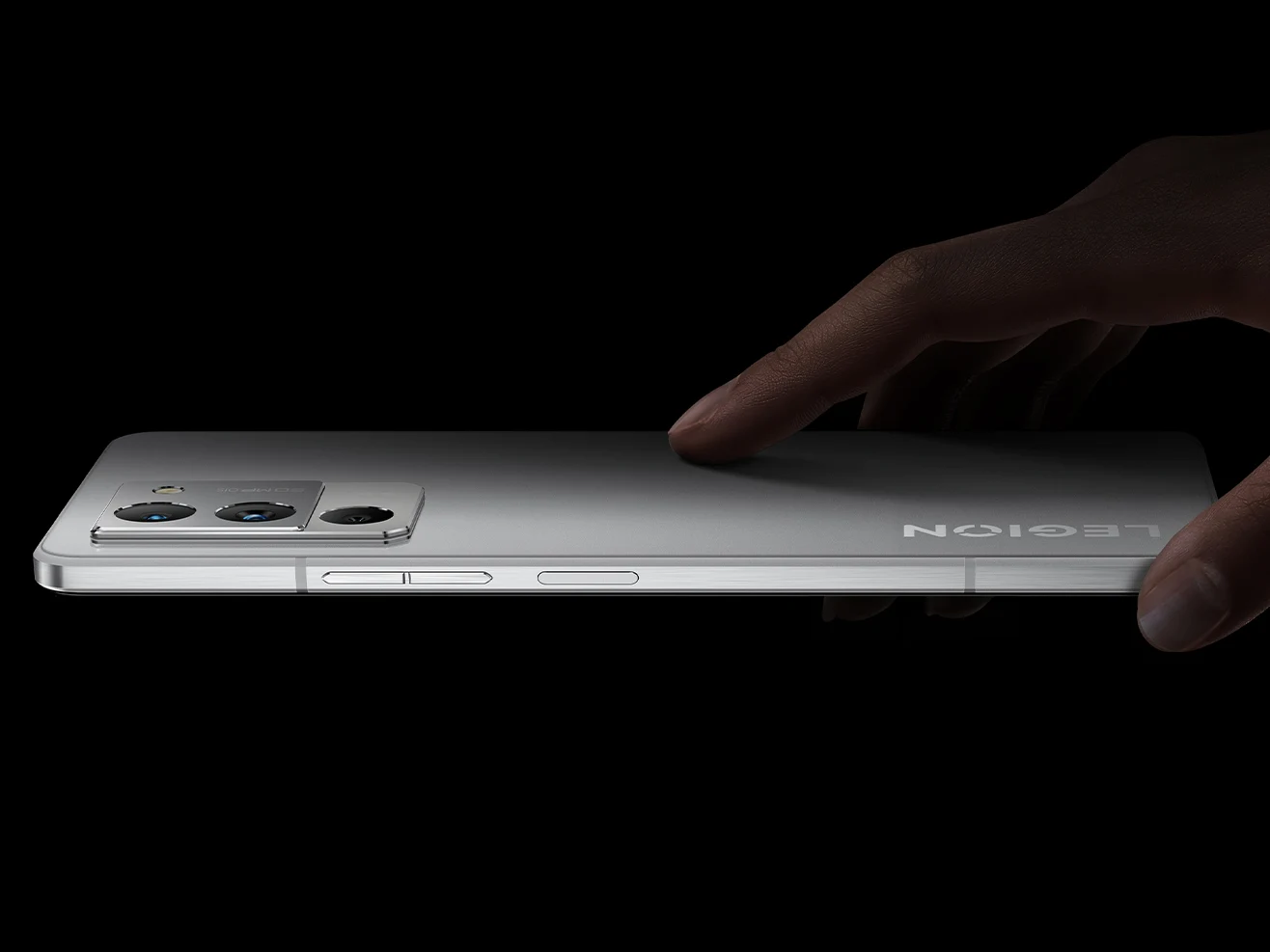
        2. The upcoming device was recently spotted in China, showing a design similar to the Motorola Edge 70 with a prominent Legion branding.
        3. The phone is expected to feature a Snapdragon 8 Elite Gen 5 SoC, aiming to compete with other high-end gaming phones like the RedMagic 11 Pro.

        Lenovo’s Gaming Phone Return Could Be Imminent

        Lenovo had been quite steady with its Legion gaming tablets but had stayed pretty hush hush about their smartphone lineup. The last model, the Y70, came out in 2022, packing a Snapdragon 8+ Gen 1 processor, and it was a pretty notable device for gamers.

        Previous Model and Competition

        Back then, the Legion Y70 was up against competitors like Asus ROG Phone 6 and RedMagic 7S. Yet, it lacked some features, notably a high refresh rate display. Now, fans are anticipating a new release that might change the game completely for Lenovo, since the new model is expected to be announced very soon.

        Teasing a New Launch

        The company has officially teased that a new Legion gaming phone is on the way, with an anticipated launch date around May 2026. They haven’t revealed all details yet, but the hint has stirred excitement among mobile gaming communities.

        Leaked Images Point to a Familiar Design

        What adds fuel to the speculation is a recent leak showing the unannounced Legion phone at an event in China earlier this year. The images show a design that looks surprisingly similar to Lenovo’s Motorola Edge 70, boasting an identical camera module on the back. Still, the back finish appears a bit different, and the Legion logo is unmistakably prominent.

        What We Can Expect?

        Until Lenovo makes an official statement, it’s speculated that the new Legion phone will run on Snapdragon’s upcoming Snapdragon 8 Elite Gen 5 processor. If true, this would position the device as a fierce rival to other high-end gaming phones like the RedMagic 11 Pro.


        Sources