
1. A functional, decentralized international mesh network can be built using affordable, off-the-shelf hardware like Raspberry Pi units and Heltech radio boards, reducing reliance on traditional ISPs.
2. Sub-GHz wireless technologies such as Wi-Fi HaLow and LoRa enable long-distance (over 3 miles) neighborhood coverage with stable connections, even through obstacles.
3. The Reticulum protocol and its stack allow seamless bridging across diverse devices and communication mediums, supporting encrypted VPN tunnels for secure global data transfer.
4. Community-driven infrastructure using readily available materials and creative deployment methods (e.g., drones, kites) demonstrates the practicality of decentralized communication networks.
Innovative Mesh Network Uses Low-Cost Hardware and Software
YouTube creator Data Slayer just dropped a cool video about a really cool cool mesh network setup that works across different countries. The project drops the usual internet service provider control and uses radios that operate in sub-gigahertz frequencies, along with private tunnels for private communications. The best part? All of it made with simple, cheap, everyday parts, showing that you don’t need an expensive lab to build a decentralized comms system anymore!
Hardware Components and Radio Technologies
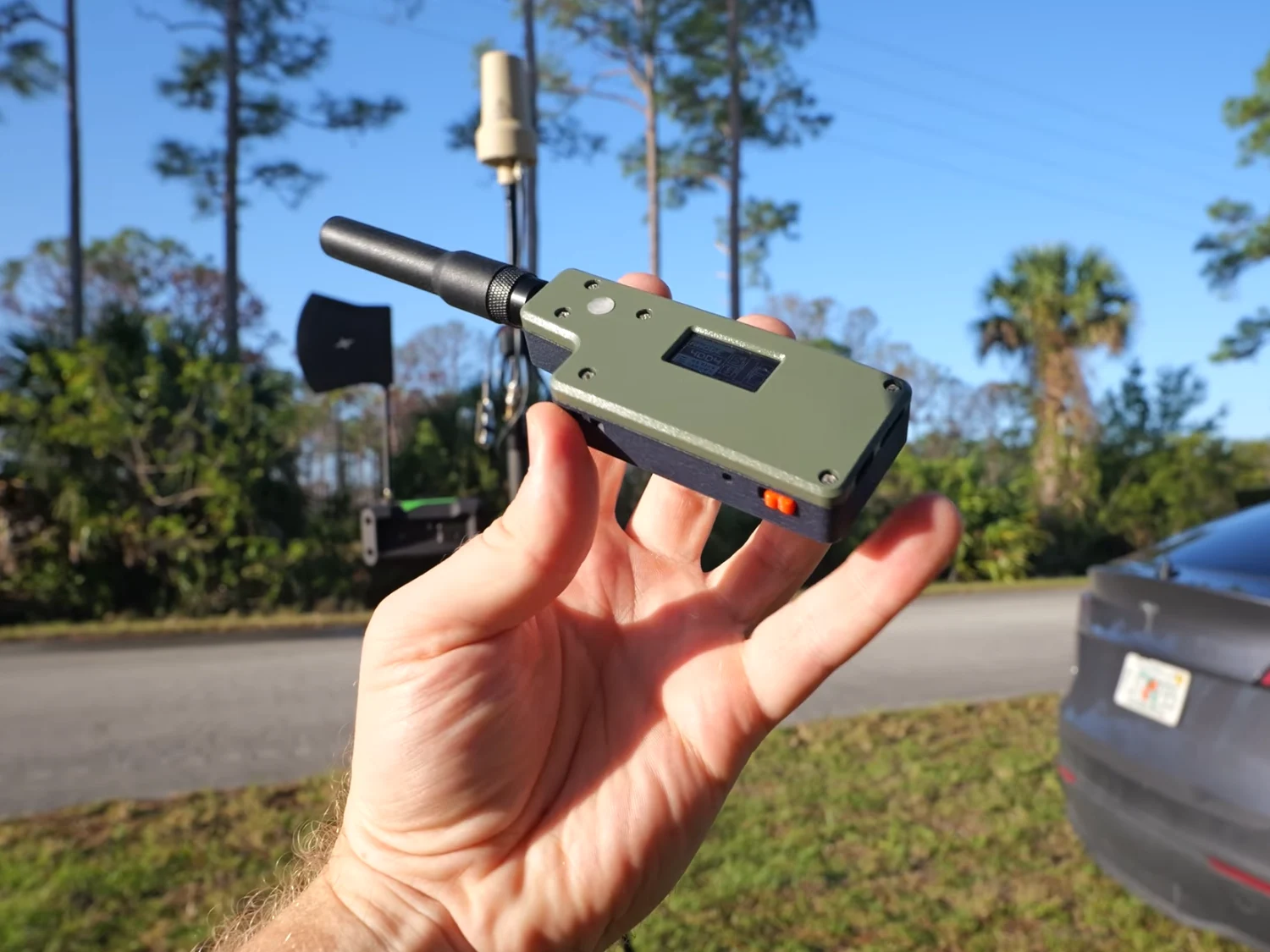
The main hardware consists of Raspberry Pi computers and Heltech radio boards. In initial tests, Wi-Fi HaLow was used to send local data through concrete walls, but later, they moved to LoRa technology, which is well-known for long-range low-power wireless signal. These radio units can reliably communicate over distances more than 3 miles (~4.8 km) if there is a clear line of sight. Heltech modules are pretty inexpensive, costing around $20 to $30 each, making them a very affordable way to set up independent network nodes.
Software and Protocols Connecting the Devices
On the software side, applications like Mesh Chat and Sideband were used to send messages, showing how the Reticulum Network Stack (RNS) brings different gadgets, such as phones and computers, together. Because Reticulum is protocol-free, it doesn’t matter whether data moves via radio, Ethernet, or even Morse code, which means it can adapt to many communication methods seamlessly.
Global Communication with Secure Tunnels
Connecting a huge distance, about 2,500 miles (~4,000 km), between Florida and Venezuela needed Tailscale, a tool that creates encrypted tunnels. Reticulum considers these tunnels as simple carriers for data, allowing it to travel the entire world securely and privately. This system uses the public internet just as a physical pathway, but the data remains encrypted end-to-end, making it impossible for anyone besides the intended recipient to see the information, even if it’s passing through ordinary, public infrastructure.
Creative Approaches and Community Spirit
In the final part of his project, Data Slayer shows a do-whatever-it-takes attitude, even using drones and kites to position some of the nodes in the best spots for a decent signal. This project proves that community-based networks are more feasible and practical than they used to be. It emphasizes that anyone with some basic gear and creative ideas can help build resilient, private communication systems in their own neighborhoods.
Leave a Reply