Tag: Mesh Network

  • Meshtastic: Off-Grid Mobile Communication Without Fees or Coverage

    Meshtastic: Off-Grid Mobile Communication Without Fees or Coverage

    Key Takeaway

    – LoRa emphasizes energy efficiency and long-range over high data rate, making it suitable for small data payloads (Kbit/s) and use cases like text messages or location data without relying on traditional networks.
    – Meshtastic creates a mesh network (and MeshCore as an alternative) to extend effective range via multi-hop relays, with devices acting as routers and clients.
    – ThinkNode M1 exemplifies typical Meshtastic hardware (LoRa + GNSS, e-ink display, Bluetooth phone pairing) and supports easy message sending and position sharing through the Meshtastic app.


    We have already covered LoRa several times. It is a rather special wireless standard. In principle, LoRa is a transmission method similar to IEEE 802.11 (WiFi), but LoRa has a very different focus: instead of enabling the fastest possible transmissions with low latency, LoRa is much more about energy efficiency and range. However, LoRa is only useful when relatively small amounts of data are being transmitted, meaning more in the KBit/s range. Sending and receiving images, for example, is not realistically practical, but sending longer texts is supported. Location data can also be transmitted. Such systems can be useful on factory sites or hikes, for example, or for communication independent of state network infrastructure in repressive countries.

    LoRa products, or in this specific case Meshtastic products, create a mesh network

    This means the message can be transmitted indirectly, increasing the effective range far beyond the range of a direct connection. MeshCore is also available as an alternative technology or implementation that effectively runs on the same hardware, although it does have some differences in detail. For example, MeshCore works with more clearly defined roles, such as router and client, which tends to make MeshCore better suited for more or less professional, permanent mesh networks.

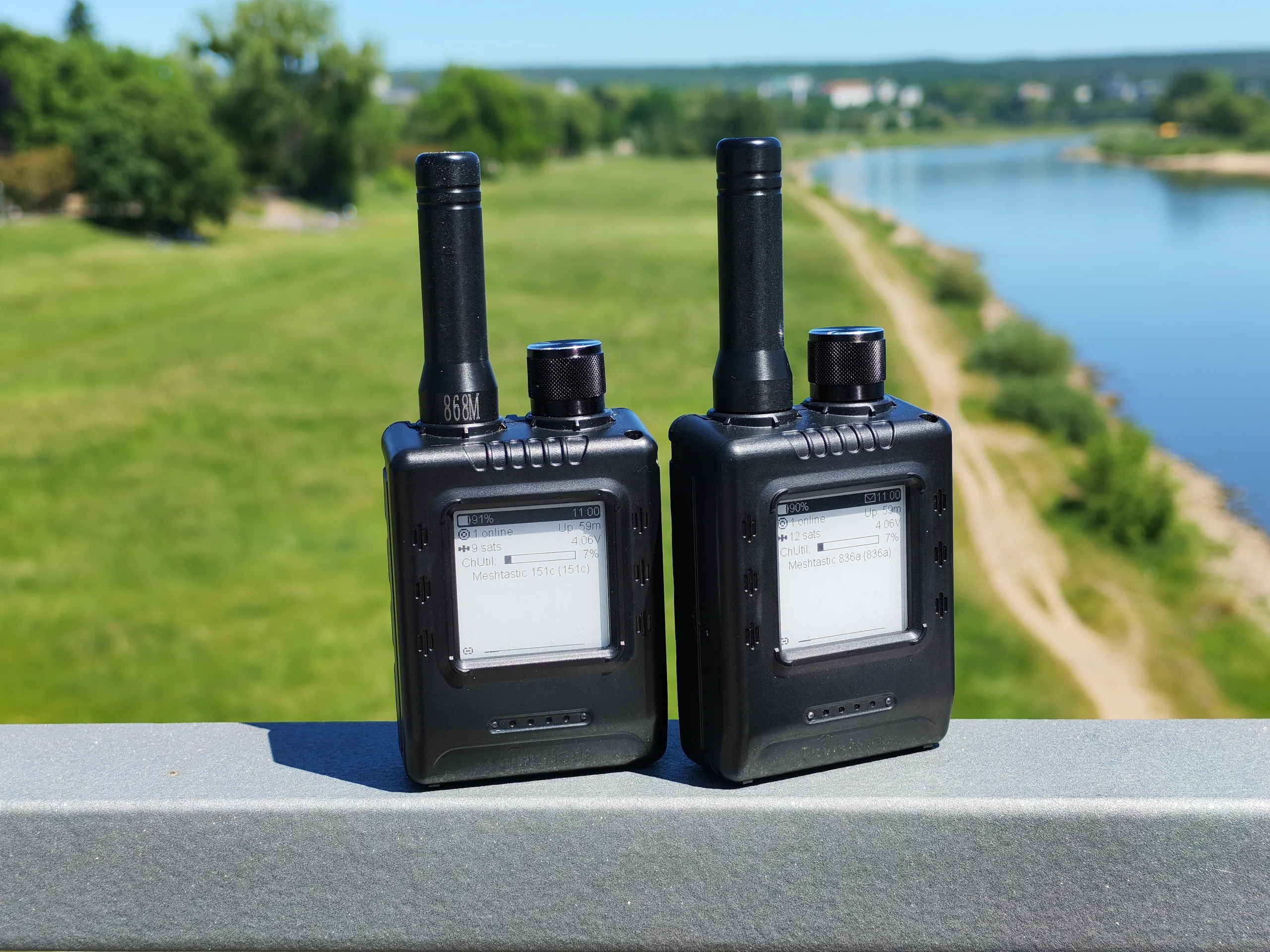
    But how exactly does Meshtastic work? The answer is fairly simple. We took a look at the ThinkNode M1, a LoRa- and Meshtastic-compatible system. There is a wide selection of such systems, including on Amazon. The ThinkNode M1 comes with an e-ink display, a GNSS module, a rotary dial for powering it on and controlling brightness, two buttons, and a switch for the GNSS connection. The battery-powered system can communicate directly with other Meshtastic devices. A smartphone can be connected via Bluetooth, with the ThinkNode M1 then also acting as an external “LoRa modem.” The Meshtastic app supports setup and configuration of Meshtastic devices and also works as a messenger. This makes it easy to send messages from a smartphone.

    Operation and practical notes

    Operation via the two buttons is not entirely intuitive. The e-ink display remains easy to read even in direct sunlight, though overlapping image content can occasionally appear, which is partly due to the technology. This can happen with a partial refresh, although the ThinkNode M1 eventually performs a full refresh again. The e-ink display is relatively sluggish. Overall, we have little to criticize about the ThinkNode M1, although we simply lack the comparison base for a fully detailed assessment. Recording the user’s own position works without issues. This position can also be sent to the mesh network, and the location history of a device can be displayed. Users can receive notifications on their smartphone for incoming messages.

    At this point, however, one thing should be pointed out directly: ranges of hundreds of miles are unlikely to be achievable with two ThinkNode M1 handhelds and a network established only between those two devices. For that, several mobile devices or repeaters have to be integrated as relay stations. With 868MHz and the LONG-SLOW modem preset, around 1,600 feet was achievable near a river, while in inner-city areas the range was more like a few hundred yards, in both cases without line of sight.

    Sources

  • YouTuber Creates Global Private Internet Using $20 Radio Boards and Reticulum

    YouTuber Creates Global Private Internet Using $20 Radio Boards and Reticulum

    Key Takeaway

    1. A functional, decentralized international mesh network can be built using affordable, off-the-shelf hardware like Raspberry Pi units and Heltech radio boards, reducing reliance on traditional ISPs.
    2. Sub-GHz wireless technologies such as Wi-Fi HaLow and LoRa enable long-distance (over 3 miles) neighborhood coverage with stable connections, even through obstacles.
    3. The Reticulum protocol and its stack allow seamless bridging across diverse devices and communication mediums, supporting encrypted VPN tunnels for secure global data transfer.
    4. Community-driven infrastructure using readily available materials and creative deployment methods (e.g., drones, kites) demonstrates the practicality of decentralized communication networks.

    Innovative Mesh Network Uses Low-Cost Hardware and Software

    YouTube creator Data Slayer just dropped a cool video about a really cool cool mesh network setup that works across different countries. The project drops the usual internet service provider control and uses radios that operate in sub-gigahertz frequencies, along with private tunnels for private communications. The best part? All of it made with simple, cheap, everyday parts, showing that you don’t need an expensive lab to build a decentralized comms system anymore!

    Hardware Components and Radio Technologies

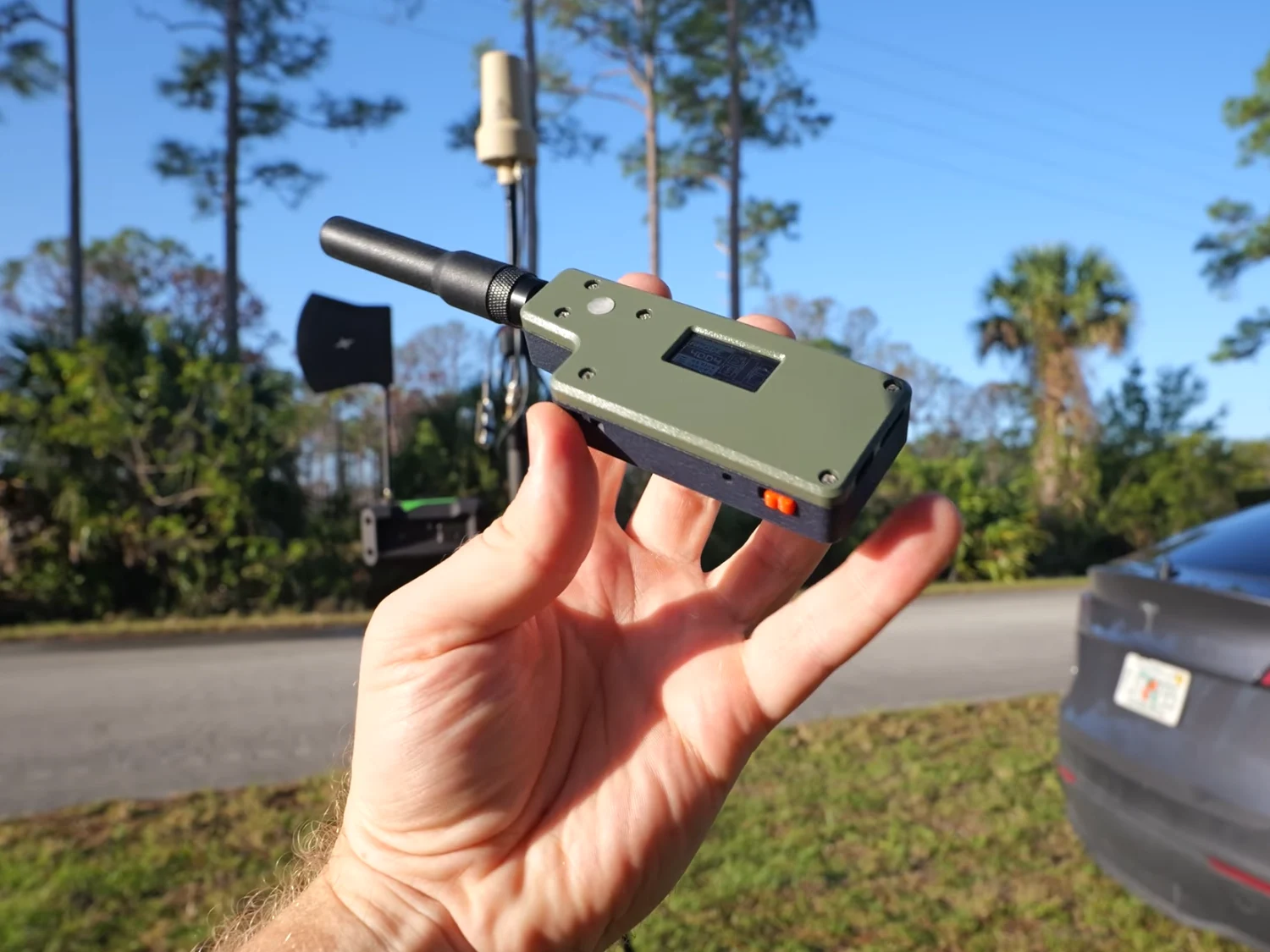
    The main hardware consists of Raspberry Pi computers and Heltech radio boards. In initial tests, Wi-Fi HaLow was used to send local data through concrete walls, but later, they moved to LoRa technology, which is well-known for long-range low-power wireless signal. These radio units can reliably communicate over distances more than 3 miles (~4.8 km) if there is a clear line of sight. Heltech modules are pretty inexpensive, costing around $20 to $30 each, making them a very affordable way to set up independent network nodes.

    Software and Protocols Connecting the Devices

    On the software side, applications like Mesh Chat and Sideband were used to send messages, showing how the Reticulum Network Stack (RNS) brings different gadgets, such as phones and computers, together. Because Reticulum is protocol-free, it doesn’t matter whether data moves via radio, Ethernet, or even Morse code, which means it can adapt to many communication methods seamlessly.

    Global Communication with Secure Tunnels

    Connecting a huge distance, about 2,500 miles (~4,000 km), between Florida and Venezuela needed Tailscale, a tool that creates encrypted tunnels. Reticulum considers these tunnels as simple carriers for data, allowing it to travel the entire world securely and privately. This system uses the public internet just as a physical pathway, but the data remains encrypted end-to-end, making it impossible for anyone besides the intended recipient to see the information, even if it’s passing through ordinary, public infrastructure.

    Creative Approaches and Community Spirit

    In the final part of his project, Data Slayer shows a do-whatever-it-takes attitude, even using drones and kites to position some of the nodes in the best spots for a decent signal. This project proves that community-based networks are more feasible and practical than they used to be. It emphasizes that anyone with some basic gear and creative ideas can help build resilient, private communication systems in their own neighborhoods.

    Sources
  • Huawei’s New Wi-Fi 7 Mesh Router: Stylish Design Meets Performance

    Huawei’s New Wi-Fi 7 Mesh Router: Stylish Design Meets Performance

    Key Takeaways

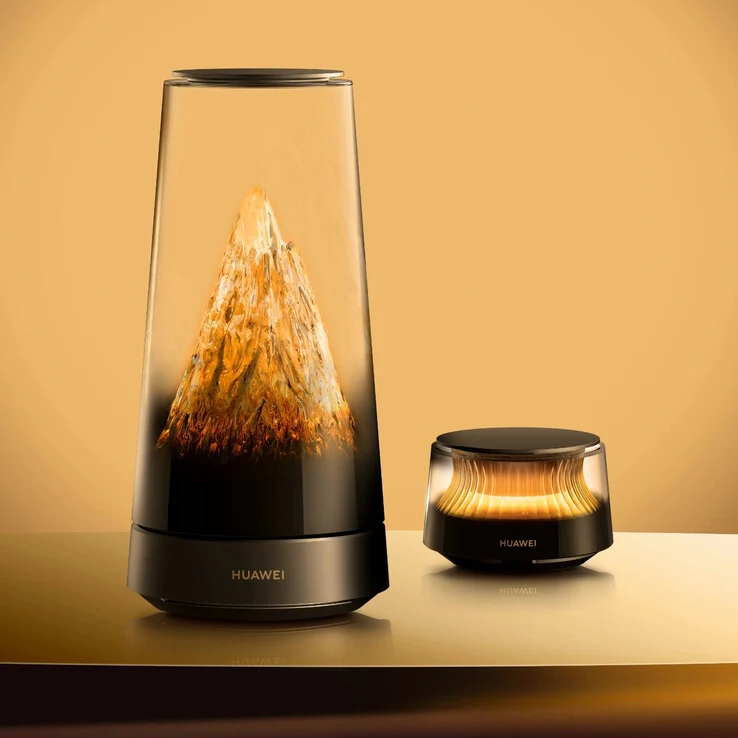
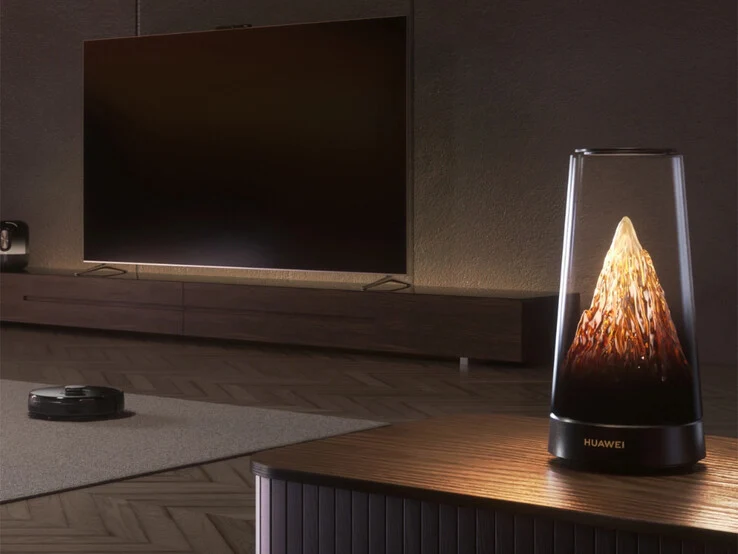
    1. Huawei launched the X3 Pro router with a unique design featuring a see-through cone and a model of a fictional mountain peak.
    2. The router includes Wi-Fi 7 connectivity but lacks visual indicators for connectivity status, unlike some competitors.
    3. The X3 Pro supports a mesh network with smaller satellites, offering peak transfer speeds of 3570 Mbps over a 6 GHz band.
    4. It has three Gigabit Ethernet ports, two of which support 2.5 Gbit/s, and includes PowerLAN support for using existing wiring.
    5. The X3 Pro is priced at CNY 1,299 in China, with bundles and satellites available, but international availability is not yet announced.


    Huawei has officially launched its beautifully crafted X3 Pro router after giving a sneak peek last month. This router was released alongside premium devices such as the Mate X7, MatePad Edge, Mate 80 Pro Max, and the new Watch Ultimate Design. The X3 Pro stands out visually compared to many modern routers, featuring a see-through cone that houses a model of a fictional mountain peak.

    Functional Design

    The design serves a purpose beyond aesthetics. Huawei cleverly uses the mountain model to conceal several antennas. Additionally, the integrated lighting allows the router’s appearance to shift between cool and warm tones. However, unlike the Netgear Orbi range, which includes models like the Orbi 770 that visually indicate connectivity status, the X3 Pro does not have this capability, even though it offers Wi-Fi 7 connectivity (currently priced at $699 on Amazon).

    Network Capabilities

    In addition to the main router, Huawei has developed smaller satellite units that help create a mesh network, boasting theoretical peak transfer speeds of 3570 Mbps over a 6 GHz band. The X3 Pro is also equipped with three Gigabit Ethernet ports, two of which support the 2.5 Gbit/s standard. Furthermore, Huawei has incorporated PowerLAN support, enabling the X3 Pro and its satellites to extend using the existing wiring in a home or apartment instead of relying solely on a wireless connection.

    Pricing and Availability

    In China, the X3 Pro is priced at CNY 1,299 (approximately $184), while a bundle containing the router and a satellite costs CNY 1,999 (around $282). Each individual satellite is available for CNY 799 (about $113). However, Huawei has not yet revealed any plans to distribute the X3 Pro outside of China.

    Source:
    Link