Author: GizNews

  • Xbox Reveals 13 New Games Launching on Game Pass This Month

    Xbox Reveals 13 New Games Launching on Game Pass This Month

    Key Takeaway

    1. Microsoft is adding 13 new games to Xbox Game Pass in May, including popular titles like Forza Horizon 6 and DOOM: The Dark Ages.
    2. Some games are expanding to the Premium plan, with availability on cloud, console, and PC platforms.
    3. A diverse lineup of genres is being introduced, from racing and exploration to RPGs and shooters.

    Microsoft Adds a Variety of New Games to Xbox Game Pass in May

    In april, xbox game pass subscribers were excited as microsoft brought in 17 fresh games for us to enjoy. Now, with may arriving, the company has announced what games will soon be available. The upcoming lineup promises to offer a mix of popular titles and new adventures for gamers to explore across different platforms.

    Upcoming Titles and Availability

    According to the latest from Microsoft, 13 new games are slated for addition this month. Some titles like Forza Horizon 6 and DOOM: The Dark Ages are highly anticipated, and some are beign expanded to different tiers in the service, providing more options for players. The schedule below outlines each game’s release date, descriptions, and compatible plans and platforms.

    Release Schedule with Details

    • Ben 10 Power Trip – May 6
      Adventure game starring Ben Tennyson fighting crystal threats. Available on Game Pass Ultimate, Game Pass Premium, and PC Game Pass on cloud, console, and PC.
    • Descenders Next – May 6
      Exciting extreme sports game through snowy and dirt-filled terrains, now with Game Pass Premium too. Cloud, console, and PC.
    • Wheel World – May 6
      Explore vast landscapes racing elite bikes in this adventure racer, now on Game Pass Premium along with other tiers. Available across cloud, Xbox Series X|S, and PC.
    • Wildgate – May 6
      Multiplayer shooter with ship battles and tactical combat for Game Pass Ultimate and Premium members, playable on cloud, Xbox Series X|S, and PC.
    • Wuchang: Fallen Feathers – May 6
      Experience a souls-like adventure set during the Ming Dynasty, now part of the Premium plan, available on multiple platforms including cloud and Xbox Series X|S.
    • Mixtape – May 7
      A nostalgic narrative game capturing the spirit of coming-of-age movies, only on Game Pass Ultimate and PC, accessible via cloud, Series X|S, handheld, and PC.
    • Outbound – May 11
      Cozy exploration game about survival and crafting, available on all tiers of Game Pass on cloud, console, and PC.
    • Black Jacket – May 12
      Dive into a deck-building roguelite inspired by blackjack with strategic card play and cheating features, included on Game Pass Ultimate and PC, available on cloud, Series X|S, handheld, and PC.
    • Call of the Elder Gods – May 12
      Puzzle adventure where you assist Professor Evehart, playable on all tiers including cloud and handheld devices.
    • Elite Dangerous – May 12
      Space exploration with space dogfights with an emphasis on exploration. Available via Game Pass Ultimate and Premium, on cloud and console.
    • DOOM: The Dark Ages – May 14
      Action FPS revealing the origin of the DOOM Slayer’s rage, now with Premium access across multiple devices including handheld and PC.
    • Subnautica 2 – May 14
      Underwater survival set in an alien world, accessible on cloud, Xbox Series X|S, handheld, and PC.
    • Forza Horizon 6 – May 19
      Race through Japanese landscapes with over 550 cars, available on Game Pass Ultimate and PC on cloud and newer consoles.

    Exciting Announcements for Indie Game Fans

    During the recent IGN x ID@Xbox showcase, microsoft also unveiled 15 new indie titles coming to the service this year, mostly arriving on a day-one basis. Among these are games like Beastro, Screenbound, RV There Yet?, promising fresh and innovative gaming experiences for the community.

    Sources
  • Samsung Galaxy S26: Restriction on Precise Location Tracking Explained

    Samsung Galaxy S26: Restriction on Precise Location Tracking Explained

    Key Takeaway

    1. NFC is mainly used for mobile payments, while UWB and Bluetooth are key for smart home integration and object tracking.
    2. The Galaxy S26 lacks UWB, which is present in the S26+ and S26 Ultra, affecting features like precise locating and digital car or door keys.
    3. The Galaxy S26 is equipped with Bluetooth 5.4, potentially limiting its smart object locating capabilities compared to upcoming devices with newer standards.
    4. The device features a high-quality build, a bright and accurate OLED display, and solid performance, but has moderate battery life and slower charging compared to competitors.
    5. The Galaxy S26 is a refined flagship with incremental upgrades, emphasizing display quality and overall user experience over radical innovations.

    Short-range wireless technologies including NFC, UWB, and Bluetooth

    These technologies are mainly used for quick and easy data transfer as well as for locating devices in close proximity. NFC is most commonly used for mobile payments, while UWB and Bluetooth also have respective roles in smart home systems and in tracking things like objects or tags. UWB is integrated into models like the S26+ and S26 Ultra, but unfortunately the Galaxy S26 lacks this feature, which limits its ability to precisely locate items or serve as access points to smart locks or car keys. Its functions extend beyond just tracking, assisting in contactless unlocking and vehicle access systems.

    Role of Bluetooth in Smart Ecosystems

    Bluetooth, especially starting from the 6.0 version, is becoming more competitive with UWB for locating smart objects if it gets enough updates. Despite that, Samsung set it back a little by opting for the older Bluetooth 5.4 in the Galaxy S26, instead of the latest iteration. Fans hope that future models like the Galaxy S27 will feature more advance Bluetooth versions, thus closing the gap with UWB on smart device findability and connectivity. Bluetooth also supports many features in smart homes, like controlling lights, locks, and appliances, providing an essential connectivity backbone across many connected gadgets.

    Overview of the Galaxy S26

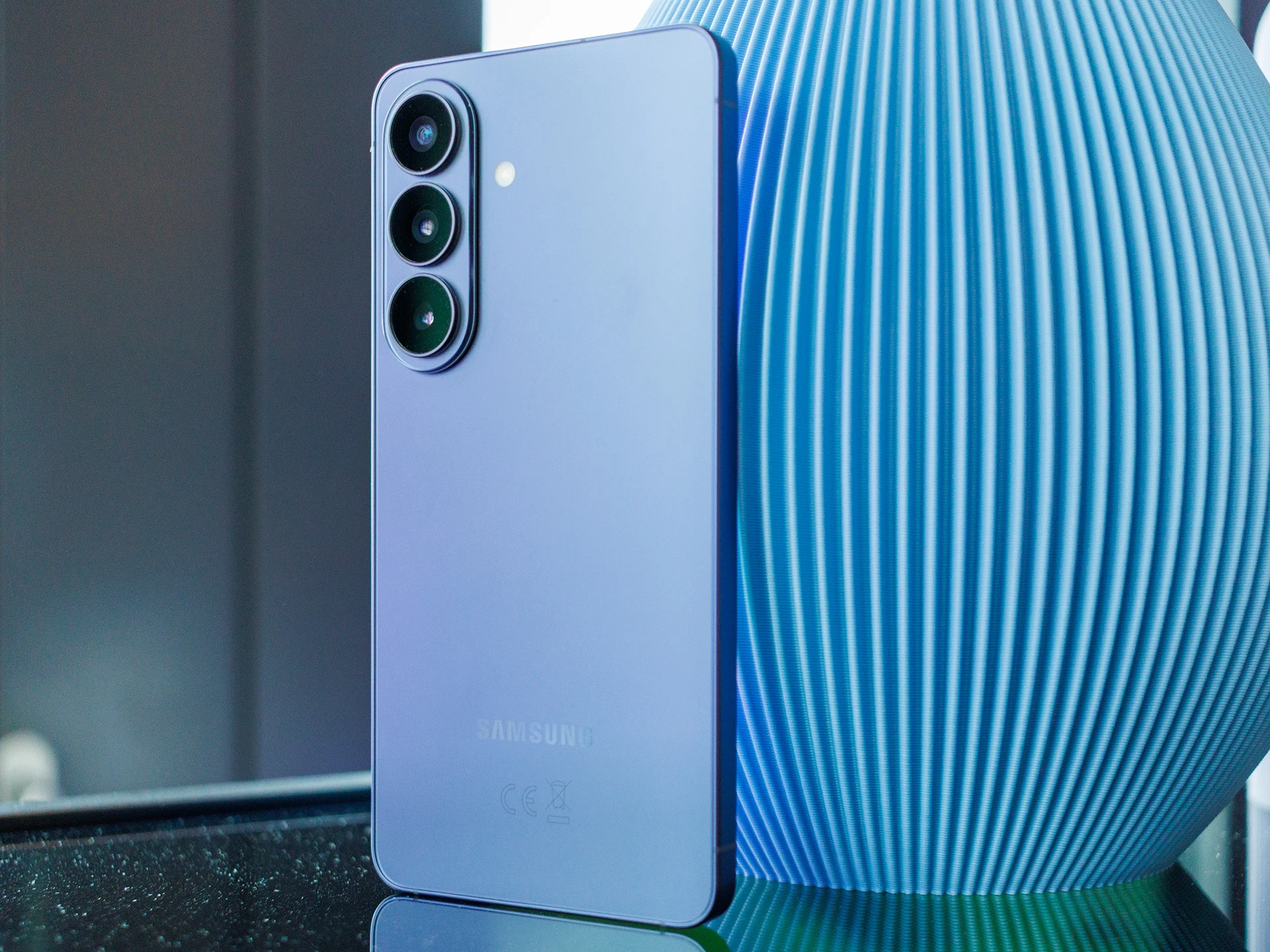
    The Galaxy S26 presents itself as a compact luxury smartphone that stands out because of its performance, display, and battery. Powered by the Exynos 2600 chipset, it has a 6.3-inch OLED screen which is bright, evenly lit, and calibrated for accurate colors. The device is built with high-quality materials and feels very premium in hand, making it a top-tier choice for those looking for a sleek, reliable device. The display’s brightness and color precision make it suited for everyday use, whether indoors or outside in sunlight.

    Pros and Cons of the Galaxy S26

    • Fast, dependable operation with good network reception
    • Long-term support with updates expected for seven years
    • Battery capacity of 4,300 mAh, delivering decent daily usage

    However, it has its limitations. Charging speeds are only 25 watts, which is somewhat slow considering current standards, leading to longer recharge times. The phone’s battery life is only moderately improved over previous models, and it underperforms under sustained high performance, with noticeable throttling of its processor. The camera system remains similar to previous generations without notable upgrades in hardware or features. Overall, the Galaxy S26 isn’t a complete overhaul but rather a smarter, slightly refined version of a flagship, excelling mostly in its display, usability, and overall build quality.

    Sources
    • RingConn Smart Ring Launches with 14-Day Battery and Blood Pressure Monitoring

      RingConn Smart Ring Launches with 14-Day Battery and Blood Pressure Monitoring

      Key Takeaway

      1. The RingConn Gen 3 smart ring features haptic feedback and health insights, with upcoming blood pressure monitoring.
      2. It is priced from $314 during pre-order discounts, with a 14-day battery life and no subscription fees for health data.
      3. The ring is heavier and offers longer battery life than the Samsung Galaxy Ring, with multiple color options and sizing.

      Introducing the New Smart Ring by RingConn

      RingConn has lately revealed its latest competitor to the Samsung Galaxy Ring, which is called the Gen 3 smart ring. Its available now for pre-order, and there’s a special discount for early buyers. The ring itself comes in five different color options to choose from. This new device aims to combine style with functionality, targeting users who wants a sleek wearable with smart features.

      Pricing and Pre-Order Details

      The retail price starts at $349, which is a bit higher then the Galaxy Ring’s discounted price of about $299.99 on Amazon. Nonetheless, if you pre-order, you can get the Gen 3 for only $314, and two exclusive colors are priced at $332 instead of $369. This offer are valid until May 28, 2026, giving potential buyers plenty of time to decide.

      Features and Functions

      The most neat feature of the RingConn Gen 3 is its vibration module, enabling it to give haptic feedback. The company states that it helps deliver health alerts, reminders, and low battery warnings. Strange thing is, it’s not designed to notify you for missed calls, messages, or alarms, despite having vibration capabilities.

      Health Tracking and Future Updates

      An exciting yet future feature involves blood pressure monitoring, which currently is not supported but promised via a software update. The company emphasizes that its purpose isn’t to replace medical devices but to help spot key health patterns that might need professional medical attention. Along with sleep apnea insights, it tracks various health metrics, all without requiring any subscription fees. The device stores up to 10 days of offline health data for analysis.

      Design, Battery Life, and Compatibility

      The smart ring weighs approximately 2.5 to 3.5 grams and offers up to 14 days of battery life if vibration is disabled. In comparison, the Galaxy Ring is rated for about 7 days, weighing between 2.3 and 3.2 grams. The Gen 3 model is available in sizes 6 to 15, ensuring a good fit for many users. Additionally, RingConn provides a companion app compatible with both iOS and Android platforms, making the device versatile and easy to integrate into daily routines.


      Sources

    • Xgimi Launches Ultra-High Brightness 4K Projector

      Xgimi Launches Ultra-High Brightness 4K Projector

      Key Takeaway

      1. The Xgimi V10 is a 4K laser projector with a maximum brightness of 6,000 lumens and a projection size of up to 300 inches.
      2. It features a 99% DCI-P3 color gamut, a 5,000,000:1 contrast ratio, and supports Dolby Vision and HDR10+.
      3. The projector runs on GMUI 6.0, offers automatic focus, and includes multiple connectivity options like HDMI, USB, and Bluetooth 5.2.
      4. It is priced at CNY 29,999 (~$4,392) in China and is not yet available for purchase in the US.

      Introduction of the New Xgimi V10 Model

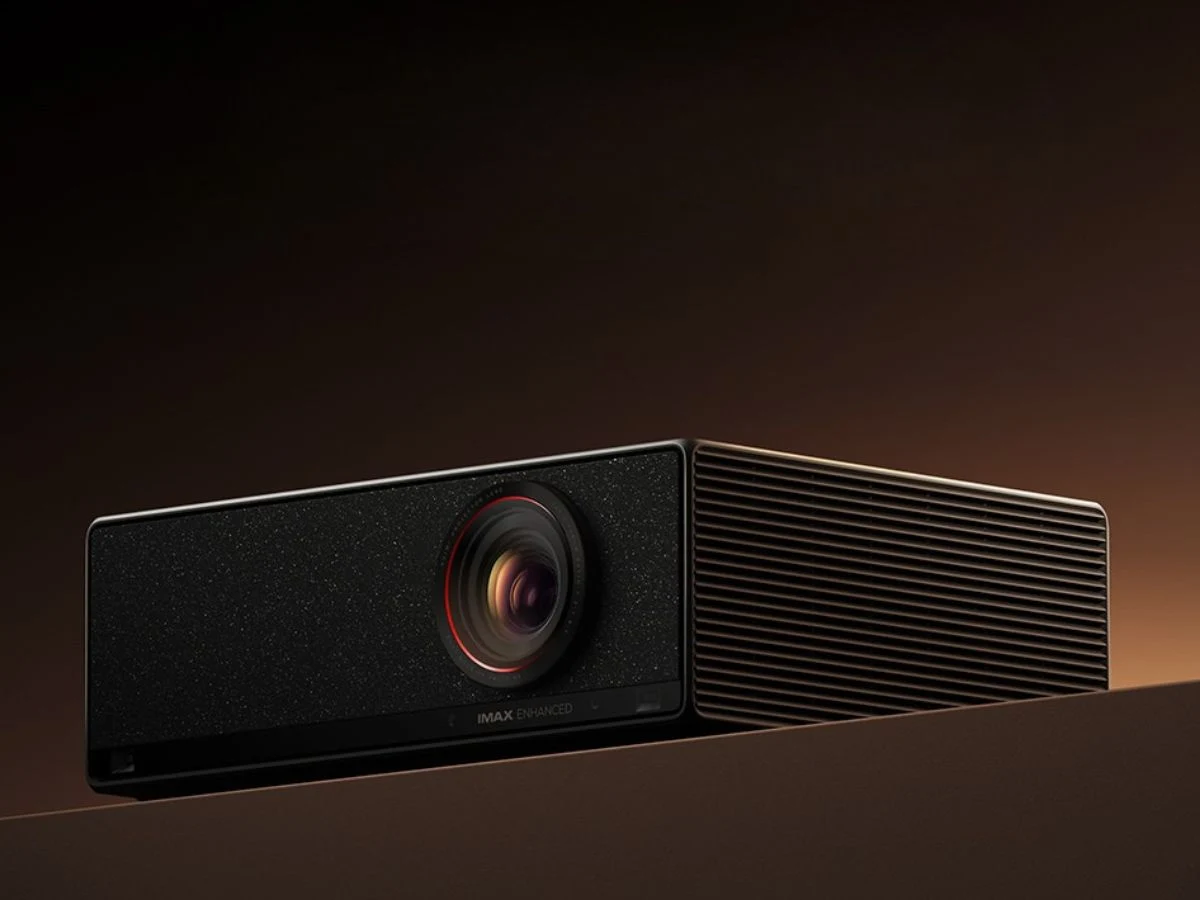
      The Xgimi V10 Ultra-High Brightness 4K Laser Cinema Projector was recently revealed in China, marking an upgrade from earlier models like the T10 (Titan). This device is designed to enhance home theater experiences with its impressive features. The launch marks a significant step for the brand, aiming to deliver professional-grade visuals right in your living room.

      Technical Specs and Performance

      This projector sports a 4K DLP technology with an adjustable throw ratio of 1.2-1.8:1, making it versatile in space. Its ability to produce images up to 300 inches and cover 99% of the DCI-P3 color space provides vivid, rich visuals. The listed brightness is 6,000 CVIA lumens, though it’s important to note this isn’t standardized internationally. The contrast ratio of 5,000,000:1 promises deep blacks and vibrant colors, perfect for an immersive viewing experience.

      Features and Connectivity

      The V10 supports advanced imaging modes like Dolby Vision and HDR10+ with Filmmaker Mode, ensuring cinematic quality. Adjustments such as automatic focus help make setup straightforward. Powered by GMUI 6.0, the interface feels smooth and user-friendly. Connectivity options are plentiful, including Bluetooth 5.2, HDMI, and USB ports, along with built-in speakers supporting Dolby Audio and DTS Virtual:X to enrich sound quality.

      Availability and Market Details

      In China, this high-end projector’s retail price is around CNY 29,999, which is approximately $4,392. Although it can be found on Alibaba for the US market, it’s not currently available for purchase there. The release plans for the US remain uncertain, especially since Xgimi already offers other models like the Horizon 20, priced at about $1,559. Whether the V10 will officially come to the US soon is a question still waiting to be answered.


      Sources

    • OmniOS r151058: Tool Updates, New Features & Hardware Support

      OmniOS r151058: Tool Updates, New Features & Hardware Support

      Key Takeaway

      1. OmniOS is a secure, open-source enterprise server OS based on illumos, derived from OpenSolaris.
      2. Version 3.7.0 includes various improvements such as tool updates, new features, and extended hardware support.
      3. Deprecated features include the grub boot loader, certain versions of OpenSSL, Python 2, and GSSAPI support in OpenSSH.
      4. The ISO and USB-DD files are notably compact, and users of older versions should upgrade to ensure continued support and updates.

      Introduction to OmniOS

      OmniOS is mainly a operate-os designed for the server market. It is built upon the illumos project, which itself os derived from the old OpenSolaris—discontinued by Oracle back in 2010. Known for its security features, this OS has been developing since 2010 with a focus on stability and enterprise readiness.

      Latest Version and Improvements

      The recent release, OmniOS 3.7.0, bring several cool upgrades like new tools, more hardware compatibility, and additional features. For example, it now supports a wider array of hardware, making deployment in diverse environments easier. Updates also include bug fixes and security patches to make using this server OS safer and more reliable.

      Deprecated features and system specs

      It’s important to note that some older features no longer supported include the grub boot loader, OpenSSL versions 1.0.x and 1.1.1, Python 2, and GSSAPI key exchange support for OpenSSH. The distributions come in compact ISO files and USB-DD images, with sizes of 301 MB and 401 MB respectively. Once upon a time, version 151046 was current, but it’s now at its end-of-life, and users are encouraged to upgrade to either r151054 or r151058 for continued support and updates.

      Sources
    • 2010 iPod Nano Powers Three Displays via Vintage iPad Dock

      2010 iPod Nano Powers Three Displays via Vintage iPad Dock

      Key Takeaway

      1. The 6th generation iPod Nano can be repurposed as a multi-monitor setup using its legacy composite video output and adapters.
      2. A non-functional Apple iPad Keyboard Dock is used for structural support and access to video output, despite lacking keyboard functionality.
      3. The build employs vintage audio peripherals with a USB-C powered amplifier and adapters to manage high-fidelity sound and voice recording.
      4. Software limitations restrict the Nano to basic media functions like slideshows and music playback; modern web browsing isn’t possible.

      Innovative uses for old Apple gadgets

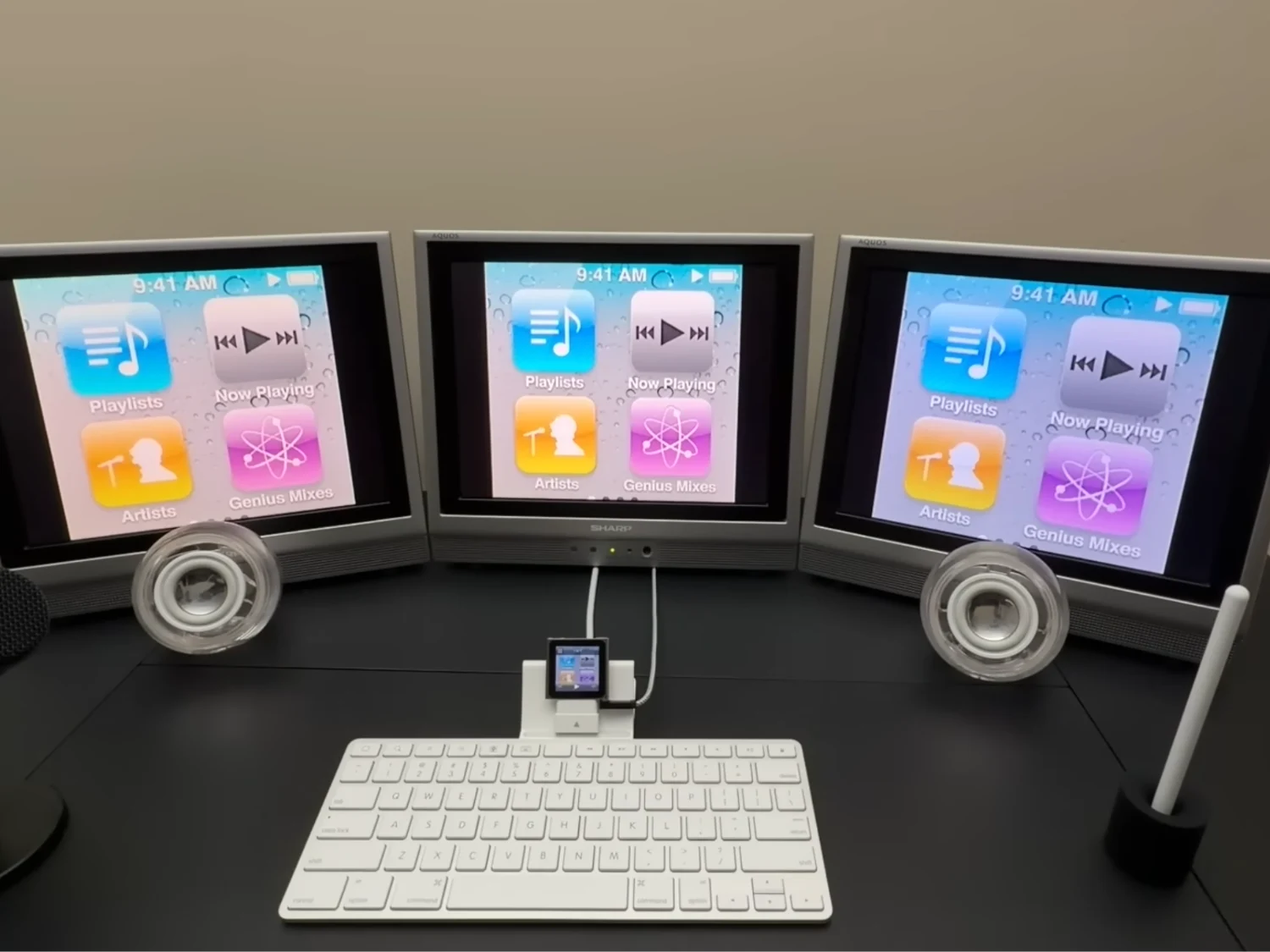
      Tech geeks often find creative ways to reuse their old Apple devices, turning them into something totally different then what they was originally meant for. For example, a recent video from the channel Will It Work? show how a 6th generation iPod Nano, which normally just plays music, was transformed into a multi-monitor setup. This small media player, famous for its design and simplicity, doesn’t support multiple screens by default. But because it got a 30-pin connector that can send analog video signals, it was possible to connect it to multiple displays using some clever adapters.

      The setup details

      To make this work, the builder used an Apple iPad Keyboard Dock, which acts like a physical computer interface for the Nano. Though, the keyboard itself doesn’t actually work for typing due to limitations in the software, but the dock is helpful because it holds the Nano and gives access to its composite video output. The video signal from the Nano is sent through a 30-pin to composite cable, then split to three Sharp Aquos TV screens that are quite old but still work well. These TVs from the early 2000s could display the image from the Nano simultaneously, creating a triple-monitor setup from a device that wasn’t meant for that at all.

      Audio system challenges & solutions

      The project didn’t just stop at video. Getting decent sound from vintage equipment needed some hacks too. They used a pair of Apple Pro Speakers, which normally need a special power ring to work properly. Instead of that, the builder used an inexpensive JC Hi-Fi USB-C powered amplifier to boost the Nano’s sound. For microphone input and voice recording, they added a Maono XLR-to-3.5mm splitter, making the tiny Nano serve as a central hub for both visuals and audio. It wasn’t a simple task, but these vintage parts were adapted with modern gear to make them work together.

      Software & limitations

      The Nano still runs on its original old iPod OS, so it can only do basic functions. It’s capable of showing photos or playing music, and all this gets mirrored across the three screens with basically no lag. But it can’t browse the internet like a modern device, highlighting that although this setup is a bit outdated tech-wise, it proves that legacy hardware and old signal connections can be repurposed for fun, innovative projects—if you have the right adapters and ideas.

      Sources
    • Apple A21 SoC May Replace TSMC with Intel or Samsung, Boosting Fate

      Apple A21 SoC May Replace TSMC with Intel or Samsung, Boosting Fate

      Key Takeaway

      1. Apple is in early-stage talks with Intel and Samsung to potentially produce its next-generation processors, diversifying from its primary partner, TSMC.
      2. Intel and Samsung are advancing their 2 nm and 18A process nodes, with Intel aiming to attract external customers, including Apple.
      3. Intel’s upcoming 18A-P node offers improved performance and efficiency, and may produce Apple’s A-series SoCs for future iPhones as early as 2027.
      4. Apple’s mobile chips might be divided between TSMC for higher-end models and Intel/Samsung for standard models, depending on production capabilities.

      Rumors About Apple and Foundry Collaborations

      Across the tech world, there has been lot of buzz about Apple testing out the process nodes from Intel Foundry for their upcoming iPhone and MacBook chips. Recently, Bloomberg has confirmed that Apple have been having “exploratory” talks with both Intel and Samsung about developing Apple silicon together. Though these discussions are still in early stages, some experts like Mark Gurman believe there is no immediate plans, but it shows Intel and Samsung are trying to catch up with TSMC which have been leading lately.

      Current Progress in Chip Manufacturing

      Both Samsung and Intel are now producing chips on their latest advanced nodes, 2 nm SF2 for Samsung and Intel’s 18A for Intel, showing real progress. Their focus is also on attracting external customers, which is very important especially for Intel. The company’s CEO, Lip-Bu Tan, is trying to revive Intel by securing outside clients for its advanced manufacturing process. This strategy is key to making Intel regain some competitive edge in the global chip market.

      Implications for Apple and Future Chips

      With the news that Apple considers adding Intel and Samsung as secondary suppliers to TSMC, it seems Intel’s efforts are headed in a good direction. Reports suggest Intel has improved yields on its 2 nm and 18A nodes, and the upcoming 18A-P version is expected to be even better. The 18A-P offers a 9% boost in performance or similar performance at 18% reduced power, aiming to be a significant upgrade.

      Potential Production Plans for Apple

      There are rumors that Intel might start manufacturing Apple’s M-series SoCs on the 18A-P node by 2027, starting with lower-end Macbook Air models. However, instead of M-series, the chips Apple might send to Intel for manufacturing could be the A-series, designed for their 20th-anniversary iPhones.

      Possible Hardware Divisions Between Foundries

      Sources on X speculate that Intel or Samsung could produce the upcoming Apple A21 SoC, which might power the 2027’s 20th-anniversary iPhones. Currently, the iPhone 18 and 18 Pro will feature A20 and A20 Pro chips, so the A21 could be used for the next big milestone.

      Strategic Manufacturing Arrangements

      All this suggests Apple might split mobile chip production—using TSMC for the high-end models like the Pro versions, while Intel and Samsung could supply for the standard models. The success of this plan will depend on whether Intel and Samsung can deliver the needed performance, efficiency, and affordability that Apple demands.

      Uncertainty and Future Outlook

      Of course, no one can be totally sure about Apple’s exact plans, so it’s best to take these rumors with a bit of skepticism. Apple’s manufacturing decisions remain secretive, and these developments are still in the rumor stage, so we should wait for official announcements to truly understand what’s coming next.

    • Acer 144Hz IPS Gaming Monitor Sale – Color-Accurate Display Under $100

      Acer 144Hz IPS Gaming Monitor Sale – Color-Accurate Display Under $100

      Key Takeaway

      1. The Acer Nitro KG241Y P6bip is a popular 1080p gaming monitor with a 23.8-inch IPS display, 144Hz refresh rate, and 1ms response time.
      2. It is currently available at a significant discount, priced at $89.99 on Amazon, which is its best price according to trackers.
      3. The monitor offers good color coverage with 99% sRGB and supports AMD FreeSync, making it suitable for gaming and productivity.
      4. Features include a “ZeroFrame” design for multi-monitor setups and VESA wall mount support, but it has a basic stand and reports of backlight bleeding.

      Popular Choices in Gaming Monitors

      Even though QHD displays are gradually becoming more common in the gaming world, many gamers still prefer to use Full HD (FHD) monitors. Like the recent Steam hardware survey, where over half of the gamers are sticking with 1080p screens, there is still a lot to be said about FHD’s popularity. If your on the hunt for a budget-friendly option, the Acer Nitro KG241Y P6bip stands out as a good buy right now.

      Special Deal and Price Reductions

      This gaming monitor currently being offer at a massive 32% off, bringing its price down to only $89.99 for a limited time. This big discount is a huge $42 off the usual retail price, which is quite significant. According to third-party tracking sites, the deal on this monitor is the best price it’s seen on Amazon lately.

      Monitor Features and Technical Specs

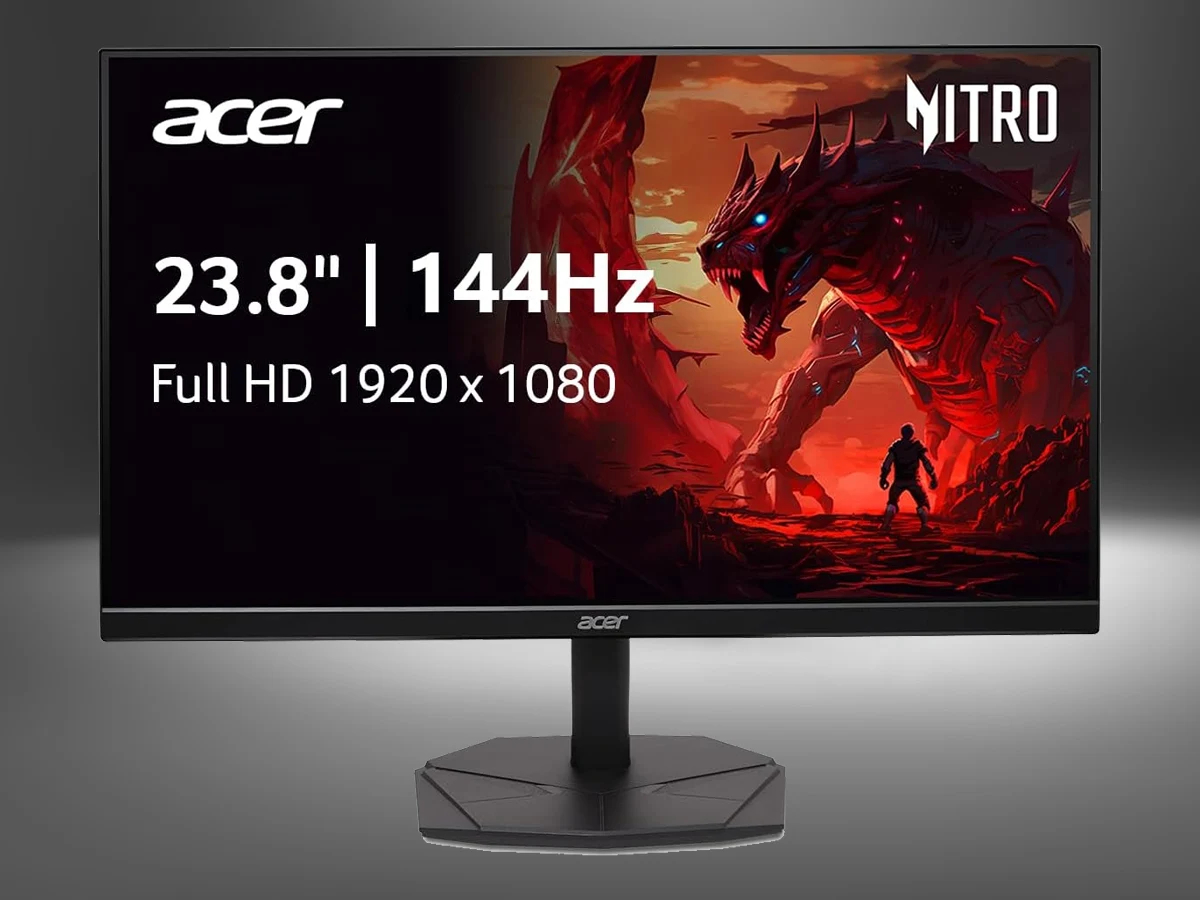
      The Nitro KG241Y P6bip sports a 23.8-inch IPS panel with a fast 144Hz refresh rate. Acer claims the response time is just 1ms, making it a great choice for smooth and responsive gameplay. It also features AMD FreeSync technology, helping to eliminate screen tearing for a better visual experience. Additionally, the monitor’s color coverage covers 99% of sRGB, which makes it suitable for tasks demanding more accurate colors, like photo editing or creative work.

      Design and Additional Features

      One of the stylish aspects of this monitor is the “ZeroFrame” design, which means it has very slim bezels—ideal for setting up multiple screens side by side. It also offers support for VESA wall mounting if you prefer to save desk space. Nevertheless, the stand included with the monitor is quite simple and not very adjustable. Some users have also pointed out issues like backlight bleeding, which could affect viewing quality.

      Sources
    • PlayStation 5 Supports Near-Native PS3 Games via RPCS3 on Linux

      PlayStation 5 Supports Near-Native PS3 Games via RPCS3 on Linux

      Key Takeaway

      1. Andy Nguyen has developed PS5-Linux, enabling certain PS5 consoles (firmware 3.xx and 4.xx) to function like PCs capable of running Steam games and emulation smoothly.
      2. Modders are exploring PS5 Linux setups to emulate PS3 games via RPCS3, which can run games from dumped files with decryption keys, providing a more native experience.
      3. Sony has not officially added PS3 backward compatibility to PS5, but select older PS3 models can natively run PS1 and PS2 games via disc drives.
      4. Support for newer firmware versions plans to come, but Linux on these systems would run within the GameOS VM, potentially limiting performance.

      Transforming PlayStation 5 into a Custom PC With Linux

      Recently, Andy Nguyen has come out with PS5-Linux, which makes it possible for any PS5 running firmware 3.xx and 4.xx to be converted into a full-blown computer. Its hardware specs allow it to run many Steam games smoothly as well as handle emulation without much trouble.

      Linux and PS3 Emulation

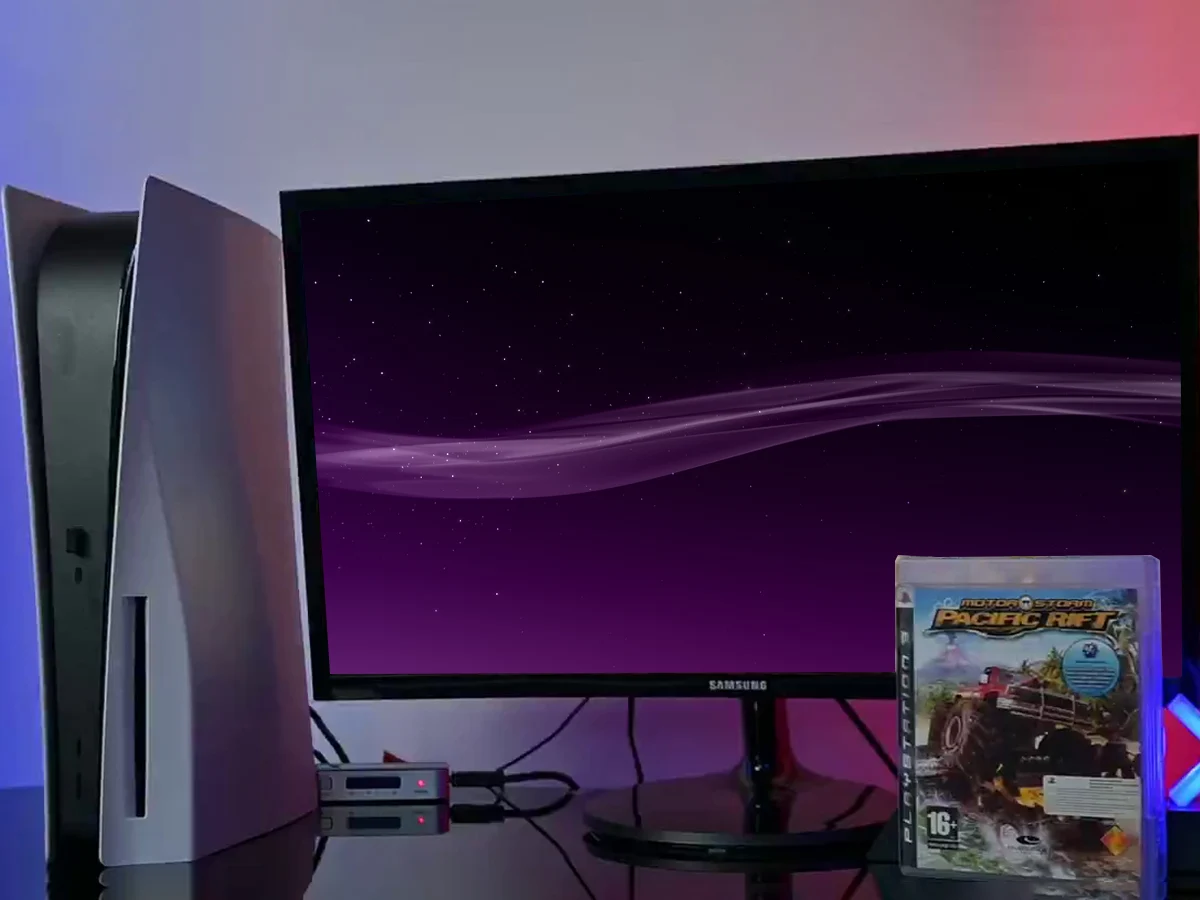
      Modders have begun to experiment more with Linux on PS5, and one notable showcase demonstrated how the setup manages PS3 emulation using RPCS3. If you didn’t know, RPCS3 is an open-source software for emulating PlayStation 3 games that works across different operating systems including Linux. It’s constantly being improved by developers who add new features, such as allowing players to run games from dumped files. When the PS5 is modified with RPCS3, it can emulate PS3 titles directly through the disc drive, creating a more authentic experience than generic emulation setups. But for this to work, users will need to provide decryption keys.

      Current Limitations and Compatibility

      It’s important to recognize that Sony has yet to support native PS3 game compatibility on PS5. While you can access some last-gen titles via PlayStation Plus Premium, this isn’t quite the same as true backward compatibility. The older PS4 models had better support, especially certain PS3 models like CECHAxx and CECHBxx that could naturally run PS1 and PS2 games through their disc drives.

      Future Prospects and Firmware Restrictions

      Support for newer firmware updates is being planned, but it presents challenges. When running Linux on newer firmware versions, the system must operate within the GameOS VM environment, which might limit overall performance. Thus, the mod is mainly practical on older PS5 consoles with firmware 3.xx and 4.xx. For a taste of what’s possible, check out the video by @retropierdolnik that shows a PS5 modded to run Motorstorm Pacific Rift via RPCS3, available for download on Amazon.

      Sources
    • Casio Launches New Digital Watches in Japan This May with 10-Year Battery

      Casio Launches New Digital Watches in Japan This May with 10-Year Battery

      Key Takeaway

      1. Casio is launching the W-738H series with two models, featuring a new square case design and similar specs to the W-735H.
      2. The watches are expected to release in June 2026 in European and UK markets, with a retail price of around £45.
      3. Key features include dual time, 1/100-second stopwatch, countdown timer, daily alarm, auto-calendar until 2099, 10-year battery life, water resistance up to 100m, and vibration alarm.
      4. Available in black (W-738H-1AJF) and khaki-green (W-738H-3AJF), with pre-orders open on Casio Japan’s website.

      New Casio W-738H Series Launch in Japan and Expected Global Release

      Casio is getting ready to launch its fresh W-738H series of watches this May in Japan, along with their latest G-Shock collection. The new models, the W-738H-1AJF and the W-738H-3AJF, are almost similar to the previous W-735H but comes in a newsquare case that measures 47 x 42.8 x 13.5 mm, giving it modern look and feel. The design looks sleek and more contemporary, appealing to those who prefer simple yet stylish watches.

      Availability and Price Information

      Both watches have been appeared in European retail listings, hinting that a worldwide release is about to happen. Not only europe but the Casio UK website also listed them soon to be available for about £45. According to the latest reports, these watches are expected to be launched in June 2026 across European and UK markets. The pricing detail is quite reasonable for such feature-rich watches, making it attractive for a broad range of people looking for good daily wear.

      Features Packed into the New Models

      For the features, Casio didn’t hold back. The watches come with dual time, a 1/100-second stopwatch with options for elapsed time, split time, and even auto start, plus a 24-hour countdown timer for extreme precision. Daily alarms, hourly signals, and a full auto-calendar that handles dates as far as 2099 are also included. Moreover, you get a long-lasting battery life of ten years, water resistance up to 100 meters, and an unusual vibration alarm feature, making these watches quite functional for everyday use.

      Color Options and Pricing

      In Japan, these watches are priced at 7,700 yen each. The W-738H-1AJF has a classic black band and casing, while the W-738H-3AJF features a army-inspired khaki-green. Both models display a clear light-background screen for easy reading. For those interested, pre-orders are already being accepted through Casio Japan’s official website, so if you like these watches, you might want to secure one early before they run out.

      Sources