1. Bambu Lab Pure PLA is designed to meet strict safety and environmental standards, including Greenguard, EN 71-3, and EU food contact regulations.
2. Printed models should only be used within specific temperature and contact guidelines to avoid migration of harmful substances, especially with food-related items.
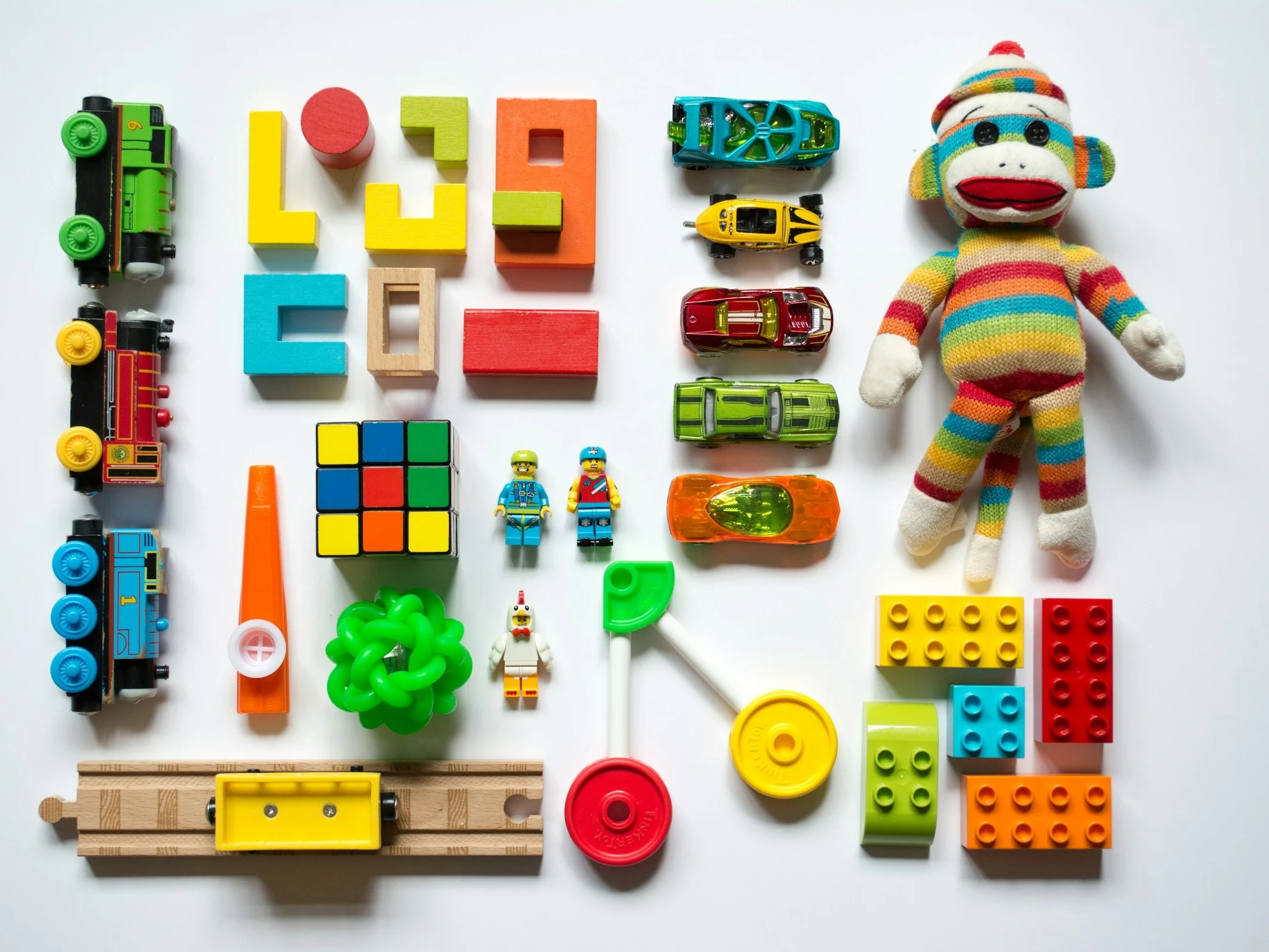
3. Proper post-processing, such as sealing and careful deburring, is crucial for safety and microbiological hygiene, especially for toys and food containers.
4. The safety testing focuses on raw filament in pulverized form, implying low risk from the printing process itself, but caution is advised for final use, particularly with children.
Introduction to Bambu Lab’s Pure PLA Filament
3D printing is a versatile technology that uses various filaments, each offering unique features like strength or aesthetic qualities. In China, Bambu Lab has introduced their new Pure PLA filament, specially designed to meet high safety standards and made from just five ingredients, making it safer for everyday and food-related uses.
Specifications and Composition
The main components of Bambu Lab Pure PLA include PLA itself, acrylic copolymers, pigments (though not specified in detail), ethylene bis (stearamide), and asbestos-free talc. The manufacturer highlights its compliance with important safety guidelines and standards, emphasizing its suitability for indoor environments and food contact surfaces.
Safety Standards and Compliance
Bambu Lab states that its filament matches the Greenguard guidelines which aim to reduce volatile organic compounds that could pollute indoor air. Additionally, it conforms to EN 71-3 and Regulation (EU) No. 10/2011, crucial for items that come into contact with food, by conducting migration tests to ensure safety during food contact.
- Greenguard guideline compliance
- Conformity with EN 71-3
- Meets Regulation (EU) No. 10/2011 for food safety
Testing and Practical Use Guidelines
Bambu Lab tested the filament not only on raw material but also on printed objects. These models underwent migration testing into water, oil, and acidic solutions to simulate real-world conditions. They advise that printed objects using this filament should stay within temperatures of 0 to 60°C and avoid contact with acidic, alkaline, or oily substances. For instance, storing rice would be acceptable, but nuts, with higher fat content, should be avoided.
Further Recommendations and Considerations
On their detailed information page, Bambu Lab also discusses microbiological safety tips. They recommend designing models to avoid cavities that are hard to clean, and suggest sealing parts with suitable materials given that 3D printing can produce ridges where bacteria might hide. Using food-safe resin for post-processing might be better than relying solely on the filament’s safety, especially considering wear and tear that could compromise the barrier over time.
Important Handling Tips
Deburring or finishing printed models properly is crucial, whether these models are toys or storage containers. The DIN EN 71-3 standard also sets limits for substances like cobalt, copper, lead, and mercury. Interestingly, the raw PLA was pulverized for testing rather than testing on actual printed parts, which could influence the outcomes. Since PLA causes less wear on hotends, the risk of copper or other material contamination from the hotend remains low.
- Finished models must be safe for children under DIN EN 71-1 standards
- Avoid small parts that children could swallow
- Ensure safety for both private and commercial uses
Final thoughts on Safety and Use
In conclusion, while the filament is designed with safety in mind, users should still be cautious, especially in commercial contexts, to ensure compliance and safe handling. Proper finishing, cautious use with food, and awareness of material limits are key factors to keeping 3D printed objects safe for all use-cases.