
Key Takeaways
1. An Earth-like exoplanet, HD 137010 b, has been discovered 146 light-years away, potentially changing our understanding of life beyond Earth.
2. HD 137010 b is in the habitable zone of its star, an orange dwarf, and has a 355-day orbit, making it similar in some ways to Earth.
3. The planet is slightly larger than Earth (6% bigger) but has a much colder surface temperature of about -68 degrees Celsius (-90 degrees Fahrenheit).
4. A thick carbon dioxide-rich atmosphere could warm HD 137010 b, potentially making it more hospitable than current conditions suggest.
5. This finding may shift exoplanet research priorities, emphasizing the need for more studies on planets that may support life rather than focusing on gas giants or planets too close to their stars.
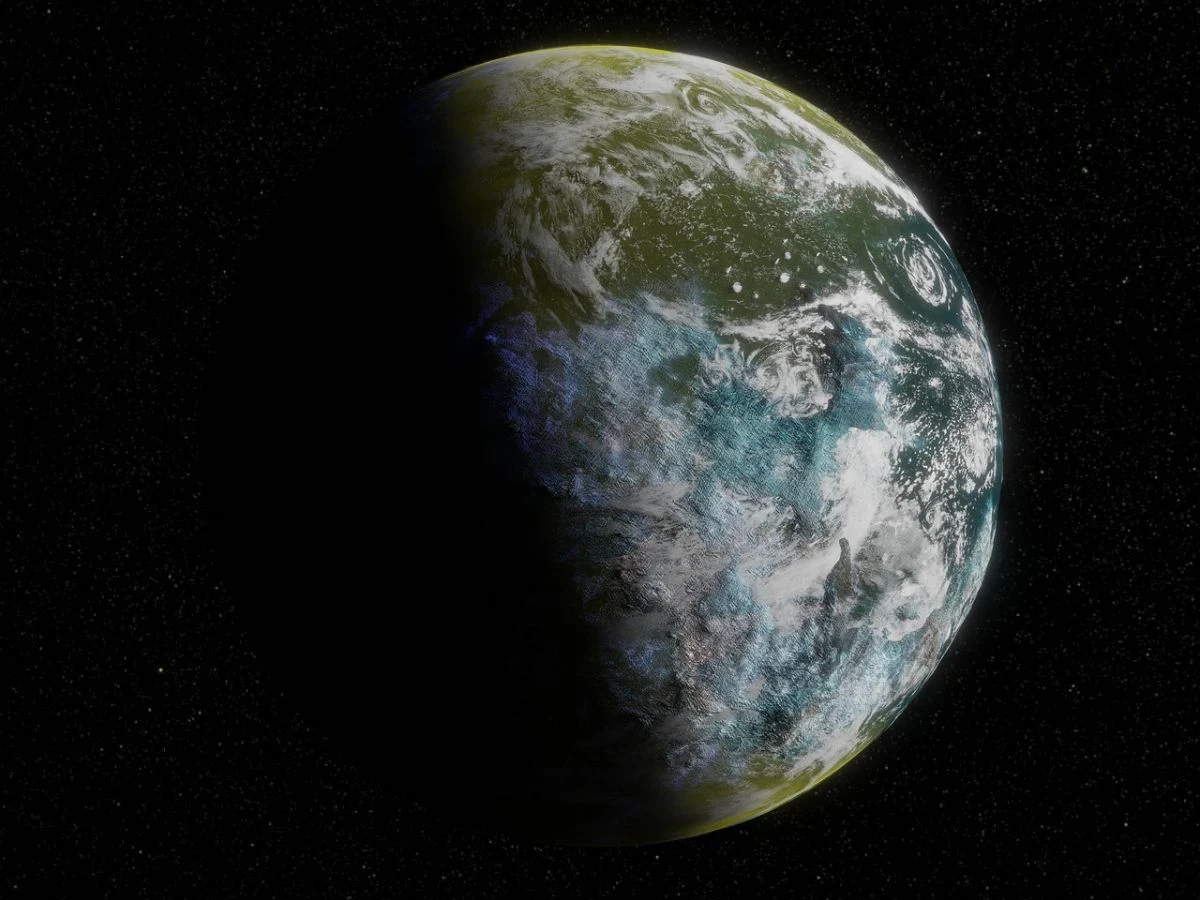
For many years, scientists have been looking for exoplanets to find out if there is life beyond Earth. Recently, a new finding may change everything we know. An exoplanet that resembles Earth has been discovered in data from the Kepler space telescope, located about 146 light-years from our planet.
Exciting Similarities
This finding, published in The Astrophysical Journal Letters, shows some unusual similarities to Earth. The exoplanet, called HD 137010 b, is estimated to be in the habitable zone of its star, which happens to be an orange dwarf. Astronomers believe that it takes around 355 days for this planet to complete one orbit around its star, and it is just 6% larger than Earth. However, the star itself is not as bright as the Sun, which leads to a surface temperature on HD 137010 b of minus 68 degrees Celsius (around minus 90 degrees Fahrenheit), resembling Martian conditions. Yet, if the atmosphere is thick and rich in carbon dioxide, it might warm the planet’s surface.
Impact on Exoplanet Research
This discovery, brought to light by the Planet Hunters project, could significantly influence the way we search for exoplanets. Currently, over 6,000 exoplanets have been identified, but most of them are gas giants or are too close to their star to support life. Additionally, some of the newly found planets are located too far away for detailed studies. Therefore, more research is essential to gather additional information about this intriguing celestial body.
Source:
Link
Leave a Reply