Key Takeaways
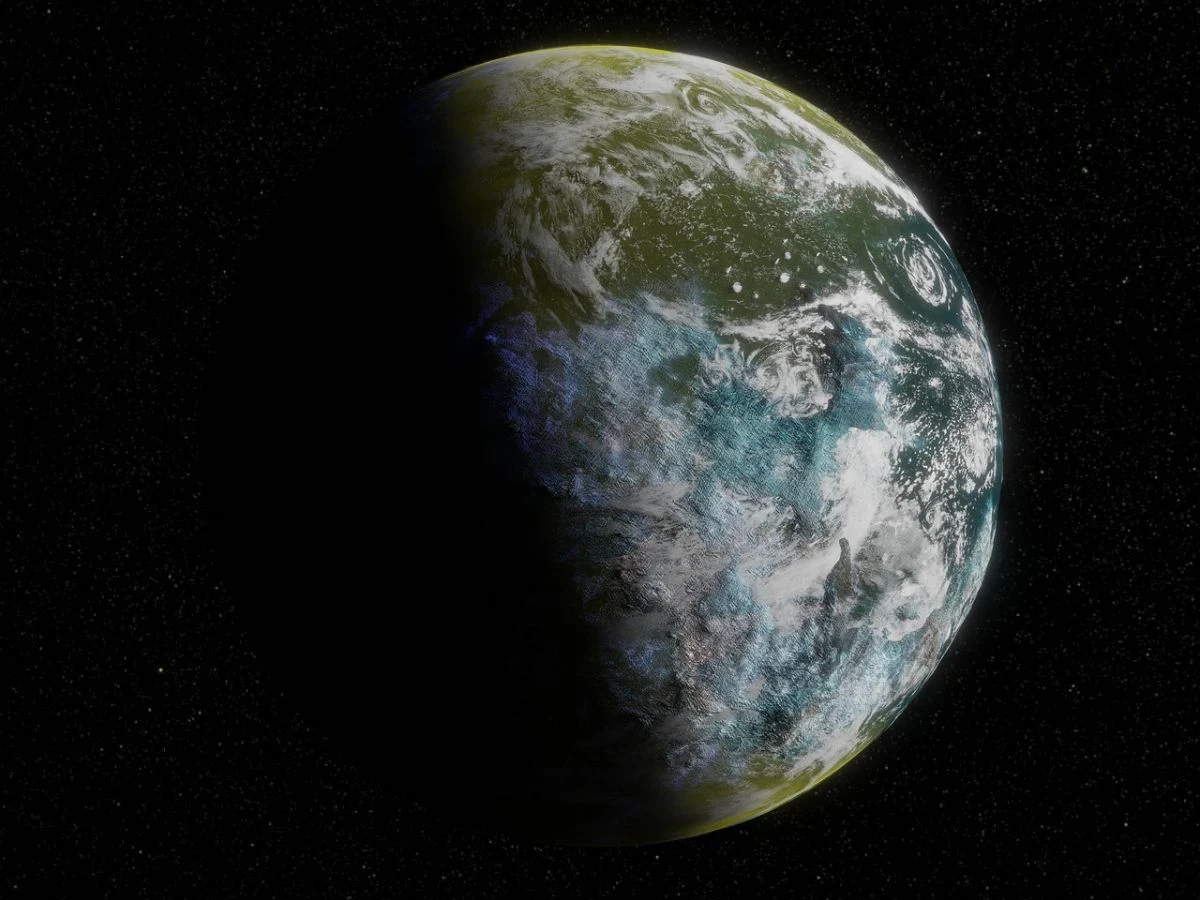
1. HD 137010 b is a potential exoplanet resembling Earth, located about 146 light-years away and likely a rocky world.
2. The planet orbits a cooler and dimmer star, receiving only one-third of the heat and light that Earth receives.
3. HD 137010 b is estimated to be on the outer edge of its star’s habitable zone, with varying chances of being in a habitable state.
4. The expected temperature on HD 137010 b is around minus 90° Fahrenheit, making it cooler than Mars and unlikely to support liquid water.
5. The planet was discovered through a single transit event, where its shadow caused a dimming effect on its star, but further studies are needed for confirmation.
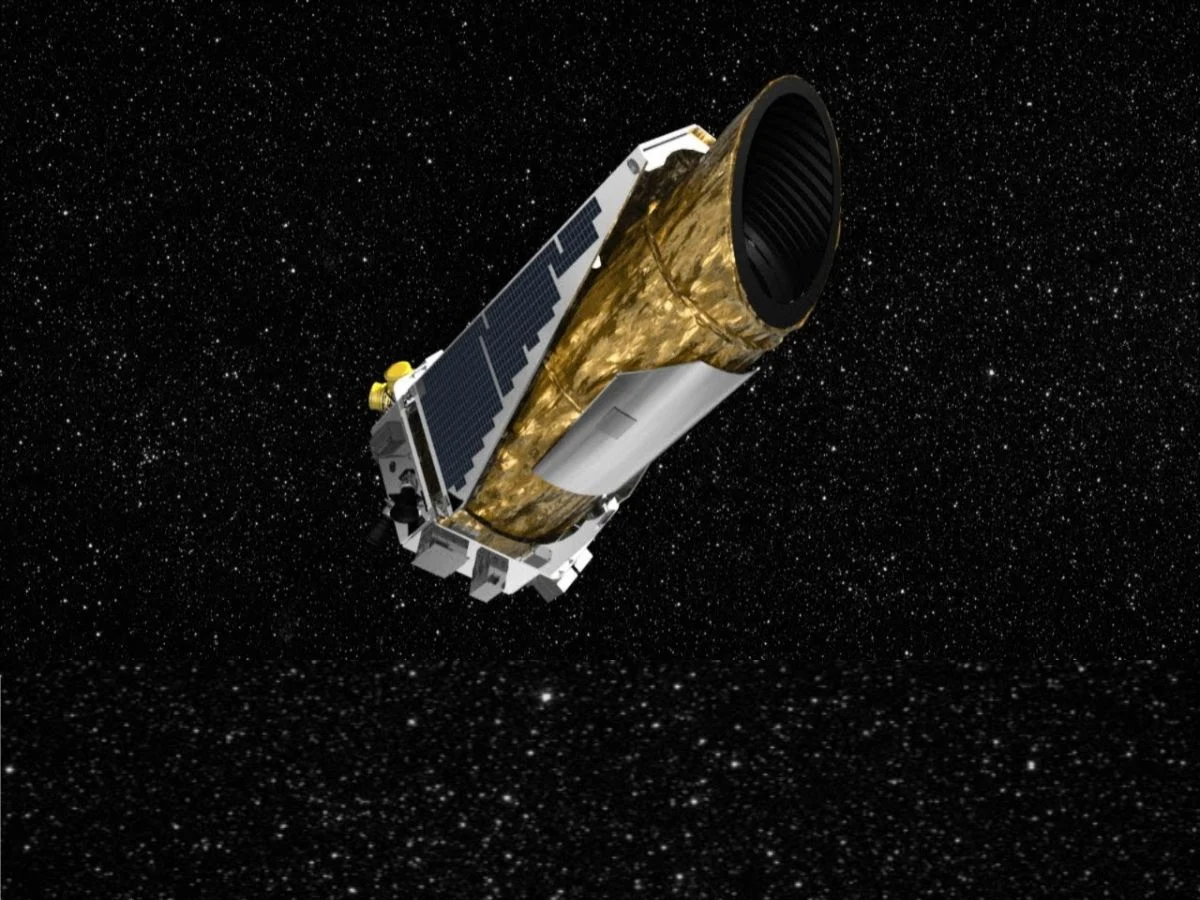
From the old data of NASA’s retired Kepler Space Telescope, a team of scientists from around the world has found a potential exoplanet that resembles Earth but is much cooler — even cooler than Mars. This candidate planet has been named HD 137010 b.
Planetary Characteristics
HD 137010 b is probably a rocky world that orbits a star similar to our Sun, located about 146 light-years away. It is estimated that it takes about one year for HD 137010 b to complete its orbit around its star, just like Earth does. Based on their research, the team believes that HD 137010 b is likely to be on the outer edge of the star’s habitable zone. This distance might allow for liquid water to exist on the surface if the planet has a suitable atmosphere. The models from the research indicate that there is a 40% chance that HD 137010 b is within the “conservative” habitable zone and a 51% chance of being in the more extensive “optimistic” habitable zone. However, the study’s authors also mention that there is a 50-50 chance the planet could be completely outside the habitable zone.
Temperature and Sunlight
The star of HD 137010 b is alike to Earth’s, but it is cooler and dimmer. Because of this, the planet receives only one-third of the heat and light compared to what Earth gets. Consequently, scientists expect the temperature on HD 137010 b to not exceed minus 90° Fahrenheit, which is significantly cooler than Mars’s temperature of minus 85° Fahrenheit. At such a low temperature, the chances of finding liquid water on HD 137010 b are very slim, especially since it likely has an atmosphere that contains more carbon dioxide than Earth’s.
Discovery Method
The discovery of this new planet is based on a single transit event. A transit occurs when a planet’s shadow crosses in front of a star, causing a dimming effect in the light from that star. For HD 137010 b, this transit lasted for 10 hours. By analyzing this one transit, the researchers were able to classify HD 137010 b as a candidate planet, but additional studies are needed to confirm if it is indeed a planet.
Source:
Link