
Key Takeaways
1. Apple plans to increase domestic manufacturing of iPhone components, including protective glass and camera sensors, primarily in Texas.
2. Samsung has developed a new hybrid shutter technology for camera sensors that combines rolling and global shutter features to improve image quality.
3. The hybrid shutter technology aims to reduce common issues like blurriness and noise in fast-moving scenes.
4. Apple’s potential shift to using Samsung’s camera sensors may end its long-standing partnership with Sony, although confirmation of this technology’s use is still pending.
5. The integration of Samsung’s new sensors into iPhones is unlikely before 2027, with the anniversary model possibly being the first to feature this technology.
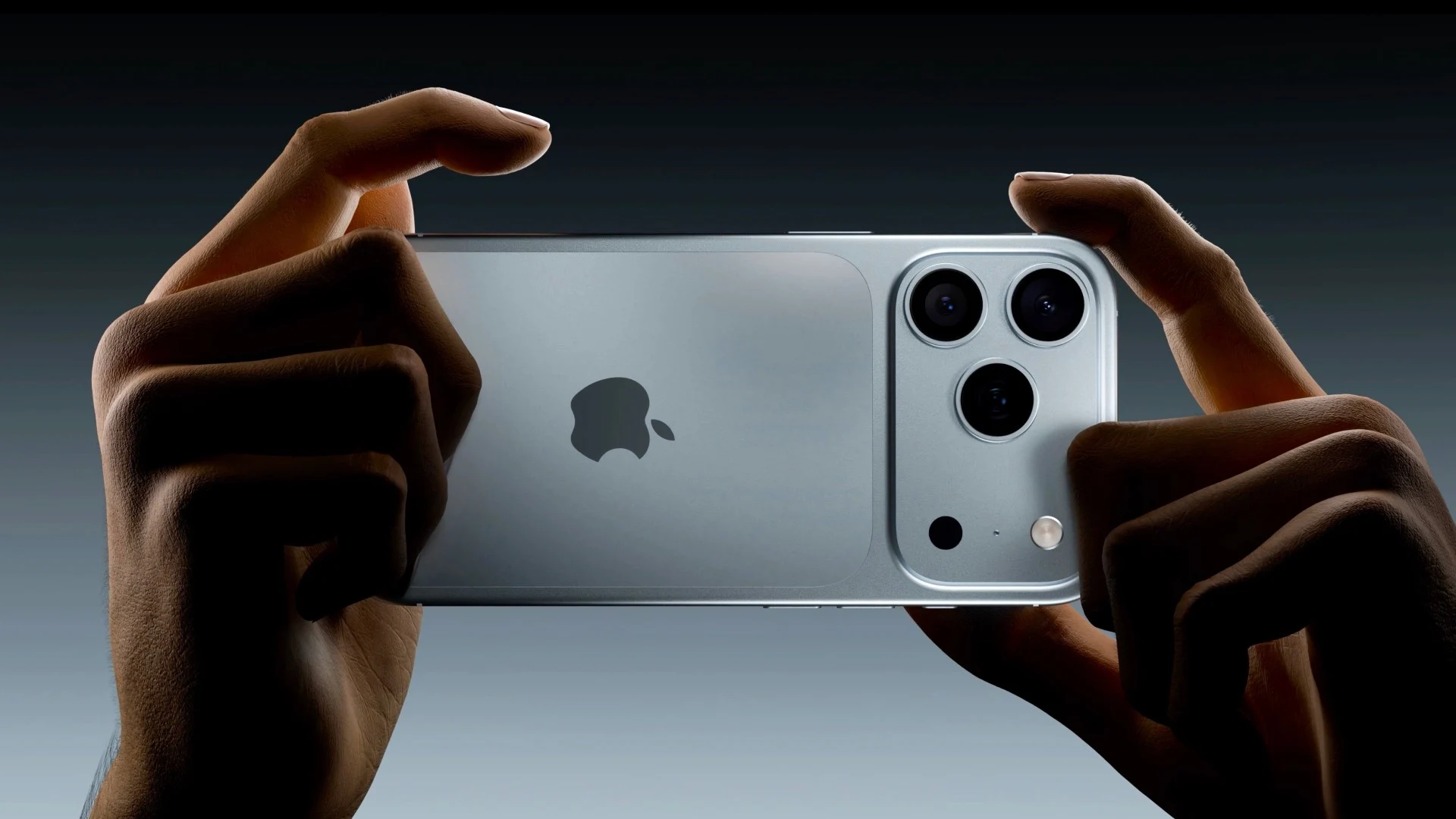
Apple has been quite transparent about its plans for the iPhone lately. Although the idea of fully manufacturing an iPhone in the USA seems far-fetched, a growing number of components will be produced domestically. For instance, protective glass for the iPhone and Apple Watch, along with new camera sensors, will be made by Samsung in a facility located in Austin, Texas. A captivating background article on this topic was recently released by the South Korean trade publication Hankyung and later translated in detail by @Jukanlosreve on X. This report is based on a presentation given by Samsung at the International Solid-State Circuits Conference (ISSCC) in February 2025, which can be accessed publicly on Researchgate.
Technological Motives Behind Changes
While the changes may have been sparked by US President Donald Trump’s policies, the officially confirmed use of Samsung’s camera sensors, featuring “innovative new technology that the world has never seen before,” appears to stem from a purely technological interest, known as the hybrid shutter. This new Samsung innovation merges the benefits of both rolling shutter and global shutter technologies within a single image sensor, aiming to address their respective limitations.
Understanding Shutter Technologies
For more information on how these two shutter technologies function in camera sensors, you can check out Merwansky, for instance. Here’s a quick overview: The “rolling shutter” can lead to blurriness, a jello effect, or flickering in videos when fast-moving subjects are in frame. On the other hand, the theoretically superior “global shutter” is more complicated, uses more energy, and can result in unnatural images with noise. The hybrid shutter technology that Samsung is currently developing consists of three layers for the first time. The top layer has the photodiodes and rolling shutter parts, the middle layer consists of transistors and capacitors for the global shutter, while the bottom layer contains the logic semiconductor that combines the ADC and an image signal processor (ISP) for image correction.
Innovative Solutions to Image Distortion
By default, the sensor’s 1.2-micron 50-MP pixels work separately in rolling shutter mode. However, if the smartphone’s chipset identifies a scene that may cause issues, like a spinning fan, it switches to global shutter mode. This involves a type of pixel binning mode where four pixels group together to simplify the global shutter mode. According to Samsung’s findings, this approach produces remarkable results, cutting noise by over half and preventing issues usually associated with rolling shutter mode.
Apple seems to have been quite impressed by Samsung’s presentation of the new sensor technology in February, leading to a possible end or at least a reduction in its long-standing exclusive partnership with Sony. While Apple has confirmed its intention to use “innovative new technology” for its camera sensors, it remains uncertain if this will actually be the hybrid shutter technology highlighted in Samsung’s presentation.
Future Prospects for iPhones
It remains unclear when the new Samsung sensors will be integrated into Apple’s iPhones. The report suggests that this will likely not happen before 2027, meaning the iPhone 18 Pro, anticipated for 2026, will not feature them. As 2027 marks the 20th anniversary of the very first iPhone, the rumored anniversary model, possibly named iPhone 20 Pro or iPhone XX and said to be made entirely of glass, might be the first to utilize this camera technology.
Source:
Link


Leave a Reply