Key Takeaways
1. Samsung plans to use the dry production technique for solid-state batteries, aiming to cut manufacturing costs in half by 2027.
2. Competing with major players like Toyota and CATL, Samsung seeks a competitive edge through the advanced dry electrode method utilized by Tesla.
3. The specifications of Samsung’s solid-state batteries include a 500 Wh/kg energy density, 9-minute charging time, and a range of 600 miles per charge.
4. Samsung is focusing on innovative production techniques, such as roll pressing and fiberization, to reduce costs and improve battery efficiency.
5. The use of a unique Teflon binder distinguishes Samsung’s dry electrode method from traditional wet methods, enhancing the battery’s performance and safety.
Samsung is set to use the dry production technique praised by Tesla, which is said to cut battery expenses in half, for its future solid-state batteries.
Aiming for Cost Reduction
The primary aim is to tackle the major obstacle to the widespread use of solid-state batteries in electric vehicles, which is the high manufacturing costs. Samsung plans to roll out these batteries by 2027. Interestingly, both Toyota and CATL, the biggest battery producer globally, have also announced that they will begin mass production of solid-state batteries during the same year.
Competing with Giants
If Samsung can successfully implement the dry electrode production method currently being used by Tesla for the more affordable manufacture of the Cybertruck’s 4680 batteries, it might gain a competitive edge over Chinese companies. This would happen when the advanced battery chemistry is adopted widely in electric vehicles.
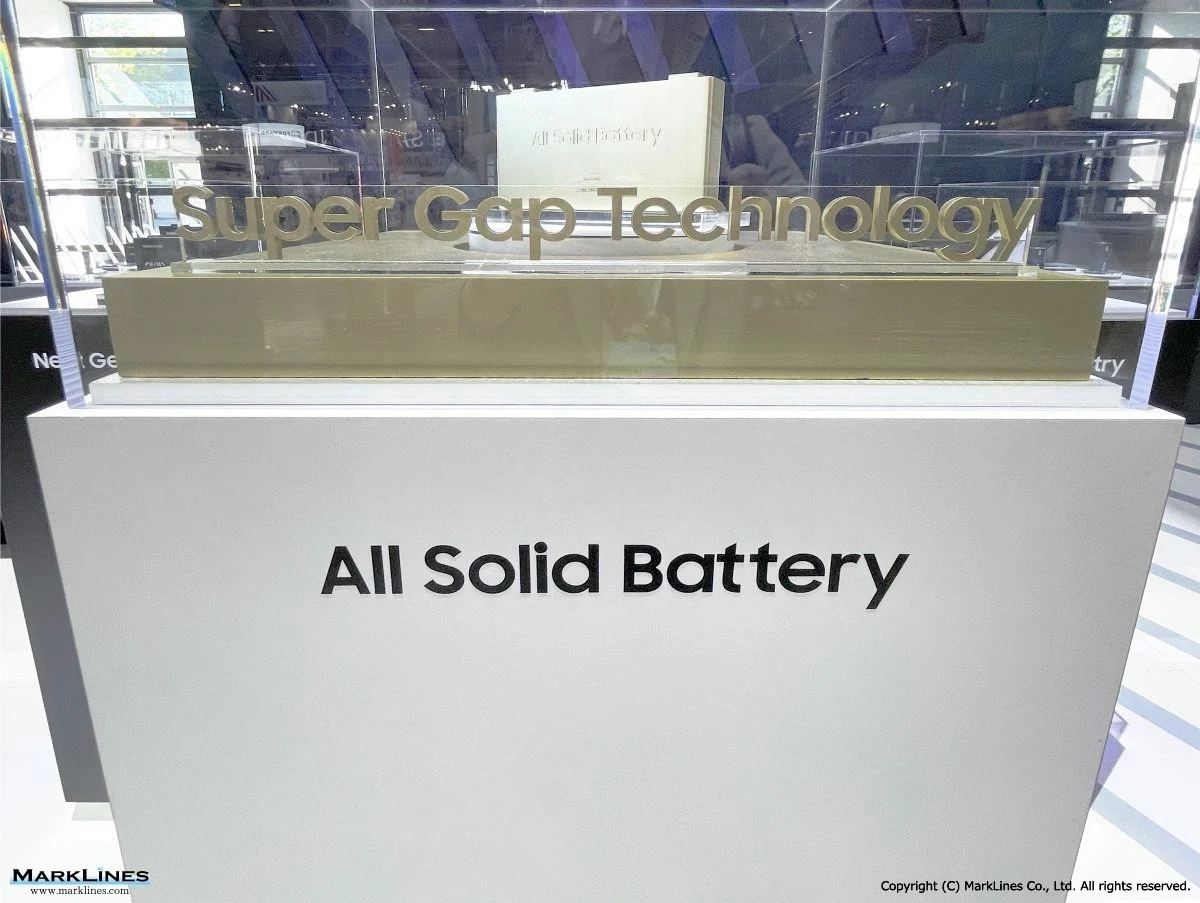
Samsung’s solid-state battery specifications are already among the finest in the sector, achieving the technology’s potential of 500 Wh/kg energy density. Thanks to the inherent benefits of solid-state technology, Samsung hinted at a 9-minute charging time and a range of 600 miles on a single charge from a battery pack that matches the size of existing EV batteries.
Focus on Production Costs
More importantly, Samsung is concentrating on reducing the production costs of solid-state batteries, a factor that previously led CATL to predict they wouldn’t be ready for mass production before 2030. However, CATL has since changed its stance, recognizing the rapid advancements in the field and projecting that its own solid-state battery program will be prepared for mass production by 2027.
Samsung is relying on two innovative production techniques to reduce the costs of its solid-state batteries. The first is roll pressing, which eliminates the need for complex sealing of the cell with the Warm Istactic Press method before applying 600 MPa of high-temperature pressure underwater to bond the electrode and electrolyte materials into a solid form.
Introducing Fiberization Process
Recently, Samsung has shared details about a fiberization process that it plans to implement not only in its pilot solid-state battery production line but also in its traditional battery production to significantly lower manufacturing costs.
Samsung identifies the binder as the primary distinction between the more energy-efficient dry electrode technique and the conventional wet method, which involves coating with harmful solvents and drying in large furnaces afterward. Samsung’s Teflon binder is designed to stretch under the pressure of the roll pressing method, creating a “layer that supports the conductive material and the active material.” This results in a separation film that is stronger and more evenly distributed, preventing direct contact between electrodes and solid electrolytes, while still allowing for smooth charge flow between them.
Tesla is working on a similar approach with its dry-cathode battery production technique, but has not yet scaled up production to replace the second-generation 4680 battery, which has a 15% higher energy density and is used in the Cybertruck, in a cost-effective manner.
Source:
Link