Tag: Samsung

  • Samsung Galaxy S26 Edge: Major Design Changes Expected

    Samsung Galaxy S26 Edge: Major Design Changes Expected

    Key Takeaways

    1. The Galaxy S25 series maintains Samsung’s traditional brick-style design, but the upcoming Galaxy S26 series may introduce significant changes, especially with a potential Edge model replacing the Plus version.
    2. Leaked images suggest the Galaxy S26 Edge could feature a camera bar similar to the iPhone 17, with two vertically aligned cameras and a flash cutout.
    3. The camera layout for all Galaxy S26 models will include a vertical camera bar, with the S26 Ultra having additional cameras beside the flash.
    4. There’s speculation about the inclusion of MagSafe-like functionality in the Galaxy S26 series, indicated by round indentations for wireless charging coils.
    5. Samsung is expected to unveil the Galaxy S26 series in January of the upcoming year, following its recent product launches in September.


    For a long time, Samsung has kept its basic brick-style phone design for the Galaxy S series, and the new Galaxy S25 series follows this tradition. However, with rumors suggesting the company will swap the Plus model for an Edge version in the upcoming Galaxy S26 series, there could be a significant design change ahead. The other two models are likely to experience only slight adjustments in their designs.

    New Design Features

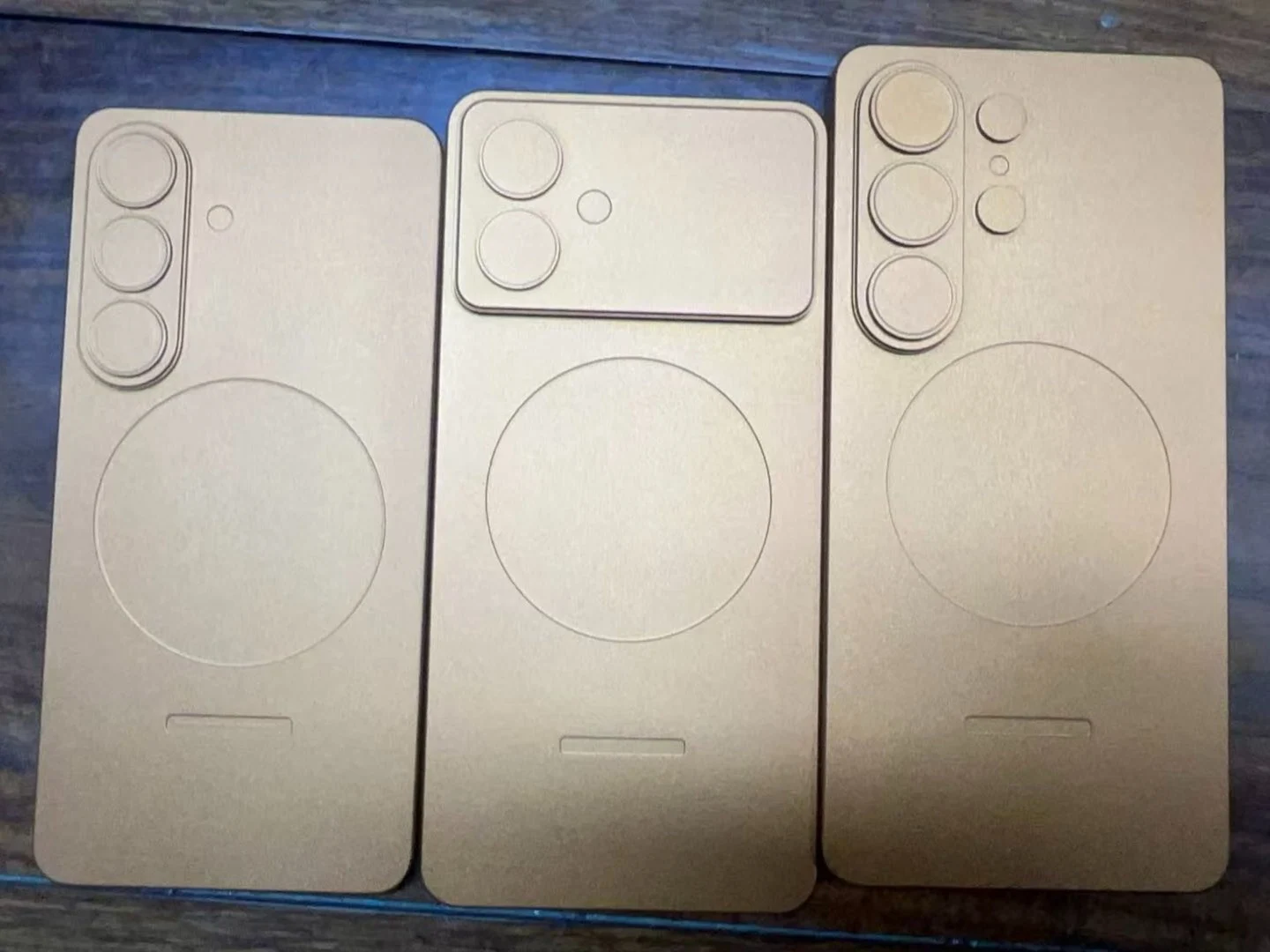
    A recent image of supposed dummy units for the Galaxy S26 series was shared by Sony Dickson on X, suggesting that Samsung might be taking inspiration from the iPhone 17 series, particularly with the Galaxy S26 Edge. The phone features a camera bar that stretches across its entire width, similar to what has been rumored for the iPhone 17 models. On the left side, two cameras are positioned vertically with a flash cutout nearby, leaving the rest of the bar empty.

    Camera Layout Changes

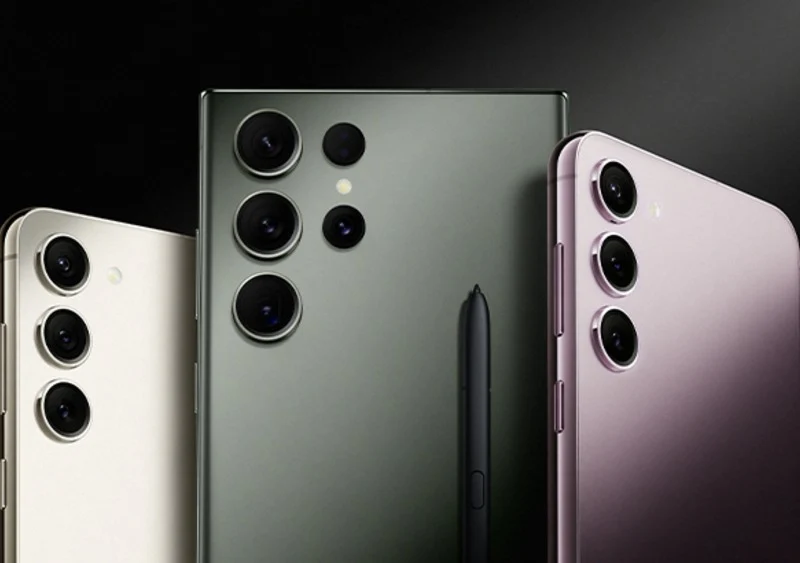
    In terms of the Galaxy S26, Galaxy S26 Pro, and Galaxy S26 Ultra, instead of having separate camera cutouts, there is a vertical camera bar that contains the three sensors. The Galaxy S26 Ultra includes two additional cameras on either side of the bar, next to the flash.

    Additionally, all three dummy units show a round indentation where the wireless charging coil is usually located. Some commenters believe this could hint at the inclusion of MagSafe functionality in the Galaxy S26 series. Following a similar approach, Google introduced its Pixel Snap ecosystem with the Pixel 10 series, which featured internal magnets, so it wouldn’t be too shocking if Samsung decides to implement this as well.

    Expected Launch

    As has been the case in the past, Samsung is projected to reveal the Galaxy S26 series in January of the upcoming year. Just recently, on September 4, the company introduced the Galaxy S25 FE, Galaxy Tab S11, and Galaxy Tab S11 Ultra at its Galaxy event.

    The insights shared by Sony Dickson on X highlight the potential shifts in Samsung’s design direction, emphasizing both innovation and continuity in its latest offerings.

    Source:
    Link


  • Samsung Galaxy S25 FE: Thinner, Lighter with Better Battery & Cooling

    Samsung Galaxy S25 FE: Thinner, Lighter with Better Battery & Cooling

    Key Takeaways

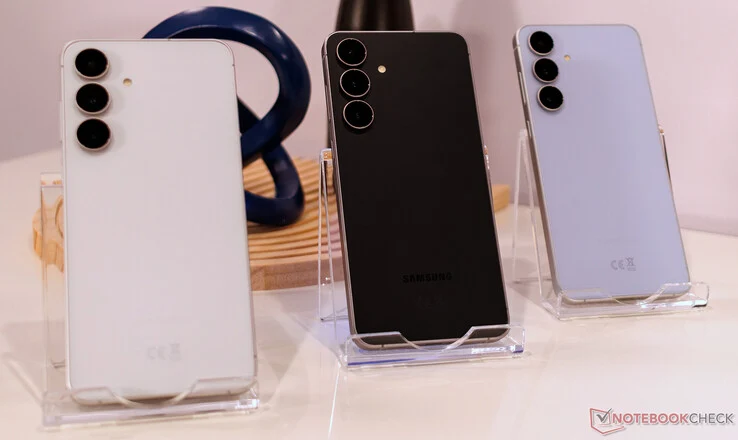
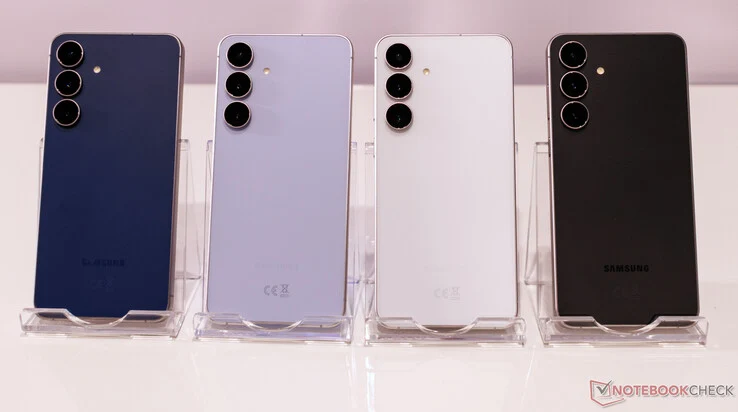
    1. Samsung has launched the Galaxy S25 FE as a new model, replacing the Galaxy S24 FE.
    2. The Galaxy S25 FE features an Exynos 2400 chipset, providing an 8% performance boost over the previous model.
    3. Key upgrades include a 4,900 mAh battery, a larger vapor chamber, 45 W wired charging, and an improved 12 MP front camera.
    4. The design remains similar with a 6.7-inch AMOLED display and existing camera specs, including a 50 MP primary camera.
    5. Pricing for the Galaxy S25 FE starts at €749 for the 128 GB model, with options up to €929 for the 512 GB variant.


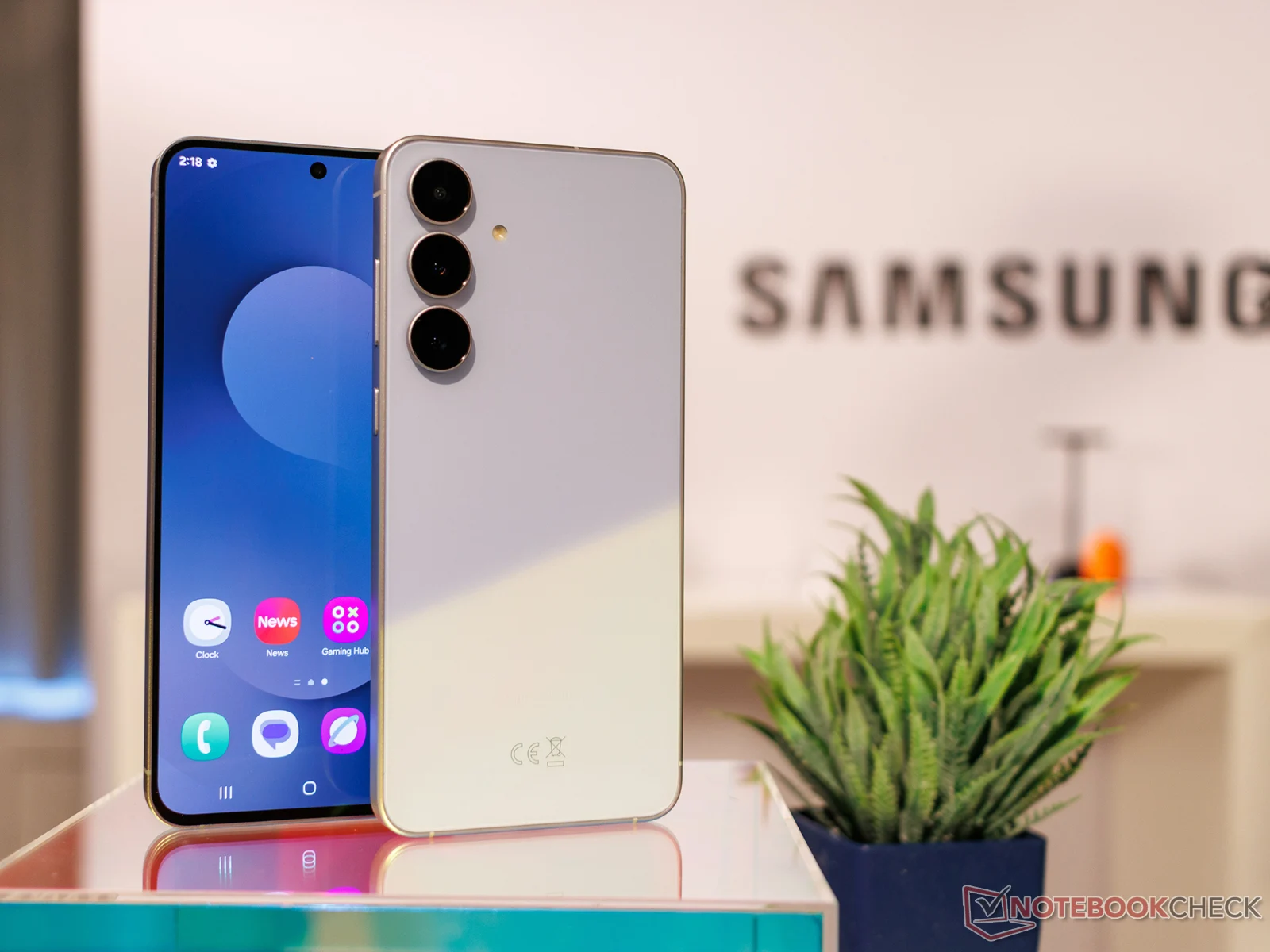
    Samsung has refreshed the Galaxy S25 series once again, just under four months after the Galaxy S25 Edge was released (currently priced at $699.99 on Amazon). This time, the tech giant has introduced a new Fan Edition (FE) model, which takes the place of the Galaxy S24 FE that debuted nearly a year ago.

    New Features of the Galaxy S25 FE

    According to Samsung, the Galaxy S25 FE is seen as a ‘gateway’ to Galaxy AI and ‘flagship essentials.’ Basically, this suggests that the Galaxy S25 FE features Samsung’s older Exynos 2400 chipset, providing an 8% boost in performance compared to last year’s version, based on our testing. For comparison, the more robust Exynos 2500 is available in the Galaxy Z Flip7.

    Improvements Over Previous Models

    Among the upgrades from the Galaxy S24 FE, we see a new 4,900 mAh battery, a 10% larger vapor chamber, and support for 45 W wired charging. Additionally, the Galaxy S25 FE includes an improved 12 MP front-facing camera and a sturdier Armor Aluminium frame, with the thickness and weight now at 7.4 mm and 190 g, respectively.

    Specs and Pricing Details

    Nevertheless, the 6.7-inch AMOLED display remains unchanged, as do the 50 MP primary, 12 MP ultra-wide-angle, and 8 MP telephoto cameras from last year. Similarly, this year’s Fan Edition continues to offer 8 GB of RAM, just like its predecessor. The Galaxy S25 FE is priced at €749 for the 128 GB model and €809 for the 256 GB version available in several launch colors. Alternatively, Samsung will exclusively offer a 512 GB variant for €929.

    Source:
    Link


  • Samsung Galaxy Watch3 to Lose App and Watch Face Support Soon

    Samsung Galaxy Watch3 to Lose App and Watch Face Support Soon

    Key Takeaways

    1. Samsung will stop all software support for Tizen-based smartwatches on September 30, 2025.
    2. Users cannot buy or re-download watch faces and apps after specified cutoff dates, severely limiting functionality.
    3. Factory resets or pairing with new smartphones will result in the loss of installed content.
    4. The Galaxy Watch3, launched in August 2020, will have a usable life of about five years before major limitations are imposed.
    5. Samsung’s support duration for Tizen-based smartwatches is shorter compared to competitors like Apple, which continues to provide updates for longer periods.


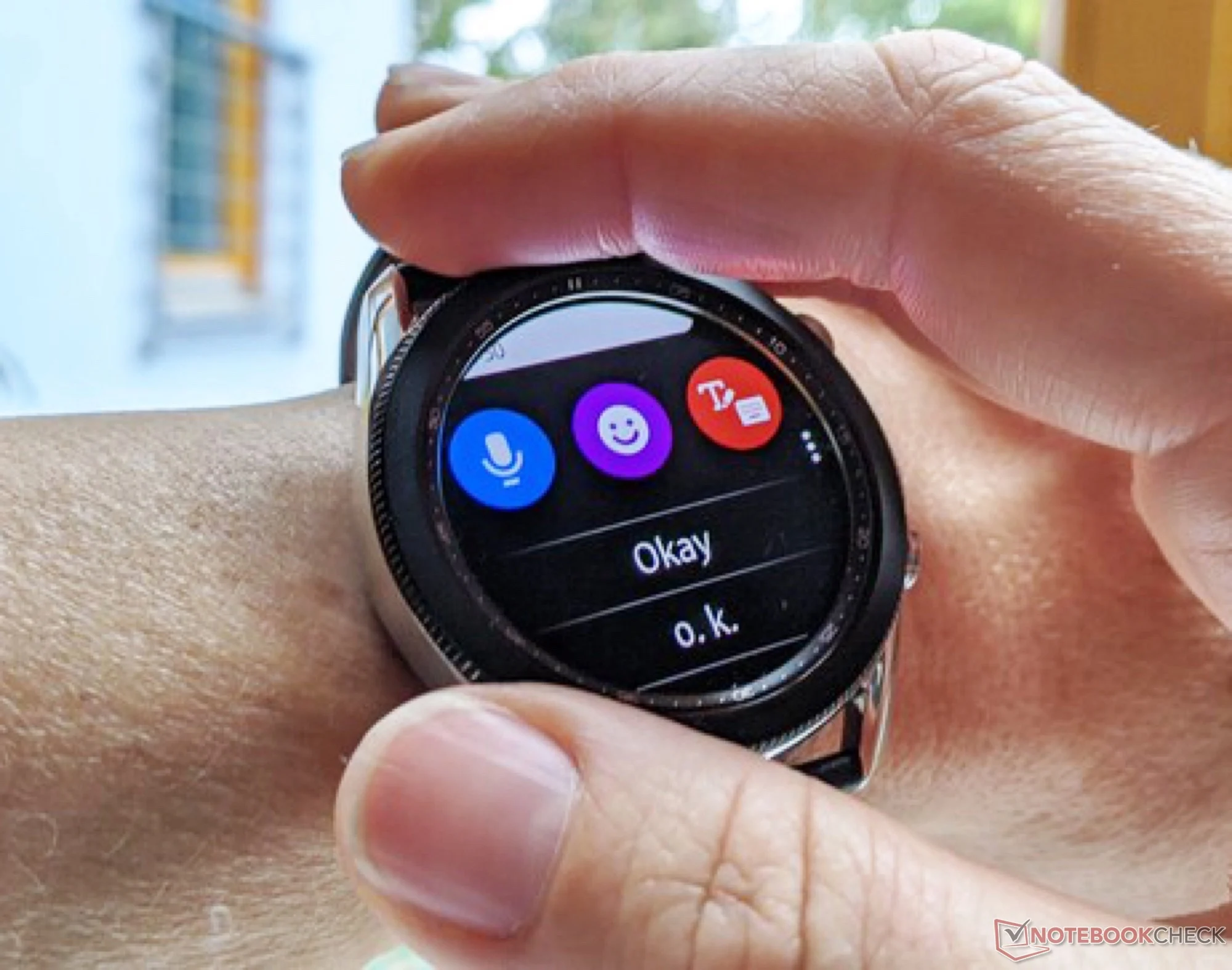
    Samsung revealed a year ago that they plan to halt all software support for Tizen-based smartwatches on September 30, 2025. As of September 30, 2024, buying watch faces has been impossible, and since May 31, 2025, free watch faces have also been removed. Additionally, users will not be able to re-download apps or watch faces that were bought before.

    Impact on Users

    This indicates that if an app is deleted from the smartwatch, it cannot be reinstalled. Furthermore, no new apps or watch faces can be downloaded after the cutoff date. While Tizen-based smartwatches will still function post this date, resetting a watch to factory settings or pairing it with a new smartphone will result in losing access to any content that was installed later. The Samsung Galaxy Watch3 is the most recent smartwatch impacted by this end of software support.

    Short Support Duration

    Launched in August 2020, the Galaxy Watch3 will have had a usable life of around five years before Samsung imposes significant limitations on its functionality. This support period is relatively brief in comparison. For instance, the Apple Watch Series 6, which came out just a month after the Galaxy Watch3, will continue to receive major updates, including watchOS 26. In contrast, the current Samsung Galaxy Watch8 is anticipated to receive updates for a minimum of four years.

    Source:
    Link


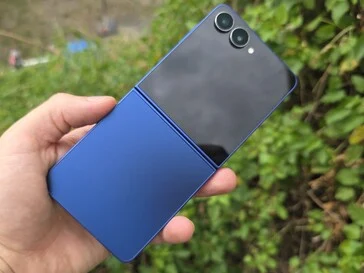
  • Samsung Must Reinvent Its Flip Phones and Foldable Devices

    Samsung Must Reinvent Its Flip Phones and Foldable Devices

    Key Takeaways

    1. Popularity of Samsung’s Flip Phones: Samsung’s flip phones are gaining interest due to their budget-friendly nature and ergonomic design.

    2. Stagnation in Design: Most brands are sticking to the elongated 21:9 aspect ratio for flip phones, limiting innovation and usability.

    3. Portability Issues: Current flip models, like the Galaxy Z Flip 7, remain bulky when folded, making them less convenient to carry.

    4. Declining Sales: Samsung’s foldables are experiencing a drop in demand, with predictions of low sales for the Galaxy Z Flip 7 in 2025.

    5. Need for Innovation: A redesign of the Galaxy Z Flip series could attract new customers, with suggestions for a unique form and a wider 16:10 aspect ratio for improved functionality.


    Initially introduced as a captivating new idea, foldable smartphones have garnered significant interest lately. Samsung’s flip phones, in particular, have become quite popular because they are more budget-friendly than other foldables. The flip design also promises better ergonomics, even with a relatively large screen.

    Stagnation in Flip Phone Design

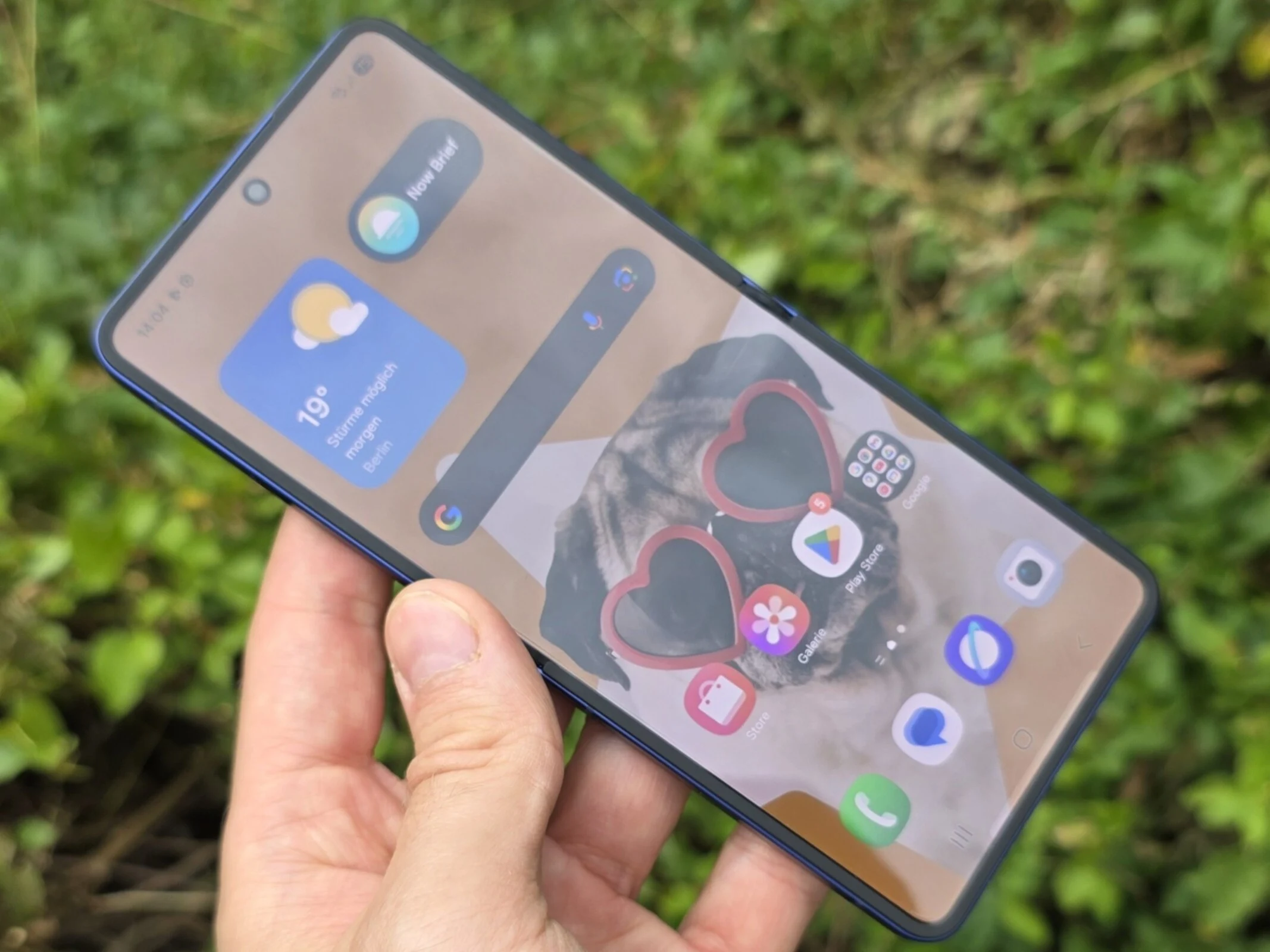
    Nonetheless, the small flip phone design seems to have plateaued, with most brands sticking to the trend of elongated 21:9 aspect ratios rather than trying out different styles. When unfolded, flip smartphones are narrow and lengthy, which doesn’t really provide any significant benefit for daily use. Take, for instance, the 21:9 format seen in the Galaxy Z Flip 7; it leads to noticeable black bars or cropped visuals while watching YouTube videos.

    Issues with Portability

    Moreover, the trend of making foldable phones slimmer has not been applied to flip models thus far. This means that when the Galaxy Z Flip 7 is folded, it can feel quite bulky in your pocket, with a thickness of around 1.4 centimeters when in a case.

    An industry report from South Korea indicates that Samsung’s foldables for 2024 didn’t perform well, and sales seem to be on the decline. For 2025, Samsung anticipates low demand for the Galaxy Z Flip 7. The market for flip smartphones has become extremely competitive, with numerous brands choosing similar designs. In our review, Xiaomi’s Mix Flip 2 actually outshines the current generation of flip phones in several ways.

    A Call for Innovation

    Perhaps it’s time for Samsung to reconsider the design of its Flip series. A Galaxy Z Flip 8 with a unique form could differentiate itself and attract new customers. An intriguing case is Huawei’s Pura X, which showcases how the flip design can be creatively reinvented.

    With a 16:10 aspect ratio, the flip phone might be a smarter option for the future for multiple reasons. The outer display could function as a compact “smartphone,” and when opened up, it could convert into a mini tablet. This wider format might also allow for a slimmer case without compromising on battery life.

    Source:
    Link


  • Vlogger Burns Samsung Galaxy Z Fold7 to Prove a Point

    Vlogger Burns Samsung Galaxy Z Fold7 to Prove a Point

    Key Takeaways

    1. The Galaxy Z Fold7 is priced at $1,899 and was featured in a YouTube video where it was taken apart and burned to test materials.
    2. The primary goal of the video was to verify the presence of titanium in the device using a $20,000 XRF spectrometer.
    3. The internal backplate exhibited oxidation patterns when exposed to flame, while the mesh produced sparks.
    4. The Z Fold7 has limited cooling solutions, with concerns about an air gap between the mid-frame and processor covering.
    5. The video raised questions about the repairability of the Z Fold7 and speculated on future Samsung devices, like the tri-fold.


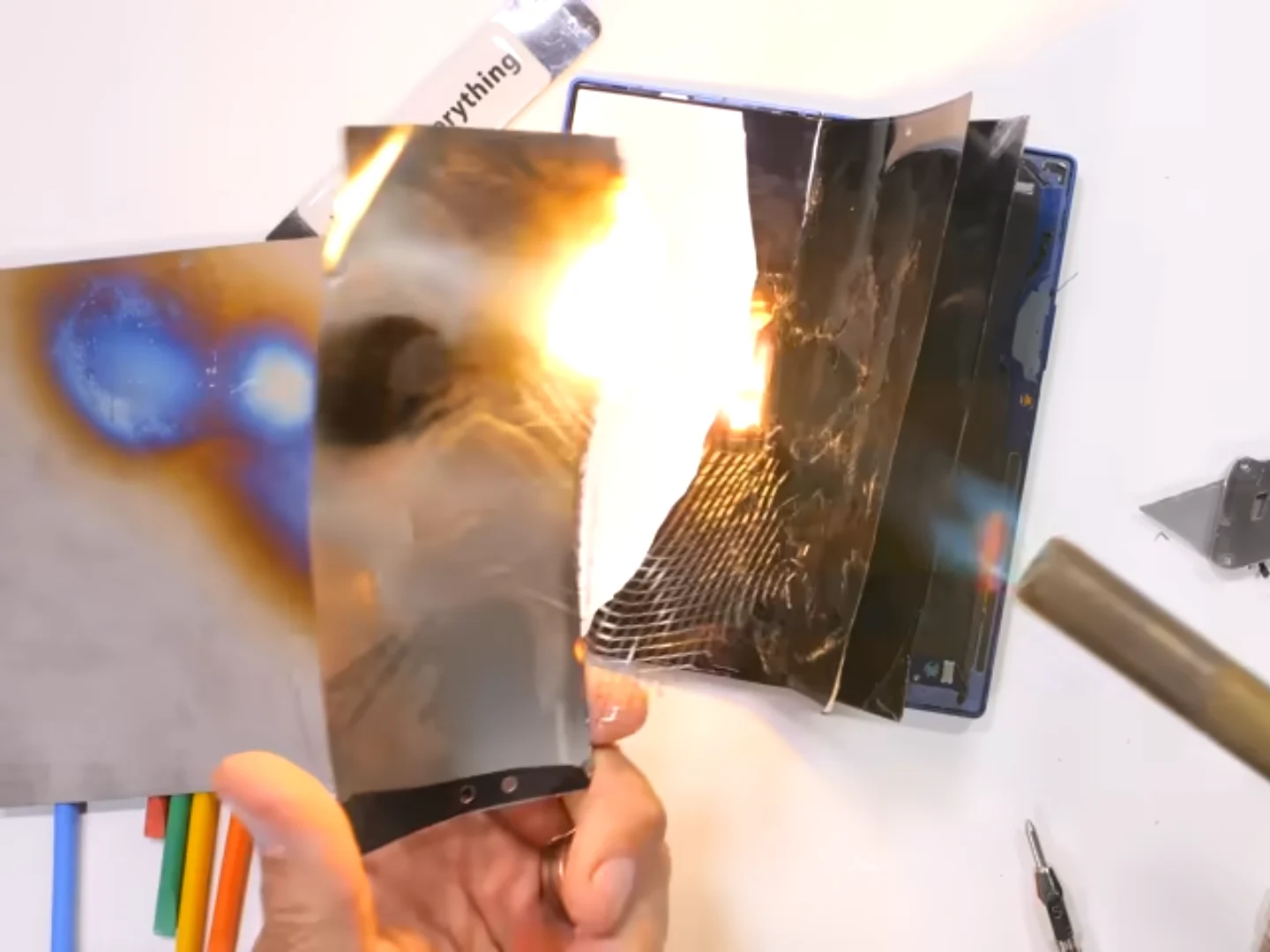
    The Galaxy Z Fold7 is priced at $1,899 on Amazon as of September 2, 2025. However, that didn’t stop Zach Nelson from kicking off his newest YouTube video with the innovative foldable Samsung flagship taken apart and set ablaze.

    Exploring the Interior

    To be fair to the host of JerryRigEverything, his primary aim involved using a ~$20,000 XRF spectrometer to verify that the Z Fold7 indeed features titanium inside. Samsung claims this material is used in an internal backplate to enhance structural strength, along with a mesh that adds flexibility.

    During his investigation, Nelson discovered that the backplate showed a distinct, almost rainbow-like pattern from oxidation when exposed to a flame, while the mesh burst into a small cloud of white sparks.

    Critiques on Cooling

    In his review, Nelson pointed out some shortcomings within the Z Fold7, especially the limited cooling solutions. Although the new flagship had sufficient thermal paste to create a little smiley face, he still expressed concerns about an air gap found between the anodized aluminum mid-frame and the graphite covering the processor.

    Additionally, the vlogger demonstrated the ability to remove the main 8-inch Dynamic LTPO AMOLED 2X display in one piece while it was still powered on; however, attempting to separate some layers might result in failure.

    Future of Repairability

    It will be fascinating to see if the first Samsung tri-fold will offer similar possibilities for repair in its anticipated launch.

    Source:
    Link


  • Global Foundry Revenue Hits $41.7B in Q2 2025, TSMC at 70% Share

    Global Foundry Revenue Hits $41.7B in Q2 2025, TSMC at 70% Share

    Key Takeaways

    1. Global foundry earnings reached a record $41.7 billion in Q2 2025, a 14.6% increase quarter-on-quarter.
    2. TSMC led the market with $30.24 billion in revenue, capturing a 70.2% market share, the highest ever for the company.
    3. Demand growth was driven by China’s consumer subsidies and upcoming product launches in smartphones, PCs, and servers.
    4. Tier-2 foundries also grew, with HuaHong Group earning $1.06 billion and other smaller foundries seeing significant increases.
    5. Challenges remain for advanced node production, particularly for SMIC, which faced a 1.7% revenue decline due to shipment delays.


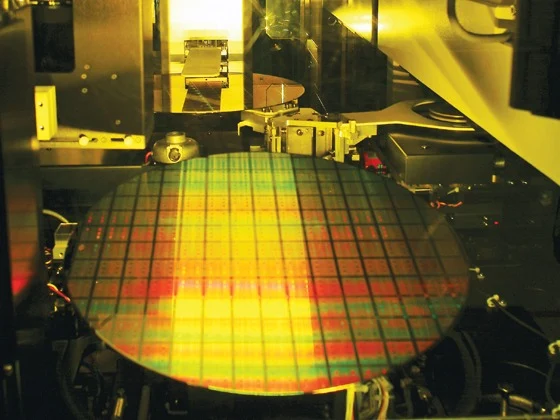
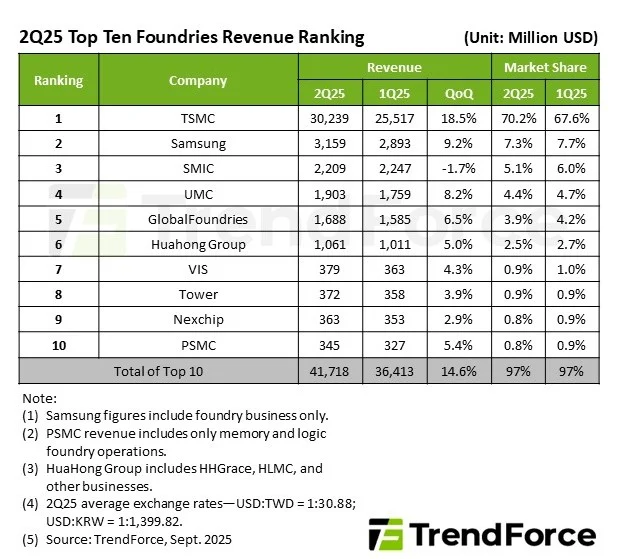
    Global foundry earnings reached an all-time high of $41.7 billion in the second quarter of 2025, marking an increase of 14.6 percent quarter-on-quarter, as reported by TrendForce. TSMC topped the list with an impressive revenue of $30.24 billion, capturing a 70.2 percent share, which is the highest it has ever achieved. Samsung claimed the second spot with $3.16 billion and a 7.3 percent market share, while China’s SMIC secured third place, earning $2.21 billion and holding a market share of 5.1 percent.

    Demand Surge

    The rise in demand was fueled by China’s consumer subsidy initiative and the anticipation of product launches in the latter half of the year for smartphones, notebooks/PCs, and servers. TrendForce predicts that seasonal product trends will continue to drive orders in Q3: advanced nodes are set to gain from flagship chip sales, while mature nodes will benefit from demand for peripheral ICs, with growth expected to slow down from the rapid increase seen in Q2.

    TSMC’s Dominance

    TSMC’s strong position is attributed to its advanced nodes and the scale of its packaging capabilities. Currently, around three-quarters of its revenue is generated from 7nm technology and smaller nodes, with about a quarter coming from 3nm, which is largely driven by Nvidia’s Blackwell GPUs, AMD’s Zen 5 CPUs, and Apple’s M-series Macs. The ramp-up in high-performance chip production and mobile device manufacturing, along with the capacity for advanced packaging, has kept both shipments and average selling prices on the rise.

    Samsung’s foundry revenue increased by 9.2 percent quarter-on-quarter to $3.16 billion, still placing it far behind TSMC. In contrast, SMIC experienced a decline of 1.7 percent due to challenges in advanced node production, as shipment delays affected average selling prices. UMC’s revenue grew by 8.2 percent to $1.9 billion, capturing a 4.4 percent share, while GlobalFoundries saw a 6.5 percent increase to $1.69 billion, holding a 3.9 percent share. Despite substantial investments, Intel Foundry’s revenue continues to be significantly lower.

    Growth Among Tier-2 Foundries

    Tier-2 foundries also saw growth thanks to orders for peripheral ICs: HuaHong Group reached approximately $1.06 billion, accounting for 2.5 percent of the market, Vanguard earned $379 million, Tower made $372 million, Nexchip reached $363 million, and PSMC garnered $345 million. While supply is anticipated to improve this year, costs are expected to stay high. The TSMC 2nm node is likely to come with a higher price tag, as GPU manufacturers are already raising prices to counterbalance wafer costs.

    Source:
    Link


  • Samsung Galaxy Tab A11 Leaks Pricing and Geekbench Benchmark Results

    Samsung Galaxy Tab A11 Leaks Pricing and Geekbench Benchmark Results

    Key Takeaways

    1. The Samsung Galaxy Tab A11 series includes two affordable tablets: the Galaxy Tab A11 and Galaxy Tab A11+.
    2. The Galaxy Tab A11 features a MediaTek Helio G99 processor, 4GB of RAM, and runs on Android 15.
    3. Geekbench scores show the Galaxy Tab A11 with 729 in single-core and 1,962 in multi-core performance.
    4. Pricing for the Galaxy Tab A11 starts at €199 for the Wi-Fi model (64GB) and €229 for the 4G model (64GB).
    5. The launch of the Galaxy Tab A11 is expected soon, following recent certifications and leaks.


    The Samsung Galaxy Tab A11 series is anticipated to be launched shortly. It is rumored to feature two affordable tablets: the Galaxy Tab A11 and the Galaxy Tab A11+. So far, Samsung hasn’t provided any confirmed information about these upcoming devices. However, the Galaxy Tab A11 has been seen on Geekbench, which has disclosed some specifics about its processor. Additionally, another leak has shared information regarding the tablet’s pricing in Europe.

    Processor Insights

    A Geekbench listing for the Galaxy Tab A11 4G was uncovered by tipster Abhishek Yadav on social media platform X. This listing shows that the tablet, with model number SM-X135F, is equipped with a MediaTek Helio G99 chip. The tablet includes 4GB of RAM and scores 729 in single-core performance and 1,962 in multi-core performance. To give some context, the Helio G99 is an octa-core processor built on a 6nm process. This same chipset was used in the Galaxy Tab A9, which debuted in October 2023. The listing also indicates that the tablet runs on Android 15.

    Pricing Details

    In addition, tipster Sudhanshu Ambhore shared the pricing details for the Galaxy Tab A11 on X. The Wi-Fi model is expected to be priced at €199 for the 64GB version and €239 for the 128GB version. On the other hand, the 4G model of the tablet is said to offer both 64GB and 128GB options, with prices set at €229 and €279, respectively.

    Launch Anticipation

    Earlier, the Galaxy Tab A11 received certification from the FCC. With several certifications and leaks surfacing, the launch of this tablet seems to be just around the corner. In a related development, Samsung is anticipated to unveil the flagship Tab S11 series at the Galaxy Unpacked event on September 4.

    Source:
    Link


  • Samsung Galaxy S23 One UI 8 Beta Now Available with Android 16

    Samsung Galaxy S23 One UI 8 Beta Now Available with Android 16

    Key Takeaways

    1. The One UI 8 beta for Galaxy S23 introduces major updates based on Android 16, including a redesigned Quick Share and revamped Samsung Internet browser.
    2. Functional enhancements include improved Samsung DeX with external display support, upgraded Calendar and Reminders apps, and new privacy features in the Secure Folder.
    3. New features in the update include a Voicemail feature, improved split-screen multitasking, and preset routines for task automation.
    4. Accessibility options have been added, allowing users to control mouse actions with a keyboard and enlarge the on-screen keyboard.
    5. The One UI 8 beta is currently available in select regions like India, with plans for a wider rollout, and users can join the beta program via the Samsung Members app.


    The wait is finally over for those who own the Galaxy S23 and have been excited to see what’s next in software updates. Samsung has now rolled out the first One UI 8 beta for the Galaxy S23 series, introducing a variety of new features based on Android 16. Recently, the One UI 8 beta has also been made available for the Galaxy S24 series.

    Major Changes Introduced

    This beta version, which includes the September 2025 security patch, brings major updates throughout the device. One of the notable changes is the redesigned Quick Share, which now features a full-screen layout to make file sharing easier. Additionally, the Samsung Internet browser has been revamped for a more user-friendly experience, while the default Weather app has a fresh and more intuitive look.

    Functional Enhancements

    In addition to visual updates, One UI 8.0 beta offers numerous functional enhancements for the Galaxy S23 series. The new Samsung DeX now allows support for external displays with additional rotation options, making it more practical. AI Select has also been improved for greater convenience. Furthermore, the Calendar and Reminders applications have received updates that make it simpler to add and manage tasks, while the Secure Folder has new privacy features, including the option to hide apps and notifications.

    Additional Features

    There are also several smaller yet beneficial features included in this update. A new Voicemail feature has been added, along with an improved split-screen view for enhanced multitasking capabilities, and new preset routines to make task automation easier. For those needing accessibility options, new settings have been introduced to control mouse actions using a keyboard and to enlarge the on-screen keyboard for simpler typing.

    Currently, the One UI 8 beta for the Galaxy S23 is only accessible in select regions, such as India, but it is expected to roll out to more countries soon. If you’re interested in trying it out, you can sign up for the beta program through the Samsung Members app. Just remember that this software is still in beta, so you might run into some bugs. Reporting any performance issues you discover is vital, and you can do this directly via the Samsung Members app.

    Source:
    Link


  • Samsung Galaxy S26 Edge Design and Battery Upgrades Leaked

    Samsung Galaxy S26 Edge Design and Battery Upgrades Leaked

    Key Takeaways

    1. The Galaxy S26 Edge is expected to feature an average battery capacity of 4,200mAh, surpassing its predecessor.
    2. Samsung has registered a component with a capacity of 4,078mAh, which may be rounded to 4,200mAh.
    3. The smartphone is rumored to be powered by a high-performance Qualcomm processor in select markets by 2026.
    4. Speculations suggest the adoption of silicon-carbon battery technology for a slimmer design, but latest certifications indicate a standard lithium-ion battery may be used.
    5. The S26 Edge could offer better battery life than the iPhone 17 Air, despite potentially not being as thin as initially expected.


    A smartphone with a 3,900mAh battery probably wouldn’t be seen as worth $980 on Amazon right now, unless it boasts an ultra-thin 5.8 millimeter (mm) frame enhanced with titanium to provide better durability without adding bulk.

    Galaxy S26 Edge Enhancements

    The Galaxy S26 Edge is expected to surpass its “beyond slim, beyond light” predecessor, featuring a battery capacity of 4,200mAh on average.

    Rumor has it that Samsung has registered a component that aligns with this capacity with China’s 3C regulator. The EB-BS947ABY’s rated capacity is listed at 4,078mAh, which could be rounded to 4,200mAh for an average value.

    Rumors and Speculations

    Interestingly, the model number hints at a smartphone named the SM-S947, indicating that this sleek device is likely to be powered by a high-performance Qualcomm processor in select markets come 2026.

    Some speculations have pointed out that the Galaxy S26 Edge may adopt silicon-carbon battery technology to fit this increased capacity into an even slimmer design.

    Battery Technology Updates

    However, the latest certification indicates the use of a standard lithium-ion battery, which might mean that the S26 Edge won’t actually be only 5.5mm thin after all.

    Still, it could offer better battery life compared to the iPhone 17 Air, especially since the S25 Edge was noted for its reasonable screen-on times despite having a relatively small battery.

    Source:
    Link


  • Samsung Galaxy M07: Budget Phone Promises 6 Major Android Updates

    Samsung Galaxy M07: Budget Phone Promises 6 Major Android Updates

    Key Takeaways

    1. The Galaxy M07 is rumored to feature a 6.7-inch LCD display with a resolution of 720 x 1600 pixels and a 90Hz refresh rate.
    2. It is expected to have a camera setup including a 50MP primary camera, a 2MP secondary camera, and an 8MP front camera for selfies.
    3. The device may be powered by a MediaTek Helio G99 processor, with 4GB of RAM and 64GB of internal storage options.
    4. The phone should come with a 5,000 mAh battery, 25W fast charging, and run on Android 15, with plans for six major updates.
    5. The Galaxy M07 might be priced around 86 USD, similar to the recently launched Galaxy A07 (4G).


    The Galaxy M series is known for offering affordable smartphones. There are whispers that Samsung might be developing a new addition to this series, named the Galaxy M07. Before any official announcement, some details about the phone’s specifications have leaked.

    Display and Camera Specs

    As reported by SmartPrix, the Galaxy M07 is expected to sport a 6.7-inch LCD display with a resolution of 720 x 1600 pixels, boasting a 90Hz refresh rate. The camera setup on the back is likely to consist of a 50MP primary camera and a 2MP secondary camera. For selfies, it should have an 8MP camera on the front.

    Performance and Storage

    The Samsung Galaxy M07 is rumored to be equipped with a MediaTek Helio G99 processor, an octa-core chip that debuted in 2022. This processor has already been used in several budget-friendly Android devices, like the Redmi Note 14 LTE and the Poco M6 Pro. It generally scores around 405K points on the AnTuTu V10 benchmark. The device is expected to come with 4GB of RAM and 64GB of internal storage, with potential variations in memory options.

    Battery and Software Features

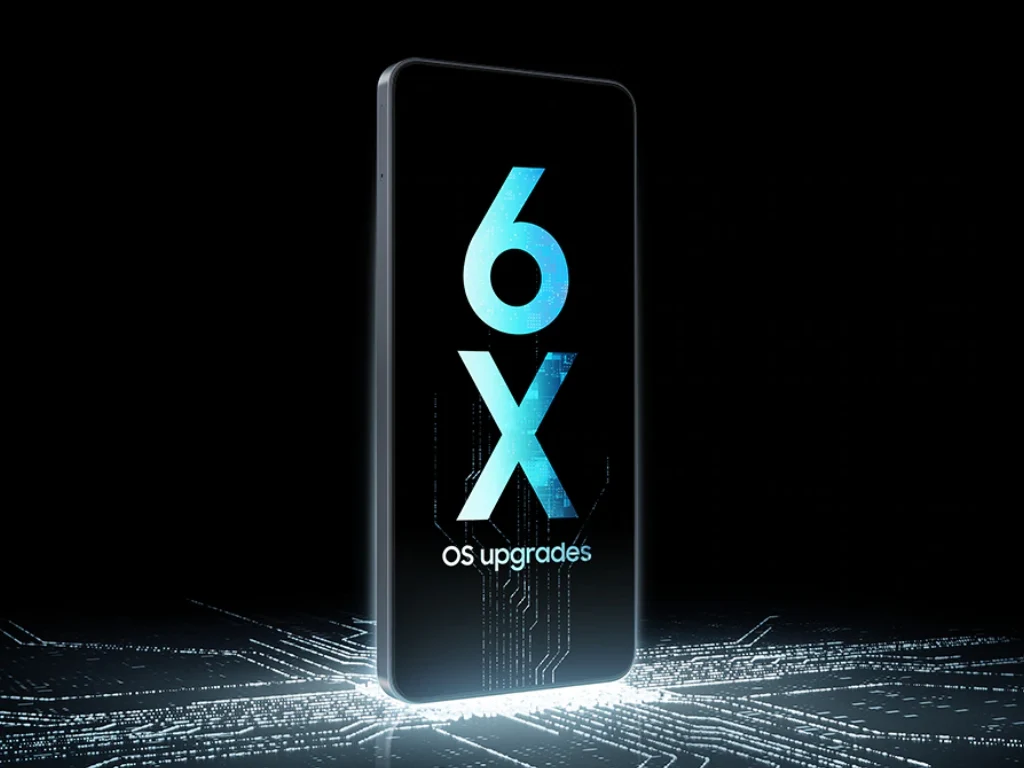
    Reports suggest that the phone will include a 5,000 mAh battery with 25W fast charging capability, although it is unclear if a charger will be provided in the box. In terms of software, the Galaxy M07 is anticipated to run on Android 15 right out of the box. Furthermore, it is said that the device will receive six significant Android updates. Additional features mentioned in the leaks include an IP54 rating for dust and water resistance, a fingerprint scanner on the side, and stereo speakers. The thickness of the Galaxy M07 is claimed to be 7.6mm, and it weighs around 184g.

    Price Comparison

    The leaked details about the Galaxy M07 hint that it could be a rebranded version of the Galaxy A07 (4G). For those not in the know, the A07 (4G) was recently launched in Indonesia, priced at IDR 1,399,000, which is about 86 USD. The M07 is expected to be released at a similar price point, likely positioning it as an alternative to the A07 (4G) in certain markets.

    Source:
    Link