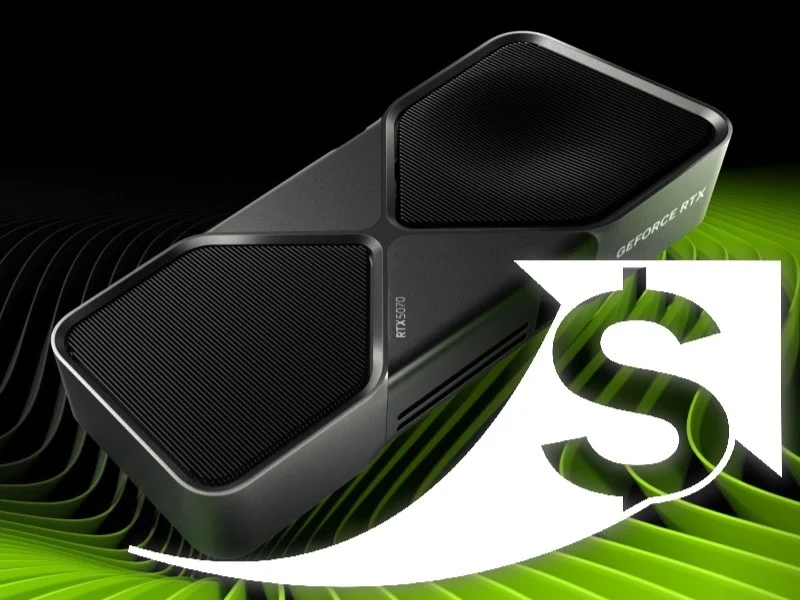
Tag: RTX 5070 Ti

  • AMD and Nvidia to Increase GPU Prices by 15% Soon

    AMD and Nvidia to Increase GPU Prices by 15% Soon

    Key Takeaways

    1. Standalone GPUs, especially those with 16 GB or more VRAM, are expected to face significant price increases due to the ongoing DRAM crisis.
    2. Asus and Gigabyte plan to raise prices for their AMD Radeon RX 9000 series and Nvidia GeForce RTX 50 graphics cards by 10% to 15% by January 2026.
    3. MSI has already adjusted their pricing, influencing other manufacturers like Asus and Gigabyte to follow suit.
    4. AMD and Nvidia have not officially announced price hikes, allowing retailers to manage customer backlash while distancing themselves from negative feedback.
    5. Current pricing trends show that many GPUs are already selling above their suggested retail prices, indicating that prices may continue to rise, making it advisable for consumers to buy sooner rather than later.


    Since the beginning of the ongoing DRAM crisis, it was anticipated that standalone GPUs would be among the most severely affected areas in consumer technology. The forthcoming increase in prices was thought to be quite severe, particularly for graphics cards equipped with 16 GB or more of VRAM. A report from Taiwan indicates that Asus and Gigabyte plan to elevate the prices of their AMD Radeon RX 9000 series and Nvidia GeForce RTX 50 graphics cards by the close of January 2026.

    Price Increases Ahead

    This proposed increase in prices seems to be influenced by MSI, who has reportedly already adjusted their pricing for their boards. The price hikes by Asus and Gigabyte are expected to fall between 10% to 15%, based on the amount of VRAM. For example, GPUs such as the RTX 5080 and the RX 9070/XT, which contain 16 GB of VRAM, may see a price rise of 15%, while cards with 8 GB VRAM, like the RTX 5060/Ti and RX 9060 XT, could witness a 10% increase.

    AMD and Nvidia’s Strategy

    Interestingly, since AMD and Nvidia haven’t officially announced any price increases for the RDNA 4 and RTX 50 GPUs, it appears that Team Red and Team Green are allowing MSI, Asus, and Gigabyte to handle these price hikes, thus taking on the customer backlash. This could be a rather poor decision, if the reports are accurate, because AMD and Nvidia can then distance themselves from any negative feedback by hiding behind inflated MSRPs.

    Recently, Nvidia’s approach to deny any price increases or discontinuations for their GPUs was highlighted when Hardware Unboxed mentioned that the RTX 5070 Ti and RTX 5060 Ti 16 GB might be discontinued. Nvidia and Asus subsequently denied these claims, asserting that neither GPU has been phased out. However, examining the current pricing trends for the RTX 5070 Ti and the RTX 5060 Ti 16 GB on Newegg reveals a clear picture of the situation.

    Current Pricing Trends

    For instance, the vast majority of RTX 5070 Ti AIB variants listed on Newegg are presently priced significantly higher than the $749 MSRP. The same observation holds true for the RTX 5060 Ti 16 GB. On a positive note, the RX 9070 and RX 9070 XT are still being sold at reasonable prices.

    In simple terms, the era of GPUs being sold at or near their suggested retail prices seems to be coming to an end. The situation is likely to deteriorate in the near future. Therefore, if you’re in the market for a GPU, it might be wise to start your search now before AIBs hike their prices and supply shortages make matters even worse.

    Source:
    Link


  • Nvidia Cuts GPU Supply, RTX 50 Super Cards Unlikely to Release

    Nvidia Cuts GPU Supply, RTX 50 Super Cards Unlikely to Release

    Key Takeaways

    1. Nvidia is reportedly cutting GPU supply to partners by 15% to 20%, leading to reduced availability and potential price increases.
    2. The RTX 5070 Ti and RTX 5060 Ti 16GB will be discontinued, with the RTX 50 Super series facing delays and possible indefinite launch postponement.
    3. There is an anticipated shortage of GPUs, particularly those with higher VRAM, affecting the availability of new models.
    4. Nvidia is shifting focus from higher-end models to the RTX 5060 and RTX 5060 Ti 8GB, despite claims of continued shipments of all GeForce SKUs.
    5. Advancements in AI technology are contributing to RAM shortages, further complicating the GPU supply situation.


    Despite Nvidia’s statements, rumors are swirling that GPU supply will soon become even more limited. Recently, Asus confirmed that the RTX 5070 Ti will be discontinued, with the RTX 5060 Ti 16GB to follow. Another rumor indicates that Nvidia is cutting GPU supply to its board partners, which may delay the RTX 50 Super series indefinitely.

    Supply Cuts and Impacts

    Information from ‘MEGAsizeGPU’ on X reveals that Nvidia has reduced GPU supply to add-in-card (AIC) partners by 15% to 20%. This decrease implies a general reduction in GPU availability, meaning board partners will have even fewer graphics cards in stock. Consequently, this will likely lead to increased prices for the remaining units. The leaker also mentioned that there won’t be any new products launched in 2026.

    Uncertainty in the Market

    While the leaker did not provide a source for this information, it appears there will be a shortage of GPUs, particularly those with higher VRAM. The RTX 50 Super series might miss its anticipated launch in 2026. This follows reports from Board Channel that the RTX 5070 Super, RTX 5070 Super Ti, and RTX 5080 Super will not be released anytime soon due to memory shortages. They were initially expected to be available in the first quarter of this year.

    Nvidia’s Focus Shift

    Additional reports from Board Channels indicate that Nvidia has already decreased shipments for the RTX 5060 Ti 16GB and RTX 5070 Ti 16GB models, as it shifts its focus to the RTX 5060 and RTX 5060 Ti 8GB. However, Nvidia maintains that it will continue shipping all GeForce SKUs and is “working closely with our suppliers to maximize memory availablity.”

    At this point, it is evident that advancements in AI technology are contributing to RAM shortages and driving prices up. It’s no wonder that many channels are reporting a lack of supply and product discontinuations.

    Source:
    Link


  • Zotac Denies RMA for RTX 5070 Ti Over Unrelated Issue

    Zotac Denies RMA for RTX 5070 Ti Over Unrelated Issue

    Key Takeaways

    1. Many gamers are returning RTX 50-series GPUs due to various issues, with the RTX 5070 Ti being notably problematic.
    2. Zotac rejected a warranty claim for a faulty fan, citing irreparable damage to the PCB not covered by the warranty.
    3. The user reported grinding noises from the fan, suspecting a defective bearing after only a few months of use.
    4. Disagreement exists over whether the damage occurred during shipping or was due to installation, with many arguing that minor scratches shouldn’t affect performance.
    5. The owner may consider filing a claim with the shipping company or seeking repair options, while Gamers Nexus could investigate Zotac’s customer service practices.


    RTX 50-series GPUs have had their share of issues, leading many gamers to return their products. Yet, one particular RTX 5070 Ti has turned into a significant hassle due to a seemingly small problem. A user started the return process for a faulty fan, but Zotac rejected the warranty claim, citing damage to the PCB. The only solution offered was to dispose of the graphics card.

    A Gamer’s Tale

    As reported by VideoCardz, this ordeal has unfolded in two separate posts on Reddit. After just a few months of use, the graphics card began making grinding noises. The user believes that a defective bearing in the fan is responsible. After agreeing to pay $40 for shipping, Zotac examined the card.

    To the user’s astonishment, Zotac stated it couldn’t repair the RTX 5070 Ti due to “limited tools.” They disclosed that the PCB had been irreparably damaged, a situation not included in the limited warranty.

    A Question of Damage

    The gamer is uncertain if the GPU was harmed during shipping. They claim the packaging was secure, which minimized risks during transport. It’s possible that installing or removing the component led to the minor issues visible in the images. Yet, many readers contend that the scratches shouldn’t hinder the GPU’s performance.

    Frustrated with the outcome, the owner reached out to an RMA manager. This person elaborated that during a visual check, flaws were found, including a crack near the PCIe connector. Unable to repair the RTX 50-series GPU, the gamer might consider filing a claim with the shipping company. In a surprising twist, Zotac suggested disposing of the card, which is only three months old and costs $750 or more.

    Options Ahead

    I_Main_TwistedFate could agree to return the RTX 5070 Ti as it stands. Many followers have suggested that a repair shop might fix the rattling fan issue. However, with numerous complaints regarding inadequate customer service, Gamers Nexus could look into this matter. The YouTube channel has previously pushed manufacturers and retailers to become more customer-friendly.

    Source:
    Link


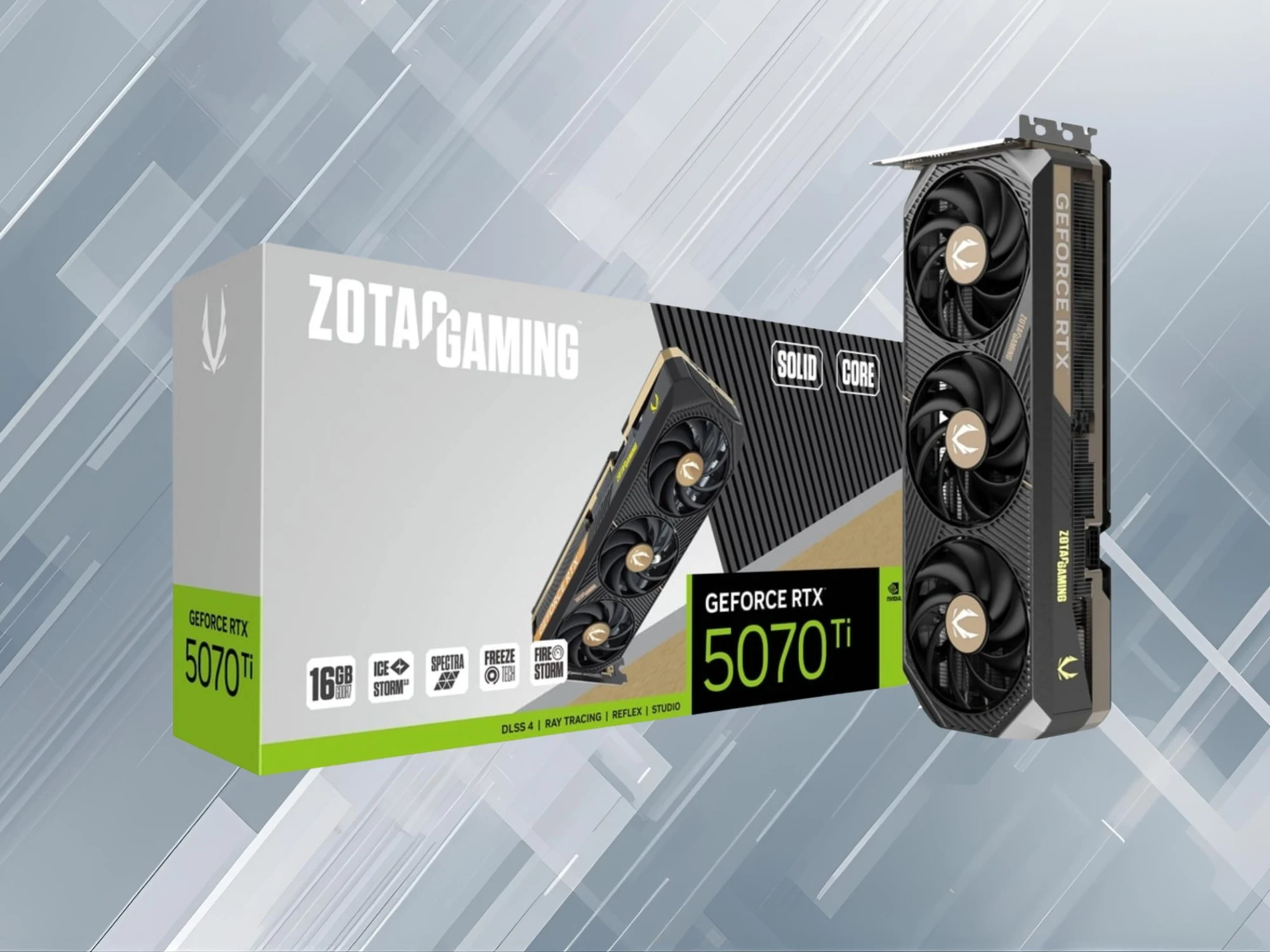
  • GeForce RTX 5070 Ti and 192 GB RAM: Hot Facebook Marketplace Deal

    GeForce RTX 5070 Ti and 192 GB RAM: Hot Facebook Marketplace Deal

    Key Takeaways

    1. RAM prices have surged, with a 32 GB kit from G.Skill exceeding $300 in a few weeks.
    2. A Corsair Vengeance kit is priced at $2,201.99, while a user bought it for around $375, highlighting a significant price discrepancy.
    3. The cost of a large RAM kit (192 GB) is compared to high-end graphics cards, like the RTX 5070 Ti.
    4. Community reactions suggest that the value of the RAM might be equivalent to an RTX 5080 or RTX 5090, or a high-end monitor instead.
    5. The user expressed satisfaction with their purchase despite the high RAM price, stating they have no use for the alternative options.


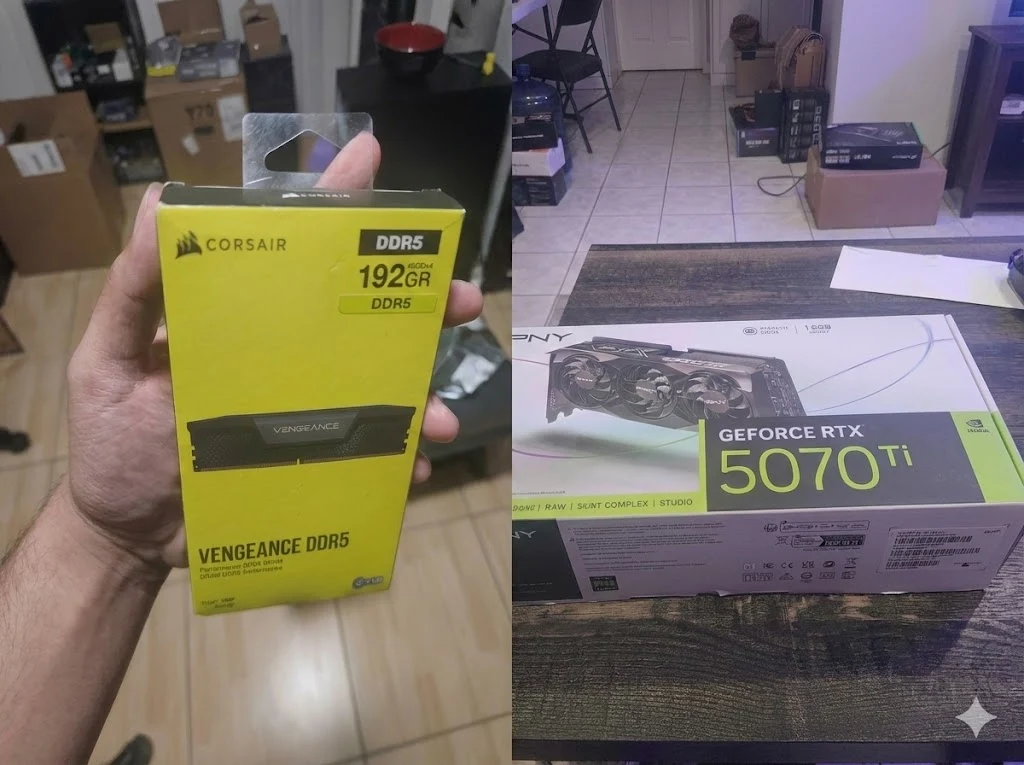
    Skyrocketing RAM prices have become a hot topic recently. For instance, a small 32 GB kit from G.Skill has seen its price rise to over $300 in just a few weeks. If you scale this up, a 192 GB kit could cost a fortune. Interestingly, one user on Facebook figured out that this massive RAM amount was comparable to an RTX 5070 Ti graphics card.

    Corsair Vengeance Kit Price

    The Corsair Vengeance kit mentioned earlier is priced at an astonishing $2,201.99 on Corsair’s own website. The Facebook user said he purchased it for around $375. While the kit is indeed brand new, currently, there isn’t much difference between new and used memory. In essence, the user ended up with a GPU worth about $800 for $2,200 in memory, which is quite a bad deal.

    Community Reactions

    Comments on the post reflect a similar sentiment, with many users suggesting that the RAM was likely worth an RTX 5080 or even an RTX 5090. Another option brought up was a certain Asus 27-inch QD-OLED 240Hz monitor (possibly the ROG Swift OLED PG27UCDM), which retails for roughly $1,190 when new. Together, the GPU and monitor could have been a fairer trade, but the user doesn’t seem to mind, simply saying, “Just have no use for them,” expressing satisfaction with his choice.

    Source:
    Link


  • ZBox Magnus One: Compact RTX 5070 Ti Gaming Desktop for Sale

    ZBox Magnus One: Compact RTX 5070 Ti Gaming Desktop for Sale

    Key Takeaways

    1. The ZBox Magnus One is a compact gaming PC by Zotac, housed in an 8.4-liter case, currently available only in China.
    2. It features a 20-core Intel Core Ultra 7 265 CPU with a lower thermal design power of 65W, allowing good performance in small spaces.
    3. The PC is equipped with an Nvidia GeForce RTX 5070 Ti graphics card, which is approximately 20% faster than its predecessor.
    4. The ZBox Magnus One supports dual DDR5 memory and has two M.2 2280 slots, along with additional space for a 2.5-inch drive.
    5. Pricing starts at 20,999 Yuan (around $3,000) for the base model, with the upgraded version costing $3,181, but it is not yet available outside of China.


    Zotac has a cool selection of mini and small form factor (SFF) PCs, usually under the ZBox name. The newest model to hit the market is the ZBox Magnus One, which is a compact gaming PC that features powerful gaming components packed into a small 8.4-liter case. Right now, this SFF PC is only being sold in China.

    Performance Specs

    The ZBox Magnus One runs on the 20-core Intel Core Ultra 7 265 CPU, which includes 8 performance cores and 12 efficiency cores. Unlike the unlocked Core Ultra 7 265K, the 265 has a much lower thermal design power (TDP) of 65W compared to 125W. This allows the Ultra 7 265 to perform well in tight spaces, although it does slightly sacrifice performance. Nonetheless, the standard Ultra 7 265 is still quite capable and can manage demanding tasks with ease.

    Graphics and Gaming Capabilities

    Gamers will be happy to find that the ZBox Magnus One comes equipped with the full Nvidia GeForce RTX 5070 Ti graphics card, featuring 16 GB of GDDR7 VRAM. This newer 5070 Ti is approximately 20% quicker than its predecessor. When you compare it with the standard RTX 5070, the 5070 Ti is around 18% faster. However, how the system performs in real life will largely depend on how well Zotac has handled heat management, something that can only be confirmed by third-party reviews.

    Memory and Storage Options

    For memory and storage, the ZBox Magnus One includes dual DDR5 memory slots and two M.2 2280 slots (the Crucial T710 1TB currently sells for $185 on Amazon). Additionally, there’s space for a 2.5-inch drive as well. The PC comes with a variety of ports, which are listed below:

    The ZBox Magnus One SFF gaming PC is currently available on JD.com for 20,999 Yuan, which is around $3,000, for the version without any memory or storage options. Meanwhile, the configuration with 16 GB of memory and a 1 TB SSD costs $3,181. Zotac usually expands its products beyond China, but there’s no specific launch date for that yet.

    Source:
    Link


  • RX 9070 vs RTX 5070 & 5070 Ti: Best Mid-Range GPU Showdown

    RX 9070 vs RTX 5070 & 5070 Ti: Best Mid-Range GPU Showdown

    Key Takeaways

    1. The RTX 5070 Ti outperforms the RX 9070 XT by about 5% at 1440p resolution using native settings, with a smaller gap when using image enhancements.
    2. The RTX 5070 Ti shows a significant performance advantage over the RX 9070, being 15% faster at native resolutions.
    3. The RX 9070 provides better value at $549 compared to the RTX 5070 Ti at $749, especially for those aiming to maximize performance without overspending.
    4. The RX 9070 XT struggles to impress compared to the RTX 5070 Ti, especially if not found at its MSRP of $599.
    5. Overall, the RX 9070 is recommended as the best mid-range GPU option based on current testing and pricing.


    After evaluating the performance of the RX 9070, RX 9070 XT, and RTX 5070 with the newest drivers and image enhancements, Hardware Unboxed has now added the RTX 5070 Ti to their comparison. The findings are quite revealing in terms of value, showing that the RX 9070 XT offers decent performance, but isn’t particularly impressive when compared to the RTX 5070 Ti.

    Performance Comparison

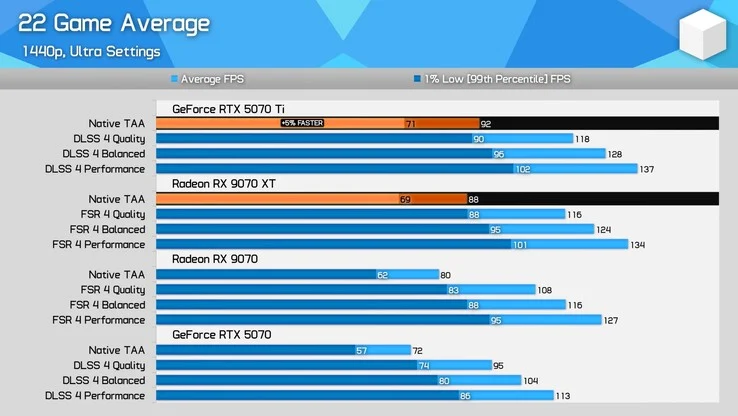
    In a test of 22 games at 1440p resolution, the RTX 5070 Ti outperformed the RX 9070 XT by about 5% when using native settings. However, this performance gap narrows to 2%, 3%, and 2% when utilizing DLSS 4 in Quality, Balanced, and Performance modes on the RTX 5070 Ti, alongside the corresponding FSR 4 modes on the RX 9070 XT. Essentially, both GPUs deliver similar performance, with a slight edge for the GeForce option.

    RX 9070 vs. RTX 5070 Ti

    When the RTX 5070 Ti is compared to the RX 9070, it shows a significant advantage. The GeForce GPU is 15% faster at native resolutions and 9% faster with DLSS 4 Quality. It’s important to note that to match the performance of the RTX 5070 Ti’s DLSS 4 Quality, one would need to employ FSR 4 Balanced on the RX 9070. Given AMD’s major enhancements in FSR 4 image quality, there shouldn’t be a noticeable difference between FSR 4 Balanced and DLSS 4 Quality.

    Price Considerations

    The RTX 5070 Ti, priced at $749, is 36% pricier than the RX 9070 at $549. Therefore, with a 15% performance advantage at native resolution, the RX 9070 becomes a more appealing choice for those looking to maximize value without overspending.

    Finding the RX 9070 XT at its MSRP of $599 is still a challenge. Until it becomes available at that price, the card lacks excitement compared to the RTX 5070 Ti.

    Ultimately, if you’re in the market for a GPU right now, the testing from Hardware Unboxed and the current pricing suggest that the RX 9070 stands out as the best mid-range option.

    Source:
    Link


  • Anno 117 Demo Performance Review on RTX 5070 Ti Graphics Card

    Key Takeaways

    1. Anno 117: Pax Romana is currently available as a free trial on Steam, but progress cannot be saved or transferred to the paid version.
    2. The game features various graphics settings, including resolution and upscaling technologies (DLSS, FSR, XeSS), but lacks frame generation.
    3. Initial frame rates hover around 40 fps at maximum settings, with performance dipping as more buildings and NPCs are introduced.
    4. Using Nvidia DLSS improves frame rates significantly, though quality varies by setting; Ultra Performance offers less sharp visuals compared to max quality.
    5. The demo is demanding on hardware, with the RTX 5070 Ti only achieving around 40 fps at high resolution, highlighting the benefits of modern AI upscaling methods.


    Our colleague Silvio Werner had the chance to test Anno 117 for just 30 minutes at CES 2025, and his preview article (in German) points out the key changes. Meanwhile, we tried the trial version of the new construction game Anno 117: Pax Romana, which is free on Steam until Tuesday. We were able to engage with the game for a longer time. Sadly, you can’t save your progress, so you have to restart every time you play. This also means that you can’t transfer your progress to the paid version.

    Testing Setup

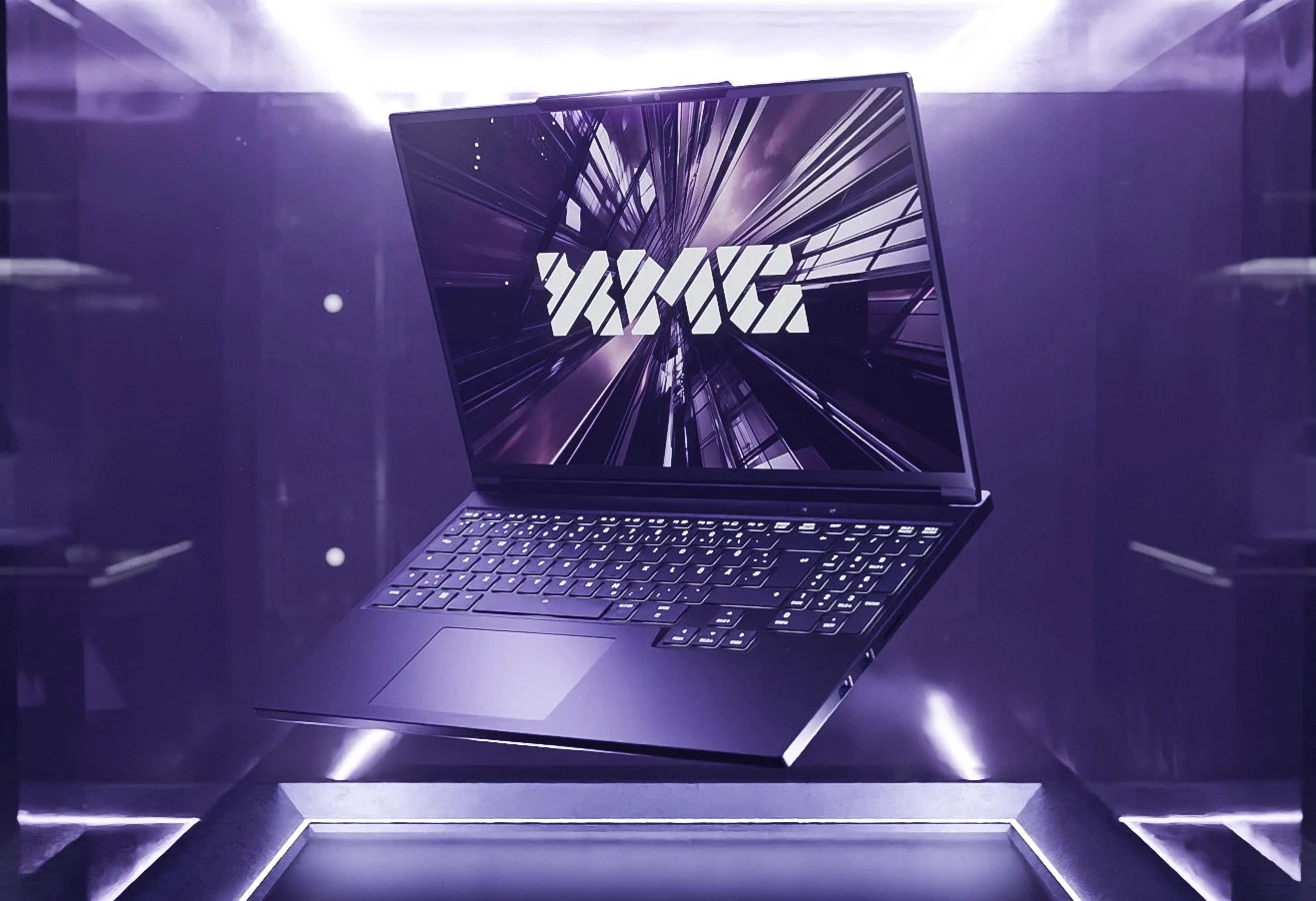
    The testing was done on the XMG Pro 16 (E25) equipped with an RTX 5070 Ti. Instead of using the loud overboost mode of the XMG, we chose the slightly less powerful enthusiast mode for our tests, even though the GPU only runs at “130” instead of “140 W.”

    Since 2009, Blue Byte in Mainz has been in charge of the Anno franchise, which is still published by Ubisoft, a company facing financial difficulties. After installing the roughly 46 GB, you’ll need to create a Ubisoft Connect account to proceed.

    Gameplay Experience

    Finally, we can dive into the game. On the main menu, we navigate through a variety of graphics options. Apart from resolution, we can choose the upscaling tech (DLSS, FSR, XeSS), and in the advanced settings, we can adjust texture quality, anti-aliasing, and more. Just so you know, frame generation isn’t available right now.

    We played Anno at the native laptop resolution of 2,560 x 1,600 pixels with max quality settings. The first thing we notice is that the game’s displays extend beyond the screen’s edge on our system, making it hard to see the interface. Restarting the game fixed that issue, though.

    Without an AI upscaler, our frame rate hovers around 40 fps at the start. As more buildings are constructed and a lot of NPCs are moving around, the frame rate can dip a bit. This is a demanding task for a city-building strategy game. When we zoom in on the action and admire the beautiful details, the game runs smoother than when we zoom out and take in the chaos of our city.

    Frame Rate and Quality

    When using Nvidia DLSS, the frame rate improves based on the quality setting you pick. At maximum quality, we noticed around 47 fps, while choosing Ultra Performance boosted it to as high as 79 fps. We didn’t see any visual errors from the AI, and increased latency doesn’t seem to pose a problem in this genre.

    However, there is a clear quality difference between the DLSS settings. We have two comparison images of DLSS at the highest zoom level, one at max quality and another at ultra performance. The latter is noticeably less sharp, with washed-out textures, paler rain, and fewer details.

    We also have three more comparison images, in native settings but at Full HD. The DLSS Ultra Performance option is less visually appealing, especially in the water on the left of the image. Thus, switching to higher DLSS levels is advisable for better image quality if your PC can handle it.

    In summary, the not-yet-optimized demo of Anno 117 appears to be quite demanding. Even our RTX 5070 Ti only reaches about 40 fps in the native 2,560 x 1,600 in the starting area. As the cities grow larger and the activity increases, this number is likely to drop even further.

    Fortunately, modern AI upscaling methods can deliver significantly more frames in this type of game, where latency is less of a concern.

  • XMG Launches PRO 16 Value Edition Laptop with Raptor Lake CPU

    XMG Launches PRO 16 Value Edition Laptop with Raptor Lake CPU

    Key Takeaways

    1. New Value Edition: XMG launched a Value Edition of the PRO 16 gaming laptops, featuring a more affordable CPU and three GPU options for budget-conscious buyers.

    2. Specifications: The Value Edition includes the Intel Core i9-14900HX processor with 24 cores, supports up to 96 GB of DDR5 RAM, and offers dual M.2 PCIe 4.0 slots for storage up to 4 TB.

    3. Graphics Options: Users can choose between RTX 5060, RTX 5070, and RTX 5070 Ti GPUs, with power limits of 115 watts for the lower models and 140 watts for the RTX 5070 Ti.

    4. Display and Connectivity: The laptop features a 2,560 x 1,600 IPS display with a 300 Hz refresh rate and various connectivity options, including USB-C 3.2 Gen2, HDMI 2.1, and Wi-Fi 7 support.

    5. Pricing: The base model of the Value Edition starts at €1,549, while the standard PRO 16 starts at €2,349, with various upgrade options available for both models.


    XMG has made updates to the PRO 16 gaming laptops this spring by adding the new RTX 5070 Ti GPUs and Core Ultra 9 275HX processors. Now, the company has introduced a Value Edition of the lineup, which includes a more affordable CPU and three GPU options, catering to those who are more budget-conscious while still seeking good performance for their price.

    Specifications of the Value Edition

    The XMG PRO 16 Value Edition is powered by the older but dependable Intel Core i9-14900HX, which has 24 cores. It can support up to 96 GB of DDR5 RAM through two SO-DIMM slots. For storage, there are two M.2 PCIe 4.0 slots that can be set up with various sizes, reaching up to 4 TB.

    Graphics and Cooling System

    On the graphics front, users can choose from the RTX 5060, RTX 5070, and RTX 5070 Ti mobile chips. When using the GeForce RTX 5070 Ti, the cooling system for both the PRO 16 and PRO 16 VE remains the same. Adjustments have only been made for the RTX 5070 and 5060 configurations, as they consume less power. All graphics cards operate at NVIDIA’s maximum specified power limits. With Dynamic Boost enabled, the RTX 5070 Ti runs at 140 watts, while the RTX 5070 and 5060 are limited to 115 watts.

    Display and Connectivity

    The display on the XMG PRO VE features an IPS panel with a resolution of 2,560 x 1,600 in a 16:10 aspect ratio, a refresh rate of 300 Hz, and a peak brightness of 500 nits, along with 100% coverage of the sRGB and DCI-P3 color spaces. It also includes a Full HD webcam equipped with a physical privacy shutter.

    In terms of ports, while it lacks Thunderbolt 4, it still offers a Mini DisplayPort 2.1 video output on the back, alongside an HDMI 2.1 and a fully functional USB-C 3.2 Gen2. On the sides, there is another USB-C 3.2 Gen 2, three USB-A 3.2 Gen1 ports, a 2.5 Gigabit Ethernet jack, a high-speed full-size SD Express-compatible card reader, and a 2-in-1 audio jack. Wireless connectivity is supported by a Wi-Fi 7 and BT 5.4 card.

    Design and Keyboard Features

    The chassis of the 16-inch laptop remains the same as the non-VE model. The PRO 16 VE measures 356.7 x 252.5 x 26.5 mm, weighs 2.4 kg including its 99.8 Wh battery, and showcases a high-quality build with an aluminum display lid. The keyboard mirrors that of the PRO 16 and NEO 16, featuring a full numeric keypad, full-size offset arrow keys, RGB per-key backlighting, anti-ghosting, and N-key rollover.

    With the launch of the VE version, the PRO 16 (M25) also receives enhanced display options. Apart from the 500-nit, 300 Hz IPS panel, which now provides complete coverage of both the sRGB and DCI-P3 color spaces, the laptop can be upgraded to a Mini LED display. This alternative also has a 2,560 x 1,600 resolution and 300 Hz refresh rate, but shines brighter at 750 nits in SDR and up to 1,000 nits in HDR. It also supports local dimming, which can be turned off if users prefer, covering 100% of both color spaces.

    Pricing Details

    The base configuration of the XMG PRO 16 Value Edition (M25) includes an Intel Core i9-14900HX, an NVIDIA GeForce RTX 5060, 16 GB DDR5-5600 RAM, a 1 TB Samsung 990 EVO Plus SSD, and a 300 Hz 1600p IPS display, priced at €1,549, taxes included. Upgrading to the RTX 5070 costs an additional €195, and the RTX 5070 Ti upgrade is priced at €520.

    The XMG PRO 16 (M25) starts at €2,349, featuring an Intel Core Ultra 9 275HX, an NVIDIA GeForce RTX 5070 Ti, 32 GB DDR5-5600 RAM, a 1 TB Samsung 990 EVO Plus SSD, and a 300Hz, 500 nits 1600p IPS display. There are also upgrade options available, such as the brighter 1,000 nits Mini LED display for €175, faster CSO DIMM RAM with 6400 MT/s, or a PCIe 5.0 SSD for an extra fee.

    Both the XMG PRO 16 VE (M25) and the XMG PRO 16 (M25) are currently available for pre-order, with expected shipping starting at the end of August.

    Source:
    Link


  • Radeon RX 9070 XT Outperforms RTX 5070 Ti After Driver Update

    Radeon RX 9070 XT Outperforms RTX 5070 Ti After Driver Update

    Key Takeaways

    1. The Radeon RX 9070 XT now outperforms the RTX 5070 Ti due to recent driver updates.
    2. AMD’s RX 9000 series GPUs provide strong value, with the RX 9070 XT being about 3% faster than the RTX 5070 Ti in 16 games at 1440p.
    3. The RX 9070 XT has seen a 9% performance boost at 1440p and a 4% increase at 4K compared to earlier drivers.
    4. Certain games, like Marvel’s Spider-Man Remastered and Counter-Strike 2, have shown significant performance gains of up to 27% with the new drivers.
    5. The RX 9070 XT is gradually returning to its launch price of $600, making it a more affordable option compared to the $200 more expensive RTX 5070 Ti.


    The Radeon RX 9070 XT stands as AMD’s top graphics card for this generation, going head-to-head with the RTX 5070 and RTX 5070 Ti. While it was initially a bit slower than the RTX 5070 Ti, recent driver updates have changed this. Now, the RX 9070 XT has received a performance upgrade, allowing it to outperform the more costly RTX 5070 Ti in gaming scenarios.

    AMD Value Proposition

    AMD continues to provide great value with its Radeon RX 9000 series GPUs. The latest Adrenalin driver update, version 25.6.3, has enabled the RX 9070 XT to surpass the RTX 5070 Ti. According to tests conducted by Hardware Unboxed (check out the video linked below), the AMD card is now approximately 3% quicker than the Nvidia card in an average of 16 games at a resolution of 1440p.

    Performance Boosts

    When comparing to previous review drivers, the RX 9070 XT shows an impressive 9% performance increase at 1440p and a 4% rise at 4K. The RTX 5070 Ti has also seen enhancements since its initial release, achieving a 2.5% improvement at 1440p and 3% at 4K with the new drivers.

    Significant Game-Specific Gains

    Though these performance improvements might seem minor, certain games have experienced noticeable boosts compared to the review drivers. Titles like Marvel’s Spider-Man Remastered, Counter-Strike 2, and Hogwarts Legacy have recorded gains of 27%, 23%, and 14% at 1440p, respectively. Other games have also enjoyed enhancements ranging from 10% to 15% with the recent driver updates.

    This advantage positions the more affordable RX 9070 XT ahead of its rival from Team Green, which costs roughly $200 more. As highlighted by Hardware Unboxed, the price gap is a crucial consideration. Additionally, while both the RTX 5070 Ti and Radeon RX 9070 XT are currently priced higher than their original MSRPs, the AMD card is gradually returning to its launch price of $600. This price reduction is due to a decreasing demand for the RX 9070 XT, offering good news for potential buyers who have been waiting to grab a next-gen GPU.

    Source:
    Link

  • Erazer Hunter X30: New RTX 5070 Ti Gaming PC with Water Cooling

    Erazer Hunter X30: New RTX 5070 Ti Gaming PC with Water Cooling

    Key Takeaways

    1. The Erazer Hunter X30 is a premium gaming PC featuring an Nvidia GeForce RTX 5070 Ti graphics card and an Intel Core Ultra 7 265F processor.
    2. It includes 32GB of Kingston DDR5 RAM running at 6,400 MT/s with RGB lighting and three aRGB fans for cooling.
    3. The gaming PC has a 2TB SN770 SSD for ample game storage and comes preinstalled with Windows 11 Home.
    4. Connectivity options include an ASRock B860 Pro-A WiFi motherboard with multiple PCIe slots, SATA ports, 2.5Gbit/s Ethernet, WiFi 6E, and Bluetooth 5.3.
    5. The price for the Erazer Hunter X30 is set at €2,800, powered by an efficient Seasonic Vertex GC-850 PSU.


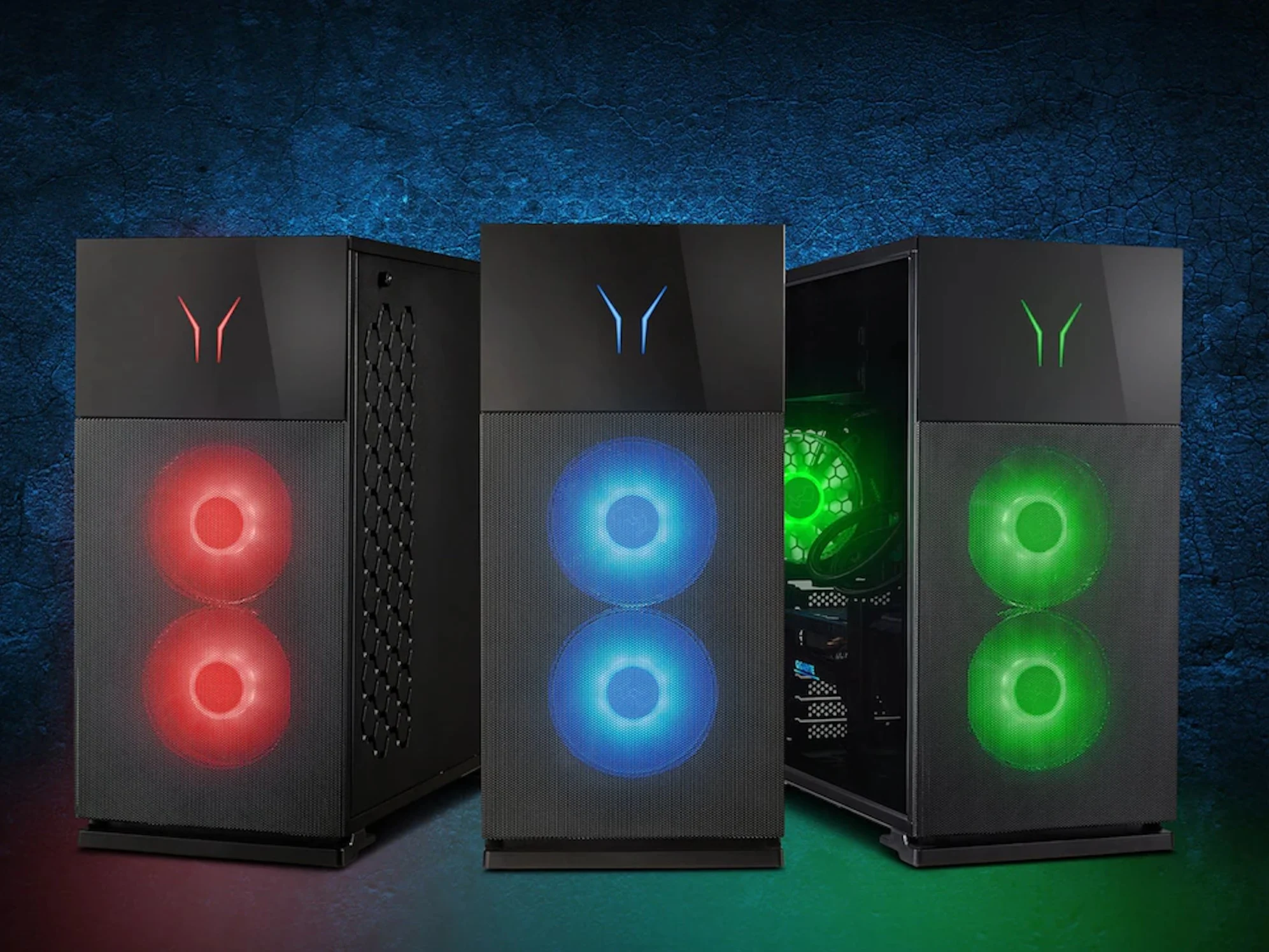
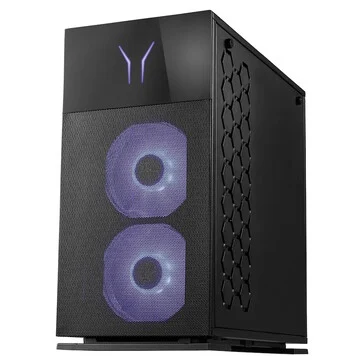
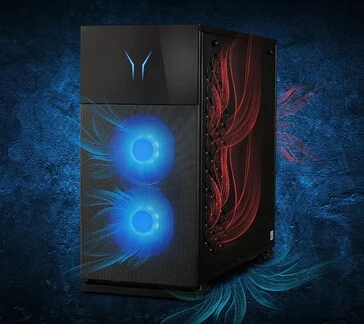
    We’ve recently shared some news about Medion’s latest gaming machines, with the German company presenting a variety of options for gamers, including both laptops and desktops. The Erazer Hunter X30 is a new gaming PC that features one of Nvidia’s latest graphics cards along with a speedy processor. Therefore, it is positioned as a premium gaming PC. While the GeForce RTX 5070 Ti may not be Nvidia’s top-tier graphics card, it is likely a good fit for gamers who prefer high settings and frame rates without pushing their hardware too much.

    Key Features of the Erazer Hunter X30

    The Erazer Hunter X30 is driven by the Intel Core Ultra 7 265F processor, which is kept cool by an Alphacool Eisbaer 240 water cooler. Medion has also included 32GB Kingston DDR5 RAM that runs at 6,400 MT/s. These memory modules come with RGB lighting, similar to the three aRGB fans from InWin. Additionally, the gaming PC is equipped with a 2TB SN770 SSD, providing ample space for numerous games. Windows 11 Home is also preinstalled on the device.

    Motherboard and Connectivity Options

    For added functionality, Medion has provided the Hunter X30 with an ASRock B860 Pro-A WiFi motherboard, which includes three PCIe 4.0 M.2 slots. There are also four SATA ports, 2.5Gbit/s Ethernet, along with support for WiFi 6E and Bluetooth 5.3. Moreover, the iWin 127 case can fit two more 3.5-inch drives or four 2.5-inch drives. To top it off, the modular Seasonic Vertex GC-850 PSU delivers 850 watts of power with high efficiency, complying with the 80 Plus Gold standard. Medion lists the price for the RTX 5070 Ti-powered Erazer Hunter X30 at €2,800.

    Source:
    Link