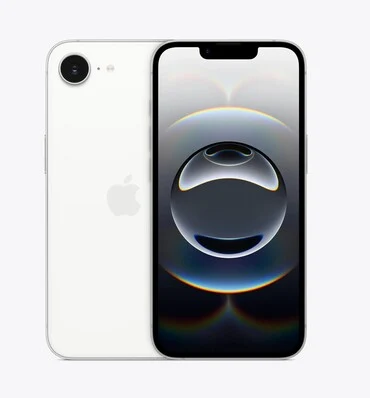
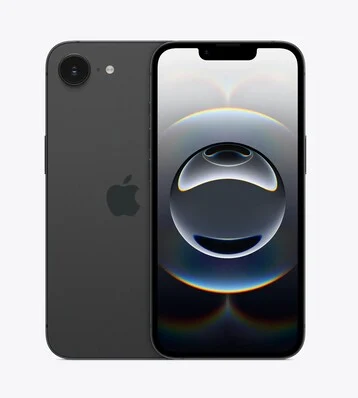
Tag: iPhone 16e

  • Apple Clarifies iPhone 16e MagSafe Issues Not Due to C1 Modem

    Apple Clarifies iPhone 16e MagSafe Issues Not Due to C1 Modem

    Key Takeaways

    1. The iPhone 16e is priced at $599 and does not include MagSafe charging.
    2. Apple clarified that the omission of MagSafe is not related to the new C1 5G modem.
    3. The decision may be aimed at differentiating the iPhone 16e from higher-end models.
    4. The iPhone 16e supports Qi wireless charging despite lacking MagSafe.
    5. Apple’s rationale for the omission remains unclear, but it reflects their strategy for product differentiation.


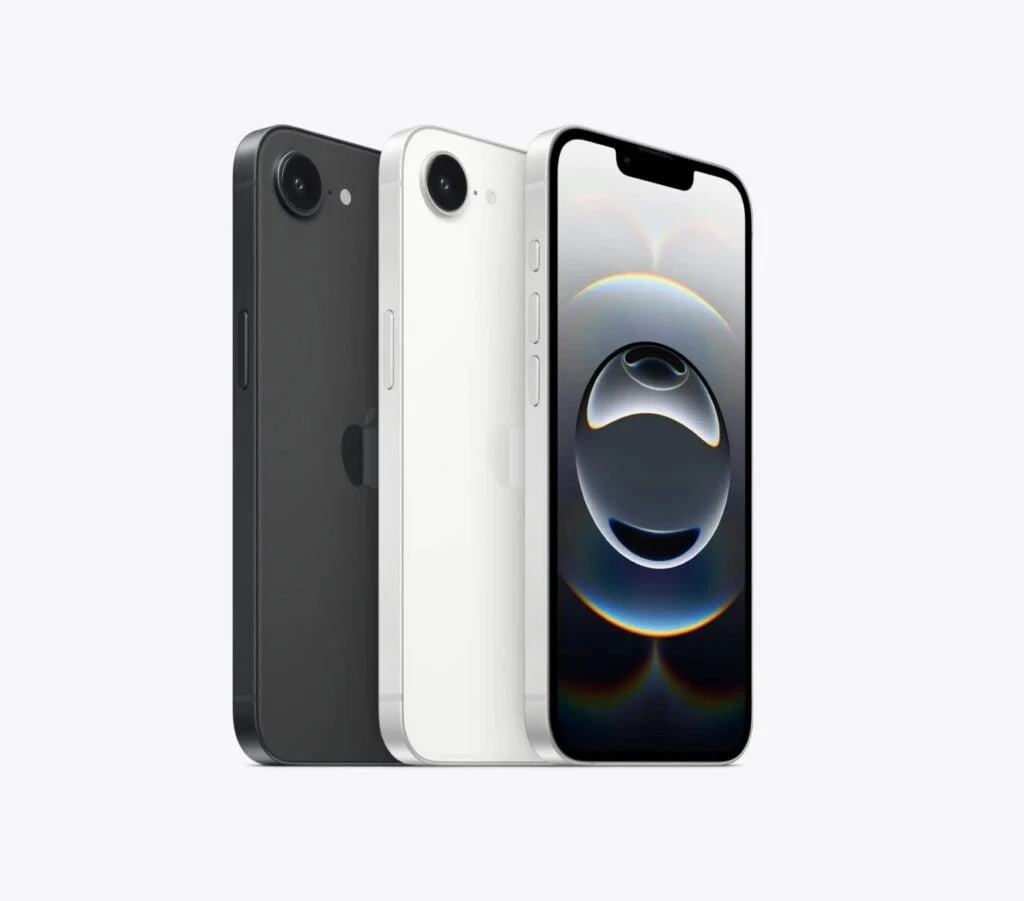
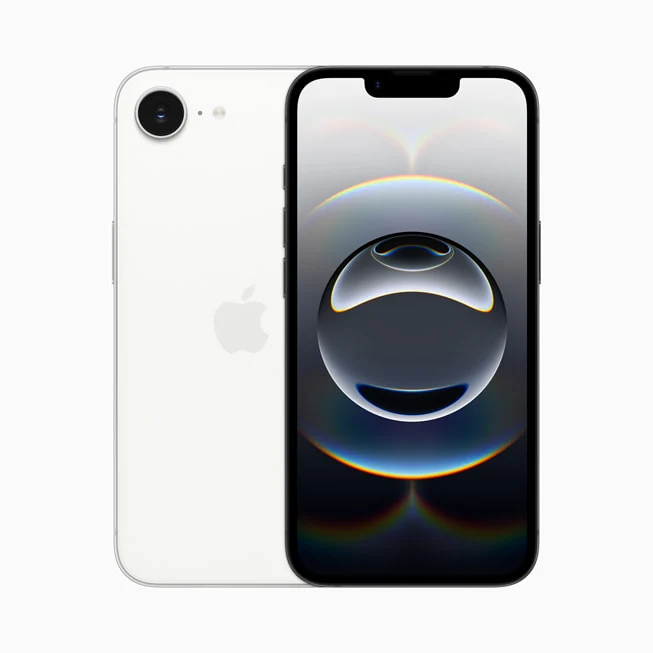
    Apple has revealed the iPhone 16e, which will cost $599, and it surprisingly does not include MagSafe. This lack of the well-known charging feature has understandably caught attention.

    The Reason Behind the Omission

    There were early rumors suggesting that the new C1 5G modem could be the cause of this decision, but Apple has now clarified the situation. The speculation came from insiders in the accessory field, who claimed that the iPhone 16e’s built-in magnets for MagSafe may have conflicted with Apple’s new C1 modem. For those who don’t know, this modem marks a significant step for Apple as it moves away from using Qualcomm, and it just debuted with the iPhone 16e.

    Prioritizing Connectivity

    Due to the critical nature of reliable connectivity, some thought Apple might have chosen to put 5G capabilities ahead of magnetic charging. However, Apple has refuted this theory. In a response when questioned, the company confirmed (through Macworld) that the C1 modem was not a factor in their choice to leave out MagSafe from the iPhone 16e. While no alternative reasoning was provided, it’s likely that this decision was made to set the iPhone 16e apart from the higher-end models in their range.

    A Strategic Move

    This approach seems logical, as not every consumer seeks top-tier performance or advanced camera features. With its sizable display and fresh design, the iPhone 16e could be seen as a more attractive choice compared to pricier options. Although the iPhone 16e does not have magnets or the convenience they bring, it still allows for Qi wireless charging. For more info on the iPhone 16e, click here.

    Apple’s rationale remains somewhat vague, but their statement reassures users that there are no technical issues with the first-generation C1 modem. This choice may simply be part of Apple’s plan to create clear distinctions among its product offerings.

    Source:
    Link

  • Apple A18’s 4-Core GPU: Surprising Performance Insights

    Apple A18’s 4-Core GPU: Surprising Performance Insights

    Key Takeaways

    1. The iPhone 16e, debuting on February 20, replaces the iPhone SE 3 and features a binned version of the A18 chip with a 4-core GPU, one less than the standard iPhone 16.

    2. The A18e retains the same CPU architecture as the standard A18, with 2 large and 4 small CPU cores, ensuring similar performance for daily tasks.

    3. Reduced GPU cores in Apple’s chips, like the A18e, may not significantly impact performance, based on past tests of the A17 Pro in the iPad mini.

    4. The design of the iPhone 16e could improve efficiency and battery life, with official runtime estimates suggesting up to 26 hours compared to 22 hours for the iPhone 16.

    5. Performance predictions for the iPhone 16e should be viewed cautiously until real-world tests are conducted.


    The Apple iPhone 16e made its debut yesterday, on February 20, aiming to succeed the former iPhone SE 3. Eliminating the “SE” label, the tech giant from Cupertino has equipped the new device with a robust A18 chip, enhancing its attraction for users. However, according to the official statement, this new budget-friendly iPhone comes with a binned version of the A18 SoC, which includes a 4-core GPU—one core less than the standard iPhone 16’s A18 SoC. The question remains: is this sufficient for Apple enthusiasts who enjoy gaming and high-demand applications?

    Chip Production Insights

    Utilizing simplified and less efficient versions of full-featured chips isn’t a new practice. Even with the latest and most advanced manufacturing techniques, achieving flawless chip production yield is nearly impossible. Most companies take this route to optimize every wafer produced, and Apple is no different in this respect.

    In the scenario of the iPhone 16e, the only component that differs from the full version A18 found in the iPhone 16 is the GPU. This means that users will still experience 2 large and 4 small CPU cores, along with a 16-core Neural Engine (35 TOPS), ensuring that performance during daily tasks should be almost identical to the standard model.

    Performance Comparisons

    Apple last implemented a reduced version of its mobile SoC in the 2024 iPad mini, which also featured one less GPU core compared to the standard A17 Pro. If our tests on the 7th Generation iPad mini are a reliable indication, the performance drop of the reduced A18 may not be as drastic as anticipated. As demonstrated in the 3DMark Wild Life/Solar Bay Stress test graph below, the A17 Pro with one less GPU core often performs nearly the same, or even slightly better, than the standard A17 Pro (like in the iPhone 15 Pro Max):

    The remarkable outcomes from the reduced A17 Pro can be partly explained by the superior heat dissipation of its larger (than an iPhone) metal casing. Nevertheless, having one fewer core can enhance efficiency: reduced power consumption could lead to better temperature management. This suggests that with appropriate tuning and adjustments, Apple might successfully minimize the performance gap between the new iPhone 16e and the standard models, potentially making their chips almost indistinguishable in many situations. There might also be improvements in battery life, as indicated by the official runtime figures: up to 26 hours compared to up to 22 hours for the standard iPhone 16 (though this could also be due to a larger battery).

    Final Thoughts

    With all this information, it’s important to keep in mind that we should view the above details with caution, as we can only guess about potential performance outcomes until the actual review unit arrives at our testing facility.

    Source:
    Link

  • Apple Stops Selling iPhone 14 Series and iPhone SE After iPhone 16e Launch

    Apple Stops Selling iPhone 14 Series and iPhone SE After iPhone 16e Launch

    Key Takeaways

    1. Apple has launched the new budget iPhone 16e, replacing older models with significant upgrades.
    2. The iPhone 14 series and iPhone SE 3 have been officially discontinued, marking the end of Touch ID in future models.
    3. All current iPhones now use the USB Type-C port, phasing out the outdated Lightning Port.
    4. Discounts may be available for discontinued iPhone 14 and SE models, but are limited to existing stock.
    5. The iPhone 16e features the Apple A18 chipset, a 6.1-inch OLED XDR Retina display, a 48MP rear camera, and Face ID technology.


    Apple has finally launched a new “budget” iPhone after a long wait filled with rumors and leaks. The iPhone 16e comes with many upgrades compared to the previous iPhone SE models. However, this new introduction also means that older iPhone models will be discontinued. Here’s all you need to know.

    Discontinuation of Older Models

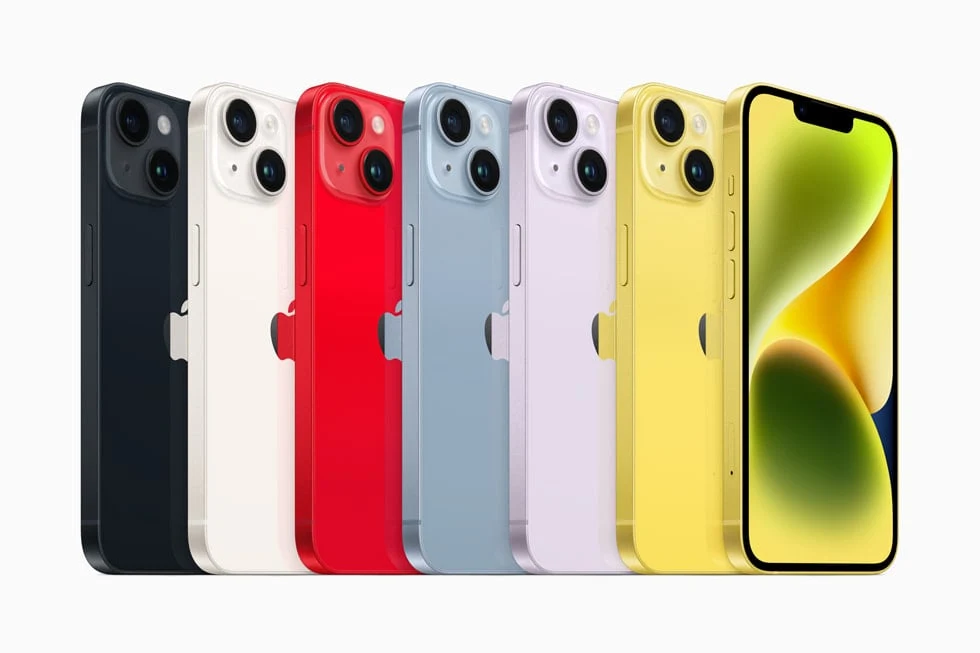
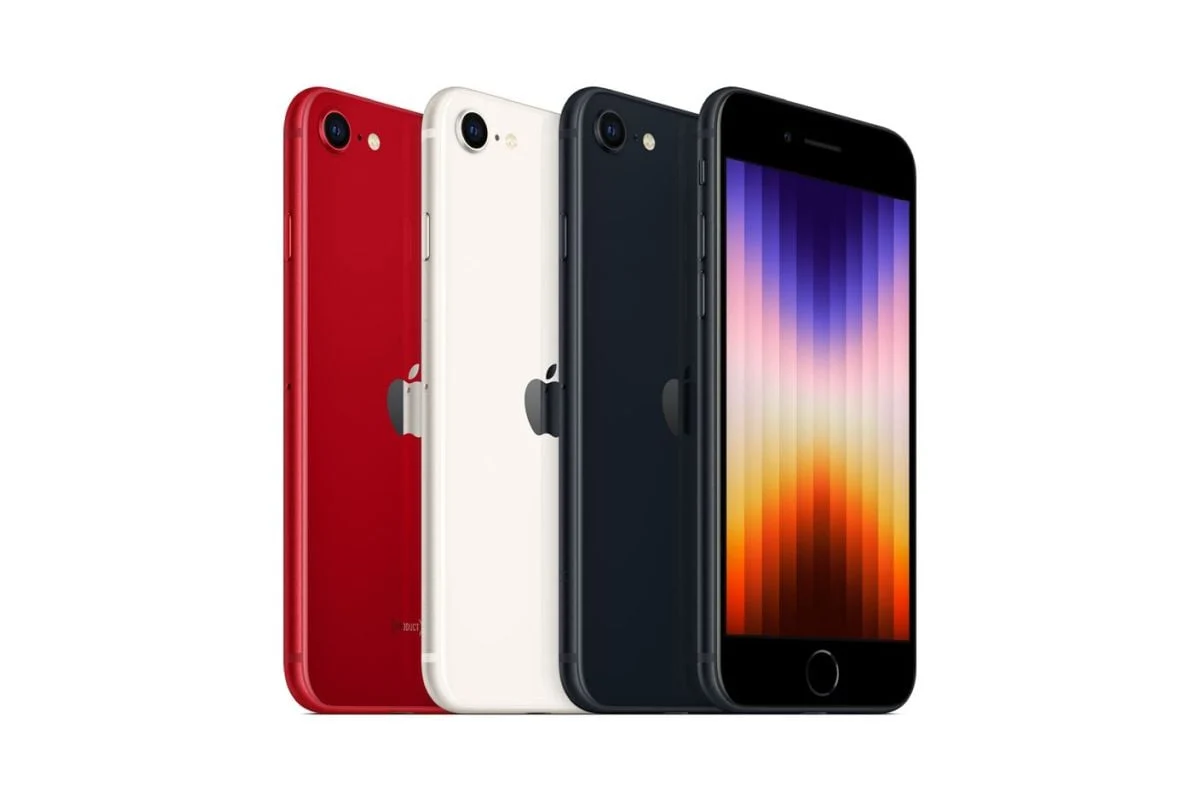
    In a move that surprised few, Apple has officially discontinued the iPhone 14 series along with the iPhone SE 3. It’s important to highlight that the iPhone SE was the last model to include the Touch ID fingerprint scanning feature, and it seems unlikely that we will see this technology come back in future iPhones. Additionally, Apple has made a full shift to the USB Type-C port, meaning no current models are available with the outdated Lightning Port for charging and data transfer.

    Current Sales and Discounts

    With the official discontinuation, the iPhone 14 series and iPhone SE are no longer listed on Apple’s website. Nevertheless, you might find these devices at good discounts from various retailers or online shopping sites. However, these deals are probably limited to the existing stock until it runs out.

    Features of iPhone 16e

    Now, regarding the newly launched iPhone 16e, it is priced similarly to the base iPhone 15. You get the latest Apple A18 chipset, Apple Intelligence, and C1 modem for enhanced 5G performance, along with a USB-C port. The front has a 6.1-inch OLED XDR Retina display, paired with a 12MP front camera and Face ID technology. On the rear, there’s a powerful 48MP camera that provides 2x optical zoom. Noteworthy features also include Haptic Touch, a peak brightness of 1200 nits, a fingerprint-resistant oleophobic coating, and more.


  • Apple Stops Selling iPhone 14 and iPhone SE (2022), Offers Refurbished

    Apple Stops Selling iPhone 14 and iPhone SE (2022), Offers Refurbished

    Key Takeaways

    1. Apple has introduced the iPhone 16E, its least expensive model, starting at $599.
    2. The iPhone 14 and iPhone SE (3rd generation) are being phased out and are no longer featured on Apple’s website.
    3. All current iPhones, including the new iPhone 16E, now use USB-C ports instead of the Lightning port.
    4. The iPhone 14 is still available but only as a refurbished model, with prices ranging from $529 to $619.
    5. Refurbished iPhones come with a new battery, outer shell, a one-year warranty, and are thoroughly tested before sale.


    Apple has revealed the iPhone 16E, its newest and least expensive iPhone option. The introduction of the iPhone 16E has resulted in the phasing out of the iPhone 14 and the iPhone SE (3rd generation), which was previously the smallest and most budget-friendly model in the lineup.

    Discontinuation Details

    There hasn’t been a formal announcement regarding the end of production for these models, but they are no longer featured on Apple’s iPhone webpage. They have been replaced by the iPhone 16E, which is priced starting at $599. Meanwhile, the iPhone 15, priced at $699, continues to be available for purchase.

    End of an Era

    With the discontinuation of the iPhone 14 and iPhone SE (3rd generation), Apple has officially moved away from the Lightning port, as all current iPhones now come equipped with a USB-C port.

    Even though the iPhone 14 is no longer listed on the main site, it can still be bought from Apple, but only as a refurbished model. The refurbished iPhone 14 with 128GB storage is priced at $529, while the 256GB version is available for $619. Unfortunately, Apple does not offer the iPhone SE (3rd generation) for refurbishment.

    Refurbished Benefits

    Apple states that all refurbished iPhones are supplied with a new battery, a fresh outer shell, and a one-year warranty. These devices undergo thorough testing and are shipped with either the original operating system or the latest version. Accessories and cables will also be included in a completely new box.

    Source:
    Link

  • Apple iPhone 16e: New 5G Modem and Surprising Price Revealed

    Apple iPhone 16e: New 5G Modem and Surprising Price Revealed

    Key Takeaways

    1. The iPhone 16e, part of the iPhone 16 lineup, replaces the expected iPhone SE 4 and features a 6.1-inch Super Retina XDR OLED display.
    2. It has a single 48 MP rear camera with optical quality zoom and a 12 MP front camera, capable of 4K video recording and Spatial Audio.
    3. Powered by the A18 SoC with 4 GPU cores and the energy-efficient Apple C1 5G modem, it claims to outperform the previous iPhone SE 3 by up to 12 hours in battery life.
    4. The device includes a USB-C port, supports wireless charging, but lacks Wi-Fi 6E and MagSafe support.
    5. Storage options start at 128 GB for $599, with 8 GB of RAM, and it is available for pre-order in Black and White.


    After many delays and years filled with leaks, rumors, and several name changes, Apple’s ‘budget’ iPhone has finally arrived. Contrary to past expectations, it isn’t the iPhone SE 4 that everyone thought it would be. Instead, it joins the iPhone 16 lineup as the iPhone 16e. Most of the speculations regarding its features have turned out to be accurate. Those days of having a smaller sub-6-inch iPhone are now in the past.

    Display and Design

    The iPhone 16e features a 6.1-inch Super Retina XDR OLED display with a peak brightness of 800 nits and HDR brightness of 1,200 nits, operating at a refresh rate of 60 Hz. The familiar notch is back, but it now includes an Action Button that was introduced with last year’s models. Additionally, the device’s design appears to be similar to the iPhone 15, with one minor modification.

    Camera Capabilities

    Following the trend set by its predecessor and likely the upcoming iPhone Air, the iPhone 16e is equipped with a single 48 MP camera sensor. Apple touts this setup as providing “optical quality” zoom thanks to an “integrated 2x Telephoto” lens. However, this is still a form of digital zoom enhanced by AI, featuring 4K video recording and the capacity to capture Spatial Audio for the Apple Vision Pro. On the front side, there’s a reliable 12 MP selfie camera that powers several non-Pro iPhone models.

    Performance and Features

    Inside, the iPhone 16e is powered by the latest A18 SoC, albeit in a lower binned version that has just 4 GPU cores. A significant change, though not immediately visible, is the inclusion of the Apple C1 5G modem, which the company claims is its most energy-efficient model to-date. True to Apple’s style, the exact battery capacity remains undisclosed, but it is said that the iPhone 16e can outperform the previous iPhone SE 3 by up to 12 hours.

    To wrap it up, the iPhone 16e comes with a USB-C port and supports wireless charging. However, it notably lacks Wi-Fi 6E and MagSafe support. Storage options are available starting at 128 GB for $599, 256 GB for $699, and 512 GB for $899. Additionally, Apple Intelligence is included, meaning it comes with 8 GB of RAM. You can already pre-order it from Apple’s website in two color choices: Black and White.

    Source:
    Link


  • Apple iPhone 16e vs Google Pixel 9a: Mid-Range Smartphone Showdown

    Apple iPhone 16e vs Google Pixel 9a: Mid-Range Smartphone Showdown

    Key Takeaways

    1. The iPhone 16e is priced at $599, making it a budget-friendly option, but lacks several features like MagSafe charging and an ultra-wide-angle camera.
    2. The Google Pixel 9a is expected to launch at $499, offering a lower price point and improved features, including a 120Hz OLED display.
    3. The Pixel 9a is rumored to have a 13MP ultra-wide-angle camera, while the iPhone 16e has a single-lens configuration.
    4. Both smartphones are waterproof and support USB-C and wireless charging; however, they differ in unlocking methods: the iPhone 16e uses 3D face recognition, and the Pixel 9a features a fingerprint sensor.
    5. The iPhone 16e boasts a faster Apple A18 processor and a more premium build, while the Pixel 9a excels in display brightness and camera capabilities.


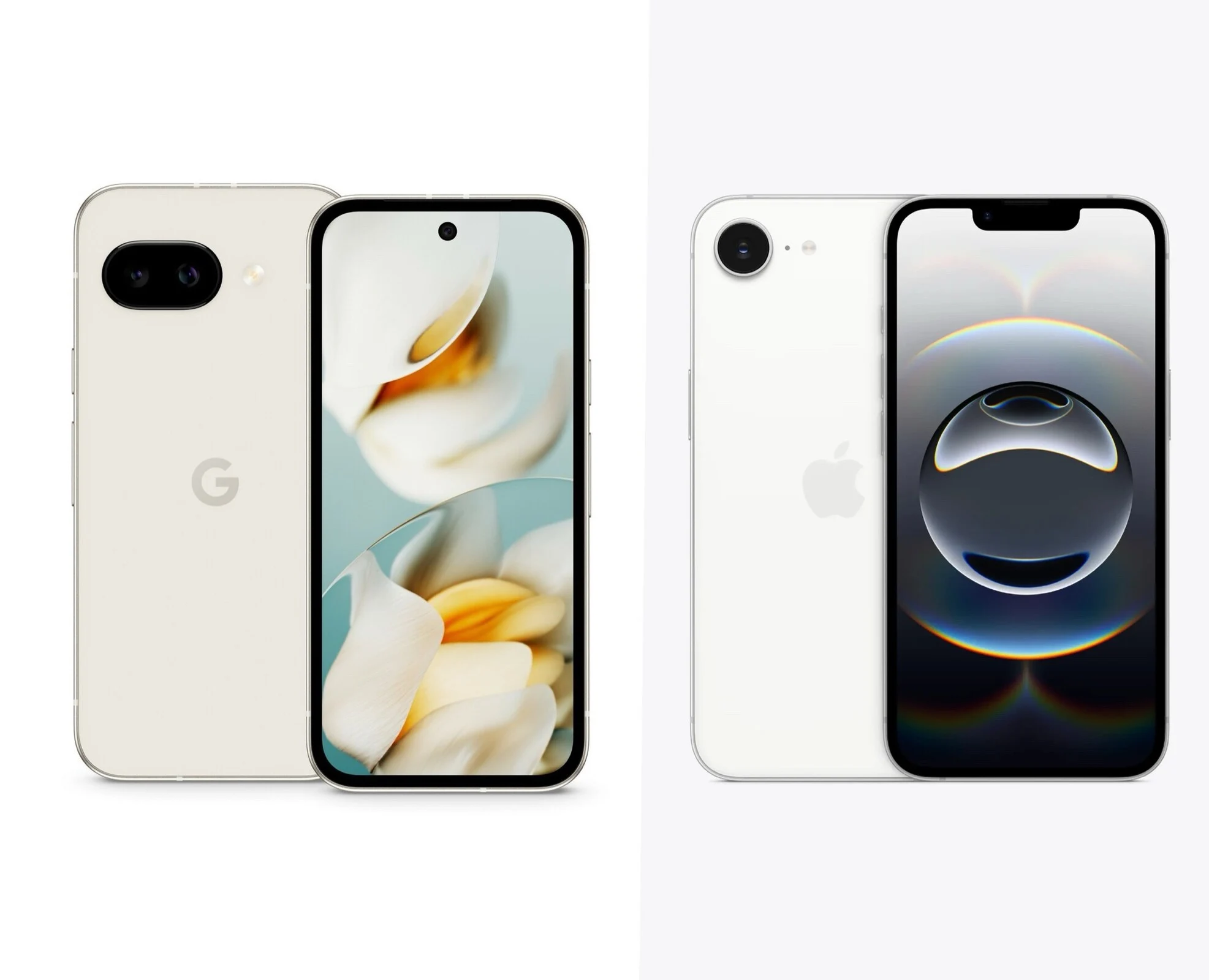
    Apple has just revealed the new iPhone 16e today. This smartphone is meant to be a more budget-friendly option compared to the standard iPhone 16, starting at a price of $599. However, future users of the iPhone 16e will have to give up quite a bit. Features like MagSafe or Qi2 charging, an ultra-wide-angle camera, a dedicated camera shutter button, and the Dynamic Island are all absent.

    Google Pixel 9a Price and Features

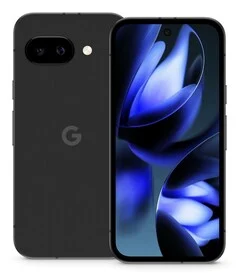
    In contrast, the Google Pixel 9a is expected to launch in March, with prices beginning at $499. This makes Google’s mid-range device at least $100 less expensive than the iPhone 16e. The Pixel 9a also boasts significantly improved features in certain areas, while the iPhone 16e has its own strengths.

    Comparing Specifications

    Let’s take a closer look at the key technical specifications of these two mid-range smartphones. Note that the details about the Pixel 9a are based on rumors and may change when it is officially released.

    On paper, the Google Pixel 9a holds two significant advantages over the Apple iPhone 16e. Firstly, it has a 120Hz OLED display, which not only refreshes twice as fast but is also over twice as bright, reaching a full-screen brightness of 1,800 nits and an HDR peak brightness of 2,700 nits. Secondly, it is anticipated that the Pixel 9a will feature a 13MP ultra-wide-angle camera that is absent from the iPhone 16e’s single-lens configuration.

    Water Resistance and Unlocking Features

    Both devices are waterproof and can be charged using USB-C or a wireless Qi charging pad. A notable difference is that the iPhone 16e offers 3D face recognition for unlocking, while the Pixel 9a uses a fingerprint sensor that is built into the display.

    Moving on, the iPhone 16e does have two key advantages over the Google Pixel 9a. It includes a more premium chassis made from aluminum and glass, as opposed to plastic. Furthermore, according to our benchmarks, the Apple A18 processor is around 72% faster than the Google Tensor G4.

    In the end, the choice between the iPhone 16e and the Google Pixel 9a will likely hinge on which operating system the user prefers. Shoppers who are comfortable with both Android and iOS will have a challenging decision to make, weighing the superior performance of the iPhone 16e against the notably better display and extra camera capabilities of the Pixel 9a.

    Source:
    Link


  • Apple iPhone 16e: The SE Successor Launching Before 2025

    Apple iPhone 16e: The SE Successor Launching Before 2025

    Rumors about a new iPhone SE are reaching a peak. Recently, it seems that the much-anticipated phone might not even be released under the iPhone SE name. Instead, Apple is likely planning to include this new device in the iPhone 16 lineup as the iPhone 16e, similar to what they did in the past with the iPhone 5C and the iPhone XR.

    Dummy Units and Specifications

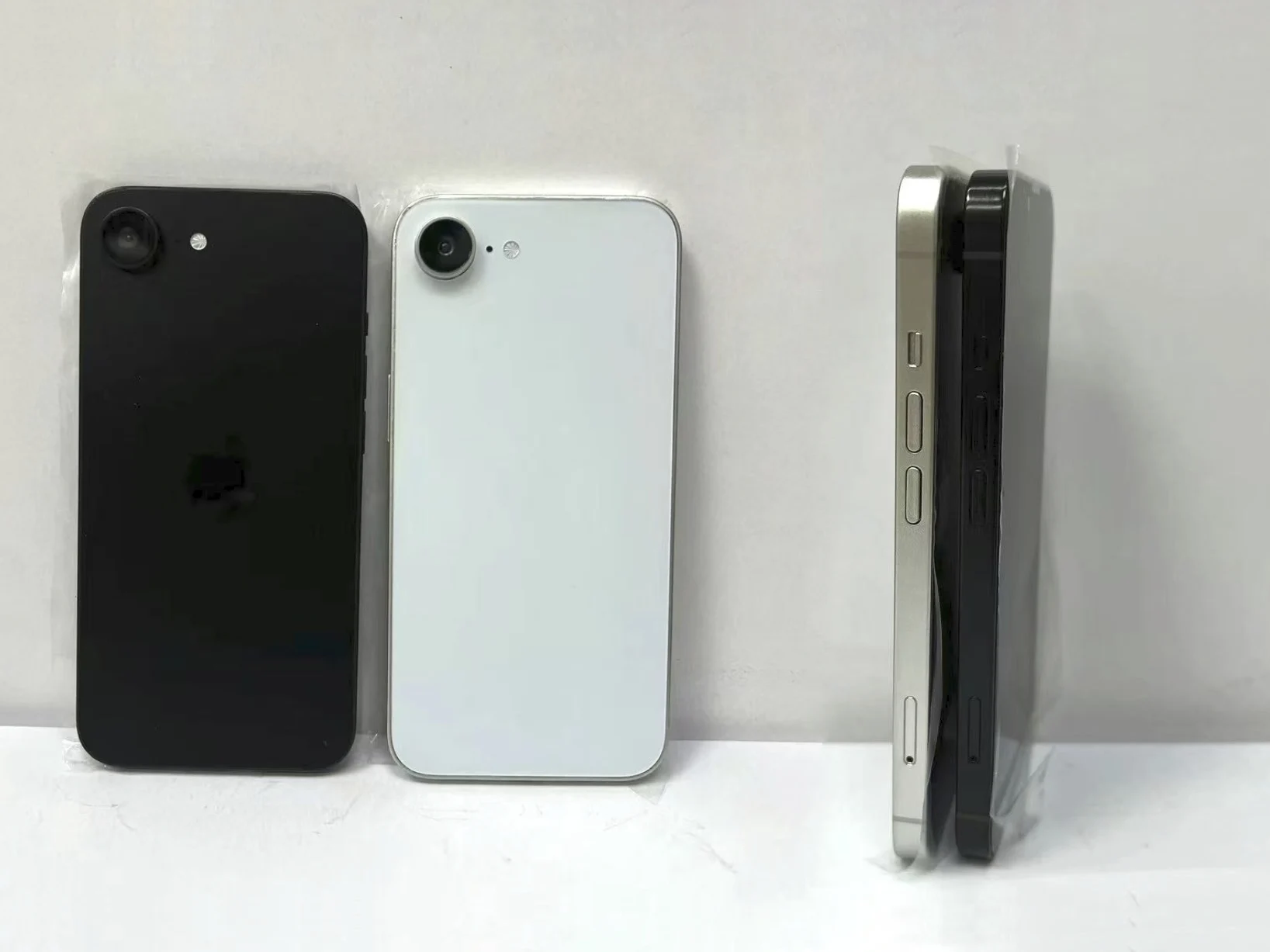
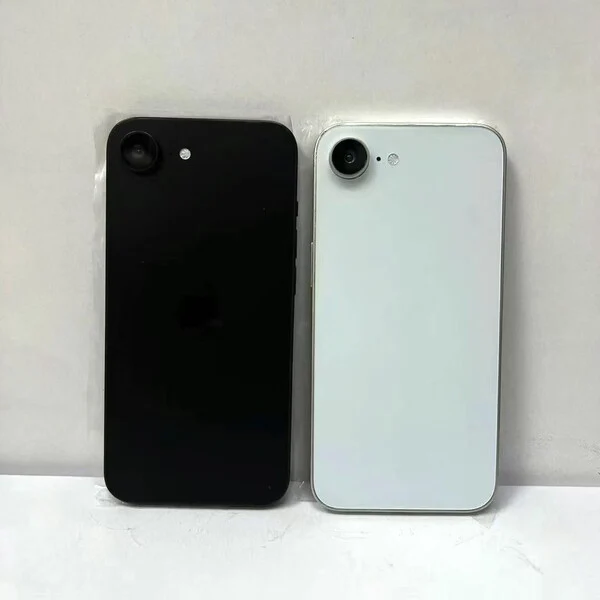
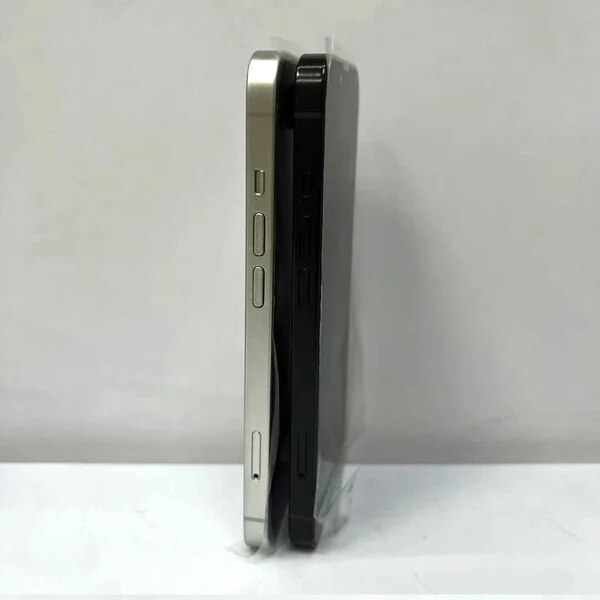
    Well-known Apple leaker Sonny Dickson has shared pictures of two dummy models, which will probably serve as the basis for accessory makers. This means that the device’s dimensions should be correct, although some finer details might differ, like the presence of an Action Button instead of the traditional mute switch.

    Design and Features

    The overall appearance is consistent with earlier leaks that described a design resembling the iPhone 4, featuring a single large rear camera that is significantly bigger than the one found in the iPhone SE 3rd Gen (currently priced at $165 for renewed units on Amazon). The iPhone 16e also boasts flat edges, like those seen in recent iPhone models, which is a nod to the designs of older iPhones.

    Display and Performance

    While it’s hard to see the display clearly, it is said to feature the same 6.1-inch Super Retina XDR OLED screen as the iPhone 14. Additional specs include an Apple A18 chip with 8 GB of RAM to enhance Apple Intelligence, USB Type-C connectivity, and a 48 MP rear camera. The iPhone 16e, or iPhone SE 4, is expected to be unveiled this quarter.

    Source:
    Link


  • Apple’s 2025 Roadmap: Watch SE Redesign, iPhone Air, M4 Mac Studio

    According to Bloomberg analyst Mark Gurman, 2025 is set to be a significant year for Apple. Gurman has a solid track record for providing accurate insights and leaks about Apple’s various products. His most recent edition of the Power One Newsletter discusses what we can look forward to with the iPhone, iPad, and Mac in 2025, offering a succinct overview of Apple’s plans along with some intriguing new details.

    Upcoming iPhone Launch

    The Apple product lineup for 2025 will kick off with the iPhone SE of 2025, codenamed V59. Rumors suggest that it will not be called iPhone SE 4 or iPhone SE 2025, but instead, it will be known as the iPhone 16E. While Gurman doesn’t specifically mention the name of this new budget-friendly iPhone, he does confirm that it will feature a redesign based on the iPhone 14, including Face ID and Apple Intelligence capabilities. The price is expected to increase slightly, but the older iPhone SE 2022 might still draw in customers in emerging markets, which may not please Apple, per Gurman.

    New MacBook Air and iPads

    Coming soon after the iPhone launch, likely in the first quarter but not in January, are the 13-inch and 15-inch MacBook Air models, codenamed J713 and J715. These are already in production and will feature the Apple M4 chip. Gurman anticipates that Apple will keep the M2 MacBook Air models available while replacing the current M3 versions with the new ones. Around the same time, new entry-level iPads (codenamed J481 and J482) are also expected, equipped with the Apple A17 Pro chip, 8 GB of RAM, and support for Apple Intelligence, matching the current iPad Mini’s capabilities.

    Spring Product Releases

    In spring, Apple is set to unveil two new iPad Magic Keyboards (R307 and R308) alongside refreshed iPad Air models, which will likely receive an upgrade to the Apple M4 chip, as an M3 launch wouldn’t be logical. This will bring the iPad Air models closer to the iPad Pro range. Gurman notes that the iPad Pro will not see an upgrade until the Apple M5 is released, either late in 2025 or early in 2026. The model numbers for the iPad Airs set for 2025 are J607, J608, J637, and J638.

    Upgrades Coming for Mac Studio and More

    A Mac Studio upgrade is on the horizon for the first half of 2025, featuring either the M4 Max or M4 Ultra chip, which would put it ahead of the Mac Mini with its M4 Pro chip. Gurman also mentions a new version of the Mac Pro, though details remain unclear. The AirTags 2 (codenamed B589), which have been discussed multiple times, are also expected to launch soon after the spring announcements. New MacBook Pro M5 models might debut at the end of 2025, but a significant redesign is likely postponed until 2026, which marks the 20th anniversary of the MacBook Pro.

    Excitement in September

    September, traditionally known as Techtember, will likely be busy for Apple, featuring new iPhones and Apple Watches. Gurman suggests that this year could include surprises, with a redesign for both the Apple Watch SE and the iPhone 17 lineup. He hints that Apple could call the new ultra-slim iPhone 17 either the “iPhone Air” or “iPhone 17 Air.” This model is expected to utilize Apple’s first in-house modem and could pave the way for future foldable devices, as thinner components are necessary for that. The iPhone 17 Air should feature the Apple A19 SoC, and it might rely on a sensor for its camera, similar to the iPhone SE.

    Health Features on the Apple Watch

    Gurman envisions a fresh aesthetic for the Apple Watch SE, although specifics are still vague. Meanwhile, the Apple Watch Series 11 and Apple Watch Ultra 3 are likely to receive significant hardware upgrades while maintaining their current designs. The Ultra Watch is anticipated to include satellite connectivity and 5G RedCap access, and both the Series 11 and Ultra 3 models are expected to finally feature high blood pressure detection. In the long run, Apple plans to enhance the health functionalities of its smartwatches and implement an AI-based training system.

    Updates and Future Products

    Gurman also foresees updates for long-overdue products like the HomePod mini and Apple TV Box in the latter half of the year. However, prospects look less bright for the Apple Vision Pro, which seems unlikely to receive a successor soon. There are indications of a second-generation model in 2026 using the Apple M5, but a more affordable, simplified version (codenamed N107) is seen as more probable. Smart glasses reminiscent of Ray-Ban Meta might also be on the table, but not until 2026.

    One lingering question is about the new smart home tablet, which has been mentioned in various reports. Initially expected to launch in early 2025, it now seems delayed due to software issues (codenamed Pebble), which will integrate closely with iOS 18.4 or even iPhone 19, based on a refined version of Siri. Consequently, this AI hub is now likely pushed to the second half of 2025 or possibly early 2026, when both a more advanced Siri and a Face ID-enabled doorbell might be introduced.

    Source:
    Link

  • Tipster Reveals iPhone 16E Details from Hands-On Experience

    Tipster Reveals iPhone 16E Details from Hands-On Experience

    The iPhone SE is now thought to be rebranded as the iPhone 16E. Just like the previous iPhone SE versions, it will emphasize being budget-friendly. Apple’s last release of the SE model was in 2022, so the new version is expected to bring some important updates.

    Display Features

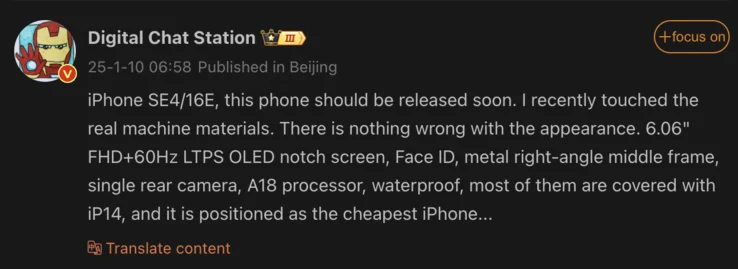
    A reliable source, Digital Chat Station, has said they have seen the materials for the iPhone 16E. The source notes that this new model will come with a 6.06-inch LTPS OLED screen that has an FHD+ resolution and a refresh rate of 60Hz. Additionally, there is mention of a notch that will include Face ID tech. It’s believed that the overall design will be similar to the iPhone 14 from two generations ago.

    Performance and Specifications

    The iPhone 16E is rumored to be powered by the Apple A18 chip, which is also used in the iPhone 16 and 16 Plus. Earlier rumors have suggested that the device might include 8GB of RAM, and with the A18 chip, it’s expected that the iPhone 16E will offer support for Apple Intelligence features.

    Camera and Pricing

    According to the leaker, the phone will have just one rear camera. Besides that, it reportedly has a flat metal frame and comes with a water resistance rating. Finally, the insider claims it will be the most affordable iPhone on the market, with earlier speculations indicating a price of $499.

    Source:
    Link


    Image 1
  • iPhone 16e Leak: Larger Display, A18 Chip, and More Features

    iPhone 16e Leak: Larger Display, A18 Chip, and More Features

    Several sources have indicated that Apple might unveil a new version of the iPhone SE this year. Latest speculation hints that the company could remove the “SE” name and rebrand it as the “iPhone 16e.” Today, a trusted leaker, Digital Chat Station, posted on Weibo, mentioning they had access to the materials for the iPhone 16e. The post also disclosed some important details about the new device.

    Specifications of the iPhone 16e

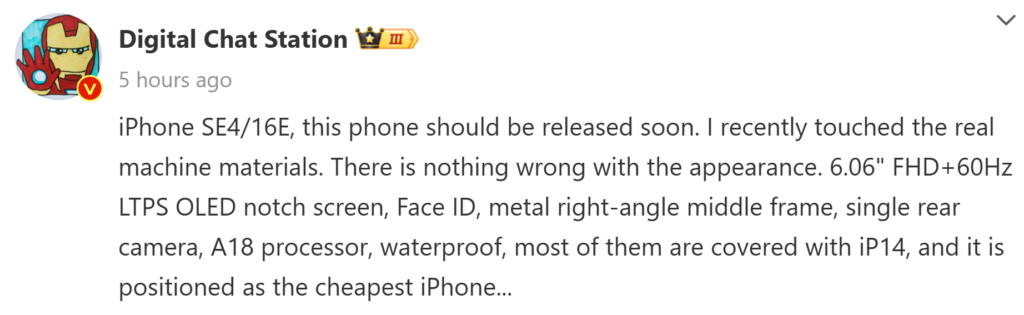
    The leaker claims that the iPhone 16e comes with a 6.06-inch FHD+ LTPS OLED screen featuring a 60Hz refresh rate and a notch design, providing a blend of familiar and modern aesthetics. Its metal right-angle frame echoes recent iPhone styles, ensuring a sturdy and premium feel. The device shares many design elements with the iPhone 14, giving it a solid and polished look.

    Performance and Features

    Inside, the iPhone SE4/16e will be equipped with Apple’s A18 Bionic chip, which promises top-notch performance. It will include Face ID for secure unlocking and authentication, suggesting the removal of the Home button. For photography, the iPhone 16e will only have a single rear camera and will also be waterproof.

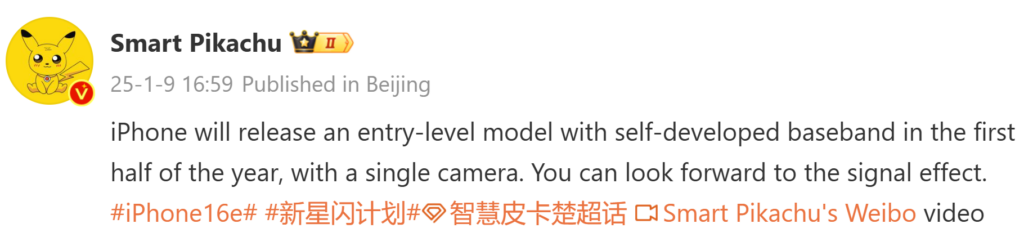
    Another source, Smart Pikachu, has indicated that the iPhone 16e will feature Apple’s own baseband technology, reducing dependency on companies like Qualcomm for the 5G modem. The launch is anticipated to happen in the first half of the year, with March being a potential debut month.

    Affordable and Functional

    Targeted as the least expensive iPhone in Apple’s range, this model aims to provide users with an easy entry point into the Apple ecosystem without sacrificing essential features. With many components inspired by the iPhone 14, the iPhone SE4/16e seeks to strike a balance between cost and functionality. According to other reports, the manufacturing of the iPhone 16e will take place in India.


    Image 1