Tag: iPhone 16e

  • iPhone 16e Teardown Shows Bigger Battery and Easier Repairs

    iPhone 16e Teardown Shows Bigger Battery and Easier Repairs

    Key Takeaways

    1. The iPhone 16e has a similar design to the iPhone 16, with a mainboard fixed to the frame for easier access.
    2. A new adhesive allows for simpler battery replacements by losing stickiness when electrical voltage is applied.
    3. The iPhone 16e features a larger battery capacity of 4,005 mAh, which is 12.4% more than the iPhone 16.
    4. Key components like the camera, speakers, and USB-C port are easily replaceable, enhancing repairability.
    5. The iPhone 16e’s display is compatible with the iPhone 14, indicating shared parts between models, and it received a repairability rating of 7.5 out of 10.


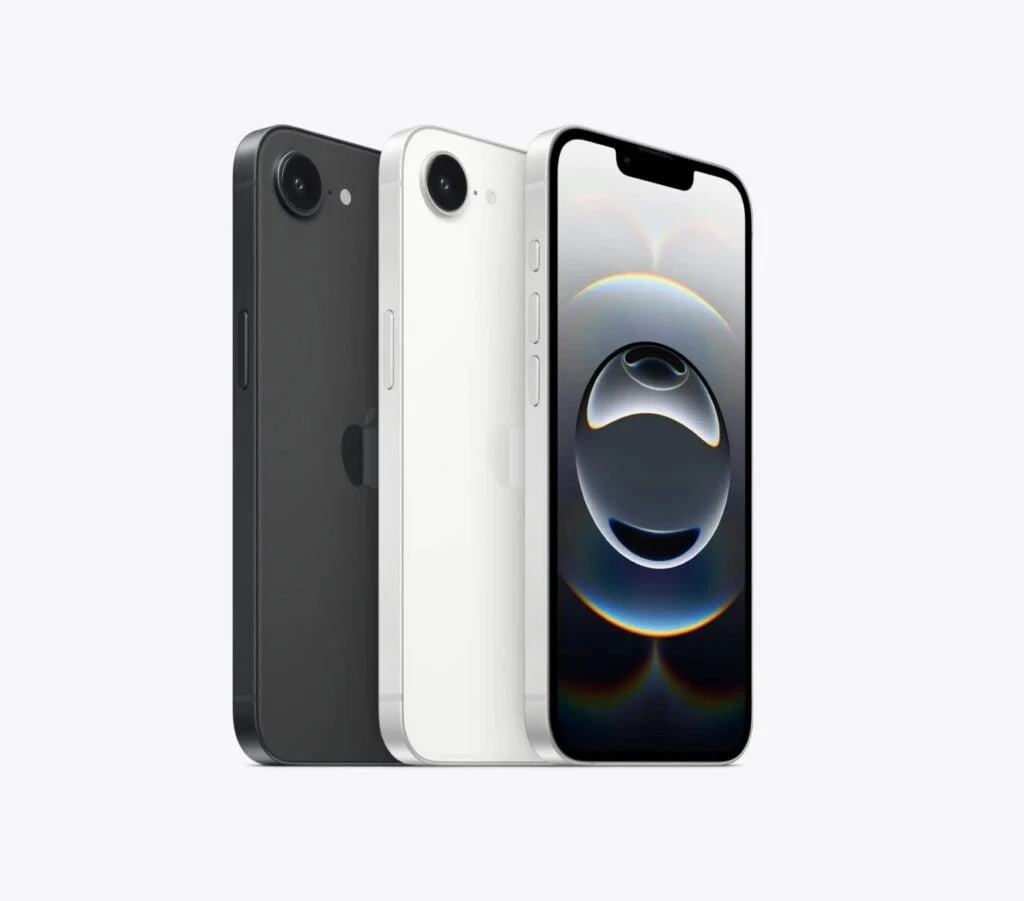
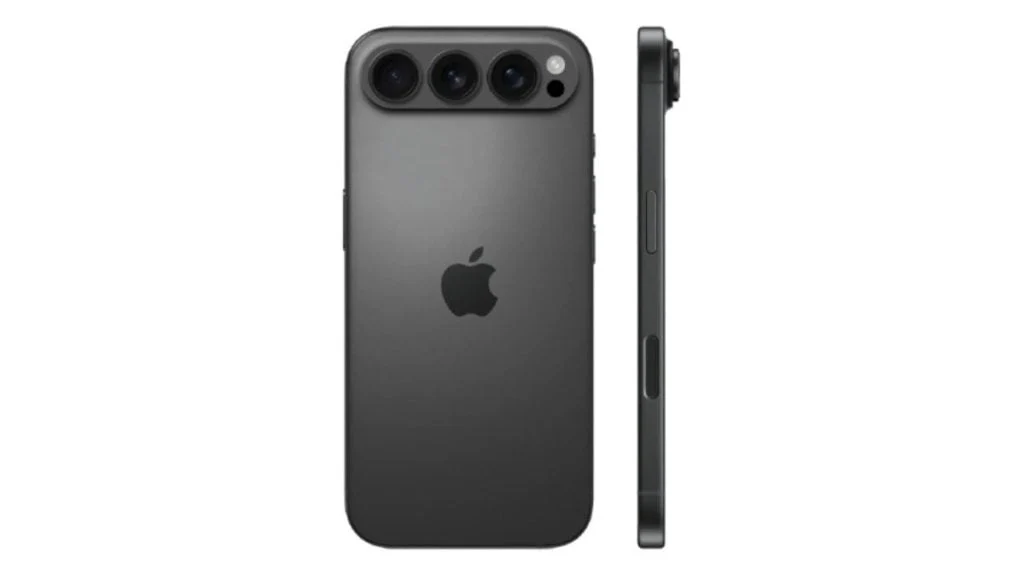
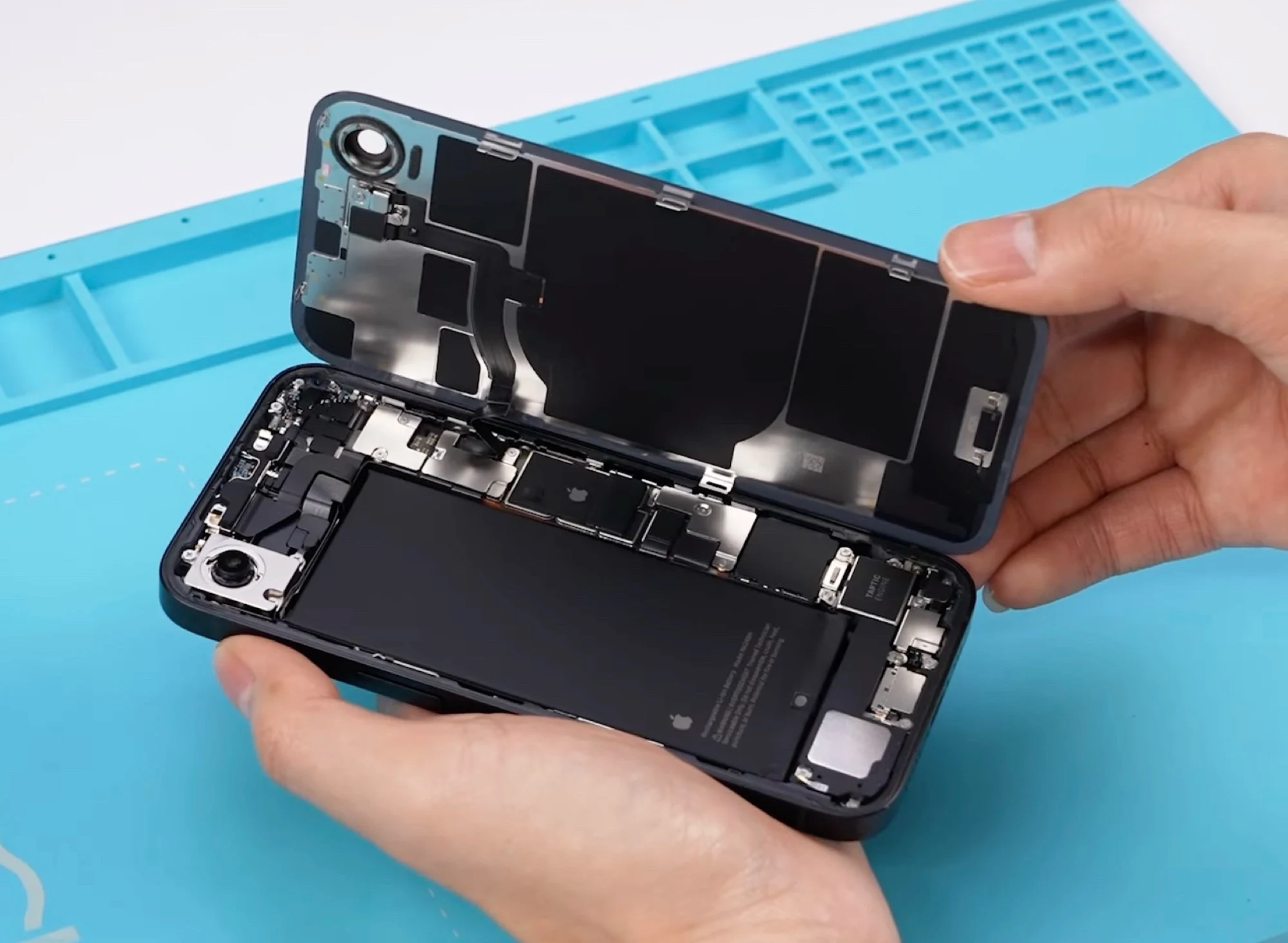
    The Apple iPhone 16e has just begun shipping, and both PBKreviews and REWA Technology have managed to take apart the most affordable iPhone model into its separate components. There’s some good news, as the design of the iPhone 16e is quite similar to that of the pricier iPhone 16.

    Design and Repairability

    In contrast to many previous iPhone models, the mainboard is now fixed to the frame rather than the back. This allows the iPhone 16e to be opened from either the front or the back, depending on whether the display or other parts (like the battery) need replacing. This change makes certain repairs much easier. Additionally, Apple has introduced a new type of adhesive for the iPhone 16e that loses its stickiness when electrical voltage is applied at the designated area.

    Improved Battery Replacement

    Thanks to this new adhesive, changing the battery is simpler, as technicians no longer have to struggle with adhesive strips that might break during the process. While the internal layout is quite alike in both the iPhone 16e and the iPhone 16, Apple has made use of the space saved by eliminating the ultra-wide-angle camera to fit in a larger battery, boasting a capacity of 4,005 mAh. This is 12.4% more capacity than the iPhone 16. When compared to the third-generation iPhone SE, the capacity nearly doubles.

    Component Accessibility

    The components located on the back, such as the Qi charging coil, 48 MP main camera, selfie camera, speakers, USB-C port, and the Taptic Engine, can also be replaced without much hassle. Interestingly, the display of the iPhone 16e is compatible with the iPhone 14, implying that Apple has used the exact same panel for both devices. PBKreviews rates the iPhone 16e’s repairability at 7.5 out of a total of 10 points.

    Source:
    Link
  • iPhone 16e Benchmarks Show Strong CPU and GPU Performance

    iPhone 16e Benchmarks Show Strong CPU and GPU Performance

    Key Takeaways

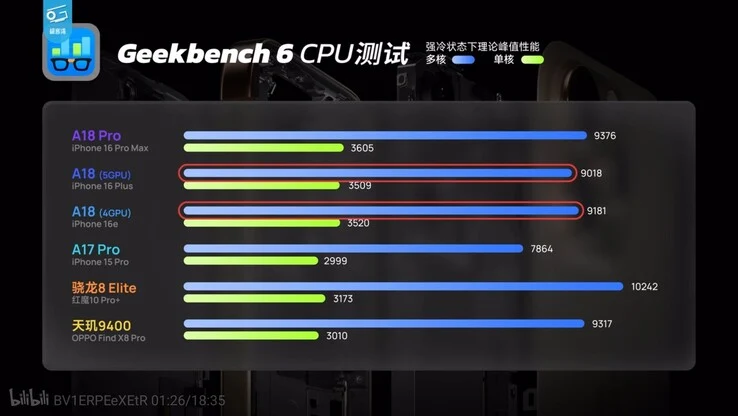
    1. The iPhone 16e has similar CPU performance to the iPhone 16, with benchmark scores of 3,520 (single-core) and 9,181 (multi-core).
    2. Earlier claims of the iPhone 16 having a 10% performance lead over the 16e were proven inaccurate.
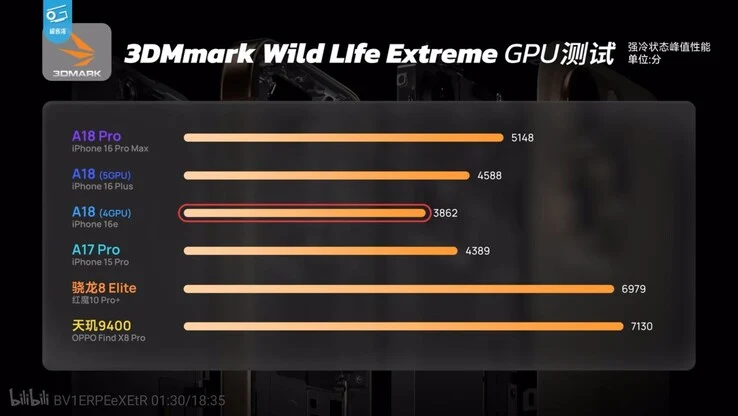
    3. The iPhone 16e’s GPU performance is weaker than the iPhone 16, with scores of 3,862 (3DMark WildLife Extreme) compared to 4,588.
    4. The iPhone 16’s GPU is approximately 18% stronger than that of the iPhone 16e.
    5. The iPhone 16e is now readily available for purchase following its launch.


    Apple has released its new iPhone 16e, and it’s now easily accessible after its launch last week. Early benchmark results from unknown sources highlighted that the mid-range device’s CPU and GPU are not as powerful as those of the iPhone 16. However, verified tech outlets have now thoroughly tested the iPhone 16e.

    Benchmark Performance

    According to tests conducted by the well-known site Geekerwan, the iPhone 16e matches the iPhone 16 in terms of CPU performance. It achieved scores of 3,520 for single-core and 9,181 for multi-core on Geekbench 6. In comparison, the standard iPhone 16 received scores of 3,509 and 9,018 in the same tests. This confirms that earlier benchmark claims suggesting a 10% lead for the iPhone 16 were inaccurate. This result is not surprising, considering both models share the same CPU core count and clock speeds.

    Graphic Performance

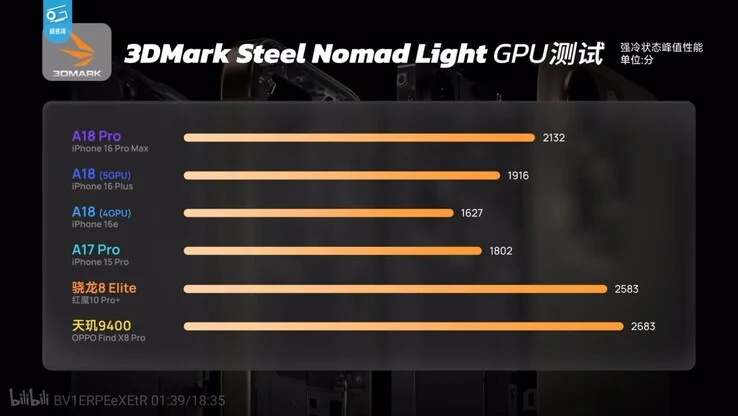
    On the other hand, the iPhone 16e falls short against the iPhone 16 in GPU performance. This is due to its less powerful quad-core GPU, while the iPhone 16 boasts a penta-core GPU. In the 3DMark WildLife Extreme test, the iPhone 16e scored 3,862, compared to the iPhone 16’s 4,588. Similarly, in the Nomad Light test, the iPhone 16e scored 1,627, whereas the iPhone 16 achieved 1,916. Therefore, it can be concluded that the iPhone 16’s GPU is approximately 18% stronger than that of the iPhone 16e.

    Purchase Options

    If you’re interested in upgrading your audio experience, you can buy the Apple AirPods Max on Amazon.

    Source:
    Link


  • Apple Reveals Why iPhone 16e Lacks MagSafe Feature

    Apple Reveals Why iPhone 16e Lacks MagSafe Feature

    Key Takeaways

    1. The iPhone 16e offers a budget-friendly alternative by omitting high-end features found in the iPhone 16.
    2. It lacks MagSafe, limiting wireless charging to a maximum of 7.5 watts.
    3. Apple chose to exclude certain features based on the belief that the target audience prefers wired charging.
    4. The absence of premium features like Dynamic Island may lead consumers to consider higher-priced models.
    5. Users can still use magnetic accessories with protective cases, despite the lack of built-in MagSafe functionality.


    The Apple iPhone 16e takes a different approach to offer a more budget-friendly option. This model skips some of the high-end features found in the pricier iPhone 16, including the enhanced display, Dynamic Island, ultrawide camera, Action button, and MagSafe. Since the introduction of the iPhone 12, MagSafe has allowed devices to charge wirelessly at rates between 15 and 25 watts, while also supporting various unique accessories like the Leica Lux Grip.

    Charging Capabilities

    On the other hand, the iPhone 16e does not incorporate the magnetic ring and is limited to wireless charging at a maximum of 7.5 watts. In a conversation with Daring Fireball, Apple officials discussed their choice to exclude MagSafe from the iPhone 16e, noting that the intended audience for this device tends to favor wired charging methods and likely wouldn’t use wireless charging at all. They also mentioned that if they did prefer wireless, charging speed might not be a significant issue for them. However, Apple did not clarify who exactly makes up the intended user base for the iPhone 16e.

    Target Audience Insights

    The lack of features like MagSafe and Dynamic Island might also push consumers towards selecting a higher-priced model instead of the more economical iPhone 16e. Despite this, users of the iPhone 16e can still opt for a protective case equipped with a magnetic ring, making them able to use accessories such as magnetic stands or camera grips, so they don’t feel completely left out.

    In conclusion, the iPhone 16e is a device that prioritizes affordability while sacrificing some premium features, potentially influencing user choices towards the more advanced models.

    Source:
    Link

  • Apple Explains iPhone 16e Lacks MagSafe: Cables Are Common

    Apple Explains iPhone 16e Lacks MagSafe: Cables Are Common

    Key Takeaways

    1. The iPhone 16e features a significant redesign with flat edges, thinner bezels, a notch, and an Action Button.
    2. It supports magnetic wireless charging at 7.5W but does not include the MagSafe ring for secure accessory attachment.
    3. Apple claims the lack of MagSafe is not a major issue for the target audience, as they primarily use charging cables.
    4. The absence of MagSafe is seen as a missed opportunity, given its importance in Apple’s accessory ecosystem.
    5. The iPhone 16e is priced at $599 for the 128GB model in the US, with higher options available, and starts at ₹59,999 in India.


    Apple has begun the shipping of the iPhone 16e, which is the new version of the iPhone SE (3rd Gen) starting today. This release features a significant redesign.

    New Design Features

    The updated budget iPhone moves away from the old style of its predecessor, embracing flat edges, thinner bezels, a notch, and even includes an Action Button. However, despite the iPhone 16e finally matching the modern iPhone aesthetic, it’s surprisingly lacking a feature that seems illogical: MagSafe.

    Charging Limitations

    The iPhone 16e supports magnetic wireless charging, but only at 7.5W. Importantly, it doesn’t have the MagSafe ring that allows accessories and chargers to attach securely. Apple claims that this missing feature isn’t a big deal for the intended users of the 16e. An unnamed Apple spokesperson told Daring Fireball’s John Gruber that “most people in the 16e’s target audience only charge their phones by plugging them into a charging cable.”

    A Missed Opportunity

    While that may have been a valid point a few years back, today, MagSafe is everywhere—not just for charging, but also as an essential part of Apple’s accessory ecosystem. Omitting it from a 2025 iPhone feels like a strange choice. For a device that aims to make the iPhone experience accessible to a broader audience, Apple sure chose an odd feature to eliminate.

    Alternative Solutions

    There is a workaround, however, for those who still want the MagSafe functionality. You can purchase a MagSafe-compatible case, which won’t increase charging speed but will allow you to use MagSafe accessories without any hassle.

    The iPhone 16e is priced at $599 in the US for the 128GB version, and it goes up to $899 for the 512GB model. In India, it starts at ₹59,999 and reaches ₹89,900 at the top end.

    Source:
    Link

  • Apple iPhone 17e Launching Next Year: Affordable Models Annually

    Apple iPhone 17e Launching Next Year: Affordable Models Annually

    Key Takeaways

    1. The iPhone 16e is the new budget-friendly model in the iPhone 16 lineup, succeeding the iPhone SE series.
    2. Apple plans to release “budget-friendly iPhones” more frequently, with the iPhone 17e expected about six months after the iPhone 17 series.
    3. The iPhone 16e aims to replicate the success of the iPhone 5c by offering a contemporary design and features from pricier models while cutting some components.
    4. The iPhone SE’s low popularity, making up only 5% of iPhone sales in 2024, prompted Apple’s shift in strategy.
    5. Analysts believe the iPhone 16e’s pricing and design could attract more consumers to the iPhone ecosystem compared to the iPhone SE.


    The Apple iPhone 16e is the new model that follows the third-generation iPhone SE and is the least expensive option in the iPhone 16 lineup. After the initial three generations of the iPhone SE, released in 2016, 2020, and 2022, Apple plans to introduce new “budget-friendly iPhones” more frequently in the future.

    Future Launches

    Analysts from CIRP believe that the iPhone 17e will be introduced in about a year, which is approximately six months after the iPhone 17 series is released. This strategy appears to mirror that of Google, where the lower-cost Pixel A models typically come out shortly after the pricier versions in each series. This change in approach is reportedly due to the iPhone SE’s underwhelming popularity, which made up only about 5% of iPhone sales in 2024.

    Design and Features

    With the iPhone 16e, Apple might aim to achieve the same success as the iPhone 5c from 2013. The iPhone 16e features a contemporary design and incorporates many attributes of its more expensive counterparts. However, it does cut back on certain components like MagSafe and the ultra-wide-angle camera, which helps validate the higher price of the iPhone 16. According to the CIRP analysts, the iPhone 16e presents a more appealing entry point into the iPhone ecosystem compared to the iPhone SE, which could result in better sales.

    Conclusion

    CIRP’s insights suggest a promising future for the iPhone 16e, indicating that Apple’s new pricing strategy and design choices may resonate well with consumers looking for a more affordable yet modern smartphone option.

    Source:
    Link

  • iPhone 16e Battery Capacity Surpasses iPhone 16 Pro in Test

    iPhone 16e Battery Capacity Surpasses iPhone 16 Pro in Test

    Key Takeaways

    1. Apple has not disclosed the battery capacity for the iPhone 16e, but it is larger than the iPhone 16 and 16 Pro models.
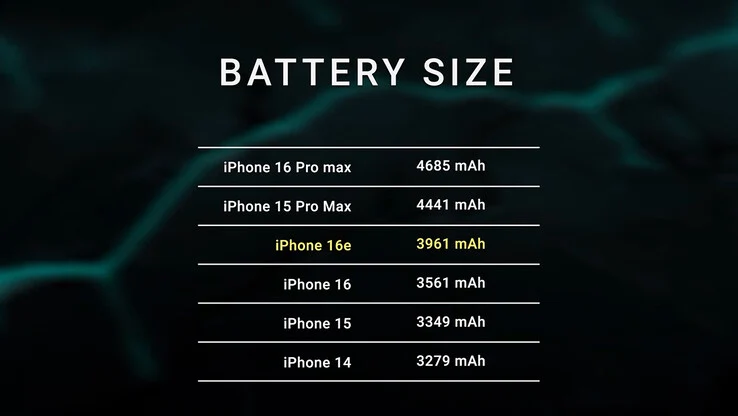
    2. The iPhone 16e has a 3,961 mAh battery, about 10% more than the iPhone 16 (3,561 mAh) and 16 Pro (3,582 mAh).
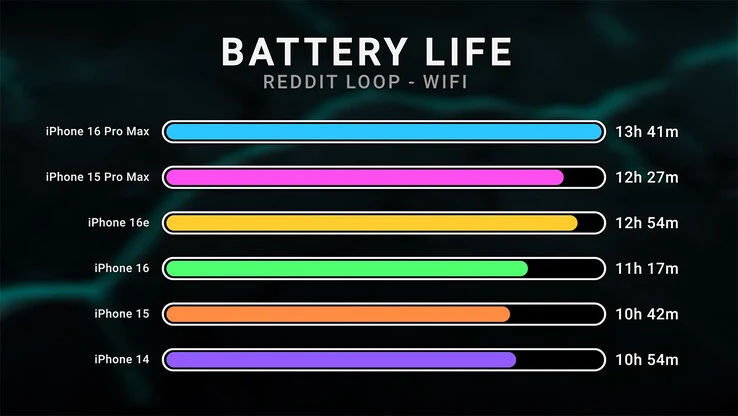
    3. In practical tests, the iPhone 16e lasted 12 hours and 54 minutes on WiFi, outperforming the iPhone 16, which lasted 11 hours and 17 minutes.
    4. The iPhone 16e is capable of lasting a whole day on a single charge, according to Tom’s Guide.
    5. The iPhone 16e charges from 0% to 57% in 30 minutes, similar to the charging time of the iPhone 16, using a 30-watt wall adapter.


    Apple has not disclosed the battery capacity for the iPhone 16e, but this is something we’ve come to expect. The tech giant typically does not provide extensive battery information during the launch of new smartphones. Interestingly, it appears that the more affordable flagship from Apple boasts a larger battery capacity compared to both the Pro and standard models in the latest series.

    Battery Performance Insights

    Specifically, according to a practical test conducted by Dave2D, the iPhone 16e seems to feature a 3,961 mAh battery. This is about 10% more than the regular iPhone 16 and the 16 Pro, which come with 3,561 mAh and 3,582 mAh, respectively. When it comes to real-life performance, the iPhone 16e outshines the standard model thanks to its bigger capacity.

    Real-World Testing Results

    For example, in a segment where Dave Lee assessed battery life using a Reddit loop on WiFi, the iPhone 16e lasted an impressive 12 hours and 54 minutes. In comparison, the iPhone 16 managed 11 hours and 17 minutes, giving the latest model a lead of over an hour. Although the 16 Pro was not included in this test, the 16 Pro Max, which has a 4,685 mAh battery, lasted for 13 hours and 41 minutes.

    Tom’s Guide also evaluated the battery performance of the iPhone 16e. While their testing method differed slightly, the affordable new device still outperformed the standard iPhone 16. The publication noted that the iPhone 16e “can surely last a whole day on a single charge.”

    Charging Efficiency

    Moreover, the outlet also assessed the charging time for the iPhone 16e. Tom’s Guide pointed out that it takes only 30 minutes for the battery to charge from 0% to 57%, which is identical to the charging time of the iPhone 16. It’s important to mention that this charging test utilized a 30-watt wall adapter (30 W Anker Nano, priced at $18.99 on Amazon).

    Source:
    Link


  • Google Pixel 9a: The Ideal Alternative to iPhone 16E

    Google Pixel 9a: The Ideal Alternative to iPhone 16E

    Key Takeaways

    1. Leaked images suggest the Pixel 9a has a design similar to previous models and may draw inspiration from the iPhone 16E.
    2. The Pixel 9a is rumored to feature a 48 MP primary camera and a 13 MP ultra-wide-angle camera.
    3. The expected price of the Pixel 9a will be $100 less than the iPhone 16E, which starts at $599.
    4. The Pixel 9a may use a plastic back to reduce production costs compared to glass backs on the iPhone 16E and Pixel 9 flagship models.
    5. With a 5,100 mAh battery, Tensor G4 processor, and 120 Hz OLED display, the Pixel 9a could be a strong competitor against the iPhone 16E when released on March 19.


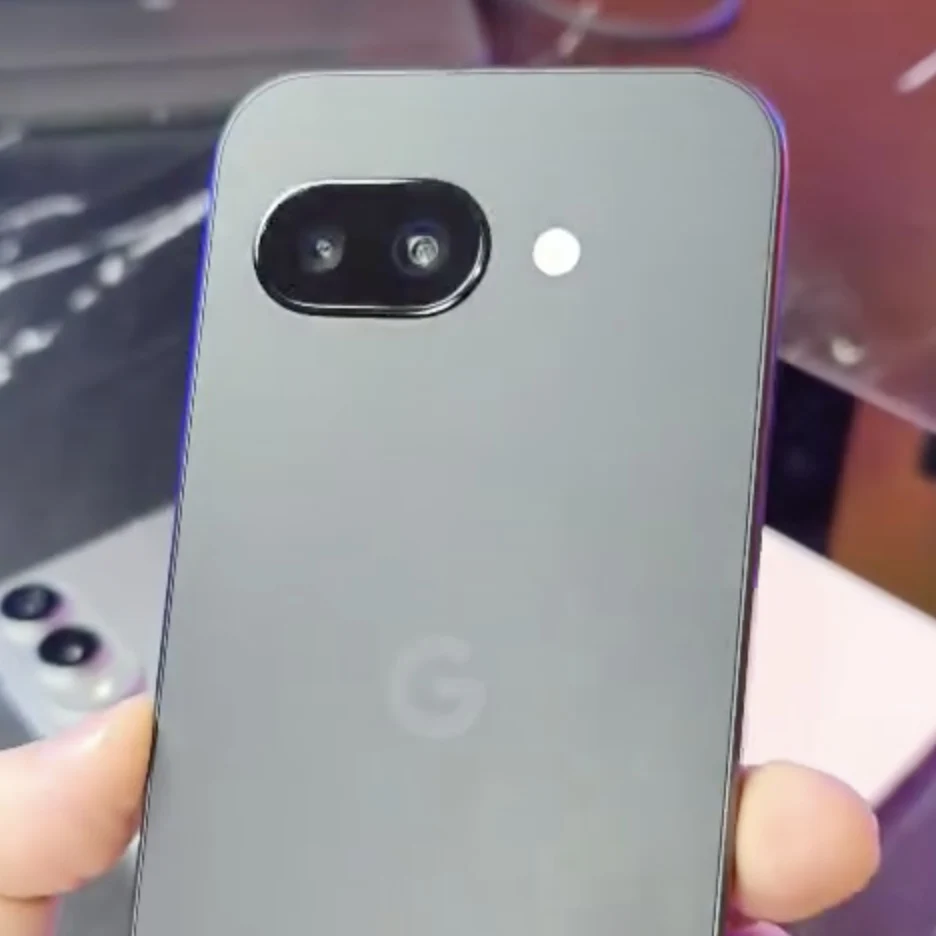
    Earlier this week, the next version of the Pixel 8a from Google was seen in leaked images alongside the Galaxy S25 Edge. Following that, a brief hands-on video showcasing what is believed to be the Pixel 9a was shared online, and we have provided full details in a separate coverage.

    Design Insights

    It’s not clear if the video displays a fully working model or just a fake one. However, the design looks very similar to previous leaks, featuring a camera module that is nearly level with the back panel. By refining the design of the Pixel A series compared to the Pixel 8a (currently priced at $490 on Amazon), Google might have unconsciously borrowed some ideas from Apple’s iPhone 16E.

    Camera Specifications

    The resemblances extend further, as reports suggest the Pixel 9a will include a primary camera with a 48 MP sensor that measures 1/2-inch. Additionally, it is rumored to have a 13 MP ultra-wide-angle camera with a 1/3.1-inch sensor, which the iPhone 16E lacks entirely.

    Pricing and Competition

    The Pixel 9a is expected to be priced at $100 less than the iPhone 16E, which starts at $599 for the version with 128 GB of storage. Judging by the leaked video, the lower price might be due to the use of a plastic back instead of the glass seen in the Pixel 9 flagship models and the iPhone 16E, thus cutting down production costs.

    In conclusion, the Pixel 9a’s combination of a 5,100 mAh battery, a Tensor G4 processor, and a 120 Hz OLED display that can reach up to 2,700 nits might position it as a strong competitor against the iPhone 16E. In simpler terms, when the Pixel A series is released on March 19, buyers should seriously think about it before opting for Apple’s latest budget smartphone offering.

    Source:
    Link

  • iPhone 16e Missing Features: Is It Worth Buying?

    iPhone 16e Missing Features: Is It Worth Buying?

    Key Takeaways

    1. No MagSafe Charging: The iPhone 16e lacks MagSafe charging, a feature present in all other iPhone 16 models.

    2. Single Camera Setup: Unlike other iPhone models, the iPhone 16e has only one rear camera, missing the ultra-wide lens found in standard models.

    3. Absence of Dedicated Camera Button: The iPhone 16e does not come with a dedicated camera button, limiting quick access to camera functions.

    4. No Dynamic Island Feature: The Dynamic Island feature, standard in other iPhone 16 models, is missing from the iPhone 16e.

    5. Lack of UWB Support: The new C1 modem in the iPhone 16e does not support the UWB chip, removing precision tracking features available in other Apple devices.


    After many months of speculation, Apple has now unveiled the iPhone 16e, their latest entry-level iPhone. This model stands as the least expensive choice in the iPhone 16 series and serves as a sort of successor to the iPhone SE models. However, to keep the price low, Apple made some compromises with this new phone. Let’s take a look at what features are missing and if it’s worth purchasing.

    Apple iPhone 16e Overview

    One prominent feature that’s missing in the iPhone 16e is MagSafe charging. This technology has been standard since the iPhone 12 series, while Android brands are just starting to catch up. Unfortunately, Apple chose not to include this feature in the iPhone 16e. Although it’s not vital for all users, many people depend on magnetic wireless charging day-to-day.

    Camera Limitations

    Typically, Apple’s standard iPhones come with a dual-camera arrangement that includes a primary lens and an ultra-wide angle lens. The Pro versions have an extra periscope telephoto lens for zoom photography. However, with the iPhone 16e, Apple has eliminated even the ultra-wide lens, leaving users with just a single camera on the rear. While this setup does provide 2x optical zoom-like quality, it lacks ultra-wide capabilities.

    Missing Hardware Features

    The iPhone 16e features the integration of Apple Intelligence, which offers numerous AI-enhanced tools and functionalities. However, unlike the iPhone 16 lineup, it does not include a dedicated camera button. This button would have allowed users to have more control over the camera with a single press, making it easier to capture moments on the go.

    Dynamic Island Excluded

    The Dynamic Island feature, which debuted with the iPhone 14 Pro models, became standard across the iPhone 15 series. This feature carried over to the iPhone 16 lineup, but was omitted in the iPhone 16e. It’s puzzling why Apple chose to leave this out, especially as the design of the iPhone 16e is similar in size and shape to the base iPhone 16.

    Tracking Features Missing

    The iPhone 16e is the first model to use the new C1 modem, moving away from Qualcomm’s Snapdragon modems. However, this new modem means the budget iPhone does not support the UWB chip (Ultrawideband). As a result, users will miss out on precision tracking capabilities that are available with Apple AirTags and AirPods.

    Should You Buy It?

    The iPhone 16e finds itself in a precarious position within Apple’s lineup. For just a bit more money, you could opt for the iPhone 15, which offers a wider array of features. Despite being labeled as “budget,” Apple has made it clear that every iPhone, regardless of the model, is a premium product. You’ll still be spending a significant amount for a minimalist experience from Apple.

  • Apple iPhone 16e Geekbench Scores Show Lower CPU and GPU Performance

    Apple iPhone 16e Geekbench Scores Show Lower CPU and GPU Performance

    Key Takeaways

    1. The iPhone 16e features a less powerful GPU with a 4-core configuration compared to other iPhone 16 models.
    2. Performance tests show the iPhone 16e has lower CPU scores than the standard iPhone 16, indicating about 10% weaker CPU performance.
    3. The iPhone 16e scored 24,188 on the Metal test, while the iPhone 16 scored 28,042, highlighting a 15% efficiency gap in GPU performance.
    4. The iPhone 16e is priced $200 lower than the standard iPhone 16, making it a more budget-friendly option.
    5. Buyers may need to compromise on performance and features, such as the absence of an ultra-wide-angle camera, for the lower price.


    Apple has just launched its latest mid-tier smartphone, the iPhone 16e, earlier this week. It’s clear that Apple is not trying to conceal the fact that the iPhone 16e comes with a less powerful GPU compared to other models in the iPhone 16 lineup, featuring a 4-core configuration. However, it seems that the new device might also fall short in terms of CPU performance.

    Performance Details

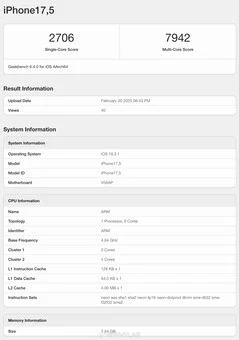
    Recently, the iPhone 16e was spotted on Geekbench under the model number “iPhone 17,5,” equipped with 8 GB of RAM. The results show a single-core score of 2,706 and a multi-core score of 7,942. For comparison, the standard iPhone 16 achieved scores of 3,377 and 8,362 in our tests. This data suggests that the iPhone 16’s CPU might be about 10% stronger than that of the iPhone 16e, which is intriguing since both devices share the same number of CPU cores and clock speed.

    GPU Performance Comparison

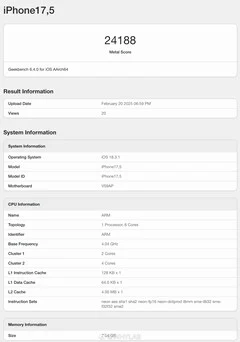
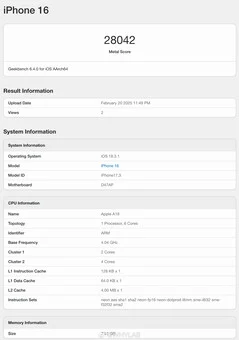
    The Metal test results from Geekbench highlight the impact of the missing GPU core in the A18 chip of the iPhone 16e. It scored 24,188 on the Metal test, while the vanilla iPhone 16 managed a score of 28,042. This indicates that the absence of one core likely allows the iPhone 16 to be approximately 15% more efficient in GPU performance.

    Pricing and Trade-offs

    Although it is somewhat disheartening that the iPhone 16e does not match the performance levels of the iPhone 16, there is a silver lining: the new device is priced $200 lower. For prospective buyers, the slightly diminished performance and the absence of an ultra-wide-angle camera might be seen as a reasonable compromise.

    Don’t forget to check out the Apple Watch Ultra 2 available on Amazon.

    Source:
    Link


  • Apple iPhone 17 Could Include In-House WiFi Chip with C1 Modem

    Apple iPhone 17 Could Include In-House WiFi Chip with C1 Modem

    Key Takeaways

    1. Apple has launched the iPhone 16e with its first in-house cellular modem, the C1, reducing reliance on Qualcomm.
    2. Analyst Ming-Chi Kuo reports that Apple may develop its own WiFi chips for the upcoming iPhone 17, moving away from Broadcom.
    3. The iPhone 17 series is expected to be the first to feature Apple’s proprietary WiFi chips, potentially debuting in the iPhone 17 Air model.
    4. Developing in-house WiFi technology could lower costs for Apple and enhance the integration of its ecosystem across devices.
    5. The information on these developments is based on unverified reports, so it should be approached with skepticism.


    Apple has launched the iPhone 16e, featuring its first-ever in-house cellular modem, a development that has been anticipated for several months. This C1 model signifies a shift away from the company’s previous reliance on Qualcomm’s Snapdragon modems for its connectivity needs. However, it appears Apple is planning to push the envelope even further with the upcoming iPhone 17.

    WiFi Chip Development for iPhone 17

    According to well-known analyst Ming-Chi Kuo on X (previously known as Twitter), Apple might be working on its own WiFi chips for the iPhone 17. The introduction of the C1 modem in the iPhone 16e has already allowed the company to distance itself from Qualcomm’s technology. Currently, Apple relies on Broadcom for its WiFi chips, but rumors suggest that the company could soon start producing its own.

    Expected Features of the iPhone 17 Series

    Kuo also mentioned in his latest industry analysis that the iPhone 17 series might be the first to feature Apple’s in-house WiFi chips. Set to debut in the latter half of this year, it’s likely that only the iPhone 17 Air model will utilize the new C1 modem chip. By using its own WiFi technology, Apple can potentially lower costs by eliminating dependence on third-party manufacturers. Beyond cost savings, a major advantage would be the improvement of the Apple ecosystem.

    Over time, Apple could integrate these proprietary WiFi chips into all its devices, including MacBooks, iPads, and iPhones, which would enhance connectivity across platforms. It’s important to note that this information is based on unverified reports, so it’s wise to approach these updates with some skepticism. Stay tuned for further developments.