Key Takeaways
1. Samsung may take several months to release the Galaxy S26 series, but price hike discussions are already occurring.
2. Component costs for the Galaxy S26 series are rising, with camera hardware and mobile chipsets increasing by 8% and 12%.
3. LPDDR5 RAM prices have surged by over 15%, affecting overall production costs.
4. External factors, like US tariffs, are influencing Samsung’s pricing strategy for the Galaxy S26 series.
5. Despite rising costs, Samsung previously maintained prices for the Galaxy S25 series, suggesting possible minimal or no price increases for the upcoming models.
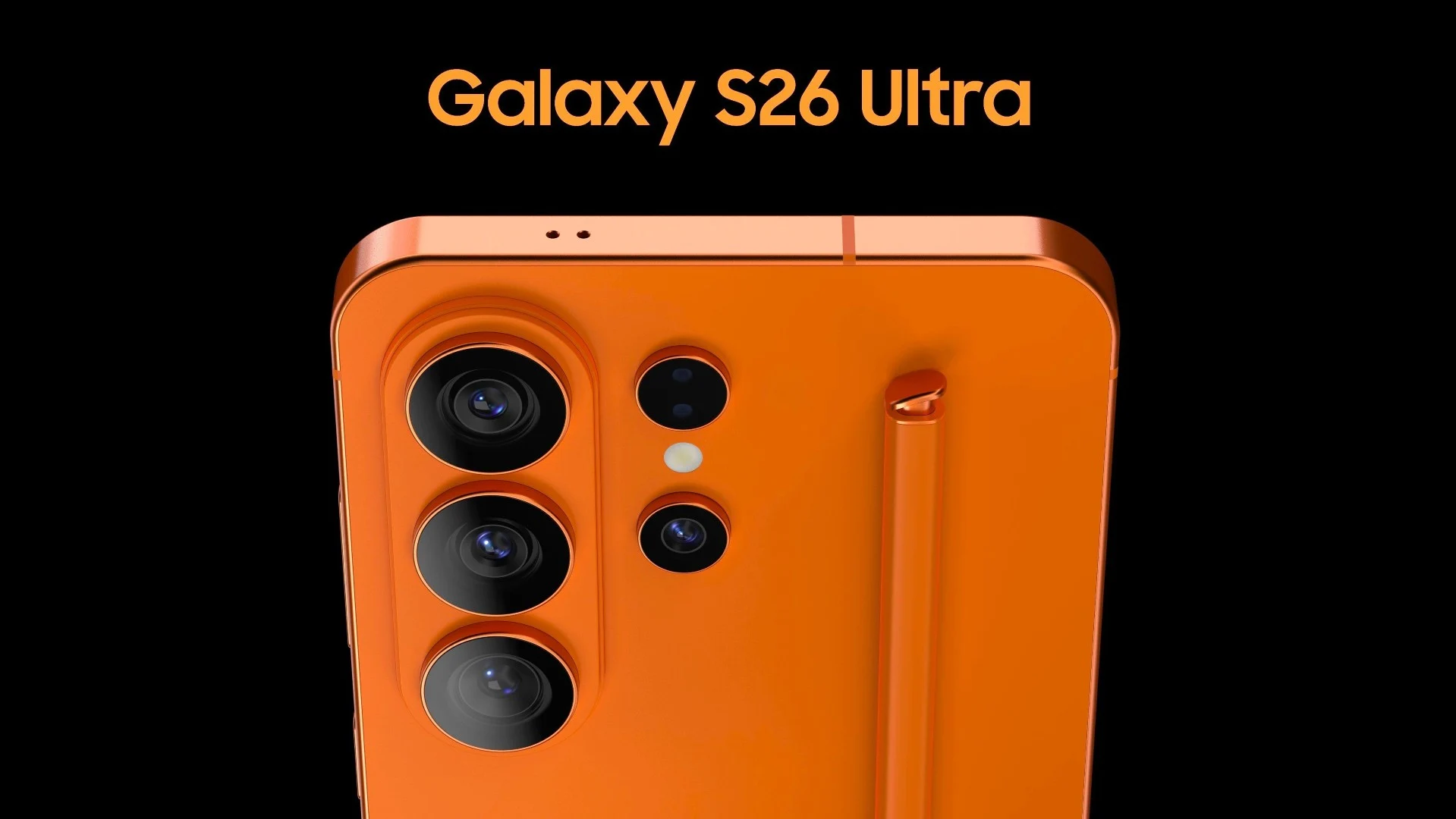
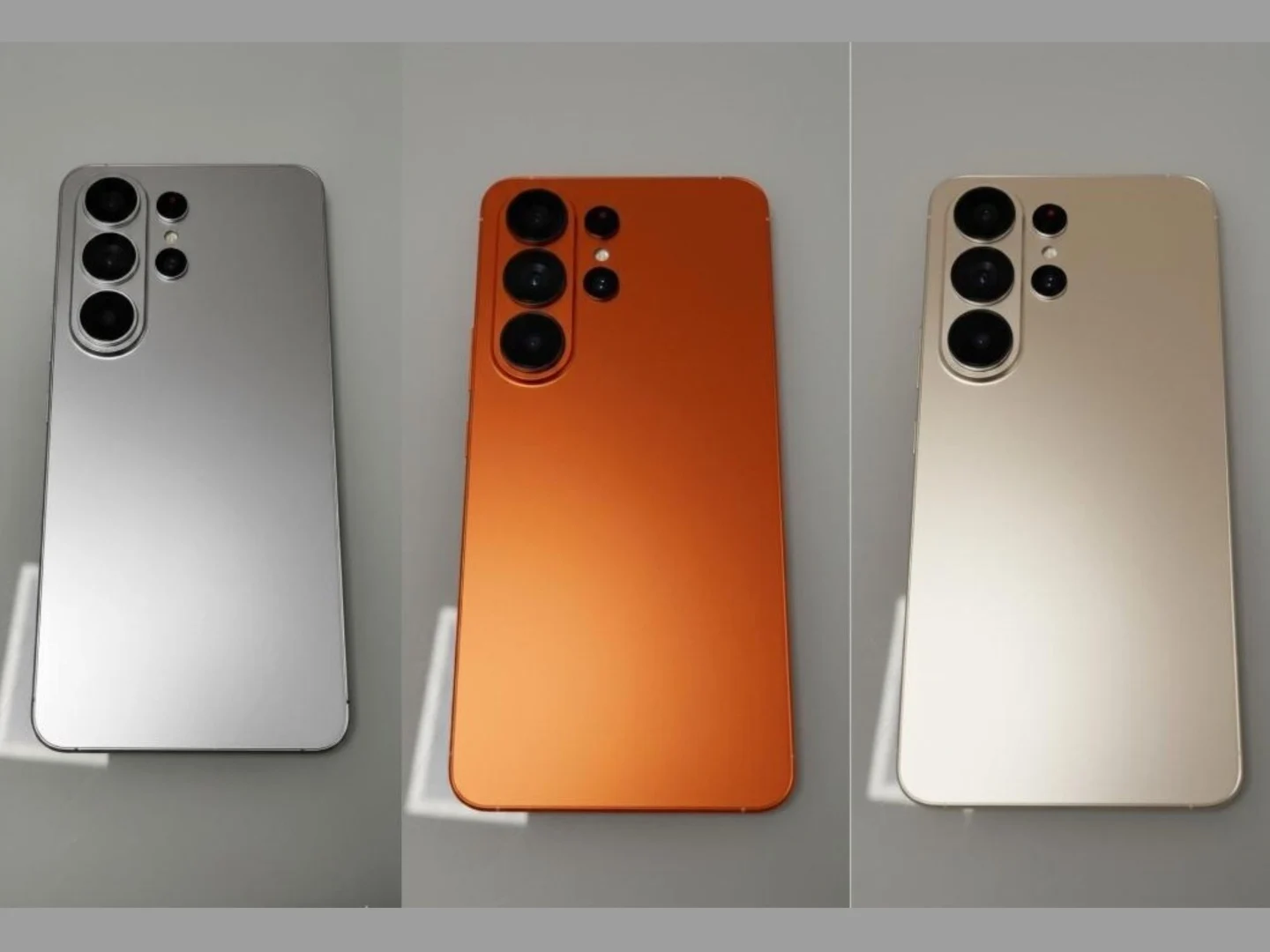
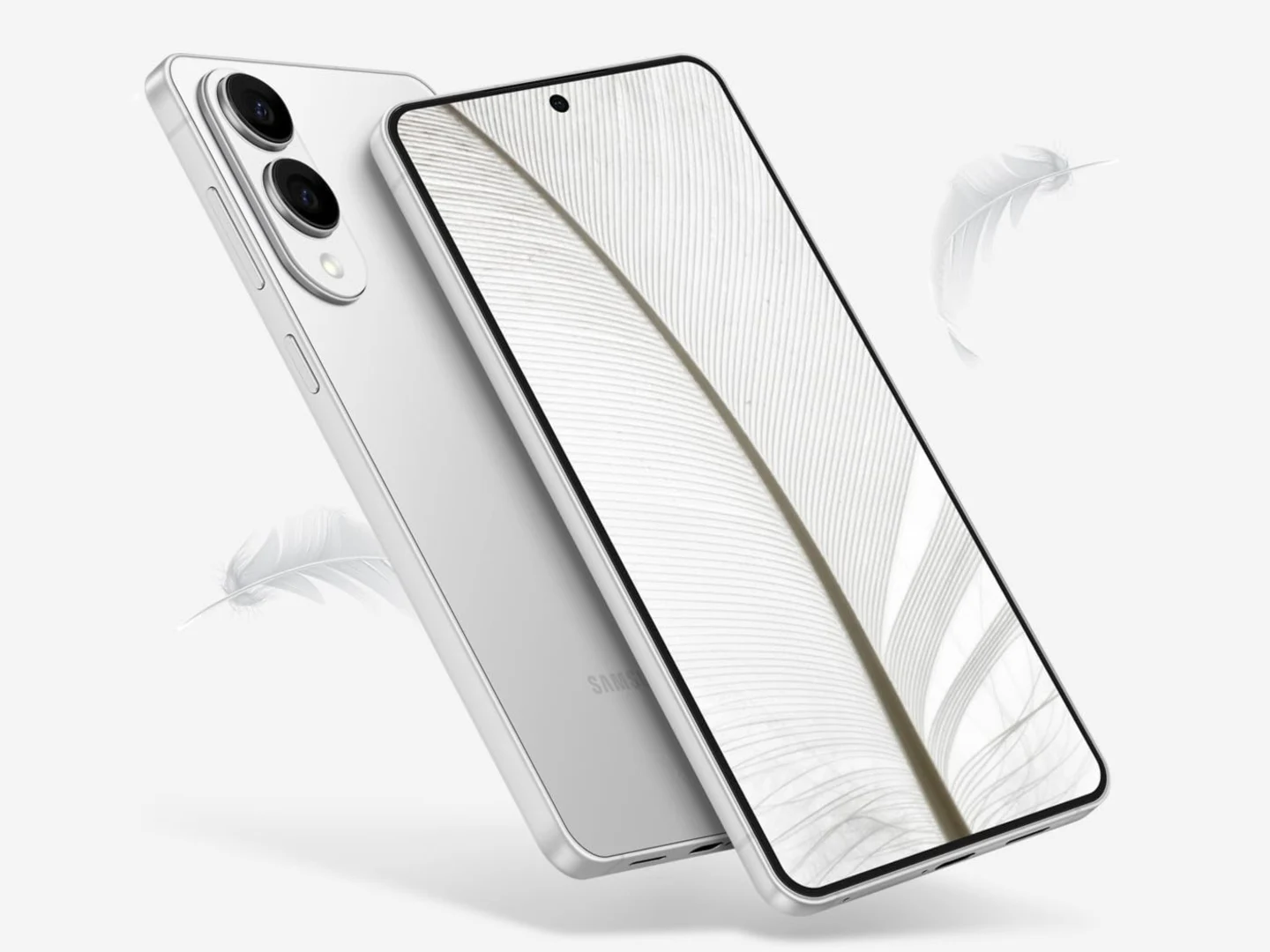
Samsung is thought to still be several months away from introducing new models to replace its current Galaxy S25 series. However, discussions about potential price hikes for the upcoming flagship candybar smartphones have already started circulating from various sources.
Speculations on Pricing
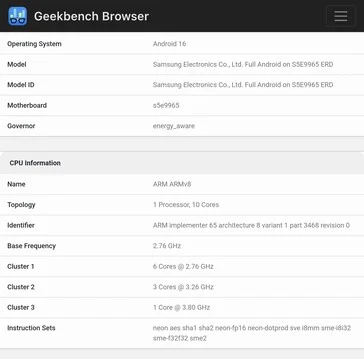
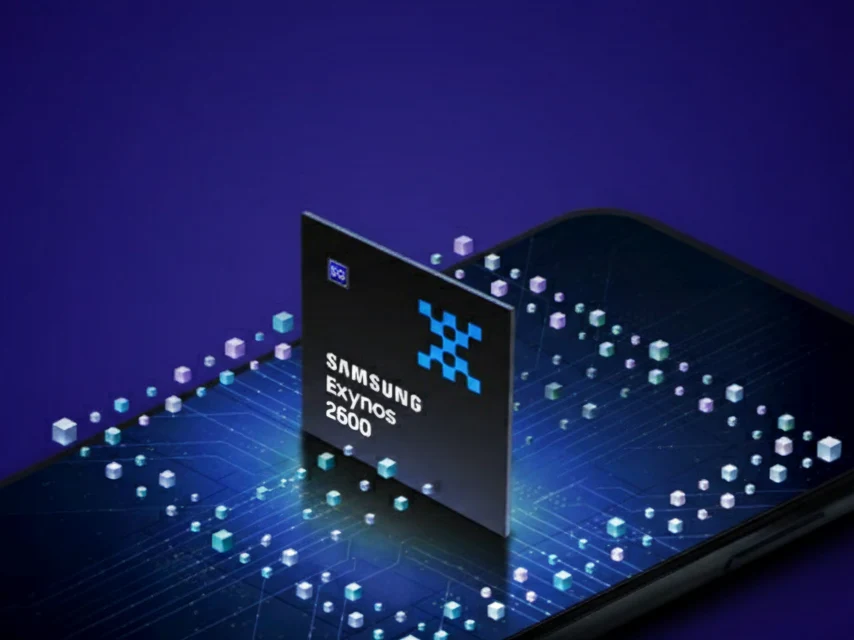
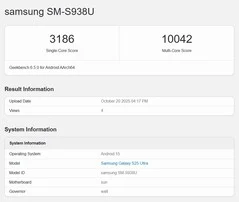
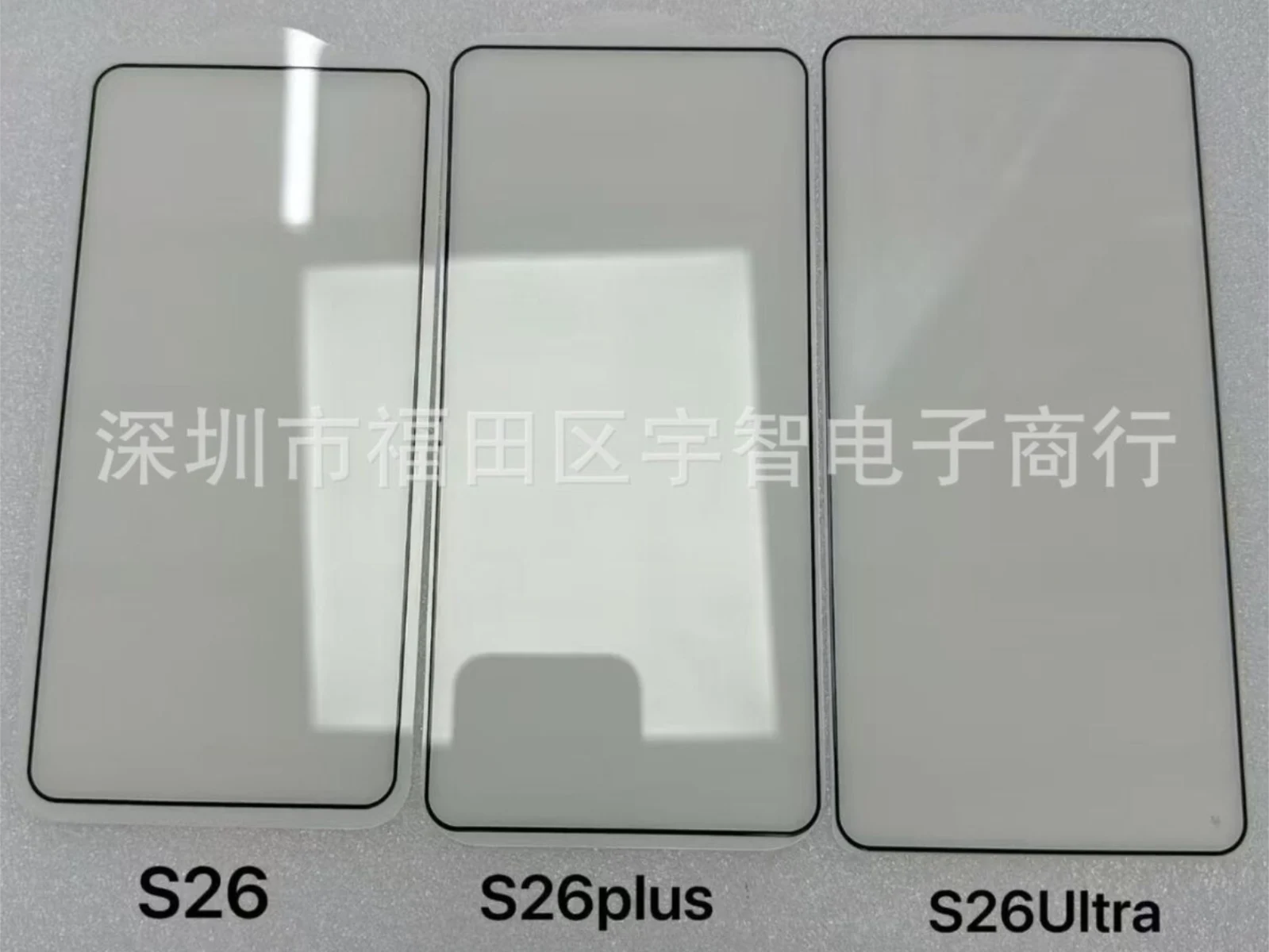
According to a report from ET News, increasing costs of components are likely to lead to higher prices for the Galaxy S26, Galaxy S26 Plus, and Galaxy S26 Ultra. The report references industry insiders and Samsung Electronics’ semi-annual statements, indicating that camera hardware and mobile chipsets have seen price increases of 8% and 12% compared to last year. For the Galaxy S26 series, Samsung is expected to utilize the Exynos 2600 in select markets while using the Snapdragon 8 Elite Gen 5 in others.
Rising Component Costs
Moreover, the expense of acquiring LPDDR5 RAM has reportedly surged by more than 15%. Furthermore, external factors, such as tariffs imposed by the US, are said to be on Samsung’s mind as they make decisions regarding the pricing of the Galaxy S26 series. To give some perspective, the Galaxy S25 series was believed to be set for a considerable price increase compared to its Galaxy S24 predecessors, largely due to the inclusion of Qualcomm’s Snapdragon 8 Elite chipset.
Historical Context
After the release of the Galaxy S25 Ultra (currently priced at $1,025 on Amazon), analyses of the bill of materials pointed out that Qualcomm’s chipset was responsible for the increased production costs. Nevertheless, Samsung chose not to transfer these expenses to consumers, maintaining the price of the Galaxy S25 series to match that of its previous models. Given Samsung’s past practices, it seems plausible that we might see only slight price increases, or even no price hikes at all, in an ideal scenario.
Source:
Link