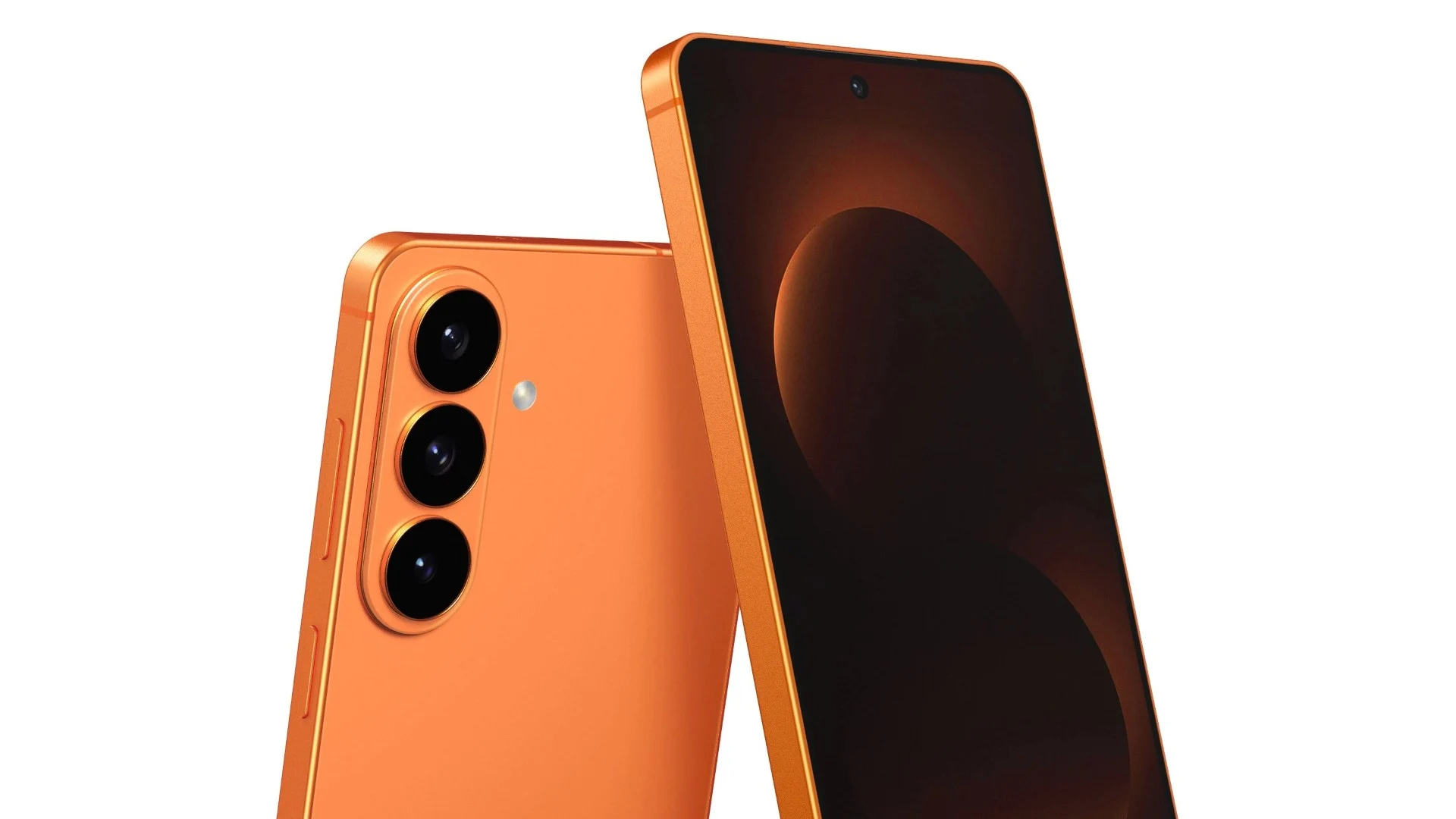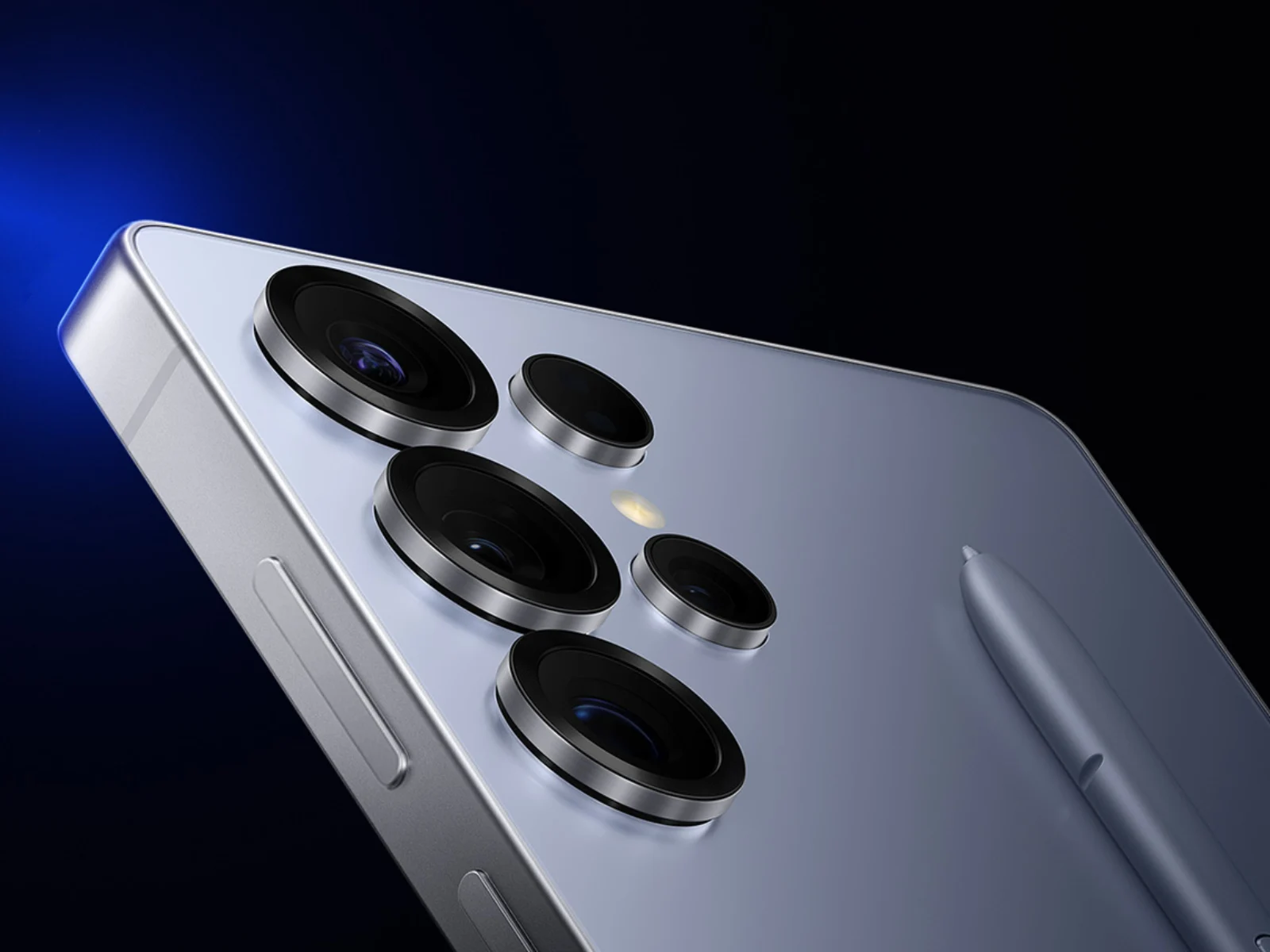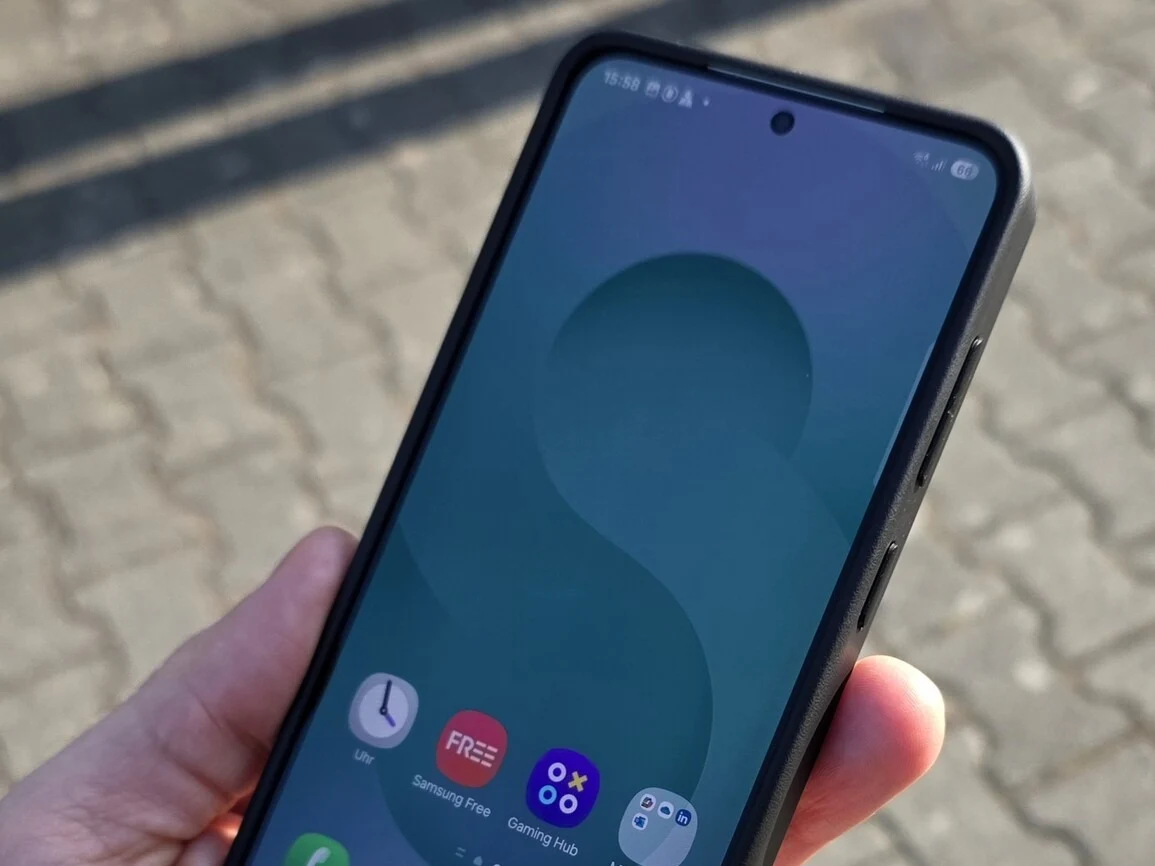
Tag: Galaxy S26

  • Samsung Partners with LG to Test Galaxy S26 Exynos Chips

    Samsung Partners with LG to Test Galaxy S26 Exynos Chips

    Key Takeaways

    1. Samsung will use its Exynos 2600 chipset in both the Galaxy S26 and S26 Plus models.
    2. LB Semicon has joined the testing process for the Exynos 2600, expanding Samsung’s testing partnerships.
    3. Samsung’s System LSI designs the chips, while its Foundry division handles large-scale production and outsources testing.
    4. The Exynos 2600 chipset is expected to capture a 25% share of the total chip supply, with Snapdragon providing the remaining 75%.
    5. LB Semicon has prior experience in chip testing, previously working with Google on Samsung’s Tensor chips.


    The Galaxy S26 series is only a few months away, and it’s clear that Samsung will be using its Exynos 2600 in both the standard Galaxy S26 and the S26 Plus versions. Recent reports from etnews reveal that the tech giant is involving an LG affiliate in the chip testing process for the Galaxy S26 to aid in this significant launch. Samsung has officially broadened its Exynos processor testing agreement to include LB Semicon, making it the third vendor working on testing this new in-house chipset.

    Testing Process Underway

    LB Semicon is set to test the processors for the Galaxy S26 series, despite having previously focused on mid-range Exynos application processors. Following the new contract, the company has begun outfitting its Anseong facility with the necessary equipment and is getting ready for operations. In addition to LB Semicon, Samsung is keeping Doosan Tesna and Nepes in the loop for Exynos 2600 testing. These three partners will assess the electrical properties of the wafers after the circuit pattern is finalized to identify any defects in individual chips.

    Production and Partnerships

    Samsung’s System LSI is in charge of designing Exynos chips, while its Foundry division handles large-scale production. The company outsources wafer testing to various vendors to manage the post-production processes, including testing. The expanded list of testing partners fits with industry insights that suggest the Exynos 2600 is expected to capture a 25% share of the total chip supply, while Samsung will heavily depend on Snapdragon for the remaining 75%.

    Experience in Chip Testing

    LB Semicon has experience in handling crucial testing assignments, as they were responsible for chip wafer testing when Google utilized Samsung’s Tensor chips. Now that the processors for Pixel devices are managed by TSMC, the Taiwanese company oversees post-production testing for those chips, freeing LB Semicon to focus on the upcoming Samsung silicon.

    In conclusion, the Galaxy S26 series is shaping up to be a significant release for Samsung, with a strong emphasis on quality through rigorous testing from trusted partners.

    Source:
    Link


  • Galaxy S26 Display May Keep Last-Gen Brightness to Cut Costs

    Galaxy S26 Display May Keep Last-Gen Brightness to Cut Costs

    Key Takeaways

    1. Samsung is focused on keeping the Galaxy S26’s price low by making minimal upgrades and skipping features like a thinner design.
    2. The Galaxy S26 series will have the same Peak Brightness level of 2,600 nits as the Galaxy S25 and S24, raising concerns about display limitations.
    3. The decision to maintain brightness levels might be related to the AMOLED panel’s capabilities or thermal management issues within the Galaxy S26.
    4. Despite the brightness concerns, Samsung may still use the new M14 OLED panels, which are thinner, brighter, and more energy-efficient.
    5. It is uncertain whether the M14 OLED technology will be available for the entire Galaxy S26 lineup or just the Galaxy S26 Ultra.


    It looks like Samsung is doing all they can to keep the Galaxy S26’s price low. They are making small upgrades to the camera and slightly increasing battery size while skipping features like a thinner design. Leaks suggest that Samsung is making many cuts to ensure the Galaxy S26 stays competitively priced against the iPhone 17. Now, it seems that these budget cuts have impacted the display as well.

    Display Brightness Concerns

    According to Ice Universe, the Galaxy S26 series won’t see any enhancement in Peak Brightness, remaining at 2,600 nits, just like the Galaxy S25 and S24. Even the Galaxy S26 Ultra is expected to keep this same brightness level. For comparison, here’s how the entry-level Galaxy S26 compares with its rivals regarding Peak Brightness:

    While a brightness of 2,600 nits is generally sufficient for outdoor conditions, it raises questions about Samsung limiting the maximum brightness of the Galaxy S26. This might be due to the AMOLED panel not being able to achieve higher brightness or to manage thermal issues. The first reason isn’t a huge problem, as the Galaxy S25’s display is already impressive. However, the second reason indicates that Samsung may not be confident in the cooling system within the Galaxy S26 series.

    Future of OLED Technology

    Lastly, Ice Universe suggests that Samsung restricting the Galaxy S26 series Peak Brightness to 2,600 nits doesn’t mean they won’t incorporate the new M14 OLED panels. The latest M14 AMOLED displays are known for being thinner, brighter, and more energy-efficient.

    It’s still uncertain whether the M14 OLED will be exclusive to the Galaxy S26 Ultra or if the entire Galaxy S26 lineup will take advantage of this new technology.


    Source:
    Link


  • Samsung Galaxy S26: 2nm Chips Boost Performance and Efficiency

    Samsung Galaxy S26: 2nm Chips Boost Performance and Efficiency

    Key Takeaways

    1. Historical performance issues: Exynos processors have underperformed compared to Qualcomm chips, leading to doubts about the new Exynos 2600.
    2. Global model differences: European Galaxy flagship models often lag behind U.S. models, a trend expected to continue with the Galaxy S26 and S26+.
    3. Manufacturing advancements: Samsung’s new 2nm GAA process promises modest gains in performance and efficiency, with a 60% manufacturing yield for the Exynos 2600.
    4. Cost savings potential: Samsung could save $20 to $30 per Galaxy S26 unit using the Exynos 2600 compared to the Snapdragon 8 Elite Gen 5.
    5. Optimization concerns: Exynos chips may struggle in real-world usage due to reliance on standard ARM architecture, unlike Qualcomm and Apple’s custom designs.


    Some fans are doubtful about Samsung’s new chip, and they have good reasons for their doubts. Historically, Exynos processors have not performed as well as Qualcomm chips when it comes to efficiency and overall performance. This has led to European Galaxy flagship models often underperforming compared to those in the United States. Reports suggest that this trend will continue into 2026, particularly with the Galaxy S26 and S26+. The successor to the Galaxy S25 Ultra (available here on Amazon) is expected to feature the Snapdragon 8 Elite Gen 5 worldwide.

    Manufacturing Advances

    Recently, Samsung shared its quarterly financial results along with an early look at its new 2nm GAA manufacturing process. They claim this technology offers a 5% boost in performance, an 8% increase in efficiency, and a 5% decrease in chip size when compared to their second-generation 3nm tech. While these enhancements might appear small at first, they have led to approximately 25% of all Galaxy S26 pre-orders being secured, in addition to a significant contract with Tesla valued at over $16.5 billion for producing AI6 chips. Reports indicate that Samsung has achieved a 60% manufacturing yield for the Exynos 2600, surpassing the minimum needed for mass production.

    Cost Savings and Concerns

    Sources from the industry, as reported by Chosun Biz, suggest that Samsung’s Mobile eXperience division could save about $20 to $30 on each Galaxy S26 unit using the Exynos 2600, compared to those with the Snapdragon 8 Elite Gen 5. However, despite Samsung’s positive outlook regarding the Exynos 2600, driven by leaked performance benchmarks, there are increasing worries that Exynos-powered Galaxy flagships might once more fall short in real-world usage. An insider from the industry pointed out that Samsung has chosen to stick with the standard ARM Lumex architecture, while both Qualcomm and Apple have developed their own custom chip designs that offer better optimization.

    Source:
    Link


  • Galaxy S26 RAM and Storage Leak Reveals Disappointing Details

    Galaxy S26 RAM and Storage Leak Reveals Disappointing Details

    Key Takeaways

    1. The Galaxy S26 series is expected to launch by the end of January next year with minor enhancements over the S25 series.
    2. The RAM configurations for the Galaxy S26 models remain the same as the Galaxy S25 series, with no increase in RAM capacity.
    3. The Galaxy S26 and S26 Plus will offer 12 GB + 256 GB and 12 GB + 512 GB options, while the S26 Ultra will have additional choices, including a 12 GB + 1 TB variant.
    4. The global versions will not include a 128 GB storage option, but China will have access to a 16 GB + 1 TB variant.
    5. The memory speeds will improve to 10.7 Gbps, enhancing performance in photography and video features.


    The Galaxy S26 series is set to launch in the early part of next year, likely by the end of January. This new series is anticipated to feature some small enhancements compared to the Galaxy S25 series. However, not all aspects are seeing upgrades, as a recent leak has provided details on the RAM and storage options for the three models. It was earlier noted that memory speeds would be improved this time, but that appears to be the only significant change.

    Leak Details

    Well-known leaker Ice Universe has been actively sharing updates about the Galaxy S26 series. They recently posted on X about the configurations available for the trio of devices. For the Galaxy S26 and Galaxy S26 Plus, options will include 12 GB + 256 GB and 12 GB + 512 GB. The Galaxy S26 Ultra, however, will have more choices with 12 GB + 256 GB, 12 GB + 512 GB, and 12 GB + 1 TB configurations. The global versions will not offer a 128 GB storage option this time, but China will have access to a 16 GB + 1 TB variant.

    No Upgraded RAM

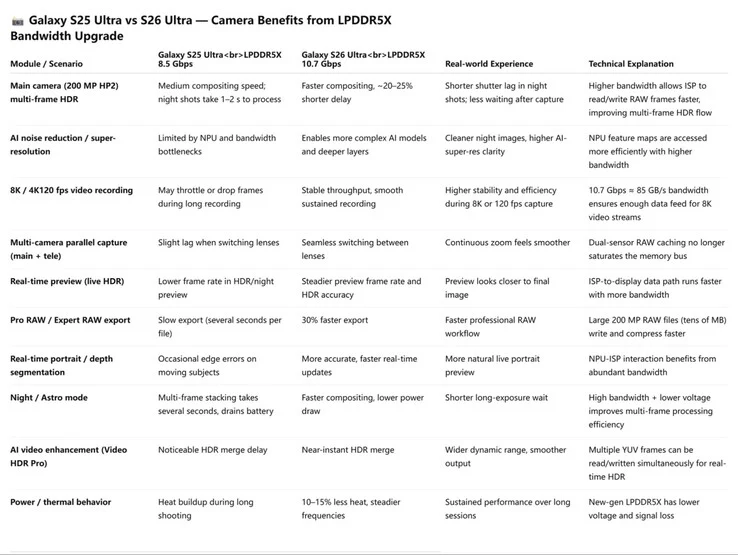
    Interestingly, the RAM configurations mirror those of the Galaxy S25 series, and it seems Samsung has opted against increasing RAM capacity for the Galaxy S26 lineup. Still, last week, the same leaker disclosed that LPDDR5X memory would be upgraded to higher speeds of 10.7 Gbps, up from 8.5 Gbps in the current models. This enhancement should allow for quicker processing of night-time photos, reduced noise in low-light images, improved dynamic range in Pro video, and additional camera enhancements.

    Market Considerations

    Previously, the leaker suggested that the RAM configurations would begin at 12 GB, hinting that larger capacity options might also be included. However, that no longer seems to be the case. The leaker explained that Samsung’s strategy is based on the idea that users in many regions do not actively seek higher RAM configurations and tend to be less demanding, whereas Chinese consumers often have higher expectations. Nonetheless, RAM size isn’t the only factor influencing performance. Optimizations in software, memory management, storage speeds, and various other elements also significantly impact the overall functionality of smartphones.


    Source:
    Link


  • Galaxy S26 Ultra Gets Upgraded Wired Charging; No Change for S26 Models

    Galaxy S26 Ultra Gets Upgraded Wired Charging; No Change for S26 Models

    Key Takeaways

    1. The Galaxy S26 and Galaxy S26 Plus will maintain wired charging speeds of 25W and 45W, respectively, without improvement from their predecessors.
    2. The Galaxy S26 Ultra is expected to have a faster wired charging capability of 60W, up from 45W in the Galaxy S25 Ultra.
    3. Despite lower wired charging speeds than the iPhone 17, the Galaxy S26 is predicted to charge faster due to a larger 4,300mAh battery.
    4. The Galaxy S26 and S26 Plus will feature improved 20W wireless charging, up from 15W in previous models, while the S26 Ultra will support 25W wireless charging.
    5. Competitors like the OnePlus 15 offer significantly faster wired charging at 120W, highlighting the S26’s slower wired charging speeds.


    The Galaxy S26 series has captured a lot of attention recently, which isn’t surprising since it’s Samsung’s upcoming major release, following the Galaxy Z TriFold. Just last week, reports surfaced indicating that the whole lineup will feature faster wireless charging. Now, fresh leaks have shed light on their wired charging specifications.

    Wired Charging Details

    A post from Anthony (@The Galox_) on X disclosed that two models in the Galaxy S26 series will not see an improvement in their wired charging speeds. The Galaxy S26 and Galaxy S26 Plus will continue to charge at 25W and 45W, respectively, similar to their predecessors. However, the Galaxy S26 Ultra is expected to support 60W fast wired charging, an increase from the 45W seen in the Galaxy S25 Ultra (the 512GB model is currently listed on Amazon for $1099.99).

    Charging Comparisons

    Interestingly, the leaker pointed out that although the Galaxy S26 charges at a lower wattage than the iPhone 17, which can handle 35W fast charging, Samsung’s device is expected to charge quicker. This assertion is supported by a screenshot from GSMArena’s testing, which shows that the Galaxy S25 (with a 4,000mAh battery) charges at 25W but reaches a full charge faster than the iPhone 17 (which has a 3,988mAh battery and charges at 35W). The Galaxy S26 is rumored to come with an even larger 4,300mAh battery.

    Wireless Charging Specs

    Nevertheless, the Galaxy S26’s 25W wired charging speed is somewhat underwhelming when compared to numerous smartphones that charge much quicker. For example, the new OnePlus 15 can charge at speeds of up to 120W and includes a wired adapter, unlike Samsung’s offerings.

    Additionally, the source provided information on the wireless charging capabilities of the three devices, which aligns with earlier reports. The Galaxy S26 and Galaxy S26 Plus will offer 20W wireless charging, an improvement from the 15W seen in their older models. The flagship, the Galaxy S26 Ultra, will support wireless charging up to 25W with a compatible charger, exceeding the 15W of the Galaxy S25 Ultra.


    Source:
    Link


  • Samsung Downgrades Galaxy S26 Due to Apple iPhone 17 Competition

    Samsung Downgrades Galaxy S26 Due to Apple iPhone 17 Competition

    Key Takeaways

    1. The upcoming flagship phone from Samsung is expected to be named Galaxy S26, succeeding the Galaxy S25.
    2. The Galaxy S26 will reportedly be 7.24 mm thick, slightly thicker than the Galaxy S25’s 7.2 mm.
    3. Initial plans for a larger 4,900 mAh battery have been scrapped, with the Galaxy S26 expected to have a 4,300 mAh battery instead.
    4. The Galaxy S26 is likely to feature the Sandpragon 8 Elite Gen 5 or Exynos 2600, depending on the region.
    5. A new privacy display feature called ‘Flex Magic Pixel’ is expected for the Galaxy S26 Ultra model.


    In the past few weeks, there has been a lot of back and forth regarding how slim Samsung’s upcoming flagship phone will be. Rumors have fluctuated about whether it will be known as the Galaxy S26 or the Galaxy S26 Pro, but it seems they have landed on the Galaxy S26 as the successor to the Galaxy S25 (currently $456 for a refurbished model on Amazon).

    Current Thickness Comparisons

    To give some perspective, the Galaxy S25 measures a slender 7.2 mm, while Apple’s iPhone 17 and iPhone Air have thicknesses of 8 mm and 5.6 mm, respectively. The Galaxy S26 is reportedly going to be 7.24 mm thick, not including the triple camera bump, which is an increase from earlier predictions of 6.96 mm. Recently, South Korean media has provided some clarity on the mixed messages.

    Changes to Battery Capacity

    It appears that Samsung initially intended to create a slimmer flagship with a bigger battery than the 4,000 mAh unit found in the Galaxy S25, aiming for a 4,900 mAh battery in the rumored Galaxy S26 Pro. However, these plans were reportedly scrapped last month to stay competitive with Apple’s iPhone 17, which is priced at $799 in the United States. Additionally, increasing costs for SoC and RAM have been pointed out as factors pushing the prices of the Galaxy S series upward in the future.

    Expected Upgrades

    However, not sticking with an extensive redesign doesn’t mean that there won’t be upgrades between the Galaxy S25 and the Galaxy S26. The battery capacity is expected to increase by 300 mAh, moving from 4,000 mAh to 4,300 mAh. Furthermore, the Galaxy S26 is likely to come with the Sandpragon 8 Elite Gen 5 in some regions and the Exynos 2600 in others. The new ‘Flex Magic Pixel’ privacy display feature is also said to still be on track for the Galaxy S26 Ultra.

    News Pim via Jukan

    Source:
    Link


  • Faster Night Photos: Galaxy S26 Leak Shows LPDDR5X RAM Upgrade

    Faster Night Photos: Galaxy S26 Leak Shows LPDDR5X RAM Upgrade

    Key Takeaways

    1. The Galaxy S26 lineup is expected to feature 12 GB of LPDDR5X RAM with a speed of 10.7 Gbps, making it the fastest available.
    2. The RAM speed of the Galaxy S26 is 26% faster than the Galaxy S25 series, enhancing memory bandwidth for tasks like AI and image processing.
    3. Potential improvements from the faster RAM may include better image quality in low-light conditions, even with minimal camera hardware upgrades.
    4. Expectations should be tempered, as the camera system is likely to be similar to previous models, despite advancements by competitors.
    5. The Unpacked event for the Galaxy S26 series is expected to take place in a few months, revealing more details.


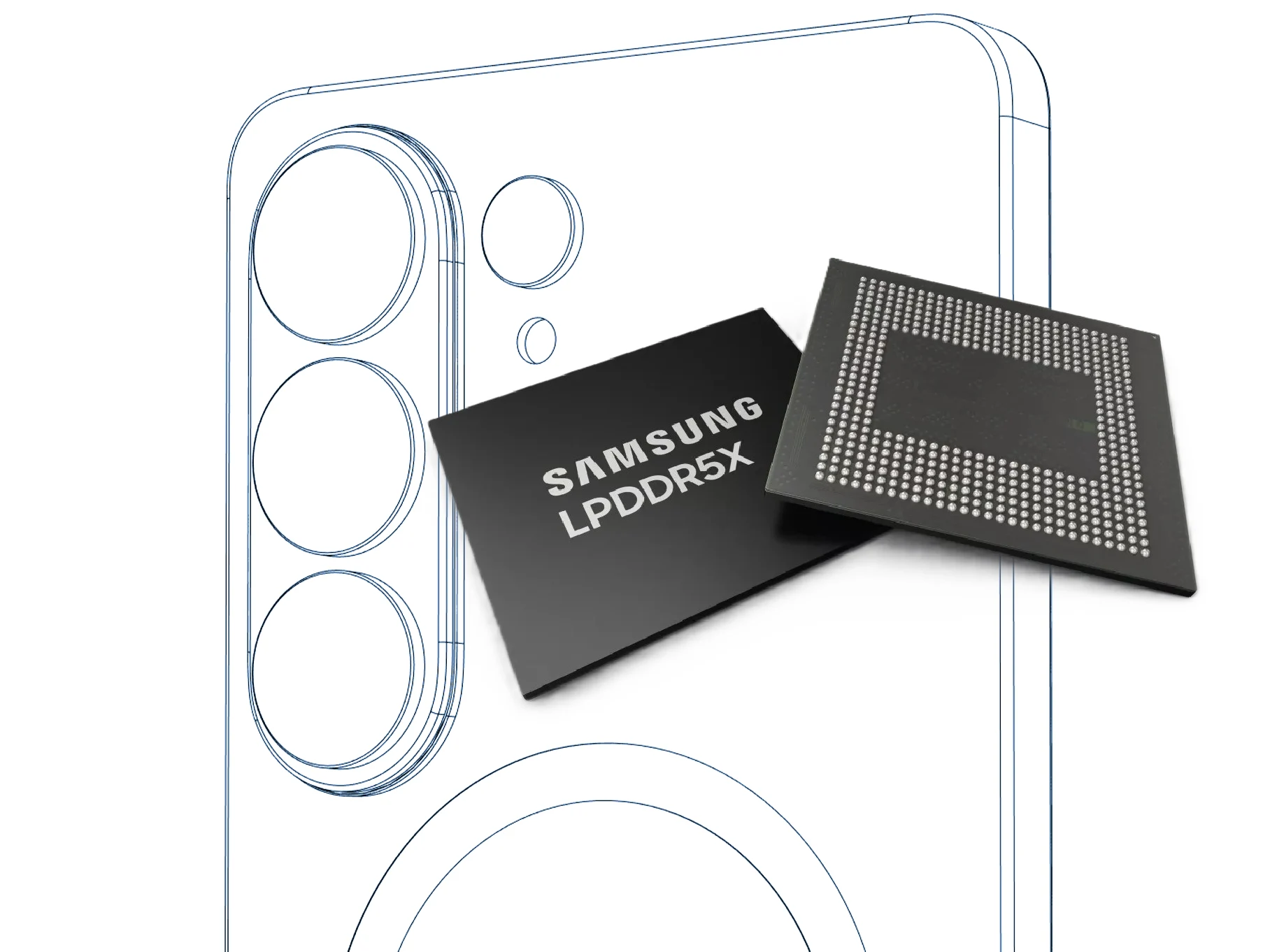
    Another day, another leak about the Galaxy S26! This time, the leaker Ice Universe has shared details about the LPDDR5X RAM that Samsung is likely to include in the Galaxy S26 lineup. The Galaxy S26, Galaxy S26 Plus, and Galaxy S26 Ultra are expected to come with a starting point of 12 GB of LPDDR5X memory, which will operate at a speed of 10.7 Gbps. This is currently the fastest LPDDR5X memory available on the market.

    Faster RAM Speeds

    When we compare it to the Galaxy S25 series, the leaked RAM speed for the Galaxy S26 is 26% quicker, since the Galaxy S25 Ultra only reaches 8.5 Gbps. Therefore, the Galaxy S26 is anticipated to benefit from a significant boost in memory bandwidth, which should assist in memory-heavy tasks such as on-device AI and image processing.

    Possible Enhancements

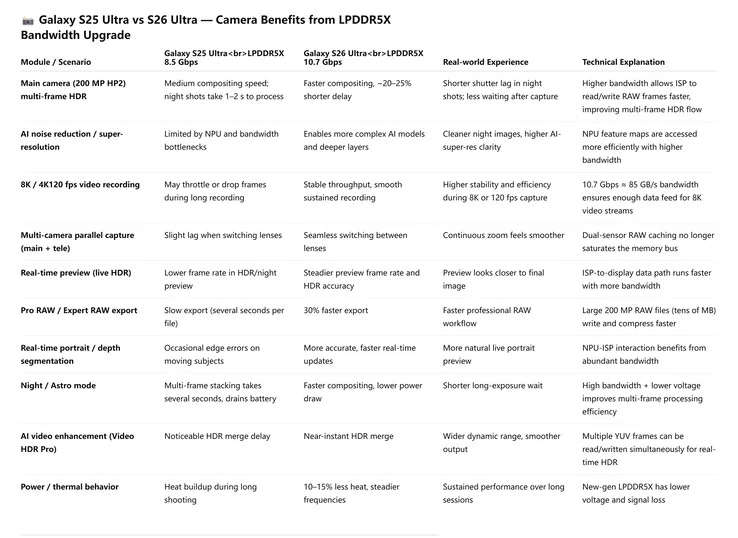
    Now, you might wonder what benefits the Galaxy S26’s faster memory could provide. Ice Universe has created a helpful table outlining potential improvements in image processing, AI, and energy efficiency that could result from the enhanced 10.7 Gbps RAM of the Galaxy S26. Some key upgrades could include:

    Even if the Galaxy S26 has just a few upgrades to its camera hardware, we could see some pleasing enhancements in image quality, particularly in low-light conditions.

    Keeping Expectations Realistic

    That said, it’s wise to temper our expectations, as all the leaks suggest that the camera system will be fairly similar to what we’ve experienced in recent years. This is a bit underwhelming, especially when we observe how Chinese manufacturers are consistently innovating in mobile photography. Even Apple, a brand known for being cautious with big changes, has introduced impressive new cameras in the iPhone 17 Pro.

    We won’t have to wait too long to uncover Samsung’s plans, as the Unpacked event showcasing the Galaxy S26 series is just a few months away.

    Source:
    Link


  • Samsung Galaxy S26 Leak Reveals Ultra-Thin Redesign Details

    Samsung Galaxy S26 Leak Reveals Ultra-Thin Redesign Details

    Key Takeaways

    1. Samsung’s upcoming compact flagship smartphone may be called the Galaxy S26 instead of Galaxy S25.
    2. Recent rumors suggest changes in design, with the Galaxy S26 potentially being thinner than its predecessor.
    3. New specifications indicate the Galaxy S26 will measure approximately 149.5 mm in height and 71.6 mm in width, with a thickness of 7.24 mm.
    4. The Galaxy S26 is expected to resemble a smaller version of the Galaxy S26 Ultra more than the Galaxy S25 Ultra.
    5. The Galaxy S26, along with the S26 Plus and S26 Ultra, is anticipated to launch in early 2026 with options for Exynos 2600 and Snapdragon 8 Elite Gen 5 chipsets.


    The name of Samsung’s upcoming compact flagship smartphone has sparked debate in recent months. There were reports during the summer suggesting that Samsung might not directly succeed the Galaxy S25 with another model. Instead, it was rumored that the company might use the ‘Pro’ label for its smaller flagship, leading to the potential release of the Galaxy S26 Pro.

    Changes in Rumors

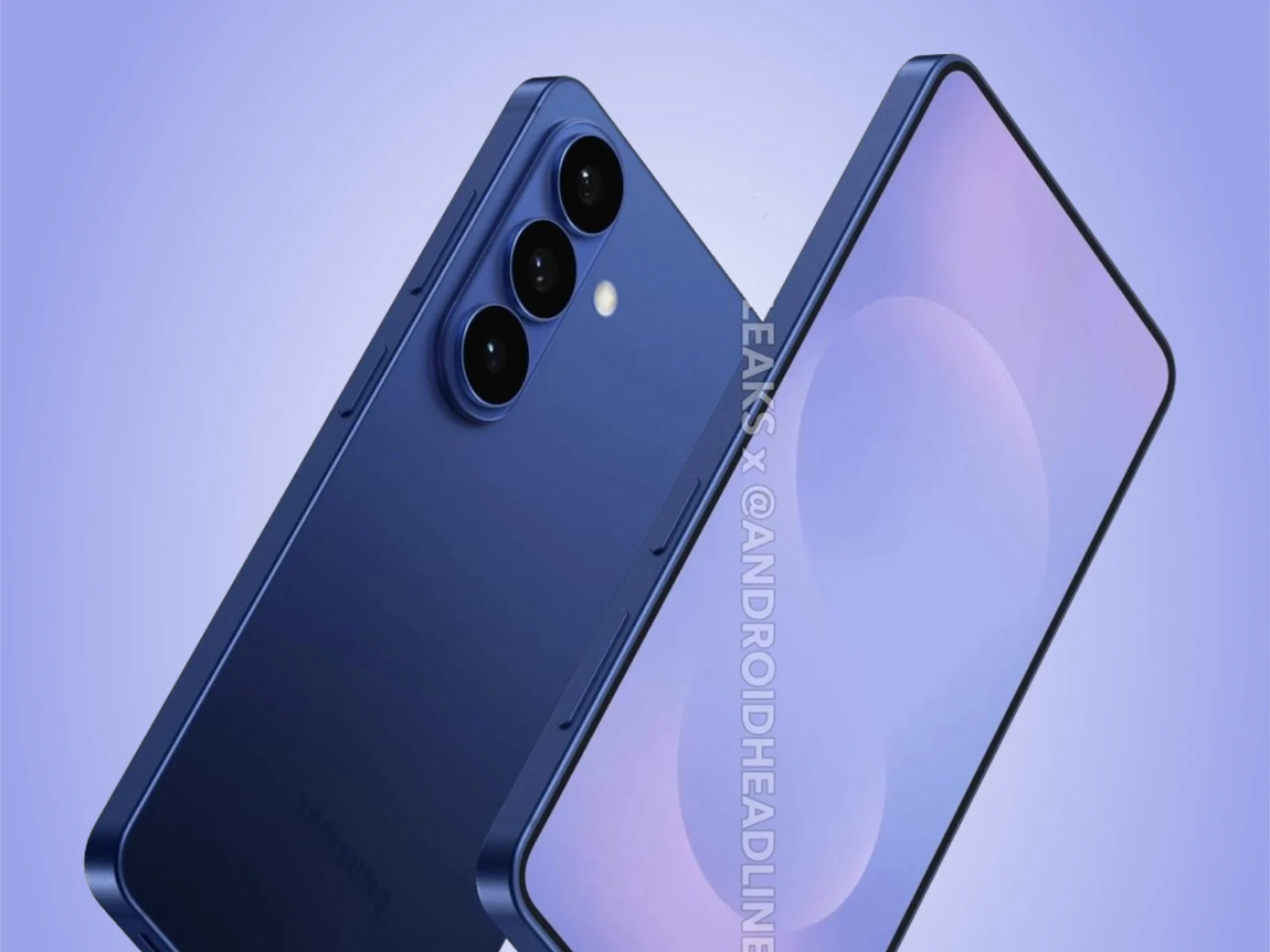
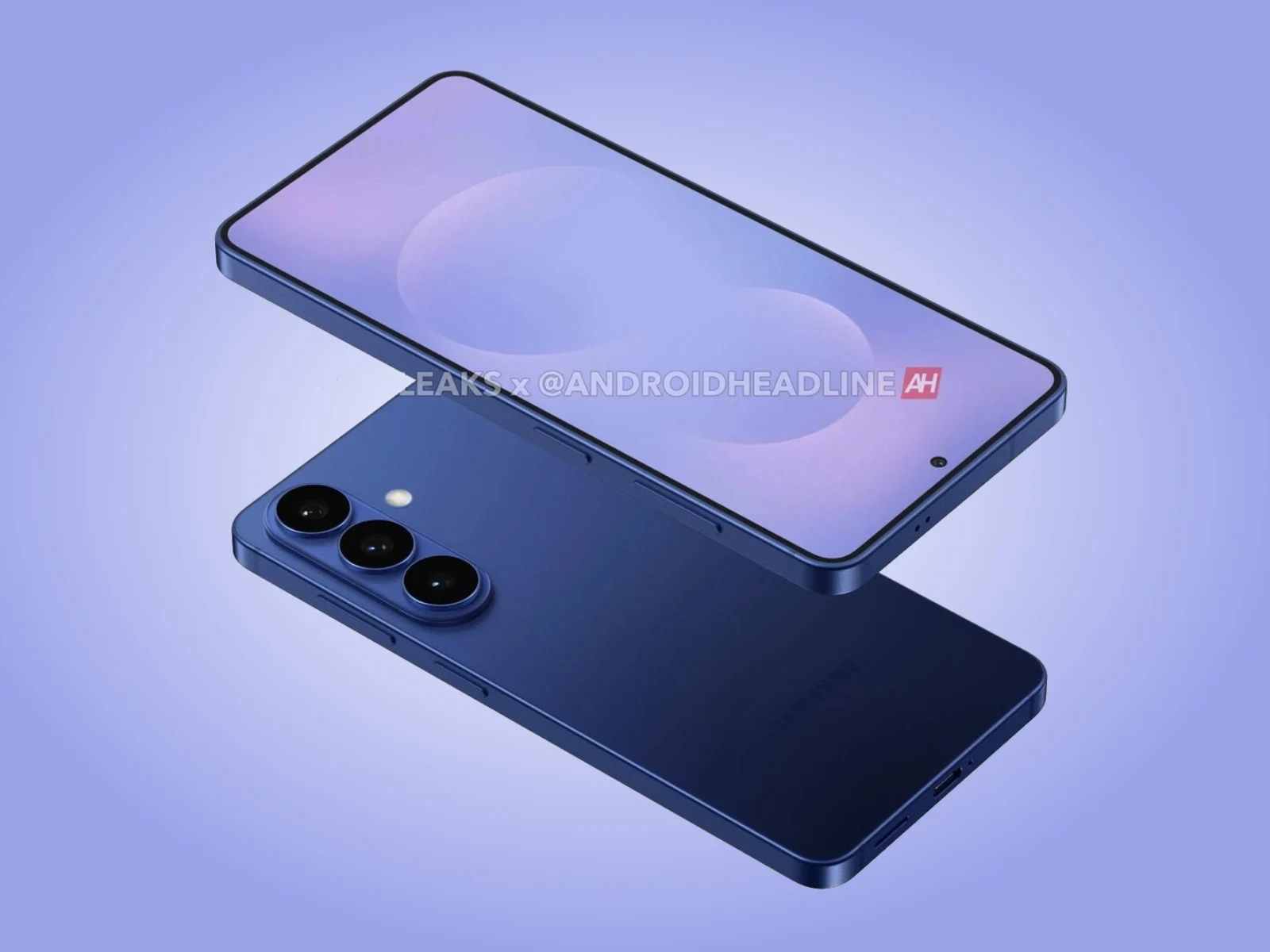
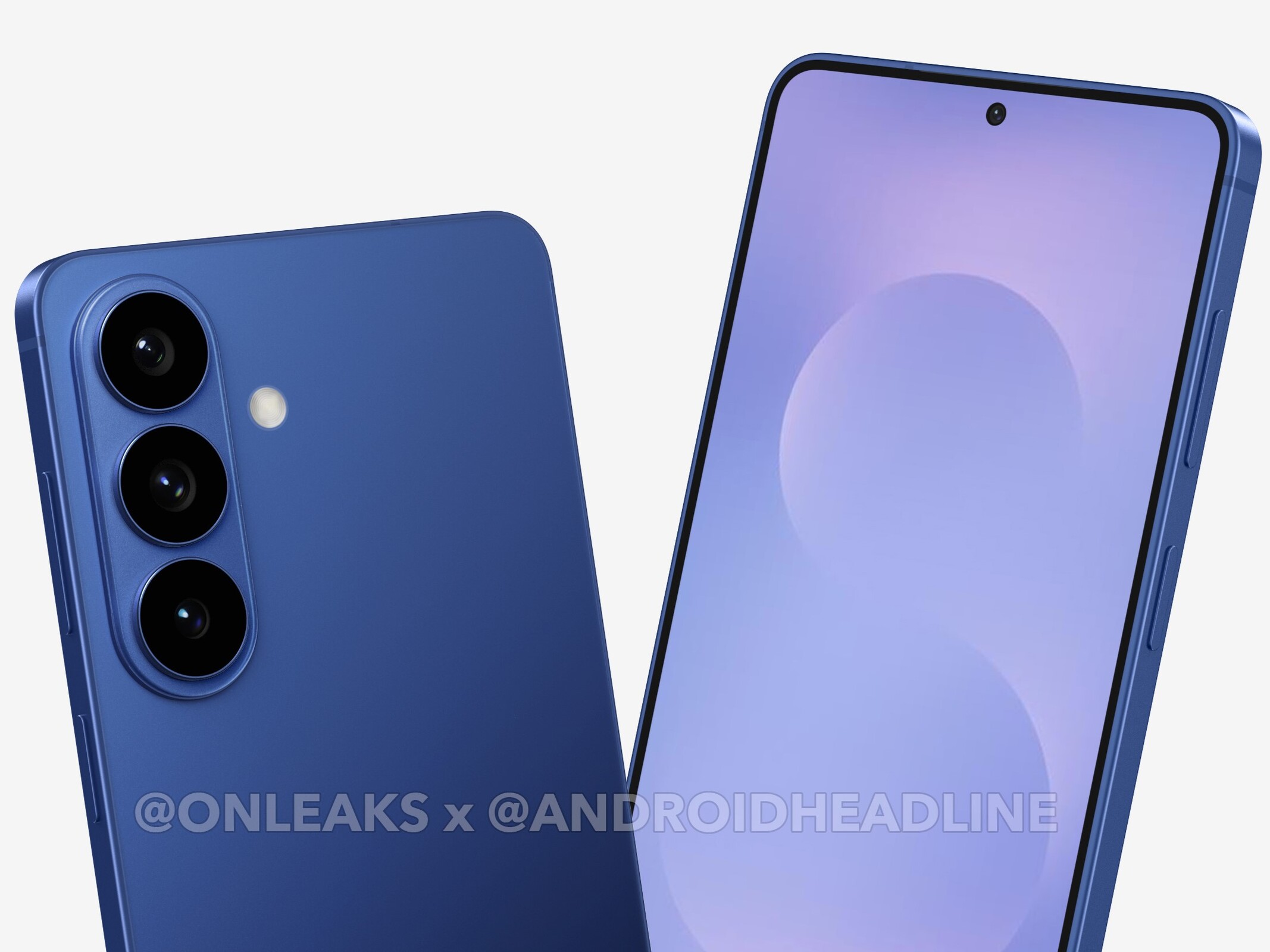
    However, other sources have since backtracked on this claim. Recently, Android Headlines and OnLeaks have shared new render images of the device referred to as the Galaxy S26. It seems that there are more updates than just a name switch.

    New Specifications

    Previously, the two sources indicated that the Galaxy S26 Pro would have dimensions of 149.3 x 71.4 x 6.96 mm, making it considerably thinner than the current Galaxy S25 (priced at $479 for renewed models on Amazon). Ice Universe hinted that this slimmer design would also apply to the Galaxy S26, but OnLeaks suggested that Ice Universe might be using outdated details.

    According to OnLeaks, the latest prototype of Samsung’s device has increased to 7.24 mm in thickness, while measuring 149.5 mm in height and 71.6 mm in width. If these new specifications hold true, the Galaxy S26 would be closer in size to the iPhone 17 or iPhone 17 Pro compared to its predecessor. Overall, the Galaxy S26 seems to resemble a smaller version of the Galaxy S26 Ultra more than the Galaxy S25 Ultra did.

    Anticipated Release

    At present, the Galaxy S26 is anticipated to launch alongside the Galaxy S26 Plus and Galaxy S26 Ultra in early 2026. Consumers can expect options between the Exynos 2600 and Snapdragon 8 Elite Gen 5 chipsets for these devices.

    Source:
    Link


  • Samsung Galaxy S26 Leak: Slimmer Design and Major Changes

    Samsung Galaxy S26 Leak: Slimmer Design and Major Changes

    Key Takeaways

    1. Slimmer Profile: The Galaxy S26 will be only 6.9mm thick, a reduction of 0.3mm from the S25, reflecting Samsung’s trend towards sleeker designs.

    2. New Camera Layout: The standard model will feature a vertical camera island, moving away from the minimalist design seen in recent models.

    3. Display Size and Features: The display is expected to grow slightly to 6.3 inches, with possible enhancements in resolution, while the lineup will focus on standard, Plus, and Ultra versions.

    4. Design Changes for Ultra Model: The S26 Ultra will have more rounded corners, shifting away from the recent boxy aesthetics for a softer look.

    5. Software and Performance: The S26 will come pre-installed with Android 16-based One UI 8.5 firmware, with more concrete details expected as mass production approaches.


    Rumors about the soon-to-be-released Galaxy S26 series are intensifying, indicating a significant design change just months ahead of the anticipated launch. A new leak from a trusted source has disclosed the thickness of the regular Samsung Galaxy S26, suggesting a notably slimmer design and a new look compared to its earlier model. Samsung is set to unveil these devices at an Unpacked event on February 25, 2026, according to recent information.

    Slimmer Profile

    Well-known leaker Ice Universe has shared that the standard Galaxy S26 will be only 6.9mm thick. This means Samsung is reducing the thickness by 0.3mm from the Galaxy S25, which measures 7.2mm. This approximately 4% decrease in thickness aligns with Samsung’s recent trend of differentiating its flagship products through sleek and elegant designs.

    New Camera Layout

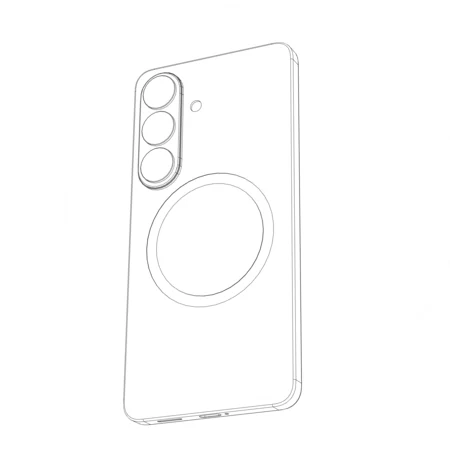
    The report also features a sketch displaying a vertical camera island, moving away from the minimalist, island-free design seen in the last three generations. Naturally, this thinner design raises concerns regarding the possible battery size of the device.

    Additional Features

    Moreover, Samsung is thought to be incorporating other subtle adjustments. The display size is expected to grow slightly to 6.3 inches, up from 6.2 inches, with some speculation that the company might enhance the resolution to match the premium Ultra model. The Galaxy S26 lineup is streamlining again, concentrating solely on the standard, Plus, and Ultra versions. There are indications that an ultra-slim Edge model may be canceled or paused, and the “S26 Pro” is reverting to its original name—the base model.

    Design Changes for Ultra Model

    For the high-end S26 Ultra, leaked design insights point to more rounded corners. This alleged transformation hints that Samsung is finally steering its flagship design away from the boxy, Note-inspired aesthetics that have been in vogue recently, giving the Ultra a softer appearance overall.

    Software and Performance

    On the performance front, the S26 is expected to come with Android 16-based One UI 8.5 firmware pre-installed. There have been many rumors regarding these upcoming flagship phones, and some of them are even conflicting. However, we should expect to learn the concrete details as mass production nears.

    Source:
    Link


  • Samsung Galaxy S26 Exynos 2600 to Boost Camera Features

    Samsung Galaxy S26 Exynos 2600 to Boost Camera Features

    Key Takeaways

    1. Resurgence of Snapdragon-Exynos Comparisons: Anticipation for Samsung’s Exynos 2600 chip could lead to renewed interest in performance comparisons between Snapdragon and Exynos models, especially for the Galaxy S26 series.

    2. Performance and Efficiency Claims: Expectations for the Galaxy S26 tests include improved efficiency, lower heat production, and high performance, supported by recent Geekbench leaks.

    3. Advanced Image Signal Processing: The Exynos 2600 ISP is expected to support high-resolution camera capabilities, including processing for 320 MP sensors and advanced video recording features.

    4. Power Efficiency: The Exynos 2600 ISP is rumored to consume 30% less power than its predecessor, the Exynos 2400, while offering enhanced features like real-time stabilization and AI-driven processing.

    5. Caution Regarding Leaks: There is skepticism about the accuracy of the leaked information, as past leaks have been shown to spread misinformation, suggesting a cautious approach to accepting the details as true.


    Who recalls the once popular comparison videos, like those showcasing the Galaxy S22 Ultra, which pitted a Snapdragon version from the US against its Exynos counterpart in Europe? These clips not only highlighted performance and efficiency, but also looked at differences in camera quality, particularly in low-light video scenarios. If rumors are true and Samsung makes a significant comeback with Exynos next year, debuting the first commercial 2nm chip, the Exynos 2600, and potentially utilizing it for the entire Galaxy S26 series in Europe, these Snapdragon-Exynos comparisons could see a resurgence in interest.

    Expectations for Galaxy S26 Tests

    It’s hoped that the tests for the Galaxy S26 will affirm Samsung’s claims about improved efficiency, which includes lowered heat production and high performance, as suggested by some recent Geekbench leaks. Moreover, a well-balanced ISP, which plays a crucial role in smartphone camera quality and features, is also anticipated. A currently controversial leaker claims that Samsung is diligently working on a completely new image processing system as part of the Exynos 2600 development, which is expected to deliver console-like gaming experiences along with professional-grade camera capabilities and enhanced photo/video quality for the Galaxy S26 series.

    Specifications of Exynos 2600 ISP

    The Exynos 2600 ISP is said to handle processing for 320 MP from a single sensor or 108 MP from three sensors simultaneously, boasting a 14-bit RAW pipeline with 5x frame fusion in HDR. It can record 8K videos at 4K60 in HDR10+ or 4K120. In burst mode, the ISP is rumored to reach 30 frames per second in 108 MP RAW quality. The leaker indicates that the bandwidth between the ISP and NPU could be around 1.8 TB/s. Other features include hybrid OIS and AI-EIS stabilization in real time, along with AI-driven scene segmentation and super-res zoom. Notably, the Exynos 2600 ISP is expected to use 30% less power than the ISP found in the Exynos 2400.

    Caution About Leaks

    It’s important to mention that the leaker has faced scrutiny for various other posts, including unverified Geekbench leaks. Recently, many leaks that are overly favorable to Samsung have been shown to spread misinformation, like the Galaxy S26 specs leak from a few days ago. Thus, it’s wise to approach this leak with caution. However, since we can’t dismiss the chance that some of the details could be accurate, we’ve chosen to share this information with the appropriate disclaimer.

    Source:
    Link