Tag: Apple Watch Series 9

  • Apple Watch Ultra 2 and Newer to Get watchOS 27 Only

    Key Takeaway

    – watchOS 27 introduces new AI features like a Siri AI app, but will only be available on the Apple Watch Ultra 2, Series 9, or SE 3.
    – Three older models (Series 8, SE 2, and first-gen Ultra) will lose support for feature updates.
    – Apple limits these AI features to newer hardware because the S9 chip is up to 52% faster and required for optimal performance.
    – Using an older processor (based on 2019’s A13) made it unfeasible to offer the same Siri AI experience across all platforms.


    watchOS 27 Brings Big Changes, But Only for Newer Watches

    Apple announced watchOS 27 at WWDC, the next major operating system update for the Apple Watch, which is expected to be released this fall. The update primarily introduces new AI features, such as the brand-new Siri AI app, which resembles chatbots like ChatGPT, aswell as an improved Workout Buddy. However, the operating system requires at least an Apple Watch Ultra 2, an Apple Watch Series 9, or an Apple Watch SE 3.

    Older Models Left Behind in This Update Cycle

    So this means watchOS 27 can be installed on three fewer generations of Apple Watches than watchOS 26 – the Apple Watch Series 8, SE 2, and even the first-generation Apple Watch Ultra from 2022 will no longer recieve feature updates. Speaking to TechRadar, David Clark, who is responsibile for watchOS development, explained the reasons behind this decision. According to him, Siri AI and the new tap gesture work “best” when the processing power of the Apple Watch Series 9 and newer models is available.

    The Processor Power Gap Is the Real Reason

    Apple is thus once again limiting an AI feature to relatively new hardware, likely not least to encourage users of older models to upgrade. The Apple Watch Series 6, 7, and 8 use a technically identical processor that is still based on the architecture of the Apple A13 from 2019. It wasn’t until the Apple S9 in the Apple Watch Series 9 and Ultra 2 that a new chip was introduced, which remained unchanged through the Series 11. As our benchmarks show, the newer chip is up to 52 percent faster.

    Why Apple Didn’t Offer a Lite Version for Older Watches

    According to David Clark, releasing watchOS 27 without Siri AI for older models would not have been an option, as Apple aims to offer the same version of Siri accross all platforms. This means users of those unsupported watches—like the Series 8, SE 2, or original Ultra—wont get any further feature updates at all. The decision cleary pushes owners of older devices toward upgrading if they want the latest AI capabilities, which is a familiar pattern form Apple in recent years.

    • Supported models: Apple Watch Ultra 2, Series 9, SE 3
    • Unsupported models: Series 8, SE 2, first-gen Ultra
    • Key new features: Siri AI chatbot, improved Workout Buddy, tap gesture
    • Processor improvement: Up to 52% faster in newer models
    Sources
  • Apple Launches New AirTag with 4 Key Upgrades Over Previous Model

    Apple Launches New AirTag with 4 Key Upgrades Over Previous Model

    Key Takeaways

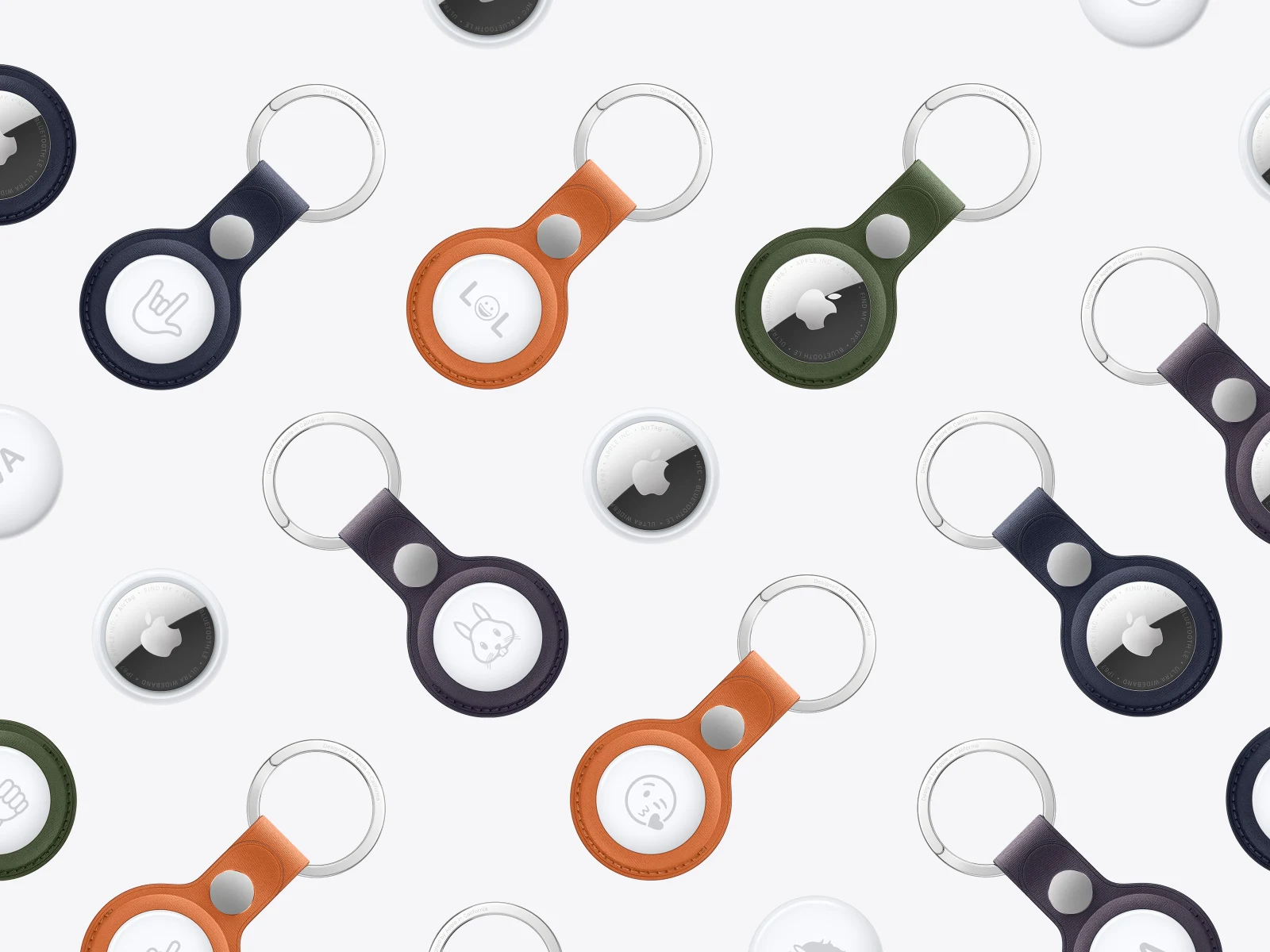
    1. Improved Range: The second-generation AirTag features a new Bluetooth chip that enhances tracking range, though exact details are not provided.

    2. Enhanced Precision Finding: The updated ultra-wideband (UWB) technology increases Precision Finding distances by up to 50%.

    3. Compatibility with Apple Watch: The new UWB chip allows Precision Finding to be used with Apple Watch models starting from Series 9 and Watch Ultra 2.

    4. Louder Speaker: The second-generation AirTag has a speaker that is 50% louder, making it easier to locate from a greater distance.

    5. Design and Accessory Compatibility: The design remains similar to the first-generation model, ensuring compatibility with existing accessories.


    Apple has at last launched its second-generation AirTag. This new version comes nearly five years after the original was introduced (currently priced at $25 on Amazon). The updated AirTag is set to improve on the first-generation tracking device in multiple important ways.

    Enhanced Range and Tracking

    For instance, Apple states it has enhanced the range with a new Bluetooth chip. However, the company hasn’t revealed the exact extent of this improvement or the number of metres the new AirTag can be tracked. Additionally, Apple mentions that an improved ultra-wideband (UWB) enhances Precision Finding distances by as much as 50%, but details are lacking.

    Compatibility and Sound Improvements

    The new UWB chip also extends Precision Finding to Apple Watch models starting from Series 9 and Watch Ultra 2. Furthermore, Apple claims that the second-generation AirTag features a speaker that is 50% louder than before. This modification means that the new AirTag can be heard from twice the distance of its predecessor.

    Overall, the design of the new AirTag remains mostly the same as that of the first-generation model. Because of this, the new version should work with all accessories from the original, whether they are made by Apple or third-party companies. The new AirTag is priced at $29 individually or $99 for a pack of four. For more information, check out Apple’s official website.

    Source:
    Link


  • Blood Oxygen Monitoring for Apple Watch Series 9, 10, and Ultra 2

    Blood Oxygen Monitoring for Apple Watch Series 9, 10, and Ultra 2

    Key Takeaways

    1. Apple temporarily halted sales of the Apple Watch 9 and Ultra 2 in December 2023 due to a patent dispute with Masimo over blood oxygen monitoring technology.
    2. To resume sales, Apple removed the blood oxygen monitoring feature from these models in January 2024.
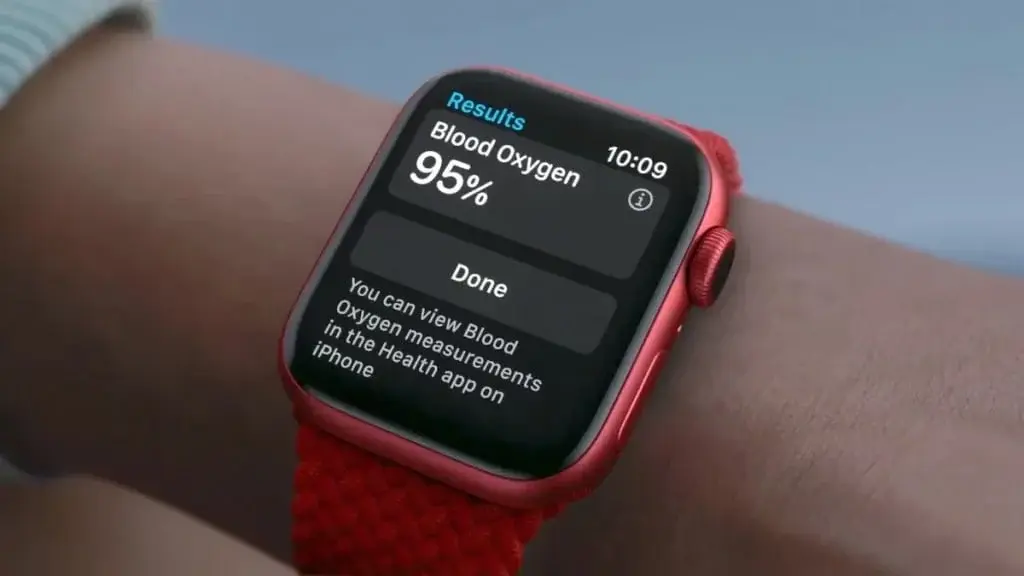
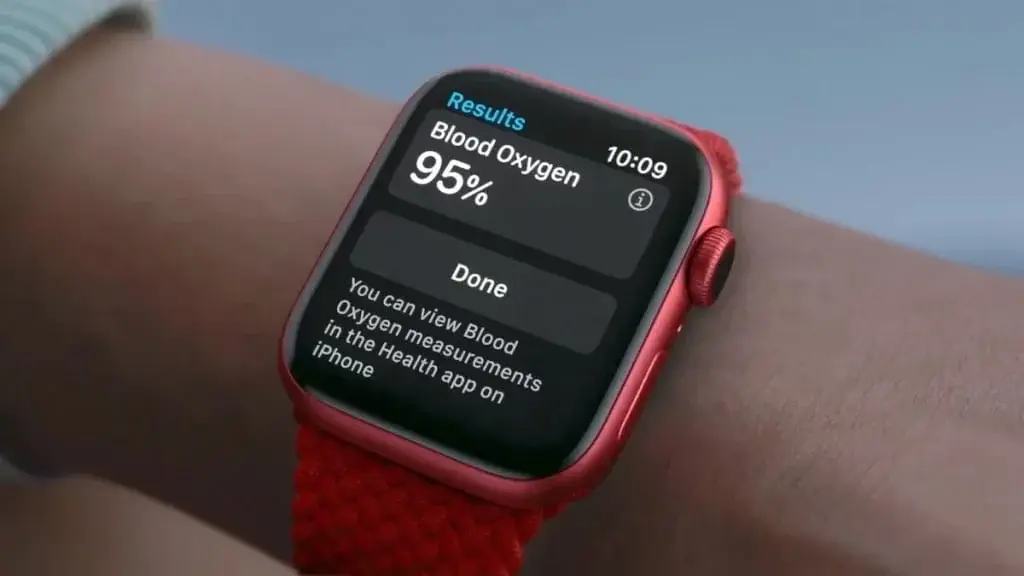
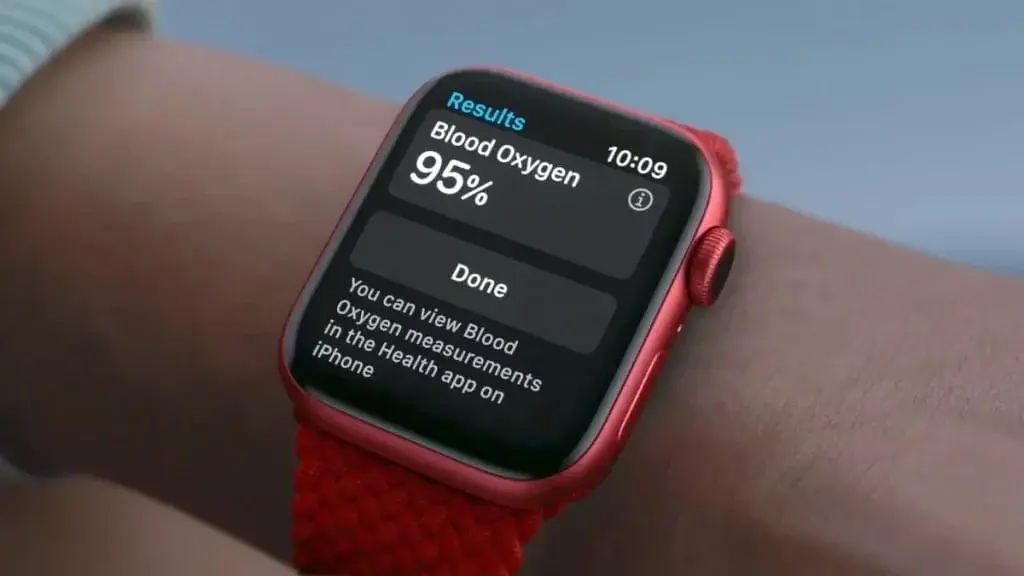
    3. Blood oxygen monitoring has been reintroduced through a firmware update scheduled for August 14, 2024, but requires an iPhone for tracking.
    4. Users must upgrade their iPhone to iOS 18.6.1 and Apple Watch to watchOS 11.6.1 to access the feature, which only applies to models sold after January 17, 2024.
    5. Models purchased before January 17, 2024, and those sold outside the US will retain the original blood oxygen monitoring capabilities.


    Back in December 2023, Apple temporarily stopped selling the Apple Watch 9 and Apple Watch Ultra 2 in the United States due to a conflict over its blood oxygen monitoring technology. The company had to back off and remove this feature from those models, but blood oxygen monitoring is making a comeback since Apple has discovered a workaround, although there is a catch.

    Background on the Dispute

    For those who might not know, Apple first added blood oxygen monitoring with the Series 9 smartwatch. At that time, they were entangled in a lengthy patent battle with Masimo, a company that specializes in medical technology and pulse oximeters. Masimo accused Apple of violating its patents, and the International Trade Commission (ITC) sided with Masimo, resulting in a sales ban for the Apple Watch Series 9. Consequently, Apple had to pause sales briefly in December 2023, but by January 2024, it opted to eliminate the blood oxygen feature to restart sales in the US.

    New Update on Features

    Now, Apple has announced that blood oxygen monitoring will be available again on the Apple Watch Series 9, Series 10, and Ultra 2 in the US, thanks to a firmware update scheduled for later today (August 14). The way Apple bypassed the ban was by transferring the measurement and calculation of data to the iPhone. The smartwatches will merely gather the required data and send it to the Respiratory section of the Health app, where users can keep track of their levels.

    This adjustment means that an iPhone is necessary to track blood oxygen, and the data won’t be accessible directly on the watch. Users will also need to upgrade their connected iPhone to iOS 18.6.1 and their Apple Watch to watchOS 11.6.1. This change will only apply to Apple Watch models sold after January 17, 2024. Models purchased before this date, as well as those sold outside the US, will still have blood oxygen monitoring capabilities as usual.

    Conclusion

    In summary, Apple is making strides to reintroduce the blood oxygen monitoring feature after overcoming legal hurdles. As always, staying updated with the latest software versions is crucial for users wanting to access these functionalities.

    Source:
    Link


  • Apple watchOS 26 Launches with AI Workout Buddy Feature

    Apple watchOS 26 Launches with AI Workout Buddy Feature

    Key Takeaways

    1. Introduction of the AI-based “Workout Buddy” for motivational support during workouts.
    2. Enhanced Workout app with personalized workouts, music playlists, and automatic volume adjustment.
    3. Smart Stacks feature providing useful prompts based on user habits and sensor data.
    4. Upgraded communication features, including AI-translation for text messages and caller information alerts.
    5. Compatibility for watchOS 26 is limited to Apple Watches from 2020 onwards, excluding the first-generation Apple Watch SE.


    Apple has revealed watchOS 26 for its Apple Watches, featuring a fresh Liquid Glass interface, handy new tools, and an AI-based Workout Buddy. This operating system works with all Apple Watches that came out in 2020 or later (like the Apple Watch 10 available on Amazon), except for the first-generation Apple Watch SE.

    Introduction of Workout Buddy

    The Workout Buddy needs to be linked to an iPhone that supports Apple Intelligence and Bluetooth headphones. While users exercise, the Buddy offers motivational support to help them meet their targets, providing updates on various stats like distance, heart rate, milestones, and pace. After each workout, users receive congratulatory messages. All the spoken encouragement is generated by AI, with the right tone and energy for popular activities such as running, walking, and strength training.

    Enhancements in the Workout App

    The Workout app has been revamped to allow easier access to personalized workouts, while Apple Music can now pick playlists that fit the user and their workout preferences. It can also suggest additional playlists and podcasts based on previous exercise history. The volume of the speaker adjusts automatically to match the surrounding noise levels.

    Apple Watches with watchOS 26 will use Smart Stacks to show useful prompts based on a user’s daily habits and sensor data. For instance, if a user appears to be lost, a prompt may suggest using the Backtrack feature to retrace their steps. A simple flick of the wrist now enables users to dismiss notifications. If someone tends to forget things, they can record notes using the new Notes app by typing or dictating.

    Improvements in Communication Features

    In watchOS 26, calling and messaging get several upgrades. Text messages will be AI-translated automatically and offer suggested actions based on their content. However, Live Translation is limited to the Apple Watch Series 9, Series 10, and Ultra 2 when connected to an Apple Intelligence-supported iPhone. Users can now hear the name of the caller and the reason for the call before picking up. Furthermore, when on hold during a call, users will receive alerts when they are taken off hold.

    Source:
    Link

  • Apple sued by consumers over carbon neutrality claims

    Apple sued by consumers over carbon neutrality claims

    Key Takeaways

    1. Consumers have filed a lawsuit against Apple, claiming the Apple Watch models are falsely marketed as “carbon neutral.”
    2. The lawsuit argues that two carbon offset projects funded by Apple have not effectively reduced carbon emissions.
    3. Allegations suggest that the claimed carbon reductions would have occurred regardless of Apple’s involvement in the projects.
    4. The misleading marketing is said to hinder consumer choice and deny informed buying decisions in the smartwatch market.
    5. The legal case is currently ongoing in the United States District Court of Northern California.


    Apple might not be as green as they say.

    A recent lawsuit from consumers suggests that the tech giant misrepresented the Apple Watch Series 9, Apple Watch Ultra 2, and Apple Watch SE. These watches were marketed as “carbon neutral,” but seven buyers argue that this claim is misleading.

    Claims About Carbon Neutrality

    According to Apple, the watches achieved carbon neutrality through a mix of lowered emissions and funding carbon credits by investing in carbon reduction initiatives. The lawsuit, which involves customers from Florida, California, and Washington, D.C., asserts that two carbon offset projects funded by Apple have failed to effectively lower carbon emissions.

    One of these projects is located in China, while the other is in a national forest in Kenya. Both initiatives focus on forestry, but the lawsuit claims they have done very little to actually reduce atmospheric carbon. The Kenyan project has been protected from deforestation since 1983, and the Chinese initiative is situated in a tree-rich area.

    Allegations of Misleading Information

    The lawsuit contends that “in both instances, the carbon reductions would have happened regardless of Apple’s participation or the projects’ existence. Since Apple’s claims of carbon neutrality rely on the effectiveness and credibility of these projects, its assertions are false and deceptive.” Apple stated that these initiatives have “retired 485,000 metric tons of carbon dioxide equivalents,” according to the lawsuit, which also claims these statements are misleading and incorrect.

    The individuals involved in the lawsuit expressed that “Apple’s misleading marketing tactics… hinder consumer choice” and “[deny consumers] the chance to make informed buying decisions in the smartwatch sector.” The main argument in the lawsuit is that “each Plaintiff might not have bought the Products or would not have paid as much had they known that Apple’s ‘carbon neutral’ assertions were untrue,” indicating that Apple’s advertising led to financial harm by manipulating consumer choices.

    Current Legal Proceedings

    The case, titled Dib et al v. Apple Inc., has been filed in the United States District Court of Northern California under Case number 5:25-cv-02043 and is presently ongoing.

    Source:
    Link

  • Grab the Apple Watch Series 9 (GPS, 41mm) in India – ₹2,499 Off

    Grab the Apple Watch Series 9 (GPS, 41mm) in India – ₹2,499 Off

    In India, the initial cost of the Apple Watch Series 9 (GPS, 41mm) starts at ₹34,999. By using an SBI or ICICI debit or credit card during checkout, customers can save an extra ₹2,499, reducing the effective price to ₹32,499. Let's delve into what the Apple Watch Series 9 offers.

    Enhanced Features of the Apple Watch Series 9

    The Apple Watch Series 9 introduces innovative hand gestures and a cutting-edge Apple Silicon chip.

    Say farewell to constant screen tapping with the Series 9's new "Double Tap" gesture, enabling users to execute various tasks like answering calls, pausing music, or silencing alarms by simply tapping their thumb and index finger together.

    Performance Upgrades and Integration

    The Series 9 boasts a significant performance boost with a new Apple silicon chip featuring 60% more transistors and 30% faster operation than its predecessor, the Series 8. This enhancement leads to a smoother user experience. Additionally, the chip's four-core neural engine handles Siri requests and dictation directly on the watch, enhancing speed and security. Despite these advancements, the battery life remains a reliable 18 hours.

    Taking inspiration from AirTags, the Series 9 utilizes ultra-wideband support for Precision Finding, enhancing location accuracy. Moreover, the watch seamlessly integrates with HomePod, simplifying smart home device management.

    Display, Sustainability, and Design

    The Series 9 optimizes the always-on Retina display, boosting its maximum brightness to an impressive 2000 nits while still allowing it to dim down to 1 nit for comfortable viewing in low-light settings.

    Apple emphasizes environmental responsibility by incorporating recycled materials and reducing packaging in the Series 9. The watch is available in a fresh assortment of colors, including a new pink variant.

  • Apple Launches Refurbished Apple Watch Series 9 in China

    Apple Launches Refurbished Apple Watch Series 9 in China

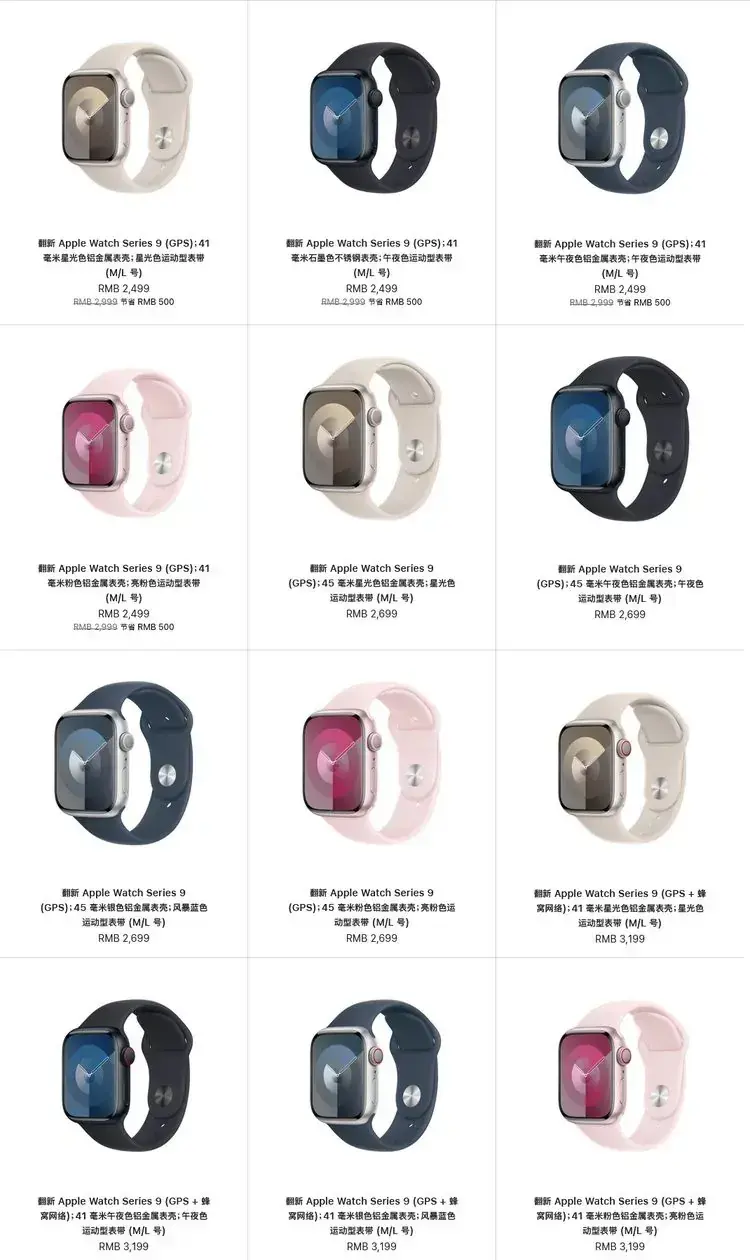
    Apple China recently expanded their selection of refurbished Apple Watch options by including Series 9 models in their lineup, starting from 2,499 Yuan ($360 USD). Available choices range from aluminum, stainless steel ceramic and glass builds as well as options for cellular connectivity – see image for further reference:

    Pricing Details

    For 41mm versions and 2,699 for 45mm versions respectively. However, GPS+cellular editions come at 3,199 each for both 41mm and 45mm sizes.These price points offer significant cost-cutting potential of between 500 yuan to 800 yuan when compared with brand new Apple Watch Series 9 models.

    Enhance Features Of Apple Watch Series 9

    Apple unveiled their Apple Watch Series 9 in September 2023 with an S9 SIP sporting 5.6 billion transistors – an increase of 60% compared to Series 8. This chip delivers 30% improved GPU performance for longer battery life on each charge and doubled outdoor peak brightness (2,000nits vs 1000nits in Series 8). Apple promises it can last 18 hours between charges with this display reaching outdoor peak brightness levels reaching 2000 nits doubling their outdoor brightness levels from Series 8.

    New Features And Warranties Provided Information.

    Apple has introduced an innovative "double tap" gesture with the Series 9. Users can perform specific actions by simultaneously tapping their index finger and thumb against the screen. While Apple offers one year warranties on refurbished Apple Watch models, such devices might display minor signs of wear over time and should not be seen as brand new products.

    [Apple Launches Refurbished Apple Watch Series 9 in China]

  • Apple’s Blood-Oxygen Smartwatch Resale Delayed Until 2028

    Apple’s Blood-Oxygen Smartwatch Resale Delayed Until 2028

    There's positive news for Apple Watch users in the United States who are missing the blood oxygen monitoring feature. Recent developments suggest a potential return, although the timeline remains uncertain and could be lengthy.

    Apple's Efforts to Overturn the Ban

    Apple is making efforts to appeal the ban that led to the removal of the blood oxygen monitoring feature. This move could pave the way for an earlier reinstatement of the functionality.

    Following a lawsuit from Masimo regarding the infringement of pulse oximetry technology, Apple faced restrictions on the Apple Watch Series 9 and Apple Watch Ultra 2. Documents from the U.S. Customs and Border Protection hint that Apple may be able to resume selling watches with the blood oxygen feature by August 2028, coinciding with the expiration of the patent in question.

    Ongoing Challenges and Future Outlook

    Apart from the patent expiration, Apple is challenging the ban set by the U.S. International Trade Commission, potentially leading to a quicker return of the blood oxygen functionality. However, the absence of a settlement between Apple and Masimo poses a significant hurdle. Masimo is concerned about potential misuse through jailbroken iPhones and is pushing for stricter preventive measures.

    The situation remains complex, and the lack of a licensing agreement between the parties adds to the uncertainty. The potential financial implications for Apple are significant, given the popularity of Apple Watches among its product lineup. The outcome remains to be seen, but for now, users will have to wait for updates on the reintroduction of blood-oxygen-measuring Apple Watches to the market. Stay tuned for further developments!

  • Apple is currently researching touchscreen problems on select Watch Series 9 and Ultra 2 models

    Apple is currently researching touchscreen problems on select Watch Series 9 and Ultra 2 models

    Apple has confirmed it’s investigating an issue affecting a number of Apple Watch Series 9 and Apple Watch Ultra 2 models in an internal memo shared with Apple’s Authorized service providers.

    The memo, obtained by MacRumors, reads “Some customers may report their Apple Watch Series 9 or Apple Watch Ultra 2 is experiencing false touches on their display.”

    Issue with Apple Watch Series 9 and Apple Watch Ultra 2

    The issue can lead to unexpected behavior in some Apple Watch models without any user interaction. This may include unintended phone calls, apps opening or closing without prompts, or difficulty entering the device passcode.

    Erratic Screen Behavior

    In an internal memo, Apple described the issue as potentially causing the affected watches’ screens to “jump erratically” or exhibit other unprompted actions. There’s no current indication of how widespread the problem may be, or whether it stems from a hardware fault or a software bug.

    The company, however, recommends that users ensure their Apple Watch is running the latest watchOS version, implying that a software fix may be possible. Apple has neither confirmed a timeline for a resolution nor commented on whether faulty hardware could be contributing to the issue.

    Temporary Solution and Investigation

    For the time being, Apple has reportedly informed technicians at Authorized Service Providers to avoid repairing affected devices while the investigation is ongoing.

    A temporary solution suggested for users who encounter the issue is to force restart their Apple Watch. You can do it by pressing and holding the Digital Crown and side button simultaneously for at least 10 seconds, or until the Apple logo is displayed. Since Apple is aware of this issue, we might expect an update to fix it pretty soon.

  • Apple Watch Saves US Student from CO2 Poisoning

    Apple Watch Saves US Student from CO2 Poisoning

    The Life-Preserving Capabilities of the Apple Watch

    The Apple Watch has garnered recognition for its life-preserving potential, with numerous recounted instances where individuals attribute their survival to the gadget. The most recent tale hails from Natalie Nasatka, a Delaware scholar spotlighted on CBS. Natalie confronted a life-threatening predicament stemming from carbon monoxide poisoning, but the SOS call functionality on her Apple Watch facilitated swift assistance.

    Preventing Carbon Monoxide Poisoning

    Natalie’s ordeal commenced with severe fatigue and lapses in consciousness. Unbeknownst to her, a malfunctioning heater in her living quarters emitted lethal carbon monoxide gases. Carbon monoxide, being scentless and flavorless, poses a formidable challenge to detect. Regrettably, at that point, Natalie did not possess a carbon monoxide detector in her abode.

    The Emergency SOS Call Functionality

    In the midst of the emergency, Natalie successfully triggered the SOS feature on her Apple Watch, prompting an urgent emergency intervention. Firefighters promptly arrived at her home, rescuing her from the perilous setting. This episode underscores the life-preserving capability of the Apple Watch, a trait that numerous others have also experienced. Apple strategically incorporates such narratives in their promotions, showcasing the device’s lifesaving aptitude.

    Crucial Attributes of the Apple Watch

    The Apple Watch flaunts an array of health and fitness surveillance attributes, such as heart rate monitoring and blood oxygen level supervision. These attributes equip users to oversee their health status. Additionally, the pivotal SOS call feature grants swift access to emergency services during crises.

    Activating the SOS Call Feature

    Activating the SOS call functionality on an Apple Watch necessitates merely holding down the side button and selecting SOS. Even with the latest watchOS release, this operation remains unaltered, accentuating its importance and the urgency for users to acquaint themselves with it. In a recent occurrence, two Apple Watch users shared their lifesaving encounters with CEO Tim Cook, eliciting personalized email responses.

    The Apple Watch has transcended its role as a mere intelligent wearable gadget, affirming its utility as a potentially life-preserving ally for individuals concerned about their welfare and safety.