Key Takeaways
1. Apple temporarily halted sales of the Apple Watch 9 and Ultra 2 in December 2023 due to a patent dispute with Masimo over blood oxygen monitoring technology.
2. To resume sales, Apple removed the blood oxygen monitoring feature from these models in January 2024.
3. Blood oxygen monitoring has been reintroduced through a firmware update scheduled for August 14, 2024, but requires an iPhone for tracking.
4. Users must upgrade their iPhone to iOS 18.6.1 and Apple Watch to watchOS 11.6.1 to access the feature, which only applies to models sold after January 17, 2024.
5. Models purchased before January 17, 2024, and those sold outside the US will retain the original blood oxygen monitoring capabilities.
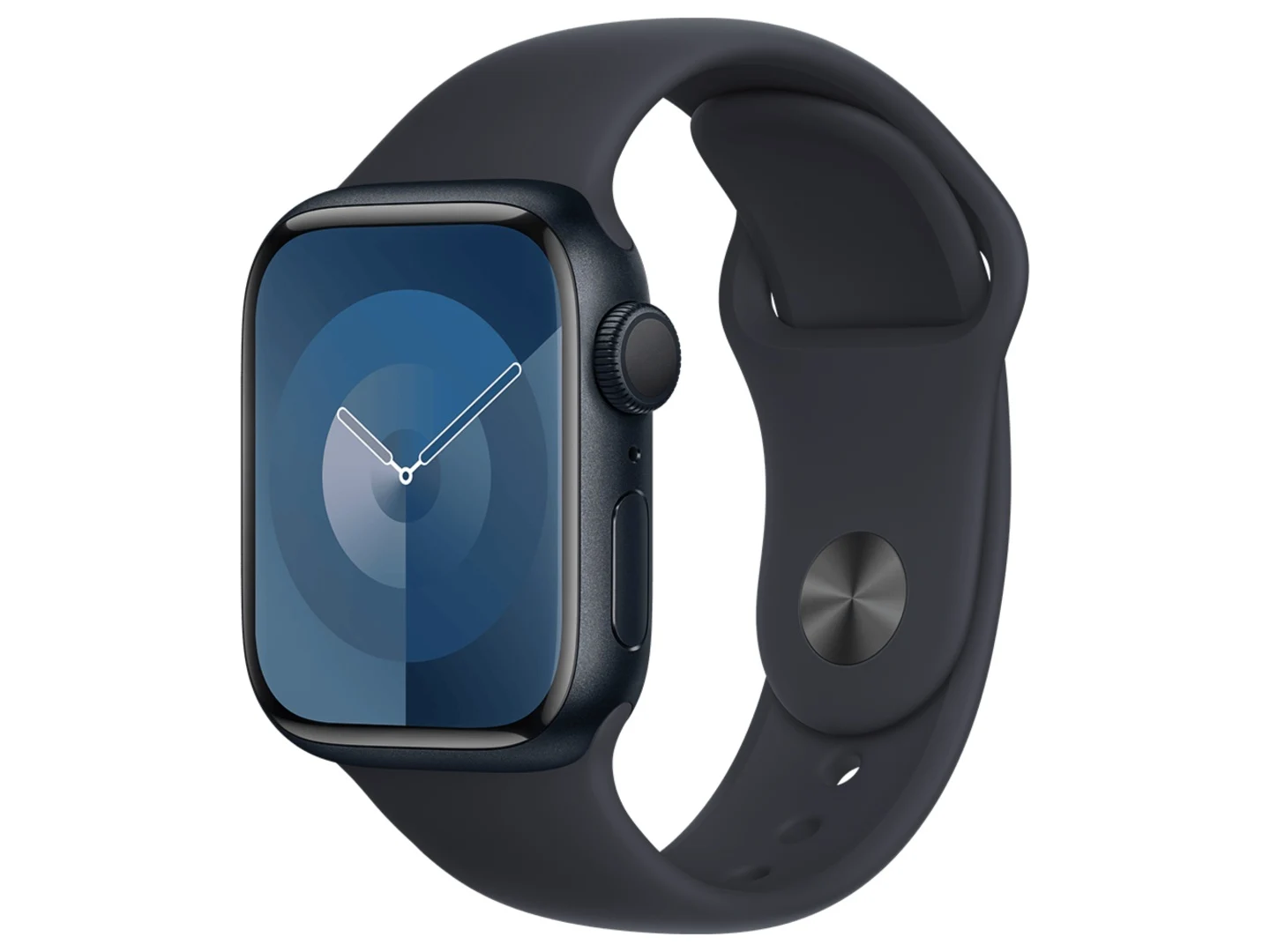
Back in December 2023, Apple temporarily stopped selling the Apple Watch 9 and Apple Watch Ultra 2 in the United States due to a conflict over its blood oxygen monitoring technology. The company had to back off and remove this feature from those models, but blood oxygen monitoring is making a comeback since Apple has discovered a workaround, although there is a catch.
Background on the Dispute
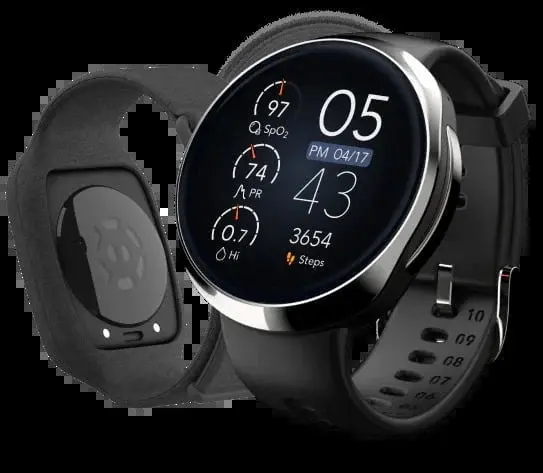
For those who might not know, Apple first added blood oxygen monitoring with the Series 9 smartwatch. At that time, they were entangled in a lengthy patent battle with Masimo, a company that specializes in medical technology and pulse oximeters. Masimo accused Apple of violating its patents, and the International Trade Commission (ITC) sided with Masimo, resulting in a sales ban for the Apple Watch Series 9. Consequently, Apple had to pause sales briefly in December 2023, but by January 2024, it opted to eliminate the blood oxygen feature to restart sales in the US.
New Update on Features
Now, Apple has announced that blood oxygen monitoring will be available again on the Apple Watch Series 9, Series 10, and Ultra 2 in the US, thanks to a firmware update scheduled for later today (August 14). The way Apple bypassed the ban was by transferring the measurement and calculation of data to the iPhone. The smartwatches will merely gather the required data and send it to the Respiratory section of the Health app, where users can keep track of their levels.
This adjustment means that an iPhone is necessary to track blood oxygen, and the data won’t be accessible directly on the watch. Users will also need to upgrade their connected iPhone to iOS 18.6.1 and their Apple Watch to watchOS 11.6.1. This change will only apply to Apple Watch models sold after January 17, 2024. Models purchased before this date, as well as those sold outside the US, will still have blood oxygen monitoring capabilities as usual.
Conclusion
In summary, Apple is making strides to reintroduce the blood oxygen monitoring feature after overcoming legal hurdles. As always, staying updated with the latest software versions is crucial for users wanting to access these functionalities.
Source:
Link