Tag: Android 16

  • Nothing OS 4.0 Launches: Android 16-Based UI and Key Improvements

    Nothing OS 4.0 Launches: Android 16-Based UI and Key Improvements

    Key Takeaways

    1. Nothing OS 4.0 introduces a redesigned user interface for a more seamless experience compared to Android 15.
    2. The Quick Settings menu features cleaner tiles and an “Extra Dark Mode” for improved aesthetics.
    3. Performance optimizations enhance app management and responsiveness throughout the OS.
    4. A new camera application and smarter Gallery are included, along with privacy-driven AI features and OpenAI’s Whisper integration.
    5. An Open Beta program will be launched soon, and most Nothing smartphones will receive the update, except the Phone (1) and CMF models.


    Nothing has yet to formally unveiled Nothing OS 4.0, the Android 16-based interface designed for its smartphones. In a recent video, the company highlights several modifications that the Android 16 upgrade will introduce, including a redesigned user interface across the entire operating system.

    Enhanced User Interface

    Specifically, Nothing has presented an interface that features more standardized components compared to their previous Android 15 skin. This improvement is expected to make Nothing OS 4.0 provide a more seamless and intuitive user experience.

    Updated Quick Settings

    The Quick Settings menu has also been refreshed, now showcasing cleaner tiles. Nothing OS 4.0 introduces what they call the “Extra Dark Mode,” which aims to enhance the signature dark aesthetics of the company’s interface in a more polished and cohesive manner.

    Performance Optimizations

    There are enhancements in how the OS manages app launches and runtime, leading to improved responsiveness and a more fluid experience throughout the operating system.

    On the camera front, Nothing OS 4.0 unveils a new camera application. When combined with the “smarter Gallery,” it promises a more refined user experience. The update also focuses heavily on privacy-driven AI features, adding a dedicated dashboard that reveals when tasks utilize LLMs (Large Language Models). It appears that OpenAI’s Whisper integration will also be part of this update.

    Additional Highlights

    Some additional key features of Nothing’s Android 16 update include a more responsive lock screen, improved connectivity, and enhanced overall stability. The company plans to launch an Open Beta program shortly for Nothing OS 4.0, giving eager users a sneak peek at the new update.

    When it comes to device compatibility, all Nothing smartphones, except the Phone (1) and CMF models, are slated to receive the Android 16 update (the Phone (3a) is currently priced at $359 on Amazon). To find out more about Nothing OS 4.0, take a look at the video below.

    Source:
    Link


  • Sony Xperia 1 VII Receives Major Android 16 Update

    Sony Xperia 1 VII Receives Major Android 16 Update

    Key Takeaways

    1. The Sony Xperia 1 VII is back on sale after fixing a mainboard issue and has received its first major Android update to version 71.1.A.2.68, upgrading it to Android 16.
    2. The update is 1.1 GB and includes minor user interface tweaks but does not feature Google’s new “Material 3 Expressive” design.
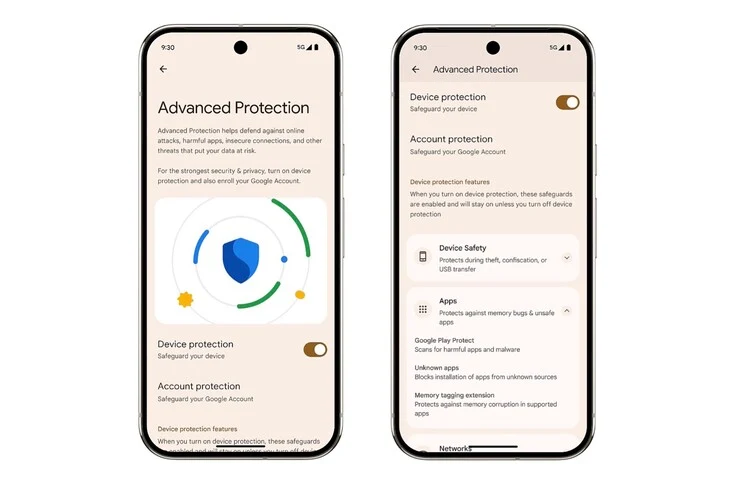
    3. Security enhancements include Google’s Advanced Protection feature, which needs to be manually activated to block unsafe apps and websites, as well as scam calls.
    4. Sony does not support Live Updates, but the new notifications in Android 16 are better grouped, and there are improvements for hearing aid support.
    5. Users can now capture and share screenshots as HDR images with the Android 16 update.


    The Sony Xperia 1 VII is back on the market after a halt in sales due to a mainboard problem. Now, the company has rolled out its first significant Android update for this flagship device. The Xperia 1 VII originally launched with Android 15, and Sony has promised updates will continue through Android 19.

    Update Details

    The new update, version 71.1.A.2.68, is a hefty 1.1 GB download and upgrades the device to Android 16. However, the update doesn’t bring as many changes as one might expect on a Google Pixel phone. Sony has only made slight tweaks to the user interface and hasn’t integrated Google’s new “Material 3 Expressive” design. Many users on Reddit have shared their dissatisfaction, although Sony has at least improved some system settings.

    Security Enhancements

    The Android 16 update also brings a variety of security enhancements. The Advanced Protection feature from Google aims to shield users from malware and different types of attacks, but it needs to be turned on manually in the settings. When activated, this feature blocks apps and websites that Google has deemed unsafe, while also attempting to identify and block scam calls in most situations.

    New Features and Improvements

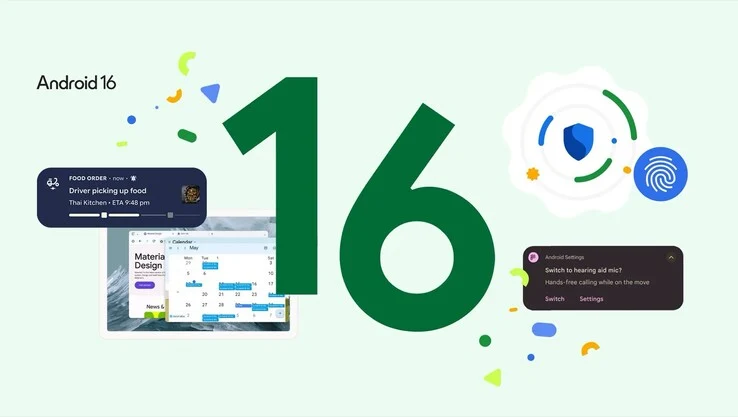
    Currently, Sony does not support Live Updates, which are a new form of push notifications capable of being continuously updated—for example, to show the estimated time of arrival for a food delivery. Yet, the notifications in Android 16 are designed to be more intelligently grouped, and there are improvements in support for hearing aids. Finally, Android 16 enables users to capture and share screenshots as HDR images.

    Source:
    Link


  • Stable One UI 8.0 Update Now Available for Eligible Devices

    Stable One UI 8.0 Update Now Available for Eligible Devices

    Key Takeaways

    1. One UI 8.0 will be released soon for Samsung Galaxy phones and tablets, starting with the Galaxy S25 series in South Korea.
    2. Carrier-tied models may experience delays in receiving the update.
    3. A full list of eligible devices for the One UI 8.0 upgrade has been shared by Samsung.
    4. New features include AI-powered personalized suggestions, improved Knox security, and enhancements for larger screens.
    5. One UI 8.0 aims to provide a better overall user experience.


    Following a bit of a rocky start with One UI 7.0, its next version, One UI 8.0, is set to be released on Samsung Galaxy phones and tablets in the next few weeks. The official rollout of One UI 8.0 will begin soon, with the Galaxy S25 series being the first to get it in South Korea. Other areas are likely to get it shortly after. However, models tied to carriers may experience a delay. Samsung has also shared a full list of devices that will be eligible for the upgrade this year.

    New Features and Enhancements

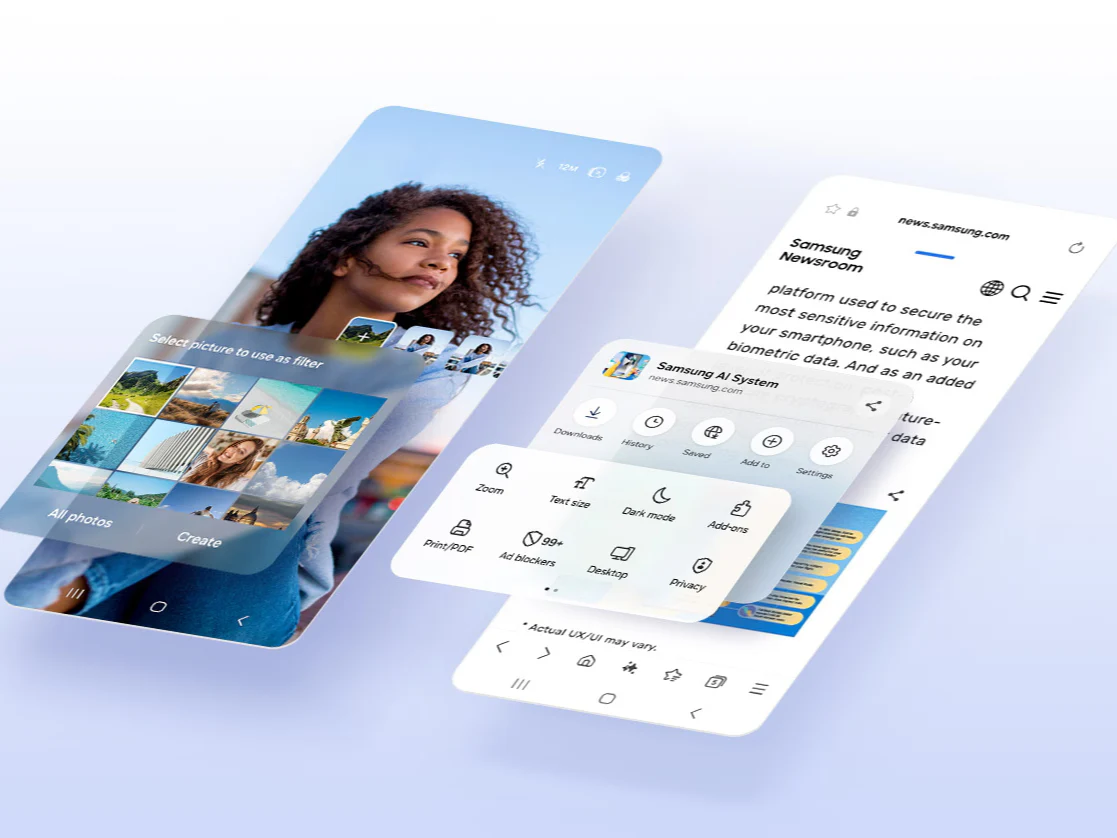
    In addition to the fundamental changes introduced by Android 16, One UI 8.0 is bringing new features powered by AI, such as personalized suggestions, improved Knox security, Gemini Live, Circle to Search, and various enhancements for larger screens found on devices like the Galaxy Z Fold 7 and Galaxy Tab S11 Ultra.

    Conclusion

    Samsung has made significant advancements with One UI 8.0, aiming to provide a better experience for its users.


  • Over 80 Xiaomi Devices Test Android 16-Based HyperOS 3 Update

    Over 80 Xiaomi Devices Test Android 16-Based HyperOS 3 Update

    Key Takeaways

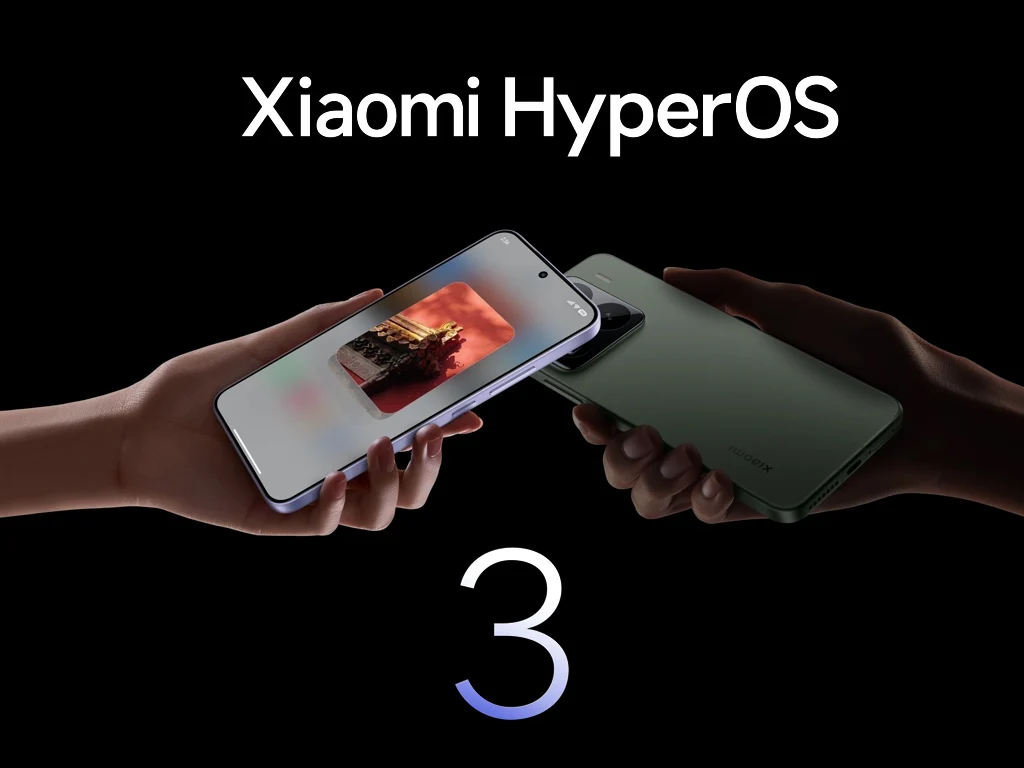
    1. Xiaomi launched its Android 16 skin called HyperOS 3 in late August 2025.
    2. A beta program for HyperOS 3 started for a select number of devices.
    3. Over 80 devices are currently undergoing internal testing for HyperOS 3.
    4. 22 of these devices are already part of the beta program.
    5. The expansion of the testing list shows Xiaomi’s commitment to wide compatibility for the new software update.


    In late August 2025, Xiaomi revealed its latest Android 16 skin, named HyperOS 3. Shortly after this announcement, the company began a beta program for a select number of devices. However, it appears that the list of devices undergoing internal testing goes beyond just the phones and tablets currently part of the beta version.

    Internal Testing Devices

    According to reports from XiaomiTime, the company is actively testing HyperOS 3 on more than 80 different devices. Below is a comprehensive list of the phones and tablets included in both the internal testing and beta program:

    It’s important to mention that 22 devices from the aforementioned list are already participating in the beta program. For the remaining devices, if they are indeed being tested internally for HyperOS 3, they are likely to receive the stable update in the near future. To find out more about the launch, you can check our initial coverage on Xiaomi’s new skin.

    Beta Program Insights

    XiaomiTime has provided valuable insights into the ongoing testing process. The expansion of the testing list indicates Xiaomi’s commitment to ensuring a wide compatibility of their new software update. Users can expect news and updates as the beta program progresses.

    Source:
    Link


  • First HyperOS 3 Beta Update Released for 8 Xiaomi Devices

    First HyperOS 3 Beta Update Released for 8 Xiaomi Devices

    Key Takeaways

    1. Eight Xiaomi devices will receive the initial beta version of HyperOS 3 with Android 16.
    2. Users need to sign up for the beta testing program to download the test build.
    3. Seven additional devices will get the HyperOS 3 beta starting September 17, 2025, with 10 more by September 30.
    4. HyperOS 3 features a redesigned user interface and introduces Super Island, similar to Apple’s Dynamic Island.
    5. The update promises a 30% boost in system efficiency and improved security with detailed app permission management.


    Following the recent reveal of Xiaomi HyperOS 3, eight devices have been selected to receive the initial beta version of the Android 16 update. As mentioned in our previous discussions, the devices that are first on the list to receive this test build are:

    Users with these specific models must sign up for the beta testing program in order to download the test build update. For more details on how to enroll, take a look at Xiaomi’s beta tester recruitment guide. Additionally, seven more devices are slated to receive the HyperOS 3 beta next, which include:

    Upcoming Device Releases

    This second group of devices will start to receive the new update on September 17, 2025. Then, by September 30, an additional 10 devices will also get the beta update. For anyone who may have missed our earlier report, HyperOS 3 introduces a significant redesign in terms of user interface and aesthetics. A standout feature is Super Island, which is Xiaomi’s take on Apple’s Dynamic Island.

    Performance Enhancements

    Xiaomi asserts that this update includes numerous enhancements aimed at boosting system performance and overall user experience. The company claims there is a 30% increase in overall system efficiency, while gaming performance could see an improvement of up to 15%.

    HyperOS 3 is also said to provide better security compared to earlier versions of the Android interface. Xiaomi has highlighted that this update includes detailed app permission management, granting users more control over which apps can access sensitive data. For more information about this new Xiaomi software update, check out the video below.

    Source:
    Link


  • Xiaomi Set to Launch World’s First Snapdragon 8 Elite 2 Flagship

    Xiaomi Set to Launch World’s First Snapdragon 8 Elite 2 Flagship

    Key Takeaways

    1. Three Xiaomi smartphones, including the Xiaomi 15 and 15 Pro, are expected to be early adopters of the Snapdragon 8 Elite 2 chip.
    2. The upcoming models include the Xiaomi 16, 16 Pro, and a new 16 Pro Max, with the 16 Pro Max maintaining the same size as the 15 Pro.
    3. These Xiaomi devices are likely to launch by the end of September 2025, making them the first to feature the new chip.
    4. Other brands like Honor, iQOO, OnePlus, and Realme are expected to release devices with the Snapdragon 8 Elite 2 shortly after, around October 2025.
    5. All eight flagship models, including Xiaomi’s, are anticipated to launch with Android 16, while Xiaomi’s HyperOS 3 has not yet entered public beta testing.


    The new list of expected early adopters for the Snapdragon 8 Elite 2 has been released, showing that three Xiaomi smartphones are included.

    Xiaomi’s New Models

    This information comes from the well-known leaker Digital Chat Station, which may suggest that the next versions of the Xiaomi 15 and 15 Pro will be accompanied by a new Pro Max model. It’s probably more accurate to say that the “16 Pro Max” will maintain the same ‘full’ size as the 15 Pro, while the 16 Pro will offer a fresh, more upscale version of the approximately 6.3-inch 16.

    Launch Timeline

    The Xiaomi 16, 16 Pro, and 16 Pro Max are likely to be the first devices to come equipped with this new chip, which could mean they will be the only ones available by the end of September 2025. Other devices powered by the Snapdragon 8 Elite 2 may be launched shortly after, potentially in October 2025. Current expectations suggest that this group will include the Honor Magic8 and Magic8 Pro, the iQOO 15 (not the 15 Pro), the OnePlus 15 (excluding the 15T), and the Realme GT 8 Pro (but not the GT 8).

    Operating System Details

    All eight of these upcoming flagship models are also anticipated to launch with Android 16 right out of the box. However, Xiaomi’s version, known as HyperOS 3, has not yet started public beta testing, while ColorOS 16, which is likely for the Chinese version of the OnePlus 15, has already made progress in that area.

    Source:
    Link


  • Samsung One UI 8.0 Beta Now Available for Galaxy S24 Series

    Samsung One UI 8.0 Beta Now Available for Galaxy S24 Series

    Key Takeaways

    1. The One UI 8.0 beta update is now available for Galaxy S24, S24+, and S24 Ultra users in select markets like South Korea and the UK.
    2. The update is a large download of 3.2GB, typical for major OS updates.
    3. It features a refreshed user interface and improvements for Samsung DeX and Secure Folder, enhancing reliability.
    4. New tools for daily tasks include a more efficient Quick Share feature and better organization for alarms, calendar events, and reminders.
    5. Users can join the beta program through the Samsung Members app, but should be aware of potential bugs since it’s an early release.


    Galaxy S24 users, your wait for the One UI 8.0 beta is finally done! Samsung has rolled out the update, allowing 2024 flagship phone owners to experience new features based on Android 16.

    Availability of the Update

    The new beta is now live for the Galaxy S24, S24+, and S24 Ultra in select markets like South Korea (S92xNKSU9ZYH3) and the UK (S92xBXXU9ZYH3). If you are in other places such as the US or India, don’t fret—this update is likely to reach more regions shortly, so stay tuned. The OTA is quite a big download at 3.2GB, which is pretty typical for major OS updates like this.

    What’s New in One UI 8.0 Beta?

    So, what can you look forward to with the One UI 8.0 beta? Even tho it’s an early release, you will notice some important enhancements here and there. Samsung has refreshed the user interface a bit. Moreover, there are some improvements under the hood, making features like Samsung DeX and Secure Folder more dependable and better integrated, thanks to the native functions of Android 16.

    Enhanced Features for Everyday Use

    You will also discover smarter tools for daily tasks and various quality-of-life upgrades, such as a more efficient Quick Share feature and improved organization for alarms, calendar events, and reminders.

    If you want to join the beta program, just head to the Samsung Members app. If you’re in a location where the One UI 8 beta is being offered, you should see a noticeable banner. After clicking on it and following the instructions, you can download and install the firmware using the usual update method on your Galaxy phone (navigate to “Settings” > tap “Software update” > select “Download and install”). Just a heads-up, since this is a beta, you might encounter some bugs.

    Source:
    Link


  • Xiaomi HyperOS 3 Beta Program Launching August 2025

    Xiaomi HyperOS 3 Beta Program Launching August 2025

    Key Takeaways

    1. Xiaomi has stopped work on HyperOS 2 and is focusing on the next version, HyperOS 3.
    2. There won’t be significant updates for eligible devices based on Android 15; Android 16 beta testing is expected to start in August 2025.
    3. HyperOS 3 is expected to have a more user-friendly interface and improved system responsiveness.
    4. The update will likely include enhanced resource management for quicker performance and improved system stability.
    5. No official list of devices supporting HyperOS 3 has been announced, but most recent smartphones are expected to receive the Android 16 update.


    A recent report indicated that Xiaomi has halted its work on HyperOS 2. Instead, the company seems to be concentrating on the next version, implying that there won’t be any significant updates based on Android 15 for eligible devices. The anticipated major Android 16 update is expected to begin beta testing in August 2025.

    Beta Testing Insights

    This information comes from Digital Chat Station, a trusted tipster on Weibo. The source also suggests that Xiaomi might not be alone in this beta testing venture; it appears that “various companies” will initiate their Android 16 beta programs during the same period.

    HyperOS 3 Expectations

    Though Xiaomi has not officially disclosed anything regarding HyperOS 3, recent reports indicate it will feature a more user-friendly interface, with noticeable changes to the UI design. The Android 16 update for Xiaomi devices is also expected to enhance system responsiveness and allow for smoother transitions between apps.

    Performance Improvements

    Similar to other major updates, the Xiaomi HyperOS 3 rollout is anticipated to include “enhanced” resource management, which should lead to quicker system performance overall. Improvements in system stability are also likely to be part of this update.

    As for which devices will support Xiaomi HyperOS 3, there hasn’t been any official announcement yet. However, most of the recent smartphones are likely to receive the Android 16 update (12/256 GB Xiaomi 15 currently priced at $622.33 on TradingShenzhen). Details about which models will gain early access to the beta program remain unclear, but if it is set to start this month, the company will probably unveil the official list shortly.

    Source:
    Link


  • Xiaomi Adds New Phones to End-of-Life List Amid HyperOS 3 Focus

    Xiaomi Adds New Phones to End-of-Life List Amid HyperOS 3 Focus

    Key Takeaways

    1. Xiaomi has stopped development on HyperOS 2 and will not provide major updates for it.
    2. HyperOS 3 is in focus for future updates, with no confirmed release date yet.
    3. Certain older models will receive the Android 16 update, but many smartphones will not get HyperOS 3 support.
    4. The anticipated Android 16 update is expected to improve user interface and overall system performance.
    5. Beta testing for HyperOS 3 may start later this year, with the stable version likely launching with the Xiaomi 16 series.


    Xiaomi has allegedly halted development on HyperOS 2, which was originally launched as a skin for Android 15. Recently, with the 2.3 update, the company has introduced Android 16 for certain devices. However, it’s HyperOS 3 that is set to introduce significant changes.

    No More Updates for HyperOS 2

    This shift in focus means that there will be no major updates aimed at improving HyperOS 2. Xiaomi has not yet revealed a definite release date for the stable version of HyperOS 3, but some older models are anticipated to receive the forthcoming Android 16 update.

    End-of-Life Announcements

    In related news, Xiaomi has disclosed the end-of-life timelines for various smartphones. These newly listed models are set to receive their last security updates in September 2025, after which they will no longer receive any official updates. The devices affected include:

    Many of these smartphones did not even get the HyperOS 2 update, indicating they are definitely off the list for HyperOS 3 support. The anticipated Android 16 update for Xiaomi devices is expected to feature a more polished user interface, aiming to deliver a better user experience.

    Performance Enhancements Expected

    The update is also predicted to enhance overall system performance, with improved visual effects and smoother transitions compared to HyperOS 2. Rumors suggest that Xiaomi might commence beta testing for HyperOS 3 later this year, with the stable version likely launching alongside the Xiaomi 16 series.

    Source:
    Link

  • Google Photos Image Editor: New Design and Features Coming in August

    Google Photos Image Editor: New Design and Features Coming in August

    Key Takeaways

    1. Google Photos app celebrates its tenth anniversary with a significant update for its built-in photo editor.
    2. The update introduces modern Material 3 Expressive Design, featuring a user-friendly layout with rounded edges.
    3. Editing tools have been reorganized into categories: Auto, Actions, Markup, Filters, Lighting, and Color, enhancing the editing experience.
    4. A new tool search function allows users to quickly find specific editing tools, improving efficiency.
    5. The update is currently in limited testing in the U.S., with a wider rollout for Android expected in August; no specific timeline for Apple users yet.


    Mountain View marked the tenth year of the Google Photos app at the start of June. It was apparent even then that the search giant was preparing a significant update for the built-in photo editor within the Google Photos app. The latest features were found in version 7.34.0.772224975, bringing both visual and functional enhancements. The aim is to improve user-friendliness and streamline the editing experience. Google has chosen to utilize modern Material 3 Expressive Design, which will be featured alongside Android 16. The design emphasizes gentle, rounded edges and an organized layout.

    New Tool Categories

    The editing tools have been reorganized into distinct groups like Auto, Actions, Markup, Filters, Lighting, and Color. While the existing functionalities remain, they have been rearranged to make the user experience smoother. The Filters category now includes the new “Sky Styles” feature, offering effects such as Luminous, Radiant, Vivid, and Ember specifically for sky editing. Additionally, the Auto section has been broadened to provide three automatic enhancement choices: Enhance, Dynamic, and AI Enhance. Tools that were previously hidden, such as Portrait Blur, Erase, Move, and Reimagine, are now easily reachable in this area.

    Improved Search Functionality

    A notable new feature is the tool search function, which is very useful. Users can look for a specific editing tool rather than having to navigate through various menus. This not only saves time but also makes it simpler to find less common tools.

    Google initially stated that the update would be available globally in June. However, it has so far only been activated for a limited testing group in the United States.

    Future Rollout Plans

    As per a recent comment made to Android Authority, a wider rollout for the Android platform is anticipated for August. Apple users will need to be a bit more patient. It is still uncertain when all users will be able to take advantage of the new features.

    Source:
    Link