Tag: Android 16

  • Xiaomi 14 Ultra HyperOS 3 Update: Release Timeline Revealed

    Xiaomi 14 Ultra HyperOS 3 Update: Release Timeline Revealed

    Key Takeaways

    1. The HyperOS 3 update for the Xiaomi 14 Ultra is complete and set for release.
    2. The update is based on Android 16 and carries the build number OS3.0.1.0.WNAMIXM.
    3. The global rollout is expected by the end of November, starting with Mi Pilot program users.
    4. Key improvements include a revamped user interface, optimized performance, and enhanced security features.
    5. The Chinese version of the update will be released shortly before the global version.


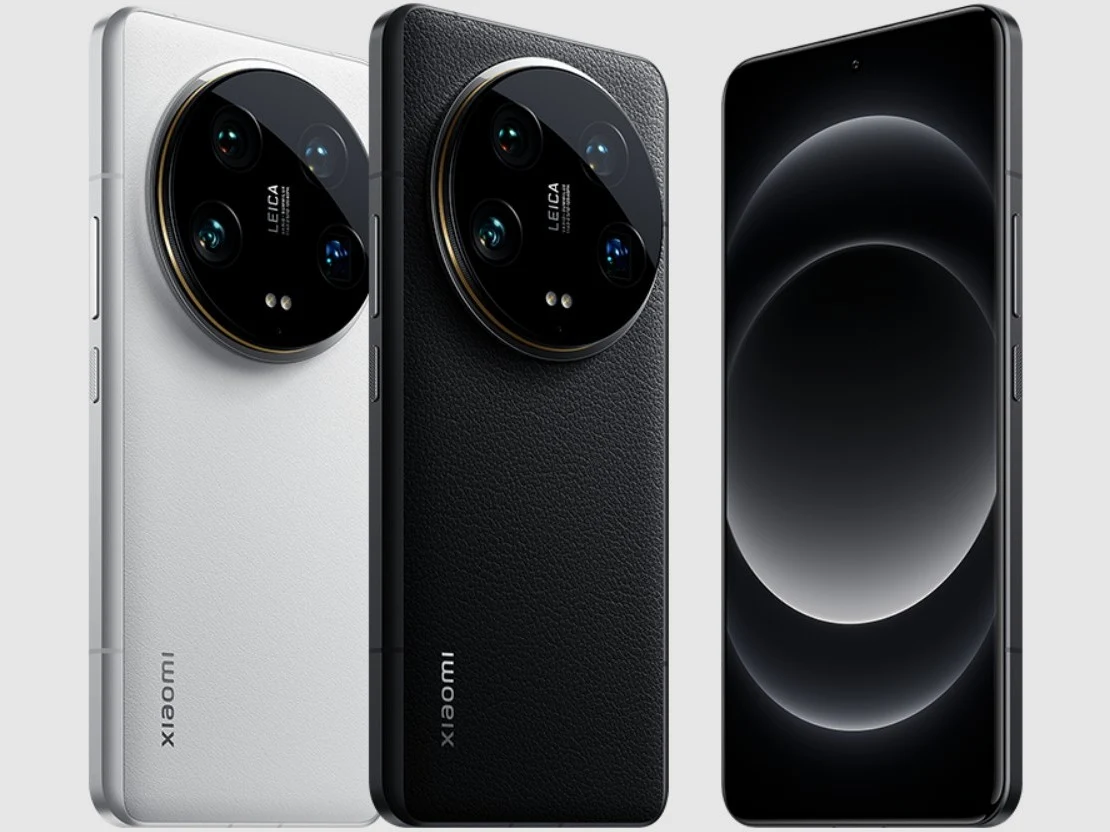
    The anticipation for an improved software upgrade for Xiaomi’s top-tier smartphone from last year, the Xiaomi 14 Ultra, is nearing its conclusion. Trustworthy sources have confirmed that the HyperOS 3 update for the global version of the Xiaomi 14 Ultra is finished and is set to be released.

    Update Details

    As per tech insider Erencan Yılmaz, the eagerly awaited software update, which is based on Android 16, has successfully completed its stable testing phase for the international market. The final software version is said to carry the build number OS3.0.1.0.WNAMIXM. The build number ending in “MIXM” indicates that this version is indeed the stable release intended for the global audience.

    Rollout Timeline

    The global rollout is expected to take place by the end of November, according to the report. Those who are part of the Mi Pilot program will likely be the first to receive the update.

    So, what can users look forward to with this upgrade? The HyperOS 3 comes with significant improvements, starting with a revamped user interface. Users will notice a new design and updated animations that aim to enhance the fluidity of system navigation. More importantly, the update places a strong emphasis on system optimization. It intends to resolve minor performance problems, like minor stutters and battery issues, ensuring long-term optimal performance. Additionally, building on Android 16 introduces the latest security updates and essential privacy-enhancing features from the newest platform.

    Chinese Version Arrival

    The Chinese version of the ROM is expected to be released very shortly. Since the global build is now encoded and ready for deployment, international users can anticipate that the update will not be far behind the one released in China.

    Source:
    Link


  • Xiaomi Launches Stable Android 16 HyperOS 3 Update for 20 Devices

    Xiaomi Launches Stable Android 16 HyperOS 3 Update for 20 Devices

    Key Takeaways

    1. Xiaomi started distributing stable HyperOS 3 globally in late October 2025, with several devices already receiving the Android 16 firmware.
    2. Current devices with stable HyperOS 3 include the Xiaomi 15T series, Xiaomi 15 series, Poco F7 Ultra, and Xiaomi Pad 7 Pro.
    3. Additional Xiaomi devices are expected to receive the update within a week, as firmware versions have been spotted.
    4. Many global smartphones and tablets are projected to get the stable HyperOS 3 update by December 2025.
    5. A complete list of devices scheduled for the update will be available by March 2026.


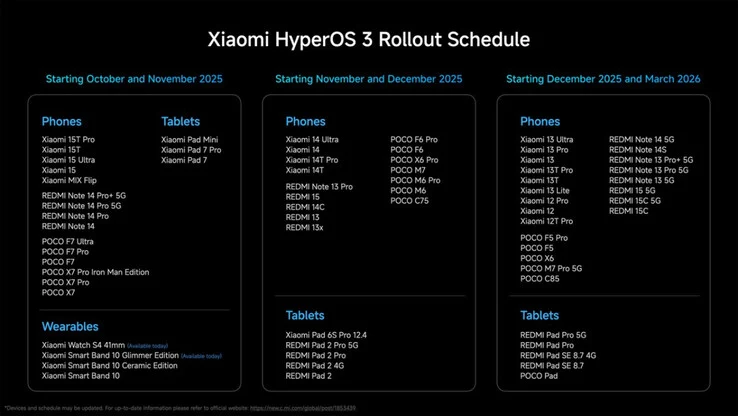
    Xiaomi began distributing the stable HyperOS 3 to global devices in late October 2025, and until now, several international smartphones and one tablet have received the Android 16 firmware. The company has previously indicated that many more devices are scheduled to get the update throughout November 2025.

    Upcoming Devices

    As noticed by XiaomiTime, updated firmware versions for several Xiaomi devices have appeared, indicating that they will receive the stable HyperOS 3 update shortly. The devices that are currently in focus are:

    For those curious, Xiaomi has already launched stable HyperOS 3 for the global Xiaomi 15T series, Xiaomi 15 series, Poco F7 Ultra, and Xiaomi Pad 7 Pro (12/512 GB currently priced at $600.61 on TradingShenzhen). Regarding the devices mentioned previously, since their firmware numbers have reportedly surfaced, they might receive the Android 16 update in about a week or so.

    Future Rollouts

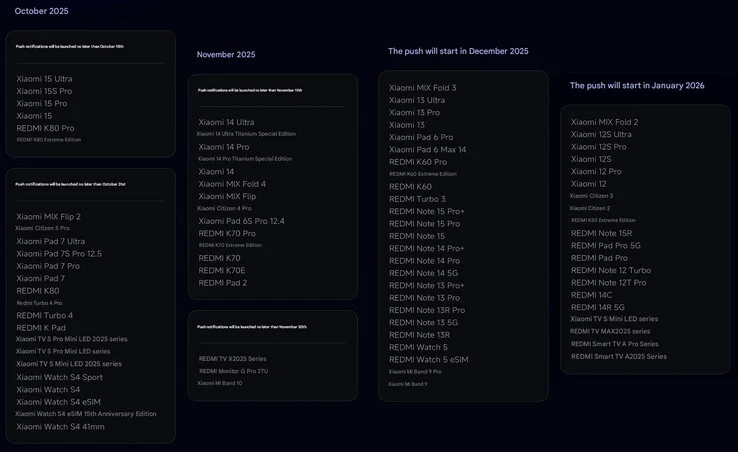
    It is also important to highlight that many global smartphones and tablets are expected to receive the stable HyperOS 3 update by December 2025, with the complete list anticipated by March 2026. Refer to the chart below for more details on the rollout schedule.

    Source:
    Link


  • Galaxy S23 One UI 8 Update Mirrors Galaxy S24 and S22 Issues

    Galaxy S23 One UI 8 Update Mirrors Galaxy S24 and S22 Issues

    Key Takeaways

    1. Samsung has paused the One UI 8 update for the Galaxy S23 series, following similar actions for the Galaxy S22 and Galaxy S24 series.
    2. Users who have already updated to One UI 8 are not affected, but new users will need to wait for the update to resume.
    3. The One UI 8 update introduces Android 16, marking the third major update for the Galaxy S23 series, which originally launched with Android 13.
    4. Samsung has not provided reasons for the update suspension or a timeline for when it will continue.
    5. Pausing updates is common, and they often resume quickly without major user complaints during the active update period.


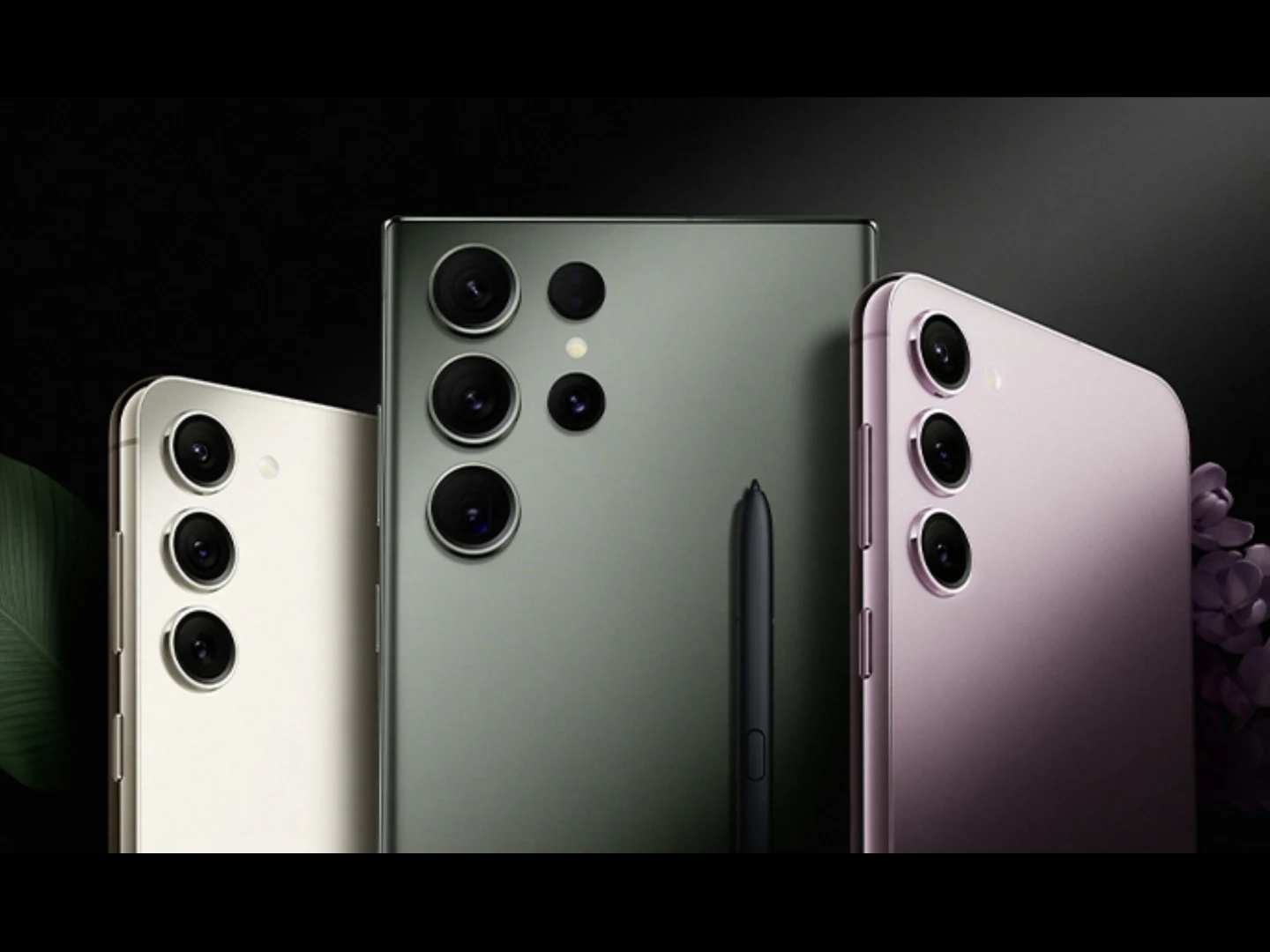
    Following the path of the Galaxy S22 and the Galaxy S24’s One UI 8 based Android 16 update, Samsung has also halted the same for the Galaxy S23 series. Users who have already transitioned to One UI 8 should be okay, but those eager for the update will need to hold on a little longer. Like always, Samsung hasn’t provided any details about the pause.

    Update Rollout

    At the end of September, Samsung began the rollout of One UI 8 for Galaxy S23 users. This update introduces Android 16 to Samsung’s flagship lineup from 2023, which originally launched with Android 13 based One UI 5.1. The company has committed to four significant Android OS updates and five years of security patches, making Android 16 the third major update for this series. Unfortunately, the rollout is currently on hold, as reported by Sammobile. The latest firmware available on Samsung’s servers ends with DYI3, which refers to an Android 15 build.

    Lack of Information

    Samsung hasn’t disclosed the reasons behind the update’s suspension or when it might continue. A similar situation occurred with the Galaxy S22 and Galaxy S24 series, including the Galaxy S24 FE. Recently, the same publication noted that at least two variants of the Galaxy S22 have begun receiving updates once more. The Galaxy S22 Ultra, however, has not fared as well. The updates for the Galaxy S24 series are still on hold.

    Resuming Updates

    It’s worth noting that pausing updates is not an unusual practice, and they typically resume fairly quickly after being put on hold. However, as mentioned previously, the company hasn’t provided any explanation for this delay. There have also been no significant complaints from users who successfully updated their phones while the updates were active.

    Sammobile (1,2,3)

    Source:
    Link


  • ColorOS 16 Rollout: 40 Oppo Phones Confirmed for Update

    ColorOS 16 Rollout: 40 Oppo Phones Confirmed for Update

    Key Takeaways

    1. ColorOS 16 is the upcoming update for Oppo’s custom user interface based on Android 16, debuting on Find X9 and Find X9 Pro.
    2. The update will be available for 43 Oppo devices, with stable rollout starting on October 30 in China and further updates for other models by December.
    3. Key features include improved UI fluidity through Seamless Animation for a smoother user experience.
    4. Enhanced personalization options allow users to set motion wallpapers, choose from various fonts, and receive AI style suggestions.
    5. The redesigned Always-On-Display (AOD) now shows full wallpapers, and the new Flux Home Screen enables adjustable app icon and folder sizes.


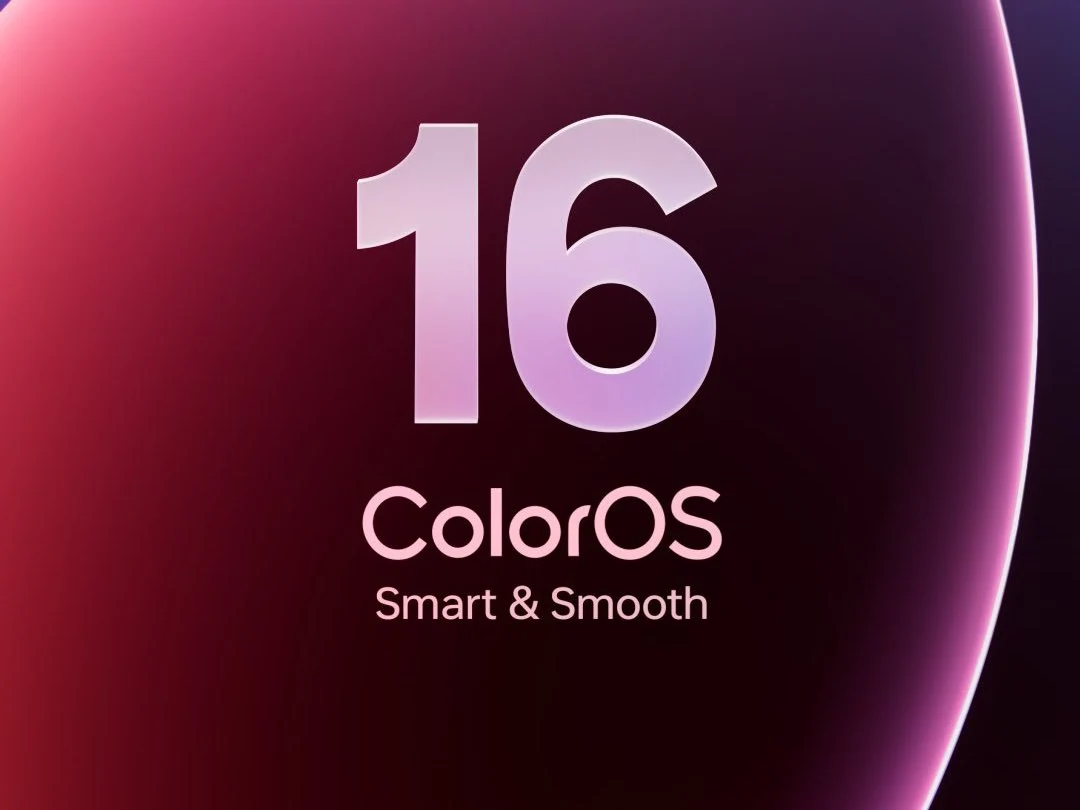
    Oppo has revealed ColorOS 16, which is the upcoming significant update of its custom user interface based on Android 16. The Oppo Find X9 and Find X9 Pro will be the initial smartphones to come with this new software. The company plans to start the public rollout for current devices later this month, and it will release a comprehensive list of compatible phones and tablets.

    Eligible Devices and Rollout Schedule

    Oppo has affirmed that ColorOS 16 will be available for 43 Oppo smartphones and tablets. The firm is presently engaged in testing the update through both closed and open beta programs. The stable version is expected to launch on October 30 in China. The Find X8 series, Find N series foldables, Find X7 series, Reno 14 series, and Reno 13 are scheduled for updates by December. However, older models like the Find X5 Pro and the budget-friendly K lineup will receive the update in the first quarter of 2026. Oppo will announce the timeline for the international rollout at a later time.

    Key Features of ColorOS 16

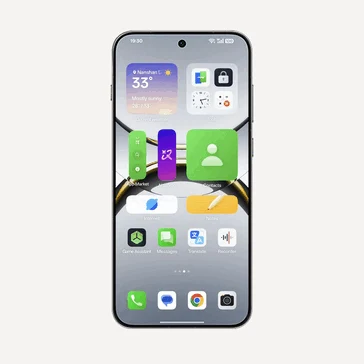
    ColorOS 16 introduces a variety of significant enhancements compared to its predecessor, featuring a refreshed design “inspired by the interplay of light and shadow” found in nature. The company is highlighting improved UI fluidity with a feature called Seamless Animation, which promises a smoother user experience when rapidly opening and closing apps, switching between running applications, or moving through widgets.

    Personalization and Display Improvements

    The updated version also includes appealing personalization options. For instance, users can set motion photos or videos as their wallpaper and pick from a vast selection of fonts. There’s even an option to ask AI for styles that complement your wallpaper. Additionally, the redesigned Always-On-Display (AOD) now allows users to view their full wallpaper, much like the AOD feature on iPhones, instead of just showing essential glanceable information. Furthermore, the new Flux Home Screen lets users adjust the size of app icons and folders, making them taller, wider, or larger.

    Source:
    Link


  • Motorola Edge 70 Leak: Specs and Big Battery Revealed

    Motorola Edge 70 Leak: Specs and Big Battery Revealed

    Key Takeaways

    1. The Motorola Edge 70 will be officially revealed on November 5, replacing the Edge 60.
    2. It features a vibrant Pantone color back with a fabric-like texture and a flat camera design with three lenses.
    3. The phone measures 6 mm thick, weighs 170 grams, and has a 4,800 mAh battery with 68W wired and 15W wireless charging.
    4. It has a 6.67-inch P-OLED display with a resolution of 2,712 x 1,220 and a 120 Hz refresh rate.
    5. The device is powered by the Qualcomm Snapdragon 7 Gen 4 processor, features a 50 MP selfie camera, and runs on Android 16 with a 24-month warranty.


    Motorola has made it official that the Motorola Edge 70 will be revealed on November 5. However, eager customers don’t need to wait too long to learn key information about the new model that replaces the Motorola Edge 60. The online retailer X-Kom has already shared listings for the Edge 70.

    Features and Design

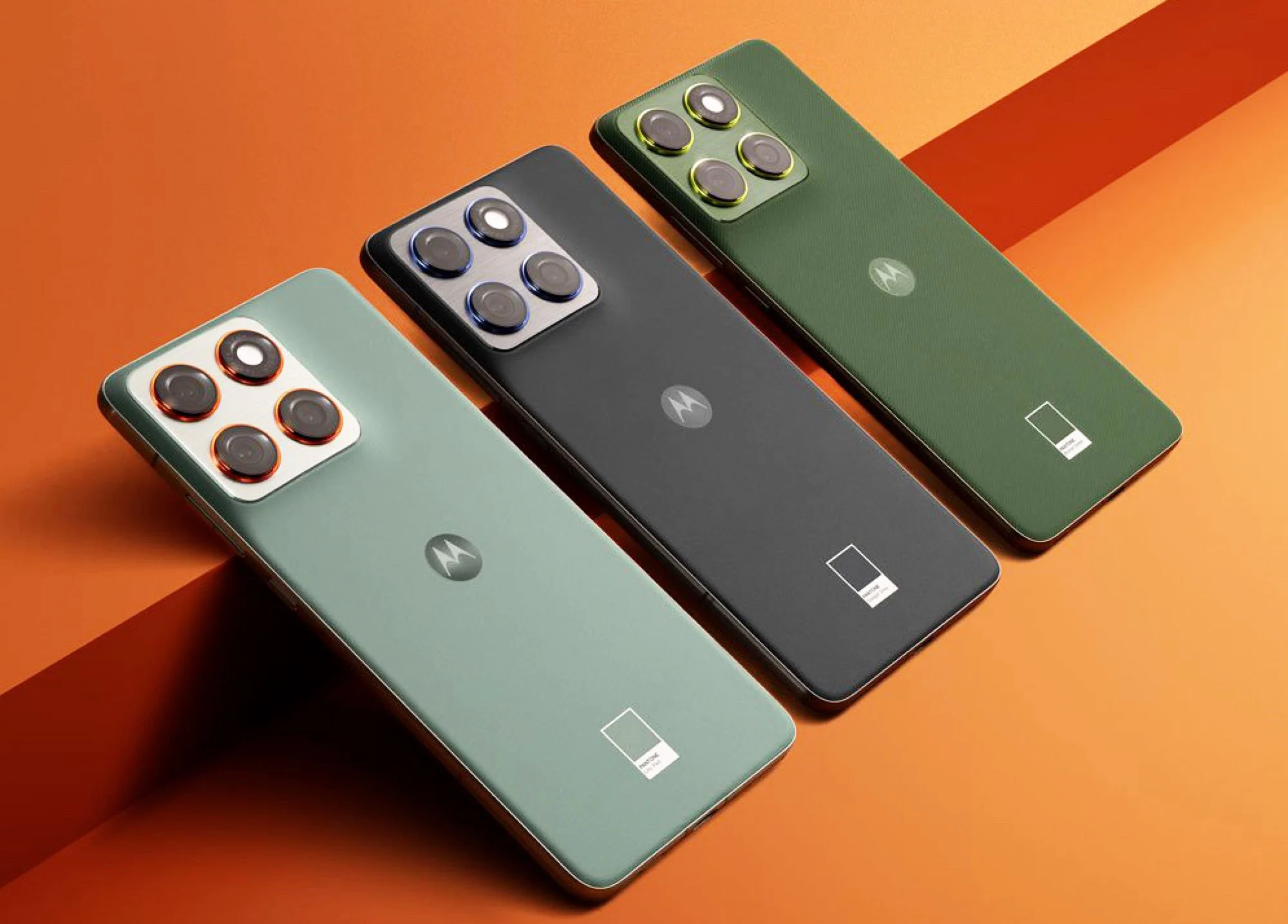
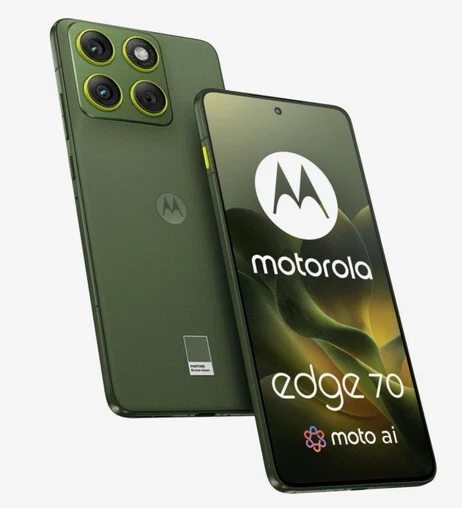
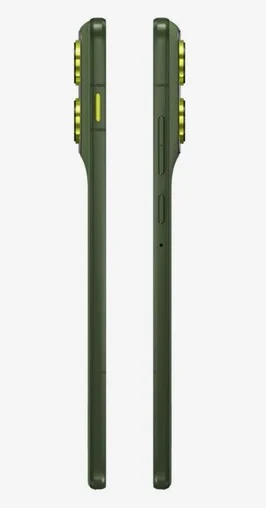
    While the exact price is still unknown, X-Kom has provided various images and descriptions of the phone’s features. True to the Edge series style, the Motorola Edge 70 will feature a back in vibrant Pantone colors with a fabric-like texture. The camera module will feature a flat design without beveling; it will have three lenses along with an LED flash, all framed in a contrasting color. Additionally, there will be a new AI button on the left side that matches this accent color.

    Specifications

    Measuring 6 millimeters thick and weighing 170 grams, the Motorola Edge 70 is only marginally thicker and heavier than the Apple iPhone Air and Samsung Galaxy S25 Edge. It boasts a much larger 4,800 mAh battery that supports charging through USB-C at a rate of 68 watts or wirelessly at 15 watts. The device features a flat 6.67-inch P-OLED display with a resolution of 2,712 x 1,220 and a smooth refresh rate of 120 Hz.

    Camera and Performance

    The 50 MP selfie camera is designed into a punch-hole, while the rear camera module is expected to include two 50 MP cameras equipped with optical image stabilization (OIS). However, further specifics about these cameras are still awaited from the retailer. The smartphone is powered by the speedy Qualcomm Snapdragon 7 Gen 4 processor, which, in at least one configuration, comes with 12 GB of RAM and 512 GB of internal storage. The Motorola Edge 70 runs on Android 16 and includes a warranty that lasts for 24 months.

    X-Kom

    Source:
    Link


  • Pixel 10 Pro Review: Strong Features, Weak Performance Issues

    Pixel 10 Pro Review: Strong Features, Weak Performance Issues

    Key Takeaways

    1. Build Quality and Design: The Pixel 10 Pro features a high-end design with quality materials and an IP68 rating, despite minor issues like slight gaps and creaking sounds.

    2. Software Updates and AI Features: It offers seven years of updates with Android 16, including various AI capabilities, though some features, like translation, may lack accuracy.

    3. Display Issues: The vibrant OLED display has PWM flickering problems that remain unresolved, affecting user experience despite its brightness.

    4. Camera Performance: The camera delivers excellent images and zoom capabilities but struggles with fine details and low-light conditions, while new AI tools offer limited real-world benefits.

    5. Performance and Battery: While daily performance is smooth, it falls short in high-demand tasks and gaming, with average charging speeds for both wired and wireless options.


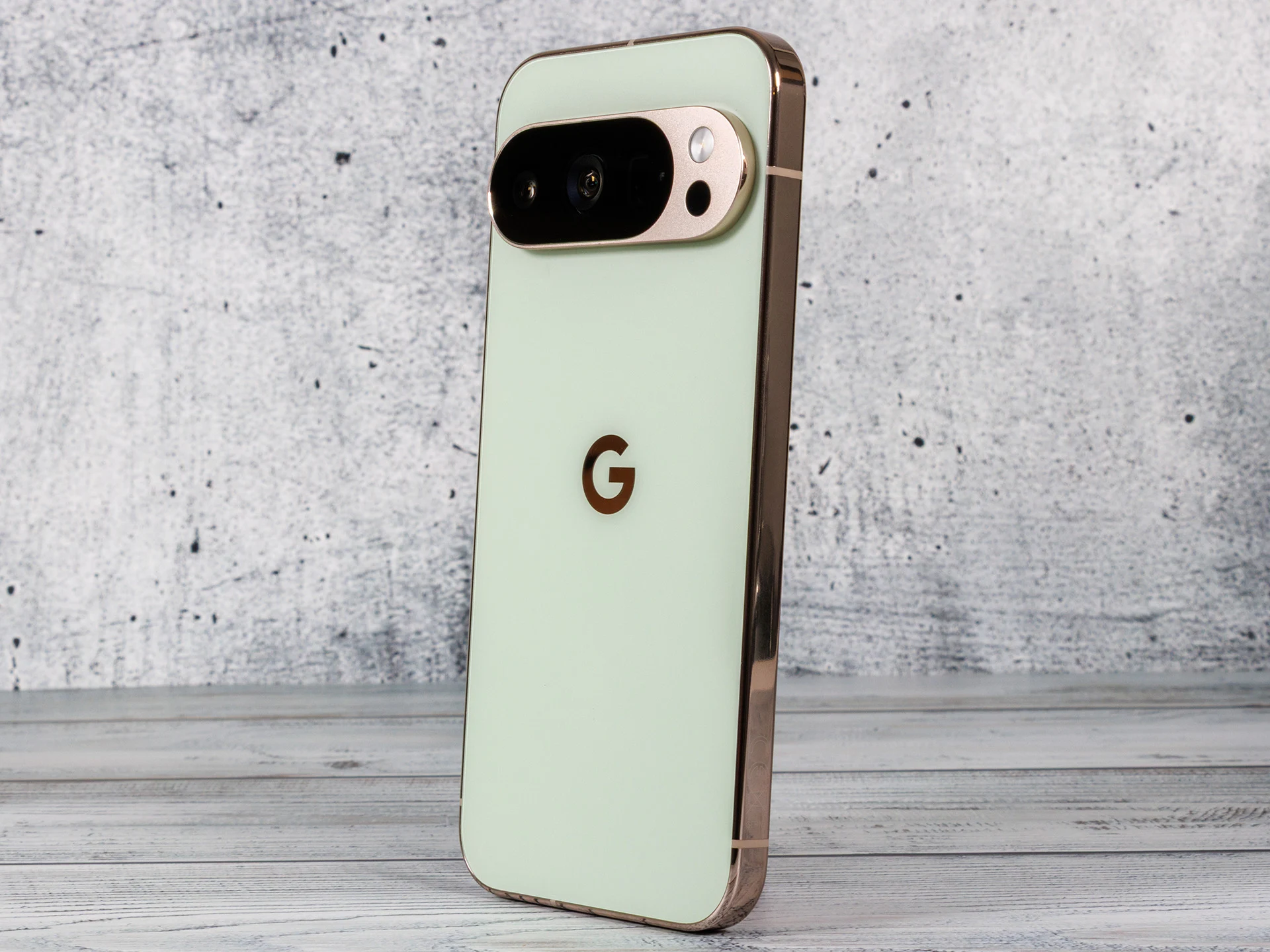
    The Google Pixel 10 Pro stands out as a small, high-end smartphone crafted from quality materials, showcasing excellent build and an IP68 rating. While there are slight drawbacks like tiny gaps and a faint creaking sound when twisted, they don’t significantly impact the overall premium feel. Its specifications are up-to-date, featuring Wi-Fi 7, Bluetooth 6.0, NFC, UWB, and the innovative ‘Pixelsnap’ magnet. That said, it has some limitations; the USB-C port is only compatible with FAT32 and exFAT formats, lacking support for NTFS, and the UFS 4.0 storage does not perform as fast as expected.

    Software Strengths and Weaknesses

    On the software front, the Google Pixel 10 Pro shines brightly. Android 16 comes with a commitment of seven years for updates and includes several AI capabilities like Gemini, Circle to Search, and live translation functions. However, the translation features often feel underdeveloped and can yield inaccurate translations. On the bright side, Google emphasizes its use of recycled materials, offers plastic-free packaging, and promises easy repair options through iFixit, although replacement parts were not available during the testing period.

    Display and Camera Performance

    The OLED screen captivates users with its brightness and vibrant color display, yet it grapples with PWM flickering, an issue that isn’t fully resolved even with the 480 Hz option. In terms of photography, the camera produces excellent images and boasts a strong zoom capability, but it struggles with capturing fine details, performing in low-light conditions, and the outcomes of AI-enhanced zoom. New tools like the Camera Coach seem to add little real-world value.

    Performance and Battery Life

    The difference between the Tensor G5 and its rivals becomes clearer with usage. The Pixel 10 Pro offers a smooth experience in daily tasks, but performance tests and gaming evaluations highlight some noticeable gaps. High-demand games like Genshin Impact may not run without hiccups, and ray tracing features are entirely missing. Battery life is satisfactory; however, the charging speed is just average, with 30 W for wired and 15 W for wireless charging.

    In conclusion, the Pixel 10 Pro (buy here on Amazon) captivates with its extensive update promises, reliable daily performance, and numerous AI features. Nonetheless, its performance issues, display flickering, and charging capabilities keep it from being a top contender in the premium smartphone market.

  • Google Teases Snapdragon PCs Running Android, Not Windows 11

    Google Teases Snapdragon PCs Running Android, Not Windows 11

    Key Takeaways

    1. Qualcomm Snapdragon 8 Gen 5 Elite will be unveiled at the Snapdragon Summit 2025.
    2. Qualcomm is partnering with Google to develop a new PC that integrates a Snapdragon ARM chip with Android 16.
    3. Android-based PCs are expected to become available, expanding options beyond Windows 11 for Snapdragon-equipped laptops.
    4. The collaboration aims to create a seamless connection between smartphones and PCs, allowing users to run smartphone apps on computers.
    5. No specific timeline was provided for the release of the first Android-based PC powered by Snapdragon.


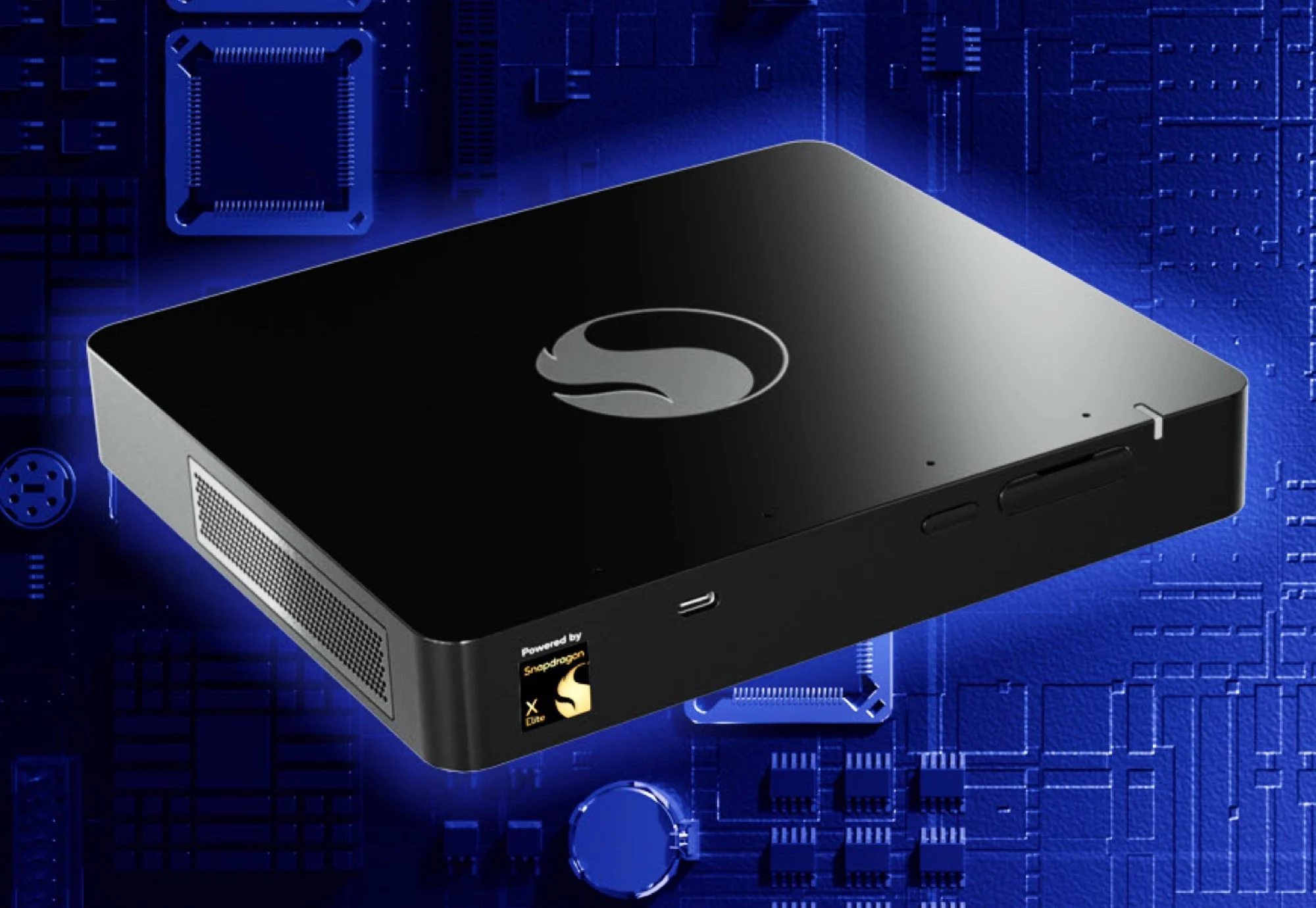
    The latest Qualcomm Snapdragon 8 Gen 5 Elite is set to be revealed shortly at the Snapdragon Summit 2025. During the initial press conference, Qualcomm’s CEO Cristiano Amon along with Rick Osterloh, who is a senior vice president at Google, shared that both companies are working on a new PC that will integrate a Snapdragon ARM chip with Android 16.

    New Developments in Snapdragon Technology

    Qualcomm has been providing a quite strong processor for laptops and mini PCs for over a year, known as the Qualcomm Snapdragon X Elite. However, laptops equipped with Snapdragon chips, like the Lenovo IdeaPad Slim 5, have predominantly been available only with Windows 11 until now. This is expected to change soon, as Google and Qualcomm are collaborating on a technical solution that will enable Android-based PCs.

    A Step Towards Integration

    This initiative represents yet another move by Google to blend Android and Chrome OS. Rick Osterloh emphasized that Android will incorporate the complete Android AI stack for desktops, featuring both Gemini and a wide variety of Google apps. The goal is to create a seamless connection between smartphones and PCs. Ideally, this would allow users to run their smartphone applications on their computers, making it easier for younger users, who are typically more accustomed to smartphones, to transition to a laptop or desktop without needing to learn a lot of new skills. Nevertheless, the executives did not give any specific timeline regarding when the first Android-based PC powered by Snapdragon will be available.

    Exciting Times Ahead

    As we look forward to these technological advancements, the possibilities of merging these platforms could significantly enhance user experiences. The collaboration between Qualcomm and Google may lead to innovative products that cater to the needs of modern users.

    Source:
    Link


  • Samsung Galaxy A36 Receives One UI 8 Update: First Major Upgrade

    Samsung Galaxy A36 Receives One UI 8 Update: First Major Upgrade

    Key Takeaways

    1. The One UI 8 stable update is rolling out to Samsung Galaxy A36 users, starting in South Korea.
    2. This update introduces Android 16, marking the Galaxy A36’s first major OS upgrade.
    3. Users can expect a revamped user interface for key applications and new customization options for home and lock screens.
    4. The update includes enhanced privacy and security features, though it lacks some advanced AI features found on flagship models.
    5. Samsung promises a total of five significant Android updates for the Galaxy A36, ensuring extended software support.


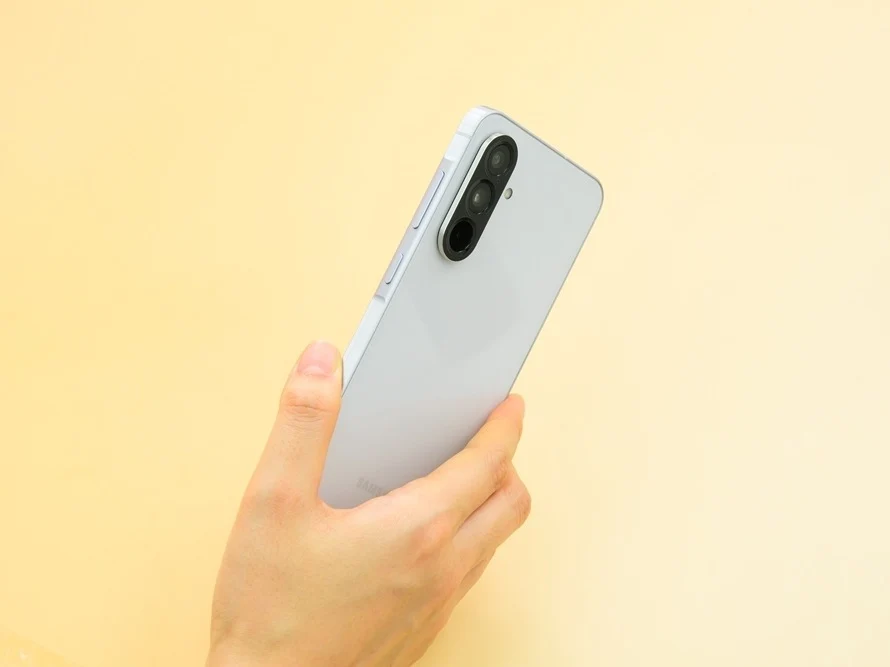
    Big news for all Samsung Galaxy A36 users: the One UI 8 stable update is now being rolled out to your device. Samsung has officially begun this process, starting in South Korea. This rollout comes shortly after the release of One UI 8.0 for high-end models like the Galaxy S24 and S25 series, as well as the Z Fold 6 and Flip 6.

    Update Features

    The One UI 8 update introduces Android 16 to the budget-friendly Galaxy A36, marking its first major OS upgrade. While the initial rollout is taking place in South Korea, users globally can expect to see the update on their devices in the upcoming weeks. Interestingly, this rollout is happening ahead of the previously stated October 2025 release date, which is a nice surprise for those eagerly awaiting the new software.

    User Experience Enhancements

    Once you’ve installed the update, you will notice several changes right away. The user interface of key applications like Quick Share and Samsung Internet has been revamped for a sleeker look. Additionally, there are new customization options that allow for greater control over the appearance of your home and lock screens, including a fresh adaptive clock style.

    Privacy and Security Improvements

    In addition to visual enhancements, the update also bolsters your device’s privacy and security features. However, it’s worth noting that some advanced AI-driven features found on flagship devices are not included here. This is typical for a mid-range phone, though.

    In conclusion, One UI 8 represents just the first of five significant Android updates that Samsung has promised for the Galaxy A36. This device is geared for extended software support.

    Source:
    Link


  • Xiaomi HyperOS 3 Beta for 15+ Devices Launching Soon

    Xiaomi HyperOS 3 Beta for 15+ Devices Launching Soon

    Key Takeaways

    1. Xiaomi HyperOS 3 beta program is now open for users outside China, with the first international update expected on September 24, 2025.
    2. The specific global models for the initial HyperOS 3 beta update have not been announced, but a list has been compiled based on the Chinese program.
    3. The rollout of the Android 16 test firmware will occur in phases, starting with a few devices and expanding to more smartphones over time.
    4. Users interested in the beta version must register through the Xiaomi Community app.
    5. It’s recommended to back up important files before installing the beta update due to potential issues with unstable firmware.


    The Xiaomi HyperOS 3 beta program has been ongoing in China for some time now, with several devices already testing the Android 16 firmware. Recently, the company announced that users outside of China can now register for this program, with the first international beta update projected to arrive on September 24, 2025.

    Expected Devices for Update

    While Xiaomi has not disclosed which global models will be the first to receive the HyperOS 3 beta update, XiaomiTime has compiled a list based on the existing Chinese program and their firmware database. According to this source, these are likely to be the initial smartphones in Europe and worldwide to get the Android 16 test update:

    Rollout Plan

    Similar to the beta program in China, the worldwide Android 16 test firmware is anticipated to be released in phases. Therefore, after the first devices receive the update, more global smartphones will follow suit until Xiaomi completes its stable update rollout strategy.

    For those eager to experience HyperOS 3 in its beta version, they must sign up for the program via the Xiaomi Community app. However, before proceeding with the beta Android 16 update, it’s wise to back up any crucial files, as issues can arise with unstable firmware.

    Source:
    Link


  • Xiaomi Launches Stable HyperOS 3 Update for 20+ Devices in October 2025

    Xiaomi Launches Stable HyperOS 3 Update for 20+ Devices in October 2025

    Key Takeaways

    1. HyperOS 3 beta testing has started in China following the launch of Xiaomi’s Android 16 interface.
    2. Global users with compatible devices can now access the HyperOS 3 testing firmware.
    3. Xiaomi plans to roll out the stable HyperOS 3 update to 24 devices by the end of October 2025 in China.
    4. An additional 17 devices are scheduled for updates by the end of November 2025.
    5. A total of 26 devices are expected to receive the update by the end of 2025, with more products planned for rollout by January 2026.


    The HyperOS 3 beta testing began in China shortly after Xiaomi launched its new Android 16 interface. The company has announced that global users with compatible devices can now get access to the testing firmware.

    Stable Version Rollout

    Xiaomi has recently shared the first list of devices that will get the complete Android 16 update. According to their announcement, 24 of Xiaomi’s products are set to receive the stable HyperOS 3 update by the end of October 2025 in China.

    Future Updates

    In addition, Xiaomi confirmed that 17 more devices will be updated by the end of November 2025. Furthermore, a total of 26 devices are expected to receive the update by the end of 2025. The company has plans to include even more products in the rollout by the end of January 2026.

    Source:
    Link